

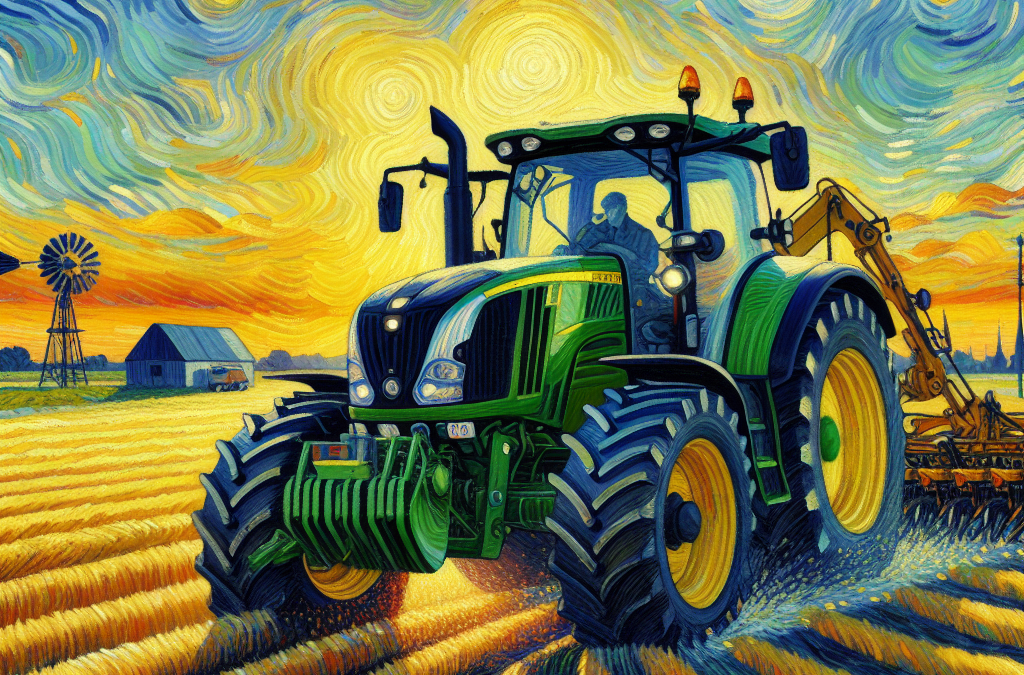
The Timeless Trustworthiness Of Classic Tractors
By Tom Seest
At ClassicTractorNews, we help tractor lovers keep up with the latest news for classic and vintage tractors.
Please share this post with your friends, family, or business associates who may like old classic or vintage tractors.
Are Classic Tractors More Reliable Than The Latest Farming Tech
When you roll up to a field in a classic tractor, it’s more than just a machine; it’s a time-honored companion. Few things stir the heart like the deep hum of an old diesel engine—a sound that echoes the labor and tenacity of generations before us. Each scratch and dent tells a story of perseverance, reminding us that reliability isn’t defined solely by new gadgets and flashing screens.
Now, let’s think with our head for a moment. If we rely on the latest farming tech, we’re often at the mercy of software glitches and the next big update, which can leave us stranded in the middle of a harvest. But that classic tractor? It was built with a sense of practicality. Forged from steel and simplicity, there are fewer moving parts to go wrong, which translates to less downtime and more productivity. That’s not just a rational decision; it’s a matter of livelihoods.
Then, tugging at the gut, we see the emotional connection that develops with these legendary machines. Imagine working the land beside your father or grandfather, that vintage tractor chugging along, its engine roaring encouragement. It’s more than just transportation; it’s a rite of passage. You learn about grit and resolve as that machine digs deep into the earth, planting seeds that represent hard work and hope for the future.
Ethically speaking, there’s something to be said for honoring the past. In a world racing toward rapid modernization, it’s critical to ask: Are we discarding wisdom gleaned from years of practical experience? Choosing a classic tractor often means embracing sustainability—repairing and maintaining, rather than purchasing the latest model and contributing to a throwaway culture.
Authority comes from the generations who have swayed the soil with these faithful machines, from architects of agriculture to those who know the rhythm of the land. Conversations around dinner tables have echoed the reliability of these classics, cementing their place in the fabric of farming.
Socially, there’s a camaraderie among those who appreciate the vintage beauty of these tractors. You pull into a local show, garage, or even a neighbor’s farm, and you instantly have something in common—a shared respect for what’s endured the test of time.
Ultimately, whether it’s the heart, head, or gut pulling you toward that classic, it’s clear: while the latest farming tech has its place, the unwavering reliability of a classic tractor is a tradition worth nurturing. Embrace that connection; let the legacy roll on.
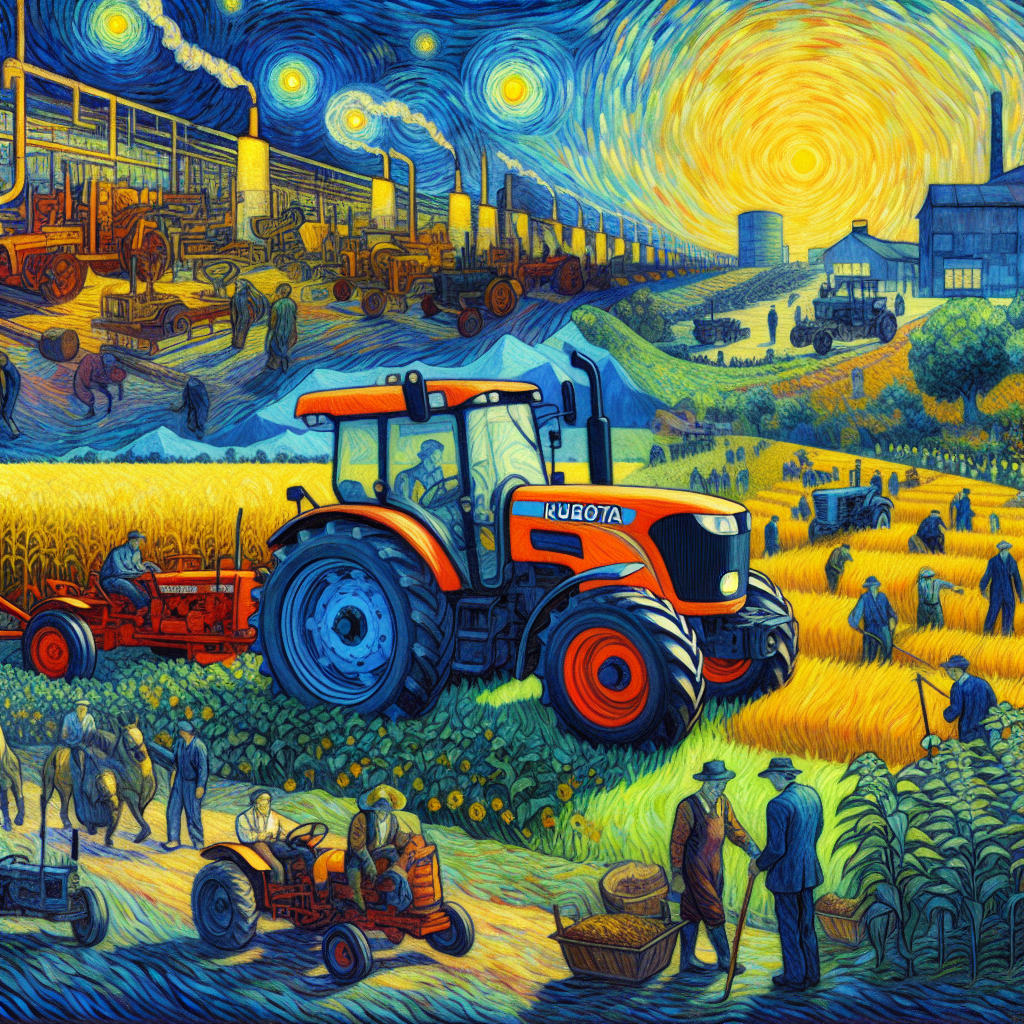
Are Classic Tractors More Reliable Than The Latest Farming Tech
Are Classic Tractors More Reliable Than The Latest Farming Tech
- A classic tractor serves as a time-honored companion, echoing the labor of generations past.
- Reliance on modern farming technology can lead to software glitches and downtime during critical moments.
- Classic tractors, built for simplicity and reliability, minimize potential mechanical failures, enhancing productivity.
- Emotional connections form through shared experiences of working the land with family, symbolizing hard work and hope.
- Choosing classic tractors promotes sustainability by prioritizing repair and maintenance over disposable culture.
- Generations of farmers have established a sense of authority and trust in classic tractors as reliable tools of agriculture.
- Camaraderie exists among enthusiasts of vintage tractors, fostering community connections through shared appreciation.
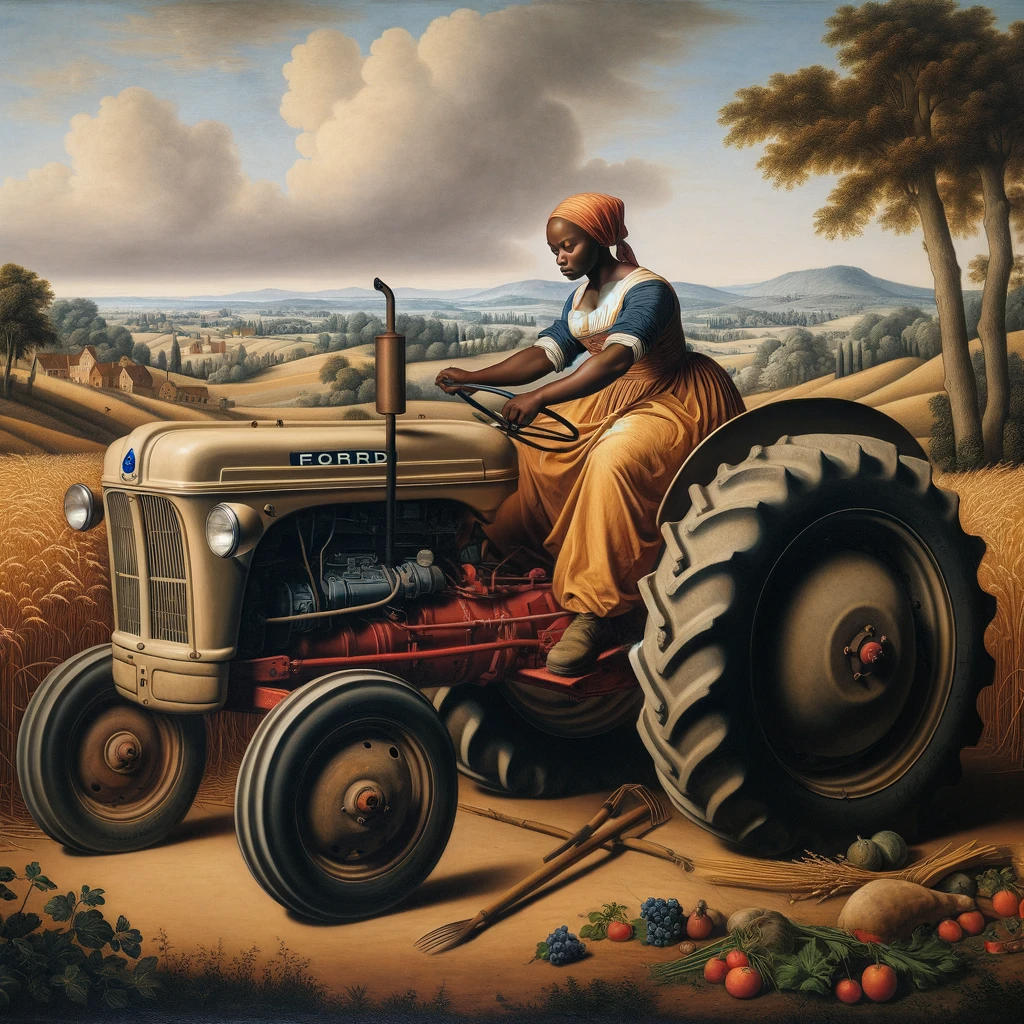
Are Classic Tractors More Reliable Than The Latest Farming Tech
Table Of Contents
- Are Classic Tractors More Reliable Than The Latest Farming Tech
- Can Modern Tech Truly Match The Simplicity Of Classic Machines?
- What Stories Do Our Fathers And Grandfathers Share About Old Tractors?
- How Often Do Costly Repairs Make Modern Farming Tech A Burden?
- Are Classic Tractors A Symbol Of Trust In Unpredictable Times?
- Can The Emotional Connection To Classic Tractors Outweigh Tech Gains?
- Are Newer Tractors More About Trends Than True Agricultural Needs?
- Conclusion
- Other Resources
- Glossary Of Terms
- Other Questions
- Haiku
- Poem
- Checklist
Can Modern Tech Truly Match The Simplicity Of Classic Machines?
As I sit on a weathered porch, the sun dipping low behind sprawling fields, I can’t help but think of the old tractor that once rumbled to life each morning. Its engine, a rough-hewn masterpiece of metal and grit, embodied an era where simplicity reigned supreme. That old machine had its quirks, yes. It didn’t boast the flashy touch screens or GPS-guided navigation of today’s modern tech. But in its unfailing reliability, it taught us something profound about craftsmanship, effort, and connection.
Today, tractors and farming machinery pulsate with technology that can plan, predict, and optimize with a tap of a finger. These innovations promise efficiency and precision, and they deliver in ways our ancestors could only dream of. Still, a question lingers in the air: Can these modern marvels genuinely match the uncomplicated charm of their predecessors?
Now, let’s put on our thinking caps for a moment. What does it mean to truly connect with the tools we use? The old tractor gave its operator an intimate understanding of the land, weather, and machinery itself. It called for engagement and effort. You could fix a flat tire or adjust the timing with a handful of tools and a bit of elbow grease. That connection—rooted in sweat and toil—fostered pride and responsibility.
With today’s high-tech tractors, one can sit back in a plush seat, sipping coffee while the machine does all the work. The efficiency is alluring, but what’s lost in the trade? The accountability? The learning curve that made us better farmers and more astute observers of our environment? Can we genuinely foster that deep-seated relationship with a machine that operates in silence, shielded by screens?
Ethically, we must consider the consequences of leaning too heavily on tech. Excess reliance can disconnect us from our roots—literally and figuratively. Is it possible that by simplifying our machinery, we also simplify our connection to the land and one another?
In truth, it’s not just about the mechanics. It’s about the stories shared, the lives lived, and the community built around that tractor in the yard. So, as we advance and embrace modernity, let’s not forget the lessons learned from those simpler times, where the warmth of our hands and the rumble of a dependable engine echoed the heartbeat of our work and lives.
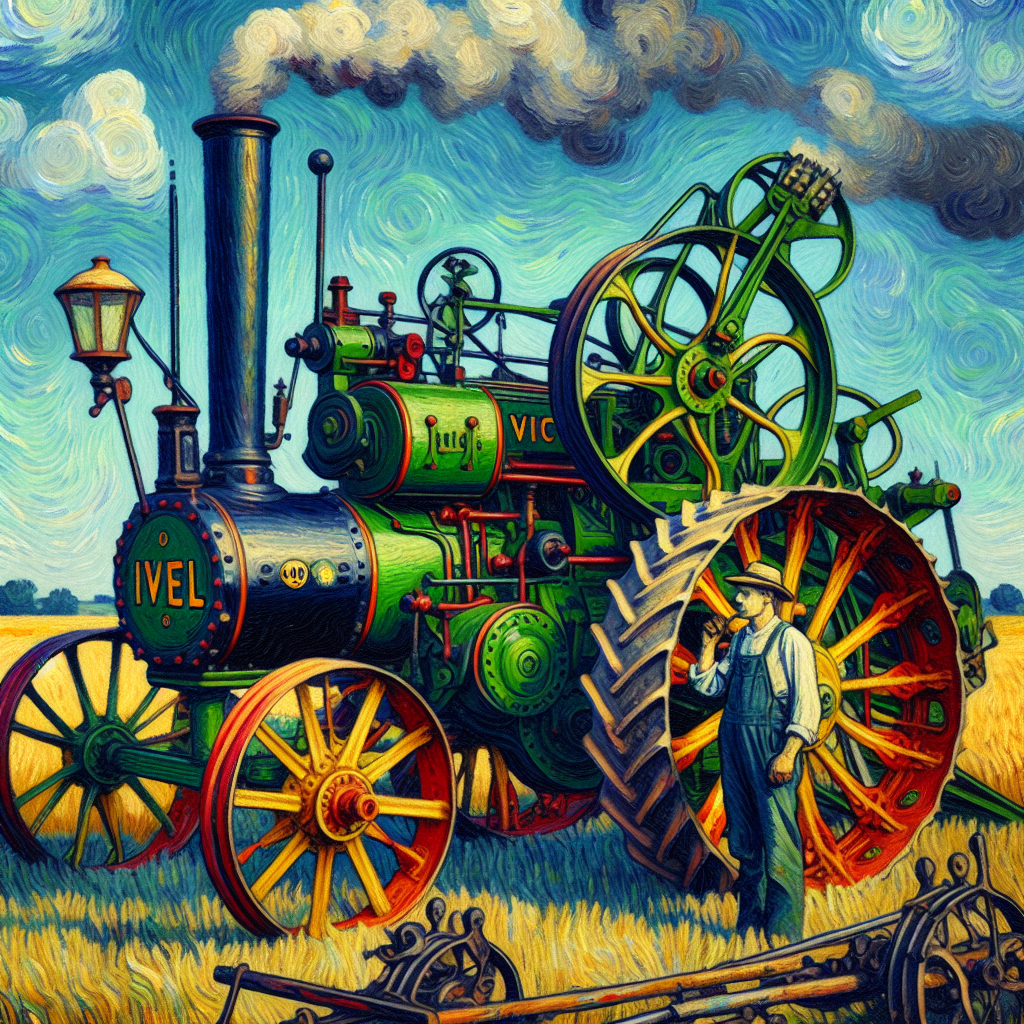
Can Modern Tech Truly Match The Simplicity Of Classic Machines?
Can Modern Tech Truly Match The Simplicity Of Classic Machines?
- The narrator reflects on the charm of an old tractor that once symbolized simplicity and craftsmanship.
- Modern tractors feature advanced technology for efficiency, but the charm of older models raises questions about true connection.
- The old tractor fostered an intimate relationship between operator and land, promoting engagement and hands-on skills.
- High-tech tractors offer comfort and ease, but may lead to a loss of accountability and connection to farming practices.
- Ethical considerations emerge regarding reliance on technology, potentially disconnecting us from our roots.
- True farming encompasses shared stories, community, and the tactile experience of working with machinery.
- The narrative calls for remembering lessons from simpler times as we embrace modern advances in agriculture.
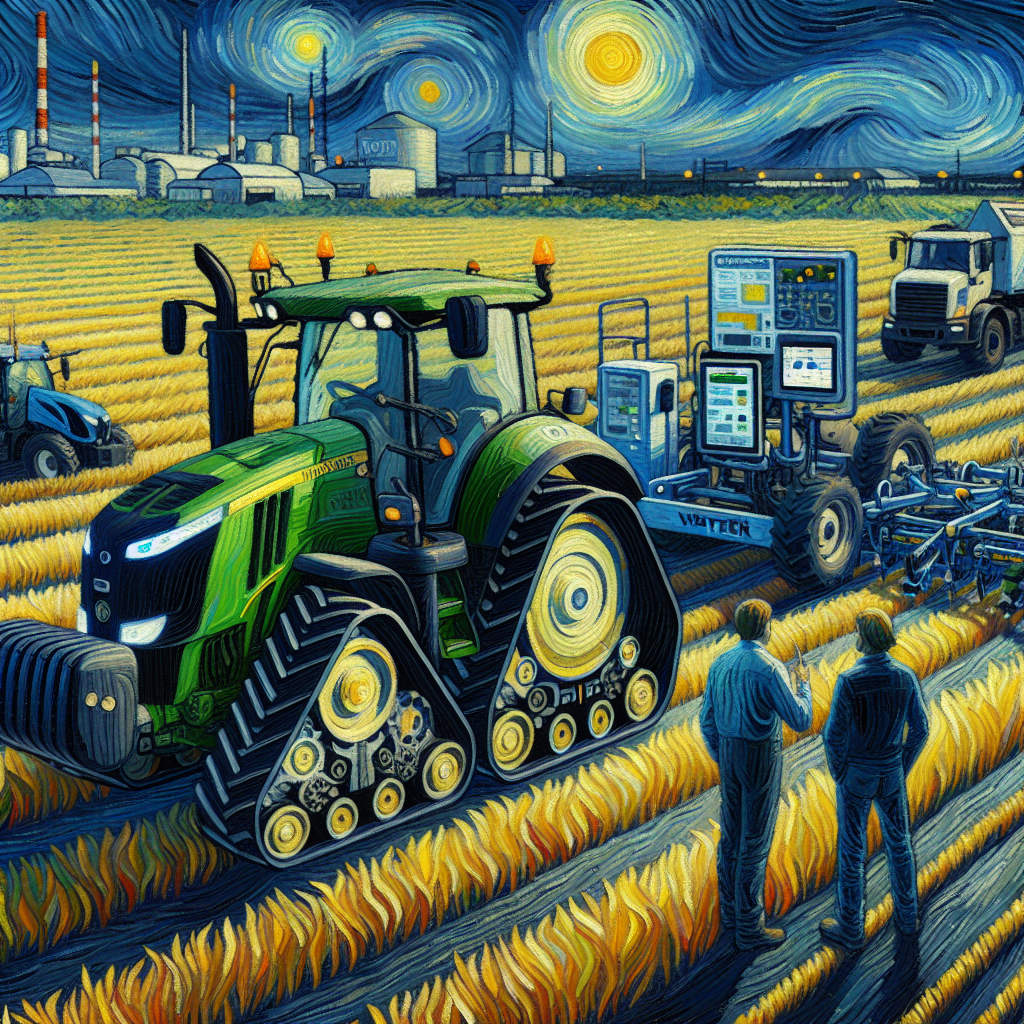
Can Modern Tech Truly Match The Simplicity Of Classic Machines?
What Stories Do Our Fathers And Grandfathers Share About Old Tractors?
There’s something about the rumble of an old tractor that calls to mind the echoes of our fathers’ and grandfathers’ voices. Picture it: a weathered machine, its paint worn by years of sun and rain, each dent and scratch holding a story of hard work, perseverance, and a different time. These tractors weren’t just tools; in many cases, they were lifelines.
Think back to those long summer days when your father or grandfather would recount tales of stubborn engines and unyielding fields. They describe how a tractor wasn’t merely a means to plow the land; it was a partner in the dance of agriculture—reliable, but also unpredictable. Their stories often highlight those moments of triumph when the machine would finally churn to life after countless attempts, an embodiment of grit reflecting the very spirit of those who operated it. It reminds us of the heart and soul poured into every rural endeavor.
From a rational perspective, these tales also serve to underline the importance of machinery in shaping our landscapes and economies. In the era when horsepower came from the iron beasts rather than the legs of draft animals, these tractors represented a shift—the dawn of progress. Our forefathers understood that the agrarian lifestyle demanded more than muscle; it required machinery that could withstand the test of time, and that very resilience instilled a sense of pride. It wasn’t just about getting the job done; it was about doing it right.
Ethically, sharing these stories connects us to our roots, reminding us of the values of hard work, humility, and integrity that defined those who tended the land. Each recounting serves as a bridge across generations, encouraging a respect for craftsmanship, innovation, and tenacity. They passed down not just machinery but life lessons—lessons on the importance of nurturing and caregiving, whether it be to the soil or to our families.
Yet, there’s a social aspect too—every old tractor has a community surrounding it. Stories of neighbors lending a hand in the heat of the day, of gatherings around the machine, swapping tales of success and failure, capture the essence of togetherness. By sharing these experiences, we weave a rich tapestry that binds us, reminding us that we’re not alone in our struggles or successes.
So, the next time you see an old tractor, take a moment to reflect. Behind that rugged exterior lies a wellspring of stories—a potent reminder of our past that continues to shape our future. Embrace those tales; share them. Because in them, we find not only our history but a unifying thread of resilience and hope.
What Stories Do Our Fathers And Grandfathers Share About Old Tractors?
What Stories Do Our Fathers And Grandfathers Share About Old Tractors?
- Old tractors evoke memories of past generations, symbolizing hard work and perseverance.
- These machines served as reliable partners in agriculture, reflecting the spirit of their operators.
- Tractors represented a shift toward progress, transitioning from muscle power to machinery in farming.
- Stories of old tractors emphasize values such as hard work, humility, and respect for craftsmanship.
- Recollections serve as life lessons about nurturing the land and families alike.
- Community bonds are formed around these tractors, fostering togetherness through shared experiences.
- Reflecting on old tractors connects us with our history and offers hope for the future.
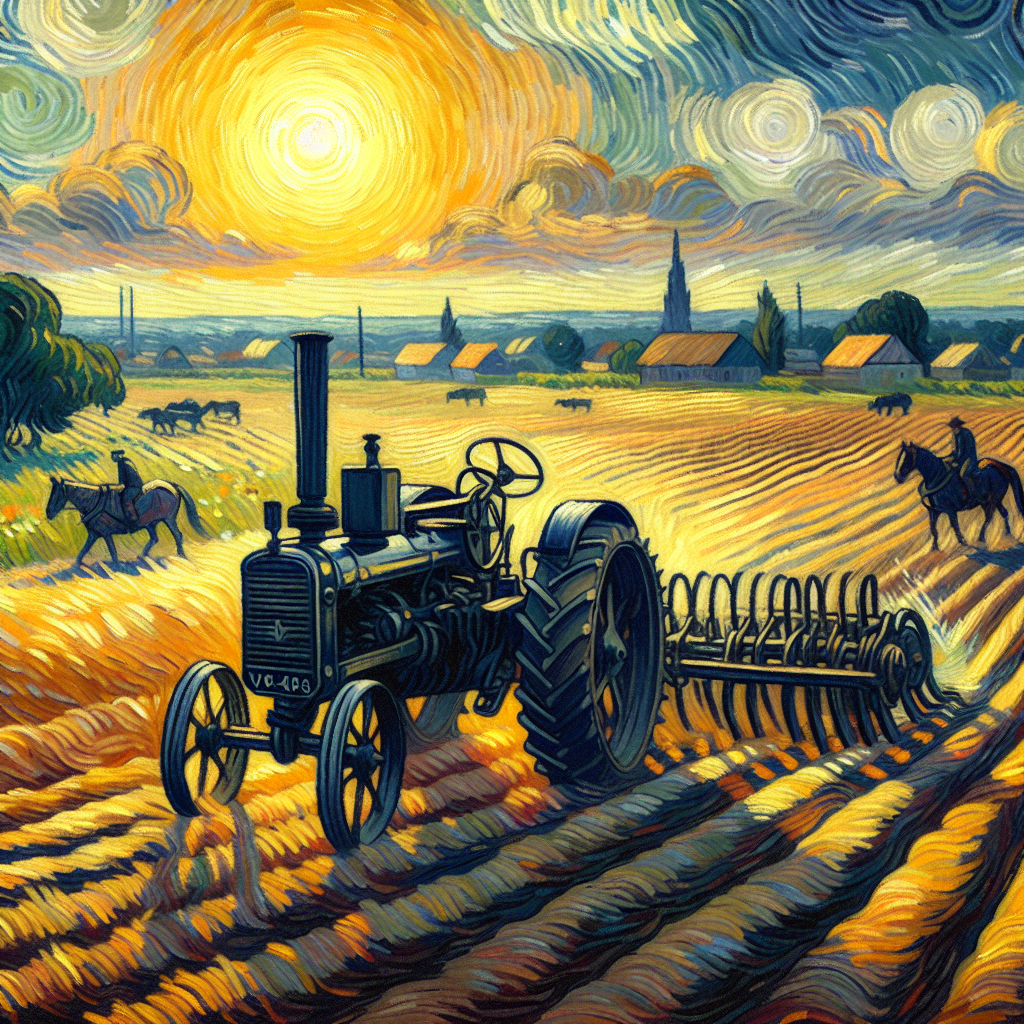
What Stories Do Our Fathers And Grandfathers Share About Old Tractors?
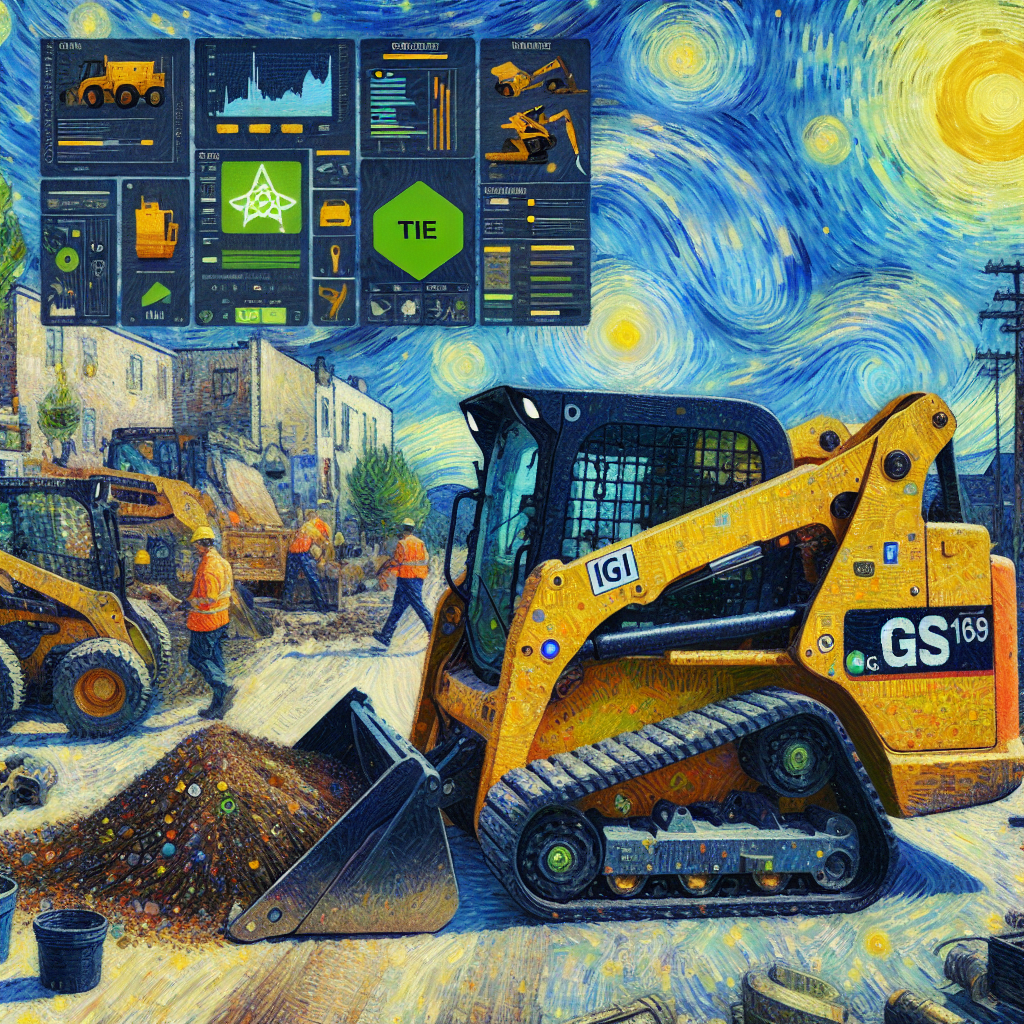
How Often Do Costly Repairs Make Modern Farming Tech A Burden?
In the sprawling fields of American agriculture, the hum of a tractor is more than just a sound; it’s a heartbeat—steady, dependable, and vital. But for many farmers today, that soothing rhythm can suddenly give way to the jarring clank of an unexpected breakdown, leaving not just a machine stranded, but an entire livelihood hanging in the balance. It’s a tough reality: while modern farming tech promises efficiency and increased yield, the hidden costs can turn that promise into a curse.
Imagine a farmer rising before dawn, full of hope, climbing into the seat of a high-tech tractor equipped with the latest gadgets. He’s prepared to plow through the day, pushing his operation forward through years of sweat and sacrifice. But somewhere along the line, the promise of technology collides with the harsh reality of exorbitant repairs. A sensor malfunctions, a computer chip fails, or a hydraulic line bursts—and just like that, what was once a tool of empowerment becomes a financial albatross. This is not just about machinery; it’s about family legacy and the weight of generations resting on one pair of shoulders.
For every minute a tractor sits idle, costs accumulate. It’s not just the repair bills; there are lost opportunities, missed planting windows, and a rising tide of anxiety. Farmers juggle the emotional turmoil of uncertainty with the rational necessity of planning for an uncertain future. They’re caught in a cycle where advanced technology can sometimes feel like a double-edged sword. These hardworking individuals aren’t just keeping up with the times; they’re often playing catch-up against wallets stretched thin by unforeseen costs.
Beyond the numbers, there’s an ethical dimension here. Farmers are stewards of the land, and they want to leverage every tool available to feed their communities sustainably. But when the tools become burdens, it’s not just a financial issue; it’s a threat to the very fabric of rural life. Can we truly call ourselves a society that values innovation when that innovation leads to distress?
In these fragile moments, it’s crucial to foster trust. Communities can rise together, sharing stories and strategies, knitting a safety net of support. Modern farming should lift us up, not weigh us down. As more farmers share their narratives, perhaps we can inspire change in how technology is utilized and ultimately make sure that the sound of our tractors resonates with reliability, not regret.
How Often Do Costly Repairs Make Modern Farming Tech A Burden?
How Often Do Costly Repairs Make Modern Farming Tech A Burden?
- The hum of a tractor symbolizes the heartbeat of American agriculture, essential for farmers’ livelihoods.
- Farmers face unexpected breakdowns that jeopardize their entire operations despite advances in farming technology.
- High-tech equipment can lead to expensive repairs, turning tools of empowerment into financial burdens.
- Idle tractors incur costs beyond repairs, including lost opportunities and increased anxiety about the future.
- Farmers often experience a struggle between the desire for technological advancement and the reality of financial strain.
- The ethical implications of technology in farming highlight the challenge of maintaining rural life and sustainability.
- Building community trust and sharing experiences can inspire change and support farmers in navigating technological challenges.
How Often Do Costly Repairs Make Modern Farming Tech A Burden?
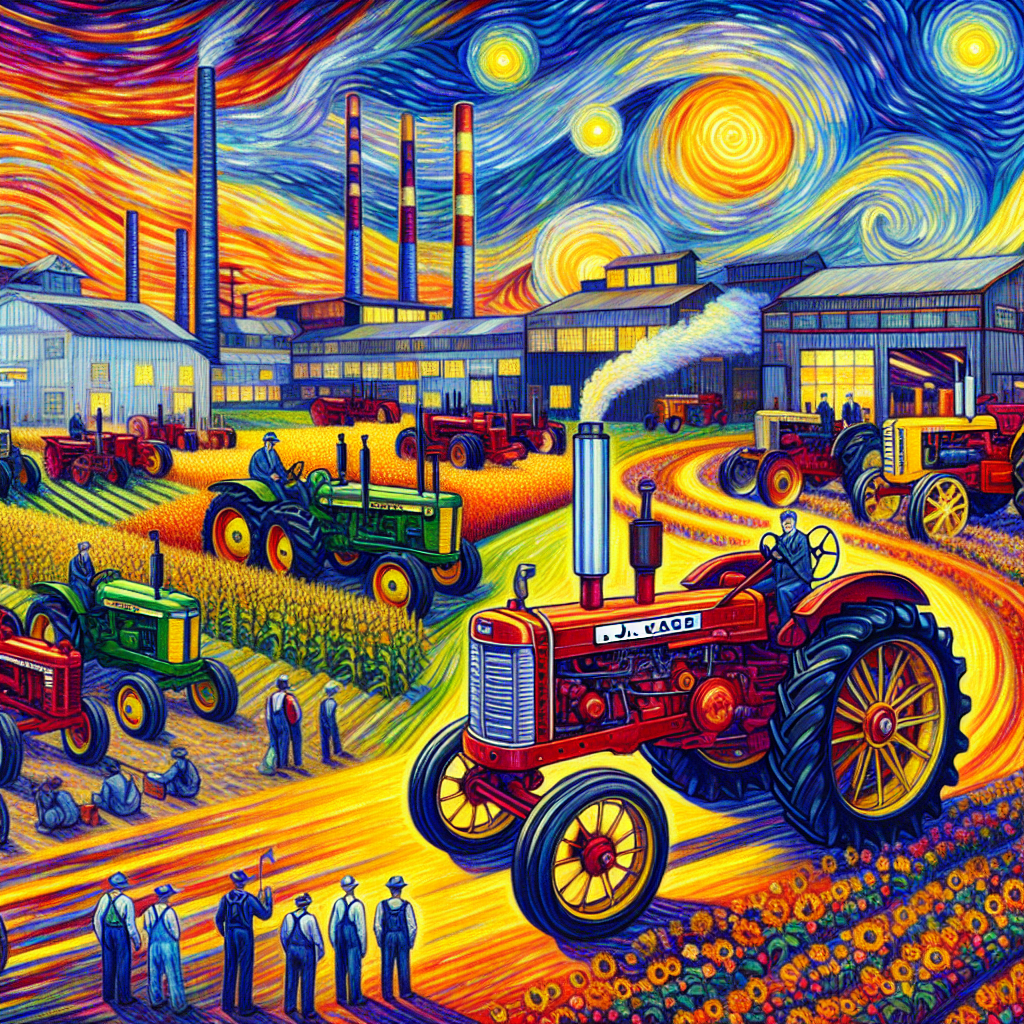
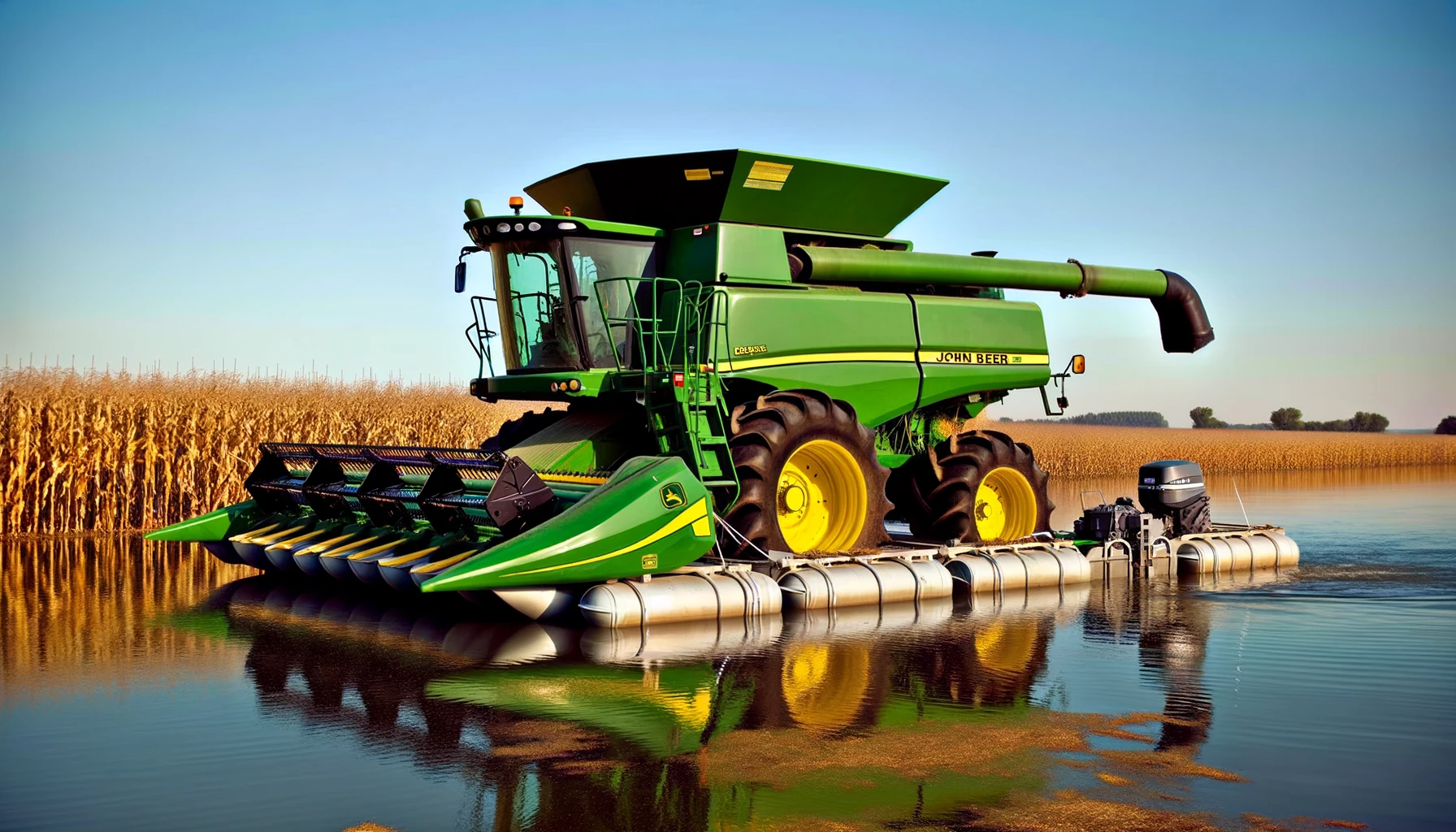
Are Classic Tractors A Symbol Of Trust In Unpredictable Times?
In a world that spins on the axis of uncertainty, classic tractors stand as steadfast sentinels of trust. Picture a weathered machine, paint chipped and worn, its engine a testament to years of hard labor. It’s more than just a piece of equipment; it’s a reliable partner that has weathered storms, both literal and metaphorical, alongside farmers who have poured their sweat and pride into the land. Here lies a compelling narrative of resilience—a story thousands can relate to.
For many, these tractors symbolize a connection to simpler times, where the rhythms of life were dictated by the seasons, not the stock market. They evoke memories of weekend afternoons spent clearing fields, the comforting vibrations beneath their hands, and the reassuring sound of the engine humming. It’s the kind of nostalgia that floods your gut with warmth, a reminder that despite chaos, there’s a world where hard work still pays off.
On a rational level, classic tractors represent a wise investment in a time characterized by fleeting trends. They endure breakdowns and are often repairable with basic tools, making them a practical choice in times of economic uncertainty. By opting for these robust machines, farmers aren’t just safeguarding their livelihoods—they’re embracing a culture of sustainability, reducing their dependence on a consumer-driven economy. This approach fosters a deeper connection to the land, tapping into ethical farming practices that honor tradition while promoting resilience.
Moreover, there’s a social aspect that transcends generations. Classic tractors have become communal symbols at county fairs and local gatherings, fostering bonds among people who share a passion for farming. They stand in fields like guardians of community memory, each dent and scratch telling a story that connects one person to another through shared experiences and values. The conversations around these machines are rooted in trust, as farmers exchange tips, tales, and tools.
In these unpredictable times, the allure of the classic tractor isn’t just in its mechanics but in its ability to inspire confidence and action. It reminds us that amidst the uncertainty, some things remain dependable. So when you see a classic tractor rolling across a sun-drenched field, know that it’s not just a relic; it’s an emblem of enduring trust and tenacity. It embodies a promise—of perseverance, of community, and of unwavering faith in work done well.
Are Classic Tractors A Symbol Of Trust In Unpredictable Times?
Are Classic Tractors A Symbol Of Trust In Unpredictable Times?
- Classic tractors represent steadfastness and trust in an uncertain world.
- They are reliable partners for farmers, symbolizing resilience through hard labor.
- These machines evoke nostalgia for simpler times, rooted in the rhythms of nature.
- Classic tractors are wise investments, repairable with basic tools and economically sustainable.
- They foster a connection to ethical farming practices and reduce dependence on consumerism.
- Classic tractors serve as communal symbols, enhancing bonds at local events and gatherings.
- They inspire confidence and action, embodying perseverance and faith in hard work.
Are Classic Tractors A Symbol Of Trust In Unpredictable Times?
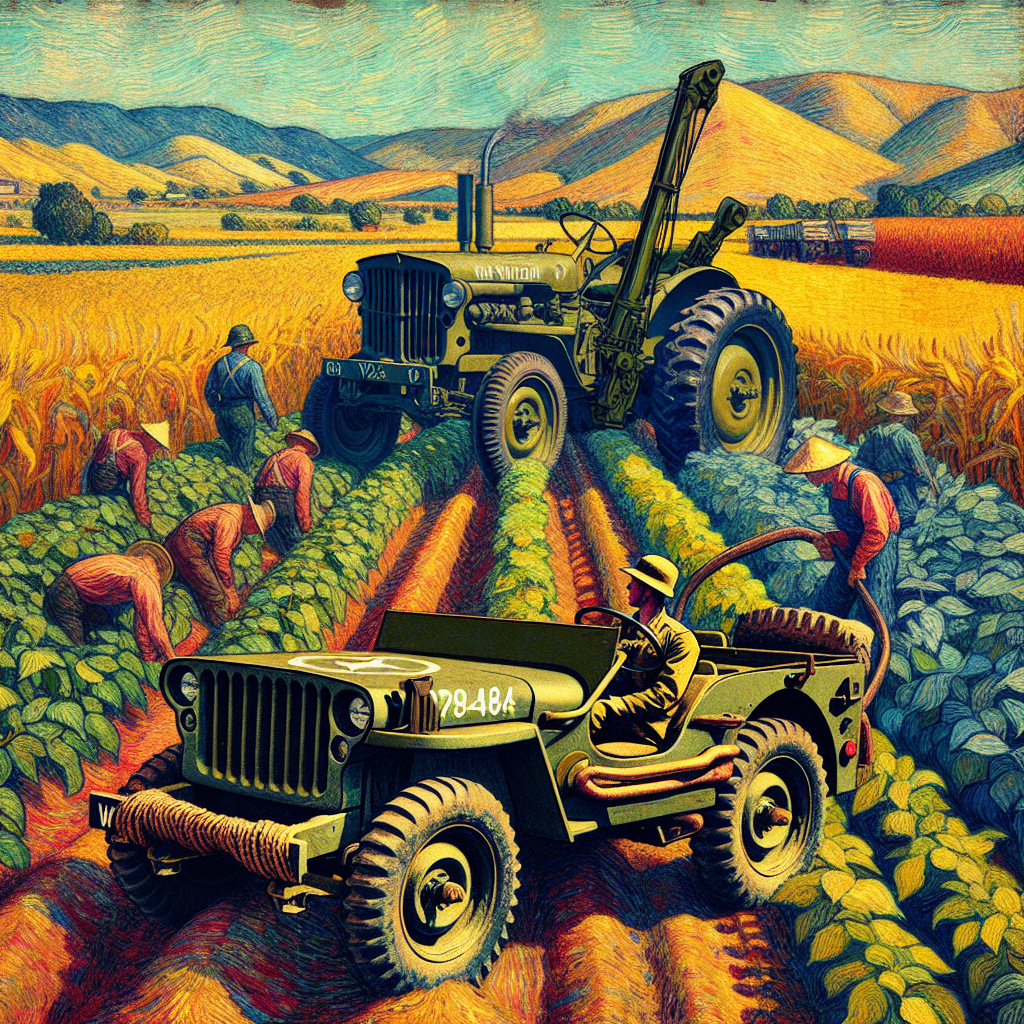
Can The Emotional Connection To Classic Tractors Outweigh Tech Gains?
When you roll up your sleeves and step into the world of tractors, you’re not just stepping onto fields; you’re stepping into a storied legacy. The emotional connection we foster with these machines is like the bond between an old friend and a loyal dog. Every scratch and dent on the fender tells tales of rain-soaked harvests and sun-drenched afternoons. These classic tractors embody more than just metal and mechanics; they hold generations of hard work, resilience, and pride.
Now, let’s talk about the shiny allure of technological advancements. Yes, those modern tractors hum with precision, boasting GPS navigation and automated systems that could practically drive themselves. They’re the prodigies of engineering, built to maximize efficiency and yield. But are they really worth relinquishing the soul engraved in those venerable machines sitting in the barn? That’s where we need to engage our heads, weighing the pragmatic benefits against a rich tapestry of heritage and human connection.
Picture the farmer standing on his land, the golden rays of sunset reflecting off the curved chassis of his well-loved tractor. It’s not just a piece of equipment; it’s a trusted partner, one that’s weathered many storms alongside him. This symbol transcends mere utility, embodying values that run deep in our communities, values that align with ethics surrounding family farming and stewardship of the land. By nurturing that bond, we preserve not only our history but the wisdom that comes with it.
Now, let’s be honest. It’s tempting to chase after the latest technology—after all, the world demands efficiency. But the human story wrapped around a classic tractor is hard to ignore. Each little triumph and setback, shared with family and friends, strengthens our social fabric. This narrative is where connection thrives, uniting neighbors over coffee and reminiscing about yesteryears spent alongside those durable workhorses.
So, as we stand at a crossroads—one path paved with advancements and the other dotted with nostalgia—let’s not rush to choose. Our hearts may lean toward the classics, but our heads know there’s merit in progress. Trust that the balance can be struck. Embrace the old while staying open to the new. Let the nostalgia of those classic tractors ground us as we stride bravely into the future, fusing the best of both worlds for the next generation of farmers. Let’s take the best of the past and let it guide us to a promising tomorrow.
Can The Emotional Connection To Classic Tractors Outweigh Tech Gains?
Can The Emotional Connection To Classic Tractors Outweigh Tech Gains?
- Tractors carry a storied legacy and an emotional connection akin to bonds with old friends.
- Classic tractors symbolize generations of hard work, resilience, and pride, marked by their scratches and dents.
- Modern tractors feature advanced technology like GPS and automation, enhancing efficiency and yield.
- There’s a dilemma between embracing technological advancements and preserving the heritage of classic tractors.
- Tractors are seen as trusted partners for farmers, embodying values tied to family farming and land stewardship.
- Classic tractors promote community connection, with shared stories enhancing social bonds among families and neighbors.
- Finding a balance between honoring the past and embracing progress can lead to a promising future for farmers.
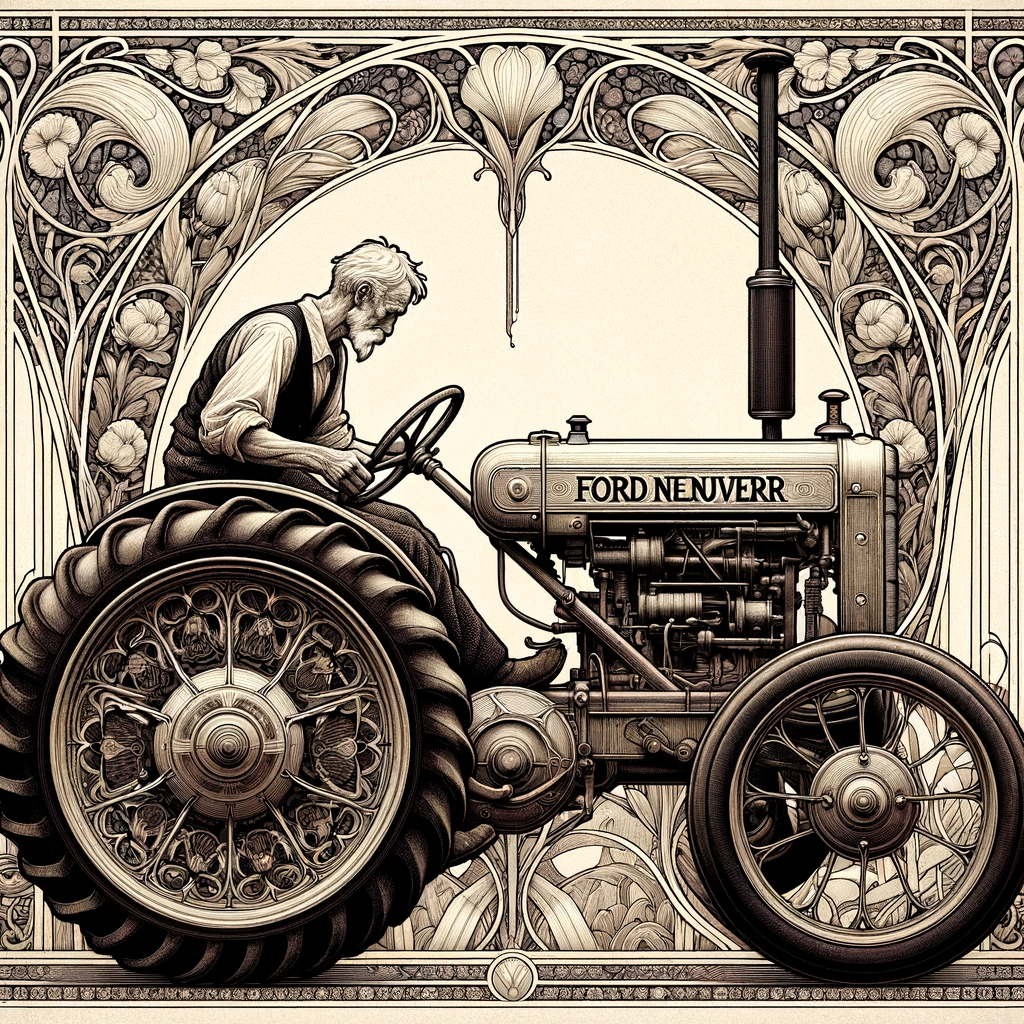
Can The Emotional Connection To Classic Tractors Outweigh Tech Gains?
Are Newer Tractors More About Trends Than True Agricultural Needs?
In the sprawling fields where life meets labor, the tractor stands as a symbol of progress—an engineering marvel that revolutionized agriculture. Yet, as we zoom in on the latest models gleaming under the sun, one must ponder: Are these newer tractors genuinely solving farmers’ real-world challenges, or are they merely following the whims of market trends, shiny paint jobs, and slick ads promising the moon?
Let’s face it: Farming is about more than chrome and horsepower. It’s about nurturing the soil that sustains us, pulling together a community around shared meals, and ensuring a heritage that can be passed down to the next generation. Every farmer knows the rhythm of the earth—the seasons that shape their work cycle, the stubborn weeds that sprout up just when you think you’ve got it all under control. A tractor should be a trusted partner, a tool that meets those needs head-on, not just a flashy status symbol that turns heads.
For many, the decision to invest in a new tractor is as much about passion as it is about practicality. It’s the promise of greater efficiency and reduced labor that tugs at our rational side, reassuring us that we can harvest more with less. Still, there’s a nagging question at the back of our minds: Does the new tech deliver what it claims, or is it an ethereal dream wrapped in a layer of marketing fluff? It’s hard to ignore that sense of ethical responsibility. When we invest in equipment that overextends our budget on trendy features that don’t address our daily hurdles, we risk not just our farms, but the legacy of agriculture itself.
There’s a story behind every tractor—whether it’s carved into the scorched metal of a 1940s Ford or etched in the sleek lines of today’s best-sellers. It’s the history of farmers who toiled before us, who used tools that might not have boasted satellite navigation or smart sensors but were crafted to get the job done right. In that narrative, we find connection; we understand our role in a continuum.
So, as we stand at this crossroads, eyeing those shiny new tractors promising miracles, let’s cultivate a conversation. Let’s champion products born from genuine need, champion innovations that respect our roots. Because in the end, true progress isn’t just about keeping up with trends; it’s about staying grounded in what really matters—feeding the world with heart, head, and gut.
Are Newer Tractors More About Trends Than True Agricultural Needs?
Are Newer Tractors More About Trends Than True Agricultural Needs?
- The tractor symbolizes progress and revolutionized agriculture.
- Newer models raise questions about their effectiveness in solving real farmer challenges.
- Farming is focused on nurturing the soil, community, and heritage, not just appearances.
- Investing in new tractors is driven by both passion and practicality for more efficiency.
- Concerns exist regarding whether new technology delivers on its promises or is merely marketing fluff.
- Every tractor has a story, reflecting a historical connection to past farming practices.
- True progress in agriculture should prioritize genuine needs and foundational values over trends.
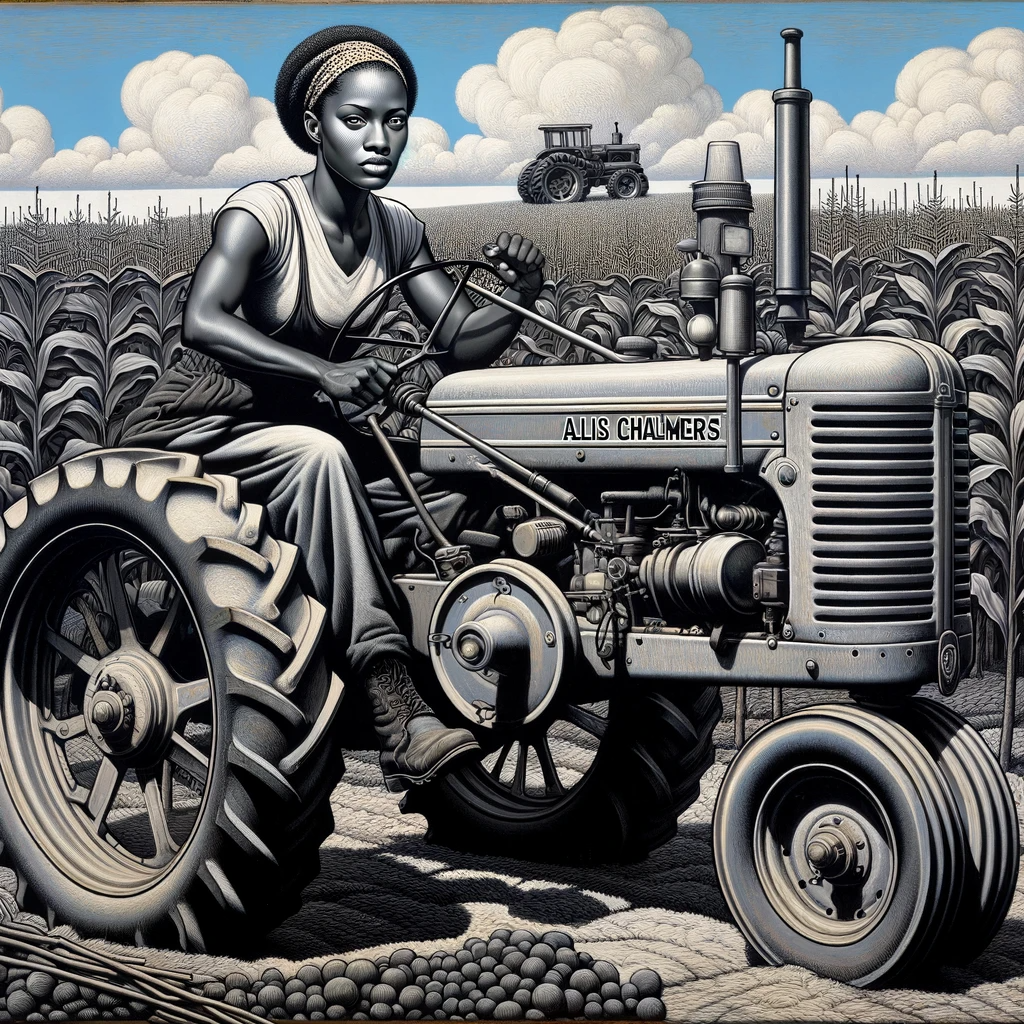
Are Newer Tractors More About Trends Than True Agricultural Needs?
Conclusion
As we pull the curtain down on our exploration of classic tractors versus modern farming tech, let’s just take a moment to breathe, consider, and reflect on what we’ve learned. Tractors aren’t merely a collection of metal and bolts. They are the silent witnesses to our labor, the symbols of our heritage, and the trusted partners that have nurtured our fields and families for generations. From the resonant hum of a time-tested engine to the satisfying sound of a manual gear shift, classic tractors embody more than just nostalgia; they represent reliability amidst uncertainty.
Now flip the coin, and we find ourselves surrounded by modern tractors buzzing with technology—equipped with sensors, GPS, and almost a claim to consciousness. Indeed, they offer the allure of efficiency and cutting-edge innovation, promising a utopia of productivity. But let’s not kid ourselves: with every new gadget comes a set of potential pitfalls—software snafus, costly repairs, and features that often feel more about trends than true agricultural needs.
Here’s where we have to appeal to our heads and hearts. A classic tractor keeps it real, built from steel with straightforward mechanics, offering farmers the forgiveness of easy repairs and the assurance of reliability during those critical harvest windows. When that engine roars to life, it embodies a legacy of grit and determination, one that connects generations in a relatable narrative around hard work and perseverance. This isn’t just about farming; it’s about community, about shared experiences, about passing down stories—a better way of knitting together our past with our present.
Ethically speaking, our choice carries weight. By honoring these classic machines, we resist the disposable culture looming over us, promoting sustainability instead. Each vintage tractor is a testament to years of knowledge and craftsmanship, echoing the lessons learned in fields that were plowed by hands before ours.
So, whether you are swayed by the reliability of an old workhorse or the charm of new tech, take a moment to consider what you are truly valuing. Let’s strive for a balance—embracing the wisdom of classic tractors while remaining open to sensible innovations. In a world of uncertainty, let’s choose dependability, connection, and heart—because ultimately, it’s not just about the machines we use; it’s about the lives we lead and the legacy we leave behind.
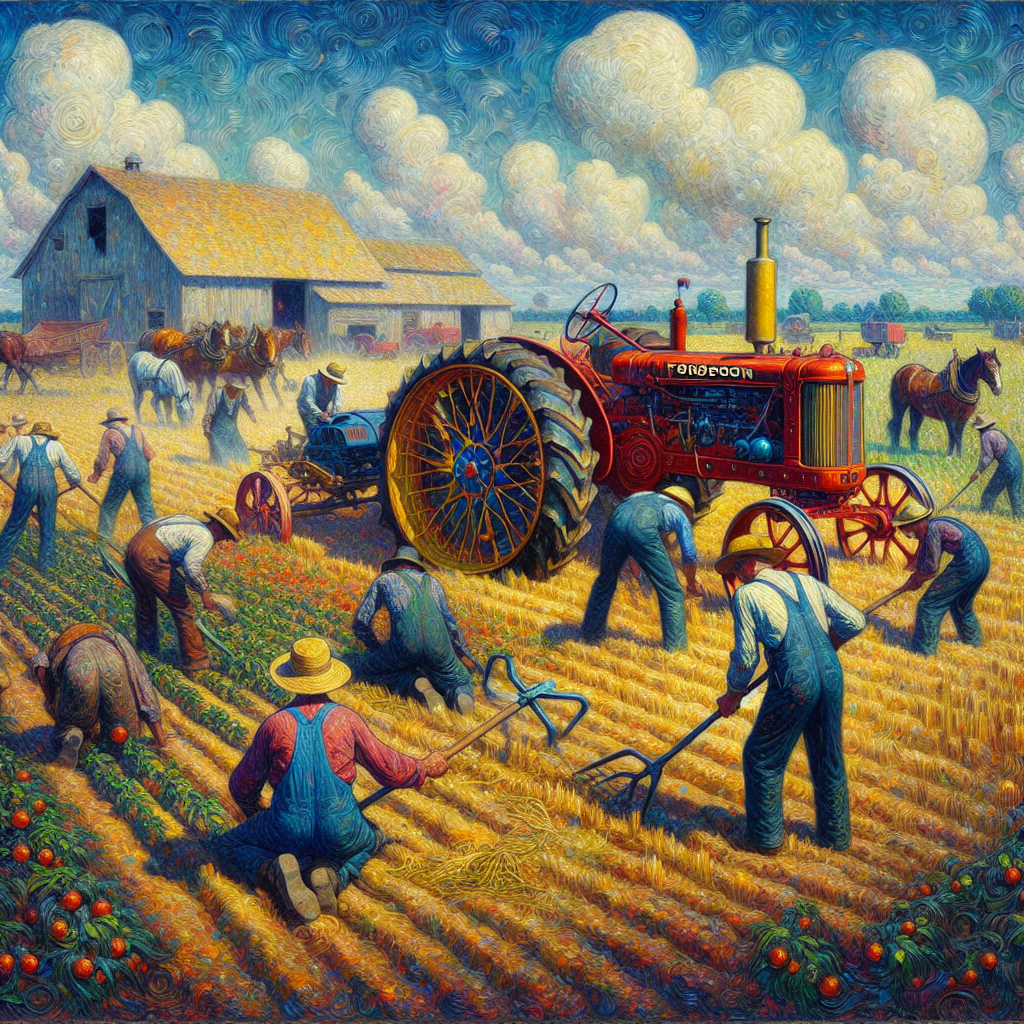
Conclusion
Conclusion:
- Tractors symbolize heritage, reliability, and partnership in farming.
- Classic tractors have straightforward mechanics, offering easy repairs and dependable performance.
- Modern tractors incorporate advanced technology, promising efficiency and productivity.
- However, modern tech can bring challenges like software issues and unnecessary features.
- The legacy of classic tractors connects generations through shared agricultural experiences.
- Choosing classic machines promotes a sustainable approach, resisting disposable culture.
- A balance between classic reliability and modern innovation can enhance farming practices.
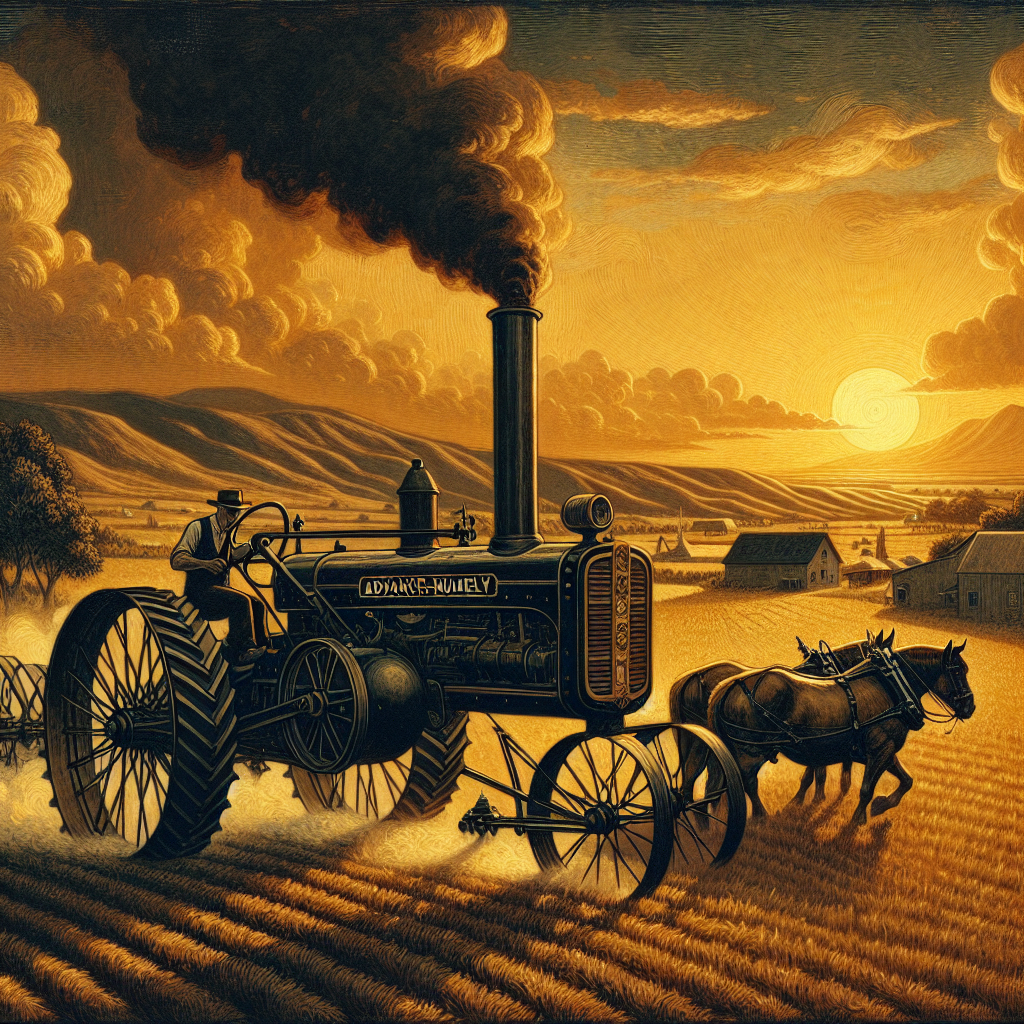
Conclusion
Other Resources
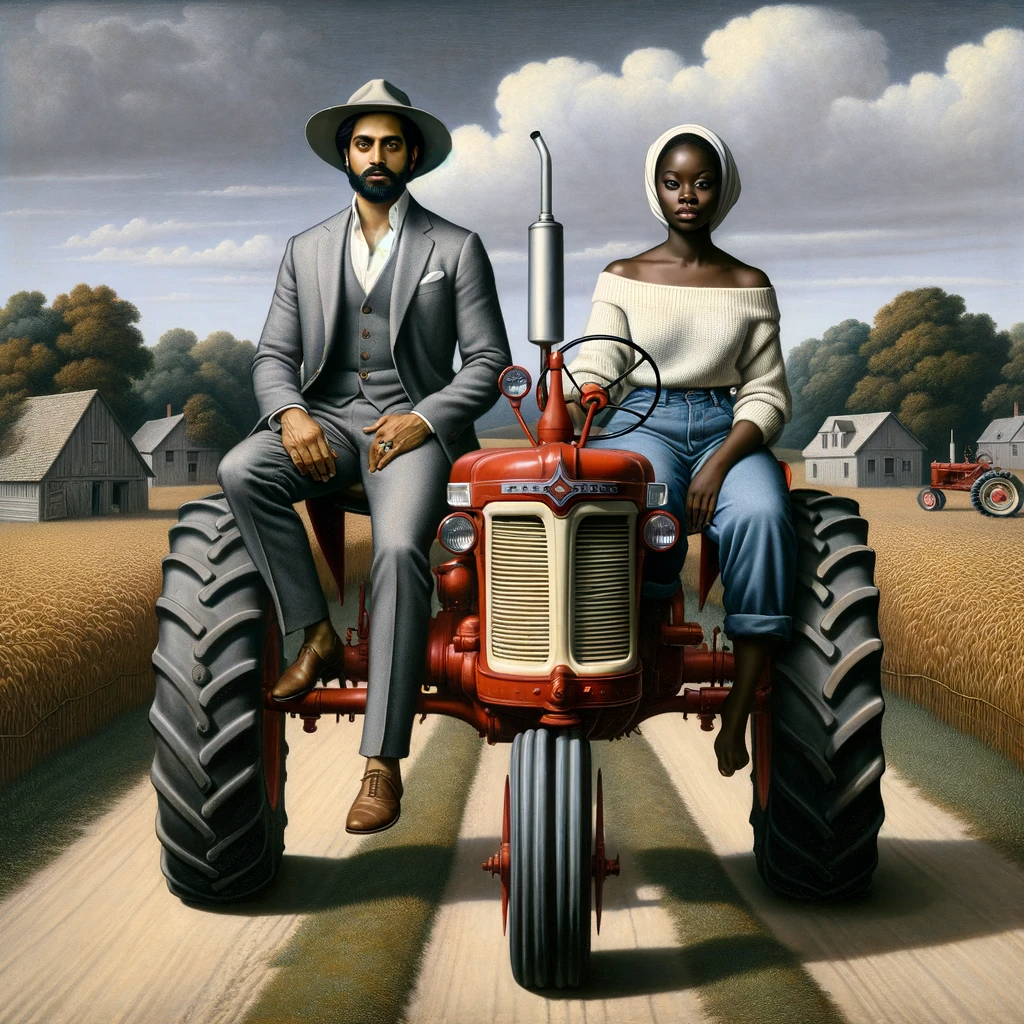
Other Resources
Here is a list of other resources you can review online to learn more:
- Johnson Manufacturing
- Memo
- Lindner
- David Brown
- Billings Farm
- Antique Tractor Blog
- Rock Island
- McCormick Intl
Use This Prompt To Get More Resources With Your Favorite Online AI Tool: Please provide me with a list of online articles with their URLs in a bulleted list that I can read regarding Are Classic Tractors More Reliable Than The Latest Farming Tech
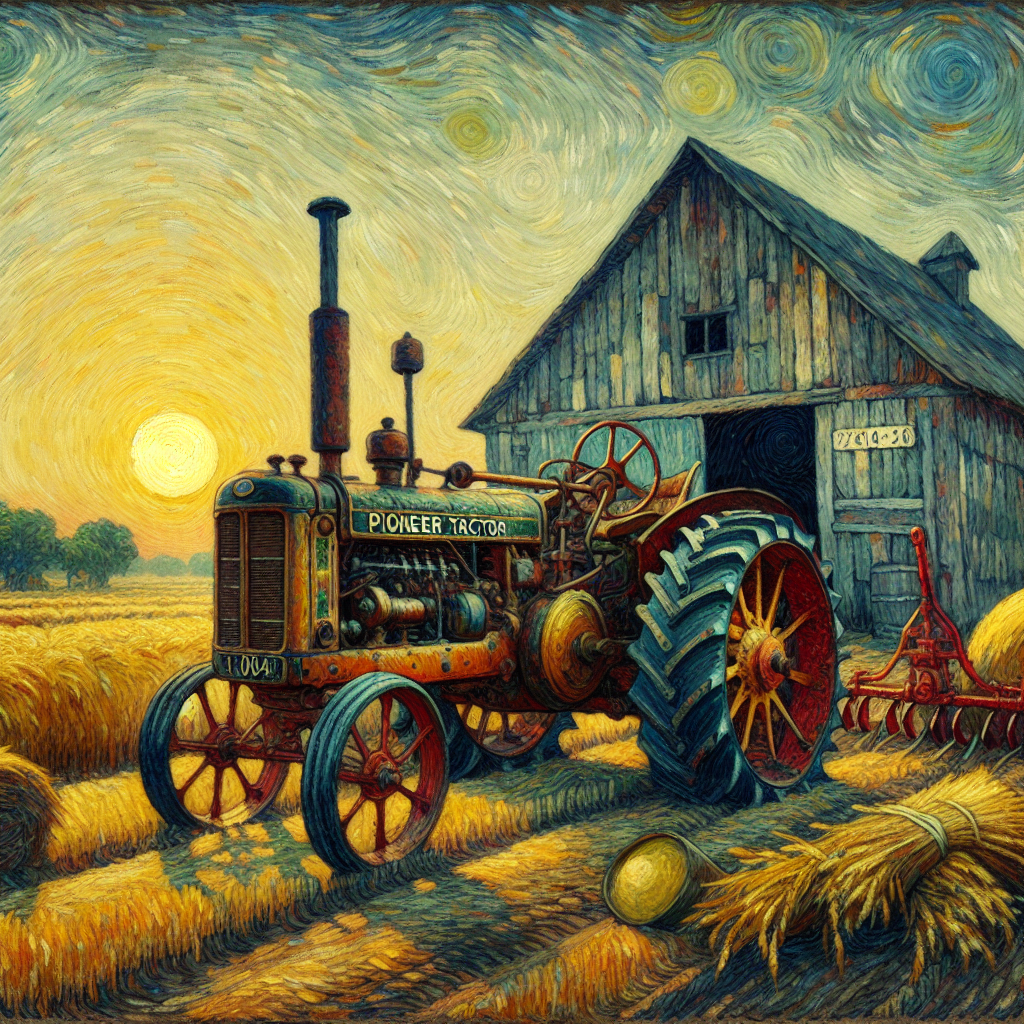
Other Resources
Glossary Terms
Are Classic Tractors More Reliable Than The Latest Farming Tech – Glossary Of Terms
1. Classic Tractor: A vintage agricultural vehicle, typically manufactured before the 1980s, known for its mechanical simplicity and durability.
2. Reliability: The degree to which a piece of equipment consistently performs its intended function without fail.
3. Farming Technology: Modern tools, machinery, and systems designed to enhance agricultural productivity, including GPS-guided equipment and automated systems.
4. Durability: The ability of a tractor or farm equipment to withstand wear, pressure, or damage over time.
5. Maintenance: The routine procedures performed to keep machinery in good working condition, including repairs, lubrication, and part replacements.
6. Hydraulics: Technology involving the use of liquid fluid power to operate machinery, common in modern tractors for lifting and steering.
7. Fuel Efficiency: A measure of how effectively a tractor uses fuel to perform work, typically evaluated in miles per gallon or similar metrics.
8. Mechanical Simplicity: The ease of understanding and repairing older mechanical designs, which often have fewer electronic components than modern vehicles.
9. Restoration: The process of repairing or renovating classic tractors to return them to their original working condition.
10. Precision Agriculture: A farming management concept that uses technology (like GPS) to monitor and manage agricultural operations with higher precision.
11. Cost of Ownership: The total expenses associated with owning and operating a tractor, including purchase price, maintenance, fuel, and repairs.
12. User-Friendly: Referring to equipment that is easy for operators to understand and operate, often highlighting the simplicity of classic tractors.
13. Versatility: The ability of a tractor or piece of equipment to perform multiple tasks or adapt to different types of farming operations.
14. Electronics: Modern integrated circuits and computer systems used in contemporary farming machinery for control and automation.
15. Tillage: The agricultural preparation of soil by mechanical agitation, a task often performed by classic tractors with tillage attachments.
16. GIS (Geographic Information System): Technology used in modern agriculture to analyze soil data, crop health, and field characteristics to optimize farming practices.
17. Field Condition Monitoring: The practice of assessing soil and crop conditions using technology to make informed farming decisions, typically less common in classic methods.
18. Aftermarket Parts: Replacement parts made by companies other than the original manufacturer, often used for maintaining classic tractors.
19. Component Wear: The degradation of parts over time due to usage, typically more manageable and predictable in classic tractors.
20. Simplicity of Repair: The ease with which repairs can be performed on machinery, often touted as a strength of classic tractors.
21. User Experience: The overall experience and satisfaction of the operator while using a piece of equipment, which can be influenced by technology and design.
22. Lifecycle Cost: The total cost of owning and operating a tractor or farm vehicle over its entire lifespan, including initial purchase and resale values.
23. Tractor Versus Technology Debate: Discussions surrounding the pros and cons of classic tractors compared to modern tractors equipped with advanced technology.
24. Ag Equipment Innovations: New advancements in agricultural machinery that enhance efficiency, productivity, and ease of use, often a focal point in modern farming.
25. Intuitive Operation: Refers to how easily a user can operate a vehicle or machine without extensive training or instruction, often a feature of vintage tractors.
26. Field Trials: On-field tests conducted to evaluate the performance of different farming technologies and equipment.
27. Soil Conservation: Practices aimed at preventing soil erosion and degradation, which can be affected by the type of machinery used.
28. Tech Adoption: The process of integrating new technologies into farming practices, often a consideration for farmers evaluating updated equipment.
29. Mechanical Advantage: The added benefit provided by machines (like classic tractors) that increases efficiency and reduces manual labor.
30. Pump and Spray Systems: Advanced tools used in modern farming for efficient irrigation and pesticide application, often absent on classic tractors.
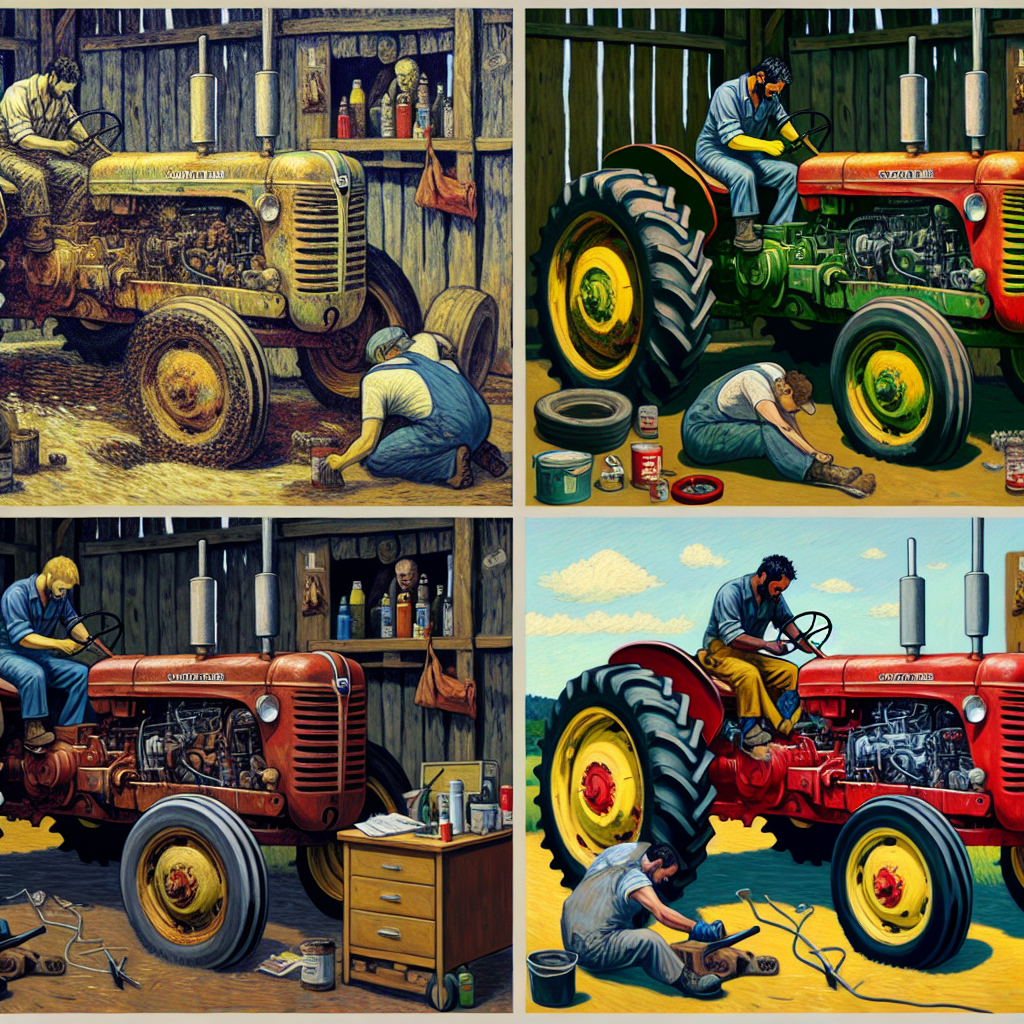
Glossary Of Terms
Other Questions
Are Classic Tractors More Reliable Than The Latest Farming Tech – Other Questions
If you wish to explore and discover more, consider looking for answers to these questions:
- What specific advantages do classic tractors have over modern farming equipment?
- How do classic tractors compare in terms of operating costs against modern machinery?
- Can classic tractors be integrated with modern farming practices?
- What are common issues that modern farming tech faces that classic tractors do not?
- How do classic tractors contribute to sustainable farming practices?
- What maintenance practices are required to keep classic tractors running efficiently?
- Are there specific models of classic tractors that are recommended for reliability?
- How do technology advances in farming improve overall yields?
- What impact does owning a classic tractor have on a farmer’s emotional well-being?
- How does the community view classic tractors versus modern farming technology?
- What are the most frequently shared stories about classic tractors among farmers?
- What safety concerns arise with the use of both classic and modern tractors?
Other Questions
Haiku
Are Classic Tractors More Reliable Than The Latest Farming Tech – A Haiku
Classic iron hearts hum,
Trust forged through toil, tales unfold—
Roots in soil, we thrive.
Haiku
Poem
Are Classic Tractors More Reliable Than The Latest Farming Tech – A Poem
The Heartbeat of the Fields
In fields where legends silently roam,
The hum of a classic beckons us home.
Not just steel, but stories entwined,
A timeless partner, with history aligned.
Each scratch a testament, each dent a song,
Of fathers and grandfathers, where we all belong.
With every turn of the wheel and every rev of the crank,
Comes a bond built on trust, resilience, and rank.
Modern tech glimmers with promises bright,
Yet beneath flashing screens, could we lose the light?
Software can falter, as sensors can lie,
But a faithful old tractor will never say die.
More than a gadget, it’s a rite of our past,
In simple mechanics, hard lessons amassed.
The gut knows the rhythm, the soul feels its might,
As we dig into earth with hope burning bright.
Are we leaving behind, with each shiny new toy,
Tenacity, grit, and the pure farmer’s joy?
With each costly fix, our hearts heavy laden,
We ponder—what’s progress when roots are forgotten?
Let’s celebrate the wisdom, the bond that we share,
In vintage machines, let’s find solace and care.
For deeper connections outlast fleeting fads,
In community gathered, through smiles and with jabs.
So let’s nurture the legacy on which we depend,
Choosing tractors that echo not just the trend.
With heart, head, and gut, let’s reclaim our way,
Together we’ll harvest a richer tomorrow, they say.
Poem
Checklist
Are Classic Tractors More Reliable Than The Latest Farming Tech – A Checklist
Checklist: Embracing the Legacy of Classic Tractors
Heart: Emotional Connections
_____ Recall a Memory: Think of a personal experience you’ve had with a classic tractor or share a memory that resonates with your family history. What feelings does it evoke?
_____ Connect Generationally: Discuss with family members stories they shared about their experiences with tractors. What lessons did they impart?
_____ Celebrate Nostalgia: Take a moment to appreciate the aesthetic and emotional significance of classic tractors in our lives. Why does this connection matter to you?
Head: Rational Considerations
_____ Assess Practicality: Make a list of the benefits of using classic tractors versus modern tech. Consider reliability, ease of repair, and maintenance.
_____ Evaluate Costs: Analyze the long-term financial implications of relying on modern farming technology compared to classic machines. Which option is more sustainable for your budget?
_____ Consider Utility: Identify what specific functions you need from a tractor. Does a classic tractor meet these needs without unnecessary tech features?
Gut: Intuitive Responses
_____ Reflect on Trust: How does the reliability of a classic tractor feel compared to the uncertainty of modern technology? Trust your instincts about what feels more dependable.
_____ Engage in Conversations: Talk with local farmers or community members about their experiences with classic versus modern tractors. What insights shift your perception?
_____ Listen to Your Body: When thinking about using a classic tractor, notice your physical reactions. Do you feel excitement, nostalgia, or anxiety when thinking about these machines?
Ethical Considerations
_____ Preserve the Past: Reflect on the importance of honoring agricultural traditions. How can classic tractors represent sustainable farming practices?
_____ Support Local Communities: Consider the ethical implications of your choices – how does promoting classic tractors benefit local economies and ecosystems?
_____ Challenge Consumerism: Write down your beliefs about over-reliance on modern technology. How do classic tractors encourage self-sufficiency and responsibility?
Authority and Knowledge Sharing
_____ Research Historical Significance: Look into the history of classic tractors in agriculture. How have they shaped farming practices over the decades?
_____ Attend Local Events: Participate in tractor shows or community demonstrations to gain insights from experts and enthusiasts about classic tractors’ value.
_____ Documentation: Compile stories or testimonies from older generations about their experiences with classic tractors. How do these insights inform your current views?
Social Connections
_____ Create a Community Network: Join a local classic tractor group or online community. How can sharing your passion with others enhance your appreciation for these machines?
_____ Host a Gathering: Organize a meet-up for tractor enthusiasts to share stories, experiences, and knowledge. What can you learn from one another?
_____ Document Your Journey: Share your thoughts and experiences with friends and family. How does articulating your position about classic tractors deepen your understanding?
Final Reflection: Finding Balance
_____ Evaluate Your Choices: After reflecting through each of these lenses (heart, head, gut), consider your farming approach. How will you blend the reliability of classic tractors with the benefits of modern technology?
_____ Set Future Intentions: Write down your commitment to incorporating the lessons learned from classic tractors into your farming practices. How will this guide your decisions moving forward?
By exploring these prompts, you can deepen your appreciation for classic tractors while thoughtfully considering how they fit into the broader agricultural landscape today.
Checklist
At ClassicTractorNews, we help tractor lovers keep up with the latest news for classic and vintage tractors.
Please share this post with your friends, family, or business associates who may like old classic or vintage tractors.