


Reviving Tradition: The Resurgence Of Classic Tractors In Community Farming
By Tom Seest
At ClassicTractorNews, we help tractor lovers keep up with the latest news for classic and vintage tractors.
Please share this post with your friends, family, or business associates who may like old classic or vintage tractors.
Are Classic Tractors Making a Comeback In Community Farming
As the sun dips below the horizon, casting a warm golden hue across the fields, an unmistakable sound slices through the tranquility—an old tractor, weathered but proud, rumbling to life. This isn’t just machinery; it’s a vessel of history, a testament to craftsmanship, and a beacon lighting the way for community farming’s revival.
Picture this: A local farmer, hands stained with Earth and hope, climbs aboard a classic tractor that’s seen generations of labor. That tractor isn’t merely a tool; it’s a connection to the past, a bridge carrying forward traditions rooted deep in our culture. As the engine purrs, it whispers stories—of families nurturing the land, of neighbors coming together to share resources and labor, cultivating not just crops but also camaraderie in their community. Through its weathered paint and sturdy frame, it carries the weight of dreams, struggles, and triumphs.
But it’s not just the emotional appeal that pulls us in; there’s a logical case to be made here, too. Classic tractors are often more than just nostalgic relics. With fewer sophisticated components, they are often easier and cheaper to repair, making them accessible for small-scale farmers who may be hesitant to invest in pricey new equipment. Community farming isn’t just a throwback; it’s a smart, sustainable way to reclaim food autonomy in an era where industrial agriculture often leaves local farmers struggling.
Ethically, supporting the revival of classic tractors aligns perfectly with the values of environmental stewardship. These sturdy machines do the hard work of cultivating the land while honoring time-tested agricultural practices. When communities invest in old iron, they are not merely preserving equipment; they are fostering responsible farming methods that respect the land, ensuring that future generations can access healthy, locally-sourced food.
In this age where everything feels disposable and fast-paced, classic tractors serve as a rallying point, an invitation to come together and rediscover what it means to cultivate community. When you see a classic tractor, understand that you’re witnessing a revolution—one that encourages us to dig our hands into the soil, to cultivate trust, and to embrace a more connected way of living. Together, let’s ride the wave of this revival. Dust off those tractors, roll up your sleeves, and let’s sow the seeds of change together!

Are Classic Tractors Making a Comeback In Community Farming
Are Classic Tractors Making a Comeback In Community Farming
- As the sun sets, an old tractor comes to life, symbolizing community farming’s revival.
- A local farmer connects to history and traditions as they climb aboard a weathered tractor.
- The tractor embodies family labor, neighborly collaboration, and shared agricultural heritage.
- Classic tractors are easier and cheaper to repair, making them ideal for small-scale farmers.
- Community farming is a sustainable way to reclaim food autonomy amidst industrial agriculture challenges.
- Investing in classic tractors supports ethical farming and environmental stewardship.
- Classic tractors invite communities to unite and cultivate a deeper, connected way of living.

Are Classic Tractors Making a Comeback In Community Farming
Table Of Contents
- Are Classic Tractors Making a Comeback In Community Farming
- Are Classic Tractors The Heartbeat Of Community Farming Revival?
- How Do Vintage Tractors Impact Our Connection To The Land?
- Can Old Tractors Teach Next Generations About Sustainable Farming?
- Do Classic Tractors Represent A More Ethical Approach To Farming?
- What Role Do Community Bonds Play In Preserving Vintage Tractors?
- Are These Tractors A Symbol Of Authority In The Farming Community?
- Conclusion
- Other Resources
- Glossary Of Terms
- Other Questions
- Haiku
- Poem
- Checklist
Are Classic Tractors The Heartbeat Of Community Farming Revival?
There’s something magnetic about a classic tractor. Picture a sturdy machine, paint chipped and character-rich, humbly resting in a sun-drenched field. It’s not just a piece of equipment; it’s a steadfast ally, a tangible link to our agricultural past, and now—perhaps surprisingly—a beacon for the future of community farming.
When you drive past rows of antiquated tractors, you’re not merely observing relics; you’re witnessing stories. Each rusted wheel and engine splutter echoes generations of labor, laughter, and love. These machines tell us about a time when farming was woven into the very fabric of community life. They remind us that farming is about more than just the harvest. It’s about interconnectedness, responsibility to the land, and caring for one another as neighbors.
With rising interest in sustainable practices and local food movements, classic tractors symbolize a revival worth rallying around. Community farming is not merely an option; it’s a necessity. As economies shift and the desire for fresh, unprocessed food grows, the call to return to our roots becomes louder. And here lies the beauty: classic tractors are a lifeline. They stand ready to transform barren land into thriving plots, fostering camaraderie that helps remind us we are all in this together.
Don’t be fooled by the skeptics who might argue that these old engines are too slow or outdated for modern farming demands. Sure, there’s a place for tech-savvy solutions, but there is unmatched durability and simplicity in these classic machines—qualities that resonate in a world overflowing with complexity. They invite farmers, young and old, to roll up their sleeves and dig in. With every turn of the wheel, there’s potential to revitalize not just the soil, but also the spirit of the community.
Moreover, engaging with these vintage tractors fosters a sense of emotional and ethical connection to our land. They encourage us to take ownership of our food sources, cultivate awareness, and inspire future generations to value agriculture. In a time where screen time often outweighs green time, we need tractors and, more importantly, we need the stories behind them.
So, let’s rally around these heartbeats of resilience and resourcefulness. Join a community garden, lend a hand to your neighbor, or restore that old tractor in the barn. This is our moment—a chance to engage with the earth, each other, and the legacy of those who came before us. It’s time to reignite a forgotten passion, one tractor at a time.

Are Classic Tractors The Heartbeat Of Community Farming Revival?
Are Classic Tractors The Heartbeat Of Community Farming Revival?
- Classic tractors embody a magnetic charm, symbolizing a link to agricultural heritage.
- They represent stories of labor and community, illustrating the deeper connections in farming.
- As interest in sustainable practices grows, classic tractors are pivotal to the revival of community farming.
- These tractors can transform unproductive land, fostering community collaboration and support.
- Despite skepticism about their speed, classic tractors offer durability and simplicity, appealing to farmers of all ages.
- Engaging with vintage tractors promotes emotional ties to land and encourages ownership of food sources.
- Now is the time to revive our passion for agriculture through community involvement and the preservation of our farming heritage.

Are Classic Tractors The Heartbeat Of Community Farming Revival?
How Do Vintage Tractors Impact Our Connection To The Land?
Picture a rusted vintage tractor parked in a sun-drenched field, a relic of an era when life moved a pace that allowed time for contemplation. This isn’t just machinery; it’s a narrative woven into the fabric of our lives—an iron horse that has plowed the soil and nurtured the land for generations. These tractors stand as symbols, not just of agricultural innovation, but of our crucial bond with the earth beneath our feet.
Let’s start at the heart. Many of us have memories tied to these machines—the thrum of the engine, the scent of warm oil mixed with fresh-cut hay, and the sight of an old farmer lovingly polishing the chrome. It’s an emotional connection that taps into nostalgia, reminding us of simpler times when every inch of land was lovingly tilled by hand and heart. A vintage tractor evokes stories of perseverance, hard work, and the pride that comes from feeding your family from the fruits of your labor.
Rationally, when we consider the role of these machines in sustainable agricultural practices, the impact is significant. Vintage tractors are often simpler in design, built to last, and easier to repair, embodying resilience in an age where planned obsolescence reigns supreme. They remind us that efficiency doesn’t always come from the latest technology; sometimes it lies in the craftsmanship of the past. Utilizing these tractors fosters a conscientious approach to farming that honors both the land and the laborer.
From an ethical standpoint, preserving vintage tractors promotes a cultural legacy. It’s about valuing the history of farming—and the farmers—who shaped our communities and landscapes. There’s an ethical obligation to pass these stories and machinery down to future generations, ensuring they understand the significance of stewardship over the land.
And, let’s not overlook the social aspects. When communities embrace vintage tractors, they foster gatherings—fairs, parades, and support networks—that allow stories to flow like a fine wine. Those who gather around these machines often share a collective identity, forging bonds through mutual respect for hard work and agrarian wisdom. It’s about creating a space where everyone—young and old—can connect with the land and each other.
So, the next time you see a vintage tractor chugging along, take a moment to reflect. It’s more than just a piece of machinery; it’s a testament to our intertwined fates with the soil and the legacy we must preserve. Embrace that connection, and let it inspire you to cultivate not just the earth, but the community and history it nurtures.
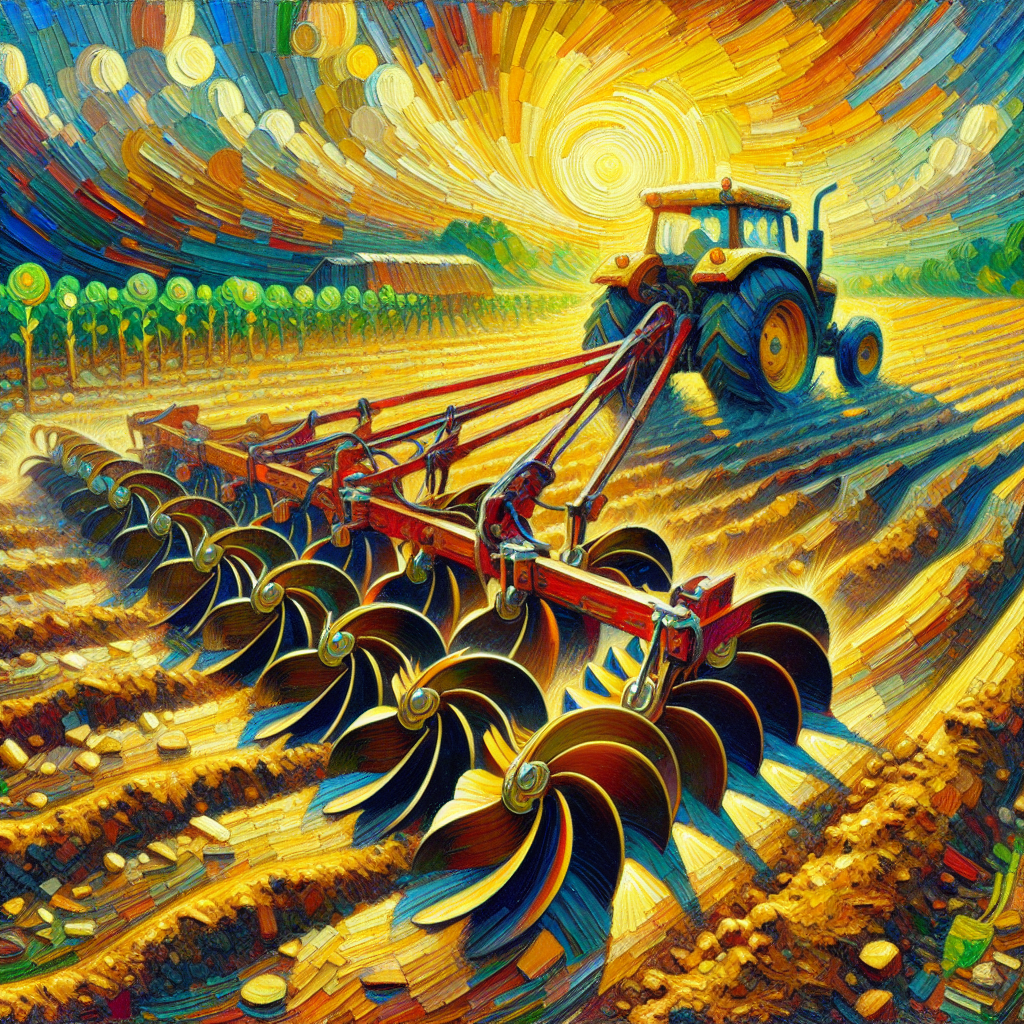
How Do Vintage Tractors Impact Our Connection To The Land?
How Do Vintage Tractors Impact Our Connection To The Land?
- A rusted vintage tractor symbolizes a deep connection to the land and agricultural innovation.
- It evokes nostalgia and memories tied to simpler times and hard work on the farm.
- Vintage tractors are built to last, making them significant in sustainable agricultural practices.
- They embody resilience and remind us that efficiency can come from thoughtful craftsmanship.
- Preserving these tractors honors the cultural legacy and history of farming.
- Communities that embrace vintage tractors create social gatherings and foster shared identities.
- These machines serve as a reminder of our interconnectedness with the soil and the importance of community stewardship.

How Do Vintage Tractors Impact Our Connection To The Land?
Can Old Tractors Teach Next Generations About Sustainable Farming?
In a world where most of our connection to the land comes from a glowing screen, it’s easy to forget the rich lessons that old iron can teach us. Picture this: a weathered tractor, its paint chipped and faded from decades of sun, wind, and rain, stands proudly in a farmer’s field. This isn’t just a hunk of metal; it’s a testament to a way of life that cherishes the earth and nurtures the soil.
Now, let’s talk about the appeal of that old tractor. It stirs something deep within—a gut-level recognition that the effort it took to cultivate that piece of land was more than just a job; it was a commitment to sustainability. Every dent and scratch tells a story of seasons spent tilling the soil, planting seeds, and ultimately learning to work in rhythm with nature. That tractor represents a time when farming wasn’t about quick fixes or synthetic shortcuts, but about a deep, ethical relationship with the land. The loud engines and clattering parts echo the principles of sustainability; they remind us that care, patience, and respect for our resources are crucial for the future.
Moreover, as generations of farmers pass down their wisdom about crop rotation, cover crops, and integrated pest management, those old tractors become symbols of authority. They embody proven methods that prioritize the health of the earth over the fleeting gains often driven by modern technology. Imagine a grandparent teaching a curious child as they pull the start lever; the stories woven into each farming technique create an emotional tapestry, igniting a passion for stewardship in the next generation.
As we stand on the cusp of a new era, let’s absorb these lessons, not just for nostalgia’s sake but for actionable change. Every student of sustainability can find a place in the legacy of these machines. They serve as reminders that innovation can and should harmonize with tradition.
In disassembling and examining the heart of these old tractors, we grasp the importance of resilience, durability, and practicality—qualities that are just as necessary in our agricultural practices today. By fostering a connection to this history, we inspire a commitment to sustainable farming in those who come after us. It’s a legacy we can trust and build upon, one earth-friendly turn of the wheel at a time.

Can Old Tractors Teach Next Generations About Sustainable Farming?
Can Old Tractors Teach Next Generations About Sustainable Farming?
- Connection to the land is often overshadowed by modern technology.
- Weathered tractors symbolize a commitment to sustainable farming practices.
- Each dent and scratch on an old tractor tells a story of dedication to the earth.
- Old tractors represent a time of ethical relationships with the land, free from synthetic shortcuts.
- Generational knowledge about farming techniques is embodied in these tractors.
- Tractors serve as symbols of resilience, durability, and practicality in agriculture.
- Engaging with this history encourages a legacy of sustainable farming for future generations.

Can Old Tractors Teach Next Generations About Sustainable Farming?
Do Classic Tractors Represent A More Ethical Approach To Farming?
When you think of a tractor, what comes to mind? For many, it conjures images of vast fields, sun-drenched rows of crops, and the timeless dance of man and machine working in harmony. But what happens when you look a little deeper? The nostalgic allure of classic tractors serves as more than just a rustic charm; it represents a profound approach to farming where ethical practices take the helm.
Classic tractors, often steered by seasoned farmers, embody a commitment to thoughtful stewardship of the land. These machines don’t feature the latest flashy technology but rather boast simplicity and durability. Imagine a farmer, weathered hands gripping the wheel, guiding a vintage tractor through fields cultivated with care. This isn’t just farming; it’s a labor of love, where every furrow plowed tells a story of respect for the earth and its ecosystems.
Now, let’s switch gears and engage the head. Research suggests that classic tractors can have a smaller carbon footprint than their modern counterparts. These powerful machines burn less fuel, produce fewer emissions, and can often be repaired and maintained with ease. Consider this: a farmer’s ability to fix a broken part instead of dumping millions of dollars into a new model not only supports their livelihood but also champions sustainability. The choice to restore, repair, and reuse stands in stark contrast to the throwaway culture that currently dominates our society.
And speaking of culture, let’s talk about connection. Operating a classic tractor connects generations. Grandparents often pass down their wisdom alongside these timeless machines, creating a bridge between the past and the future. As the younger generation learns the ropes, they form deep bonds with their heritage and gain insights into responsible practices that protect our planet. This social fabric cultivates a sense of community and shared purpose, reinforcing the notion that ethical farming is more than just a trend; it’s a lifestyle.
In the heart of modern agriculture, classic tractors symbolize an ethical approach deeply rooted in tradition, sustainability, and community. So the next time you see one of these rugged workhorses chugging along a field, remember that it isn’t just machinery—it’s a testament to a way of life that respects our environment and the values we hold dear. Let’s celebrate that legacy, and perhaps, inspire a new generation of farmers to embrace ethical farming with their own set of classic wheels. After all, the journey toward better farming practices begins with the choices we make today.

Do Classic Tractors Represent A More Ethical Approach To Farming?
Do Classic Tractors Represent A More Ethical Approach To Farming?
- Classic tractors evoke nostalgic images of farming that emphasize harmony between man and machine.
- These machines are characterized by simplicity and durability rather than modern technology.
- Using classic tractors reflects a commitment to ethical stewardship and respect for the land.
- Research indicates classic tractors may have a smaller carbon footprint due to reduced fuel usage and emissions.
- Classic tractors support sustainability by allowing farmers to repair and maintain them instead of buying new models.
- Operating classic tractors fosters intergenerational connections, allowing older and younger farmers to share knowledge and practices.
- Classic tractors symbolize a lifestyle of ethical farming rooted in tradition, sustainability, and community values.

Do Classic Tractors Represent A More Ethical Approach To Farming?
What Role Do Community Bonds Play In Preserving Vintage Tractors?
In fields across the nation, where golden wheat sways gently in the wind, you might find a vintage tractor—a rusting testament to the toil and triumph of our agricultural heritage. These tractors are more than mere machines; they represent the sweat, labor, and community spirit that built our rural landscapes. When we talk about preserving these relics of days gone by, we must first recognize the vital role community bonds play in this endeavor.
Take a moment to picture a local gathering, where history buffs and farming aficionados come together, sharing stories about the machines that shaped their lives. The clinking of coffee cups and the laughter of friends create a harmony that echoes through the air. These bonds foster a sense of belonging, uniting neighbors around a shared purpose—preserving the past while nurturing the future. It’s not just about fixing up a vintage tractor; it’s about forging connections that balance nostalgia with innovation.
The rational appeal here is straightforward. Preserving vintage tractors locally can uphold the agricultural legacy that countless families built upon. These machines often embody best practices in sustainable farming—less reliant on complicated technology and more grounded in nature’s rhythm. When communities rally together, pooling resources and skills, they not only honor their history but also ensure future generations learn from it. Workshops are organized, skills are shared, and in the process, individuals become stewards of knowledge.
From an ethical perspective, what type of community do we want to cultivate? One that cherishes its roots or one that lets time sweep away its history? Every vintage tractor saved from the barn is a lesson in respect—from understanding craftsmanship to valuing hard work. And by coming together, we instill these lessons into our children, urging them to carry the torch of tradition forward.
But let’s get to the heart of it—those vintage tractors are a bridge between generations, connecting young dreamers to the past. Imagine a teenager, hands covered in grease, listening to a grandparent recount tales of harvests thanks to that very tractor being restored. It’s more than a machine; it’s a narrative, a living emblem of resilience.
So, let’s champion these community bonds and take action. Join a local restoration group, volunteer your time, share your story, or simply appreciate the vintage tractor that represents not just the agricultural heritage, but the soul of a community. Together, we can cultivate a future rooted in tradition while tending to the land we love.

What Role Do Community Bonds Play In Preserving Vintage Tractors?
What Role Do Community Bonds Play In Preserving Vintage Tractors?
- Vintage tractors symbolize the agricultural heritage, reflecting the hard work and community spirit that shaped rural landscapes.
- Community gatherings foster connections, where history buffs and farmers share stories, creating a sense of belonging.
- Preserving vintage tractors supports sustainable farming practices and cultivates skills for future generations.
- Every restored tractor imparts lessons on craftsmanship, hard work, and the importance of cherishing history.
- These tractors serve as a bridge connecting generations, allowing younger individuals to engage with their past.
- Taking action to preserve these machines encourages community involvement, storytelling, and shared appreciation for heritage.
- By valuing vintage tractors, communities can cultivate a future that honors tradition while caring for the land.

What Role Do Community Bonds Play In Preserving Vintage Tractors?
Are These Tractors A Symbol Of Authority In The Farming Community?
In many rural landscapes, nothing commands respect quite like a sturdy tractor parked in a field, its paint glinting under the sun. It stands not only as a vital tool for production but also as a symbol—a beacon of authority within the farming community.
For generations, tractors have transformed patches of earth into thriving crops, serving as a testament to the hard work and resilience of farmers. When you see one, you don’t just see metal and machinery; you see stories woven into the very fabric of our land. Each scratch on its surface tells a tale of storms battled, harvests celebrated, and communities supported. In a world increasingly overshadowed by technology, these machines remind us of our roots—our connection to the earth and to one another.
This connection is powerful. Emotionally, it resonates with anyone who has witnessed the toil of planting and harvesting. Picture it: early mornings when the first rays of light spill over the horizon, illuminating fields ripe for work. Families gather and share this sacred rhythm with their tractors at the center— their steady, reliable partners through thick and thin. This is authority born not from dominance, but from the community—the shared values, ethics, and the dignity inherent in hard work.
Rationally speaking, a tractor represents investment—a significant financial decision that farmers make for their livelihoods. It’s a calculated risk where trust in one’s tools directly correlates with the outcomes of the season. But beyond the numbers, it’s about the faith in a technology that has evolved over decades to facilitate the sacred duty of feeding a nation.
This notion extends beyond individual farms; it fosters a communal bond. When farmers gather at the local co-op or a county fair, tractors become the talks of the town, the grand symbols of capability. Whether boasting horsepower or innovative features, they bridge gaps and connect farmers from all walks of life.
So the question isn’t just about whether tractors define authority, but how they mirror the character of the community. They inspire a sense of trust and confidence, beckoning us to appreciate the grit and determination that spills from every engine roar. In a world that often forgets the backbone of its food supply, let’s recognize the tractors that symbolize a passion entwined with purpose. They are not merely machines; they are an invitation to honor the enduring spirit of farming—a labor of love and authority that shapes our shared narrative.

Are These Tractors A Symbol Of Authority In The Farming Community?
Are These Tractors A Symbol Of Authority In The Farming Community?
- Tractors symbolize authority and respect in rural landscapes.
- They are vital tools for production and represent the hard work of farmers.
- Each scratch on a tractor tells a story of resilience and community support.
- Tractors connect people to the earth and to one another, embodying shared values.
- They represent a significant financial investment, reflective of farmers’ trust in technology.
- Tractors foster community bonds during gatherings like co-ops and fairs.
- They inspire trust and appreciation for the efforts behind food production, representing a labor of love.

Are These Tractors A Symbol Of Authority In The Farming Community?
Conclusion
As we turn the page on this exploration of classic tractors and their pertinent role in community farming, it’s essential to reflect on what they truly represent. Picture this: an old tractor, its body worn and weathered, but its spirit unbroken, rumbling through the fields—each sputter of the engine tells a tale, a testament to hard work and steadfastness. These are more than mere machines; they embody a profound connection to our agricultural heritage and a future rooted in sustainable practices.
There’s something undeniably magnetic about these veteran workhorses. In an age consumed by fleeting technology and disposability, classic tractors symbolize resilience, a nod to the craftsmanship that shaped delivery of the crops that feed us. Each dent and scratch recounts a history of labor, determination, and community—a heritage we cannot afford to forget. Emotionally, they recall simpler times, evoking nostalgia for the diligence it took to cultivate the land, one furrow at a time. It’s about connecting with our roots, appreciating the labor behind our food, and celebrating the stories that bind us together.
Yet, beyond the sentimental, we must recognize the logical implications of reviving these tractors. Their simplicity and durability make them accessible to small-scale farmers grappling with modern agricultural demands. They do not require costly repairs or high-tech parts; instead, they allow farmers—young and old—to dig their hands into the soil and experience the joys and trials of working the land firsthand. In short, classic tractors pave the way for a hopeful return to more ethical, community-driven agriculture.
And ethically, fostering local farming practices involving vintage tractors speaks volumes. It reflects a commitment to environmental stewardship and food sovereignty; it positions community over corporate interests. Each tractor restored is not simply machinery saved from rust—it stands as a symbol of collective responsibility to honor the land and preserve a way of life for future generations.
So, let us rally around these classic tractors and the values they represent. Let’s dust off those engines, engage our neighbors, and cultivate a community spirit that embraces tradition while innovating for tomorrow. It’s a call to action, an invitation to roll up our sleeves, and rekindle our connection to the earth. In doing so, we honor not only the farmers who came before us but also the vital role community plays in nurturing the bonds that define us. Together, let’s sow the seeds of change and build a resilient future, one tractor at a time.

Conclusion
Conclusion:
- Classic tractors symbolize resilience and a connection to agricultural heritage.
- They evoke nostalgia for simpler times and the labor behind our food.
- Classic tractors highlight craftsmanship and the history of community farming.
- Their simplicity and durability make them accessible to small-scale farmers.
- Restoring vintage tractors reflects a commitment to environmental stewardship and food sovereignty.
- These tractors encourage community-driven agriculture over corporate interests.
- Reviving classic tractors fosters a spirit of collective responsibility and action for a sustainable future.

Conclusion
Other Resources

Other Resources
Here is a list of other resources you can review online to learn more:
- Galloway
- Florida Farm Days and Tractor Show
- Siromer
- Advance-Rumely
- Cletrac
- TwinCity
- Benefits of Classic Tractors
- Buhler Industries
- Shibaura
- The AgriCultural Museum & Arts Center
Use This Prompt To Get More Resources With Your Favorite Online AI Tool: Please provide me with a list of online articles with their URLs in a bulleted list that I can read regarding Are Classic Tractors Making a Comeback In Community Farming

Other Resources
Glossary Terms
Are Classic Tractors Making a Comeback In Community Farming – Glossary Of Terms
1. Classic Tractor: A vintage or older model tractor often manufactured before the 1980s, valued for its simplicity and mechanical design.
2. Community Farming: A farming model where local community members collectively operate and maintain a farm, fostering collaboration and sharing resources.
3. Restoration: The process of repairing and refurbishing classic tractors, often to bring them back to their original working condition.
4. Sustainability: Practices that aim to meet current farming needs without compromising future generations’ ability to meet theirs, often involving eco-friendly methods.
5. Heritage Farming: Farming that emphasizes traditional methods, crops, and animals, often using older agricultural implements like classic tractors.
6. Agricultural Mechanization: The use of machinery in farming activities, which can improve productivity and efficiency but varies in scale depending on the type of farming.
7. Local Food Movement: A community initiative advocating for the consumption of food produced locally to support regional economies and reduce environmental impact.
8. Vintage Equipment: Agricultural machinery and tools that are old but still functional, often treasured for their craftsmanship and historical significance.
9. Tractor Show: An exhibition event showcasing various tractor models, particularly vintage ones, where enthusiasts gather to celebrate agricultural history.
10. Community Supported Agriculture (CSA): A system where consumers buy shares of a farm’s harvest in advance, providing farmers with upfront capital and fostering direct connections.
11. Organic Farming: A method of farming that avoids synthetic fertilizers and pesticides, often relying on natural processes, including the use of classic tractors for tillage.
12. Farm-to-Table: A movement that promotes direct sourcing of food from local farms, highlighting the journey of food from production to consumer dining.
13. Crop Rotation: A sustainable farming practice of alternating the types of crops grown in a specific area to prevent soil depletion and manage pests.
14. Agroecology: An approach combining agriculture and ecology, focusing on sustainable land-use practices and preserving biodiversity.
15. Vintage Tractors Collectors: Individuals or groups who collect, restore, and preserve classic tractors, often sharing their passion through communities or clubs.
16. Field Demonstration: An event where classic tractors are showcased in action, allowing attendees to see their capabilities and learn about historical farming techniques.
17. Biodiversity: The variety of plant and animal life in a particular habitat, which community farming aims to enhance through sustainable practices.
18. Soil Health: The condition of soil in terms of its ability to provide essential nutrients, support crops, and sustain ecosystem functions.
19. Collective Ownership: A model in community farming where members share ownership of resources, including land and equipment, promoting equity and collaboration.
20. Permaculture: An agricultural philosophy that focuses on designing sustainable and self-sufficient agricultural ecosystems, often incorporating traditional techniques.
21. Restoration Projects: Initiatives aimed at restoring classic tractors or farming methods to promote heritage farming in community settings.
22. Workhorse: A term often used to describe tractors like classics that are reliable and capable of performing heavy lifting and laborious tasks.
23. Plowing: The process of turning over the soil to prepare it for planting, historically done with tractors but often still preferred with older models.
24. Mechanic Skills: Practical abilities to repair and maintain machinery, essential for those working with classic tractors in community farming.
25. Local Economy: Economic activities and transactions that occur within a local region, benefiting from the use of classic tractors and community farming.
26. Tractor Preservation: Efforts directed at maintaining classic tractors in operational conditions, including cataloging parts and techniques for future generations.
27. Grange: A fraternal organization dedicated to promoting agriculture and rural community interests, often involved in the preservation of classic farming equipment.
28. Seasonal Farming: Growing crops based on seasonal availability, where classic tractors can be used throughout various planting and harvesting periods.
29. Regenerative Agriculture: A farming approach focused on regenerating the health and biodiversity of soil and ecosystems, often suited for the utility of classic tractors.
30. Farming Heritage: The historical and cultural legacy of farming practices and technologies, including the important role classic tractors have played in agricultural history.

Glossary Of Terms
Other Questions
Are Classic Tractors Making a Comeback In Community Farming – Other Questions
If you wish to explore and discover more, consider looking for answers to these questions:
- What specific classic tractor models are gaining popularity in community farming?
- How can community members get involved in restoring or preserving classic tractors?
- What are the benefits of using classic tractors versus modern tractors in farming?
- Can classic tractors be used effectively in larger-scale farming operations?
- How do classic tractors contribute to sustainable farming practices?
- What are the challenges faced when maintaining vintage tractors?
- Are there communities or organizations focused on the revival of classic tractors?
- What stories do classic tractors carry that highlight their importance in local history?
- How can schools incorporate lessons about classic tractors and sustainable farming into their curriculum?
- What role do classic tractors play in agricultural festivals or community events?

Other Questions
Haiku
Are Classic Tractors Making a Comeback In Community Farming – A Haiku
Tractors of the past,
Crafting bonds through earth and tales,
Roots of hope arise.

Haiku
Poem
Are Classic Tractors Making a Comeback In Community Farming – A Poem
Heart of the Field
In the golden glow where fields embrace the sky,
A classic tractor roars, its voice a soulful sigh.
Weathered yet proud, with a heart that won’t tire,
It tells the tales of old, igniting a fire.
An iron steed from an era gone by,
Each dent a story, each rust a goodbye.
Of hands in the soil, of neighbors’ kind laughter,
It whispers of unity, of here and thereafter.
With each turn of the wheel, the past meets today,
Cultivating community in a nourishing way.
For farming, my friends, is more than just grain—
It’s the bond that we forge when we share in the pain.
Deep in the roots of this rich, yielding earth,
Classic tractors remind us of heritage’s worth.
Resilient and simple, their mechanics remain,
A testament to wisdom growing stronger through strain.
As seasons do change and technology soars,
These sturdy machines welcome hands from all shores.
For they blend the old with the future’s bright light,
Teaching the young to conserve and to fight.
To uphold our values, respect what we yield,
Preserve what is classic, let tradition be healed.
Gather ‘round the tractors, let stories take flight,
Aiding in healing, community’s right.
So rise, fellow farmers, with grit and good cheer,
Let’s revive these old engines, our purpose made clear.
United by labor, by passion, and dreams,
Together we’ll sow, so our future redeems.
Let’s dig in the soil, with hearts intertwined,
Embrace the old iron; in its wisdom, we find—
A path towards tomorrow, where earth sings its song,
Honoring the past, as we journey along.

Poem
Checklist
Are Classic Tractors Making a Comeback In Community Farming – A Checklist
Classic Tractors Comeback Checklist
Heart: Connect Emotionally
1. Recall Personal Stories: Reflect on your memories related to farming or vintage machinery. What stories do your family or friends share about classic tractors?
2. Engage the Senses: Imagine the sounds, smells, and sights associated with tractors or farming. Close your eyes and picture a warm day in the field.
3. Find Your Community: Identify local community farms or events where you can connect with others who share your love for agriculture and classic machinery.
Head: Think Rationally
4. Cost Analysis: Research and compare the repair costs of classic tractors versus modern alternatives. What benefits do you see in maintaining older machinery?
5. Sustainability Practices: Consider how using vintage tractors aligns with sustainable farming practices. Make a list of the environmental benefits associated with these machines.
6. Educational Opportunities: Look into workshops or courses teaching traditional farming techniques that utilize classic tractors. What knowledge can you gain?
Gut: Act Ethically
7. Support Local Farmers: Decide to support local farms and markets instead of corporate chains. How can your purchasing choices influence your community?
8. Restoration Projects: Get involved in a local vintage tractor restoration project. What skills can you offer, and what do you hope to learn?
9. Preserve the Legacy: Consider ways to acknowledge and preserve the agricultural heritage in your community. How can you participate or lead initiatives to honor this legacy?
Authority: Recognize Collective Knowledge
10. Respect for Tradition: Acknowledge the wisdom of older generations. Seek out mentors in your community who can teach you about farming practices associated with classic tractors.
11. Farming Community: Join networks or organizations that focus on sustainable agriculture and classic machinery. What resources can you access through these groups?
Narrative: Craft Your Story
12. Share Your Journey: Write or blog about your experiences with classic tractors and community farming. How does your story contribute to the overall narrative of sustainability?
13. Document History: Visit historical farms or museums that feature classic tractors and farming techniques. What narratives can you uncover and share with others?
Social: Foster Togetherness
14. Organize Events: Plan or participate in community events centered around classic tractors, like restoration days or farm tours. How can you foster connections within your community?
15. Collaborate with Neighbors: Form a group with neighbors to share farming tools, resources, or knowledge. How can collaboration enhance everyone’s farming practices?
16. Engage in Discussions: Initiate conversations with friends and family about the importance of preserving agricultural practices and vintage equipment. What insights can you gain from their perspectives?
This checklist serves as a guide to motivate individuals to reflect, engage, and participate in the revival of classic tractors in community farming. By appealing to heartfelt emotions, rational thoughts, and ethical considerations, it’s designed to inspire action and foster community connections.

Checklist
At ClassicTractorNews, we help tractor lovers keep up with the latest news for classic and vintage tractors.
Please share this post with your friends, family, or business associates who may like old classic or vintage tractors.