

Rediscovering The Roar: Classic Tractors Vs. Modern Machines
By Tom Seest
At ClassicTractorNews, we help tractor lovers keep up with the latest news for classic and vintage tractors.
Please share this post with your friends, family, or business associates who may like old classic or vintage tractors.
Are Classic Tractors Louder Than Modern Ones?
When you ease into the seat of a classic tractor, the first thing that hits you is the unmistakable roar of its engine—a sound steeped in history, grit, and hard work. It’s a sound that doesn’t just fill the air; it fills memories, painting a picture of sun-soaked fields and barnyards echoing with the rhythm of labor. For many, that noise isn’t just machinery; it’s a soundtrack of life, representing eras where dedication and craftsmanship reign supreme.
Now, let’s pull back the curtain. Modern tractors, engineered with precision, often whisper rather than roar. Their sound-dampening tech and quieter engines reflect advances in technology aimed at minimizing noise pollution and providing comfort for the operator. But at what cost? The rumble of a classic tractor tells tales of resilience, connecting us to the land and the lives of those who came before us. It embodies the spirit of agriculture, a tribute to the sweat of our brows and the strength of our hands.
There’s a visceral connection we share with these machines. The loud growl of a vintage tractor isn’t just about decibels—it’s about passion, community, and purpose. It evokes feelings of nostalgia, trust built over decades of usage and the assurance that these machines still have plenty of muscle and heart. When you climb aboard a classic, you’re joining a legacy that champions hard work and determination.
At the heart of this debate isn’t merely a question of volume; it’s a matter of identity. How do we define the work we do? Is it more than just tasks completed? Classic tractors define the American farmer’s ethos—sleeves rolled up, feet planted firmly on the ground, and the aptitude to tackle the day’s challenges head-on. They command respect, not because they are crafted from steel and iron, but because they represent enduring values that transcend time.
Is one louder than the other? Sure, classic tractors may dominate in noise, but the modern marvels, with their sleek designs and low hum, speak to a different evolution. They hold tremendous power under the hood, capable of transforming lives and landscapes with a much more understated grace. The real question lies in what resonates with you—the thunderous spirit of a classic, or the quiet power of innovation? Each has a role in the story of agriculture, and each deserves a place in our hearts, head, and gut.
Are Classic Tractors Louder Than Modern Ones?
Are Classic Tractors Louder Than Modern Ones?
- Classic tractors emit a powerful roar, symbolizing history, hard work, and memories of agriculture.
- Modern tractors feature quieter engines and sound-dampening technology aimed at reducing noise pollution and enhancing operator comfort.
- The sound of vintage tractors connects us to the resilience and dedication of past generations in farming.
- Classic tractors evoke nostalgia and represent enduring values of community and determination.
- This debate highlights identity in agriculture, questioning how we define our work beyond mere tasks.
- Both classic and modern tractors have significant roles, each embodying different aspects of agricultural evolution.
- The choice between classic noise and modern quiet reflects personal resonance with tradition versus innovation.
Are Classic Tractors Louder Than Modern Ones?
Table Of Contents
- Are Classic Tractors Louder Than Modern Ones?
- Are Classic Tractors More Dependable Than Modern Ones?
- How Do Vintage Tractors Impact Farming Today?
- What Stories Do Classic Tractors Tell Us About Our Past?
- Are Old Tractors More Efficient In Certain Conditions Than New Models?
- How Does the Sound Of a Classic Tractor Evoke Nostalgia for Many?
- Do Classic Tractors Hold More Sentimental Value Than Modern Machines?
- Conclusion
- Other Resources
- Glossary Of Terms
- Other Questions
- Haiku
- Poem
- Checklist
Are Classic Tractors More Dependable Than Modern Ones?
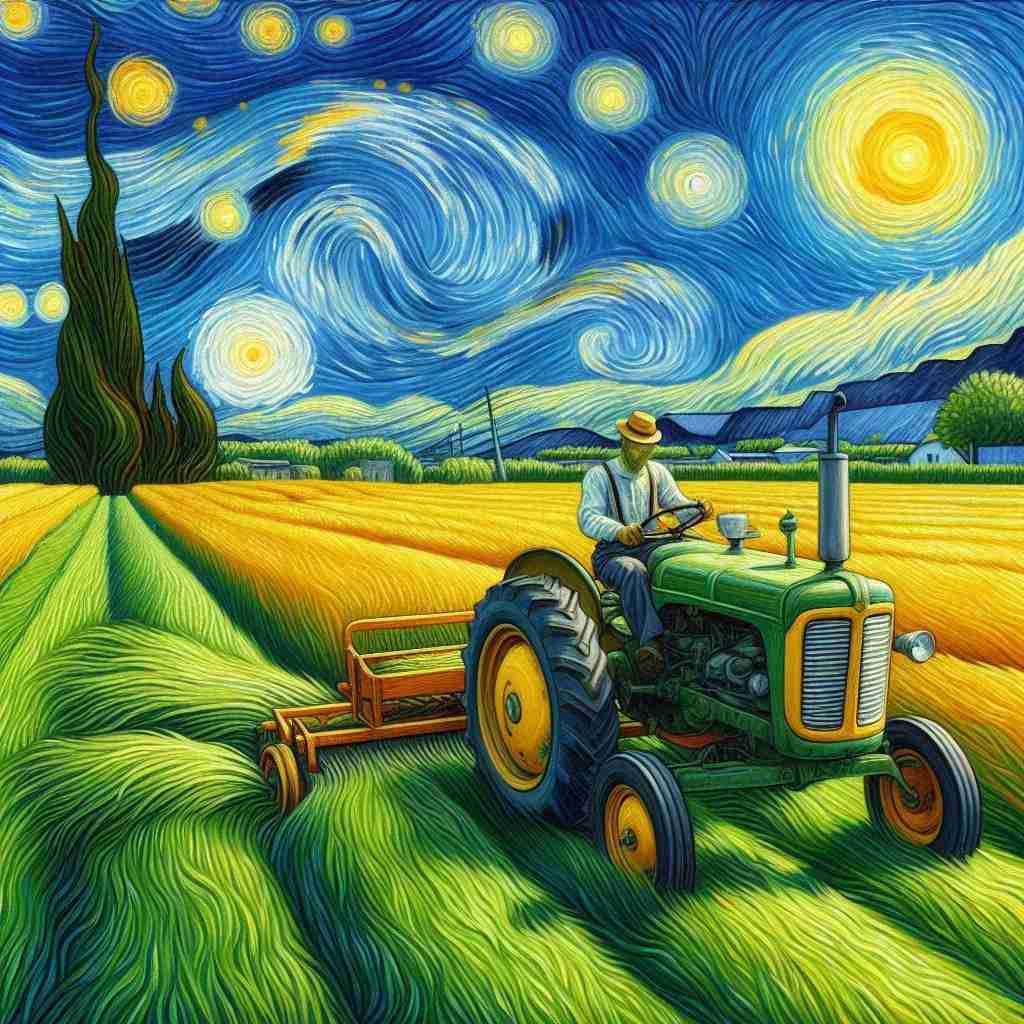
When you gaze upon a classic tractor, you can’t help but feel a rush of nostalgia. These machines, often still chugging along after decades of service, represent a connection to our roots. Each dent and scratch tells a story—every rust spot, a testament to the hardworking hands that once operated them. They embody an era where simplicity and reliability reigned supreme. In contrast, modern tractors, with their sleek designs and digital dashboards, might offer an impressive array of features, but do they truly match the dependability of their older counterparts?
From an emotional standpoint, classic tractors resonate deeply. They remind us of our ancestors—those farmers who worked tirelessly under the sun, relying on these sturdy machines to cultivate the land. There’s something inherently fulfilling about getting behind the wheel of a vintage tractor; the roar of the engine feels like a call to arms, a reminder of the grit and determination that built our communities.
Rationally, when assessing the functionality of classic versus modern tractors, one must consider the engineering behind the older models. Many were built with fewer electronic components and more robust mechanical parts. They’re easier to fix, often requiring just a wrench and some elbow grease to get back to work. In contrast, a modern tractor, while loaded with technology, can leave you stranded if a single electronic component fails. For those who value reliability above all, the classic tractor often stands out as a champion of dependability.
Ethically, there’s value in preserving these machines. Each classic tractor still in operation is a part of our agricultural heritage, a defense against the increasing trend of disposable technology. By keeping these tractors running, we are honoring the craftsmanship of the past and promoting a sustainability ethos that is needed today. Supporting the repair and restoration of these machines aligns with an ethos of stewardship over consumerism.
Socially, there’s a community that surrounds classic tractors, where enthusiasts gather to share knowledge, stories, and tips on maintenance. This network fosters connection, promoting a sense of belonging that transcends generations. It’s not just about the tractors; it’s about the people who love them. In a world where technology often isolates us, classic tractors pull us back together—reminding us of shared values and the beauty of hard work.
Classic tractors may lack the bells and whistles of modern machines, yet in their steadfastness, they often prove to be the most dependable allies in agriculture, connecting us to our heritage while serving our current needs.
Are Classic Tractors More Dependable Than Modern Ones?
Are Classic Tractors More Dependable Than Modern Ones?
- Classic tractors evoke nostalgia and represent a connection to agricultural roots.
- Each tractor’s wear reflects the dedication of past operators, embodying simplicity and reliability.
- While modern tractors offer advanced technology, classic models are often more dependable.
- Classic tractors serve as a reminder of ancestral farming practices and community values.
- They feature robust engineering with fewer electronic components, making them easier to repair.
- Preserving classic tractors honors agricultural heritage and promotes sustainability.
- A community of enthusiasts fosters connections among individuals who share a passion for these machines.
Are Classic Tractors More Dependable Than Modern Ones?
How Do Vintage Tractors Impact Farming Today?
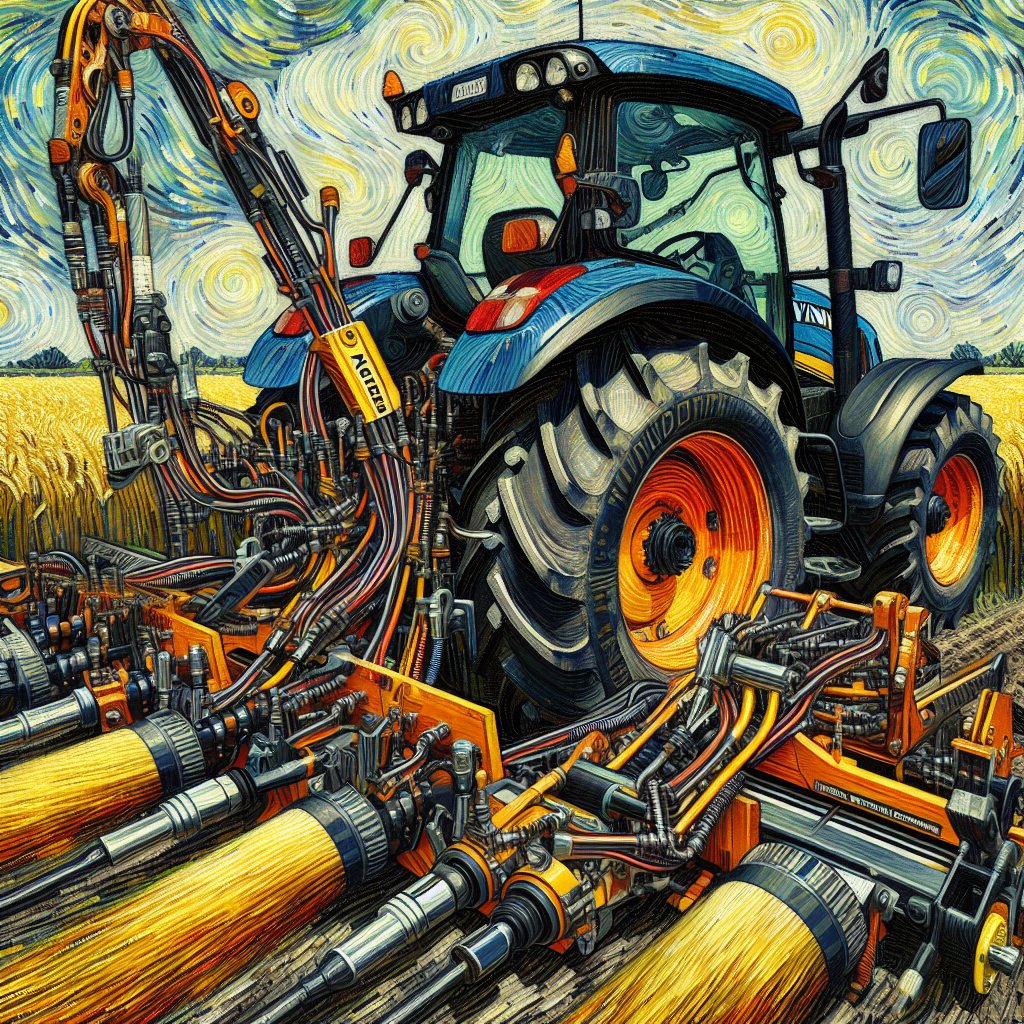
In a world that’s increasingly driven by technology and automation, vintage tractors stand as a testament to simpler times and the enduring spirit of farming. These machines, often regarded as relics of the past, embody a connection to our agricultural roots and the values they represent—hard work, perseverance, and community. A vintage tractor isn’t just a piece of equipment; it’s the heartbeat of a farm, a symbol of hands that once tilted the earth and sowed the seeds of tomorrow.
The emotional resonance of vintage tractors is undeniable. For many farmers, these tractors are infused with memories—family gatherings in the fields, harvest days filled with laughter, and struggles that forged enduring legacies. Each scratch and dent tells a story of labor and love, creating an unbreakable link between generations. They remind us of the grit it takes to keep feeding the world, and in that shared struggle, there exists a profound sense of camaraderie among those who still turn the wheels of these trusty machines.
Rationally, employing vintage tractors can be a pragmatic choice. Many of these tractors, built with a simpler design and rugged durability, can be cheaper to maintain than their modern counterparts. They require less technology and fewer digital components, easing financial burdens for small farmers. Furthermore, the vintage model often comes with ease of repair and a wealth of knowledge passed down through the farming community, reinforcing the idea that farming is not just about the latest innovations; it’s about tapping into the extensive wisdom built over decades.
From an ethical standpoint, honoring vintage tractors encourages sustainable farming practices. Utilizing these machines promotes a slower, more thoughtful approach to agriculture that prioritizes environmental stewardship and resourcefulness. It challenges us to reconsider our consumption habits, valuing quality and longevity over flash and novelty.
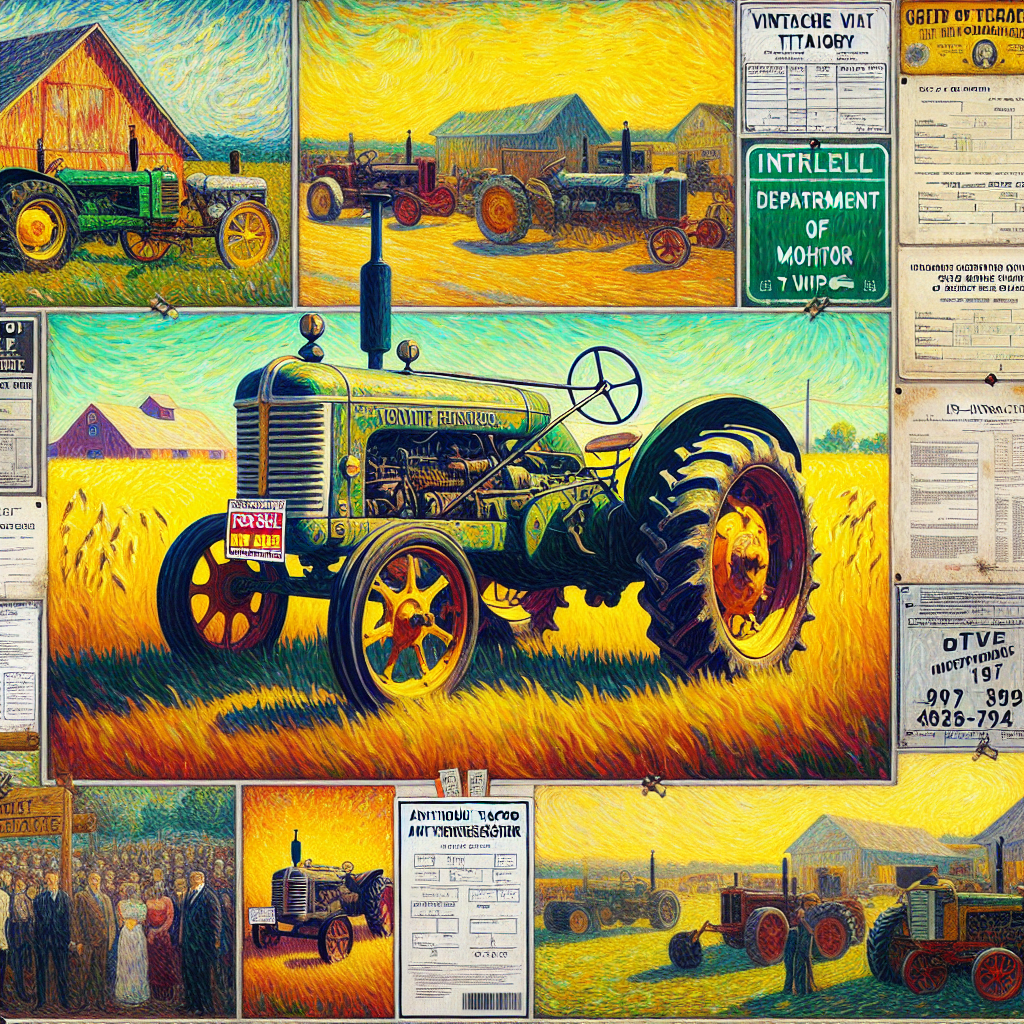
Moreover, vintage tractors foster connections not just within communities, but across generations. At local fairs or tractor shows, farmers proudly display these machines, igniting conversations about shared experiences, tips, and techniques. These gatherings create a bond that transcends age and background, uniting people with a common purpose and a shared love for the land.
In navigating the challenges of modern farming, vintage tractors resonate deeply—emotionally, rationally, and ethically. They remind us that the soul of agriculture isn’t solely rooted in technology but in the love for the land, the commitment to hard work, and the community that binds us all together. As we move forward, let us celebrate these machines for what they are: a tangible reminder of our agrarian history and a trust that the values of the past can guide us toward a more sustainable future.
How Do Vintage Tractors Impact Farming Today?
How Do Vintage Tractors Impact Farming Today?
- Vintage tractors symbolize a connection to agricultural roots and values of hard work, perseverance, and community.
- They hold emotional significance for farmers, embodying memories and stories that reflect generations of labor and love.
- Practically, vintage tractors are often cheaper to maintain, with simpler designs requiring less technology.
- They encourage sustainable farming practices, promoting a thoughtful approach to agriculture.
- Vintage tractors foster intergenerational connections at local fairs and shows, facilitating community bonding.
- These machines highlight that the essence of agriculture lies not just in technology but in dedication to the land and community.
- Celebrating vintage tractors honors agrarian history and the values that guide sustainable farming futures.
How Do Vintage Tractors Impact Farming Today?
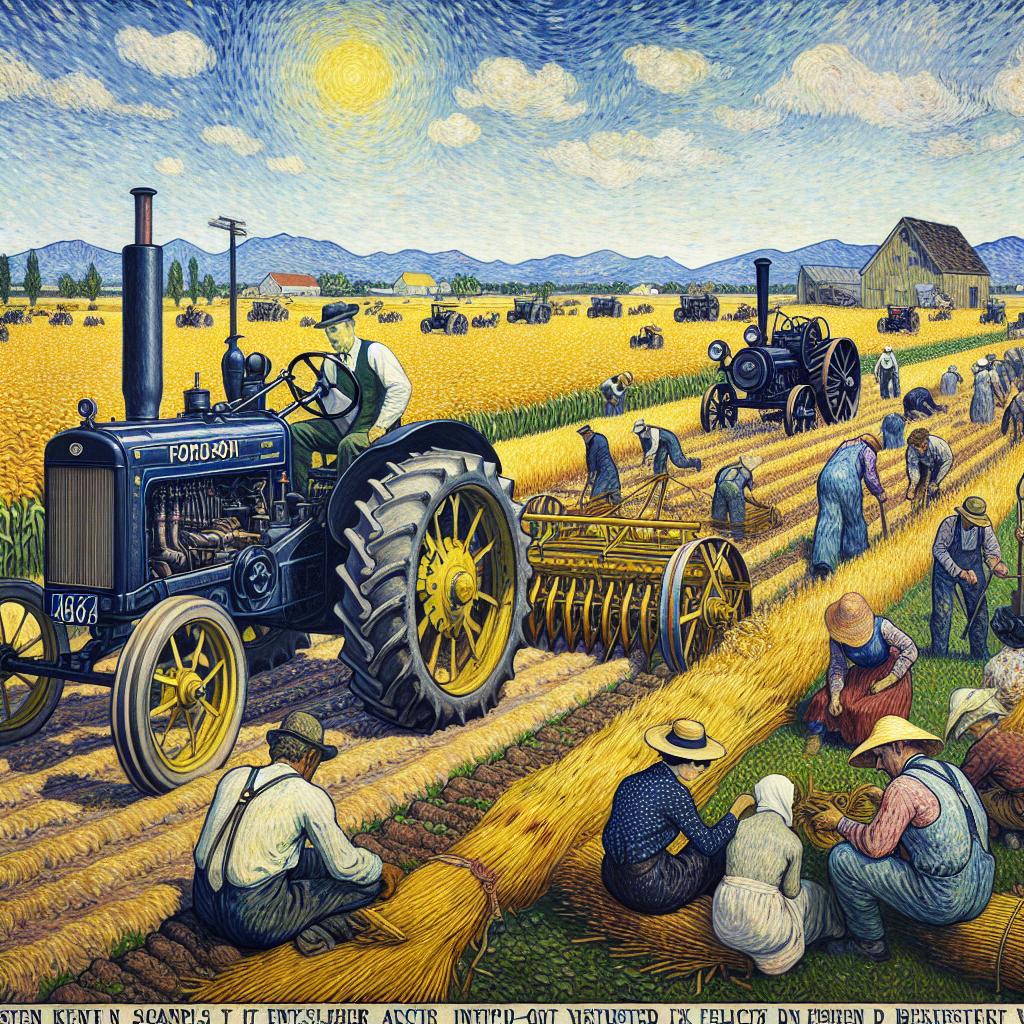
What Stories Do Classic Tractors Tell Us About Our Past?
Classic tractors are more than just machinery; they are vessels of history, chronicling the resilience and evolution of rural life. Each rusted bolt and faded paint job tells a story steeped in hard work, innovation, and the indomitable spirit of a bygone era. These tractors, once the backbone of American farms, served as a bridge between generations, connecting us to our agrarian roots and the labor that shaped our communities.
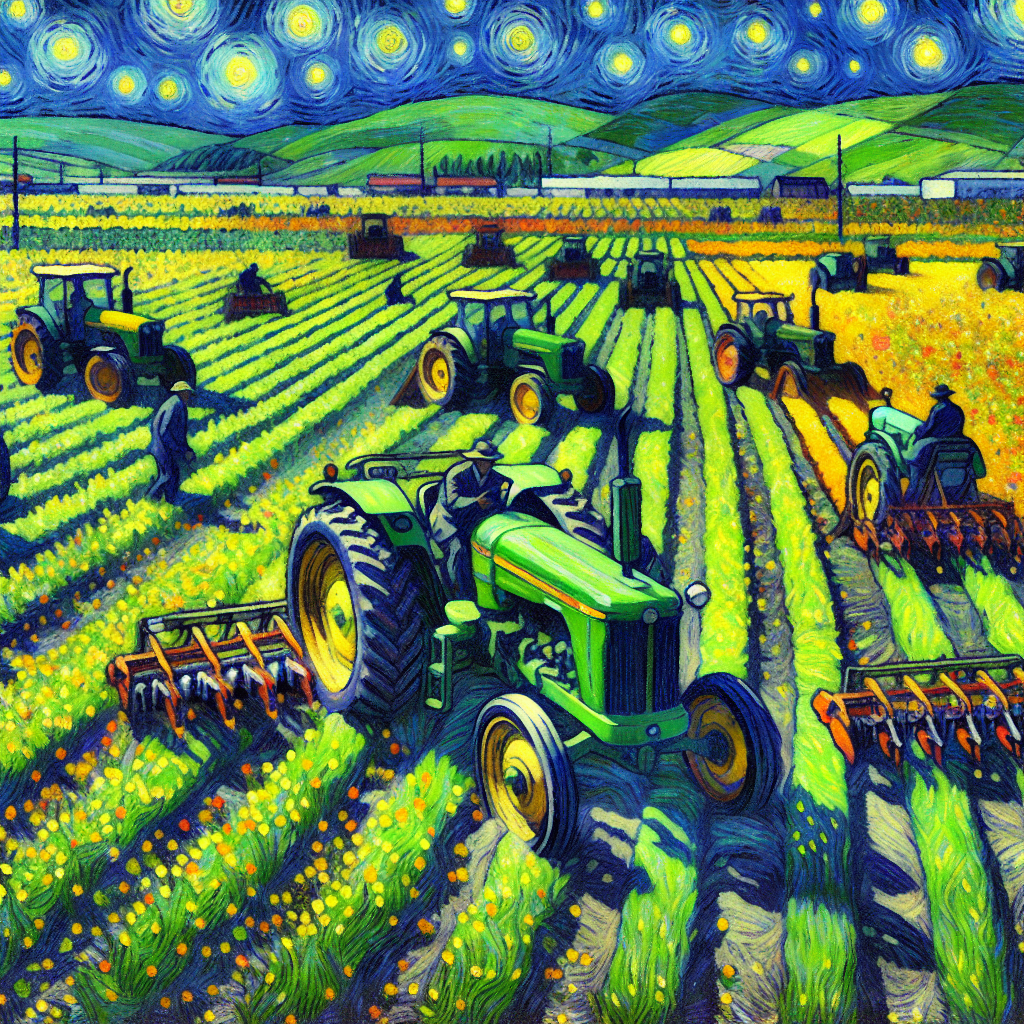
Consider the farmer who relied on a trusty tractor to plow endless fields, sowing seeds of hope and harvesting dreams. Each pass through the earth was a testament to toil and dedication, reflecting not just the pursuit of sustenance, but the very essence of life itself. In the quiet hum of the engine and the rhythmic churn of the tires, there resonates an understanding of what it means to work the land, fostering a bond with nature that is both humbling and awe-inspiring.
When we look at these classic tractors, we also see a reflection of societal shifts. They symbolize progress, with each model representing advancements in technology and design. From hand-cranked marvels to the powerful machines of the mid-20th century, each iteration speaks to a collective human ambition: to overcome obstacles, improve efficiency, and tackle the challenges of an ever-changing world. Tractor manufacturers didn’t just build equipment; they created tools that empowered farmers to push beyond the limits of what was possible.
The ethics of preserving these tractors echo the importance of cherishing our history. By caring for these machines, we honor the sacrifices and achievements of those who came before us. They remind us of the values of hard work, ingenuity, and community that continue to resonate today. Restoring a classic tractor becomes an act of storytelling, connecting us to our ancestors’ trials and triumphs.
Furthermore, the gatherings of vintage tractor enthusiasts foster a rich social fabric. These events invite people of all walks of life to share in a mutual appreciation for the stories that classic tractors weave. The camaraderie found in discussions over a well-maintained model or a unique modification deepens our understanding of each other’s experiences and traditions.
In essence, classic tractors are not merely relics of the past; they are lenses through which we can appreciate our history, acknowledge our present, and envision a future rooted in tradition and innovation. Through them, we gain insight into our shared humanity—a reminder that every field plowed and every crop harvested contributes to the tapestry of who we are today and who we aspire to be tomorrow.
What Stories Do Classic Tractors Tell Us About Our Past?
What Stories Do Classic Tractors Tell Us About Our Past?
- Classic tractors represent historical vessels, reflecting resilience and evolution in rural life.
- Each tractor tells a story of hard work, innovation, and a bygone era’s spirit.
- They connect generations to agrarian roots and the labor shaping rural communities.
- Tractors symbolize societal progress, showcasing technological advancements over time.
- Preserving classic tractors honors the sacrifices and achievements of past generations.
- Gatherings of vintage tractor enthusiasts foster community and shared appreciation for history.
- Classic tractors serve as lenses to understand our history, present, and future ambitions.
What Stories Do Classic Tractors Tell Us About Our Past?
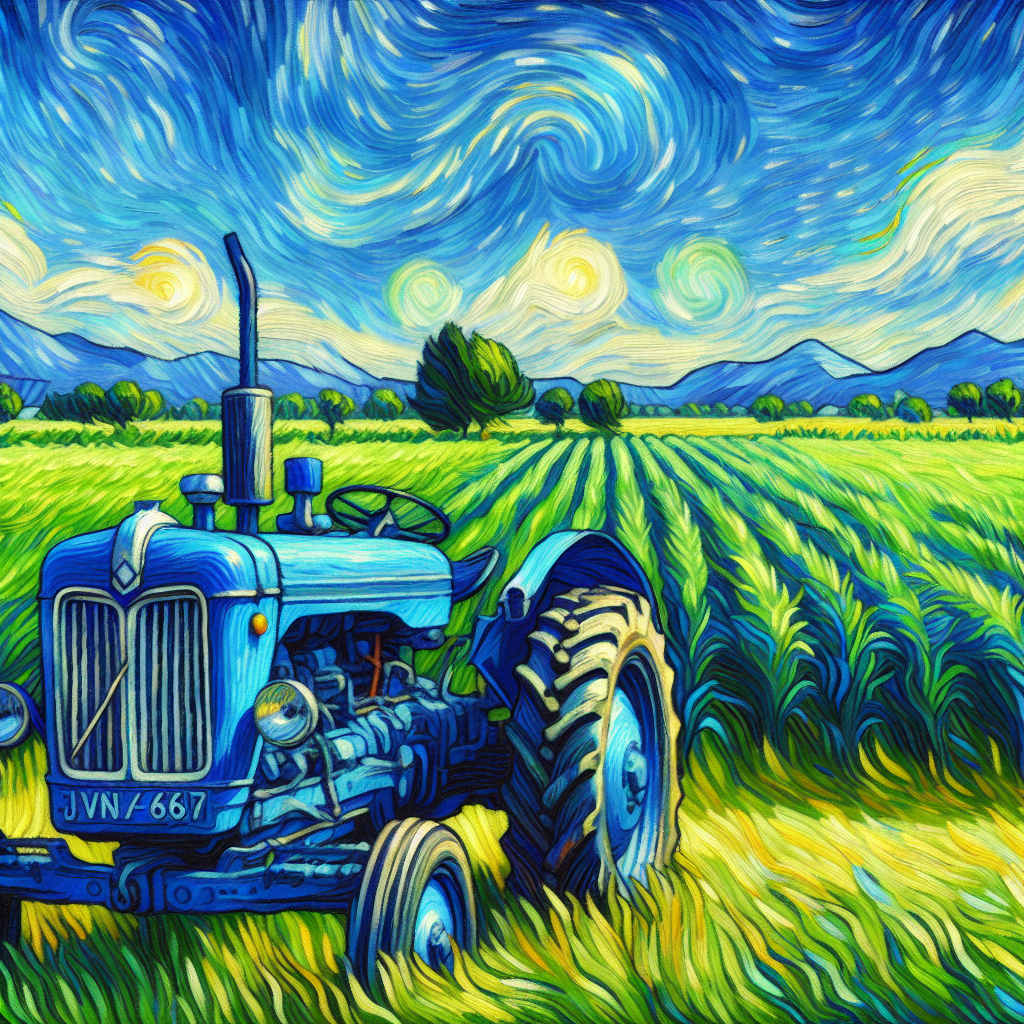
Are Old Tractors More Efficient In Certain Conditions Than New Models?
When we think about tractors, we often envision the latest technology—shiny, efficient machines boasting digital displays and automated systems. Yet, amid this glimmering panorama of modern innovation, an old tractor stands quietly in the corner of a field, a relic of a bygone era, whispering stories of resilience and grit. As we dig deeper into the question of whether old tractors might actually outperform their newer counterparts in certain conditions, we uncover a rich tapestry of history and utility.
Imagine the early mornings when farmers would rise with the sun, the sound of a sturdy old tractor roaring to life. There’s something authentically grounding about this experience; it’s a connection to the land and a tradition that many hold dear. The emotional pull of using a dependable old machine is powerful, evoking memories of family farms where every scratch on a tractor told a story of hard work and perseverance. These machines, with their simplicity and durable design, often thrive in conditions where newer models might struggle. In muddy fields or on rugged terrains, an old tractor’s straightforward mechanics and robust build can easily outperform the latest technology.
Now, let’s shift gears to the rational side. From an economic perspective, older tractors often require less maintenance and fewer repairs than their advanced counterparts, particularly in isolated or less accessible areas where high-tech solutions may become logistical nightmares. Their parts are easier to come by, and for many, the cost associated with running an old tractor can be substantially lower over time. In environments where efficiency matters, these machines can be the unsung heroes, performing reliably while new models gather dust in the barn.
Ethically, the reliance on old tractors raises important questions about sustainability and environmental stewardship. By reviving and maintaining these machines, we honor the craftsmanship of the past and reduce waste—a move towards a more sustainable future. This approach fosters a communal spirit, encouraging a return to roots and a collective appreciation for the hard work that agriculture represents.
Ultimately, whether you’re a seasoned farmer or a casual observer of rural life, the conversation around old and new tractors invites us to reflect on what we value in our approach to agriculture. It’s not just about the most efficient engine; it’s about tradition, community, and maintaining a connection with our roots. In many cases, that old tractor isn’t just a tool; it’s a vehicle for enduring legacy, proving that sometimes, the best solutions lie in the past.

Are Old Tractors More Efficient In Certain Conditions Than New Models?
Are Old Tractors More Efficient In Certain Conditions Than New Models?
- Old tractors represent a connection to farming traditions and resilience.
- They often outperform newer models in challenging conditions such as muddy fields.
- Older tractors typically require less maintenance, reducing long-term costs.
- Parts for older tractors are generally more accessible and easier to find.
- Using and preserving old tractors promotes sustainability and reduces waste.
- This reliance fosters community spirit and appreciation for agricultural heritage.
- The discussion around tractors highlights values of tradition and legacy in farming.
Are Old Tractors More Efficient In Certain Conditions Than New Models?
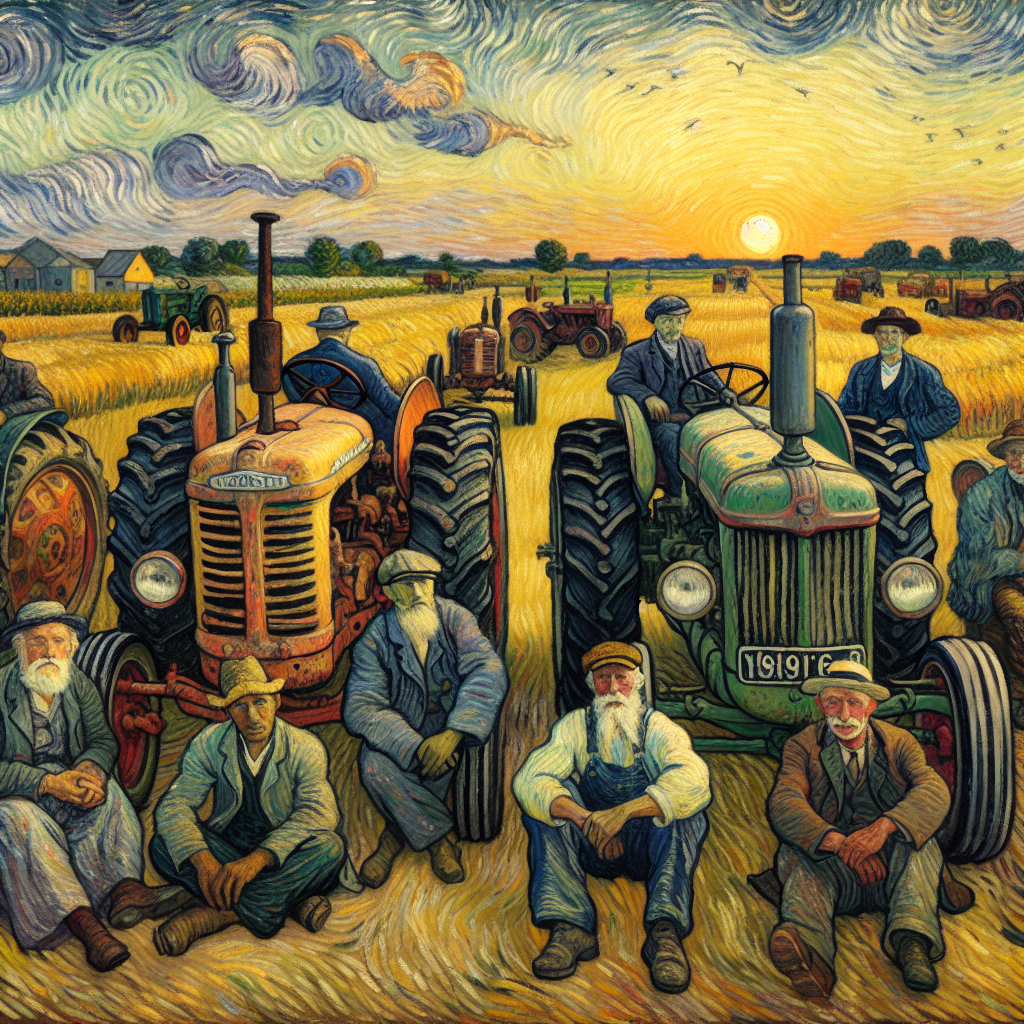
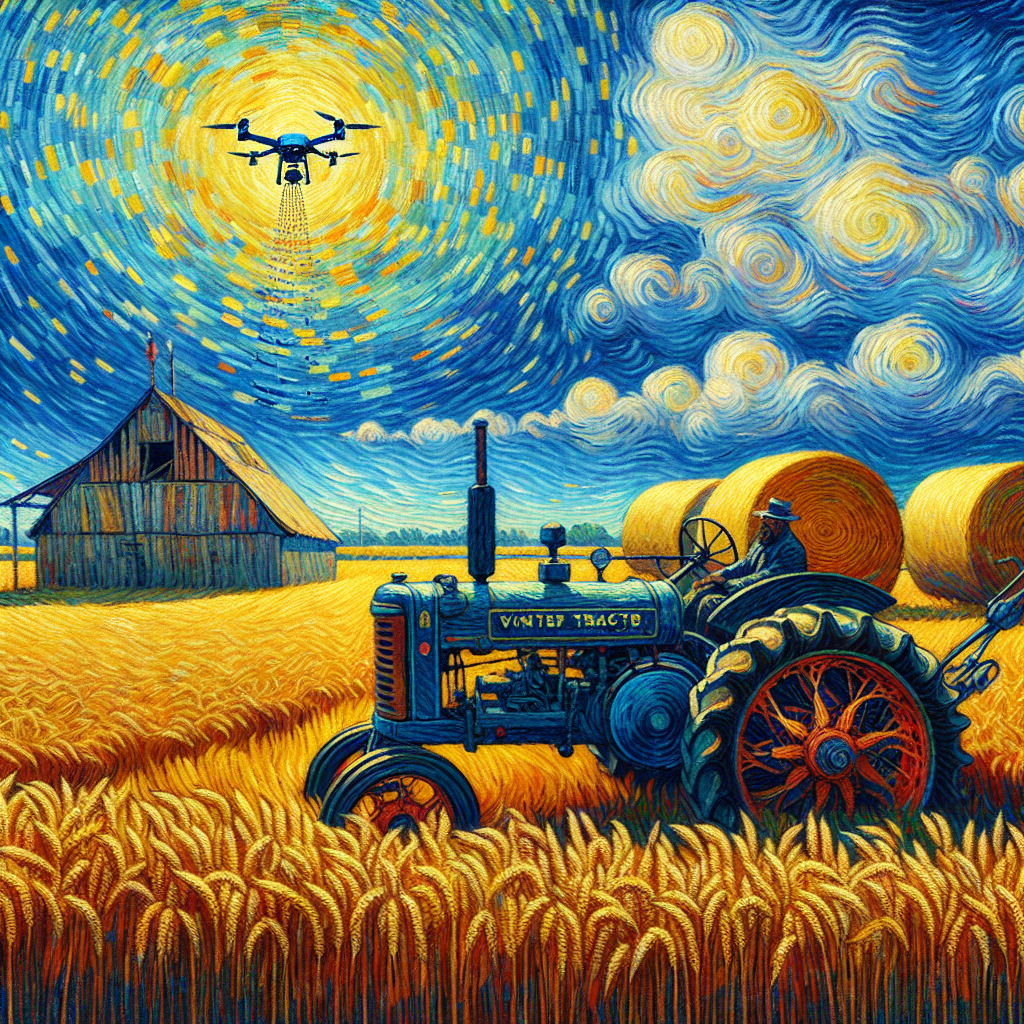
How Does the Sound Of a Classic Tractor Evoke Nostalgia for Many?
The sound of a classic tractor is more than just a mechanical hum; it’s a symphony of memories, a chorus that calls to the heart, whispering tales of simpler times when life moved a little slower and community meant something deeper. For many, the low rumble of the engine, punctuated by the gentle chugging noise, evokes nostalgia, bringing forth vivid images of childhood summers spent on the farm, where the air was thick with the scent of freshly tilled soil and cut hay. This sensory experience transcends the ordinary, tapping into something primal and deeply human.
Rationally speaking, the tractor symbolizes hard work and resilience. It’s a testament to the ethos of generations who have dedicated their lives to nurturing the land. The sound itself—an unmistakable blend of strength and reliability—reminds us that we’re part of a long line of stewards, each contributing to the agricultural tapestry that sustains us. When you hear that familiar roar, it’s as if you’re not just listening to a machine but engaging in a dialogue with history. It connects us to our roots, reminding us of the labor and love that went into feeding families and building local economies.
Ethically, the tractor represents a commitment to craftsmanship. Every squeak of its joints and every puff of smoke is a reminder of the values of perseverance and dedication. There’s a profound sense of rightness in respecting the tools of our trade, holding onto the past while navigating the present. In an age dominated by rapid change and digital noise, the tractor stands as a stalwart reminder of authenticity, skill, and the sweat behind the successes.
Socially, the classic tractor fosters connection. It’s a rallying point for communities during harvest festivals, pulling together neighborhoods in celebration of shared heritage. When a community gathers around these machines, it becomes an opportunity to pass down stories—fables of grandfathers teaching their children, of neighbors helping neighbors, and of the evolution of agriculture from one generation to the next.
It’s that rich blend of emotional resonance and practical significance that makes the sound of a classic tractor a powerful trigger for nostalgia. It evokes not just memories but a longing for connection, a base level of understanding that we are all part of something larger—a communal history captured in each grumble and roar.
How Does the Sound Of a Classic Tractor Evoke Nostalgia for Many?
How Does the Sound Of a Classic Tractor Evoke Nostalgia for Many?
- The sound of a classic tractor evokes a sense of nostalgia and memories of simpler times.
- It symbolizes hard work and resilience, connecting us to generations of agricultural stewardship.
- The tractor serves as a reminder of the labor and love involved in feeding families and supporting local economies.
- Every sound from the tractor signifies a commitment to craftsmanship and the values of perseverance.
- It represents authenticity and skill amidst modern changes and digital noise.
- The classic tractor fosters community connection, particularly during harvest festivals.
- Overall, it triggers a longing for connection and highlights our shared communal history.
How Does the Sound Of a Classic Tractor Evoke Nostalgia for Many?
Do Classic Tractors Hold More Sentimental Value Than Modern Machines?
Classic tractors evoke a sense of nostalgia that transcends mere machinery; they embody stories, traditions, and the sweat of generations. Every scratch on a worn fender and the faded paint tell a tale that modern machines, with their sleek lines and digital interfaces, struggle to replicate. There’s something inherently special about a tractor that has spent decades plowing fields and hauling loads. These machines were often more than just tools; they were steadfast companions in the agricultural life, deeply intertwined with family heritage and community spirit.
The emotional connection runs deep. A classic tractor can stir memories of a grandfather teaching a grandson the ropes, of summers spent in the fields under the warm sun. That bond creates a legacy, one that modern machines, no matter how advanced, can’t quite match. It’s not just a machine; it’s a piece of history, a vehicle of shared experiences that connect us to our past.
Rationally, the durability of these classic tractors speaks volumes. Built to last and often simpler in design, they can be repaired and maintained with basic tools and knowledge, making them accessible to generations of farmers. In contrast, many modern machines are riddled with complex electronics, rendering them less approachable for the average owner. This longevity and ease of maintenance bring an ethical dimension to the discussion; classic tractors encourage sustainable practices and resourcefulness, qualities that resonate with an increasingly environmentally conscious society.
From an authority standpoint, numerous experts attest to the craftsmanship of older machinery. The engineering behind classic tractors has stood the test of time, proving itself in countless working conditions. This reliability fosters trust, making this older equipment not just sentimental pieces but practical choices for many.
Narratively, owning a classic tractor often involves becoming part of a larger community—a network of enthusiasts who share a passion for restoring and preserving these machines. Whether it’s at a local show or a gathering of farmers, there’s a camaraderie that comes from sharing stories, knowledge, and experiences. In a world increasingly dominated by gadgets and virtual interactions, this tangible connection to both history and community is refreshing.
Tractors, especially the classic ones, symbolize more than just a mode of transport; they represent a way of life. They remind us of our roots, our responsibilities to the land, and the intricate web of connections that bind us to one another. Choosing a classic tractor isn’t just about functionality; it’s also about embracing a legacy, honoring the past, and bringing those values into the present.
Do Classic Tractors Hold More Sentimental Value Than Modern Machines?
Do Classic Tractors Hold More Sentimental Value Than Modern Machines?
- Classic tractors evoke nostalgia, embodying stories and traditions of generations.
- Damaged aesthetics and worn features tell unique histories that modern machines can’t replicate.
- They symbolize companionship in agricultural life and are intertwined with family heritage and community spirit.
- The emotional connection to classic tractors fosters legacies of shared experiences across generations.
- Durability and simplicity in design make them easier to maintain, promoting sustainable practices.
- Expert craftsmanship of classic tractors has proven reliable over time, making them practical choices.
- Owning a classic tractor fosters a sense of community among enthusiasts, enhancing connections to history and each other.
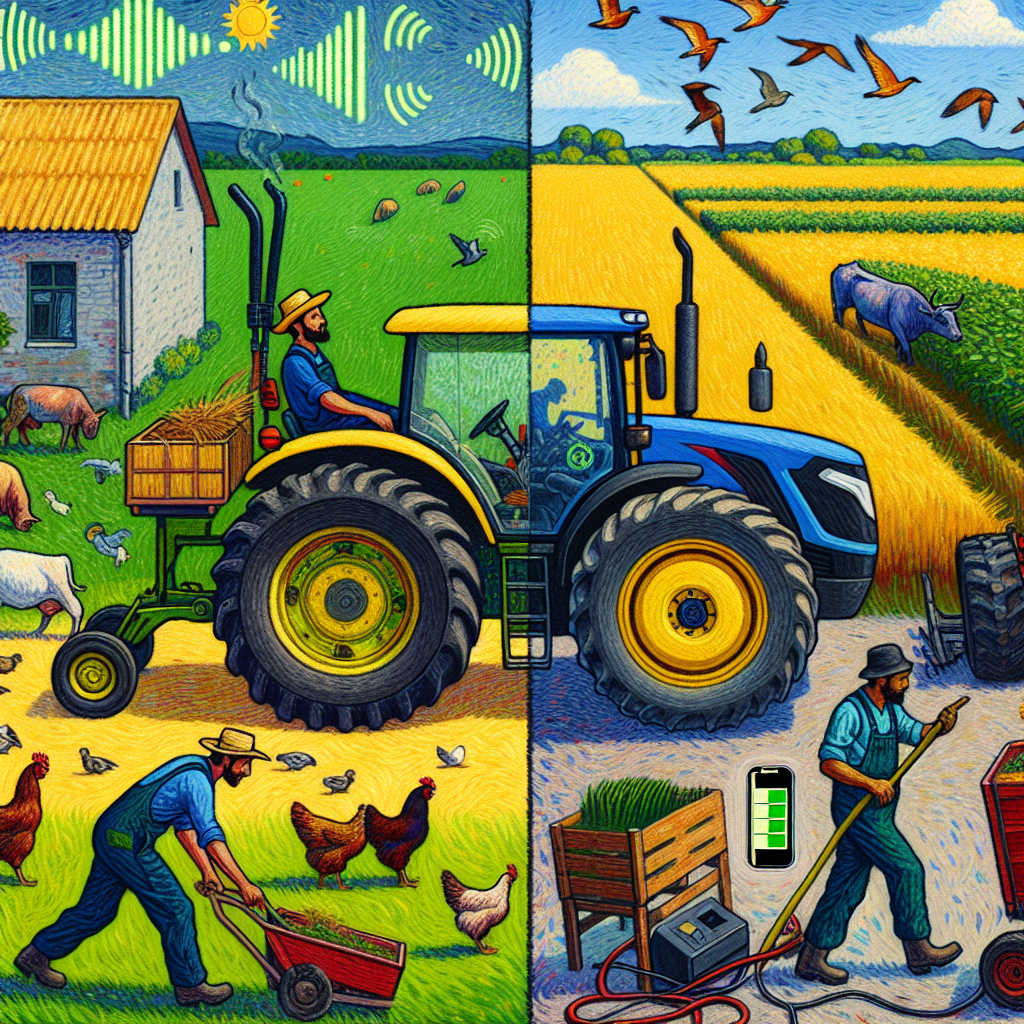
Do Classic Tractors Hold More Sentimental Value Than Modern Machines?
Conclusion
The clash between classic and modern tractors is not just about noise levels or technological advancements; it taps into a profound sense of identity and continuity. The roar of an old tractor evokes more than memories; it embodies the spirit of agriculture steeped in hard work, resilience, and community. These machines, with their unmistakable growl, signify an era where craftsmanship and dedication reign supreme, forging connections across generations. They stand as vessels of history, capturing moments of toil, triumph, and the earthy essence of farm life.
In contrast, modern tractors provide comfort and efficiency, whispering through fields with their advanced engineering and noise-dampening features. Yet, their quiet hum raises questions about what is sacrificed in the name of progress. Are we losing a connection to our agricultural roots? Classic tractors remind us of simpler times when every scratch told a story, and every dent reflected the labor of hands that shaped our landscapes. The visceral experience of driving a vintage machine is not just about functionality; it’s about honoring the past, nostalgia, and celebrating the ethos of those who farmed with sheer grit and determination.
Rationally, classic tractors often outperform their modern counterparts in terms of dependability and ease of repair. Many vintage models require basic tools for maintenance, contrasting sharply with the complex electronics in newer machines that can thwart efforts when they fail. This simplicity promotes sustainability, emphasizing resourcefulness over disposability—an ethical stance that resonates in today’s world of environmental awareness. By preserving these tractors, we acknowledge the craftsmanship of earlier generations and commit to a stewardship that respects both heritage and the land.
Socially, classic tractors foster community. Enthusiasts come together at events, sharing stories and experiences, bridging the gap between ages and backgrounds. In a rapidly changing world dominated by technology, this shared appreciation creates bonds that unify rather than isolate.
Ultimately, whether one leans toward the deafening pride of a classic or the quiet efficiency of a modern machine, both contribute to the rich tapestry of agriculture. Each has a place in our hearts, heads, and guts, reminding us of the values of hard work, tradition, and the stories we share as stewards of the land. In celebrating these machines, we embrace not only a way of life but also the enduring spirit that connects us to our agricultural past and future.
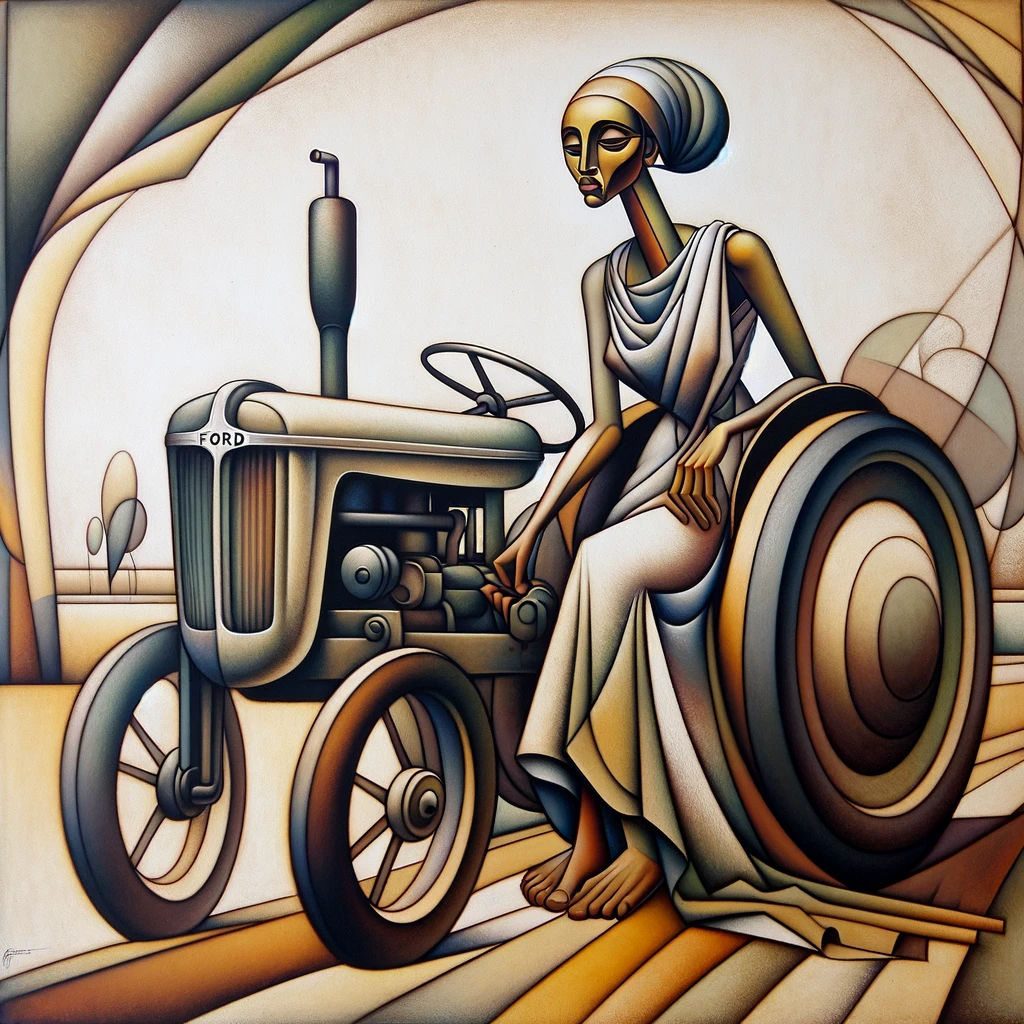
Conclusion
Conclusion:
- The clash between classic and modern tractors involves identity and continuity in agriculture.
- Classic tractors evoke nostalgia, representing hard work, resilience, and community connections.
- Modern tractors emphasize comfort and efficiency but may diminish connections to agricultural roots.
- Classic tractors are often more dependable and easier to repair, promoting sustainability.
- Preserving classic tractors acknowledges craftsmanship and environmental stewardship.
- Classic tractors foster community among enthusiasts, bridging gaps across generations.
- Both classic and modern tractors contribute to the rich tapestry of agriculture, reflecting shared values and stories.
Conclusion
Other Resources
Other Resources
Here is a list of other resources you can review online to learn more:
- Agra Cat
- Heartland Acres Agribition Center
- Pioneer Farm Days
- Holt
- McConnell-Marc
- Chery
- Dongfeng
- Branson
- Muller
- Agrinar
- Satoh
- Schluter
- Rumely
- Terrion
- Eastern Carolina Vintage Farm Equipment Club
- Case IH
- AGCO
- Aultman & Taylor
- The AgriCultural Museum & Arts Center
Use This Prompt To Get More Resources With Your Favorite Online AI Tool: Please provide me with a list of online articles with their URLs in a bulleted list that I can read regarding Are Classic Tractors Louder Than Modern Ones?
Other Resources
Glossary Terms
Are Classic Tractors Louder Than Modern Ones? – Glossary Of Terms
1. Classic Tractors: Tractors produced before the late 1970s, often characterized by simpler technology and louder engines.
2. Modern Tractors: Tractors manufactured after the 1980s, featuring advanced technology designed for noise reduction and efficiency.
3. Decibel (dB): A unit used to measure sound intensity; higher values indicate louder sounds.
4. Engine Design: The structure and mechanism of an engine, affecting its noise output; classic engines may have less insulation.
5. Exhaust System: A component that directs exhaust gases away from an engine; modern systems are often designed to minimize noise.
6. Cab Insulation: Material used in tractor cabins to reduce sound transmission; more prevalent in modern tractors.
7. Field Application: The setting in which tractors are used, influencing perceived noise levels based on environment and task.
8. Sound Dampening: Techniques or materials used to absorb sound and reduce noise levels in machinery.
9. Operator Comfort: The ease and satisfaction of the operator while using machinery, often enhanced in modern tractors through reduced noise.
10. Vibration Control: Methods used to minimize vibration from engines which can contribute to overall noise.
11. Sound Level Meter: An instrument used to measure the intensity of sound, useful for comparisons between classic and modern tractors.
12. Rumble: A deep, low-frequency noise; often associated with older machinery.
13. Acoustic Performance: The effectiveness of a tractor in controlling sound emissions during operation.
14. Noise Regulation: Standards set by governmental bodies to limit acceptable noise levels for machinery.
15. Muffler: A device that reduces the noise produced by an engine; modern tractors often feature advanced muffler systems.
16. Piston: A key component of an engine that can influence its noise output based on design and materials.
17. Torque: The force that causes rotation; higher torque engines can produce more noise.
18. Fuel Type: The kind of fuel used can affect noise levels; diesel engines typically produce more noise than gasoline engines.
19. Engine RPM: The number of revolutions per minute; higher RPMs often lead to increased noise levels.
20. Mechanical Wear: Deterioration of engine parts over time that can increase noise output.
21. Cultivation: The act of preparing soil for planting; noise levels can vary significantly depending on the tractor used.
22. Hydraulic Systems: Systems used to power various attachments; can contribute to overall noise when operating.
23. Power Take-Off (PTO): A feature allowing the transfer of engine power to other equipment; can influence noise levels during operation.
24. Gearbox: The system that transmits power from the engine; noise levels can vary based on design and lubrication.
25. Maintenance Practices: The care given to machinery, affecting noise through proper functioning and minimized wear.
26. Transmission Type: Refers to the system that transmits power; different types can have varied noise outputs.
27. Idling: The state of an engine running without load; classic tractors typically produce more noise when idling compared to modern counterparts.
28. Load Carrying: The weight a tractor can handle; carrying heavier loads can increase engine strain and noise levels.
29. Transmission Noise: Sounds generated by the gears and mechanisms in the transmission system.
30. Soundproofing Materials: Substances used in modern tractors to minimize noise, often lacking in classic models.
Glossary Of Terms
Other Questions
Are Classic Tractors Louder Than Modern Ones? – Other Questions
If you wish to explore and discover more, consider looking for answers to these questions:
- How do measured decibel levels of classic tractors compare to modern tractors under similar loads?
- Which components (engine type, exhaust, intake, transmission) contribute most to a tractor’s noise?
- Are certain classic tractor brands or models louder than others?
- How do emissions and environmental regulations affect tractor noise over time?
- Do louder tractors cause more hearing damage to operators over long periods?
- Can classic tractors be retrofitted with modern mufflers or sound-dampening technologies?
- How do maintenance needs and costs compare between classic and modern tractors?
- Which is more fuel-efficient in real-world use: a well-maintained classic or a modern tractor?
- How do repairability and parts availability compare for vintage versus new tractors?
- What are typical failure modes for classic tractors compared with modern ones?
- How do lifecycle costs (purchase, fuel, maintenance, resale) compare between classic and modern machines?
- Are classic tractors better suited to certain soil, terrain, or crop conditions?
- How does operator comfort and ergonomics differ between old and new tractors?
- What safety features are missing on classic tractors that modern machines include?
- Can classic tractors meet current safety and road-usage legal requirements?
- How do modern electronics affect tractor reliability in remote or low-resource settings?
- What are the environmental trade-offs between repairing/restoring vintage tractors and buying new ones?
- How much does restoring a classic tractor typically cost, and what skills/tools are required?
- Where can owners source replacement parts, manuals, and expertise for vintage tractors?
- What are best practices for preserving the sentimental and historical value of a classic tractor?
- How do classic tractors influence small-scale or niche farming operations today?
- Are there farming tasks where modern automated or precision tractors clearly outperform vintage ones?
- How do insurance, registration, and appraisal differ for classic tractors versus modern equipment?
- What social and community networks exist for classic tractor enthusiasts and restorers?
- How do resale values of classic tractors compare to depreciation curves of modern tractors?
- Can modern technology (GPS, telematics) be integrated into classic tractors without harming authenticity?
- What is the historical timeline of major tractor innovations that changed noise, reliability, or efficiency?
- How does the cultural or sentimental value of a tractor affect decisions to keep, restore, or replace it?
- What are the legal noise ordinances or workplace noise limits that apply to farm equipment?
- How do tractor sizes and horsepower classes from older eras compare with today’s categories?
- What are the common myths about classic tractors’ durability or simplicity, and are they true?
- How do classic tractors perform in extreme weather conditions compared with modern designs?
- What training or skills are needed to maintain and operate vintage tractors safely?
- How do classic tractors factor into sustainable agriculture and circular-economy practices?
- Where can readers see or experience classic tractors in operation (museums, shows, farms)?
Other Questions
Haiku
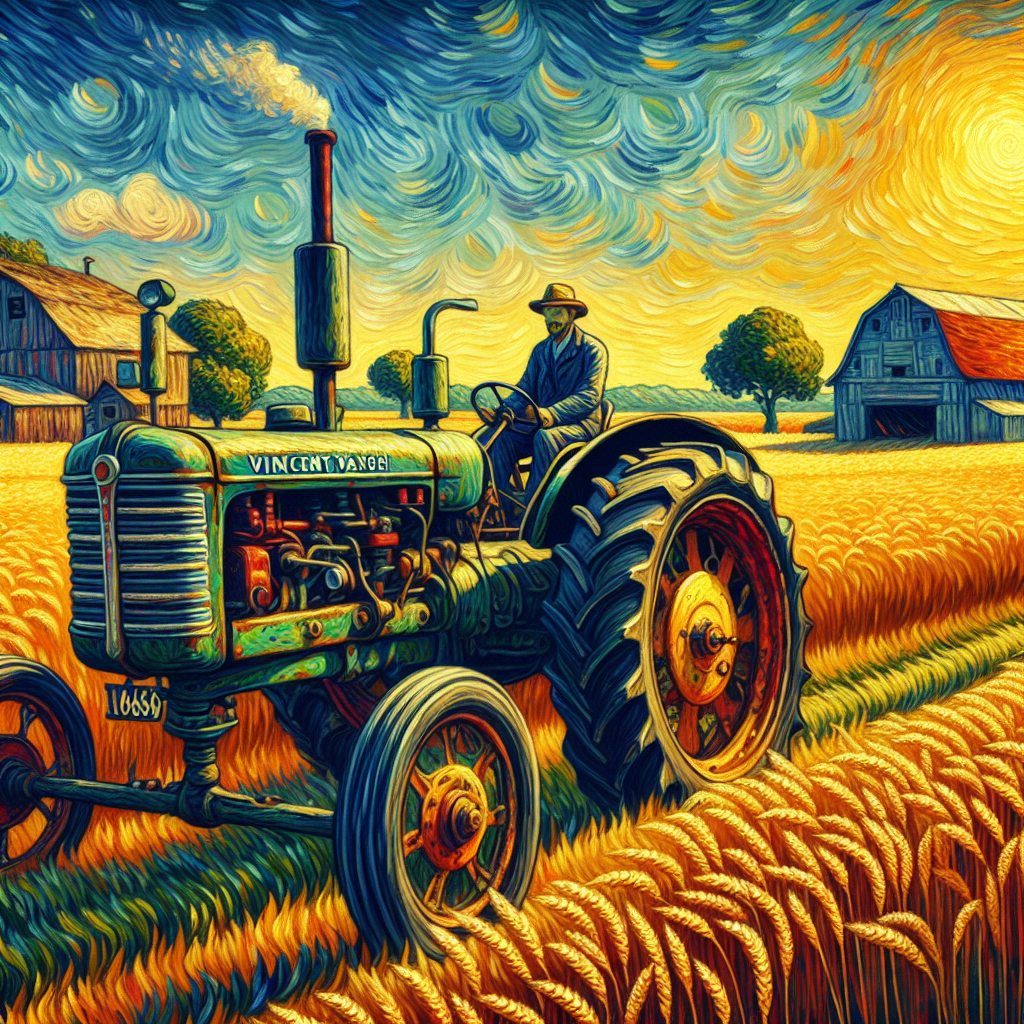
Are Classic Tractors Louder Than Modern Ones? – A Haiku
Old metal grumbles loud,
Whispers of past toil and grit,
Hearts pulse, roots connect.
Haiku
Poem
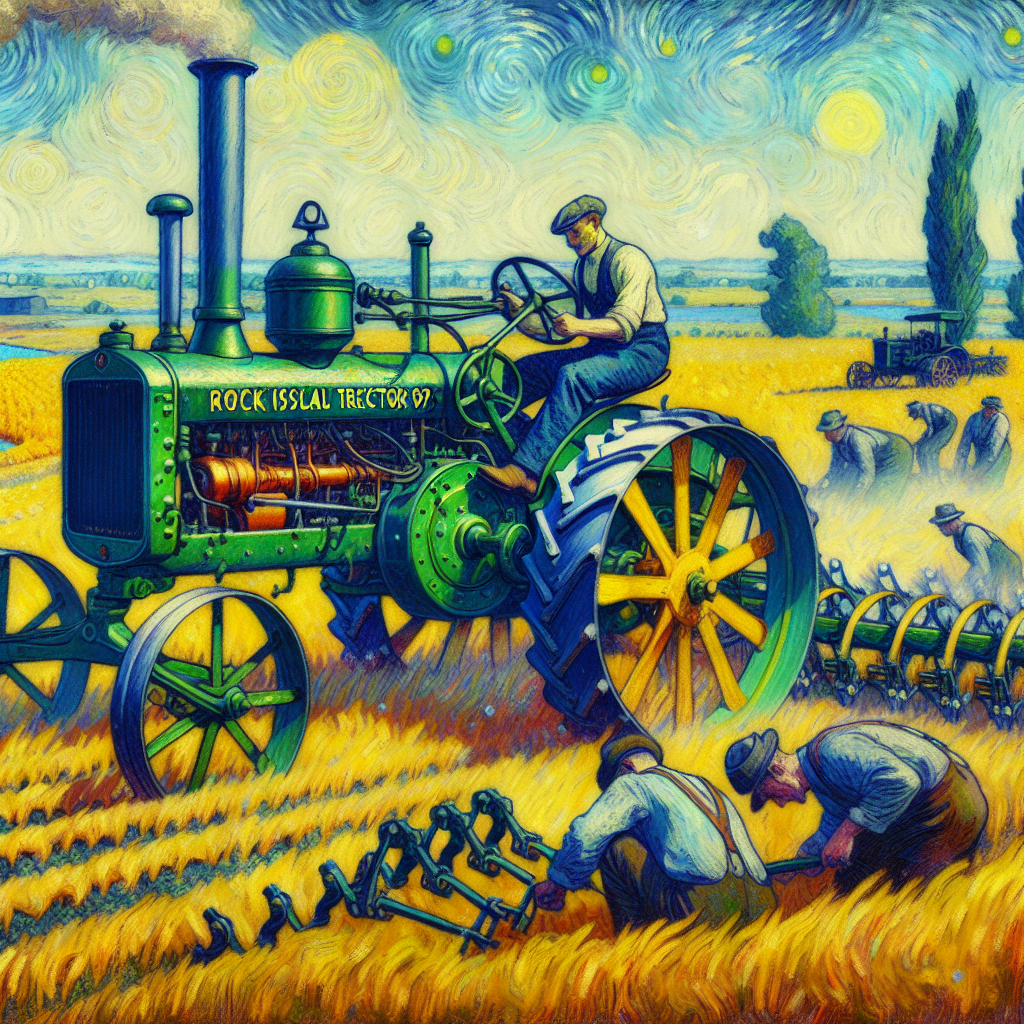
Are Classic Tractors Louder Than Modern Ones? – A Poem
In fields where echoes of history lie,
Classic tractors roar, a heartfelt reply.
Their engines resonate, through time and dust,
Crafted with care, in steel we trust.
The vibrant sounds awaken pasts embrace,
Memories linger, in each weathered trace.
Each dent tells stories of labor and pride,
Generations bound by the earth’s gentle tide.
In contrast, sleek engines whisper and hum,
Modern marvels, meld technology’s drum.
Yet in their silence, a question remains,
What echoes deeper, what legacy gains?
Classic machines, with their steadfast grace,
Hold more than power; they embody place.
Relationships forged on warm summer days,
Harvesting hope in labor’s sweet ways.
Ethics of stewardship in rusted parts cling,
A reminder of simpler, more honest living.
Communities gather, as engines ignite,
Sharing the tales that the dusk turns to night.
Old or new, each has its own song,
Yet in the heart’s core, the classic feels strong.
For in the roar of the past, we find our roots,
Growing together—our love bears the fruits.
Poem
Checklist
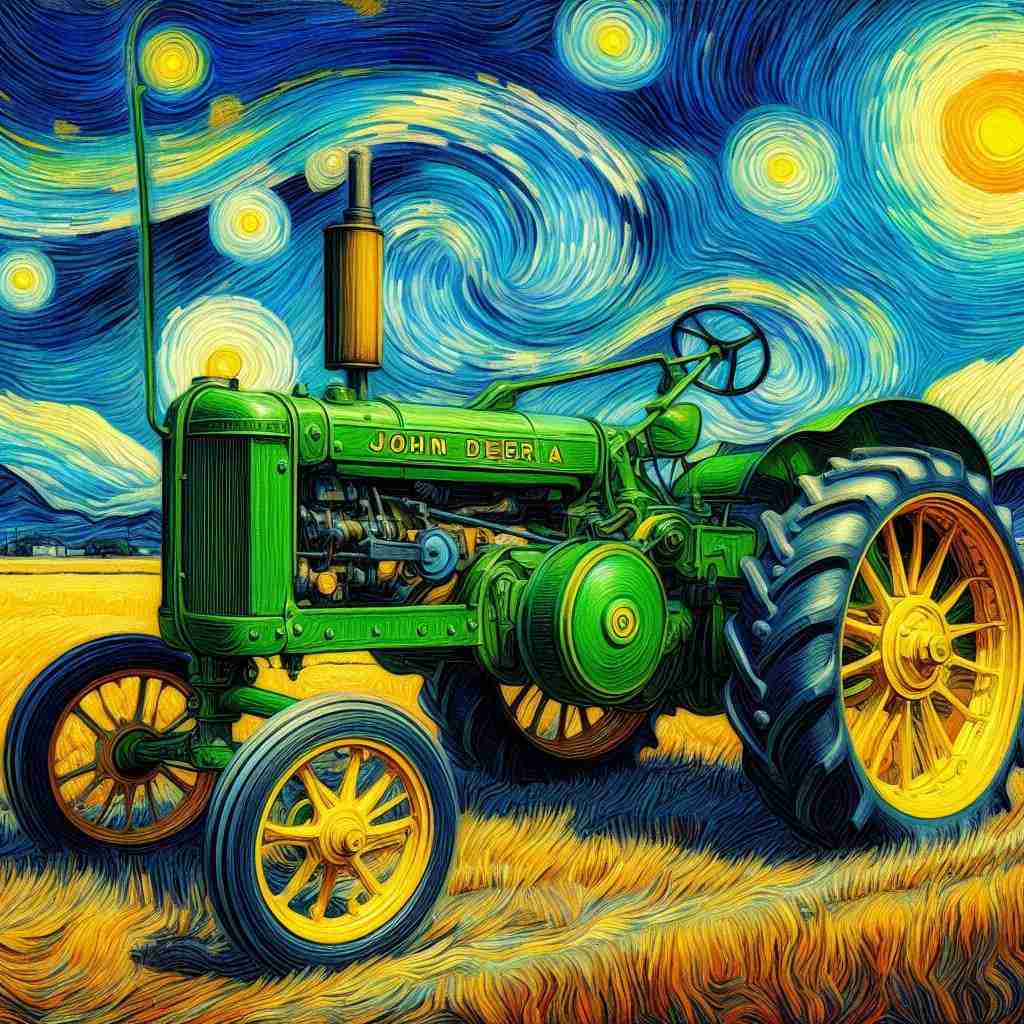
Are Classic Tractors Louder Than Modern Ones? – A Checklist
Classic Tractors vs. Modern Machines
✅______ Reflect on personal memories associated with classic tractors.
✅______ Identify family traditions or stories linked to these machines.
✅______ Consider how the roar of a classic tractor evokes feelings of nostalgia and pride.
Rational Appeals
✅______ Evaluate the maintenance costs and ease of repairs for classic vs. modern tractors.
✅______ Analyze the efficiency of classic tractors in various farming conditions.
✅______ Assess the technological advantages and limitations of modern tractors.
Ethical Appeals
✅______ Consider the environmental impact of maintaining classic tractors versus disposing of modern, less durable machines.
✅______ Reflect on the importance of preserving agricultural heritage through classic tractors.
✅______ Evaluate the sustainability aspects of using older machinery in agriculture.
Authority Appeals
✅______ Research expert opinions on the reliability and craftsmanship of classic tractors.
✅______ Seek recommendations from experienced farmers about the practical benefits of vintage tractors.
Narrative Appeals
✅______ Collect stories from farmers about their experiences with classic tractors.
✅______ Share the historical significance of classic tractors in shaping local farming communities.
✅______ Explore the evolution of agricultural practices through the lens of these machines.
Social Appeals
✅______ Join a community of classic tractor enthusiasts to share knowledge and experiences.
✅______ Attend local tractor shows or fairs to connect with others who appreciate vintage machinery.
✅______ Engage in discussions about the cultural importance of tractors in agricultural history.
Checklist
At ClassicTractorNews, we help tractor lovers keep up with the latest news for classic and vintage tractors.
Please share this post with your friends, family, or business associates who may like old classic or vintage tractors.