


Reviving Tradition: Classic Tractors And Farming Harmony
By Tom Seest
At ClassicTractorNews, we help tractor lovers keep up with the latest news for classic and vintage tractors.
Please share this post with your friends, family, or business associates who may like old classic or vintage tractors.
Are Classic Tractors Helping Farmers Connect with The Land?
When you roll down a quiet country road and spot a classic tractor gleaming in the sunlight, it’s impossible not to feel a sense of nostalgia. These powerful machines are not just relics of a bygone era; they’re symbols of the deep-rooted bond between farmers and the land they till. In a world dominated by technology, where precision agriculture and GPS-guided equipment often take center stage, classic tractors might seem like a throwback. Yet, they might just be the key to reconnecting farmers to the rich history and traditions that underpin agriculture.
Take a moment to imagine a farmer, hands weathered by years of labor, climbing onto the seat of a beloved vintage tractor. This isn’t just about getting the job done; it’s about stepping into a legacy, a story that ties together generations of family and land. As that tractor rumbles to life, it churns up more than just soil—it stirs memories and feelings of pride, hard work, and a close-knit community. Each scratch and dent tells a tale, whispering of seasons past and hard-earned triumphs.
This connection runs deeper than mere nostalgia. Classic tractors encourage a hands-on approach to farming that has been lost in the digital age. Farmers often find joy in the simplicity of these machines, which require a certain level of skill and craftsmanship. Working on these tractors, whether it’s fixing an old engine or polishing the paint, fosters a sense of accomplishment. It’s a reminder that farming is more than just a business; it’s a way of life that demands our attention, respect, and care.
Moreover, as community gatherings and tractor shows pop up across the countryside, they serve as reminders of unity among farmers. These events create a platform where stories are shared, wisdom is passed down, and connections are forged. By celebrating these classic machines, farmers not only honor their past but also inspire future generations to appreciate and engage with the land.
So, the next time you see a classic tractor, take a moment to appreciate what it represents. It’s a bridge to our agricultural roots, a call to reconnect with the earth, and an invitation to celebrate the hard work that has fed us for centuries. Remember, these tractors are more than metal and rubber; they are embodiments of a journey, inviting us to expand our connection with the land we hold dear.

Are Classic Tractors Helping Farmers Connect with The Land?
Are Classic Tractors Helping Farmers Connect with The Land?
- Classic tractors evoke nostalgia and symbolize the bond between farmers and the land.
- They stand as reminders of agricultural history amidst a technology-driven world.
- Using a vintage tractor connects farmers to their legacy and the stories of their families.
- Each scratch and dent on a classic tractor tells a tale of past seasons and community pride.
- These machines foster a hands-on approach to farming, emphasizing skill and craftsmanship.
- Community gatherings and tractor shows promote unity among farmers and celebrate their heritage.
- Classic tractors represent a call to reconnect with agricultural roots and honor hard work.

Are Classic Tractors Helping Farmers Connect with The Land?
Table Of Contents
- Are Classic Tractors Helping Farmers Connect with The Land?
- Are Classic Tractors Enhancing Farming Experiences?
- How Do Classic Tractors Promote Sustainability?
- What Benefits Do Classic Tractors Provide To Modern Farmers?
- Do Classic Tractors Foster A Sense Of Community Among Farmers?
- How Do Vintage Tractors Improve Farming Efficiency?
- What Is The Emotional Value Of Classic Tractors For Farmers?
- Are Classic Tractors More Environmentally Friendly Than Modern Ones?
- Conclusion
- Other Resources
- Glossary Of Terms
- Other Questions
- Haiku
- Poem
- Checklist
Are Classic Tractors Enhancing Farming Experiences?
There’s something undeniably magical about the rumble of a classic tractor. It’s not just a machine; it’s a bridge between generations, a testament to time, and the embodiment of the sweat and toil that has defined farming for centuries. When you climb onto the seat of a vintage tractor, you’re not just getting behind the wheel of a powerful piece of machinery; you’re connecting with the countless men and women who have plowed fields, harvested crops, and lived their lives in rhythm with the seasons long before GPS and modern technology took the reins.
Imagine standing in a field on a crisp autumn morning, the sun just beginning to break over the horizon, casting a golden hue over the landscape. The air is thick with the promise of hard work and a touch of nostalgia. As you fire up your trusty classic tractor, the engine purrs to life, each vibration reminding you of its storied past. These machines have character—they carry with them tales of resilience and endurance that can’t be found on the glossy surfaces of newer models. They represent simplicity and reliability in an ever-complicated world, making them perfect partners for the modern farmer.
But let’s be honest: classic tractors are not without their quirks. They might require an extra wrench or a little elbow grease, but isn’t that part of the thrill? Maintaining a vintage tractor often means embracing the beauty of hands-on work, turning the mechanics of agriculture into a labor of love. It’s about saving a piece of history while learning to problem-solve in a way that is all too rare in today’s digital age. Every repaired part becomes a badge of honor, a small victory you can share with friends and family around the dinner table.
And let’s not forget the joy of community. Classic tractors have a way of bringing people together, whether it’s at local county fairs or vintage tractor shows. They spark conversations, ignite friendships, and create memories that will last a lifetime. When you drive one of these beauties down the road, you’re not just participating in a farming tradition; you’re fostering connections with fellow enthusiasts and creating a shared experience that transcends the fields themselves.
So, as you consider the role of classic tractors in your own farming journey, remember: you’re not just enhancing your experience; you’re honoring a legacy. It’s time to embrace the grit, grind, and yes, the glorious camaraderie that comes with bringing a piece of history back to life.

Are Classic Tractors Enhancing Farming Experiences?
Are Classic Tractors Enhancing Farming Experiences?
- Classic tractors symbolize a bridge between generations and the labor-intensive history of farming.
- Climbing onto a vintage tractor connects you with past farmers who relied on these machines for their livelihoods.
- These tractors carry a sense of character and resilience, standing out in a world of modern technology.
- Owning a classic tractor often involves hands-on work and problem-solving, making it a rewarding endeavor.
- Maintaining vintage tractors allows for personalized experiences and fosters a sense of achievement.
- Classic tractors promote community engagement at events, creating friendships and lasting memories.
- Driving a classic tractor enhances your farming journey while honoring the legacy of agricultural history.

Are Classic Tractors Enhancing Farming Experiences?
How Do Classic Tractors Promote Sustainability?
There’s something uniquely captivating about classic tractors, isn’t there? Unlike their flashier, modern counterparts, these hulking metal machines radiate a certain charm, reminding us of an era when things were built to last. In a world increasingly obsessed with the latest technologies and ever-greater efficiencies, these timeless giants show us that sustainability isn’t just about new inventions; rather, it’s about appreciating the old, the trusted, and the proven.
Classic tractors are more than just relics; they’re emblematic of a sustainable farming ethos that emphasizes responsibility and resourcefulness. Built with durability in mind, these machines often feature simpler mechanics and fewer electronic parts. That means they’re not only easier to repair but also less likely to find themselves in the landfill prematurely. Each wrench turn, every nut and bolt saved from the scrapyard, tells a story of preservation and connection. There’s something downright gratifying about breathing new life into an old tractor rather than tossing it aside for a shiny new model with a fancier gadget or two.
And let’s talk about efficiency. Vintage tractors were designed to do the heavy lifting long before sustainability became a catchphrase. Their straightforward engineering often means they are remarkably fuel-efficient compared to newer models. A classic tractor working in the fields pulls its weight without guzzling down resources. Farmers can do more with less and be less reliant on fossil fuels, paving the way for more sustainable practices. It’s a reminder that we don’t always need the latest tech to tread lightly on the planet; sometimes a little nostalgia will do the trick.
Moreover, engaging with these machines can foster community bonds. Tractor shows and restoration groups aren’t just clubs; they’re gatherings of like-minded individuals who are passionate about sustainability through preservation. These gatherings inspire story sharing and knowledge exchange about old farming techniques, organic growing methods, and the importance of responsible land stewardship. It’s about sustaining a lifestyle that respects the land while forging connections with fellow classic tractor enthusiasts—both of which are essential for promoting a vibrant, sustainable future.
So, whether you’re an old-timer still plowing fields or a newcomer drawn to the allure of vintage machines, there’s a powerful message hidden in the rumble of a classic tractor: sustainability isn’t just a modern trend; it’s rooted in our history and built upon the rugged reliability of the past.

How Do Classic Tractors Promote Sustainability?
How Do Classic Tractors Promote Sustainability?
- Classic tractors possess a captivating charm that contrasts with modern, flashy machinery.
- They exemplify a sustainable farming ethos focused on responsibility and resourcefulness.
- Built for durability, they feature simpler mechanics, making them easier to repair and less likely to end up in landfills.
- Vintage tractors highlight efficiency, being more fuel-efficient due to their straightforward engineering.
- Engaging with classic tractors fosters community bonds through tractor shows and restoration groups.
- These gatherings promote knowledge sharing about old farming techniques and responsible land stewardship.
- Classic tractors remind us that sustainability is rooted in history, relying on the reliable practices of the past.

How Do Classic Tractors Promote Sustainability?
What Benefits Do Classic Tractors Provide To Modern Farmers?
When you look at a classic tractor, you might see an old machine with some dents and rust, but those who really know their stuff see a treasure trove of benefits just waiting to be unearthed. In a world where technology often overshadows the reliability of the past, these vintage workhorses hold their own as indispensable allies for modern farmers.
Firstly, let’s talk about resilience. Classic tractors were designed to last, and their heavy-duty construction means they can handle a variety of tasks, from plowing fields to hauling bales. With fewer electronics than today’s models, they are easier to repair, and when something goes wrong, most farmers can fix it themselves. There’s a deep satisfaction in that—rolling up your sleeves, getting your hands dirty, and tackling a problem head-on.
Additionally, classic tractors often boast simplicity in their design. When you hop on one, you don’t have to navigate through a complicated interface full of blinking lights and screens. You’re in control, feeling the engine vibrate beneath you and hearing the comforting sounds of an uncomplicated machine doing what it was built to do. This direct engagement fosters a connection to the land and the work being done. In an era of technology-driven farming, isn’t it refreshing to feel that tactile relationship with your equipment again?
Moreover, these vintage tractors help many modern farmers tap into a nostalgic sense of community. Local tractor shows and gatherings are a great way to bond with fellow farmers and enthusiasts. Sharing tips, experiences, and even a few hearty laughs around a classic model can remind us all why we love this lifestyle. Plus, vintage tractors often turn heads, creating a bridge between generations and sparking conversations that keep the traditions of farming alive.
Furthermore, let’s not forget the economics. Investing in a classic tractor can mean substantial savings. With lower initial costs and reduced maintenance expenses, many farmers find that these machines deliver real value while contributing to a sustainability ethos. They’re less reliant on expensive parts and high-tech solutions that may not always fit a farmer’s bottom line.
Classic tractors offer a blend of practicality, connection, and nostalgia that’s hard to replicate. They remind us that sometimes what’s old can be just as effective—if not better—than what’s new. So, whether you’re planting a crop, fixing up an old gem, or just admiring its rugged charm, remember that there’s still plenty of work to be done, and every farmer can find a reliable partner in a classic tractor.

What Benefits Do Classic Tractors Provide To Modern Farmers?
What Benefits Do Classic Tractors Provide To Modern Farmers?
- Classic tractors, despite their rusty exterior, offer a wealth of benefits for modern farmers.
- Designed for resilience, they can handle various tasks and are easier to repair due to fewer electronics.
- The simplicity of classic tractors allows for a direct and tactile connection to the land.
- They foster a nostalgic sense of community through local shows and gatherings among farmers.
- Investing in classic tractors can lead to significant economic savings with lower costs and maintenance.
- These vintage machines offer practicality and nostalgia, often proving to be as effective as new technology.
- Classic tractors serve as reliable partners for farmers, emphasizing the value of heritage in agriculture.

What Benefits Do Classic Tractors Provide To Modern Farmers?
Do Classic Tractors Foster A Sense Of Community Among Farmers?
Do Classic Tractors Foster A Sense of Community Among Farmers?
You see them around the rural landscape, those classic tractors, standing as a testament to hard work, resilience, and the deep-rooted traditions of farming. They aren’t just machines; they’re icons that stir nostalgia and foster a unique sense of community among farmers. There’s a certain magic that happens when farmers gather around these vintage machines, sharing stories, expertise, and a love for the land that links them together like the very soil they till.
Picture this: It’s a warm Saturday, and the annual tractor show is in full swing. The air is thick with laughter, and the scent of fresh hay hangs in the breeze. Farmers from miles around have rolled in, their prized tractors gleaming under the sun. Each classic tractor tells a story—like an old friend revisited after years apart. There’s something deeply relatable about these machines; they’ve witnessed the seasons, the trials, and the triumphs of farming life.
When farmers gather around classic tractors, they’re not just admiring the craftsmanship of yesteryear; they’re engaging in shared history and values. A farmer recounting the story of how his father restored a hundred-year-old tractor sparks a sense of trust and camaraderie among listeners. Those stories foster a bond, bridging generations and creating a steadfast community committed to preserving their heritage.
Moreover, the pride associated with classic tractors fuels a passion for agriculture that often transcends individual farms. Farmers share not only technical knowledge—how to maintain a vintage engine or troubleshoot a hydraulic lift—but they also share life experiences. They discuss challenges they face on their farms, celebrate each other’s successes, and provide a shoulder to lean on during tough times. That’s what friendship looks like in the farming community—it’s fortified by a mutual understanding of the grit it takes to work the land.
The camaraderie born from classic tractors extends beyond the events; it meanders into everyday life. Farmers often find themselves advising one another on crops to plant or sharing tips about sustainability. They inspire confidence in each other’s abilities. When you pair hard work with shared knowledge, you empower the entire community to thrive.
So, whether you’re already among the ranks of classic tractor enthusiasts or just curious about it, know that these machines represent more than just iron and paint. They symbolize the heartbeat of a farming community—a reminder that even in a rapidly changing world, the bonds we share over tradition continue to grow stronger. Get involved, attend a local tractor event, and see firsthand how these iconic machines can ignite a sense of belonging and purpose among farmers.

Do Classic Tractors Foster A Sense Of Community Among Farmers?
Do Classic Tractors Foster A Sense Of Community Among Farmers?
- Classic tractors symbolize hard work, resilience, and farming traditions.
- Farmers gather around vintage tractors, sharing stories and experiences, creating community bonds.
- The annual tractor show fosters laughter and camaraderie among farmers.
- Each classic tractor carries its own story, connecting generations of farmers.
- Farmers exchange not just technical knowledge but also life experiences and support.
- The sense of community extends into everyday life, with advice and encouragement shared among farmers.
- Classic tractors represent more than machinery; they symbolize the heartbeat of the farming community.

Do Classic Tractors Foster A Sense Of Community Among Farmers?
How Do Vintage Tractors Improve Farming Efficiency?
When you think of farming, what comes to mind? A wide-open field, the smell of fresh earth, and maybe, just maybe, a trusty old tractor chugging away under the golden sun. Those vintage tractors—yes, those iconic machines—have more to offer than just nostalgia. They’re not just relics of a simpler time; they can be the backbone of modern farming efficiency if you know how to put them to good use.
Now, let’s talk about why some farmers are turning back to these agricultural workhorses instead of the sleek, high-tech models that flood the market today. It’s not just about looking cool while cruising down dirt roads; vintage tractors offer a unique blend of simplicity and reliability that can make a profound difference on any farm. Picture this: a straightforward design that minimizes the chances of a mechanical breakdown. Older tractors are often easier to repair. For many farmers, that means fewer headaches and more time spent doing what they love—working the land.
Moreover, vintage tractors are known for their durability. If you’re like many farmers, you understand the sweat, toil, and precious resources that go into maintaining a farm. When you have a robust tractor that can handle tough conditions without electronics throwing a fit, it feels like you’ve struck gold. This durability is paired with practicality. Many vintage models come equipped with features that make them ideal for smaller-scale farms—perfect for those looking to maximize efficiency while minimizing expenses.
And let’s not underestimate the community aspect of using vintage tractors. There’s something heartwarming about gathering with fellow enthusiasts at local shows or farm events, sharing tips on repairs, and swapping stories about the best crops you’ve ever harvested. Those conversations connect you to a long lineage of hard work and determination—mechanical know-how passed down through generations that root farmers deeply in community.
In a world that often feels overwhelming, going back to basics with vintage tractors can restore your connection to the land and the joy of farming. It’s about making informed choices that align with your values, embracing the efficiency of simpler machines, and engaging with the farming community around you. So why not give that old tractor another look? It might just be the solution you’ve been searching for to take your farming operation to the next level. A well-maintained vintage tractor is not just a tool; it’s a trusty partner ready to make your farming journey more efficient, enjoyable, and connected.

How Do Vintage Tractors Improve Farming Efficiency?
How Do Vintage Tractors Improve Farming Efficiency?
- Vintage tractors symbolize nostalgia but offer modern farming efficiency.
- Farmers are increasingly returning to vintage tractors due to their simplicity and reliability.
- Older tractors have straightforward designs, minimizing mechanical breakdowns.
- They are easier to repair, leading to fewer headaches for farmers.
- Vintage tractors are durable and suitable for tough farming conditions.
- They promote community engagement through gatherings and shared experiences among farmers.
- A well-maintained vintage tractor enhances farming efficiency and strengthens the connection to the land.

How Do Vintage Tractors Improve Farming Efficiency?
What Is The Emotional Value Of Classic Tractors For Farmers?
When you step onto a farm, you’re greeted by the vastness of the land and the rhythmic hum of life bustling all around. Yet, amid this vibrant world, there’s something undeniably magnetic about a classic tractor parked under the sun, its paint slightly faded but still proudly displaying its legacy. For many farmers, these machines are not just tools of labor; they are artifacts of their history, vessels of countless memories, and powerful symbols of perseverance.
Take a moment to picture it: a farmer, perhaps a third or fourth generation, climbing onto the very tractor that their grandfather used to sow the first seeds of what would become a thriving enterprise. The metal seat might be worn, but it cradles stories of early mornings, late nights, and weathering storms that carried an entire family’s dreams. Each scratch and dent tells a tale, creating a bond that ties the farmer not just to the machine, but to the land and the family that came before.
Classic tractors embody a certain grit and determination, much like the farmers who operate them. They remind us of simpler times when life revolved around the elements, and a day’s work was measured in hard hours rather than high-tech gadgets. There’s a palpable sense of achievement in knowing that your hands, working the controls of a vintage beast, are carrying on a legacy. This is not merely nostalgia; it’s a profound connection to heritage, to the sweat and labor that has, quite literally, shaped generations.
Investing time in classic tractors goes beyond mere functionality. They represent a commitment to preserving the past while plowing toward the future. Whether it’s restoring a beloved model or showcasing one at a local fair, farmers breathe life into machines that symbolize endurance and the bond between man and machine that has existed for centuries.
So, perhaps it’s time to consider what your tractor means to you. Is it a workhorse? Sure. But it’s also a storyteller, a trusted companion, and a gateway to a legacy rich with tradition. Take a moment to reflect on your relationship with your machinery. Celebrate the emotional ties and the stories waiting to be told—a connection that resonates far beyond the soil. Let your tractor remind you that your work is timeless, and the heart of farming beats strong in every rev of its engine.

What Is The Emotional Value Of Classic Tractors For Farmers?
What Is The Emotional Value Of Classic Tractors For Farmers?
- Stepping onto a farm reveals vast land and lively activity, highlighted by classic tractors.
- Classic tractors are symbols of farmers’ history, memories, and perseverance.
- Generational connection: Farmers often use tractors that their ancestors operated.
- Every scratch and dent on a tractor tells a story of hard work and family legacy.
- Classic tractors represent grit, determination, and a connection to simpler times.
- Restoring and showcasing tractors preserves the past while looking toward the future.
- Tractors serve as storytellers and companions, embodying a rich tradition in farming.

What Is The Emotional Value Of Classic Tractors For Farmers?
Are Classic Tractors More Environmentally Friendly Than Modern Ones?
When it comes to the age-old debate about classic tractors and modern machines, you might find yourself scratching your head amidst a sea of gears and diesel fumes. The notion that older machinery can be more environmentally friendly than their high-tech counterparts may sound a bit far-fetched at first. After all, modern tractors come equipped with all kinds of bells and whistles designed to reduce emissions and improve efficiency. But let’s take a closer look.
Classic tractors, often crafted from robust steel and featuring simpler engines, have a kind of charm and nostalgia that many owners respect. They might not boast the latest emissions controls, but there’s an argument to be made about their durability and ease of repair—qualities that lead to a longer lifespan and less waste in the form of discarded machinery. For instance, a vintage tractor can often be restored and kept running for decades with minimal fuss, while some modern units are built with components that can break down more readily. This leads to a cycle of purchasing replacements and generates unnecessary waste.
Consider the fuel consumption as well. Many classic tractors were designed with raw horsepower and can often be run on biofuels or even homemade mixes that have a much lower environmental impact than conventional diesel. Plus, when you’re out plowing the fields with one of these beauties, can you really argue against the romantic image of a farmer working the land, connecting with nature in the most organic way?
Of course, lest we forget, the human factor plays a gigantic role here. Driving a classic tractor connects you to a tradition that’s been passed down through generations, invoking feelings of pride and responsibility to preserve both mechanics and the land. It encourages stewardship—a bond between the farmer and the fertile earth that new technology sometimes overshadows with its digital screens and complex algorithms.
So, if your heart leans towards the rugged appeal of classic tractors, consider embracing that lifestyle. With a bit of care and attention, you might find that the old-school approach to farming can be just as sustainable, if not more so, than its modern counterparts. You’re not just driving a piece of history; you’re playing a part in eco-friendly farming practices that can foster a deeper connection to the land we all share. And, at the end of the day, isn’t that what it’s all about?

Are Classic Tractors More Environmentally Friendly Than Modern Ones?
Are Classic Tractors More Environmentally Friendly Than Modern Ones?
- The debate between classic tractors and modern machines raises questions about environmental impact.
- Classic tractors, made from robust steel with simpler engines, are durable and easier to repair, leading to less waste.
- Vintage tractors can often be restored for decades with minimal maintenance, unlike some modern machines which may have shorter lifespans.
- Many classic tractors require less environmentally harmful fuels, like biofuels or homemade mixes, compared to conventional diesel.
- Driving a classic tractor connects farmers to tradition, evoking pride and responsibility towards land stewardship.
- Embracing classic tractors can promote a sustainable lifestyle, emphasizing eco-friendly farming practices.
- Engaging with classic tractors fosters a deeper connection to the land, aligning with values of sustainability and heritage.
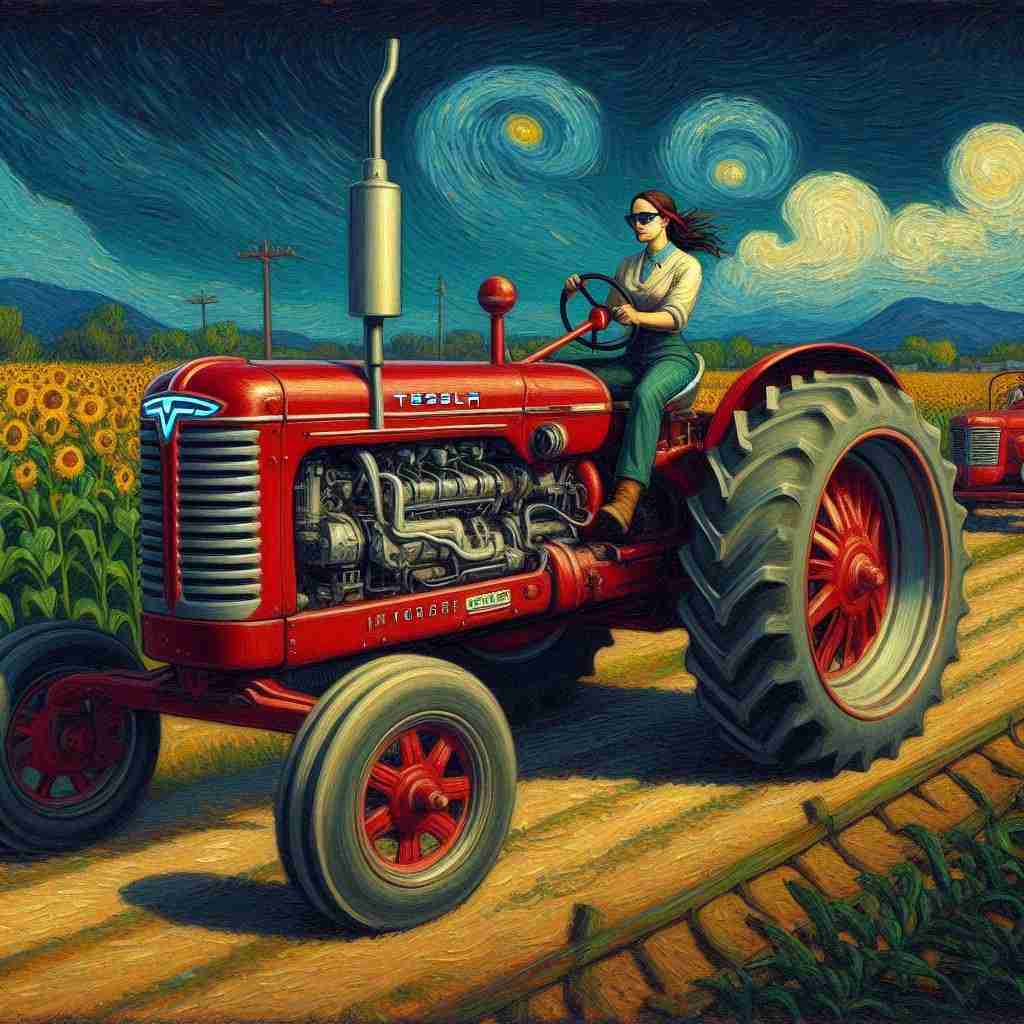
Are Classic Tractors More Environmentally Friendly Than Modern Ones?
Conclusion
As we conclude this exploration of classic tractors and their role in modern farming, it’s important to recognize that these machines embody more than just nostalgia; they represent a profound connection to our agricultural roots. Whether it’s the sight of a vintage tractor gleaming in the sun or the familiar sound of its engine rumbling to life, these workhorses bridge generations of farmers, echoing tales of hard work, perseverance, and tradition.
In a world where technology reigns supreme, classic tractors remind us of simpler times—an era when the rhythm of farming was dictated by the seasons rather than screens. Climbing onto the seat of one of these vintage beauties isn’t just a mechanical maneuver; it’s an emotional experience steeped in legacy. Each scratch and dent is a memento, whispering stories of family farms and the people who poured their sweat into nurturing the land. It’s this connection that helps farmers rediscover their passion for the soil and the toil it demands.
Moreover, as both community hubs and symbols of sustainability, classic tractors foster connections that remind us we’re part of something bigger. They inspire gatherings, create friendships, and serve as platforms for sharing valuable agricultural wisdom. In sharing experiences at local fairs or tractor shows, farmers tap into a rich history that strengthens their ties to one another and the land they love.
Let’s not forget the practicality these machines offer. Classic tractors aren’t just sentimental relics; they are resilient, repairable, and fuel-efficient. They promote hands-on engagement, encouraging farmers to embrace the grit of maintaining their machinery. In an age when modern models often seem disposable, there’s a sense of pride in rescuing, restoring, and reviving a piece of agricultural history that can still perform admirably in the field.
Ultimately, whether you’re a seasoned farmer or just starting your journey, classic tractors offer an invitation to connect with the past while forging a sustainable future. They remind us that success in agriculture doesn’t always require the latest gadget, but rather a deep-rooted respect for tradition, community, and the land we steward. So, the next time you see a classic tractor, pause for a moment. Appreciate its story, its legacy, and the enduring connection it fosters between farmers and the soil they cherish. After all, these are more than machines; they are guardians of our agricultural heritage, embodying the very spirit of farming itself.

Conclusion
Conclusion:
- Classic tractors symbolize a deep connection to agricultural roots and traditions.
- They evoke emotions and memories, serving as reminders of hard work and perseverance.
- These machines represent a simpler era, where farming was guided by nature rather than technology.
- Classic tractors foster community connections, inspiring gatherings and sharing agricultural wisdom.
- They are practical, resilient, and encourage hands-on engagement in machinery maintenance.
- Restoring classic tractors promotes a sense of pride and appreciation for agricultural history.
- They invite farmers to connect with the past while promoting a sustainable future in agriculture.

Conclusion
Other Resources

Other Resources
Here is a list of other resources you can review online to learn more:
- Argo Tractors
- F.A.R.M. Tractor Show
- Antique Tractor Club
- Ford
- Case IH
- Earth Force
- Satoh
- Nuffield
- Keystone Tractor Museum
- Agra Cat
Use This Prompt To Get More Resources With Your Favorite Online AI Tool: Please provide me with a list of online articles with their URLs in a bulleted list that I can read regarding Are Classic Tractors Helping Farmers Connect with The Land?

Other Resources
Glossary Terms
Are Classic Tractors Helping Farmers Connect with The Land? – Glossary Of Terms
1. Antique Tractor: A tractor that is typically over 25 years old and often restored for agricultural use or display.
2. Restoration: The process of repairing and renewing classic tractors to restore them to their original working condition.
3. Farm Heritage: The traditions, practices, and equipment (like classic tractors) that connect farmers to their agricultural roots.
4. Vintage Machinery: Equipment and tractors produced in earlier decades, often valued for their design, craftsmanship, and historical significance.
5. Sustainability: Practices that ensure agricultural productivity while minimizing environmental impact; classic tractors often use less fuel and energy than modern machines.
6. Land Stewardship: Responsible management and care of farmland, often promoted by using classic farming tools and methods that maintain soil health.
7. Community Engagement: Building relationships and networks among farmers, often highlighted through classic tractor shows and events.
8. Farm-to-Table Movement: A trend emphasizing local food sourcing; classic tractors can help in sustainable farming practices that support this movement.
9. Heritage Farming: Utilizing traditional farming methods and tools, including classic tractors, to preserve agricultural practices across generations.
10. Tractor Collection: The practice of gathering and preserving vintage tractors, sometimes as part of a family legacy or farming tradition.
11. Agricultural Education: Information shared about farming techniques and history, often enhanced by the presence of classic tractors in schools and community programs.
12. Soil Conservation: Techniques used to protect soil quality, which can be supported by minimal tillage practices often associated with classic tractors.
13. Mechanical Simplicity: The straightforward design of classic tractors, making them easier to repair and maintain than newer, more complex machines.
14. Cultural Identity: The way farming traditions, including the use of classic tractors, shape the identity of farming communities and their practices.
15. Tractor Rally: An event where enthusiasts gather to showcase classic tractors, facilitating connections among farmers and the wider community.
16. Rural Tourism: The promotion of farm experiences that include the use of classic tractors, attracting visitors and boosting local economies.
17. Farming Techniques: Methods used for planting and harvesting, with classic tractors often reviving traditional approaches.
18. Agronomy: The science of soil management and crop production, supporting practices where classic tractors play a role in enhancing efficiency.
19. Family Farms: Small-scale agricultural operations often passed down through generations, where the use of classic tractors is integral to family history.
20. Crop Rotation: The practice of alternating crops in a field; it can be efficiently done with classic tractors, promoting healthy soil.
21. Local Economies: Economic systems based on regional resources where classic tractors help support small farms and local agriculture.
22. Hands-on Learning: Educational experiences that involve practical applications of farming, often aided by the use of classic tractors.
23. Natural Resource Management: The sustainable management of natural resources, with classic tractors contributing to eco-friendly farming practices.
24. Biodiversity: The variety of life in farming systems, which can be enhanced by traditional agricultural practices supported by classic tractors.
25. Family Legacy: The tradition of passing down farming equipment and practices through generations, often including classic tractors.
26. Agricultural Shows: Events that showcase farming equipment, particularly classic tractors, fostering a sense of community among farmers.
27. Soil Health: The condition of soil, which can be improved through practices associated with classic tractors, such as reduced compaction.
28. Equipped for Heritage: Refers to how classic tractors symbolize a commitment to preserving historic farming methods and equipment.
29. Farm Equipment Innovation: The adaptation of old machinery into modern farming practices, demonstrating how classic tractors can still play a role today.
30. Ranching: A form of agriculture characterized by raising livestock, where classic tractors can also be used in the management of ranch lands.
These terms help illustrate the significance of classic tractors in connecting farmers with traditional practices and the land they work.

Glossary Of Terms
Other Questions
Are Classic Tractors Helping Farmers Connect with The Land? – Other Questions
If you wish to explore and discover more, consider looking for answers to these questions:
- What are the most popular classic tractor models among farmers today?
- How can classic tractors be restored and maintained effectively?
- What role do classic tractors play in educating younger generations about farming?
- Are there specific events or clubs for classic tractor enthusiasts?
- What are the economic advantages of using classic tractors compared to modern ones?
- How do farmers source parts for vintage tractors?
- What safety considerations should be taken into account when operating classic tractors?
- In what ways do classic tractors contribute to local economies?
- How can vintage tractors be integrated into modern farming practices?
- What stories or memories do farmers associate with their classic tractors?

Other Questions
Haiku
Are Classic Tractors Helping Farmers Connect with The Land? – A Haiku
Classic tractors hum,
Bridging past and present,
Roots in soil regained.

Haiku
Poem
Are Classic Tractors Helping Farmers Connect with The Land? – A Poem
The Call of the Classic Tractor
Upon the winding country roads,
A vintage tractor proudly shows,
Its rusted frame, a tale to tell,
Of grit and toil, of harvests well.
In fields of gold, so wide and vast,
It links the present to the past,
A sturdy bridge where hands once toiled,
For every dent, a dream unspoiled.
In digital age when screens abound,
These timeless giants still resound,
Their rumbling hearts, a song of old,
Of family ties and stories bold.
With every turn of wrench and gear,
Craftsmanship forged through sweat and cheer,
Restoring life to aged machines,
A hands-on dance where joy redeems.
Community blooms at tractor shows,
A gathering heart where friendship grows,
With laughter shared and wisdom passed,
Each engine rev brings futures cast.
Oh classic tractor, charm you wield,
Not just a tool, but animal, field;
With every harvest, every plow,
You ground us deep in history’s vow.
A legacy of strength and pride,
Entwined with earth where roots abide,
You remind us as we sow and reap,
Of heritage rich in bonds we keep.
So here’s to all the farmers true,
Who find in iron what once they knew,
Connecting with the land anew,
In classic tractors, dreams renew.

Poem
Checklist
Are Classic Tractors Helping Farmers Connect with The Land? – A Checklist
Checklist: Embracing Classic Tractors in Modern Farming
Use this checklist as a guide to help you connect with the land and community through classic tractors.
Connection to Heritage
_____ Reflect on the history of your family or local farming community.
_____ Identify any classic tractors that have been part of your family legacy.
_____ Share stories about classic tractors with younger generations to foster appreciation.
Community Engagement
_____ Attend local tractor shows or vintage events.
_____ Join a classic tractor club or online group to connect with other enthusiasts.
_____ Organize or participate in community gatherings focused on classic agriculture.
Sustainability Practices
_____ Assess the durability and repairability of your equipment—lean towards vintage models where applicable.
_____ Explore using biofuels or homemade fuel mixes for classic tractors.
_____ Consider how your farming practices can lean on responsible land stewardship.
Hands-On Skills Development
_____ Dedicate time to learn how to maintain and repair classic tractors.
_____ Host or participate in workshops focused on vintage machinery restoration.
_____ Develop problem-solving skills through hands-on experiences with equipment.
Emotional Connection
_____ Take time to appreciate the stories behind each piece of machinery you own.
_____ Reflect on what your classic tractor means to you personally and within your farming practice.
_____ Capture memories of using classic tractors—consider writing them down or documenting via photos.
Efficiency in Farming
_____ Evaluate the practicality of using classic tractors for your specific farming needs.
_____ Plan tasks that can effectively utilize the simplicity and reliability of vintage machinery.
_____ Monitor and track your farm’s productivity when using classic tractors compared to modern equipment.
Promoting Nostalgia
_____ Share your passion for classic tractors on social media to inspire others.
_____ Create a scrapbook or digital gallery showcasing your experiences with vintage tractors.
_____ Encourage discussions with neighbors and community members about the benefits of classic machinery.
Commitment to Legacy
_____ Make a plan for restoring or maintaining any vintage farm machinery you own.
_____ Think about how you can teach future generations about the importance of classic tractors in farming life.
_____ Celebrate your connection to the land by participating in local agricultural events using classic tractors.
Final Reflection
_____ Take moments to appreciate the tactile experience of using classic machinery versus modern equipment.
_____ Keep a journal of your farming activities and the emotional resonance of your classic tractor experiences.
_____ Acknowledge the role of classic tractors not just as tools, but as symbols of community, tradition, and a sustainable future.
Use this checklist to deepen your connection with the land, embrace the farming community, and honor the traditions of agriculture through classic tractors.

Checklist
At ClassicTractorNews, we help tractor lovers keep up with the latest news for classic and vintage tractors.
Please share this post with your friends, family, or business associates who may like old classic or vintage tractors.