


Reviving Roots: How Classic Tractors Cultivate Young Farmers’ Futures
By Tom Seest
At ClassicTractorNews, we help tractor lovers keep up with the latest news for classic and vintage tractors.
Please share this post with your friends, family, or business associates who may like old classic or vintage tractors.
Are Classic Tractors Good for Teaching Kids About Farming?
In a world increasingly detached from its agricultural roots, classic tractors stand as timeless icons of hard work and commitment. Picture a sun-drenched field, the hum of a vintage tractor echoing through the air—these machines represent more than just hardware; they embody the spirit of farming itself. Introducing children to these classic tractors provides a gateway to understanding the values that underpin our food systems, helping them connect with a world that may feel distant.
From a practical standpoint, learning to operate a tractor instills a sense of responsibility. When kids climb into the seat of a classic tractor, they’re not just learning about machinery; they’re stepping into the role of a farmer. This experience cultivates problem-solving skills and an appreciation for the engineering that powers our agricultural processes. Children grasp concepts of physics and mechanics, translating the abstract into hands-on learning, which fosters critical thinking.
Yet, the benefits extend beyond logic. Emotions are tied to the land and the legacy of those who came before us. Classic tractors tell stories of families who toiled day in and day out to provide for their communities. When children hear these narratives, they begin to understand the ethics of farming—the dedication, patience, and perseverance required to nurture crops. It’s a connection that resonates deep within, inspiring gratitude for the food on their plates and respect for those who produce it.
Social bonds also flourish in the presence of these tractors. Picture a family gathering around a beloved machine, sharing memories of seasons past. Engaging with classic tractors can bridge generations, fostering conversations between grandparents and grandchildren. This interaction strengthens family ties, which can enrich a child’s emotional landscape and create lasting memories—an integral part of growing up.
Moreover, the authority of the farming community lies in the knowledge passed down through hands-on experience. Children are inspired by demonstrations and stories from seasoned farmers, learning that each scratch on a tractor tells a tale, and every operation is steeped in tradition. This mentorship lays the foundation for future generations to not only understand farming but to also embrace the values of sustainability and stewardship.
Classic tractors are not just relics; they are rich with opportunities that engage the heart, head, and gut. They invite children to explore, learn, and connect with their heritage, teaching them that farming is more than a job. It’s a way of life that deserves acknowledgment and respect. This timeless approach ensures that the next generation carries forward the passion and knowledge vital for sustaining our agricultural legacy.

Are Classic Tractors Good for Teaching Kids About Farming?
Are Classic Tractors Good for Teaching Kids About Farming?
- Classic tractors symbolize hard work and commitment, connecting us to agricultural roots.
- Introducing children to tractors fosters an understanding of food systems and agricultural values.
- Operating tractors teaches responsibility, problem-solving, and appreciation for engineering.
- Classic tractors embody stories of dedication and perseverance in farming traditions.
- Engaging with tractors strengthens family bonds and creates lasting memories across generations.
- Children learn important values like sustainability and stewardship through hands-on experiences.
- Classic tractors help instill a respect for farming as a meaningful way of life.

Are Classic Tractors Good for Teaching Kids About Farming?
Table Of Contents
- Are Classic Tractors Good for Teaching Kids About Farming?
- Are Classic Tractors a Fun Way to Connect Kids to Farming?
- How Do Classic Tractors Teach Kids Responsibility?
- Can Classic Tractors Enhance Kids’ Understanding Of Agriculture?
- What Life Skills Can Kids Learn From Classic Tractors?
- How Do Vintage Tractors Inspire a Love for Farming In Children?
- What Stories Do Classic Tractors Tell About Farming History?
- Conclusion
- Other Resources
- Glossary Of Terms
- Other Questions
- Haiku
- Poem
- Checklist
Are Classic Tractors a Fun Way to Connect Kids to Farming?
When you wander onto a farm, the sight of a classic tractor conjures a sense of nostalgia, a connection to something deeper than just machinery. These resilient beasts of burden represent not only the hard work that built our agricultural legacy but also the stories waiting to be shared with the next generation. Imagine a child, eyes wide with wonder, climbing up to the seat of a vintage tractor. That moment is a gateway, a bridge between past and future, where childhood curiosity meets the heartbeat of farming.
Tractors are more than metal and wheels; they are vessels of history. Each scratch and dent tells a story of the land they’ve tilled and the families they’ve helped sustain. Teaching kids about these classics encourages them to appreciate the roots of our food system and the hard work behind it. This isn’t just about mechanics; it’s about understanding the rhythm of the seasons, the importance of stewardship, and the delicate balance that farming requires.
Engaging with these iconic machines fosters a hands-on learning environment. Kids experience physics and engineering firsthand as they discover how a simple engine powers a giant vehicle. They learn not just how things work, but why they matter. This knowledge catalyzes discussion about sustainability and innovation—values that are increasingly critical in today’s fast-paced world. It paves the way for conversations about ethical farming practices and the growing need for responsible stewardship of our resources.
Connecting with classic tractors allows families to engage in meaningful traditions, fostering community ties that stretch far beyond the farm. Picture families gathering for tractor shows or restoration projects, each turn of the wrench a lesson in perseverance and teamwork. It builds bridges among generations, instilling pride, and a sense of belonging. These shared experiences shape values, encouraging kids to take pride in their heritage while motivating them to envision their roles in the future of agriculture.
As these young participants grasp the significance of these machines, they gain trust in their own capabilities. They learn that farming is not just a job; it’s a culture, a way of life rich with history and purpose. Classic tractors are the perfect vehicle for this journey, providing an invitation for today’s youth to engage, explore, and ultimately forge a connection to the land that will last a lifetime.

Are Classic Tractors a Fun Way to Connect Kids to Farming?
Are Classic Tractors a Fun Way to Connect Kids to Farming?
- Classic tractors evoke nostalgia and represent agricultural legacy and stories.
- Engaging children with tractors creates a connection between past and future in farming.
- Each scratch on a tractor tells a story of the land and families supported by agriculture.
- Learning about tractors teaches appreciation for food systems, stewardship, and farming’s rhythms.
- Hands-on experiences with tractors foster understanding of physics and engineering.
- Classic tractors encourage discussions on sustainability, innovation, and ethical farming practices.
- Family traditions around tractors build community ties and instill pride and a sense of belonging.

Are Classic Tractors a Fun Way to Connect Kids to Farming?
How Do Classic Tractors Teach Kids Responsibility?
Classic tractors are more than just hulking machines that bring to mind images of sun-soaked fields and the smell of fresh soil; they serve as powerful tools for teaching kids about responsibility. These iconic vehicles stand as a symbol of hard work, craftsmanship, and the value of dedication in a world that often seeks shortcuts.
When a child climbs into the driver’s seat of a classic tractor, they’re not just taking the wheel; they’re stepping into a world where every action has consequences. Tractors require maintenance, fuel, and care—lessons in responsibility packaged within a mechanical wonder. Kids learn that to operate a tractor safely, they must check the oil, inspect the tires, and understand the importance of proper handling. This hands-on experience helps them connect emotionally with the machine, fostering a sense of ownership and pride.
The narrative of responsibility unfolds as children witness their efforts yielding results. They plow fields, plant crops, and ultimately harvest the fruits of their labor. Each turn of the wheel and every row they till signifies a lesson in commitment and accountability. They learn that responsibility isn’t just about the work itself; it’s about the pride that comes from seeing a job well done.
Engaging with classic tractors also teaches ethical responsibility to the land and community. Kids learn that successful farming goes hand in hand with sustainable practices. They see firsthand how the choices they make affect the environment, prompting them to develop a sense of stewardship. This ethical foundation inspires them to care not only for the land but also for each other, fostering an understanding that their actions have wider implications.
The authority of tradition plays a crucial role. Classic tractors are often passed down through generations, serving as conduits of shared family history and values. Children gain insights from their parents and grandparents, learning the time-tested practices that come with operating these machines. This connection cements their role in a larger narrative—one that emphasizes hard work, respect for history, and the importance of community ties.
Moreover, the social aspect can’t be overlooked. Working together on a tractor project, kids bond with peers, family, and mentors, building relationships that bolster teamwork and collaboration. They learn that responsibilities shared are often lighter, paving the way for an understanding of collective effort in achieving common goals.
In essence, classic tractors teach kids that responsibility is not merely a duty; it’s a way of life, ingrained in the rhythm of work and the relationships we build with those around us. Each time they rev the engine, they ignite not just a machine, but a mindset that will guide them into adulthood.

How Do Classic Tractors Teach Kids Responsibility?
How Do Classic Tractors Teach Kids Responsibility?
- Classic tractors are symbols of hard work, craftsmanship, and dedication.
- Children learn responsibility through the maintenance and operation of tractors.
- Engaging with tractors provides hands-on experiences that foster ownership and pride.
- Tractors teach commitment and accountability as kids see the results of their labor.
- They develop a sense of stewardship for the land and community through sustainable practices.
- Classic tractors are passed down through generations, connecting family history and values.
- Working with others on tractor projects promotes teamwork and collaboration.

How Do Classic Tractors Teach Kids Responsibility?
Can Classic Tractors Enhance Kids’ Understanding Of Agriculture?
Can Classic Tractors Enhance Kids’ Understanding of Agriculture?
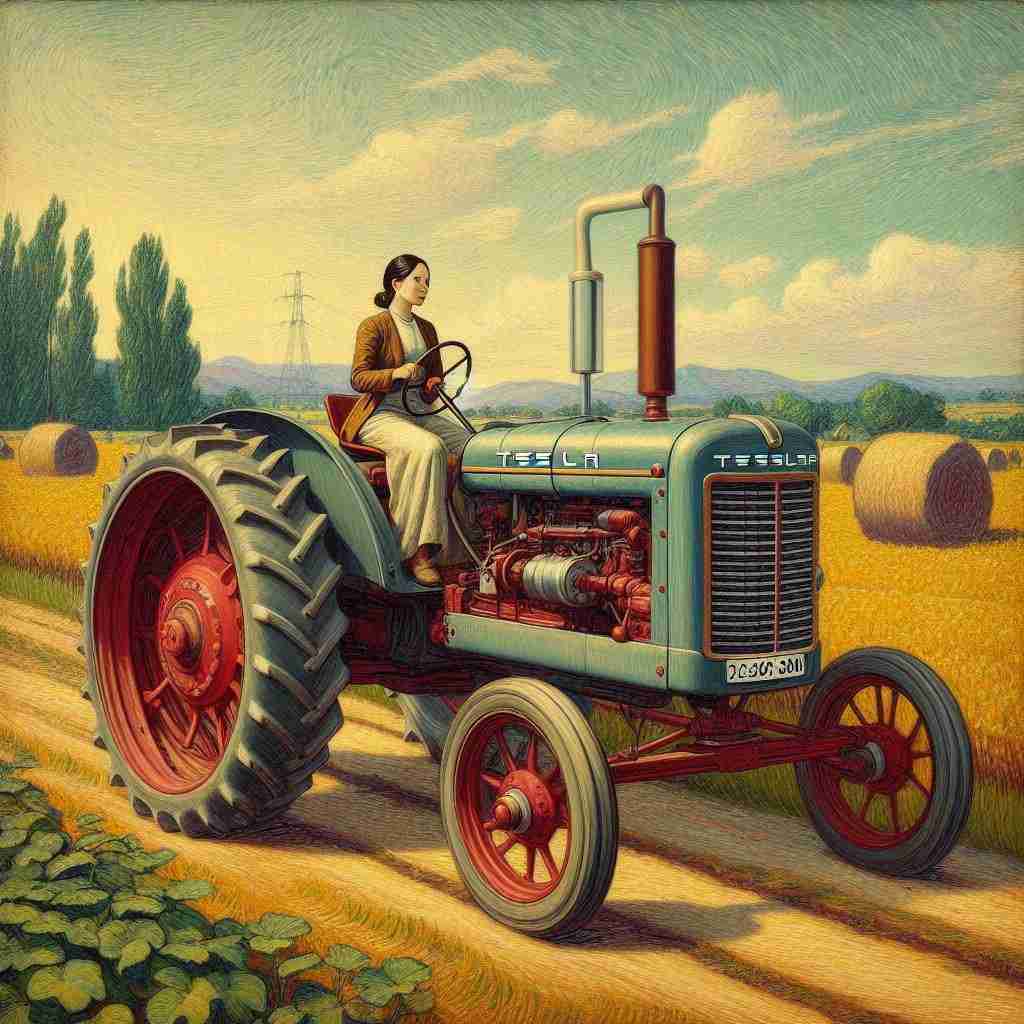
Imagine the sun dipping low on a horizon painted with golden hues, a vast field stretching out, its crops swaying gently in the breeze. There, in the center of it all, sits a classic tractor—a relic of hard work, dedication, and the kind of grit that fuels this nation’s agricultural heart. When kids encounter these machines, it’s more than just metal and mechanics; it’s an invitation to connect with a vital part of our history and an essential aspect of our future.
Tractors are the backbone of farming, evolving from simple tractors that plowed the earth to sophisticated machinery today. Introducing children to classic tractors can forge a profound understanding of agriculture’s evolution. These robust machines symbolize perseverance, embodying the tireless spirit of farmers who have plowed through challenges to feed families and communities. The emotional resonance is powerful; stories of those who relied on these tractors to cultivate their land weave a narrative that resonates deeply. Kids don’t just learn about agriculture; they learn about the dignity of hard work and the importance of stewardship over the land.
On a rational level, understanding where food comes from is crucial for today’s youth. In a world dominated by technology and distance from traditional food sources, classic tractors serve as a tangible link to the agrarian roots of society. Engaging with these machines helps kids grasp the intricate processes behind farming, from planting to harvest, fostering an appreciation for the labor that supports our daily lives. This knowledge nurtures a sense of responsibility for future generations—a connection to the earth that is grounded in respect and ethics.
Socially, learning about classic tractors promotes teamwork and collaboration. When kids work together on restoration projects or field demonstrations, they build bonds that transcend generations. They share stories, swap knowledge, and cultivate friendships, all while learning valuable skills. This camaraderie enhances their understanding of agriculture as a collective effort, uniting them with their community and the broader agricultural landscape.
Trust in the values that farming represents can inspire action. By fostering an early appreciation for agriculture through classic tractors, we empower the next generation to carry on these traditions. They understand that agriculture is not just about producing food; it’s about nurturing a way of life, respecting the cycles of nature, and honoring the past. Classic tractors are more than vehicles; they are gateways to a deeper understanding of our agricultural heritage and a call to action for kids to engage meaningfully with the world around them.
Can Classic Tractors Enhance Kids’ Understanding Of Agriculture?
Can Classic Tractors Enhance Kids’ Understanding Of Agriculture?
- Classic tractors symbolize the history and evolution of agriculture, connecting children to vital agricultural heritage.
- Exposure to classic tractors fosters understanding of the hard work and dedication of farmers.
- These machines act as a tangible link to the origins of food production, highlighting the importance of agricultural processes.
- Engaging with tractors nurtures respect for the land and responsibility towards future generations.
- Involvement in restoration projects enhances teamwork, collaboration, and social bonds among kids.
- Learning about classic tractors promotes sharing knowledge and cultivating friendships, reinforcing the community spirit in agriculture.
- Classic tractors inspire a sense of duty to carry on farming traditions and respect for nature’s cycles.

Can Classic Tractors Enhance Kids’ Understanding Of Agriculture?
What Life Skills Can Kids Learn From Classic Tractors?
Classic tractors aren’t just relics of the past; they serve as vibrant, living classrooms that offer invaluable life skills to kids. Imagine a child, hands on the steering wheel of a vintage tractor, feeling the rumble of the engine beneath them. This connection becomes a powerful metaphor for understanding responsibility. Maintaining a tractor requires diligence and commitment. Kids learn that neglecting a small issue can lead to big problems down the line—a lesson applicable beyond the farm.
Operating a tractor also fosters a deep sense of teamwork. Whether it’s plowing a field with friends or learning to communicate effectively with parents about a project, children understand the importance of collaborative effort. This dynamic builds bonds and nurtures social skills. The negotiation, the laughter, the shared responsibility: these moments cultivate not just friendships but an appreciation for community.
From a practical standpoint, kids pick up problem-solving skills when they encounter challenges with machinery. Classic tractors can be finicky, and learning how to troubleshoot teaches perseverance and critical thinking. They’ll encounter obstacles, and through patience and experimentation, they’ll realize that solutions often come from trial and error—a life lesson that will resonate in countless situations.
On a more intellectual level, engaging with the mechanics of a tractor encourages curiosity. Kids learn about engineering, physics, and the history of agricultural practices. Such knowledge not only broadens their understanding but also instills a sense of respect for those who came before them. The past and present converge on these machines, inviting youngsters to dive deep into their heritage while contemplating the future of farming and technology.
Emotionally, the bond formed with these tractors is profound. Each scratch, dent, and rusted bolt tells a story, and kids learn to appreciate the craftsmanship and hard work that went into building these machines. This understanding stimulates a healthy sense of pride and respect for labor—qualities that are integral to character development.
Ethically, when kids are involved in farming with classic tractors, they gain a respect for the land and its resources. They learn about sustainability, the balance of nature, and the importance of nurturing the environment. This awareness encourages them to think critically about their role in society and the impact they can have on future generations.
In essence, classic tractors serve as a bridge between generations, providing kids with essential life skills that will guide them long after the engine has cooled. Each ride is more than just a journey; it’s an education in resilience, teamwork, and respect for the craft of hard work. They come to understand that the soft hum of the engine isn’t just noise—it’s a call to action, an invitation to grow, learn, and connect.

What Life Skills Can Kids Learn From Classic Tractors?
What Life Skills Can Kids Learn From Classic Tractors?
- Classic tractors act as dynamic teaching tools that impart life skills to children.
- Operating tractors instills a sense of responsibility and the importance of maintenance.
- Tractor activities promote teamwork and enhance social skills through collaborative projects.
- Kiddos develop problem-solving abilities as they troubleshoot mechanical challenges.
- Engagement with tractors fosters curiosity about engineering, physics, and agricultural history.
- Emotional connections with tractors cultivate respect for craftsmanship and hard work.
- Involvement in farming encourages environmental awareness and ethical thinking about sustainability.

What Life Skills Can Kids Learn From Classic Tractors?
How Do Vintage Tractors Inspire a Love for Farming In Children?
Vintage tractors aren’t just relics of agricultural history; they’re gateways to a world where hard work, persistence, and the love of the land come alive for children. Picture the vibrant colors, the rumbling engines, and the distinct smell of metal and earth when you step onto a farm where these machines are still in use. These tractors represent not just tools, but stories woven into the fabric of farming life, captivating young imaginations in ways that modern technology often fails to do.
Children gazing at a vintage tractor see more than machinery; they witness the embodiment of a simpler time when life revolved around the rhythm of the seasons and the toil of hands working the soil. Each scratch and dent on that tractor tells a tale of perseverance and dedication—the trials faced and the triumphs earned. This narrative engages a child’s mind, stirring curiosity about where their food comes from and the people behind it. They begin to grasp the heady connection between farmer and land, and how generations of tradition and hard work play a role in feeding their community.
Beyond the stories, there’s an ethical connection to farming that vintage tractors illustrate so beautifully. They stand as symbols of sustainability and responsibility, showcasing methods that respect the land rather than exploit it. When children see the way these machines are lovingly restored and maintained, they understand the importance of taking care of our environment. It’s about nurturing a sense of stewardship—the belief that caring for the land is as vital as harvesting its bounty.
Moreover, in a world dominated by screens and fast information, vintage tractors restore a tangible connection to reality. They symbolize a way of life built upon real effort and real results. Children who spend time with these tractors learn the value of hard work, discipline, and the satisfaction that accompanies a job well done. This foundation builds confidence, fostering a work ethic that transcends the farm and spills into all aspects of life.
As the roar of an engine comes to life and once again roams the fields, it echoes a challenge and a call to action. Vintage tractors invite children to step away from the sidelines and engage with the story of agriculture in a hands-on way, igniting a passion that could lead them to carry on these essential traditions. In doing so, we cultivate not just farmers for the future, but stewards of the earth—individuals who will appreciate not just what is produced, but how and why it matters.

How Do Vintage Tractors Inspire a Love for Farming In Children?
How Do Vintage Tractors Inspire a Love for Farming In Children?
- Vintage tractors symbolize hard work, persistence, and a love for the land.
- They ignite children’s imaginations, offering a connection to agricultural history.
- Each tractor tells stories of perseverance and dedication, highlighting the farming life.
- They promote a sense of stewardship and sustainability, showcasing responsible farming practices.
- Vintage tractors restore tangible connections to reality amid a tech-dominated world.
- Children learn the value of hard work and discipline through engaging with these machines.
- They inspire future generations to appreciate and continue agricultural traditions.

How Do Vintage Tractors Inspire a Love for Farming In Children?
What Stories Do Classic Tractors Tell About Farming History?
Classic tractors are more than just machines; they are symbols of grit, perseverance, and the evolution of agriculture. Each rusted frame and faded paint job whispers tales of the land, the families that tended it, and the generations that labored under the sun. Imagine a farmer rising at dawn, coffee in hand, heart racing with the promise of a new harvest. The roar of a tractor signals not just the start of the day, but the rhythm of life that feeds communities.
These tractors stand as testaments to innovation and tradition, embodying the spirit of those who dared to dream bigger. In their heyday, they revolutionized farming, shifting the paradigm from backbreaking manual labor to mechanized efficiency. They represent a significant chapter in farming history, where each turn of a wheel and each plow through the earth marked progress. Farmers relied on these steel giants to tame the land, showcasing a partnership between man and machine that can still be felt today.
Ethically, classic tractors highlight the sustainable practices of the past, reminding us of the balance between technology and preservation. They invite us to reflect on how we cultivate our land and engage with our resources responsibly. These machines echo the responsibility that comes with our stewardship—an echo that resonates deeply within communities rooted in agriculture, where each tractor holds a story of resilience and renewal.
Socially, tractors foster connections. They bring together people from all walks of life at county fairs and auctions, igniting conversations that bridge generational gaps. Enthusiasts share stories, nostalgia bubbling to the surface as they remember their first rides, the joy of learning to drive, or the pride in restoring a piece of history. There’s a bond formed over a shared understanding that tractors are more than just vehicles; they are lifelines that connect people to their heritage and each other.
These classic machines are reminders that the essence of farming has always been about more than just productivity; it’s about community, identity, and legacy. When we admire these tractors, we’re not just celebrating their engineering—we’re honoring the indomitable spirit of those who wielded them, reminding us of the roots that nourish our culture and the future we are all part of cultivating. Embrace the story they tell, for in each whir and chug lies the heartbeat of agriculture itself.

What Stories Do Classic Tractors Tell About Farming History?
What Stories Do Classic Tractors Tell About Farming History?
- Classic tractors symbolize grit, perseverance, and agricultural evolution.
- Each tractor tells stories of families and generations who cultivated the land.
- They revolutionized farming by shifting from manual labor to mechanized efficiency.
- Classic tractors highlight sustainable practices and stewardship in agriculture.
- They foster social connections at events, bridging generational gaps through shared stories.
- These machines represent community, identity, and legacy in farming culture.
- The narrative of tractors reflects the heartbeat of agriculture and its future.

What Stories Do Classic Tractors Tell About Farming History?
Conclusion
Classic tractors are more than mere machines; they’re vessels of history, embodying the essence of farming that has nurtured our communities for generations. They stand as a bridge connecting today’s youth to the agricultural roots that define our past and shape our future. Teaching kids about classic tractors isn’t just about mechanics; it’s about instilling values of hard work, responsibility, and respect for the land.
Imagine a child stepping up to the seat of a vintage tractor, eyes sparkling with curiosity. In that moment, they don’t just see machinery; they witness the legacy of those who toiled to put food on our tables. These tractors tell stories—stories of perseverance, dedication, and the countless families who relied on them. Engaging with these iconic machines fosters critical life skills. Children learn about physics and engineering as they grasp how tractors work, translating abstract concepts into tangible knowledge—an invaluable foundation for understanding the broader elements of agriculture.
Emotionally, classic tractors evoke a sense of pride; they represent the grit of generations who worked relentlessly for their harvests. When kids hear the narratives linked to these machines, they develop a deep appreciation not only for farming but for the ethical responsibility towards the environment that comes with it. This connection fosters a sense of stewardship, teaching future generations the importance of sustainable practices that honor our land.
These experiences cultivate community bonds as families gather together, sharing stories and memories across generations. Each restoration project or tractor show promotes collaboration, contributing to an enriched social fabric and creating lasting relationships that extend far beyond the farm. The joy of shared effort reinforces teamwork and communication, skills that will serve children throughout their lives.
Moreover, the authority embedded in the traditions surrounding classic tractors underscores their significance. Through mentorship from veteran farmers, children learn that these machines carry the weight of history and the lessons of the past. They inspire young minds to envision their roles in the agricultural landscape, shaping them into informed stewards who understand that farming extends beyond mere production—it’s about nurturing life, respecting nature, and embracing the cycles that sustain us.
In the end, classic tractors are gateways to understanding agriculture’s rich heritage—tools that ignite curiosity and passion in our youth. Through them, we not only teach children about farming; we instill a love for the land, a respect for tradition, and a commitment to sustainability that can guide them into an uncertain agricultural future. These machines invite us all to engage deeply with the stories of our past, shaping a promising narrative for generations to come.

Conclusion
Conclusion:
- Classic tractors embody the history and essence of farming, connecting youth to agricultural roots.
- Teaching about classic tractors instills values of hard work, responsibility, and respect for the land.
- Children gain insight into physics and engineering through engaging with these machines.
- Classic tractors evoke pride and appreciation for farming and environmental responsibility.
- Family gatherings around tractors foster community bonds and teach teamwork and communication.
- Mentorship from veteran farmers highlights the historical significance of classic tractors.
- Classic tractors ignite curiosity and a commitment to sustainability for future generations.

Conclusion
Other Resources
Other Resources
Here is a list of other resources you can review online to learn more:
- Toy Farmer
- Vintage Tractor Digest
- Valpadana
- Brockway
- Minsk Tractor Works
- Escorts
- CO-OP
- Denning
- Fiber Max Center for Discovery
- Paquette Farmall Tractor Museum
- Montgomery Ward
- Eagle Manufacturing
- Valmet
- Deutz-Allis
- GMS Tractor Museum
- Massey-Harris
- Agra Cat
- Chamberlain
- Cameco
- Branson Auto & Farm Museum
Use This Prompt To Get More Resources With Your Favorite Online AI Tool: Please provide me with a list of online articles with their URLs in a bulleted list that I can read regarding Are Classic Tractors Good for Teaching Kids About Farming?

Other Resources
Glossary Terms
Are Classic Tractors Good for Teaching Kids About Farming? – Glossary Of Terms
1. Classic Tractors: Vintage farming machines, typically manufactured before the 1980s, known for their durability and simplicity.
2. Farming: The practice of cultivating soil, producing crops, and raising livestock for food, fiber, and other products.
3. Mechanics: The branch of physics dealing with the behavior of objects when subjected to forces, essential for understanding how tractors operate.
4. Agriculture: The science or practice of farming, including the cultivation of soil and the rearing of animals for food, fiber, and other products.
5. Farm Management: The process of planning and organizing the resources of a farm for optimal production and sustainability.
6. Sustainability: Practices that promote the long-term viability and health of the farming ecosystem, minimizing environmental impact.
7. Soil Health: The condition of soil as a living ecosystem, crucial for effective farming and crop production.
8. Crop Rotation: The practice of alternating the types of crops grown on a specific piece of land to maintain soil health and reduce pests.
9. Livestock: Domesticated animals raised for agricultural purposes, providing meat, milk, wool, and other products.
10. Farming Tools: Implements used in farming, such as plows, hoes, and seeders, which can demonstrate basic agricultural principles.
11. Tractor Safety: Guidelines and procedures to ensure safe operation of tractors, important for teaching children about farm equipment.
12. Harvesting: The process of gathering mature crops from the fields, emphasizing the full cycle of agriculture.
13. Plowing: The act of turning over the top layer of soil to prepare it for planting, teaching kids about soil preparation.
14. Seed Dispersal: The method by which seeds are spread to promote new crop growth, significant for understanding plant life cycles.
15. Irrigation: The artificial application of water to soil to assist in growing crops, highlighting water management in farming.
16. Fertilizer: Substances added to soil to enrich it and promote plant growth, useful for discussions about soil productivity.
17. Pest Control: Methods to manage insects and other pests that can damage crops, important for teaching integrated farming practices.
18. Organic Farming: A method of farming that avoids synthetic chemicals, focusing on natural processes to grow crops.
19. Biodiversity: The variety of plant and animal life in an ecosystem, important for sustainable farming practices.
20. Harvest Festival: Celebratory events marking the end of the growing season, teaching kids about community and agricultural success.
21. Agroecology: The study of ecological processes in agriculture, promoting environmental balance and biodiversity.
22. Field Trip: An educational outing to a farm to experience practical farming techniques and machinery, enhancing hands-on learning.
23. Animal Husbandry: The care and breeding of livestock, critical for understanding food production systems.
24. Composting: The process of recycling organic matter into a valuable fertilizer, teaching kids about waste and soil enhancement.
25. Farm-to-Table: The concept of sourcing food directly from local farms, fostering an appreciation for agricultural origins.
26. Tractor Maintenance: The routine upkeep of tractor equipment, reinforcing lessons about responsibility and equipment care.
27. Farming Community: A network of individuals involved in agriculture, emphasizing teamwork and collaboration in farming.
28. Rural Education: Teaching practices focused on agricultural and environmental knowledge, important for fostering future farmers.
29. Food Security: The state of having reliable access to a sufficient quantity of affordable, nutritious food, linking farming to social well-being.
30. Tractor Implements: Attachments used with tractors, such as plows or seeders, illustrating the versatility and utility of tractors in agriculture.

Glossary Of Terms
Other Questions
Are Classic Tractors Good for Teaching Kids About Farming? – Other Questions
If you wish to explore and discover more, consider looking for answers to these questions:
- Are classic tractors safe for children to operate or ride on?
- What is the appropriate age for kids to start learning about tractors?
- What adult supervision and training are required when children use tractors?
- What safety equipment should children wear around tractors?
- How can parents teach basic tractor maintenance to kids?
- What simple tasks are suitable for children to do with classic tractors?
- How do classic tractors compare with modern tractors for educational use?
- Which classic tractor models are best for beginners and children?
- How much does it cost to buy and maintain a classic tractor for educational purposes?
- Where can families find restoration projects or beginner-friendly tractors?
- What local clubs, museums, or events offer hands-on tractor experiences for kids?
- Are there youth training programs or certifications for safe tractor operation?
- How can classic tractors be integrated into school curricula or educational programs?
- What life and STEM skills do kids specifically gain from working with tractors?
- How do you teach kids about sustainable and ethical farming using vintage equipment?
- What are the legal and insurance considerations for kids working with tractors?
- How can restoration projects be structured to be age-appropriate and educational?
- What tools and spare parts are commonly needed for classic tractor upkeep?
- How do classic tractors help kids understand where food comes from?
- What are common mechanical problems kids should learn to recognize?
- How can families balance nostalgia with modern safety standards?
- What precautions are needed for tractor demonstrations at public events with children?
- How can tractor-based activities promote teamwork and community engagement?
- What adaptations make tractors accessible for children with disabilities?
- How can parents encourage long-term interest in agriculture from early tractor exposure?
- What are the ethical concerns about encouraging children to work on farms?
- How do classic tractors illustrate the history and evolution of agriculture?
- What resources (books, videos, kits) best support tractor-based learning for kids?
- Can exposure to classic tractors influence career choices in agriculture or engineering?
- How can virtual or simulated tractor experiences supplement hands-on learning?
- What are realistic timelines and budgets for restoring a classic tractor with children?
- How should parents teach kids to assess the condition of a used classic tractor?
- What community or grant funding exists to support youth agricultural education?
- How do vintage tractors affect conversations about sustainability and modern farming?
- What are the best first projects or maintenance tasks for kids interested in tractors?

Other Questions
Haiku
Are Classic Tractors Good for Teaching Kids About Farming? – A Haiku
Vintage tractors hum,
Bridging past to future fields,
Seeds of hard work grow.

Haiku
Poem
Are Classic Tractors Good for Teaching Kids About Farming? – A Poem
In fields where memories grow,
Classic tractors hum their song,
Symbols of a past we sow,
Teaching children right from wrong.
With every turn of rusted wheel,
A journey into truths unfolds,
Lessons on the land we feel,
As stories of resilience are told.
Responsibility in every task,
Hands on engines, eyes that gleam,
In each child’s heart, a yearning asks,
For knowledge, purpose, and the dream.
Gathered round with kin so near,
Generations forge a sacred chain,
With laughter shared and bonds sincere,
They honor both the toil and grain.
Ethics of the earth instilled,
Sustainability, respect for roots,
Through classic steel, their spirits thrilled,
Nurturing respect for life’s pursuits.
In the rhythm of the seasons dance,
Kids learn the weight of crop and care,
Embracing farming’s timeless chance,
To cherish heritage that’s rare.
So here they stand, these tractors true,
Bridges to connect hearts and minds,
For in their story lies the glue,
Of farming’s legacy that binds.

Poem
Checklist
Are Classic Tractors Good for Teaching Kids About Farming? – A Checklist
Checklist Engaging Kids with Classic Tractors
✅______ Share stories of family farming traditions associated with classic tractors.
✅______ Create opportunities for kids to bond with grandparents or older generations around tractor experiences.
✅______ Encourage kids to express their feelings about what farming and classic tractors mean to them.
Heart (Emotional Appeals)
✅______ Teach kids the mechanics of classic tractors to understand their operation.
✅______ Discuss the importance of sustainable farming practices linked to the use of these tractors.
✅______ Introduce concepts of physics and engineering through hands-on activities with tractors.
Head (Rational Appeals)
✅______ Foster a sense of stewardship by discussing the responsibility of caring for the land.
✅______ Highlight the ethical dimensions of farming and food production connected to classic tractors.
✅______ Promote discussions about proper maintenance and the impact of farming on the environment.
Gut (Ethical Appeals)
✅______ Invite local farmers to share their experiences and the significance of tractors in their work.
✅______ Recommend books or documentaries featuring classic tractors and their historical importance.
✅______ Encourage participation in tractor restoration projects under the guidance of experienced mentors.
Authority (Expert Influence)
✅______ Use narratives that illustrate the historical impact of classic tractors on farming communities.
✅______ Engage kids in imagining their own farming stories related to the use of classic machinery.
✅______ Encourage creative writing or storytelling sessions focusing on tractor experiences.
Narrative (Storytelling)
✅______ Organize family tractor days where community members can share knowledge and experiences.
✅______ Host tractor shows or exhibitions that invite kids to participate and learn.
✅______ Create a community project where kids can work together to restore a classic tractor, emphasizing teamwork.
Social (Community Connections)

Checklist
At ClassicTractorNews, we help tractor lovers keep up with the latest news for classic and vintage tractors.
Please share this post with your friends, family, or business associates who may like old classic or vintage tractors.