


Preserving Heritage, Sustaining Earth: The Eco-Ethical Choice
By Tom Seest
At ClassicTractorNews, we help tractor lovers keep up with the latest news for classic and vintage tractors.
Please share this post with your friends, family, or business associates who may like old classic or vintage tractors.
Are Classic Tractors Environmentally Friendly Options for Farms
When we think about tractors, it’s easy to picture that rugged machine plowing through golden fields, forming the backbone of countless farms across this great land. But have you ever paused to consider the ecological footprint of those mighty engines? Classic tractors, those mechanical beauties that have stood the test of time, may just be a surprisingly green option for your farm.
Let’s take a moment to appreciate the craftsmanship behind these machines. Built with durable materials and designed for the long haul, vintage tractors were engineered to be easily repaired rather than replaced. Unlike modern machines laden with electronics and specialized parts, these classics can be maintained with basic tools, fostering a spirit of self-reliance that echoes the ethos of farming itself. Picture the farmer in overalls, grease-stained hands proudly bringing a stubborn old tractor back to life—there’s something inherently inspiring about that. It’s a testament to resilience, a bond between human and machine that modern gadgets often overlook.
Now, let’s get our heads around the facts. Classic tractors are often less fuel-hungry than their contemporary counterparts, particularly when you account for the energy-intensive manufacturing processes of modern machines. By bringing an old tractor back into service, you’re not just reducing emissions—you’re also saying “no” to the throwaway culture that permeates today’s society. And let’s be honest: having a vintage tractor snaking through your fields barely emits a whisper of pollution while steadily performing the essential tasks of farming. It’s like having a trusty friend who doesn’t let you down while caring for the environment.
Ethically speaking, allowing classic tractors to grace your farmland is akin to preserving a part of our agriculture heritage. Each scratch on the paint, each dent in the steel tells a story, a connection to generations of farmers who relied on these machines. By keeping them alive and kicking, you’re not just maintaining a tractor; you’re honoring the roots of sustainable farming practices.
In a world eager to embrace the latest gadgets, there’s an undeniable charm in returning to the classics. So, the next time you hear the rumble of an old tractor, remember: this iron horse might just be a greener choice, one that embodies the values of labor, sustainability, and respect for the land. Isn’t it time we foster a conversation about what’s truly good for our farms, our communities, and our planet? Let’s roll up our sleeves and bring these legends back to life—together, we can cultivate a greener future.

Are Classic Tractors Environmentally Friendly Options for Farms
Are Classic Tractors Environmentally Friendly Options for Farms
- Tractors are vital for farming yet have an ecological footprint worth considering.
- Classic tractors are built with durable materials and designed for easy repair, promoting sustainability.
- They foster a sense of self-reliance, contrasting with modern machines that require specialized maintenance.
- Classic tractors are typically less fuel-hungry than modern counterparts, reducing emissions and energy consumption.
- Using vintage tractors combats the throwaway culture prevalent in society today.
- Maintaining these machines preserves agricultural heritage and honors past generations of farmers.
- Embracing classic tractors can foster a greener future by supporting sustainable farming practices.

Are Classic Tractors Environmentally Friendly Options for Farms
Table Of Contents
- Are Classic Tractors Environmentally Friendly Options for Farms
- Are Classic Tractors A Sustainable Choice For Modern Farming?
- How Do Classic Tractors Compare To Electric Alternatives?
- What Is The Carbon Footprint Of Maintaining A Classic Tractor?
- Are There Hidden Costs In Operating Classic Tractors Over Time?
- Can Classic Tractors Enhance Soil Health And Biodiversity On Farms?
- What Stories Do Classic Tractors Tell About Our Agricultural Past?
- Conclusion
- Other Resources
- Glossary Of Terms
- Other Questions
- Haiku
- Poem
- Checklist
Are Classic Tractors A Sustainable Choice For Modern Farming?
When you think of a tractor, what comes to mind? The rhythmic hum of an engine, the smell of freshly tilled earth, and the sun setting behind silos — that image is more than just machinery; it’s a lifeline. It’s a bond between generations, a testament to hard work, and arguably a sustainable choice for modern farming. Picture a classic tractor, sturdy and reliable, gracefully traversing the fields, its wheels spinning through soil that’s been cultivated by hands that understand the land’s heartbeat.
Let’s break it down, shall we? From a rational standpoint, classic tractors offer remarkable durability. Built before the era of planned obsolescence, they can often be restored, maintained, and operated for decades, if not generations. Imagine owning a piece of history that still gets the job done. In today’s world of heavy machinery that often comes with a hefty price tag and an even heftier emissions report, these old-school wonders can showcase a far more sustainable lifestyle. They consume less fuel, and many vintage models can be modified to run on alternative energy sources, reducing the carbon footprint of farming.
Now, if we dive deeper into the ethical implications, it becomes clear that keeping these classic tractors alive fosters a community of learning and sharing. Every time we restore an old machine, we’re not just preserving steel and iron; we’re preserving stories. We’re reviving traditions and passing them down to the next generation. Those gatherings in a farmer’s workshop, within those dusty walls, lies a treasure trove of knowledge that modern technology often overlooks.
And let’s not forget about the social aspect. Using classic tractors can create a sense of camaraderie among farmers who understand the value of tradition. They gather at shows and fairs, sharing tips and tricks, inspiring each other to embrace sustainable practices. This connection cannot be measured by their horsepower alone; it’s about connecting with the land and with each other.
So, whether you’re planting fields or simply reminiscing about childhood summers spent in the countryside, there’s something about rolling up your sleeves and working with a classic tractor that binds us to the very essence of farming. Choosing these machines isn’t just practical — it’s an act of love, a commitment to sustainability, and an invitation to honor a legacy that nourishes not just the body, but the soul. It’s about driving towards a future where history and innovation coexist, reminding us that the path forward is often paved with the footprints of the past.

Are Classic Tractors A Sustainable Choice For Modern Farming?
Are Classic Tractors A Sustainable Choice For Modern Farming?
- Classic tractors symbolize a bond between generations and represent hard work in farming.
- They offer remarkable durability, often lasting decades and can be restored and maintained.
- These tractors can be more sustainable, consuming less fuel and capable of running on alternative energy sources.
- Restoring classic tractors fosters a community of learning, preserving stories and traditions.
- Farmers using classic tractors build camaraderie by sharing knowledge and embracing sustainable practices.
- Working with classic tractors connects individuals to the essence of farming and honors a legacy.
- Choosing classic tractors reflects a commitment to sustainability and the coexistence of history and innovation.

Are Classic Tractors A Sustainable Choice For Modern Farming?
How Do Classic Tractors Compare To Electric Alternatives?
When it comes to the great debate of classic tractors versus electric alternatives, it’s hard not to feel a swell of nostalgia for those rugged, iron machines that have stood the test of time. These classic tractors, with their unmistakable charm and solid craftsmanship, have been the backbone of agriculture for generations. They’re not just machines; they are symbols of hard work, perseverance, and the very spirit of rural life. You can almost smell the warm, earthy scent of diesel mingling with freshly turned soil, a reminder of countless hours spent tilling the land, harvesting crops, and making memories.
But let’s engage our rational side for a moment. The world is changing rapidly, and with it, the technology we depend on. Electric tractors are knocking at the door, promising a cleaner, more efficient future. They boast impressive acceleration, low maintenance costs, and reduced noise—features that can’t be overlooked in today’s eco-conscious environment. For the farmer weighing the costs and benefits, it’s a genuine dilemma. Do you hold on to the trusty old tractor that has been your steadfast companion, or do you embrace the electric revolution, which offers a glimmer of hope for a more sustainable agriculture model?
Now, when you think about ethics, the choice becomes all the more compelling. The environmental footprint of traditional gas-powered tractors can be significant, whereas electric alternatives present a chance to cultivate the earth with a lighter touch. It’s not just about tractors; it’s about cultivating a future where generations can thrive. Can you imagine explaining to your children or grandchildren that the beautiful landscapes we behold today are the result of science and innovation—not just tradition and nostalgia?
Yet, let’s not forget social dynamics. We live in a community-driven world, and the conversation around tractors—be they classic or electric—can evoke a deep sense of belonging. It’s not just about the machines; it’s about the bonds we form while working alongside each other in the fields. Whether you’re debating which option to invest in at the local tractor show or sharing tips at the co-op, the connection with fellow farmers is what fuels the fire.
So, as we weigh the heart against the head and the gut against the spirit, remember that the choice between classic and electric isn’t just about tractors. It’s about building a bridge between the past and future while honoring the values that unite us all. Embrace the journey and trust that wherever it leads, we are all steering toward a common goal: nurturing the land and leaving it better than we found it.

How Do Classic Tractors Compare To Electric Alternatives?
How Do Classic Tractors Compare To Electric Alternatives?
- Classic tractors symbolize hard work, perseverance, and rural life, evoking nostalgia for many.
- They are known for their charm and solid craftsmanship, having been essential to agriculture for generations.
- Electric tractors offer benefits such as cleaner operations, impressive acceleration, low maintenance, and reduced noise.
- The choice between classic and electric tractors poses a dilemma for farmers regarding costs and sustainability.
- Electric tractors present an opportunity to reduce the environmental footprint of agriculture.
- The discussion around tractors fosters a sense of community and connection among farmers.
- Ultimately, the decision is about balancing tradition with innovation while nurturing the land for future generations.

How Do Classic Tractors Compare To Electric Alternatives?
What Is The Carbon Footprint Of Maintaining A Classic Tractor?
When you think about a classic tractor, what comes to mind? Maybe it’s the robust sound of its engine, a mechanical heartbeat that echoes through the fields. Or perhaps you envision the beauty of its rusted charm parked alongside an old barn, a symbol of hard work and dedication. But beneath that nostalgic exterior lies a question that deserves our attention: what is the carbon footprint of maintaining such a piece of history?
Let’s be real for a moment—keeping that beloved tractor running doesn’t just evoke warm memories; it also comes with environmental responsibilities. Classic tractors often rely on older technology, which might not be the most eco-friendly option available today. It’s not that we don’t respect the past; it’s that we must reconcile that respect with a duty to future generations. Does the joy of mowing down a field of wildflowers on the weekend outweigh the carbon emissions that release into our atmosphere? It’s a complex equation, and one that demands we engage both our hearts and heads.
On one hand, we can rationalize that every hour spent cranking up that classic engine feeds our soul. It’s a connection to a simpler time when life was less complex, and hard work was revered. On the other, the fuel consumption and the maintenance—think oil changes, parts replacement—are not without their consequences. This is where the ethical dimension kicks in. Is propping up our cherished memories worth perpetuating behaviors that harm our planet? If we consider each gallon of fuel used, each part replaced, one cannot ignore the larger impact on our environment.
And let’s not overlook the social aspect. There’s a community out there—fellow enthusiasts who, like you, cherish the timeless allure of a classic tractor. By engaging in discussions on sustainability, you can be at the forefront of marrying nostalgia with responsibility. Could you imagine the camaraderie of a group that not only loves these machines but is dedicated to finding ways to preserve their integrity without jeopardizing the planet?
Investing in practices that reduce the carbon footprint of your classic tractor isn’t just an act of personal responsibility; it’s an invitation for others to join a movement towards sustainability. So, the next time you fire up that engine, consider sparking a conversation about eco-friendly practices that honor both your tractor and the earth it works on. Let’s cultivate a new narrative—one that balances our passion for the past with our commitment to a better, greener future.

What Is The Carbon Footprint Of Maintaining A Classic Tractor?
What Is The Carbon Footprint Of Maintaining A Classic Tractor?
- Classic tractors evoke nostalgia with their sound and appearance, symbolizing hard work and dedication.
- Maintaining classic tractors raises questions about their carbon footprint and environmental impact.
- Older technology used in classic tractors may not be environmentally friendly compared to modern options.
- Balancing joy from using classic tractors with the ethical responsibility towards the environment is essential.
- Fuel consumption and maintenance contribute to the environmental challenges associated with classic tractors.
- Engaging with a community of tractor enthusiasts can promote discussions on sustainability and responsible practices.
- Adopting eco-friendly practices is a way to honor both classic tractors and the planet, fostering a greener future.

What Is The Carbon Footprint Of Maintaining A Classic Tractor?
Are There Hidden Costs In Operating Classic Tractors Over Time?
Picture this: the sun rises over a sprawling field, the golden light illuminating rows of classic tractors parked like proud sentinels of a bygone era. These machines, with their intricate designs and timeless beauty, evoke a sense of nostalgia that tugs at the heartstrings of anyone who’s ever operated one. Yet, behind that charming exterior lies a truth often neglected—hidden costs that can quietly sap your enthusiasm and financial resources over time.
Now, let’s engage our heads for a moment. Classic tractors represent a significant investment, both in terms of the initial purchase and ongoing maintenance. Sure, you may snag a vintage beauty for a steal at the auction, yet like a classic car, these machines have quirks. The high cost of parts, which can often be scarce or discontinued, adds a layer of complexity to ownership. Have you ever waited weeks for a simple gasket to arrive? It’s enough to test anyone’s patience. Moreover, older tractors may burn more fuel—a classic irony given their efficient predecessors. Each time you fuel up, you might feel that slight gnaw of regret as you do the mental math.
Now let’s talk about the ethics of keeping these marvels running. There’s a sense of duty we owe—not just to the machines but to the generations of farmers and engineers whose blood, sweat, and tears forged them into existence. By keeping a classic tractor in your yard or workshop, you preserve a piece of history, a connection to your roots. But ask yourself, are you prepared for the responsibility that comes with that?
Finally, let’s delve into the community aspect. Classic tractor enthusiasts share a unique bond—the kind that transcends years and miles. Joining tractor shows or restoration clubs creates a sense of belonging, yet it’s also a double-edged sword. Participating in events can mean travel costs, entry fees, and the inevitable wear and tear as you share your pride with like-minded souls.
Operating a classic tractor is not just about the thrill of the ride; it’s a journey fraught with challenges and unexpected expenses. But for those of us willing to embrace the complexities, there’s a profound satisfaction in preserving not only a piece of machinery but an essential part of our agricultural heritage. So, as you fire up that old iron beast for another day’s labor, remember: every glance at its rugged charm is a reminder that with great joy often comes great cost—a lesson worth learning for the love of the game.

Are There Hidden Costs In Operating Classic Tractors Over Time?
Are There Hidden Costs In Operating Classic Tractors Over Time?
- Classic tractors symbolize nostalgia and craftsmanship from a bygone era.
- Ownership involves significant initial investment and ongoing maintenance costs.
- Parts for vintage tractors can be hard to find, leading to delays in repairs.
- Older models may have lower fuel efficiency, adding to operational costs.
- Owning a classic tractor is a commitment to preserving agricultural history.
- Joining enthusiast communities provides belonging but can incur travel and participation expenses.
- Despite challenges, preserving classic tractors offers satisfaction and celebrates agricultural heritage.

Are There Hidden Costs In Operating Classic Tractors Over Time?
Can Classic Tractors Enhance Soil Health And Biodiversity On Farms?
When you picture a classic tractor, what do you see? For many, it’s a sturdy, rusted behemoth standing proud in a field, a testament to generations of hard work and resilience. These machines represent not just tools of the trade but symbols of our connection to the earth. Yet, beyond their rugged charm, classic tractors may hold the key to a healthier future for our soil and biodiversity.
Let’s talk dirt—for some, it’s just that: dirt. But to farmers and land stewards, it’s a living entity, teeming with microorganisms, nutrients, and life. Traditional farming practices often neglect these precious ecosystems. However, a classic tractor can be your ally in reviving that soil’s vitality. With a careful approach to tillage, these tractors can minimize compaction and enhance soil structure, promoting not just plant growth but a thriving community of organisms beneath the surface.
Consider for a moment the impact of sustainable practices on wildlife habitat. Classic tractors can help create and maintain diverse cropping systems that work in harmony with nature rather than against it. When farmers leverage their historical knowledge alongside these trusty machines, they can establish cover crops and implement rotational grazing, fostering habitats for pollinators and other beneficial species. Picture vibrant fields where bees buzz harmoniously among wildflowers while soil microorganisms feast on a buffet of organic matter—all nurtured by thoughtful tractor use.
It’s about more than just soil. It’s about legacy. By choosing the right equipment and practices, farmers are not just feeding their families; they’re feeding a movement rooted in ethical stewardship. When communities see a classic tractor rolling through the fields, it’s a reminder of a philosophy that values the land and nurtures its biodiversity for future generations. It sparks conversation, builds connections, and spreads awareness about the importance of sustaining our planet.
So, the next time you hear that engine roar, think beyond nostalgia. Think of the relationships being cultivated—between farmers and their land, between neighbors sharing ideas, and between all of us, interconnected within this rich tapestry of life. Classic tractors have a place in modern agriculture, a promise of renewal, resilience, and revitalization that reaches from the soil to the skies. And that, dear friends, is something worth celebrating.

Can Classic Tractors Enhance Soil Health And Biodiversity On Farms?
Can Classic Tractors Enhance Soil Health And Biodiversity On Farms?
- Classic tractors symbolize hard work and resilience, representing a deep connection to the earth.
- They can play a crucial role in revitalizing soil health through careful tillage practices.
- Classic tractors support sustainable farming by promoting diverse cropping systems that benefit wildlife habitat.
- Farmers can use these tractors to establish cover crops and implement rotational grazing for ecological benefits.
- Choosing the right equipment fosters ethical stewardship and contributes to a movement focused on sustainability.
- Classic tractors not only enhance agriculture but also facilitate community connections and awareness about land preservation.
- They embody a promise of renewal and resilience, playing an important role in both modern agriculture and biodiversity conservation.

Can Classic Tractors Enhance Soil Health And Biodiversity On Farms?
What Stories Do Classic Tractors Tell About Our Agricultural Past?
When you gaze at a classic tractor, you’re not simply looking at a machine; you’re staring into the soul of agricultural history. Each scratch and dent, every faded paint job whispers tales of perseverance, innovation, and the tireless labor of those who farmed the land long before us. These aren’t just relics of a bygone era; they are the embodiment of the values that shaped our communities—resilience, hard work, and the connection between man and soil.
Think about it: tractors revolutionized the way we cultivate crops, transforming small family farms into thriving operations. They represent a time when farmers embraced the grit of the earth, working from sunrise to sunset, often with only the hum of the engine and the rustle of the cornfields to keep them company. Imagine the stories embedded in the gears and wheels—the young couple who bought their first tractor with barely a dime to their name, hoping to create a life for their family; or the seasoned farmer who weathered every storm, his tractor always there, a steadfast partner on the rocky road of agriculture.
And let’s not forget the ethical dimension. In today’s world, where hyper-automation threatens to pull us further from the land, these classic tractors invite us to reconsider how we engage with what sustains us. They remind us of the importance of sustainable practices, the need to honor the soil, and the responsibility we share in preserving our agricultural heritage. The legacy of these machines encourages us to think critically about our food systems and pushes us toward a more balanced coexistence with nature.
Now, as we stand on the shoulders of those who came before us, let’s pay homage to the humble tractor. It is a symbol of hope, a reminder of the blood, sweat, and tears that have gone into every harvest. And it’s a call to action for all of us. By nurturing our connection with agriculture, supporting local farmers, and advocating for sustainable practices, we can ensure that the stories told by our classic tractors continue to inspire generations to come.
In fostering this bond, we honor our roots and set the stage for a thriving agricultural future. So next time you hear that familiar rumble of a tractor in the distance, take a moment—listen closely, and let those stories of strength and perseverance wash over you. They could just inspire you to roll up your sleeves and engage in your own narrative of growth and resilience.
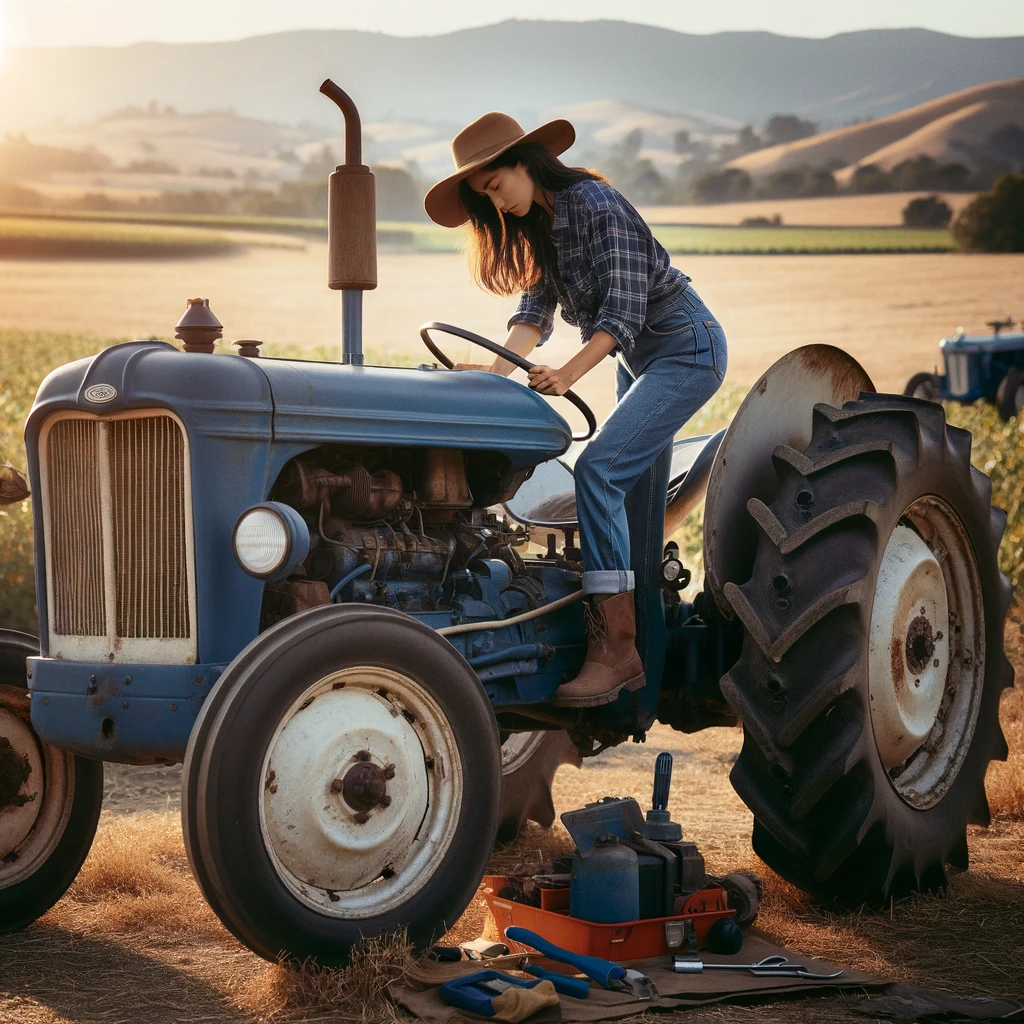
What Stories Do Classic Tractors Tell About Our Agricultural Past?
What Stories Do Classic Tractors Tell About Our Agricultural Past?
- Classic tractors are symbols of agricultural history, holding stories of perseverance and innovation.
- Each tractor embodies values such as resilience, hard work, and connection to the earth.
- They revolutionized farming, turning small farms into prosperous operations.
- Every scratch and dent tells tales of farmers’ struggles and triumphs throughout generations.
- Classic tractors encourage reflection on ethical issues surrounding modern agricultural practices.
- They remind us of the importance of sustainability and honoring the land we cultivate.
- Engaging with agriculture and supporting local farmers can help preserve the legacy of these machines.

What Stories Do Classic Tractors Tell About Our Agricultural Past?
Conclusion
As we wrap up this exploration of classic tractors, let’s take a moment to step back and appreciate what these machines represent—not just in terms of their mechanical prowess, but as symbols of our agricultural heritage and sustainable practices. Picture a field filled with rough-hewn iron giants, their paint chipped and stories imprinted in every dent. These vintage tractors are not merely relics; they are the heartbeat of this land, shrouded in tales of grit, perseverance, and a fiercely enduring spirit.
Now, let’s engage our hearts. Each classic tractor that still rolls across the fields is a testament to a time when farming was grounded in painstaking labor—a labor that forged relationships between families, communities, and the very soil we depend on. Imagine the farmer, grease-stained hands lovingly repairing machinery passed down through generations, a living testament to resilience that electrifies the soul. It’s about connection—connections to our roots, to those that came before us, and to those who will come after. This truth resonates deeply, reminding us to respect our agricultural past while paving the way for a sustainable future.
Rationally speaking, embracing classic tractors as a farming choice carries weighty implications. These iron icons consume less fuel, often produce lower emissions, and require straightforward repairs—qualities that stand in stark contrast to today’s tech-laden behemoths. Every drop of fuel and every hour of labor spent on those trustworthy old machines is like a vote of confidence in a culture of sustainability, almost like saying “no” to a world beset by a throwaway mentality.
Ethically, there’s a heavier layer at play. Preserving these machines means preserving the stories and traditions of our ancestors—the resilience of hard-working farmers who came before us—while fostering a community of like-minded individuals who cherish those lessons. Hosting tractor shows and restoration events cultivates bonds that build camaraderie and inspire sustainable practices, weaving a social fabric stronger than mere machinery.
So, as we look ahead and weigh the choices between vintage tractors and electric alternatives, let’s remember that this is not merely a hardware decision—it’s a narrative that defines who we are as stewards of the land. It’s a chance to combine respect for our past with our responsibility for the future. It’s about driving toward a future where we nurture not just the earth beneath our feet, but the values that unite us all. Let’s get our hands dirty together, restore those tractors, and engage in the dialogue that will lead us toward a greener, more sustainable tomorrow. Together, we can keep that hum of the classic engine alive as we till the soil and cultivate the future.

Conclusion
Conclusion:
- Classic tractors symbolize agricultural heritage and sustainable practices.
- These vintage machines represent resilience, connections to our roots, and the stories of those who farmed before us.
- They reflect a time of hard labor that forged relationships between communities and the land.
- Classic tractors have practical benefits, such as lower fuel consumption and emissions, and simpler repairs.
- Preserving these tractors also preserves the stories and traditions of past farmers.
- Community events centered around classic tractors foster camaraderie and promote sustainable practices.
- The choice between vintage tractors and modern alternatives reflects our responsibility to the environment and cultural heritage.

Conclusion
Other Resources

Other Resources
Here is a list of other resources you can review online to learn more:
- Eagle
- Silver King
- Samson
- Lamborghini
- Muir-Hill
- Porsche
- Newark Vintage Tractor & Heritage Show
- Ford-New Holland
- Keck-Gonnerman
- International Harvestor
Use This Prompt To Get More Resources With Your Favorite Online AI Tool: Please provide me with a list of online articles with their URLs in a bulleted list that I can read regarding Are Classic Tractors Environmentally Friendly Options for Farms

Other Resources
Glossary Terms
Are Classic Tractors Environmentally Friendly Options for Farms – Glossary Of Terms
1. Classic Tractor: Older models of tractors typically manufactured before the 1980s known for their durability and simplicity in design.
2. Emission Standards: Regulations set by governments to limit the amount of pollutants that can be released into the atmosphere from machinery and vehicles.
3. Fuel Efficiency: A measure of how effectively a tractor converts fuel into work, often expressed in miles per gallon or hours per gallon.
4. Sustainable Farming: Agricultural practices aimed at meeting current food needs without compromising the ability of future generations to meet theirs, often involving environmental stewardship.
5. Carbon Footprint: The total amount of greenhouse gases, measured in carbon dioxide equivalents, emitted directly or indirectly by a vehicle or tractor.
6. Retrofitting: Modifying older machinery with newer technologies to improve efficiency or reduce emissions, often making classic tractors more environmentally friendly.
7. Biodiesel: A renewable fuel made from biological sources, such as vegetable oils or animal fats, which can be used to power certain classic tractors.
8. Alternative Fuels: Fuels derived from non-petroleum sources, such as renewable energy or electric power, that can be used in place of traditional fossil fuels.
9. Soil Conservation: Practices aimed at preventing soil erosion and degradation, often enhanced by the use of tractors with specific implements.
10. Life Cycle Assessment (LCA): A methodology to evaluate the environmental impacts associated with all the stages of a tractor’s life, from production to disposal.
11. Agricultural Heritage: The traditional farming practices, equipment, and knowledge passed down through generations, often embodied by classic tractors.
12. Energy Efficiency: The ability of a tractor to maximize output (work done) while minimizing energy input (fuel consumption).
13. Pollutants: Harmful substances released into the environment, which can include carbon monoxide, nitrogen oxides, and particulate matter from engine emissions.
14. Maintenance: The process of keeping tractors in good working order, which can impact their efficiency and emissions levels.
15. Organic Farming: A production system that avoids synthetic fertilizers and pesticides, relying on natural processes and materials.
16. Regenerative Agriculture: An approach focused on restoring and enhancing the health of soils and ecosystems, often utilizing specific machinery practices.
17. Ecological Footprint: A measure of the environmental impact of a farm or agricultural practice, reflecting the amount of land and resources needed to support it.
18. Tillage: The agricultural preparation of soil by mechanical agitation, often performed by tractors, which can have implications for soil health and carbon retention.
19. Conservation Tillage: A farming practice that reduces soil disturbance and helps conserve moisture, often feasible with smaller, classic tractors.
20. Renewable Energy: Energy derived from resources that are replenished naturally, such as solar or wind, which can be leveraged in modern farming.
21. Glycol-based Coolants: Fluids used in classic tractors’ engines that can be more environmentally friendly compared to traditional petroleum-based coolants.
22. Green Manure: Plants grown to improve soil health and fertility, which can be turned under with tractors instead of using chemical fertilizers.
23. Mechanical Weeding: The use of tractors and machinery to physically remove weeds, reducing the need for chemical herbicides.
24. Direct Seeding: A planting method that allows seeds to be sown directly into the soil without tillage, which can help conserve soil structure.
25. Soil Structure: The arrangement of soil particles, which influences aeration, water retention, and root growth; can be affected by tractor use.
26. Agroecology: A farming approach that applies ecological concepts and practices, combining classic techniques with modern sustainability principles.
27. Reduced Resource Dependence: A goal of environmentally friendly farming practices to minimize the use of non-renewable resources, including the fuels used by classic tractors.
28. Precision Agriculture: The use of technology to monitor and manage field variations, which can also be retrofitted into classic tractors for efficiency.
29. Operational Capacity: Refers to a tractor’s ability to perform work efficiently, impacting its overall environmental footprint.
30. Vintage Restoration: The process of restoring classic tractors to working order, often with an emphasis on maintaining their efficiency and minimizing their environmental impact.

Glossary Of Terms
Other Questions
Are Classic Tractors Environmentally Friendly Options for Farms – Other Questions
If you wish to explore and discover more, consider looking for answers to these questions:
- What are the benefits of restoring a classic tractor versus purchasing a new one?
- How can farmers minimize the carbon footprint of their classic tractors?
- Are there specific classic tractor models that are more environmentally friendly?
- What are some common maintenance issues with classic tractors?
- How does the ownership cost of classic tractors compare to modern alternatives?
- What modifications can be made to classic tractors to enhance their efficiency?
- How can communities support classic tractor restoration initiatives?
- What role do classic tractors play in modern agricultural practices?
- Are there any government incentives for using classic tractors in farming?
- How do classic tractors impact soil health compared to modern machinery?
- What stories do specific classic tractor brands or models hold?
- How do vintage tractors influence the agricultural identity of a community?
- Can modern technology be integrated into classic tractors to enhance their sustainability?
- What is the availability of parts for classic tractors, and how does it affect ownership?
- How can farmers educate themselves and others about sustainable practices using classic tractors?

Other Questions
Haiku
Are Classic Tractors Environmentally Friendly Options for Farms – A Haiku
Classic iron whispers,
Stories of earth and labor,
Green hearts nurture roots.

Haiku
Poem
Are Classic Tractors Environmentally Friendly Options for Farms – A Poem
In Steel and Soil: A Tribute to Classic Tractors
In golden fields where silence swells,
Rusty giants weave their tales,
Engines humming, spirits bold,
Guardians of the past, of stories untold.
Crafted with care, they stand the test,
A bond of labor, a farmer’s quest,
With grease-stained hands, hearts intertwined,
In late dusk’s glow, their histories unwind.
Rugged machines, a farmer’s pride,
Less fuel they thirst, than those modern tried,
Sipping life from ancient veins,
Whispering hope through dirt-streaked lanes.
Every dent bears a legacy,
Each scratch a pulse of our humanity,
Echoes of laughter, tears and sweat,
In iron frames, our dreams are met.
Yet, conscience stirs, as green ideals loom,
Can traditions thrive while we sow the doom?
For every roar, a question ignites,
Can we plant with care, not extinguish the lights?
Together we gather, in fields of the past,
A community bound, where connections hold fast,
Preserving not just metal, but knowledge rich,
Activating kindness—a fulfilling pitch.
And as electric whispers beckon us in,
Can we embrace both—the old and the new skin?
With balance we stride toward futures bright,
Honoring roots, while chasing the light.
So as you hear the old engine purr,
Know it’s a call; let your convictions stir,
In fields of gold, where our stories entwine,
Let’s nurture this earth, as we grow and align.
From soil to sky, let’s treasure the dance,
With tractors of legacy, give nature a chance,
For in their strength lies the promise of more,
A greener tomorrow, where our spirits soar.

Poem
Checklist
Are Classic Tractors Environmentally Friendly Options for Farms – A Checklist
Classic Tractors: A Heart, Head, and Gut Appeal Checklist
Emotional Appeals (Heart)
_____ Nostalgia: Reflect on the memories and stories associated with classic tractors. How can you honor the legacy of past farmers?
_____ Community Connection: Consider the friendships and networks formed around classic tractors. Are there local events or gatherings you can participate in?
_____ Preservation of Heritage: Think about the importance of maintaining agricultural history. What sentiments do these tractors evoke for you?
Rational Appeals (Head)
_____ Understanding Fuel Efficiency: Research the fuel consumption rates of classic tractors compared to modern technology. How do they perform in terms of efficiency?
_____ Maintenance Cost Analysis: Crunch the numbers on the costs involved in maintaining a classic tractor. What does it truly take to keep one running?
_____ Environmental Impact: Evaluate the carbon footprint of using classic versus electric tractors. Can you quantify potential emissions saved by using older models?
Ethical Appeals (Gut)
_____ Sustainable Practices: Commit to eco-friendly practices in your tractor usage. What sustainable methods can you adopt to minimize environmental impact?
_____ Responsibility as a Steward: Reflect on the duty to preserve these machines and their stories for future generations. Are you willing to take on that responsibility?
_____ Supporting Local Agriculture: Choose to support local farmers who utilize sustainable practices. How can you help elevate agricultural ethics in your community?
Authority Appeals (Head)
_____ Learn from Experts: Seek out knowledgeable sources about classic tractor restoration and sustainable farming practices. Who are the authorities in your area that you can listen to or learn from?
_____ Join Professional Groups: Become a member of organizations that promote classic tractor use and sustainable agriculture. Which groups align with your values?
Narrative Appeals (Heart)
_____ Personal Stories: Share your own experiences with tractors, whether growing up on a farm or engaging in restoration. What narratives can you contribute to the community?
_____ Historical Context: Delve into the history of classic tractors and their impact on agriculture. What stories do these machines tell about the evolution of farming?
Social Appeals (Gut)
_____ Engage with Enthusiasts: Attend local tractor shows, fairs, or restoration workshops to connect with like-minded individuals. When can you participate in these communal experiences?
_____ Share Knowledge and Skills: Look for opportunities to teach others about classic tractors and the values they represent. How can you become a resource in your community?
_____ Advocate for Sustainability: Work within your local community to promote sustainable farming practices. Are there initiatives you can join or start that foster a sense of unity around this cause?
Conclusion
This checklist not only serves as a guide to help you navigate the world of classic tractors but also encourages thoughtful reflection on their role in our modern lives. By appealing to the heart, head, and gut, this checklist opens up conversations about sustainability, community, and heritage—reminding us that every classic tractor has a story worth telling.

Checklist
At ClassicTractorNews, we help tractor lovers keep up with the latest news for classic and vintage tractors.
Please share this post with your friends, family, or business associates who may like old classic or vintage tractors.