

Reviving Tradition: The Practical And Ethical Choice For Today’s Farmers
By Tom Seest
At ClassicTractorNews, we help tractor lovers keep up with the latest news for classic and vintage tractors.
Please share this post with your friends, family, or business associates who may like old classic or vintage tractors.
Are Classic Tractors an Affordable Option for Modern Farmers
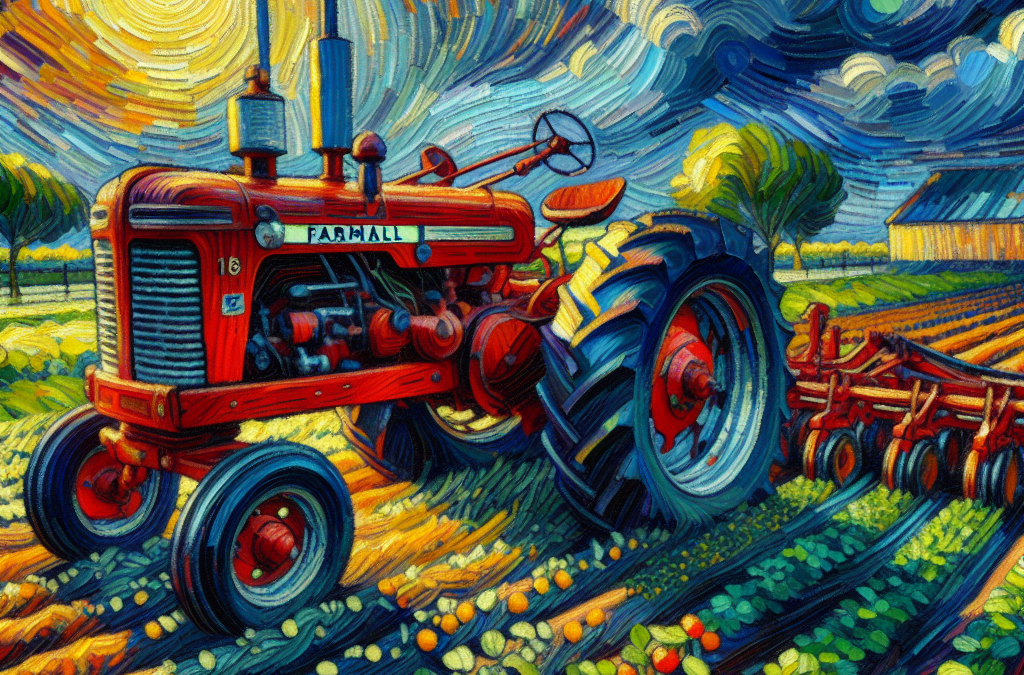
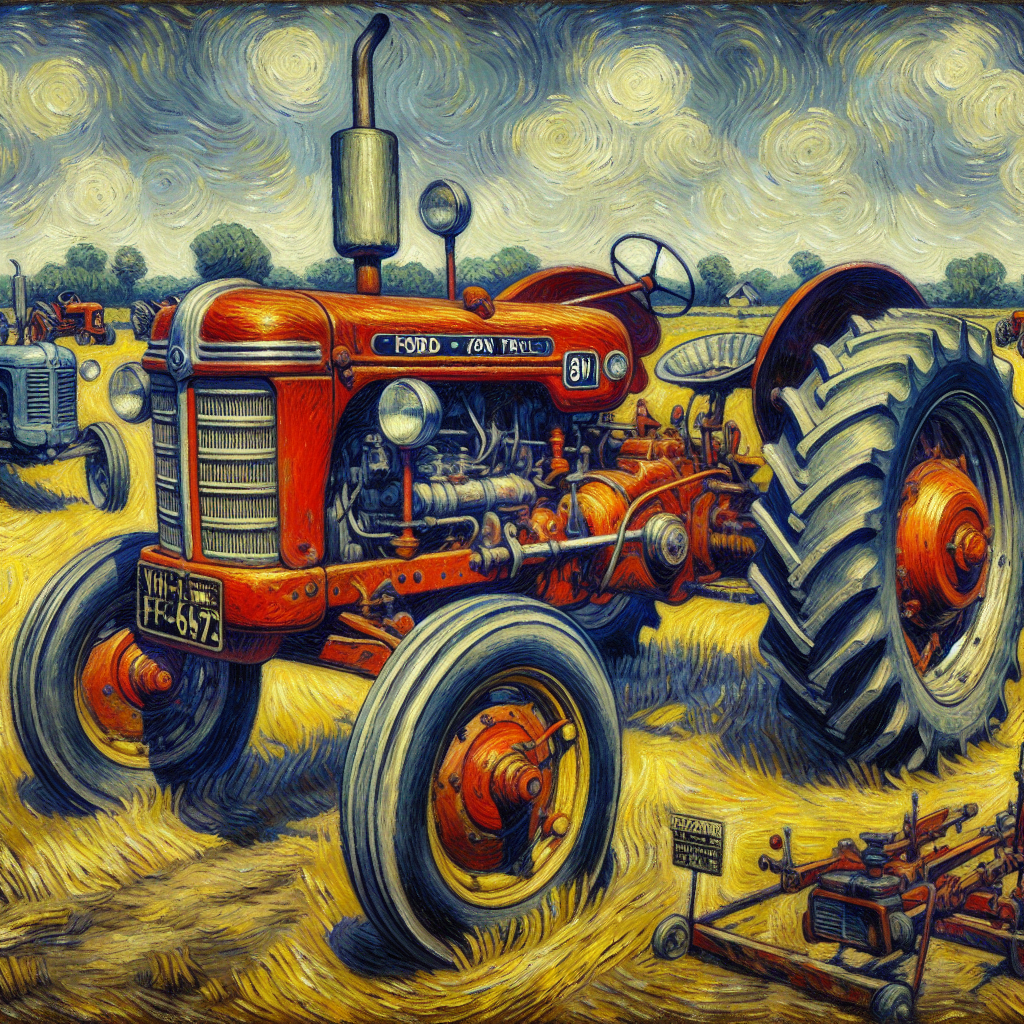
When we talk about classic tractors, we’re not just discussing machines; we’re delving deep into the heart and soul of farming itself. Picture this: a sun-soaked field, the smell of freshly turned earth wafting through the air. You climb into a well-weathered tractor, the steering wheel worn but familiar beneath your hands. For many farmers, these vintage workhorses symbolize hard work, resilience, and a connection to the land that transcends generations.
Now, let’s get practical. For modern farmers grappling with escalating costs and slim profit margins, investing in classic tractors can often be a more affordable option than splurging on the latest high-tech models. Sure, the bells and whistles of today’s machines boast advanced technology that can make farming more efficient—but at what cost? Many traditional tractors are not only less expensive upfront, but they also tend to require less costly maintenance and can often be repaired with common tools and a bit of elbow grease. That connects to a rational decision-making process; the numbers add up in favor of the classics.
Ethically, by choosing a classic tractor, you’re also engaging in sustainable practices. We’ve all heard the refrain about reducing waste and reusing what we have. Classic tractors, often built to last and with parts that are easier to source, promote a mindset of conservation. There’s virtue in keeping these machines running, extending their lifespan, and honoring both the craftsmanship that went into making them and the legacy of farmers who relied on them.
Stories abound within the farm community about how a classic tractor has become a cherished family heirloom, passed from one generation to the next. Is there any greater testament to trust and reliability? When you sit on that hunk of iron, you’re not just reaping the rewards of machinery; you’re embracing a narrative that ties you back to the very essence of agriculture. It’s a conversation starter during gatherings at the local diner or a chance to share laughter and nostalgia with neighbors who’ve experienced the same toil and joy on the same fields.
So, as you ponder whether to invest in a classic tractor, think about what it represents. Will it be an affordable option that not only serves your needs but cultivates a deeper connection to your roots? It might just be the perfect blend of practicality and passion, holding the promise of transformation not just for your farm, but for your entire farming journey.
Are Classic Tractors an Affordable Option for Modern Farmers
Are Classic Tractors an Affordable Option for Modern Farmers
- Classic tractors embody the heart and soul of farming, representing hard work and resilience.
- They offer a more affordable option compared to modern high-tech models for farmers facing rising costs.
- Classic tractors often require less expensive maintenance and are easier to repair with basic tools.
- Choosing classic tractors promotes sustainable practices and a conservation mindset.
- They can become cherished family heirlooms, representing trust and reliability across generations.
- Using a classic tractor creates opportunities for storytelling and connection within the farming community.
- Investing in a classic tractor blends practicality with passion, enhancing the farming experience.
Are Classic Tractors an Affordable Option for Modern Farmers
Table Of Contents
- Are Classic Tractors an Affordable Option for Modern Farmers
- How Do Classic Tractors Compare Cost-Wise To Modern Alternatives?
- What Ethical Considerations Come Into Play When Choosing A Tractor?
- How Do Experts View The Long-Term Value Of Classic Tractors Today?
- What Stories Do Classic Tractors Tell About Our Agricultural Heritage?
- How Can Social Trends Affect The Popularity Of Classic Tractors Now?
- In What Ways Do Classic Tractors Foster Community Among Farmers?
- Conclusion
- Other Resources
- Glossary Of Terms
- Other Questions
- Haiku
- Poem
- Checklist
How Do Classic Tractors Compare Cost-Wise To Modern Alternatives?
How Do Classic Tractors Compare Cost-Wise to Modern Alternatives?
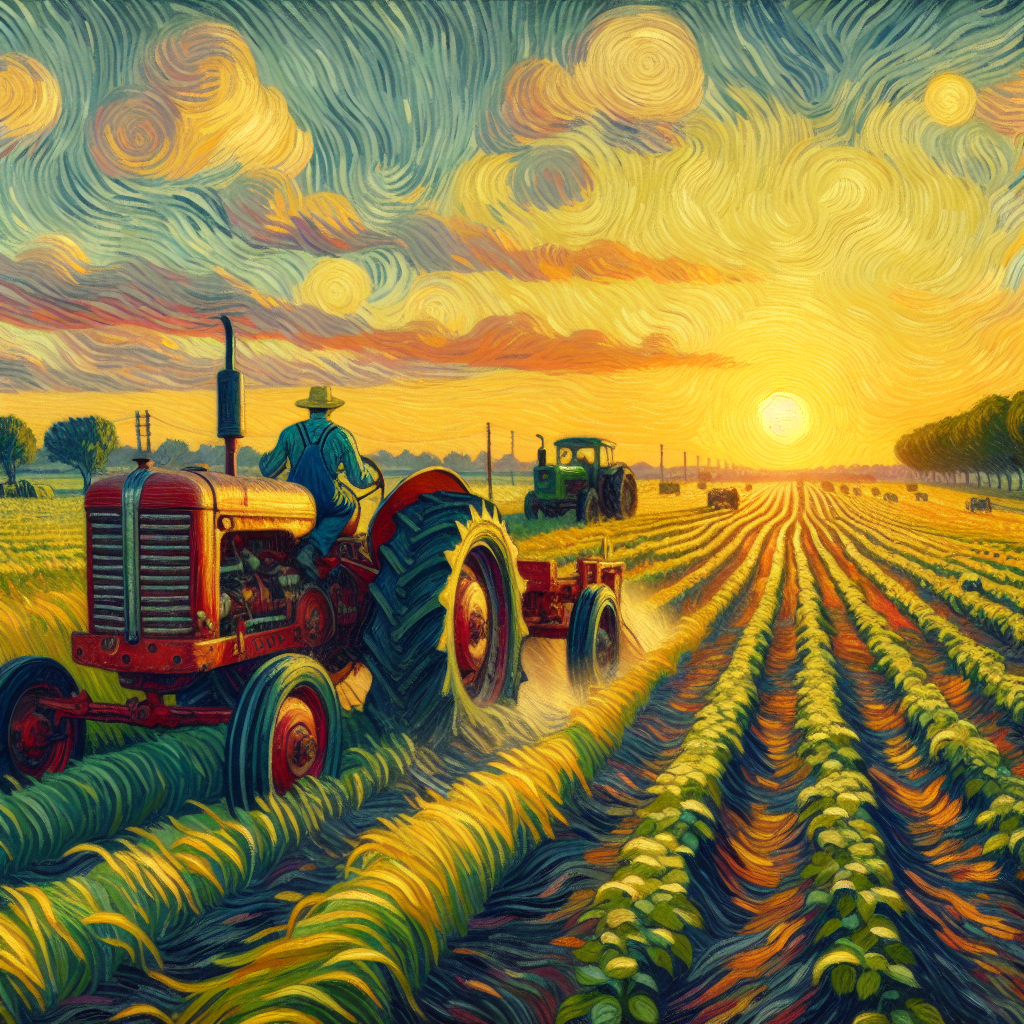
When you think of a tractor, what comes to mind? Is it the soothing rhythm of a vintage engine rumbling gently through fertile fields, a timeless symbol of hard work and dedication? Or is it the sleek, high-tech marvel of modernity, packed with gadgets that promise to make farming easier, faster, and—dare I say—more appealing? The truth of the matter is, when you stack classic tractors against their modern counterparts, you’re not just examining dollar signs; you’re delving deep into the heart of what it means to farm, to cultivate, and to connect with the land.
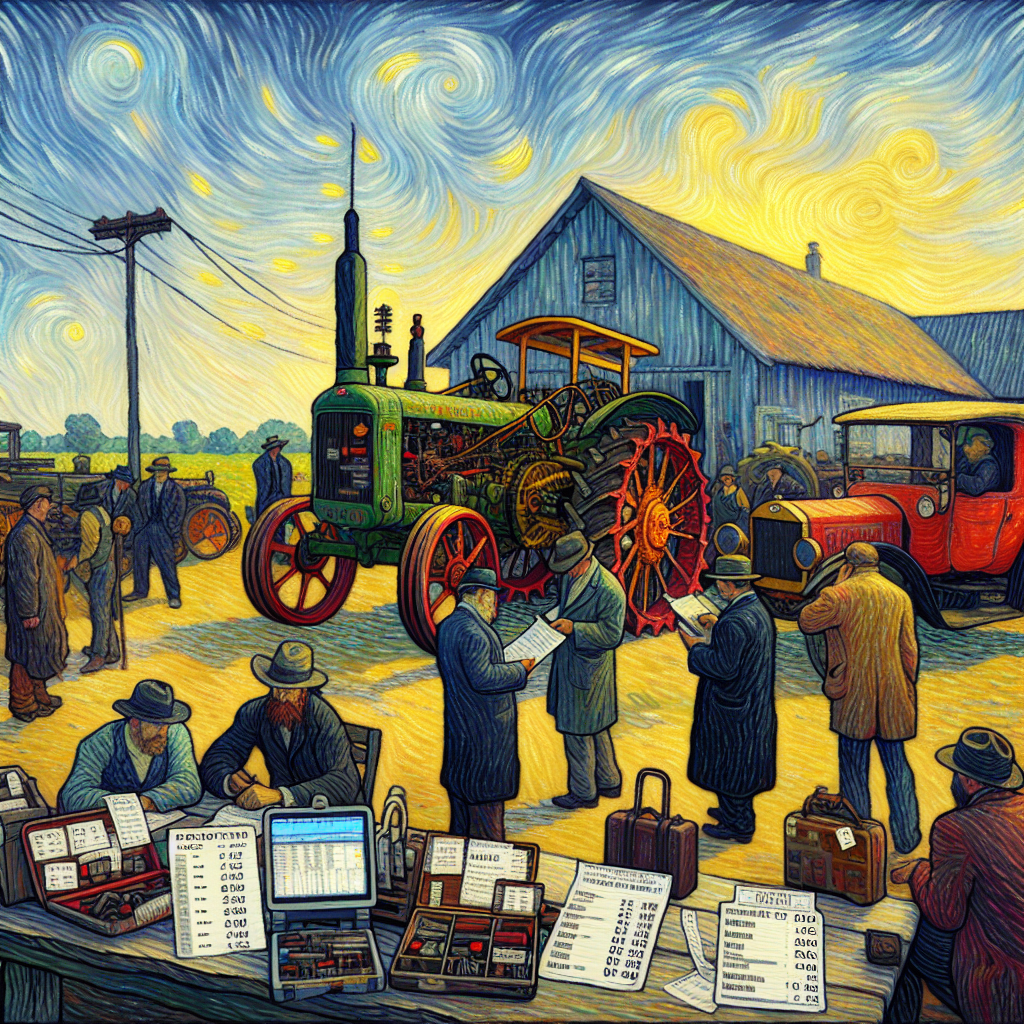
Let’s get down to brass tacks. Classic tractors can often be found at a fraction of the price of their modern counterparts. You might stumble upon a well-maintained vintage model for a few thousand bucks, while the latest, shiny new tractor can cost you anywhere from $50,000 to well over $250,000. For many, that initial investment is a daunting hurdle. But before you surrender to sticker shock, let’s consider what each type of tractor offers beyond the bottom line.
In the realm of repairs and upkeep, classic tractors are like the dependable old friends you can always count on. With simpler mechanics and fewer sensitive electronics, they often boast a DIY-friendly charm that allows for easier maintenance. You know that satisfying feeling of fixing something with your own two hands? That tangible connection to your work, to the land, and yes, even to tradition? You can’t put a price tag on that.
But let’s not ignore the social aspect. Owning a classic tractor often invites conversations among local farmers and can connect even the most distant neighbors. There’s a camaraderie that comes with sharing stories of your cherished machinery—each scratch and dent telling its own tale of labor and love. A new tractor may turn heads, but an old tractor usually turns hearts.
Then, we have the ethical side of things. In an era increasingly driven by sustainability, choosing to restore or maintain a classic tractor can speak volumes about your commitment to responsible land stewardship. It’s about minimizing waste and valuing history, preserving what works rather than discarding it for shiny modern conveniences.
So, as you ponder your options, ask yourself not just what fits your budget, but what fits your ethos, your connection, and your future on the land. Whether you’re restoring a classic or contemplating the shiny new models, weigh the costs in more than just dollars—because the best tractors, in the end, are the ones that cultivate relationships with the land and the people around us.
How Do Classic Tractors Compare Cost-Wise To Modern Alternatives?
How Do Classic Tractors Compare Cost-Wise To Modern Alternatives?
Here’s the formatted bulleted HTML list summarizing the provided text:
- Classic tractors are often significantly cheaper than modern tractors, costing a few thousand dollars compared to $50,000 to over $250,000 for new models.
- Classic tractors feature simpler mechanics, making them easier to maintain and repair, promoting a DIY approach.
- Owning a classic tractor fosters a sense of community among local farmers, encouraging conversations and shared stories.
- Classic tractors symbolize commitment to tradition and offer a tangible connection to farming practices.
- Supporting classic tractors aligns with sustainability efforts, emphasizing responsible land stewardship and waste reduction.
- Choosing a tractor involves considering personal values and connections to the land, not just financial cost.
- The best tractors cultivate relationships with both the land and people, beyond just functionality.
How Do Classic Tractors Compare Cost-Wise To Modern Alternatives?
What Ethical Considerations Come Into Play When Choosing A Tractor?
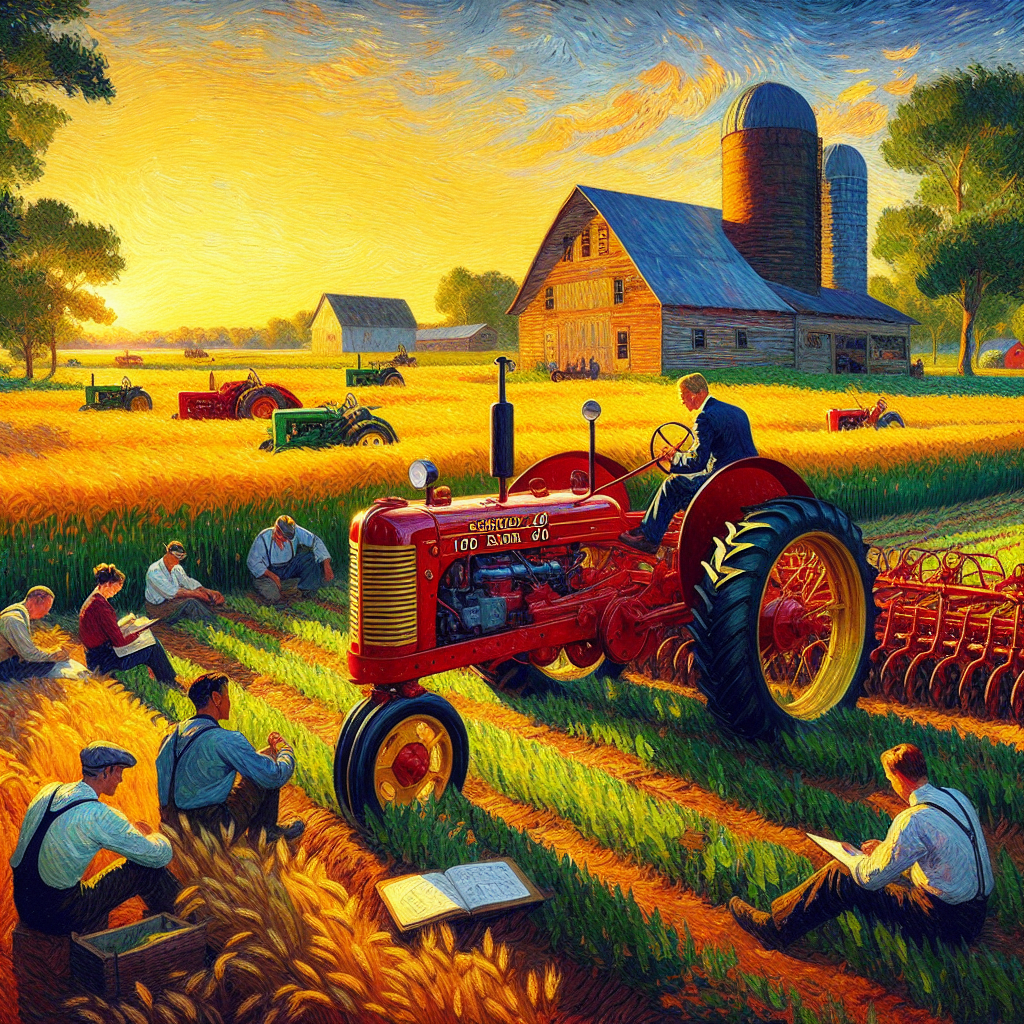
Picture a farmer standing in a sun-soaked field, hand on a well-worn tractor. This isn’t just a piece of machinery; it’s a trusted partner that will help till the earth, plant the seeds of tomorrow, and bring forth the harvest that feeds families and communities. Yet, in choosing a tractor, ethical considerations extend far beyond mere specifications and price tags.
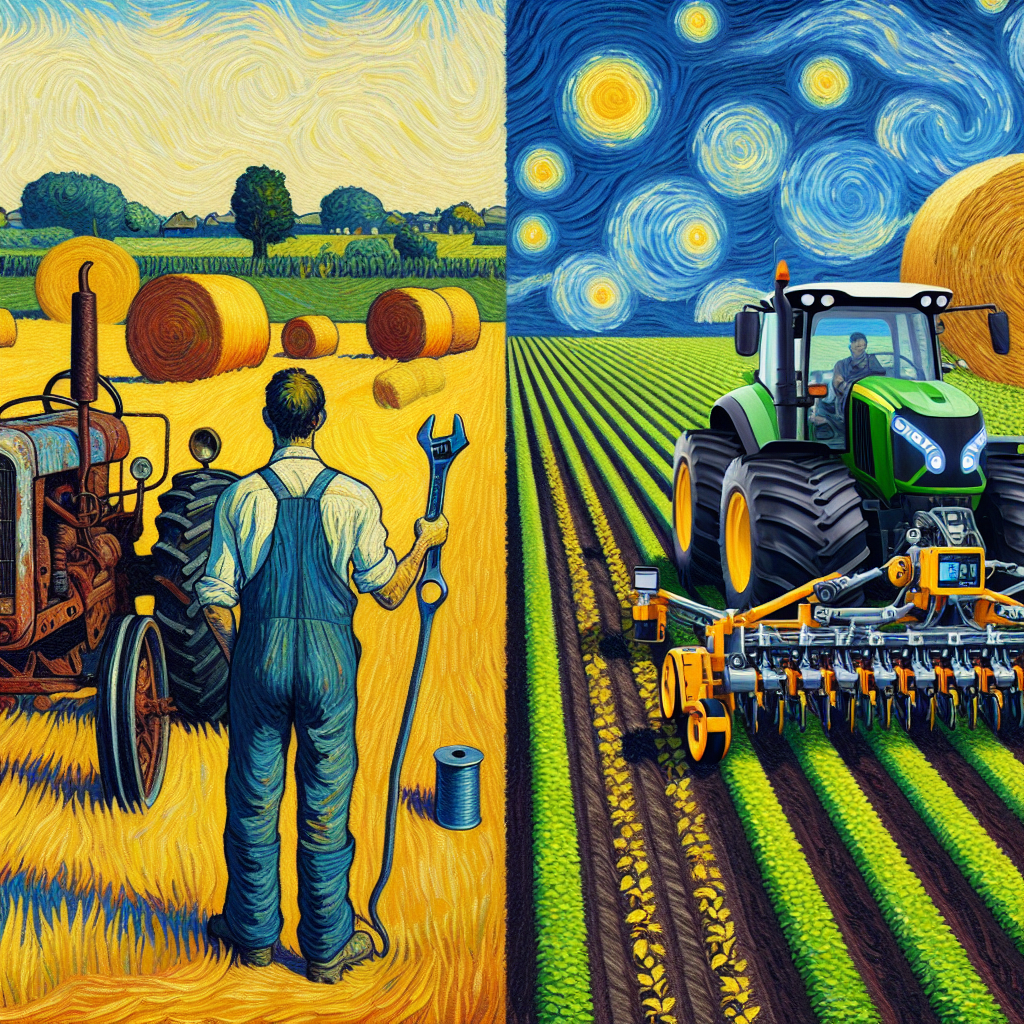
First, let’s talk about the impact on the environment. When selecting a tractor, we must consider the ecological footprint of the chosen engine and its fuel consumption. A heavy-duty diesel might get the job done, but could it be leaving a scar on the land we cherish? It’s about balance. The allure of power must be weighed against the responsibility we have to the planet. Do we opt for machinery that lessens emissions and supports sustainable practices? The answer isn’t just found in the heart; it requires us to think critically about the future of our planet.
Then there’s the human factor. Who assembled this tractor? What labor practices were in play? An ethical choice means supporting companies that treat their workers fairly and prioritize safe working conditions. What about community impact? When you buy local, you’re not just choosing a better-built machine; you’re investing in your neighbors and the well-being of your community. It’s a simple reminder that our purchases echo far beyond the cash register; they ripple through the lives of those who feed us.
Moreover, consider the narrative of the brands you support. Some companies have strong legacies of ethical farming practices that align with your values, while others may not. Research tells us that 70% of consumers are willing to pay more for products from conscientious brands. So when you choose a tractor rooted in ethical practices, not only are you making a wise economic decision, but you’re also fostering a connection to a shared vision of responsible agriculture.
Selecting a tractor isn’t just about horsepower or shiny features. It’s about integrity—yours and the manufacturer’s. Every choice shapes the world around us; let’s make them with an awareness that honors both our land and its people. So lift that foot off the brake, listen to your gut, and navigate toward selections that empower the future—because every field deserves a tractor that stands for something bigger.
What Ethical Considerations Come Into Play When Choosing A Tractor?
What Ethical Considerations Come Into Play When Choosing A Tractor?
- Farmers rely on tractors as trusted partners for planting and harvesting.
- Environmental impact is crucial; consider the ecological footprint and emissions of the selected tractor.
- Choosing machinery should balance power and responsibility towards the planet.
- Ethical considerations include labor practices of manufacturers; support companies that treat workers fairly.
- Buying local tractors promotes community well-being and reinforces local economies.
- Consumers favor brands with strong ethical practices, with 70% willing to pay more for conscientious products.
- Selecting a tractor reflects personal integrity and impacts both land and humanity; choose wisely for a sustainable future.
What Ethical Considerations Come Into Play When Choosing A Tractor?
How Do Experts View The Long-Term Value Of Classic Tractors Today?
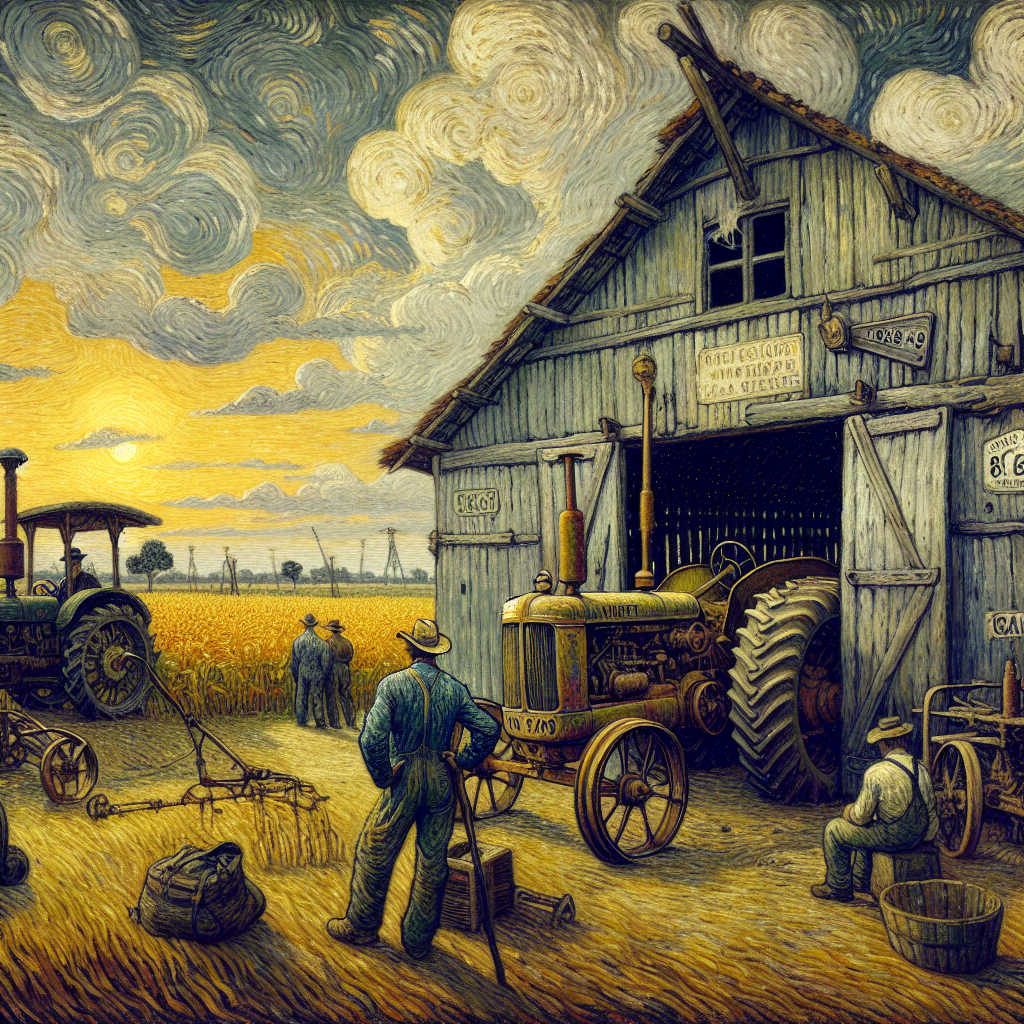
When you think about tractors, what comes to mind? For some, they’re merely machines, tools of the trade, but to others, they’re woven into the very fabric of family history. Classic tractors are more than just old iron; they represent a time when hard work and craftsmanship were the norm. Experts who have spent lifetimes in the agricultural field and restoration of these beauties see value that transcends numbers on a ledger.
From an emotional standpoint, the classic tractor resonates with many of us who appreciate the simplicity and grit of rural life. They bring up nostalgia—reminiscing about Grandpa teaching hands-on skills or the smell of fresh hay in the summer. These machines have seen it all, weathering countless seasons, working the soil that feeds us. It’s hard not to feel a twinge of pride when we think about the history forged within their rusty frames.
Rationally speaking, classic tractors can be a wise investment. While the market may fluctuate, these machines often appreciate over time, due in part to their scarcity and the growing fascination with vintage farming culture. Enthusiasts and collectors are willing to pay top dollar for a well-maintained piece of history, making it an attractive proposition for anyone looking to marry passion with pragmatism. When experts weigh the long-term value of these vehicles, they often highlight that a well-preserved classic tractor can become a treasured asset.
Ethically, it’s worth reflecting on our responsibility to preserve these icons of innovation. Each classic tractor tells a story—not just of agriculture, but of people pushing the limits of what was possible. By restoring and maintaining these machines, we honor those who came before us and acknowledge the sweat, toil, and dreams that went into creating them.
In a world where tractors are often seen as disposable, fostering a community around classic tractors is vital. From local meet-ups to online forums, the camaraderie among tractor enthusiasts creates a sense of belonging. As these experts share their insights and experiences, they inspire confidence in not only the value of these machines but also the joy they can bring to your life.
So whether you’re a seasoned farmer, a hobbyist, or simply someone drawn to vintage aesthetics, the long-term value of classic tractors holds significance beyond mere dollars. They are reminders of resilience, connection, and the relentless spirit of those who carved their lives from the land. Choose to embrace this legacy, and you’ll find that the true worth of a classic tractor is immeasurable.
How Do Experts View The Long-Term Value Of Classic Tractors Today?
How Do Experts View The Long-Term Value Of Classic Tractors Today?
- Classic tractors embody family history and craftsmanship, representing an era of hard work.
- They evoke nostalgia, reminding people of hands-on skills and rural life experiences.
- Classic tractors are often a wise investment, appreciating in value over time due to scarcity and interest in vintage farming culture.
- Restoring classic tractors honors the stories behind them, showcasing the innovation and dedication of past generations.
- Building a community around classic tractors fosters a sense of belonging and shared passion among enthusiasts.
- They remind us of resilience and connection, reflecting the spirit of those who cultivated the land.
- The true worth of a classic tractor transcends monetary value, representing a lasting legacy.
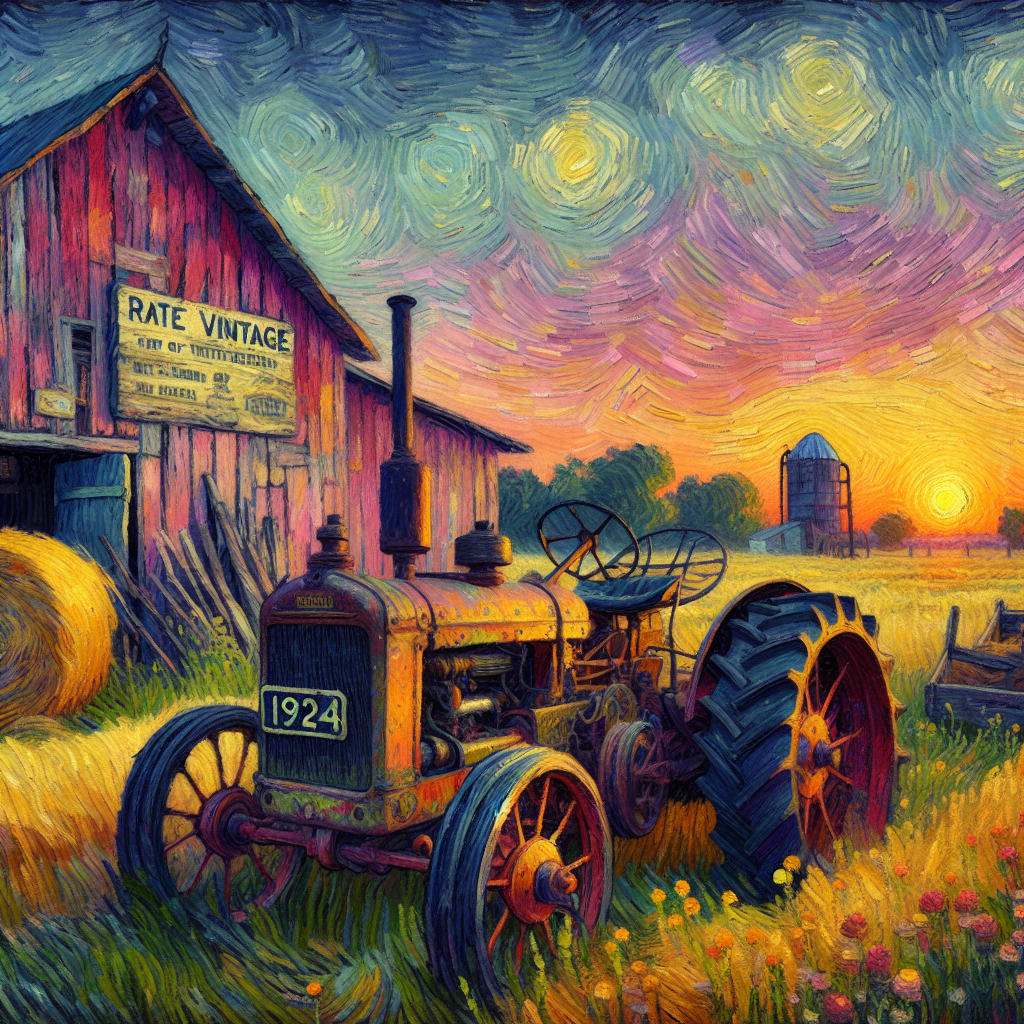
How Do Experts View The Long-Term Value Of Classic Tractors Today?
What Stories Do Classic Tractors Tell About Our Agricultural Heritage?
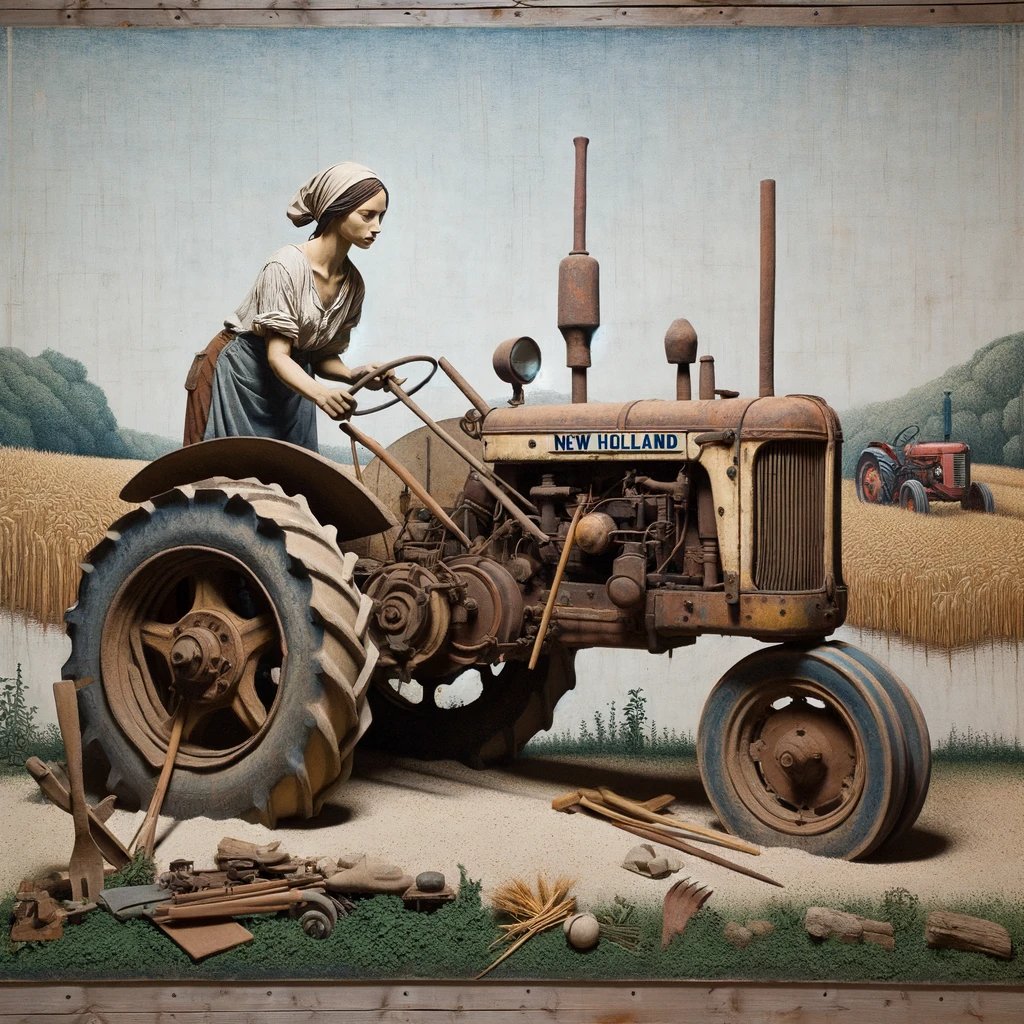
When you stand in the presence of a classic tractor, it’s more than just a machine—it’s a testament to perseverance, ingenuity, and the sweat of generations who toiled the land. Each scratch and dent tells a story; each rusted bolt is a mark of a life spent in the fields. These tractors weren’t just tools; they were extensions of the farmers themselves, partners in the dance of planting and harvesting, tirelessly working through the seasons, bearing witness to the rise and fall of crops as well as fortunes.
Consider the families behind these tractors. Many of us can trace our roots back to an ancestor who depended on the might of these iron beasts. They fought against time, weather, and market swings with nothing but grit and determination. They wore their love for the land on their sleeves—often literally, with soil stains that became badges of honor. Remembering those stories connects us to our heritage, reminding us of the collective responsibility we carry to sustain that relationship with the earth.
But let’s get real for a moment. As we glance at a classic tractor, we’re confronted with a visceral understanding of risk and reward—a metaphor for life itself. Each model, from the legendary Ford 8N to the ever-reliable Farmall, embodies the hard choices that farmers made: Will I plant this year? Will the rains come? And, most importantly, is this the legacy I want to leave? We sense their triumphs and struggles in every creak of the engine, every turn of a lever, and it’s impossible not to feel a jolt of empathy.
Moreover, classic tractors serve as a bridge across generations, sparking conversations between young and old. In a world that often feels disconnected, they invite us to reminisce, share knowledge, and even teach one another the intricacies of soil, seed, and machinery. When children and grandparents gather around a vintage tractor, there’s a connection that transcends time, cultivating understanding of a heritage that shapes who we are today.
So, the next time you see an old tractor parked in a field or restored in a museum, pause to reflect. It’s more than just a relic; it’s a narrative of resilience, an appeal to our shared humanity, a call to honor the past while forging a path forward. Let these machines inspire you to connect, to engage, and perhaps even to carry on the legacy that they embody. The land needs our stewardship, and those stories remind us why.
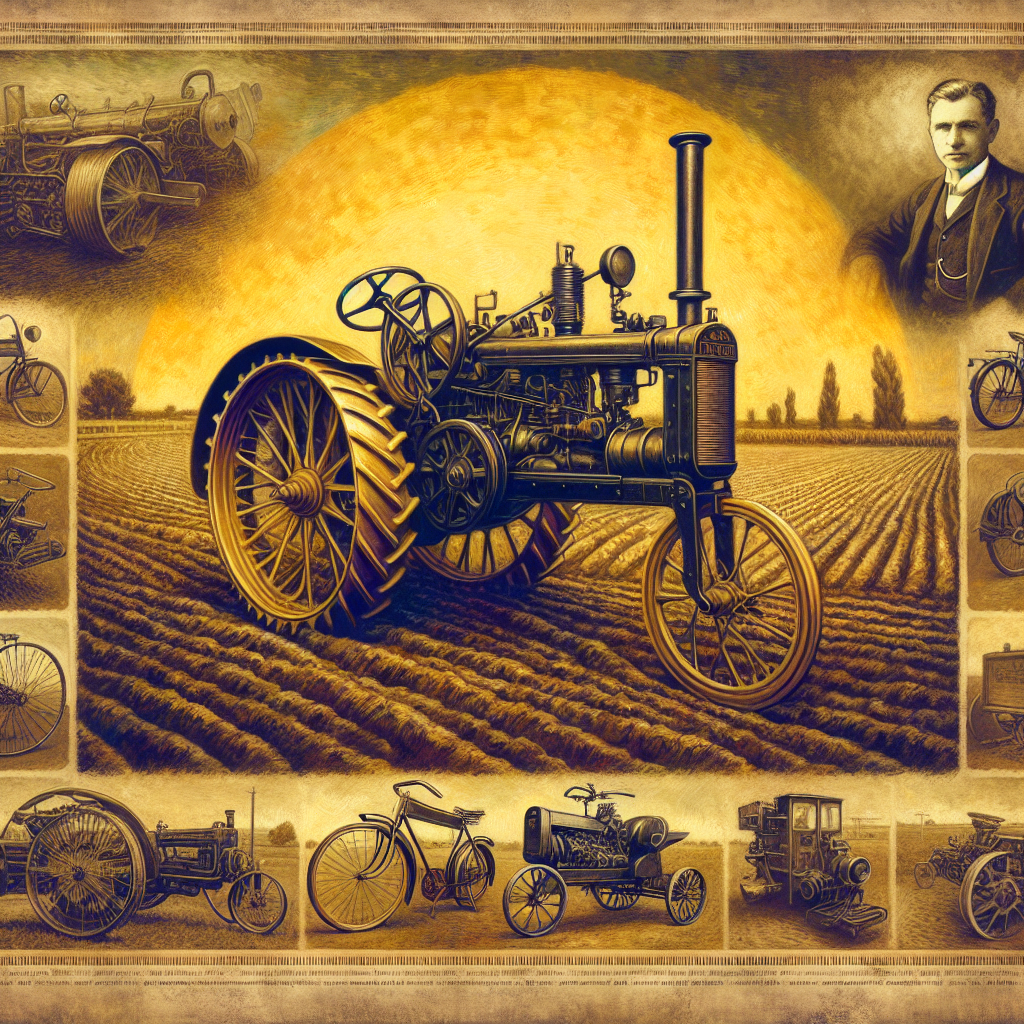
What Stories Do Classic Tractors Tell About Our Agricultural Heritage?
What Stories Do Classic Tractors Tell About Our Agricultural Heritage?
- Classic tractors symbolize perseverance, ingenuity, and the hard work of generations of farmers.
- Each scratch and dent on a tractor tells a story of labor and time spent in the fields.
- These machines served as essential partners for farmers in the processes of planting and harvesting.
- They represent the resilience of families who depended on the tractors for their livelihood and faced numerous challenges.
- Classic tractors evoke feelings of risk and reward, mirroring the difficult decisions that farmers make.
- They foster connections across generations, encouraging conversations between the young and old about heritage and farming.
- Seeing an old tractor invites reflection on resilience, shared humanity, and the importance of stewardship of the land.

What Stories Do Classic Tractors Tell About Our Agricultural Heritage?
How Can Social Trends Affect The Popularity Of Classic Tractors Now?
In a world that seems to whip forward in a blur of technological advancement, classic tractors stand as monuments of simplicity, craftsmanship, and hard work. Let’s face it: they aren’t just machines; they’re symbols of a bygone era, echoing the grit and determination of generations past. But how do social trends sway public interest in these rugged pieces of history today?
Take a moment to visualize a sun-drenched field, the hum of an engine whispering tales of labor underneath the golden horizon. That’s the power of nostalgia. As millennials and Gen Z lean towards the authenticity of heirlooms versus fleeting trends, classic tractors are gaining ground. These aren’t just rusty relics; they’re pieces of our agricultural heritage, rich with stories that resonate with anyone who has ever rolled up their sleeves and gotten their hands dirty.
Yet, it’s not simply about yearning for the past—our hearts also beat for sustainability. With the current surge in environmental awareness, folks are increasingly drawn to practices that honor our planet. Classic tractors, often maintained with care and respect, embody a kind of eco-conscious spirit. They remind us of a time when farming was about rhythm and balance with nature instead of high-octane, mass-produced machines. This honed connection to the earth appeals not only to the heart but also to our responsibilities as stewards of the land.
Additionally, the social fabric is weaving in the threads of community-building. As DIY culture gains traction, many are finding joy in restoring these old machines. Classic tractors spark conversations at farmers’ markets or community fairs, fostering friendships and camaraderie based on shared interests. They become catalysts for workshops and gatherings, where knowledge is passed down, and a new appreciation for craftsmanship emerges.
So, what can we learn from this vibrant interplay of heart, head, and community? Trust in the value of traditions, and take action. Whether you’re a seasoned farmer or simply someone who admires the soul of a classic tractor, there’s a rallying call here. Get involved—restoration, preservation, or simply sharing the stories of these remarkable machines. Let’s bring classic tractors back into the spotlight, not just as tractors but as cherished threads in the tapestry of our lives, reminding us where we came from and where we can tread.
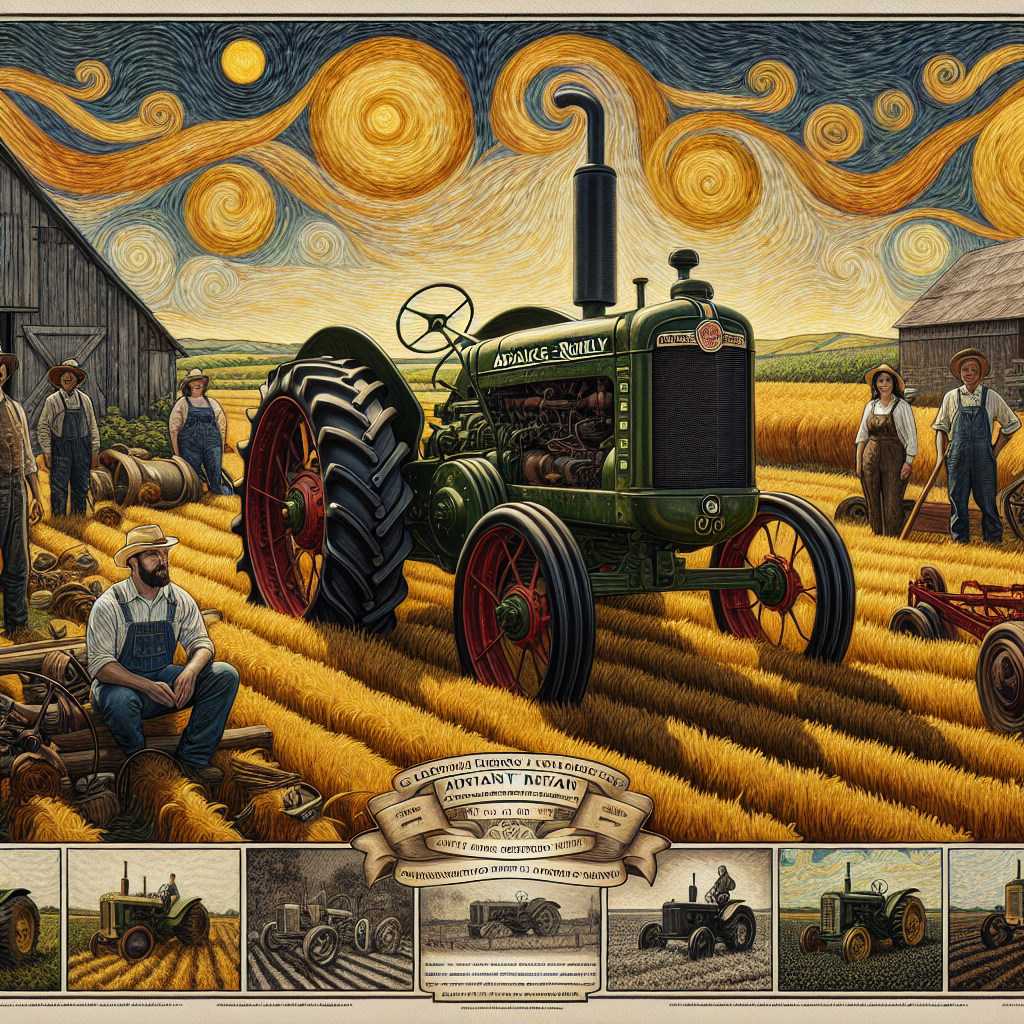
How Can Social Trends Affect The Popularity Of Classic Tractors Now?
How Can Social Trends Affect The Popularity Of Classic Tractors Now?
- Classic tractors symbolize simplicity, craftsmanship, and the hard work of generations past.
- Nostalgia drives interest as millennials and Gen Z appreciate the authenticity of heirlooms over fleeting trends.
- These tractors are considered vital pieces of agricultural heritage, resonating with individuals who value hard work.
- Environmental awareness is growing, and classic tractors reflect eco-conscious practices in farming.
- DIY culture promotes community-building through the restoration of classic tractors, sparking conversations and friendships.
- Classic tractors serve as catalysts for workshops and gatherings, enhancing appreciation for craftsmanship.
- Encouragement to get involved in restoring, preserving, or sharing stories of classic tractors reinforces their cultural significance.
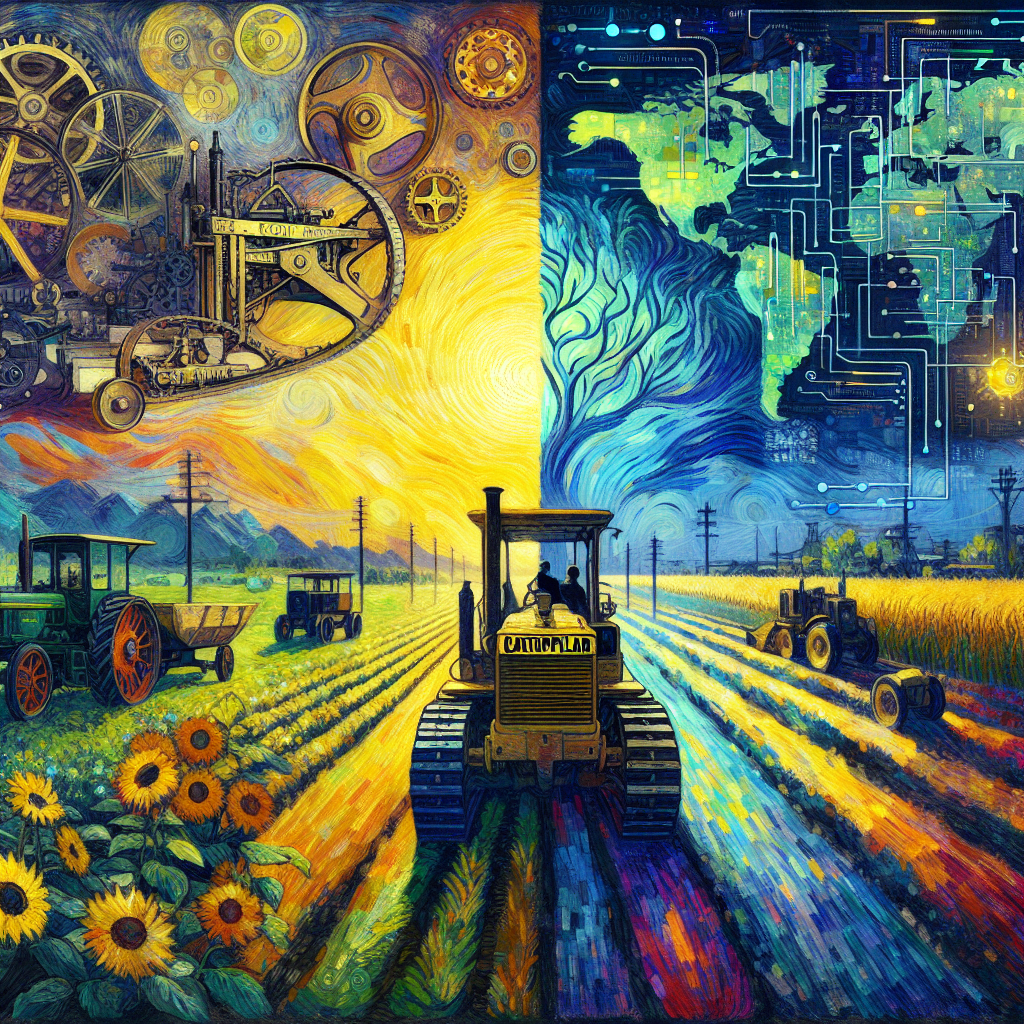
How Can Social Trends Affect The Popularity Of Classic Tractors Now?
In What Ways Do Classic Tractors Foster Community Among Farmers?
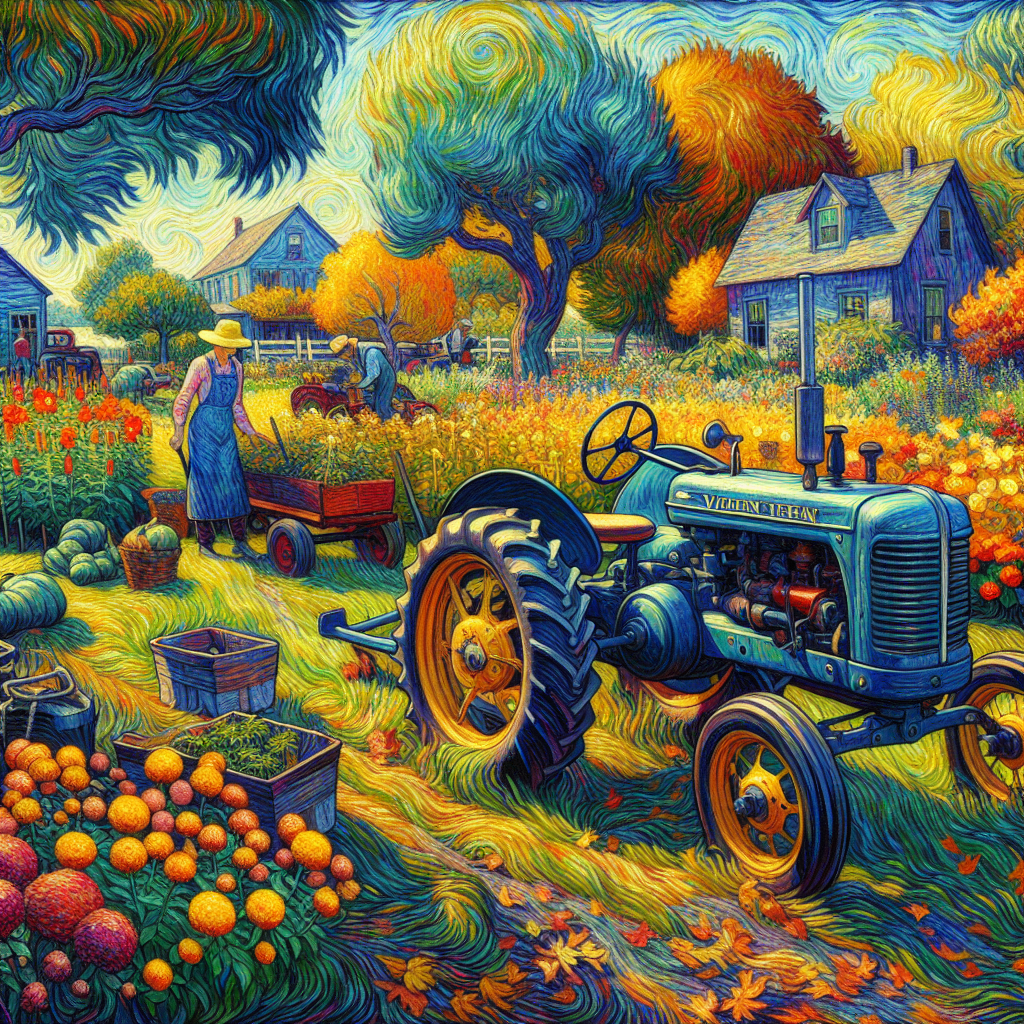
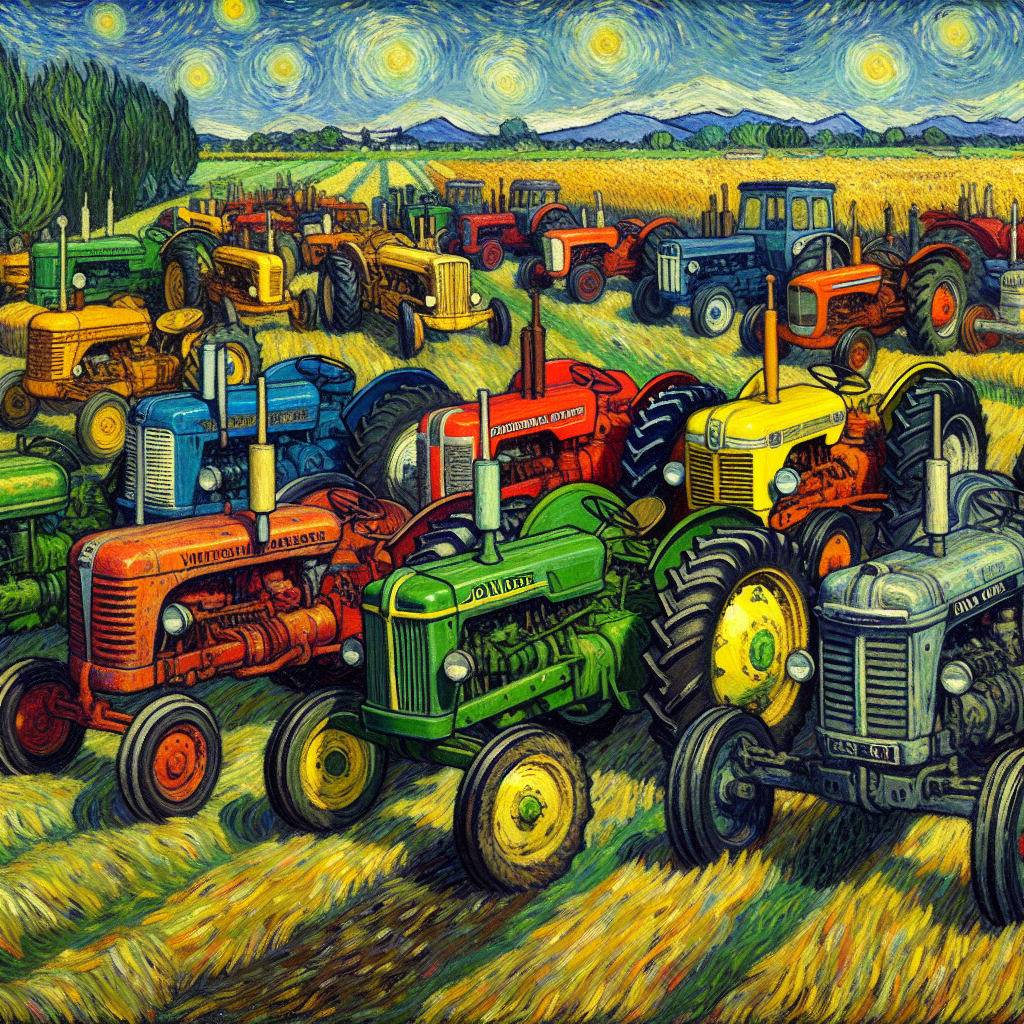
In the heart of rural America, where the sun rises over sprawling fields and the hum of engines fills the air, classic tractors serve not just as tools of agriculture but as cherished symbols of community. Picture this: a group of farmers gathered around their favorite vintage models—their polished steel and vibrant colors a testament to machinery that has weathered countless seasons. This is where stories are shared, knowledge exchanged, and bonds forged, all ignited by the spark of these iconic tractors.
At the gut level, there’s something undeniably comforting about the familiar rumble of a well-loved tractor. It’s a sound that evokes childhood memories of laughing as you rode along beside a parent, learning the ropes of stewardship, resilience, and hard work. Each engine purr represents a life dedicated to the land—a commitment that transcends generations. When you gather to work alongside neighbors, you’re not just plowing fields; you’re cultivating friendship and mutual respect.
Now, consider the rational side: classic tractors conjure a rich history and a dance of innovation and tradition. Farmers who invest time in restoring and maintaining these vehicles often find themselves delving into the very roots of their craft. With every bolt tightened and every rust spot polished away, they discover the stories of those who came before them. They’re part of a lineage, custodians of a legacy that runs deeper than pride. This understanding fosters respect among those who admire the craftsmanship, creating a hub where ideas flourish and skills are shared.
On an ethical front, classic tractors inspire sustainable farming practices and community stewardship. They remind us of the responsibility we share toward our land and each other. By coming together in groups dedicated to preserving these machines, farmers are not just honoring the past; they’re nurturing the future of agriculture. They’re advocating for responsible practices, organizing local fairs, and teaching children the importance of heritage—building a foundation that will support their community for years to come.
Finally, let’s not overlook the social aspect. Events centered around classic tractors—be it a show, a restoration workshop, or a friendly competition—offer a vivid tapestry of connection. Neighbors exchange tips, share recipes, and perhaps even swap stories that lead to new collaborations. Inevitably, it’s a shared passion—not just for machinery, but for a way of life—that unites them, reaffirming their commitment to one another and the land they cultivate. In that gathering, amidst laughter and shared goals, it is clear: classic tractors are not merely tools; they are the lifeblood of community.

In What Ways Do Classic Tractors Foster Community Among Farmers?
In What Ways Do Classic Tractors Foster Community Among Farmers?
- Classic tractors are cherished symbols of community in rural America, representing more than just agricultural tools.
- Farmers share stories and knowledge around vintage models, fostering bonds and friendships.
- The comforting sound of tractors evokes childhood memories tied to hard work and stewardship.
- Restoration of classic tractors connects farmers to their craft and the history of agriculture.
- These tractors inspire sustainable farming practices and promote community stewardship.
- Events centered around classic tractors facilitate social connections and collaboration among neighbors.
- Classic tractors embody a shared passion for both machinery and the agricultural way of life, enhancing community ties.
In What Ways Do Classic Tractors Foster Community Among Farmers?
Conclusion
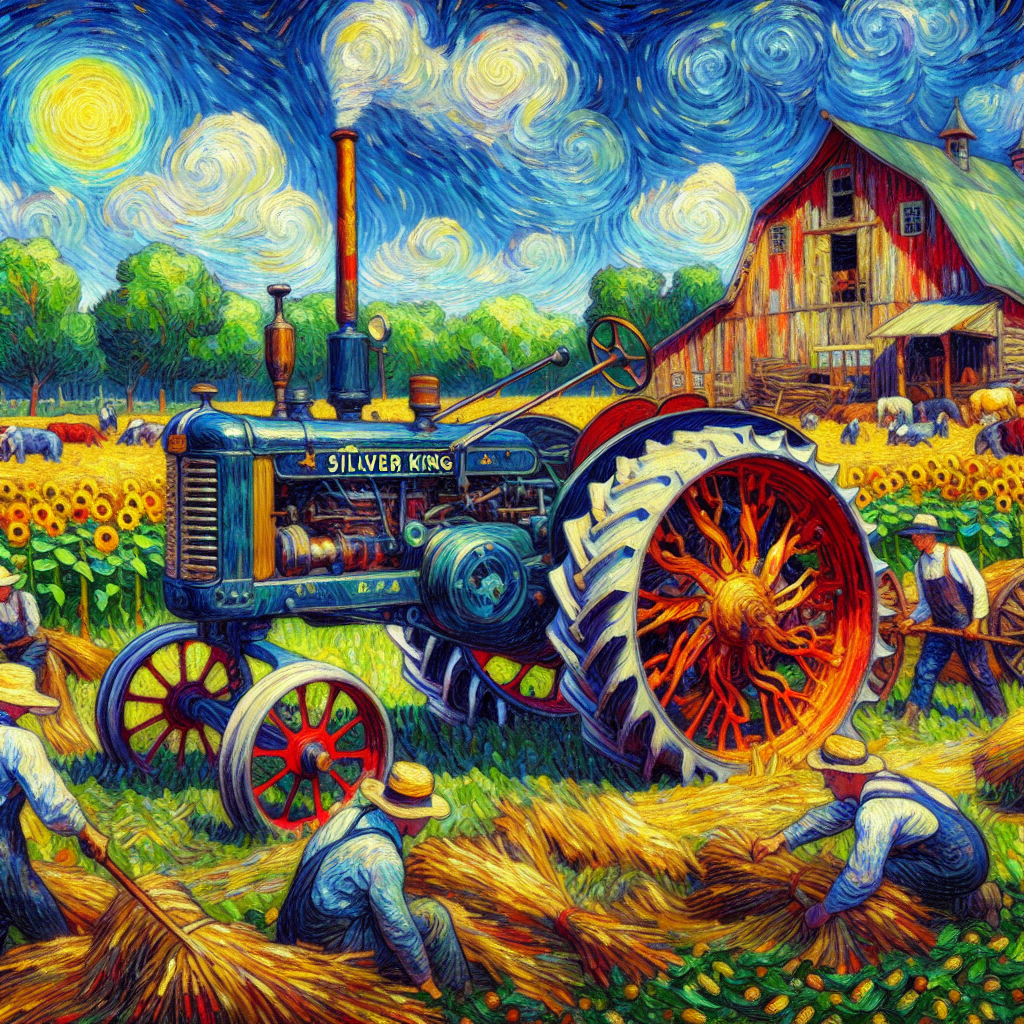
As we wrap up this exploration of classic tractors, let’s pause for a moment and reflect on why these machines, with their rusted frames and timeworn engines, resonate so deeply with so many of us. They are not just mechanical marvels; they represent a rich tapestry of tradition, resilience, and community that has nourished generations of farmers. When you think about it, every scratch and dent tells a story, each a chapter in the collective narrative of agriculture that binds us to our roots.
Let’s talk numbers. Classic tractors can often be snagged at a fraction of the price of their modern counterparts. A well-maintained vintage model could set you back a few thousand dollars, whereas brand new machinery often requires an investment of $50,000 or more. But don’t let the price tag fool you; this isn’t just about dollars and cents. Classic tractors offer a wisdom that modern machines often lack: simplicity. With fewer complicated electronics, they invite farmers to roll up their sleeves and dive into repairs, turning maintenance into a fulfilling DIY project rather than a costly trip to the dealership.
Now, there’s that ethical angle we can’t ignore. In our modern world driven by consumerism and waste, these vintage marvels offer a sustainable choice. Maintaining a classic tractor reflects a commitment to recycling, reducing waste, and honoring the craftsmanship of our forebearers. Each tractor kept in service is a small act of rebellion against a throwaway culture; it’s a powerful statement about valuing what once was and nurturing it for future generations.
Let’s not forget about community, either. Classic tractors pull farmers together across fences and fields, kindling relationships rooted in shared experiences and stories. There’s a unique camaraderie that emerges in restoration projects, local fairs, and gatherings, where knowledge and laughter flow as freely as the soil from a well-tended field. Through these machines, conversations spark and friendships bloom, reinforcing the bonds that tether us to one another and our soil.
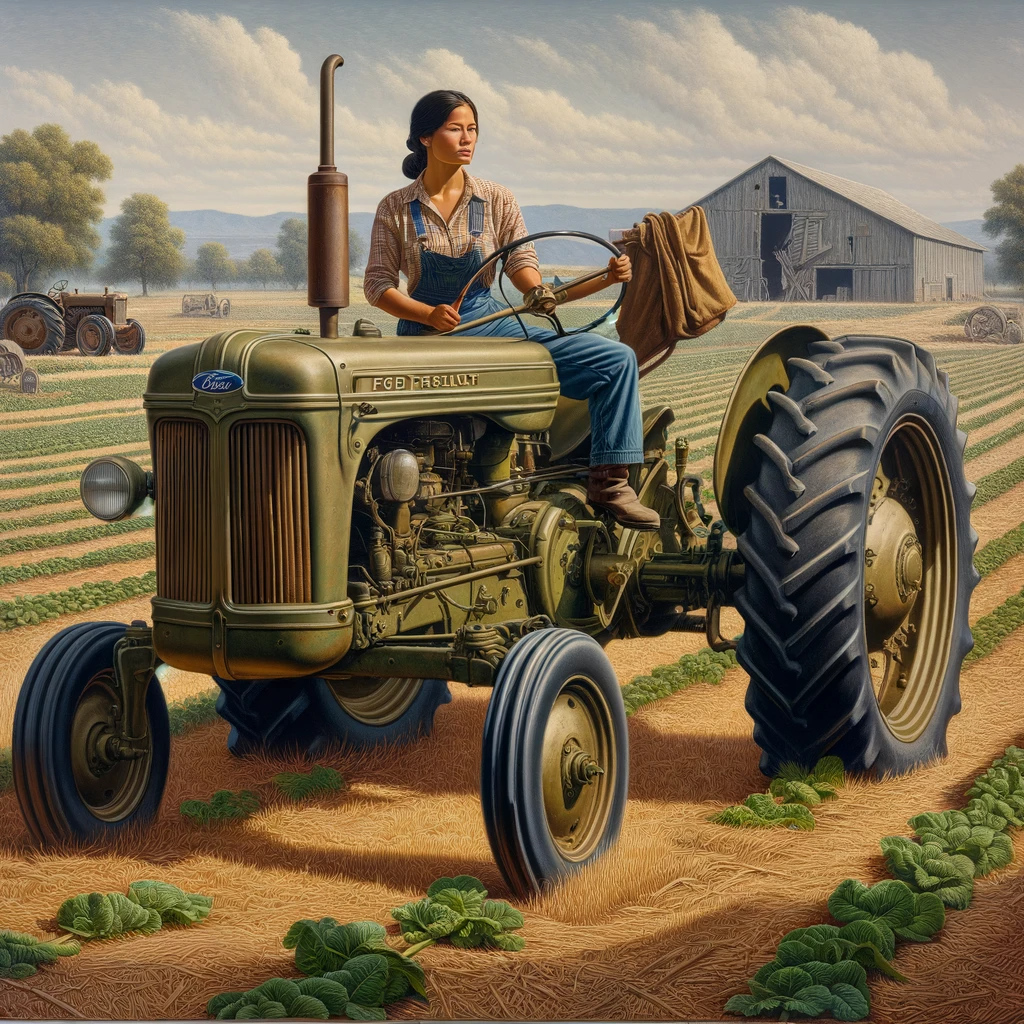
In sum, choosing a classic tractor is about more than just practicality; it’s a commitment to a way of life that embraces heritage, fosters community, and inspires accountability to the land and each other. As you stand before the choice of investing in a piece of history versus a shiny new machine, reflect on the legacy you want to cultivate—not just for yourself, but for the generations to come. So, will it be a classic tractor steering you down the path of tradition, connection, and sustainability? That’s an investment in both machinery and meaning, and one that could transform not only your farm but your entire journey in agriculture.
Conclusion
Conclusion:
- Classic tractors symbolize tradition, resilience, and community in agriculture.
- They often come at a lower cost compared to modern machinery, making them financially accessible.
- Classic tractors prioritize simplicity, allowing farmers to perform repairs and maintenance themselves.
- Maintaining vintage tractors promotes sustainability and counters consumerism and waste.
- Classic tractors foster community, bringing farmers together through shared experiences and restoration projects.
- Choosing a classic tractor represents a commitment to heritage and accountability to the land and community.
- Investing in a classic tractor can transform not only your farm but also your agricultural journey.
Conclusion
Other Resources
Other Resources
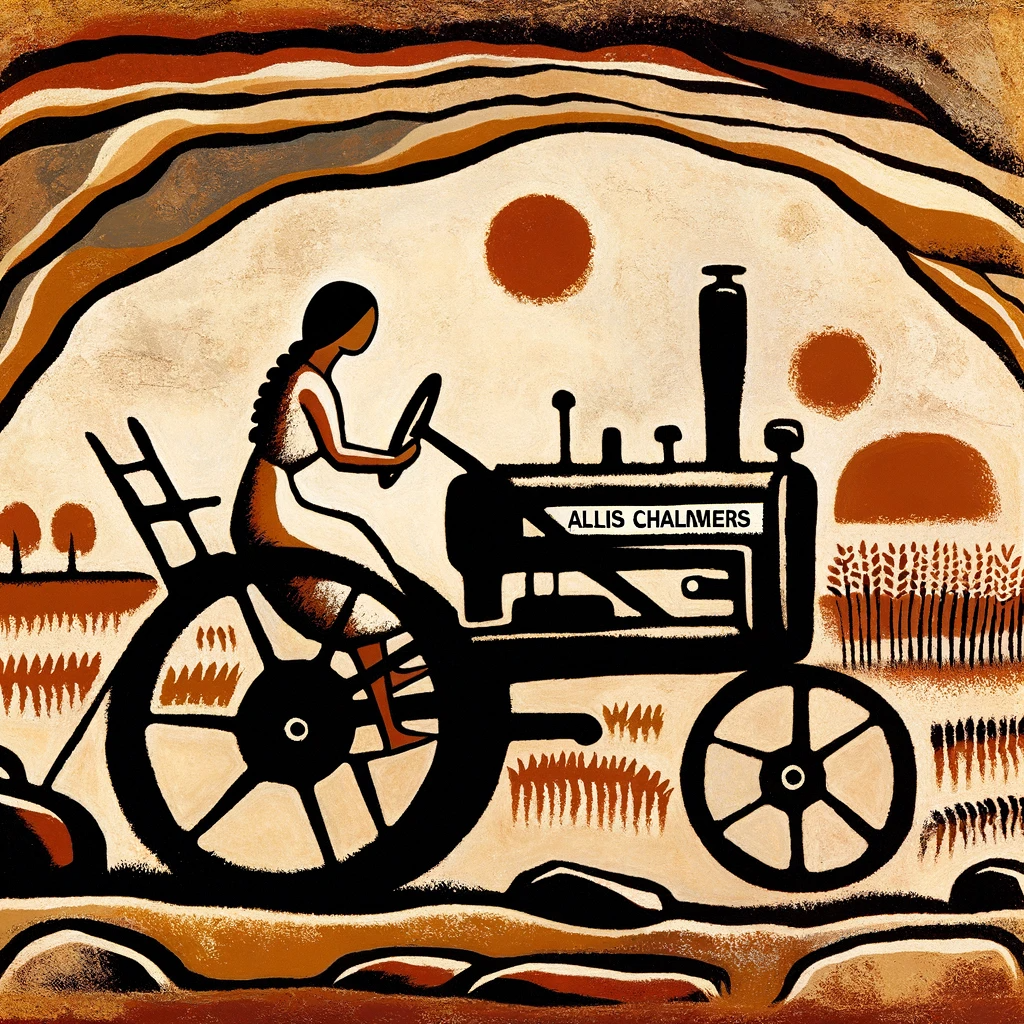
Here is a list of other resources you can review online to learn more:
- Antique Farm Equipment Museum
- Kirovets
- Antique Tractor Club
- Bolens
- Tractor Models
- Benefits of Classic Tractors
- Farm Pro
- Shibaura
- East Wind
- Eagle
Use This Prompt To Get More Resources With Your Favorite Online AI Tool: Please provide me with a list of online articles with their URLs in a bulleted list that I can read regarding Are Classic Tractors an Affordable Option for Modern Farmers
Other Resources
Glossary Terms
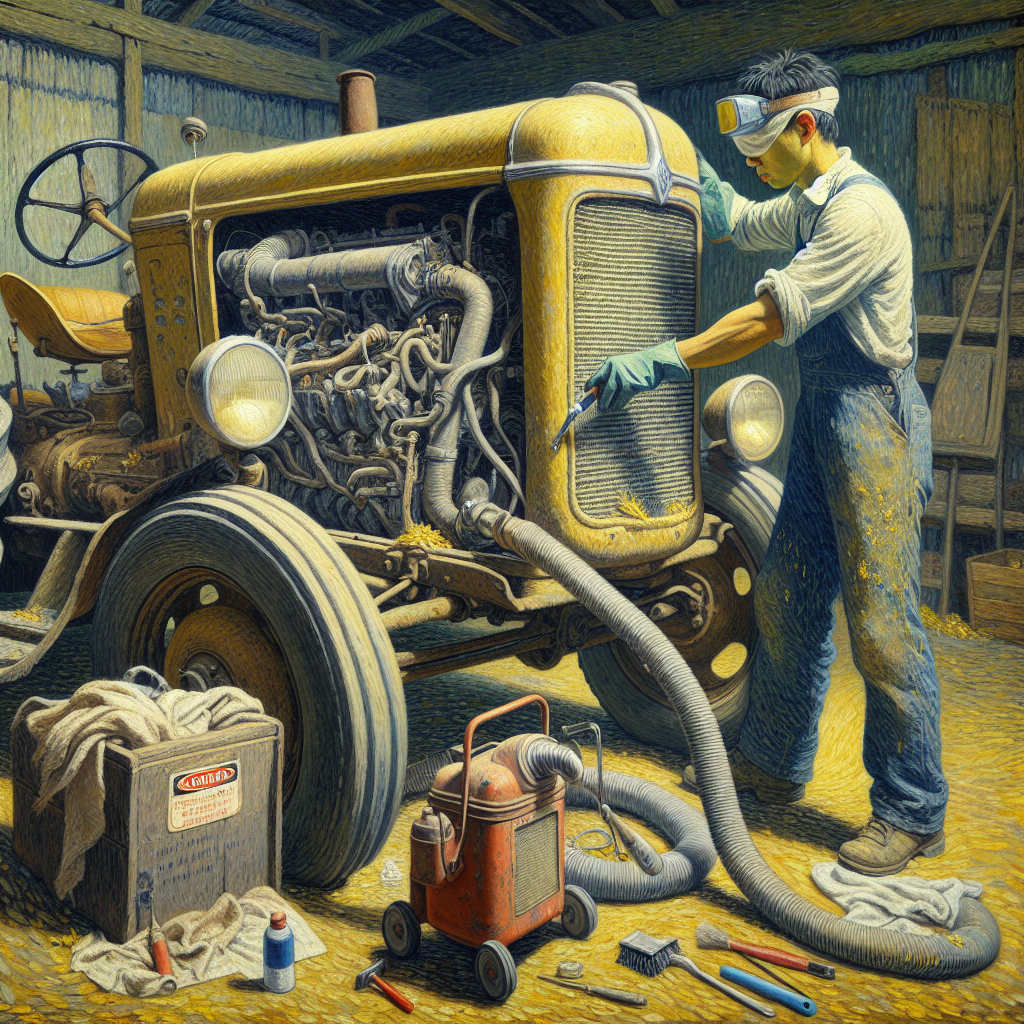
Are Classic Tractors an Affordable Option for Modern Farmers – Glossary Of Terms
1. Classic Tractor: A vintage farm vehicle, typically manufactured between the 1920s and 1980s, known for its mechanical simplicity and durability.
2. Affordability: The relative cost-effectiveness of classic tractors compared to modern alternatives, taking into account purchase price, maintenance, and operation costs.
3. Restoration: The process of repairing and refurbishing classic tractors to a working condition, which may increase their value.
4. Maintenance: The routine activities required to keep classic tractors functioning, including oil changes and mechanical checks.
5. Fuel Efficiency: A measure of how effectively a tractor uses fuel, often a point of contrast between classic and modern tractors.
6. Vintage Appeal: The aesthetic and nostalgic value associated with classic tractors that attract collectors and enthusiasts.
7. Resale Value: The potential market value of a classic tractor when resold, which can be higher than the purchase price if it gains collector status.
8. Repair Parts Availability: The ease with which specific components and parts can be sourced for classic tractors, which can influence maintenance costs.
9. Operational Costs: Ongoing expenses incurred while using the tractor, including fuel, insurance, and parts replacement.
10. Power Take-Off (PTO): A mechanical device that allows the tractor’s engine power to be used to operate agricultural implements.
11. Serial Number: An identifier that indicates the specific model of a tractor, often used to track history and repairs.
12. Tractor Implements: Attachments and accessories that enhance the capabilities of a tractor, such as plows, harrows, or seeders.
13. Horsepower (HP): A unit of measurement for the power of the tractor’s engine, influencing its capability for heavy-duty work.
14. Torque: The measure of rotational force; crucial for how effectively a tractor can perform demanding agricultural tasks.
15. Tread Design: The pattern on a tractor tire, which impacts grip and traction in various farming environments.
16. Modern Technology: Advanced features in newer tractors, such as GPS, automation, and electronic controls, enhancing precision and efficiency.
17. Sustainability: The capability of classic tractors to operate with minimal environmental impact, depending on fuel type and technology.
18. Collectibility: The potential interest and value of classic tractors among collectors, affecting their market desirability.
19. Depreciation: The decrease in value of modern tractors over time, contrasted with potential appreciation of well-maintained classics.
20. Livestock Farming: Agricultural practice where classic tractors may be preferred for certain tasks such as hauling or fieldwork.
21. Cultivation Methods: Techniques used in farming that may influence a farmer’s choice of tractor type based on field conditions.
22. Agility: The maneuverability of a tractor, especially in tighter farming environments or smaller fields typical in classic models.
23. Seller Reputation: The credibility of individuals or dealers selling classic tractors, which can affect buyer trust and pricing.
24. Operational Lifespan: The expected working life of a tractor before major overhaul or replacement is needed.
25. Insurance Costs: The premiums associated with insuring classic tractors, which can vary based on value and usage.
26. Community Support: The network of clubs or groups dedicated to classic tractors, offering resources for maintenance and restoration.
27. Efficiency Standards: Regulations that govern the environmental impact and efficiency of tractors in modern agricultural practices.
28. Farming Techniques: Variations in agricultural practices that may favor classic tractors, especially in organic or small-scale farming.
29. Investment Potential: The likelihood that certain classic tractors might appreciate in value, serving as an investment for farmers and collectors alike.
30. Market Demand: The interest level for classic tractors among farmers and collectors, impacting pricing and availability in the marketplace.
Glossary Of Terms
Other Questions
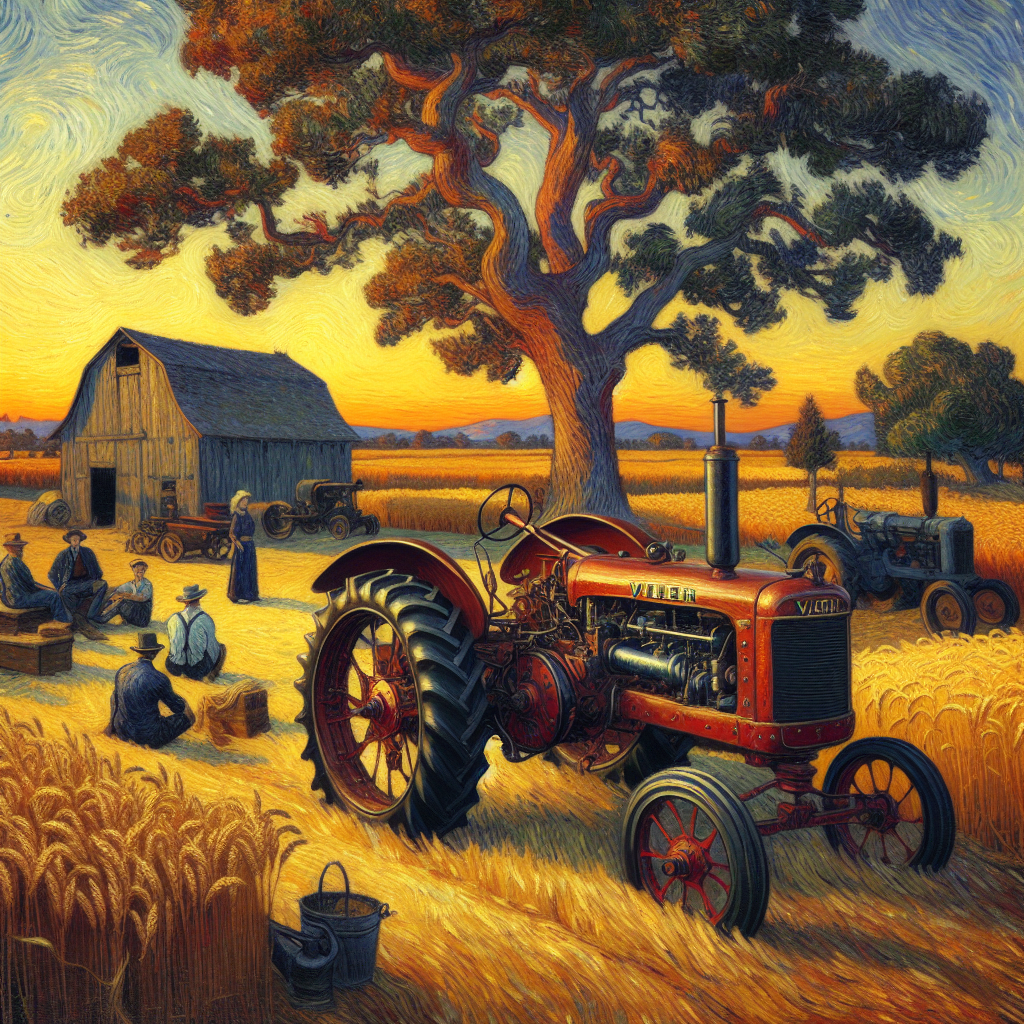
Are Classic Tractors an Affordable Option for Modern Farmers – Other Questions
If you wish to explore and discover more, consider looking for answers to these questions:
- What are the benefits of owning a classic tractor over a modern one?
- What types of classic tractors are most popular among farmers today?
- How do classic tractors contribute to sustainable farming practices?
- What are the typical maintenance costs associated with classic tractors?
- How can new farmers get started with restoring a classic tractor?
- Are there any specific brands or models of classic tractors that are recommended?
- What communities or organizations exist for classic tractor enthusiasts?
- How does the resale value of classic tractors compare to modern tractors?
- What role do classic tractors play in agricultural history and heritage?
- How can classic tractors serve as a learning tool for new generations of farmers?
Other Questions
Haiku
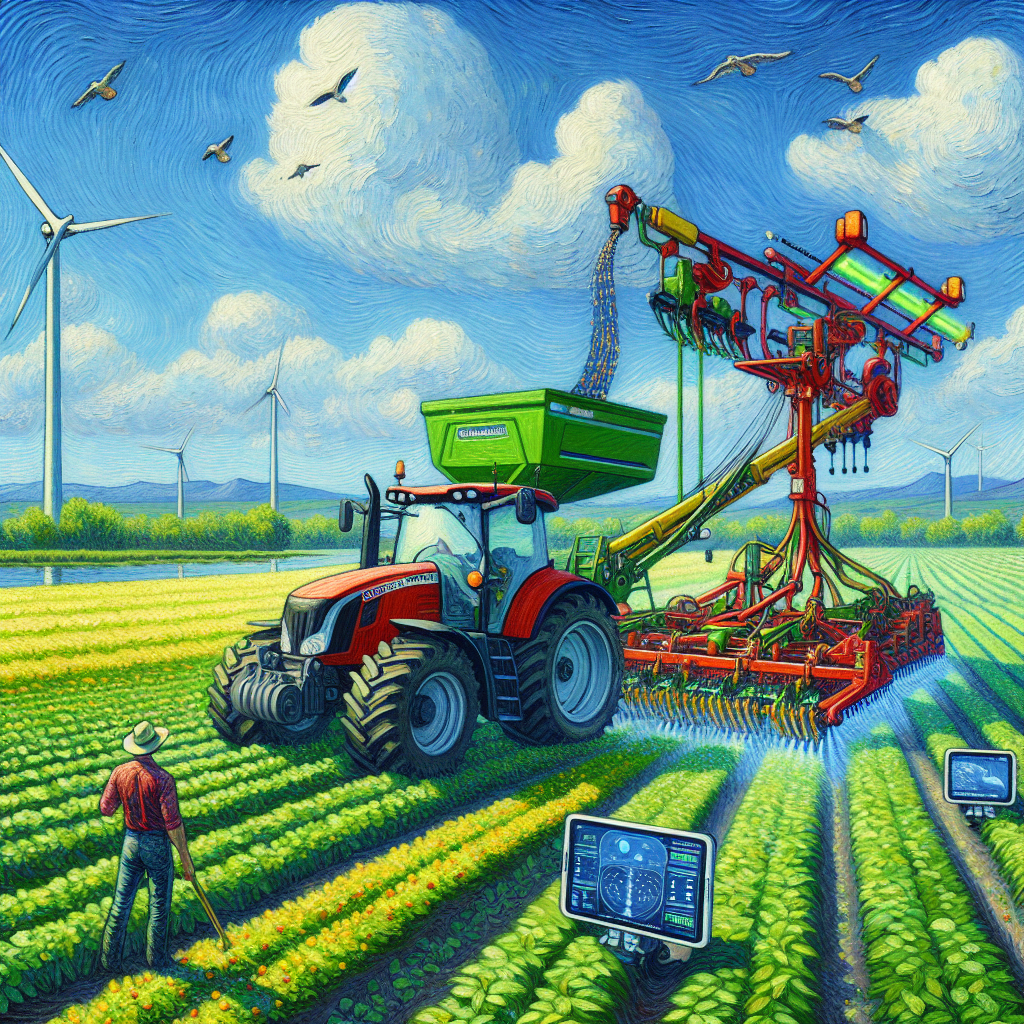
Are Classic Tractors an Affordable Option for Modern Farmers – A Haiku
Rusty wheels roll forth,
Tales of toil and of trust—
Roots run deep and wide.
Haiku
Poem
Are Classic Tractors an Affordable Option for Modern Farmers – A Poem
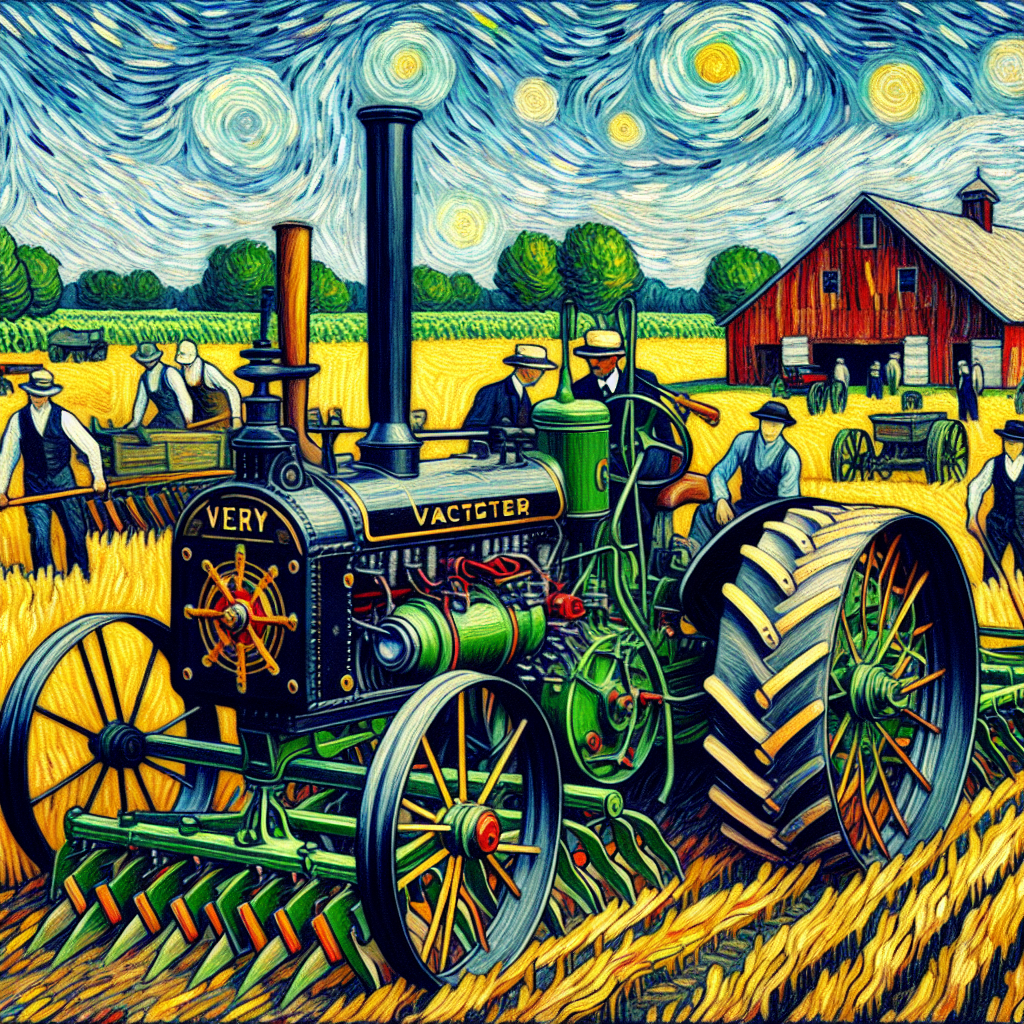
Rusty Hearts and Whirring Wheels: A Tribute to Classic Tractors
In fields where golden sunlight spills,
Traditional giants stand proud with thrills,
Their engines hum the songs of ancestors’ toil,
Crafted from dreams, molded by the soil.
These classic tractors, worn yet wise,
Tell stories of struggle beneath open skies—
Each dent and scratch, a tale to share,
Of families who labored with love and care.
Oh, modern machines with flashing lights,
Promising ease and effortless heights—
Yet can they replicate the joy in the grime,
Or the rhythm of labor stitched through time?
These vintage souls, not just iron and steel,
Invite conversations, let friendships congeal.
With every repair, a lesson learned,
Honoring the past for which we’ve yearned.
In fading echoes of a simpler day,
We celebrate heritage, choose the old way;
Investing in legacies, embracing the real,
An ethical choice, a commitment to feel.
Sustainable paths in a world fast-paced,
Classic tractors preserve what can’t be replaced.
A connection to Earth, a bond that we trace,
With each gentle hum, we nurture our place.
Community blossoms where stories ignite,
Farmers united from morning till night—
Workshops and fairs, laughter and cheer,
Together we honor what we hold dear.
So, as the seasons roll on through the air,
Remember the tractors, their stories to share—
For in every rusted, regal embrace,
Lie echoes of promise, our ties to this place.
With heart, head, and gut in a heartfelt sway,
Consider the classics—let’s pave the way.
For farming’s soul lives not in the drone,
But in cherished machines that forever feel home.
Poem
Checklist
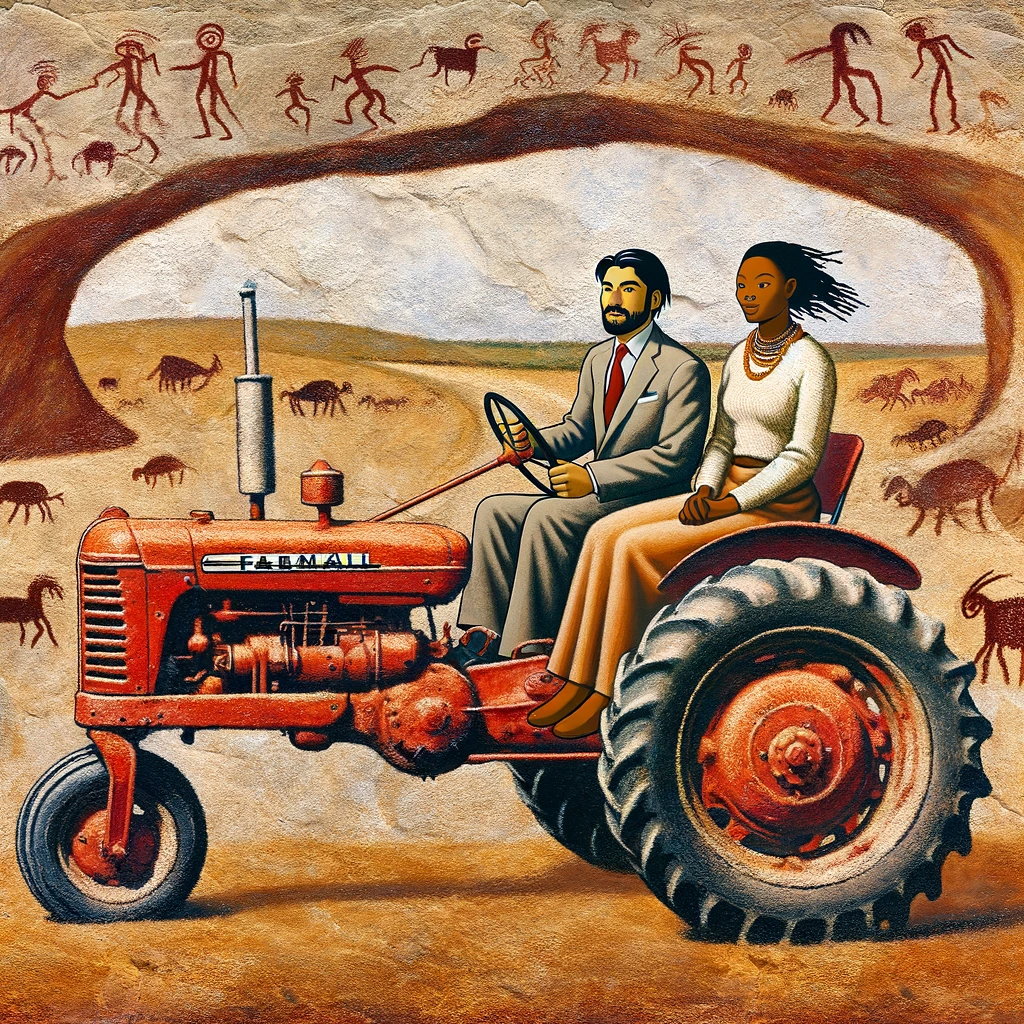
Are Classic Tractors an Affordable Option for Modern Farmers – A Checklist
Checklist: Embracing the Legacy of Classic Tractors for Today’s Farmers
Heart Appeals (Emotional)
1. Reflect on Your Connection to Tradition: Take a moment to think about the stories and history tied to the land you farm. How does embracing classic tractors honor that legacy?
2. Consider the Memories: What nostalgic memories do classic tractors evoke for you or your family? Share these stories with friends or younger generations.
3. Cultivate Community Connections: Engage with fellow farmers about their experiences with classic tractors. How can these discussions deepen your sense of community?
Head Appeals (Rational)
4. Evaluate Cost-Effectiveness: Compare the initial purchase price and maintenance costs of classic tractors versus modern models. Which option offers more long-term savings?
5. Examine Repair Ease: Research the availability of parts for classic tractors and evaluate if they can be more easily repaired with your existing skills and tools.
6. Assess Environmental Impact: Investigate the fuel consumption and emissions of classic tractors versus modern ones. Which aligns better with your sustainable practices?
Gut Appeals (Ethical)
7. Prioritize Sustainable Practices: Choose tractors that promote environmentally friendly farming. Reflect on how your choice aligns with your ethical values.
8. Support Local Economies: Think about purchasing classic tractors from local sellers or farms. How does this decision benefit your community?
9. Honor Craftsmanship: Recognize the value in maintaining and restoring classic tractors. What can you do to advocate for preserving these machines and their stories?
Authority Appeals
10. Seek Expert Opinions: Consult local agricultural experts or vintage tractor restorers for insights on the long-term value and viability of classic tractors.
11. Research Successful Stories: Look for testimonials from farmers who have made the transition to classic tractors. What lessons can you learn from their experiences?
Narrative Appeals
12. Share Farming’stories: Write or share a story that illustrates your journey with tractors—traditional or modern. How does this narrative combine your personal experiences with agricultural history?
13. Join Local Events: Participate in local tractor shows, restoration workshops, or farming fairs. What narratives can you discover and contribute to within your community?
Social Appeals
14. Engage in Community Workshops: Organize or join workshops focused on classic tractor restoration and farming practices. How can these gatherings enhance relationships among farmers?
15. Start Conversations: Use classic tractors as a conversation starter at local gatherings, whether at a diner or online forums. How do these discussions strengthen community bonds?
Closing Reflection
_____ Commit to Action: After considering the checklist, choose one action you can take today—whether it’s researching a classic tractor, sharing a story, or attending a community event—that brings you closer to the legacy of classic tractors and the farming community.
Checklist
At ClassicTractorNews, we help tractor lovers keep up with the latest news for classic and vintage tractors.
Please share this post with your friends, family, or business associates who may like old classic or vintage tractors.