

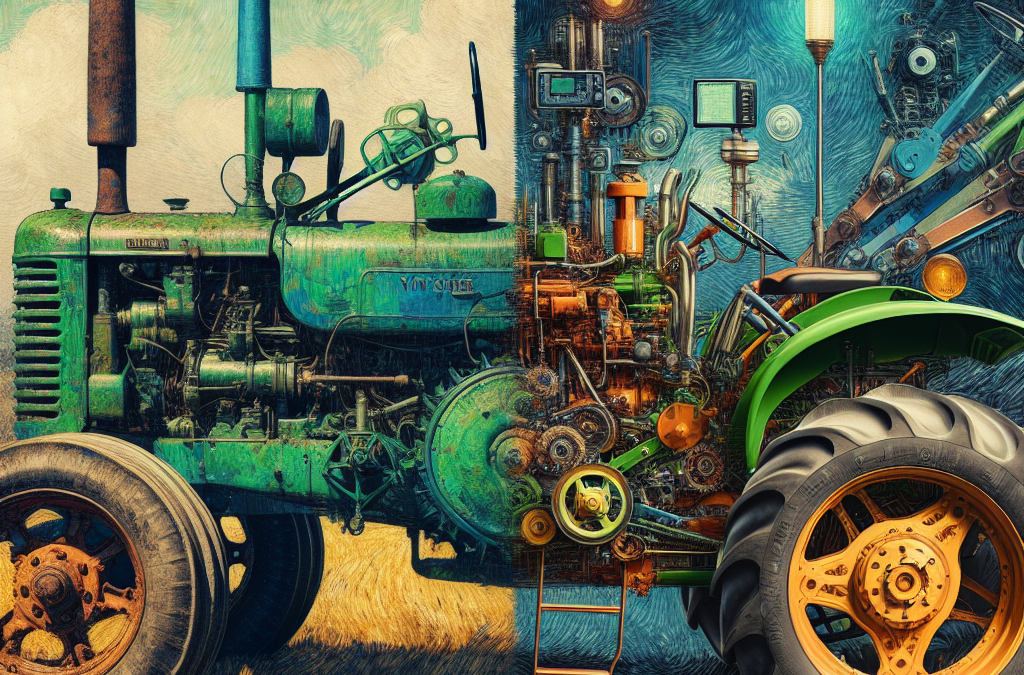
Reviving Tradition For A Sustainable Tomorrow
By Tom Seest
At ClassicTractorNews, we help tractor lovers keep up with the latest news for classic and vintage tractors.
Please share this post with your friends, family, or business associates who may like old classic or vintage tractors.
Are Classic Machines The Future Of Sustainable Agriculture
In an age where technology races ahead, it’s easy to overlook the wisdom embedded in our roots—both literally and metaphorically. Classic machines like the age-old tractor stand as testaments to an era when farming was about connection—to the land, the community, and the very essence of nourishment. When you think about sustainable agriculture, it begs the question: could these tried-and-true machines be paving the way to a more sustainable future?
Picture a quaint farm, the sun casting a golden hue over endless fields. The rhythmic hum of a vintage tractor fills the air, not just any tractor, but one that has been meticulously cared for, passed down through generations. This isn’t just machinery; it’s a narrative of resilience, a bond with our heritage. Every time that engine roars to life, it doesn’t merely plow the field; it plows up memories of hard work, innovation, and creativity—principles that modern agriculture should hold dear.
Now, let’s engage the head. Classic tractors, with their simpler mechanics, offer a practical advantage; they can often be restored and repaired with ease, reducing waste and resource consumption. In contrast, many contemporary machines, laden with complex electronics, can be costly and cumbersome to maintain, leading to a throwaway culture. Choosing vintage isn’t just a romantic notion; it’s a rational step towards minimizing our ecological footprint. These machines remind us that sustainability isn’t always about being sleek and high-tech; sometimes, it’s about finding harmony in simplicity.
Yet the narrative deepens when we consider ethics in agriculture. Every time a farmer chooses a classic tractor over a newer model, they’re making a statement about resilience and independence. It’s a stand against the disposable mindset that has a chokehold on modern agriculture. This choice is a call to arms, a reclaiming of farming’s integrity, while ensuring that the production of our food doesn’t come at the expense of our planet.
By embracing classic machines, we’re also fostering a sense of community. A conversation begins; neighbors bond over restoration projects, farmers share tips, and knowledge is passed down, creating a collaborative environment. In a world that often feels fragmented, grassroots movements born from shared passions have the power to unite us.
So, as we ponder the future, let’s not forget the heart of agriculture—the machines that built it. Trust in the venerable tractor and the simple elegance of classic farming. Together, they can steer us towards a sustainable tomorrow. It’s not just about the land; it’s about all of us.
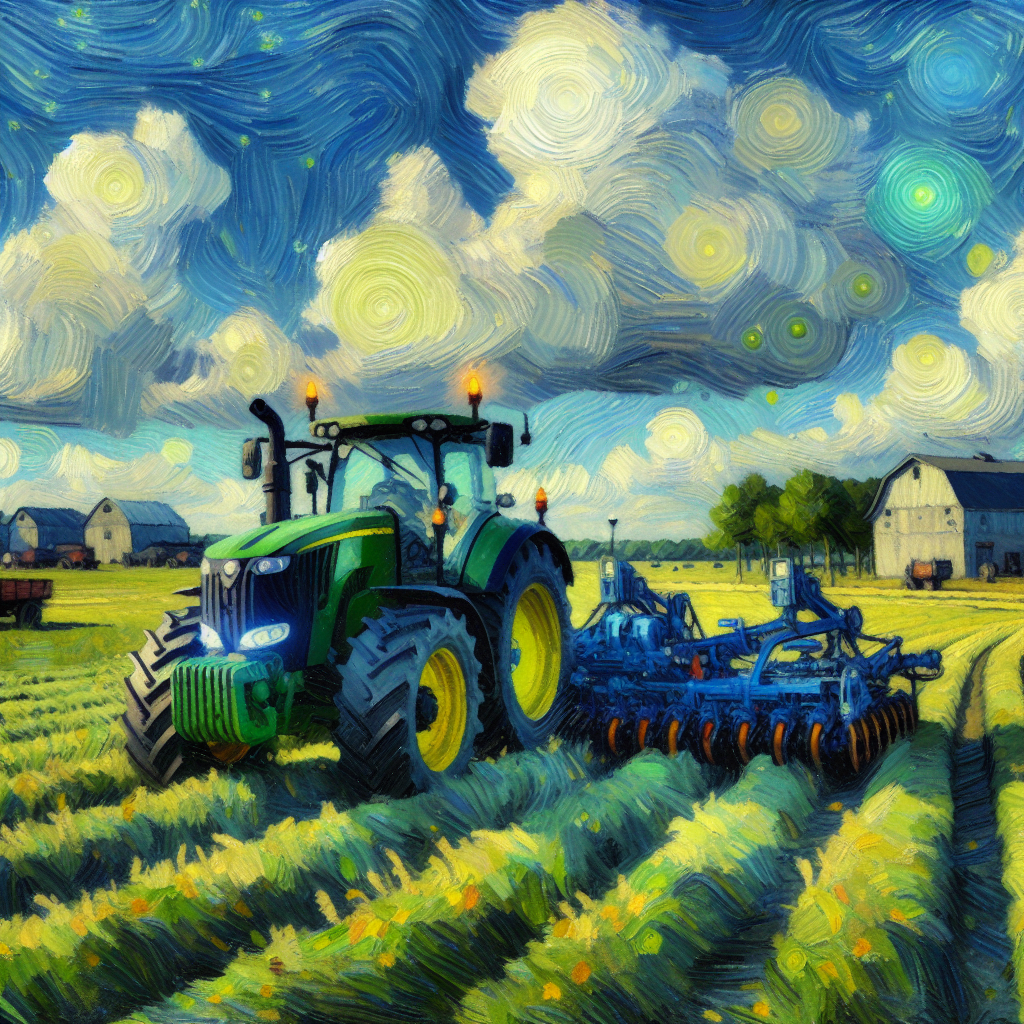
Are Classic Machines The Future Of Sustainable Agriculture
Are Classic Machines The Future Of Sustainable Agriculture
- Technology often distracts from the wisdom found in traditional farming practices.
- Classic tractors symbolize a connection to the land, community, and nourishment.
- These vintage machines represent resilience, heritage, and the principles of hard work and innovation.
- Classic tractors offer practical advantages; they are easier to restore and repair, minimizing waste.
- Choosing vintage machinery can help combat the throwaway culture prevalent in modern agriculture.
- Opting for classic tractors promotes resilience and independence, challenging unsustainable practices.
- Embracing traditional farming fosters community through shared projects and knowledge exchange.
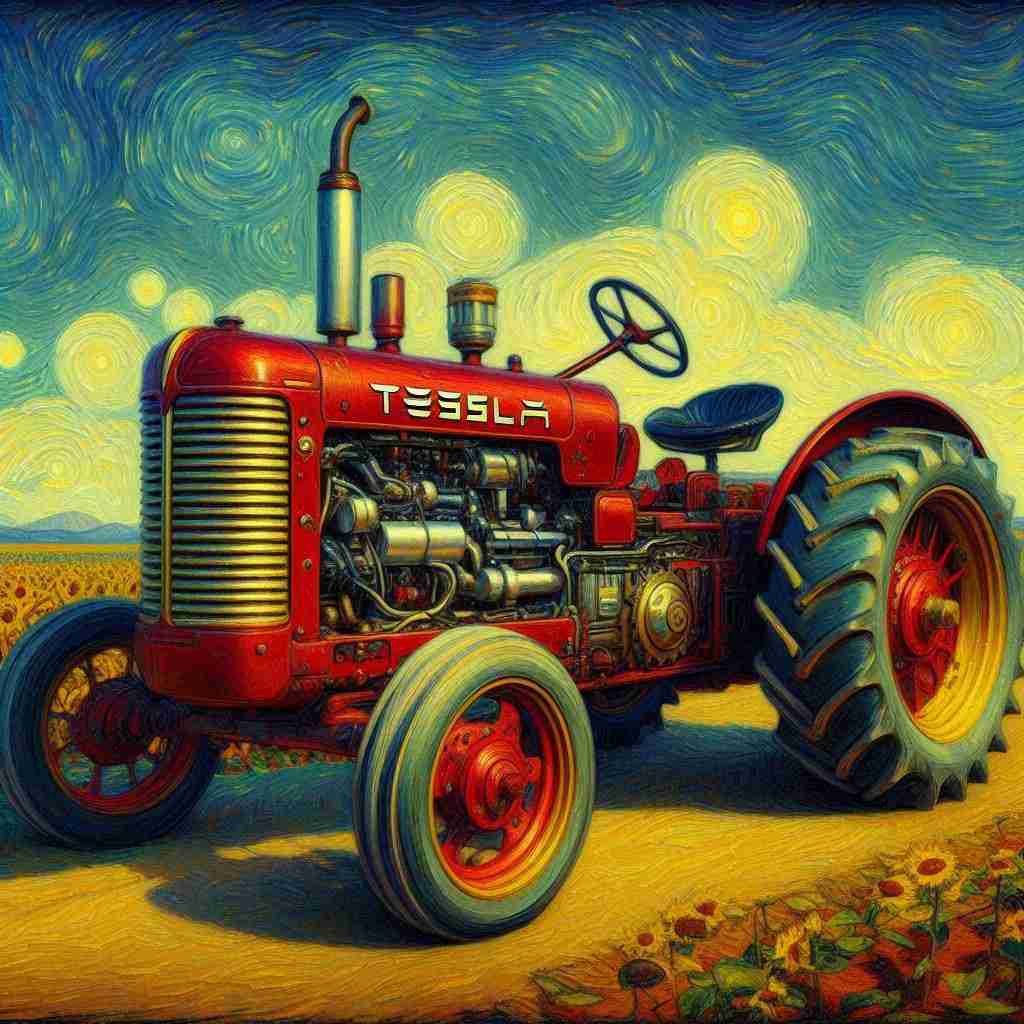
Are Classic Machines The Future Of Sustainable Agriculture
Table Of Contents
- Are Classic Machines The Future Of Sustainable Agriculture
- Are Classic Machines A Forgotten Solution For Sustainable Farming?
- Can Old Technology Be Reimagined For Modern Agricultural Needs?
- How Do Classic Machines Reduce Our Carbon Footprint In Farming?
- Can Vintage Tractors Connect Us With Our Agricultural Heritage?
- Are Classic Methods More Resilient In The Face Of Climate Change?
- How Can Classic Machines Enhance Local Food Systems And Communities?
- Conclusion
- Other Resources
- Glossary Of Terms
- Other Questions
- Haiku
- Poem
- Checklist
Are Classic Machines A Forgotten Solution For Sustainable Farming?
In today’s world, where the phrase “sustainable farming” gets tossed around like a well-loved baseball, it’s easy to overlook the roots—quite literally—of how we cultivate our land. Classic machines, especially the iconic tractor, may seem like relics of a bygone era. But let’s pause for a moment and consider them not just as old iron, but as steadfast companions in our journey toward a more sustainable future.
Picture an early morning on a sprawling farm, the sun slowly peeking over the horizon. The air is crisp, the land is alive, and there stands a classic tractor, its paint faded but its heart still strong. This machine doesn’t just plow the fields; it embodies the grit and determination that farmers have poured into the land for generations. These tractors, built to last, require far less fuel than their modern counterparts, making them a low-tech yet incredibly effective solution to one of our biggest challenges—soil conservation and minimizing carbon footprints.
Now, let’s think about our precious earth. With the looming threat of climate change, we must ask ourselves: is it ethical to discard what has already proven successful? These tractors may clatter and groan, but they bring a wealth of experience. Just as seasoned farmers pass down wisdom, classic machinery carries the legacy of hard work, resilience, and community. They remind us that our farms are more than just factories; they’re ecosystems that demand care and respect.
Moreover, the beauty of these machines lies in their simplicity; they can be repaired, modified, and passed down. Imagine the connection that builds within families, celebrating the stories of those who toiled before us. When you fix a vintage tractor with your child or grandchild, you’re not just restoring metal—you’re nurturing a bond grounded in history and purpose.
Looking at the broader picture, embracing classic machines is more than nostalgia; it’s a statement of social responsibility. In a world obsessed with the new, standing by proven methods signals a commitment to sustainable practices that honor our past while securing our future.
So, let’s not allow the tractor—or the values it represents—to fade into obscurity. Instead, let’s rev up those engines, not just for the crops, but for the health of our planet and the stories that bind us all together as stewards of the earth. It’s time to rediscover the beauty in the old ways and harness their potential to inspire a greener tomorrow.
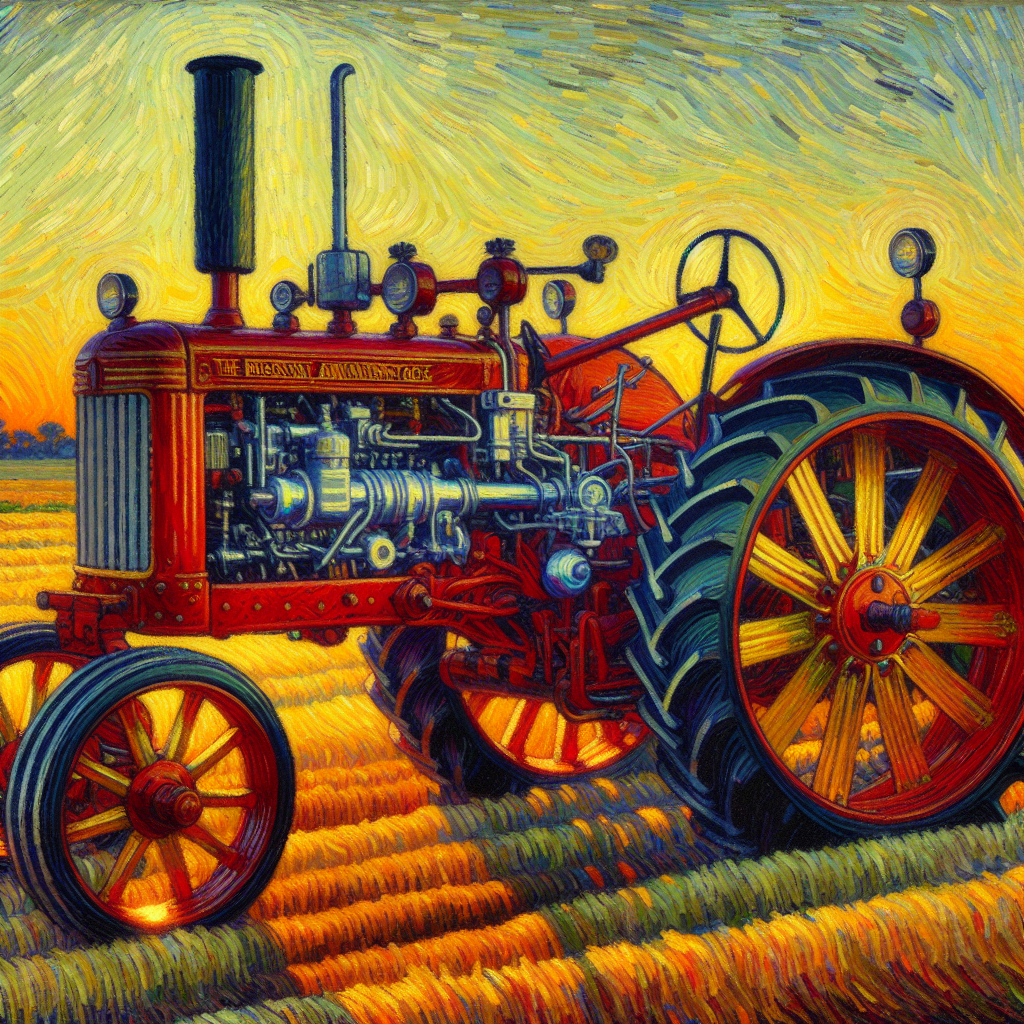
Are Classic Machines A Forgotten Solution For Sustainable Farming?
Are Classic Machines A Forgotten Solution For Sustainable Farming?
- “Sustainable farming” is a popular concept, but we must recognize the importance of traditional farming methods.
- Classic tractors, though seen as outdated, are valuable tools that contribute to sustainable agriculture.
- These machines require less fuel and support soil conservation, addressing climate change challenges.
- Classic tractors symbolize a legacy of hard work, resilience, and respect for the farming ecosystem.
- They can be repaired and passed down, fostering family connections and preserving history.
- Embracing classic machinery reflects social responsibility and a commitment to sustainable practices.
- We should revitalize the use of tractors and their values to promote a healthier planet and shared stories.
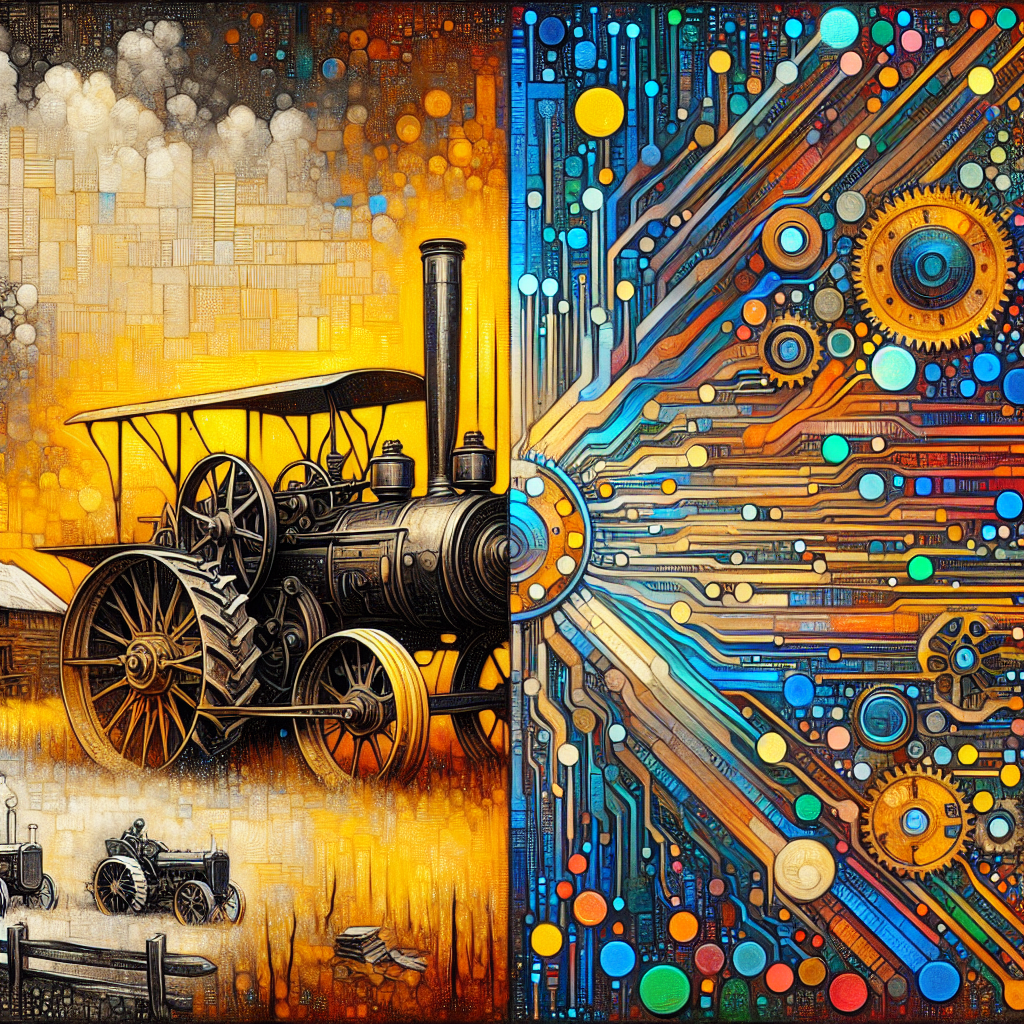
Are Classic Machines A Forgotten Solution For Sustainable Farming?
Can Old Technology Be Reimagined For Modern Agricultural Needs?
Picture a sun-soaked field stretching as far as the eye can see, where the hum of machinery mingles with the rush of the wind. At the center of it all stands the tractor—a stalwart symbol of agriculture that has been in farmers’ hearts and hands for generations. This rugged workhorse has long been a vital part of our farming narrative, steeped in tradition yet brimming with untapped potential. But like many things in our world, it’s time to ask: can we reimagine this tired old technology to meet the formidable challenges of today?
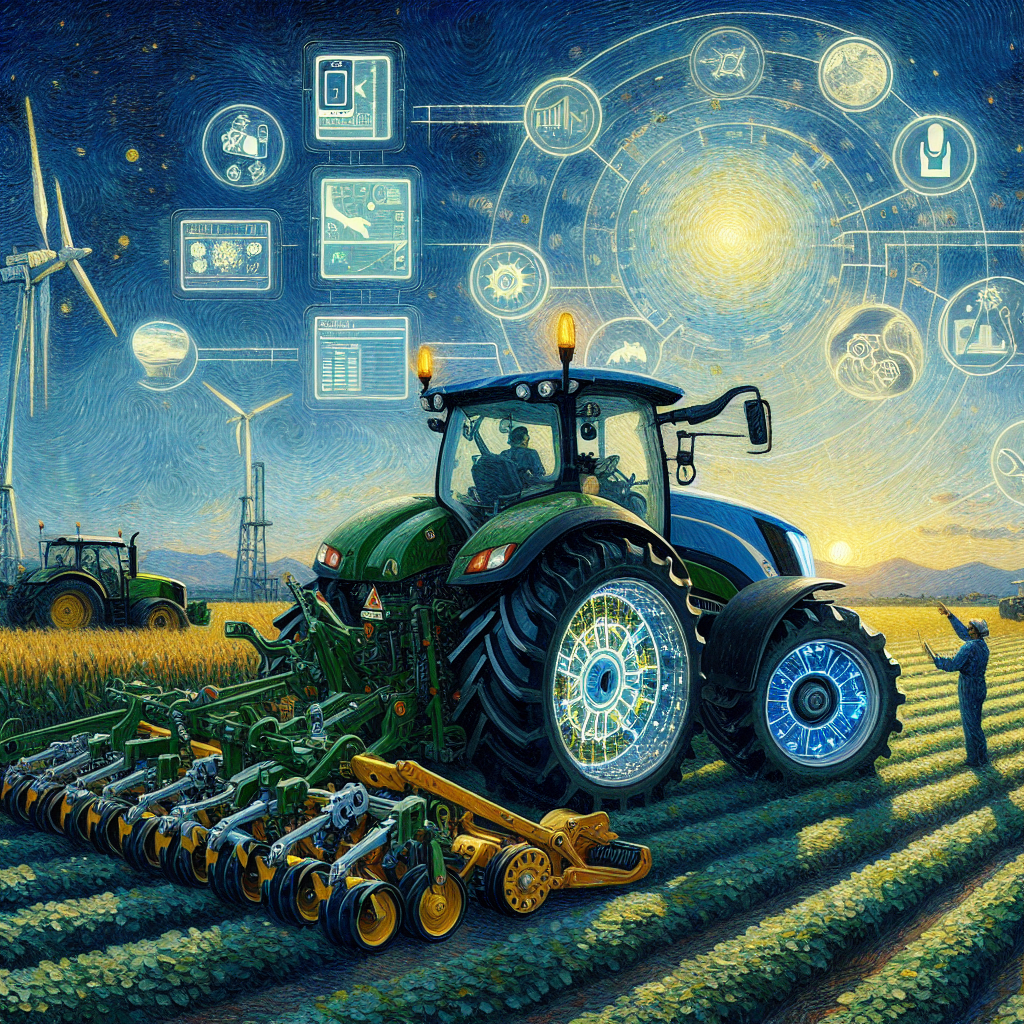
Let’s take a moment to consider the heart of the matter. Every farmer knows that their relationship with the land is profound. It’s not just about plowing fields; it’s about nurturing life, preserving heritage, and holding a deep respect for nature. By rethinking the tractor—updating it with advanced sensors for real-time soil analysis or equipping it with precision technology to reduce waste—we can honor that bond while increasing efficiency and yield in ways that make every farmer proud. Imagine a future where the tractor is not just a tool, but a partner in safeguarding our precious resources.
Rationally, we must recognize the facts. Climate change is altering the agricultural landscape. We face dwindling resources, rising costs, and the looming shadows of food insecurity. It’s no stretch to say that old farming practices won’t cut it anymore. The integration of smart technology into existing equipment is a logical step forward—lowering emissions, maximizing output, and ensuring that every seed sown can grow into a harvest that feeds the world.
Ethically, we stand at a crossroads. We must balance the old with the new, ensuring that progress doesn’t come at the cost of our environment. By enhancing tractors with sustainable technologies, we’re not only preserving our past but nurturing our collective future. It’s a commitment to responsibility—one we owe to both the farmers who toil day in and day out and the generations who will inherit the land.
So, will you join this movement? Let the stories of resilient farmers and their transformed tractors inspire you. Together, we can create a dialogue around technology that draws us closer—rooted in tradition yet reaching for a sustainable future. The question is no longer whether old technology has a place—it’s how we can breathe new life into it for the benefit of our planet and all who depend upon it.
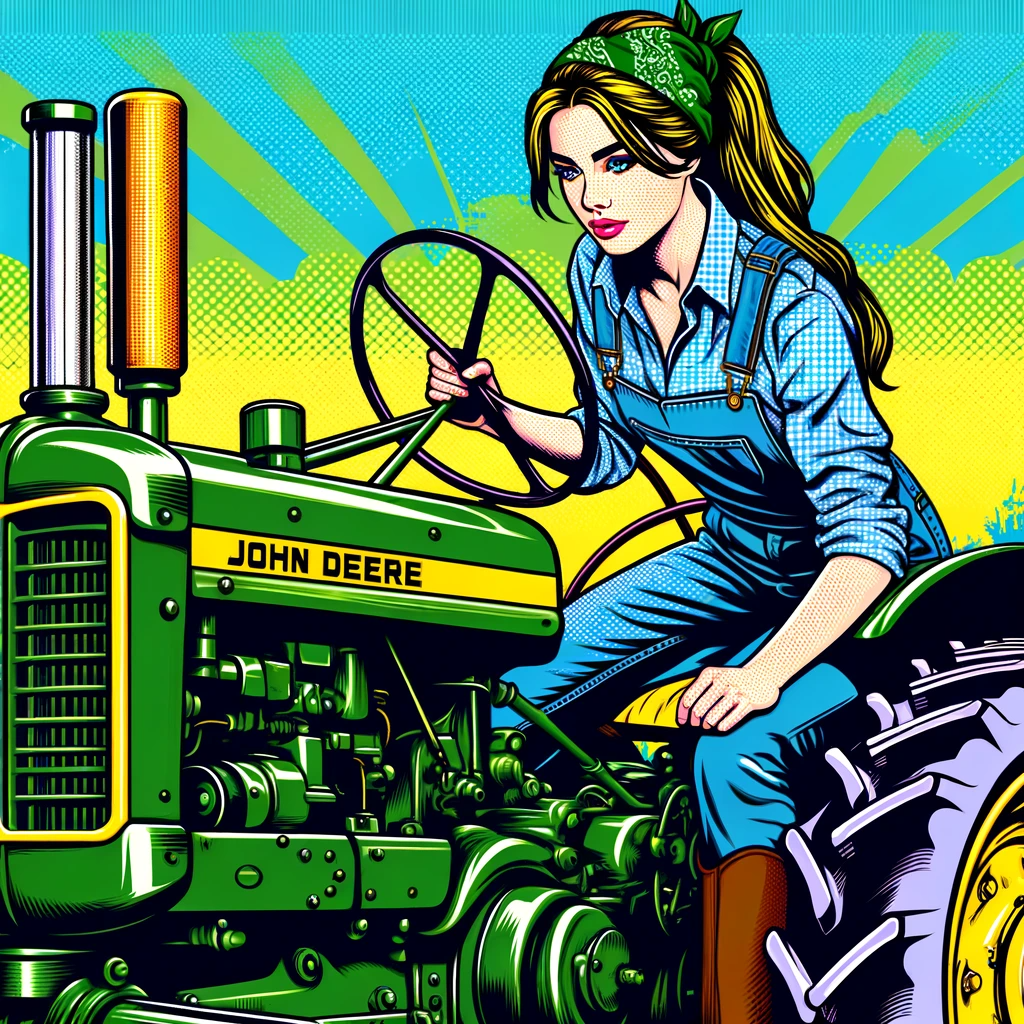
Can Old Technology Be Reimagined For Modern Agricultural Needs?
Can Old Technology Be Reimagined For Modern Agricultural Needs?
- The tractor symbolizes agriculture, representing tradition and untapped potential in farming.
- Farmers have a profound relationship with the land, emphasizing the importance of nurturing life and respecting nature.
- Updating tractors with advanced sensors and precision technology can increase efficiency and yield while honoring farmers’ bonds with the land.
- Climate change presents significant challenges, requiring modernized farming practices to combat dwindling resources and food insecurity.
- Integrating smart technology into tractors can lower emissions and maximize agricultural output, ensuring sustainable food production.
- Balancing old practices with new technologies is essential for preserving the environment and nurturing future generations.
- Embracing the transformation of tractors can create a supportive dialogue around sustainable agriculture that honors tradition and looks toward the future.
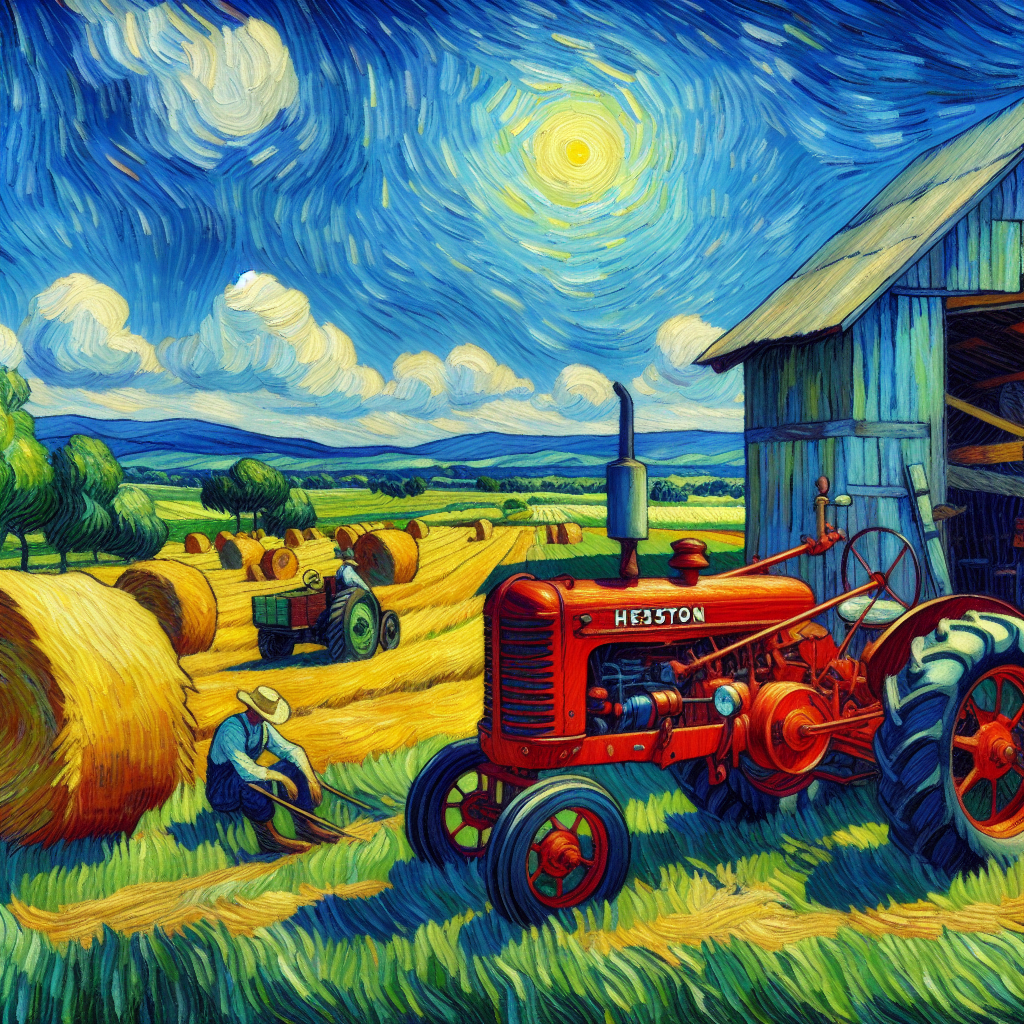
Can Old Technology Be Reimagined For Modern Agricultural Needs?
How Do Classic Machines Reduce Our Carbon Footprint In Farming?
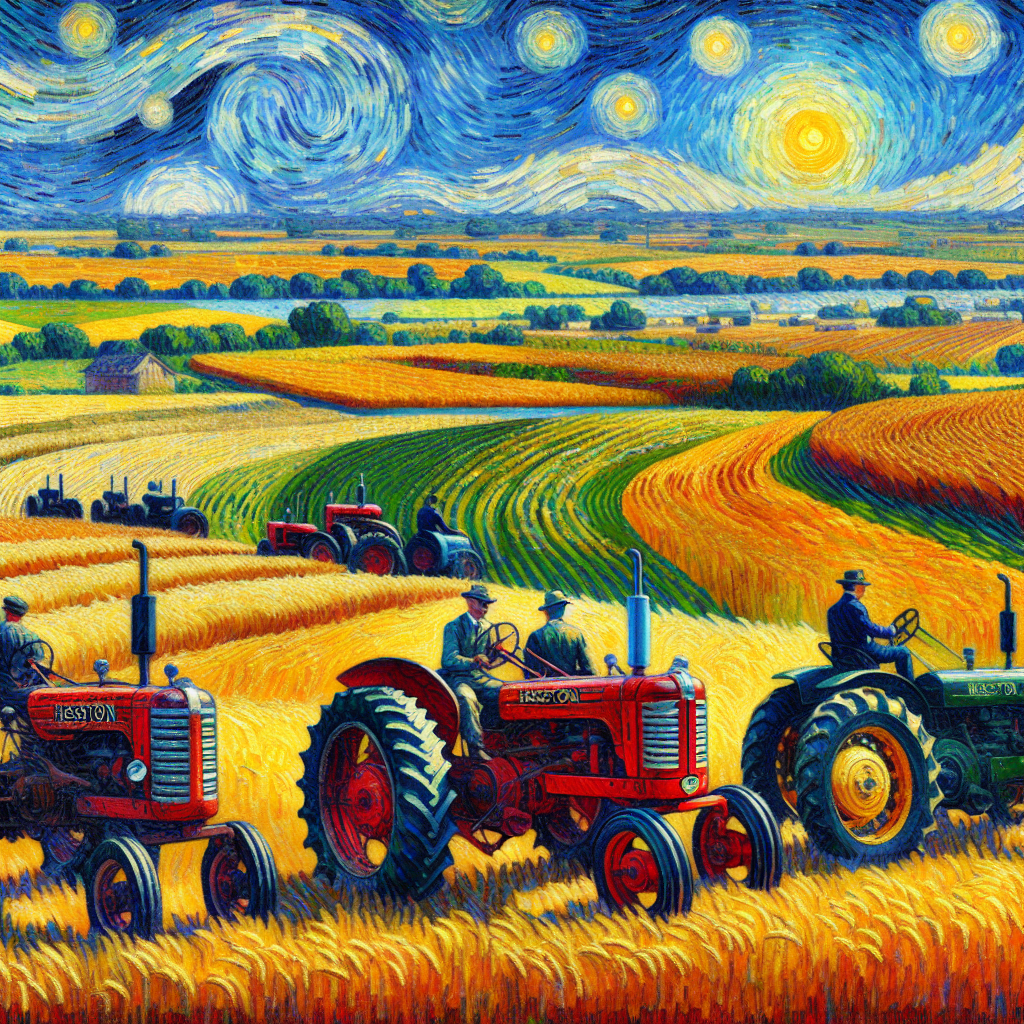
When we think of farming, our minds often drift to the image of a vast, sun-drenched field filled with crops swaying in the breeze. But out there in that soil, doing the heavy lifting, is something we often overlook: the classic tractor. Sure, it may not have the bells and whistles of modern machines, but these steadfast workhorses carry a weight far beyond what meets the eye. They are a critical piece in the puzzle of sustainable agriculture—a tool that beautifully connects past innovations with our urgent need for environmental stewardship.
Picture a small family farm, where generations have relied on their trusty tractor. It’s more than just an engine on wheels; it’s a commitment forged in the sweat and toil of farmers who have cultivated the land for decades. By choosing to restore and maintain these classic machines instead of trading them for high-tech alternatives, farmers can significantly reduce their carbon footprint. These older models are often built to last and can be repaired more easily, minimizing waste and the carbon emissions associated with manufacturing new equipment. It’s a conscious choice that speaks to the heart—a decision rooted in respect for the land and the labor that nurtures it.
Let’s be honest; running a modern farm isn’t just about technology; it’s about the smart application of resources. Classic tractors, when maintained properly, consume less fuel than their newer counterparts while delivering the horsepower farmers need. They embody a philosophy of efficiency, proving that you don’t need the latest gadgetry to get the job done right. It’s a lesson in wisdom that transcends generations—an ethic that champions practicality over gimmicks.
Moreover, every time a farmer chooses a durable, vintage tractor over a flashy new model, they are sending shockwaves through the agricultural community. They inspire fellow farmers to rethink their strategies, fostering a culture that values long-term sustainability over short-lived trends. It’s a social movement grounded in responsibility—a call to unite for the health of our planet.
So next time you see a classic tractor working in the field, remember it’s not just machinery. It’s a symbol of resilience, innovation, and hope. Each turn of the wheel is a step toward reduced emissions and a commitment to a better future for the earth, one farm at a time. Embrace the old, and let’s cultivate a greener tomorrow, together.
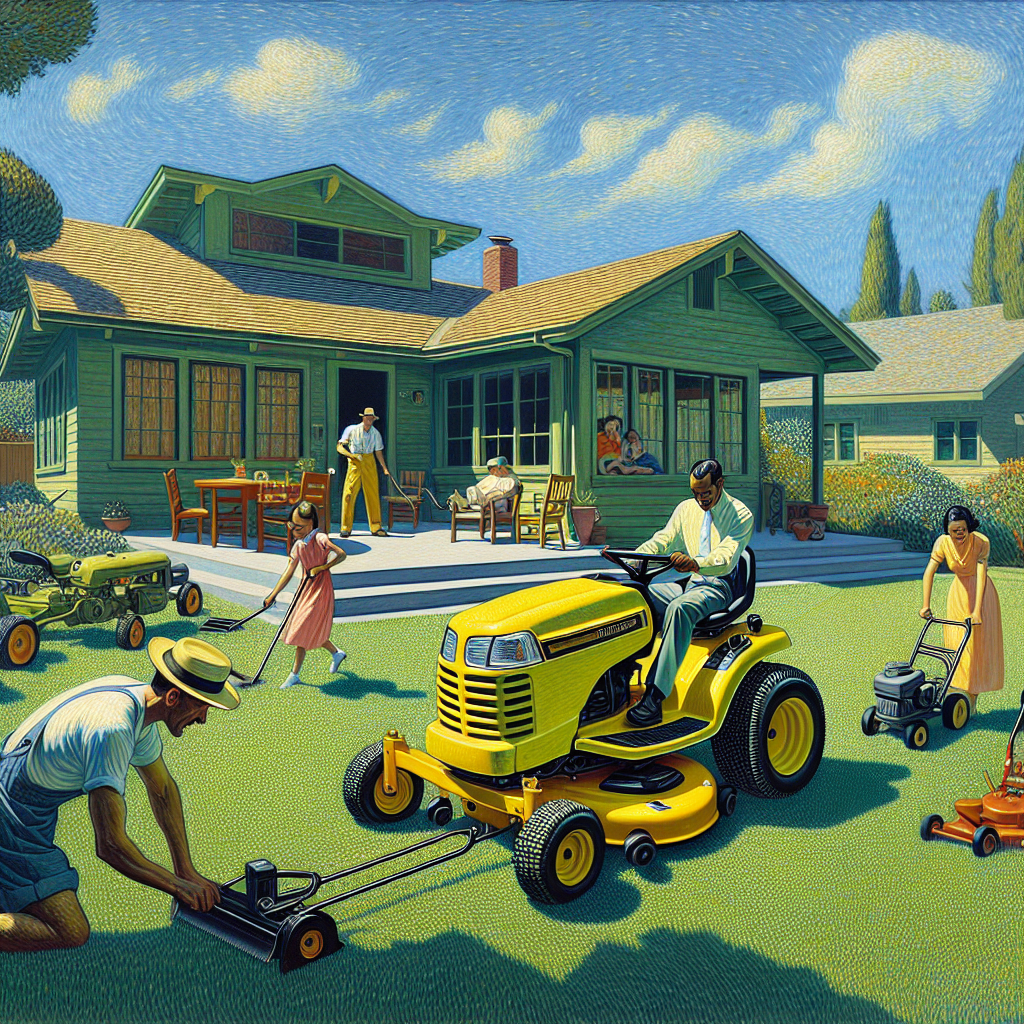
How Do Classic Machines Reduce Our Carbon Footprint In Farming?
How Do Classic Machines Reduce Our Carbon Footprint In Farming?
- Classic tractors are often overlooked but are essential for sustainable agriculture.
- They represent a deep connection between history and modern environmental stewardship.
- Maintaining and restoring classic tractors helps reduce farmers’ carbon footprints.
- Older tractor models are usually more durable and easier to repair, minimizing waste.
- Classic tractors consume less fuel than newer models while providing necessary horsepower.
- Choosing vintage tractors can inspire a culture of long-term sustainability among farmers.
- Classic tractors symbolize resilience and hope for a greener future in agriculture.
How Do Classic Machines Reduce Our Carbon Footprint In Farming?
Can Vintage Tractors Connect Us With Our Agricultural Heritage?
Revving Up Our Roots
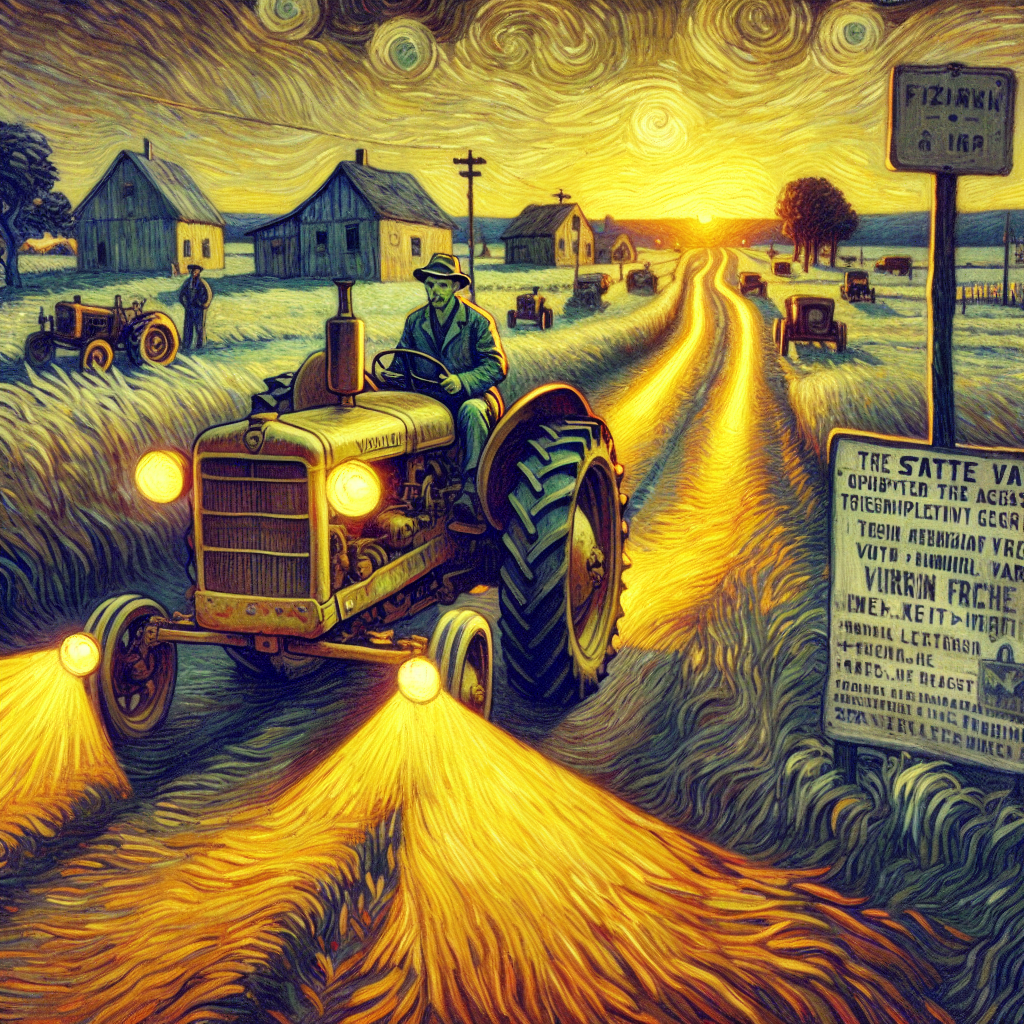
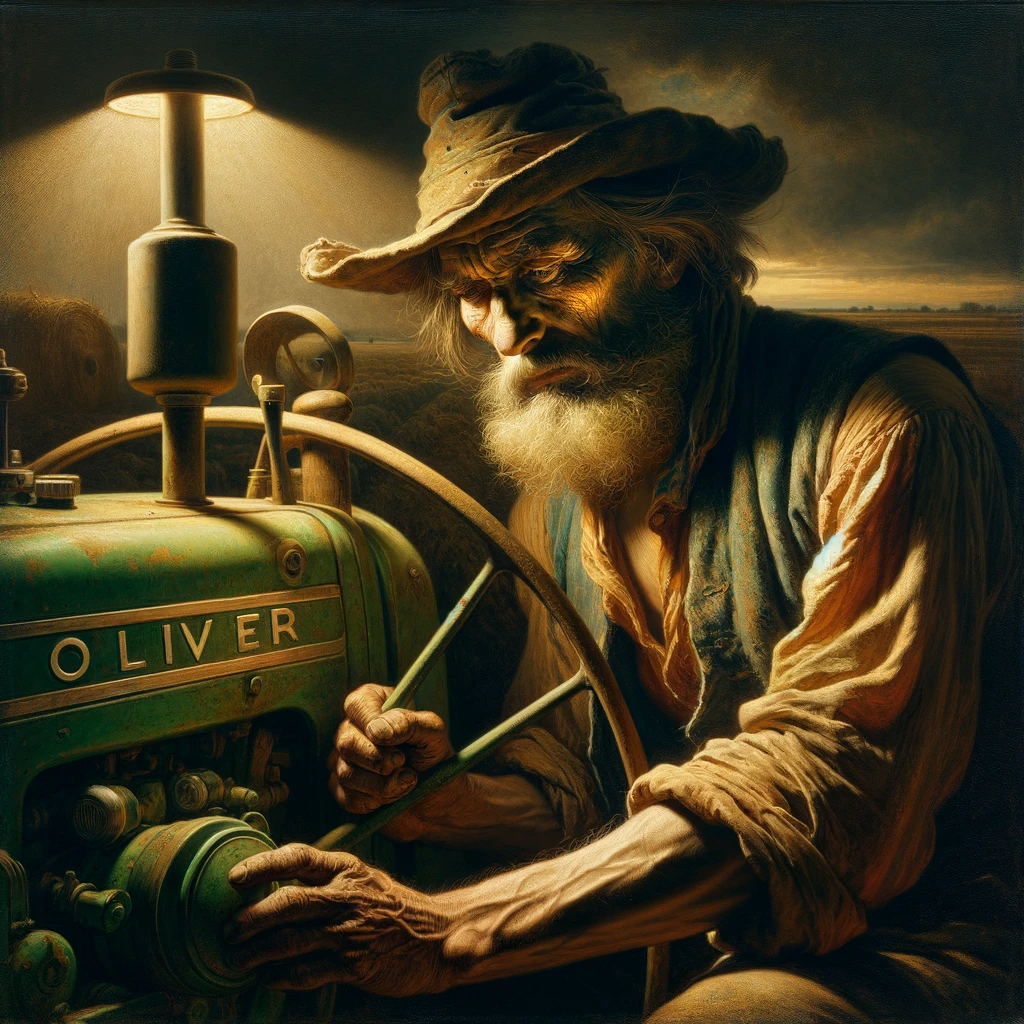
There’s something undeniably magnetic about a vintage tractor. Standing in the presence of one is akin to looking into the soul of agriculture itself. These iron beasts, with their rusted frames and faded paint, are more than just machines; they are the embodiment of a simpler time when hard work and honesty were the cornerstones of our communities. And let’s face it—there’s a rawness to these tractors that connects us with our roots, reminding us of the farmers who toiled tirelessly in fields that stretched for miles, sunburnt and calloused hands gripping the steering wheel.
What draws us in is the story behind each tractor. Each dent and scratch tells tales of rain-soaked mornings, the sweat of labor, and the satisfaction of harvests gathered. This is far more than nostalgia; it’s a narrative that unites generations. Our grandparents and great-grandparents relied on these powerful machines to bring food to our tables. These vehicles served as vital tools in an era when self-sufficiency was not just a trend but a necessity. In an age where many of us are disconnected from our agricultural roots, these tractors urge us to remember that, at some point, our ancestors plowed the land to create a life—one that provides the food we consume daily.
From an ethical standpoint, embracing vintage tractors can also foster a greater respect for sustainable practices. They evoke a sense of responsibility toward the environment and our food systems. Seeing the care taken in maintaining these timeless machines urges us to ponder the sustainability of modern equipment and how we can balance technological advancement with tradition.
Moreover, tapping into this heritage is not just about respecting the past; it’s about energizing our future. Vintage tractors can serve as a catalyst for community engagement. Vintage plow days, tractor shows, or even restoration projects bring people together, forging friendships that are often as sturdy as the steel of the machines themselves. It reminds us that we are part of a larger tapestry—woven with the threads of shared stories, values, and visions.
So, the next time you see a vintage tractor parked in a field or showcased at a fair, take a moment to appreciate it. Stand a little taller. Take a deep breath of that earthy air. These machines are more than relics; they are links in a long chain, reminding us that our agricultural heritage is alive and waiting for us to reclaim it.
Can Vintage Tractors Connect Us With Our Agricultural Heritage?
Can Vintage Tractors Connect Us With Our Agricultural Heritage?
- Vintage tractors symbolize the soul of agriculture and a simpler time.
- Each tractor tells a story, connecting generations through shared experiences of labor and harvest.
- These machines remind us of the self-sufficiency that was once vital for survival.
- Embracing vintage tractors encourages respect for sustainable practices and responsibility towards the environment.
- Engaging with this heritage can foster community through events like vintage plow days and tractor shows.
- Vintage tractors serve as reminders of our agricultural roots and the importance of our heritage.
- They invite us to appreciate the past while energizing our future through shared stories and values.
Can Vintage Tractors Connect Us With Our Agricultural Heritage?
Are Classic Methods More Resilient In The Face Of Climate Change?
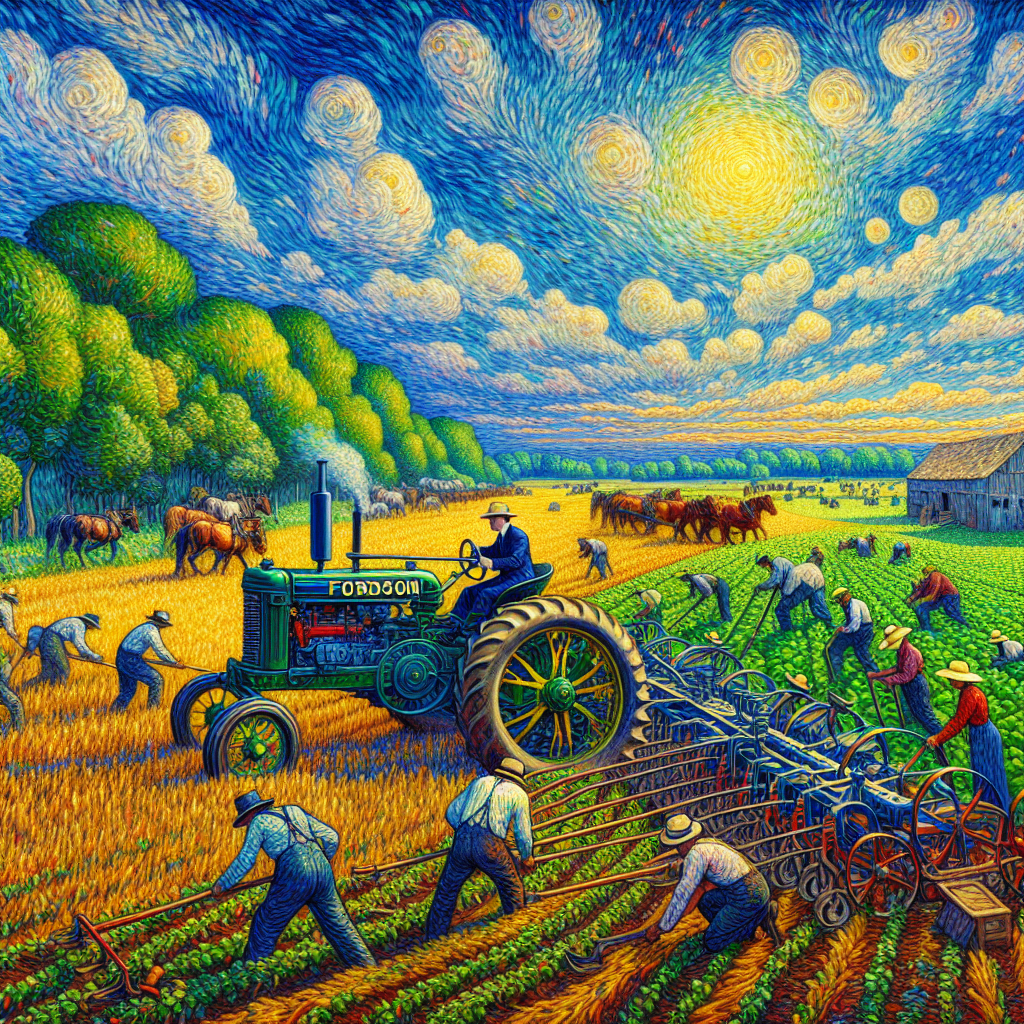
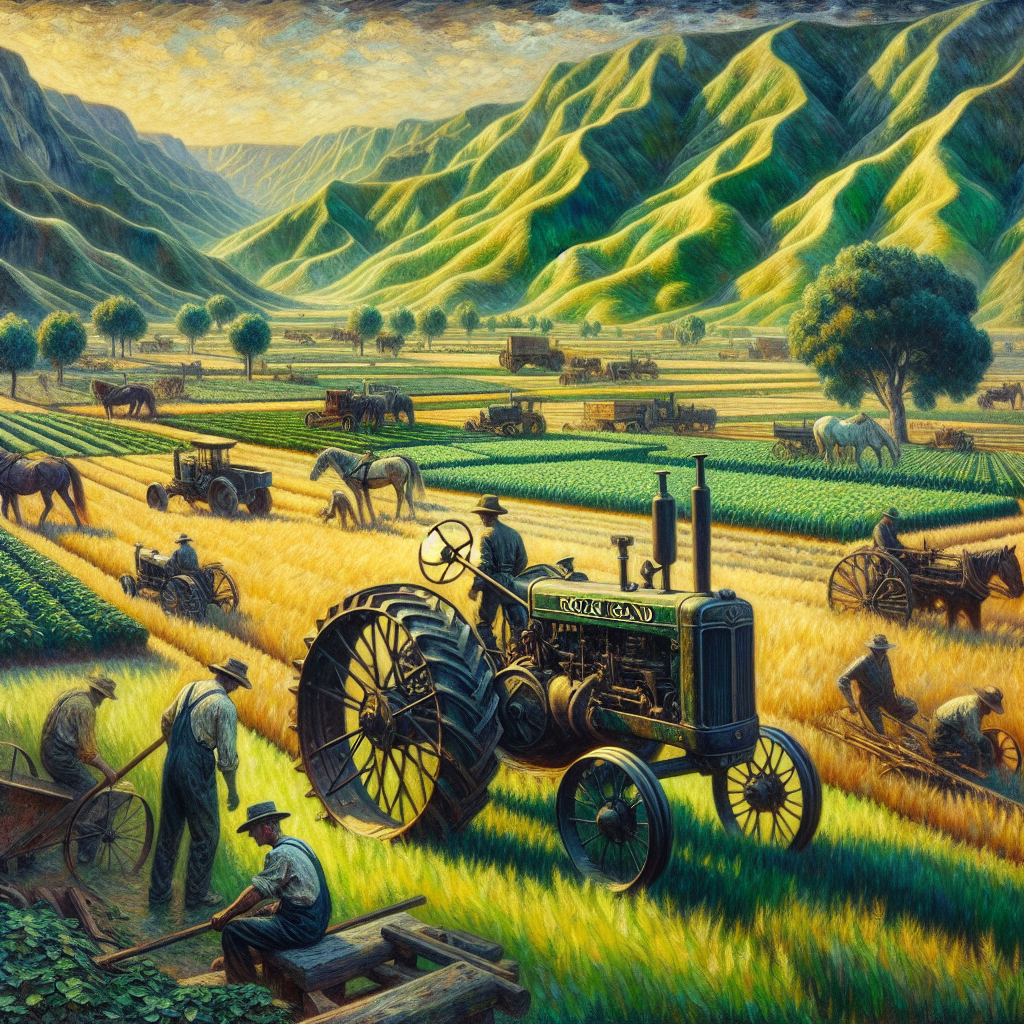
Picture this: a sturdy old tractor chugging across a sun-soaked field, its worn tires leaving a trail in the dust of tradition. This metal beast, with its rusted paint and familiar hum, can’t help but evoke a sense of nostalgia and reliability. But beyond the sentimentality lies a profound truth—classic methods of farming and resource management are standing the test of time in an era when climate change threatens to upend our very existence.
Now, let’s engage the heart. Those farmers who have relied on their grandfathers’ practices—crop rotation, cover cropping, and biodiversity—aren’t just clinging to the past; they’re forging a path toward a sustainable future. When the storms rage and the droughts stretch endlessly, these methods remind us that nature isn’t just a helpless victim. It’s a resilient dancer, capable of repairing itself when given the right support. Our role? To step in rhythm, planting seeds of knowledge that flourish in the face of adversity.
Intellectually, applying timeless techniques is rooted in evidence. Research repeatedly shows that diversified crops enhance soil health, reduce pests organically, and keep nutrient cycles alive. It’s both ethical and pragmatic; nurturing the environment means nurturing ourselves and the generations to come. A system reliant on monoculture may yield temporary profits, but when a drought hits, the fallacy of that approach becomes glaringly clear.
Tying it all together, there’s an authority in tradition that commands respect. Those old tractors our grandparents drove aren’t just antiques; they are symbols of wisdom forged in the fires of experience. Each dent and scratch tells a story of resilience—of years spent risking it all, learning, adapting, and ultimately thriving amid uncertainty. It fosters a kinship with the land, reminding us of our shared responsibility to care for it.
So, let’s have a conversation. Let’s reclaim our trust in the timeless approaches our ancestors used and meld them with modern technology. Let’s work alongside the old guard, channeling their hard-won insights while giving a nod to innovation. Together, we can strive for a blend that honors tradition yet embraces progress. The future may feel daunting, but with the fortitude of the past and the tools of the present, we’ll not just survive; we’ll thrive. Let’s rise to the challenge and take action before it’s too late. Tractors or not, we’re all in this together.
Are Classic Methods More Resilient In The Face Of Climate Change?
Are Classic Methods More Resilient In The Face Of Climate Change?
- Sturdy old tractors symbolize nostalgia and reliability in farming.
- Classic farming methods like crop rotation and biodiversity are vital in addressing climate change.
- Farmers using these traditional techniques contribute to a sustainable future.
- Diverse crops improve soil health, reduce pests, and maintain nutrient cycles.
- Monoculture poses risks, becoming apparent during adverse conditions like droughts.
- Traditional practices represent wisdom and resilience learned through experience.
- A blend of timeless methods and modern technology can lead to a thriving future.
Are Classic Methods More Resilient In The Face Of Climate Change?
How Can Classic Machines Enhance Local Food Systems And Communities?
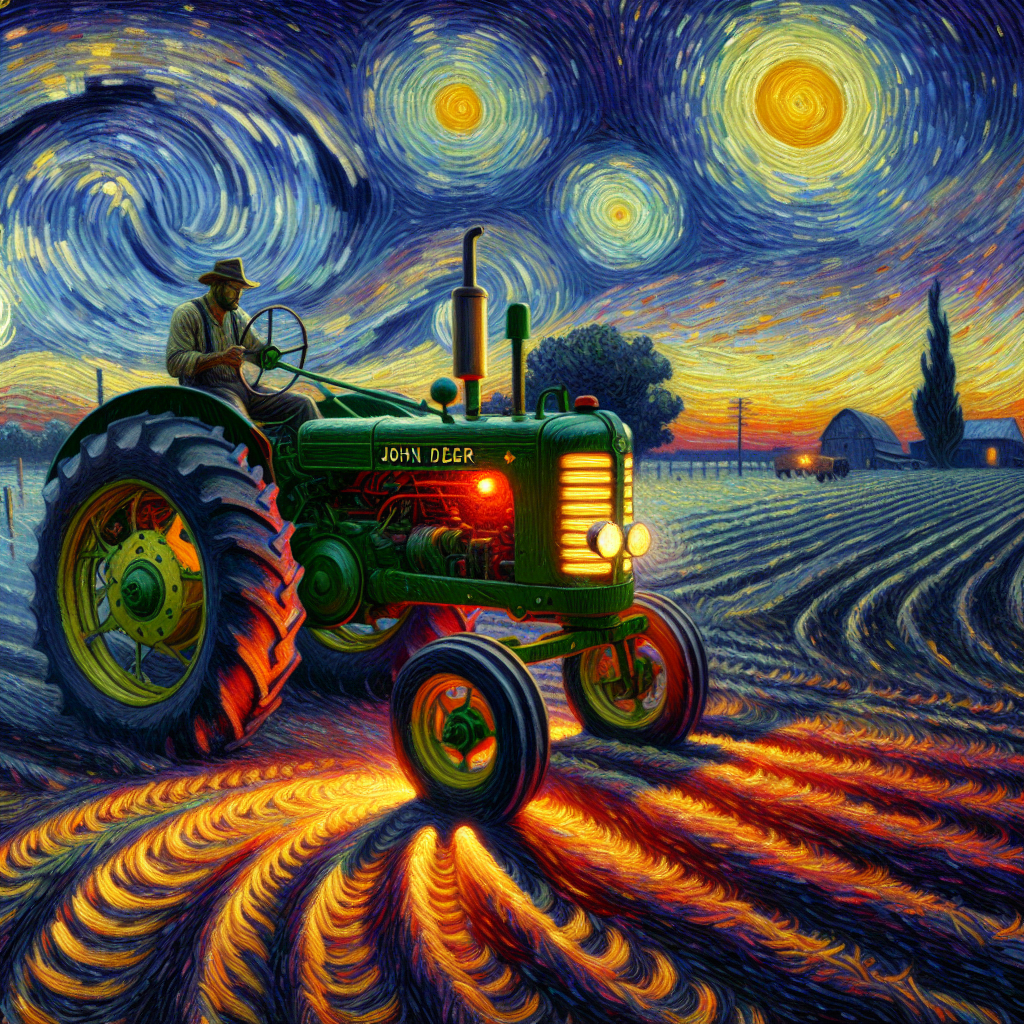
When you see a tractor gleaming under the warm sun, it’s not just another piece of machinery; it’s a symbol of resilience and community. Picture this: a small farm at dawn, the steady rumble of the tractor echoing through the fields, ready for another day of hard work. These classic machines connect us to our roots, bringing life to the soil and laughter to the air. They remind us that food doesn’t just come from grocery stores, but from honest labor and a dedication to nurturing the land.
At the heart of any local food system lies a network of relationships—families that toil together, friends who share the harvest, and neighbors supporting one another. When we incorporate classic machines like tractors into our farming practices, we foster a sense of pride and ownership that resonates in our communities. These machines are more than tools; they are bridges to our past, embodying the stories of those who cultivated the earth before us. They inspire us to be stewards of the land while reinforcing the importance of sustainable agriculture.
Economically, utilizing classic tractors can significantly decrease the costs associated with farming, allowing smaller producers to thrive alongside larger operations. This creates a resilient local economy, where the profits circulate within the community—families supporting families. When individuals invest in local food, they make a conscious choice about where their dollars go. This kind of investment nurtures not just the soil, but also our collective spirit.
Moreover, there’s an ethical responsibility that comes with using classic machines. We owe it to each other to advocate for practices that ensure food security and environmental sustainability for future generations. When you make the choice to support local farmers who wield these timeless tools, you’re not merely buying food; you’re endorsing a lifestyle and philosophy that values hard work, community engagement, and ecological balance.
So the next time you see a tractor roaring through a field or standing still alongside an old barn, remember: it’s not just machinery. It’s a connection to our heritage, a driver of our local economies, and a beacon of hope for a food system that thrives on collaboration and compassion. By understanding and supporting these classic machines, we nurture more than crops; we cultivate the heart of our communities.
How Can Classic Machines Enhance Local Food Systems And Communities?
How Can Classic Machines Enhance Local Food Systems And Communities?
- A tractor symbolizes resilience and community in farming.
- Classic machines connect us to our roots, reminding us of the hard work behind food production.
- Local food systems are built on relationships among families, friends, and neighbors.
- Using classic tractors fosters pride and ownership in communities while promoting sustainable agriculture.
- These tractors can lower farming costs, allowing small producers to thrive alongside larger operations.
- Investing in local food supports the community’s economy and demonstrates a commitment to ethical practices.
- Tractors embody a connection to heritage and advocate for a collaborative and compassionate food system.
How Can Classic Machines Enhance Local Food Systems And Communities?
Conclusion
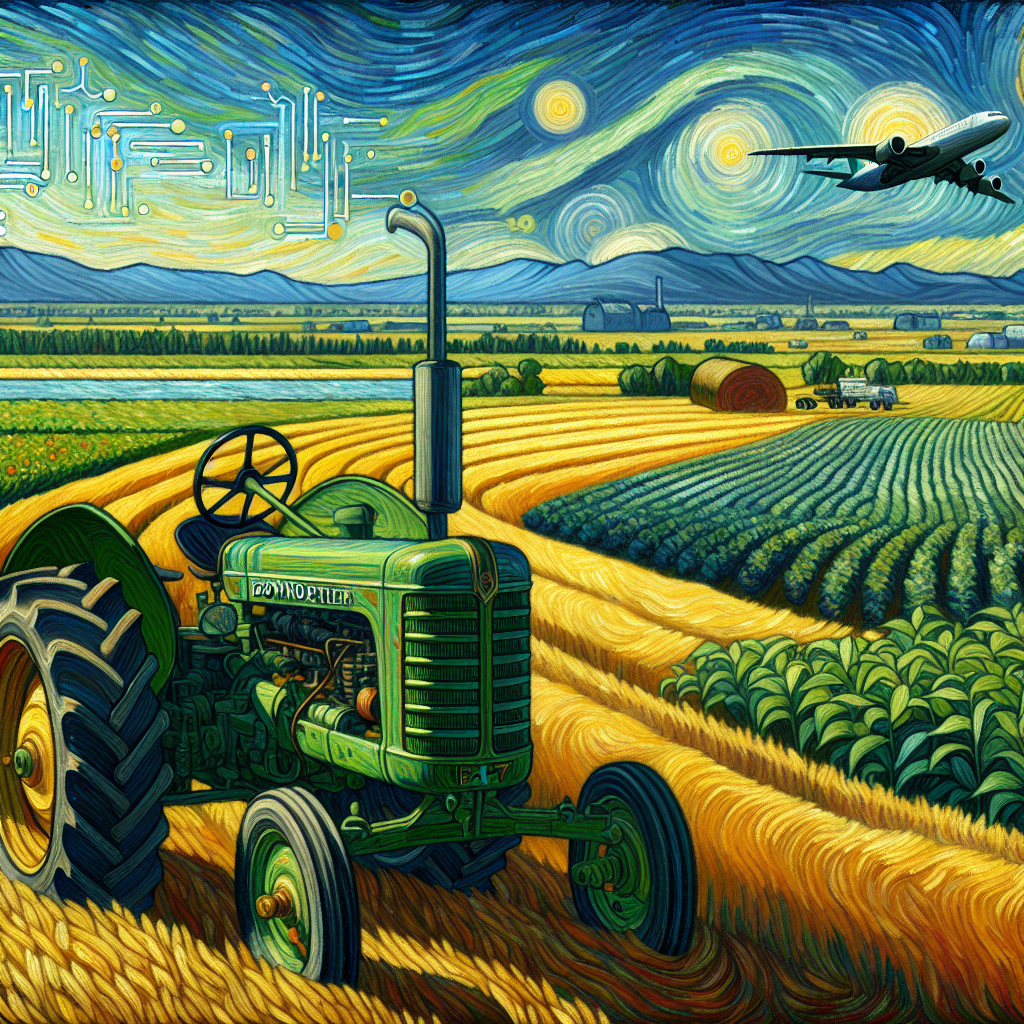
In a world sprinting towards a high-tech future, it’s easy to forget the roots that nourish us—roots deeply intertwined with the classic machines of our agricultural past. These vintage tractors aren’t just relics; they’re the embodiment of connection, history, and sustainable practices that could light our path forward. Picture that sunlit field, where the steady, rhythmic hum of a classic tractor echoes stories passed down through generations. Each roar of the engine serves as a powerful reminder of resilience and ingenuity, urging us to recognize that sustainability can live harmoniously within simplicity.
From a practical standpoint, embracing these time-tested machines offers a strategy not just to reduce waste but also to minimize our ecological footprint. As we navigate an era where technology often translates to disposability, classic tractors stand firm, boasting repairable mechanics that lower waste output and lower costs. Here, nostalgia transforms into rationality, as these machines embody a practical ethos against today’s throwaway culture.
Dig a little deeper, and the ethical stakes emerge. When farmers select vintage machines over newer models, they’re not merely opting for an old-fashioned way of working; they’re making a declaration against a disposable mindset and advocating for a more responsible, community-oriented approach to food production. It’s a choice that fosters bonds among neighbors, spurring conversations and collaborations built around shared values and local traditions. This is about community engagement—a reminder that behind every harvest lies the heart of the people who toil for it.
There’s undeniable authority in tradition, and recognizing the resilience of these vintage machines honors the legacy of those who have cultivated the land long before us. As we grapple with the pressing challenges of climate change, it becomes increasingly clear: the wisdom contained in these classic practices could offer more than nostalgia; they might be keys to overcoming modern agricultural trials.
In every turn of a vintage tractor’s wheel lies an opportunity for renewal—not just of the soil, but of our spirit as a community devoted to sustainability. By leaning into the gospel of our agricultural past, we reinvigorate our connection to the land and to one another. So let’s not let these machines fade into the fog of time. Together, we can harness the rustic power of our history and steer it confidently into a sustainable tomorrow—because when it comes to the heartbeat of farming, it’s all about embracing tradition while advancing towards a future worth cultivating. Let’s be the stewards of tomorrow, nourished by our roots and driven by a vision that honors both our land and our shared heritage.
Conclusion
Conclusion:
- Vintage tractors symbolize a connection to agricultural heritage and sustainable practices.
- Emphasizing simplicity, these machines promote resilience and ingenuity in farming.
- Classic tractors help reduce waste and ecological footprint through repairable mechanics.
- Choosing vintage equipment supports a community-oriented approach to food production.
- The use of traditional machinery fosters connections and collaborations among local farmers.
- Honoring vintage tractors acknowledges the wisdom and legacy of past agricultural practices.
- Embracing agricultural roots can lead to a more sustainable future, enhancing community spirit.
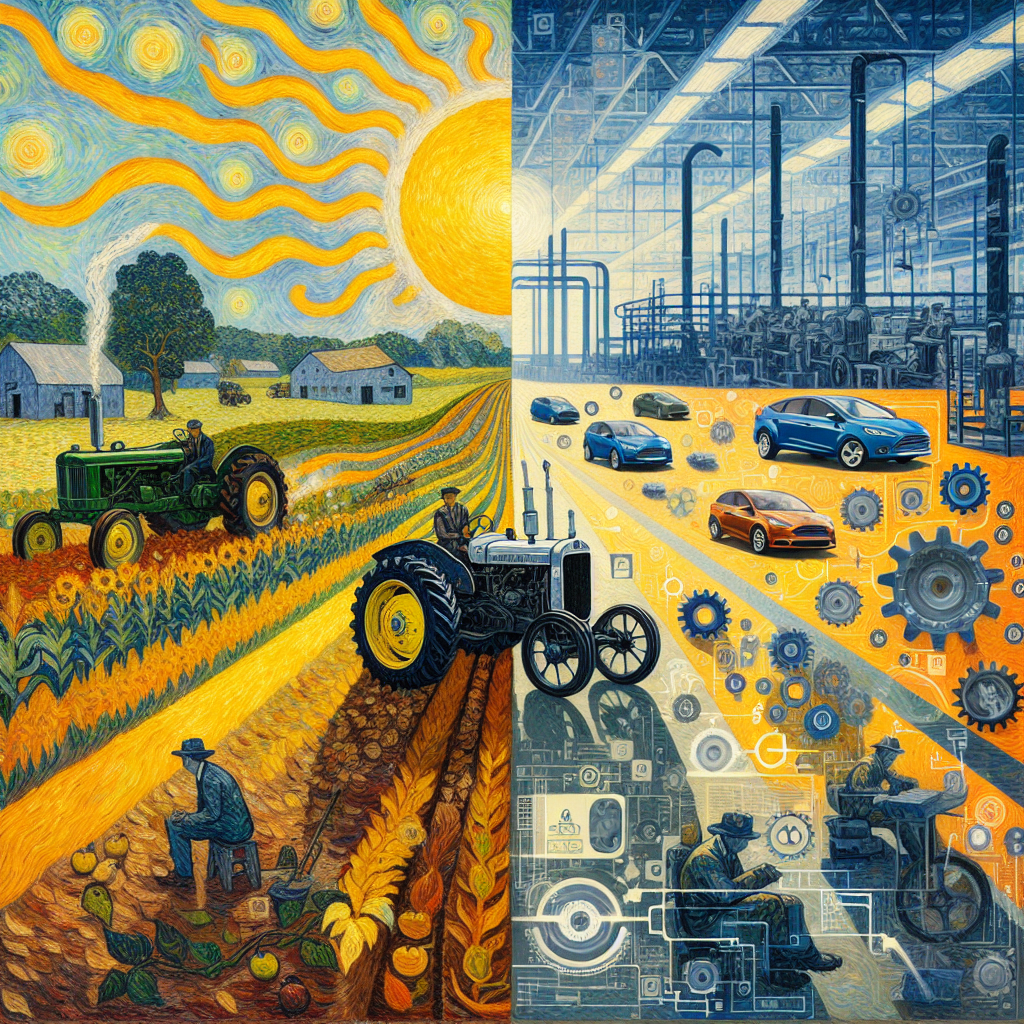
Conclusion
Other Resources
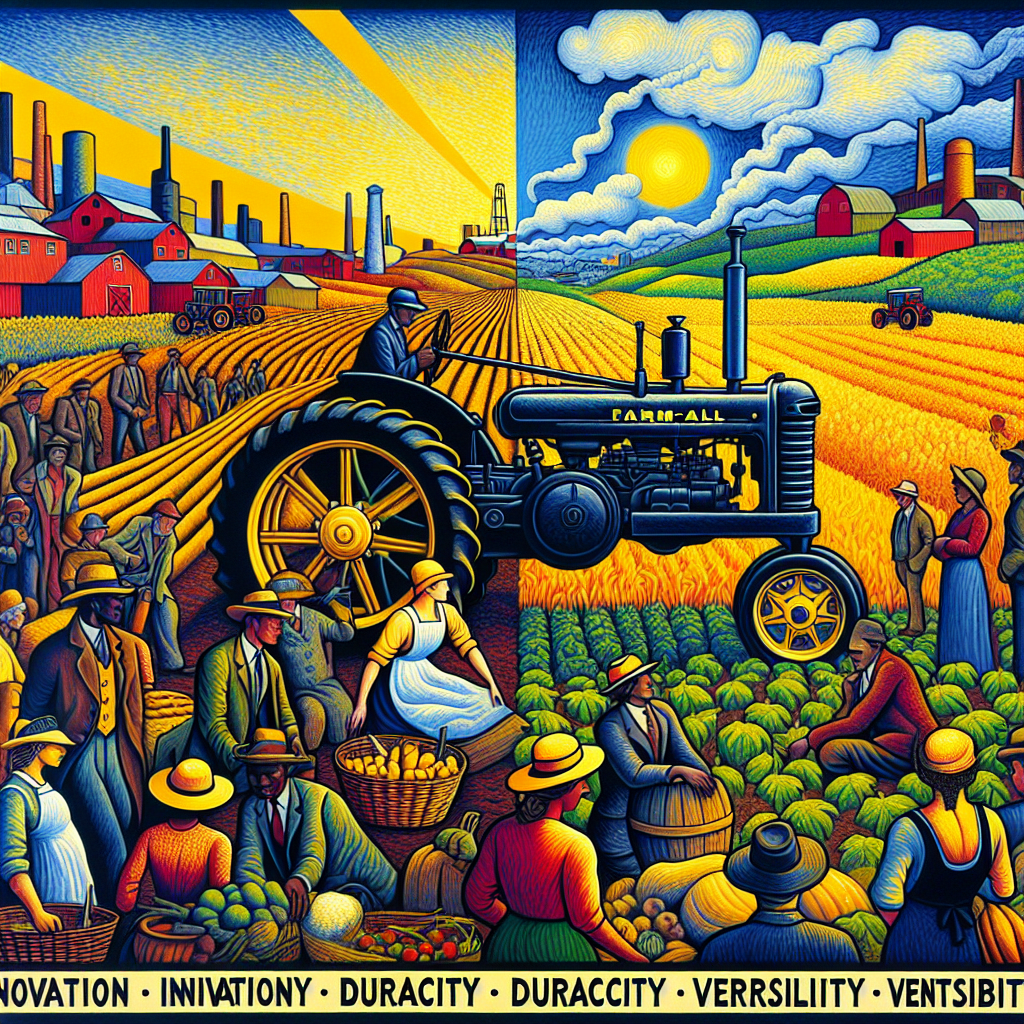
Other Resources
Here is a list of other resources you can review online to learn more:
- Raba
- Case
- Froelich Tractor Museum
- Valpadana
- AGCO
- Classic Old Tractors
- Allis Chalmers
- Idaho Farmand Ranch Museum
- Minot
- Waltanna
Use This Prompt To Get More Resources With Your Favorite Online AI Tool: Please provide me with a list of online articles with their URLs in a bulleted list that I can read regarding Are Classic Machines The Future Of Sustainable Agriculture
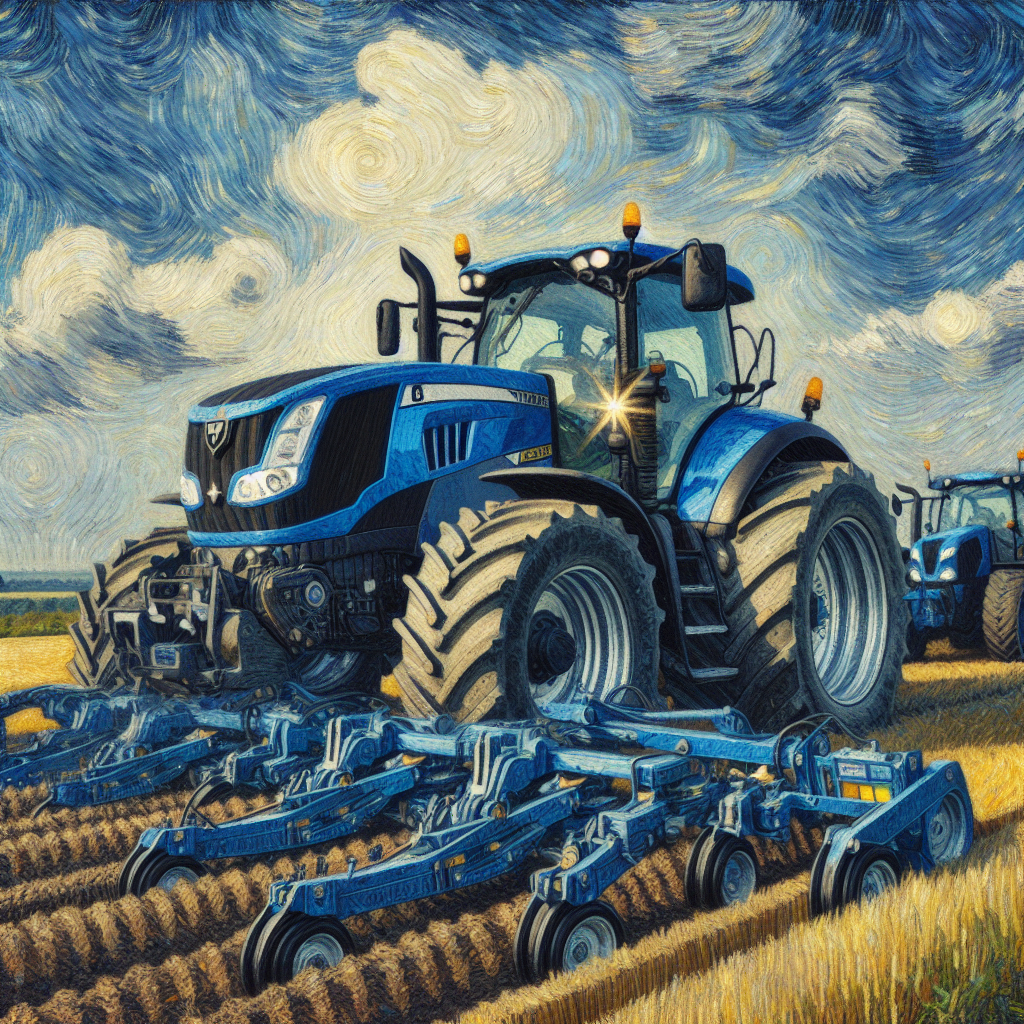
Other Resources
Glossary Terms
Are Classic Machines The Future Of Sustainable Agriculture – Glossary Of Terms
1. Classic Machines: Older agricultural equipment that has been in use for decades, often valued for their durability and simplicity in design.
2. Sustainable Agriculture: Agricultural practices that seek to produce food in a way that is environmentally friendly, economically viable, and socially responsible.
3. Biodiversity: The variety of life in a particular ecosystem, essential in maintaining ecological balance and resilience.
4. Crop Rotation: A sustainable farming technique that involves alternating the types of crops grown on a particular piece of land to improve soil health and reduce pest buildup.
5. Soil Erosion: The wearing away of topsoil due to wind, water, or human activity, which can be mitigated through sustainable farming practices.
6. No-Till Farming: An agricultural technique that minimizes soil disturbance by planting crops without tilling, preserving soil structure and health.
7. Agroecology: An approach to farming that applies ecological principles to agricultural production, emphasizing biodiversity and sustainability.
8. Permaculture: A design system that seeks to create sustainable and self-sufficient agricultural ecosystems by imitating natural systems.
9. Renewable Resources: Natural resources that can be replenished naturally over time, such as solar and wind energy, essential for sustainable farming.
10. Organic Farming: A method of agriculture that avoids synthetic fertilizers and pesticides, promoting natural growth processes and sustainability.
11. Green Manure: Planted crops that are turned into the soil to improve its fertility and structure, often used in sustainable farming practices.
12. Conservation Tillage: Agriculture that reduces the disturbance of soil, maintaining its structure, enhancing carbon retention, and preventing erosion.
13. Precision Agriculture: An approach that uses technology to monitor and manage crop and soil health more efficiently, often leading to higher productivity and sustainability.
14. Composting: A method for recycling organic waste into nutrient-rich soil amendments, reducing waste and enhancing soil fertility.
15. Integrated Pest Management (IPM): A sustainable approach to managing pests that combines biological, cultural, physical, and chemical tools in a way that minimizes economic, health, and environmental risks.
16. Cover Crops: Plants grown primarily to manage soil erosion, fertility, and pests during periods when cash crops are not being cultivated.
17. Farm Machinery: Equipment and tools used for farming, varying from traditional machines to modern technology, affecting productivity and sustainability.
18. Sustainable Practices: Farming techniques that promote environmental health and resource conservation, emphasizing methods that reduce harm to ecosystems.
19. Electric Tractors: Tractors powered by electric or hybrid engines, often considered a step toward reducing emissions in agriculture.
20. Waste Reduction: Strategies aimed at minimizing waste generated from agricultural processes, enhancing sustainability.
21. Carbon Sequestration: The process of capturing and storing atmospheric carbon dioxide in soil or biomass to mitigate climate change.
22. Food Security: The state of having reliable access to a sufficient quantity of affordable, nutritious food, which sustainable agriculture aims to achieve.
23. Hydroponics: A method of growing plants in water-based solutions, often used in sustainable farming to conserve water and land.
24. Climate Resilience: The ability of agricultural systems to adapt to and mitigate the impacts of climate change.
25. Agroforestry: An integrated approach that combines agriculture and forestry to create more diverse and productive systems.
26. Post-Harvest Loss: The reduction of the quantity or quality of food after harvest, which sustainable practices aim to minimize.
27. Sustainability Metrics: Indicators used to measure the sustainability of agricultural practices, including economic, environmental, and social factors.
28. Community Supported Agriculture (CSA): A model of agriculture where consumers support a local farm by purchasing shares, promoting local food systems and sustainability.
29. Water Management: Techniques and strategies employed to efficiently manage water resources in agriculture, critical for sustainability.
30. Agri-Tech: The incorporation of technology into agricultural practices, often aimed at increasing efficiency and sustainability while reducing environmental impact.
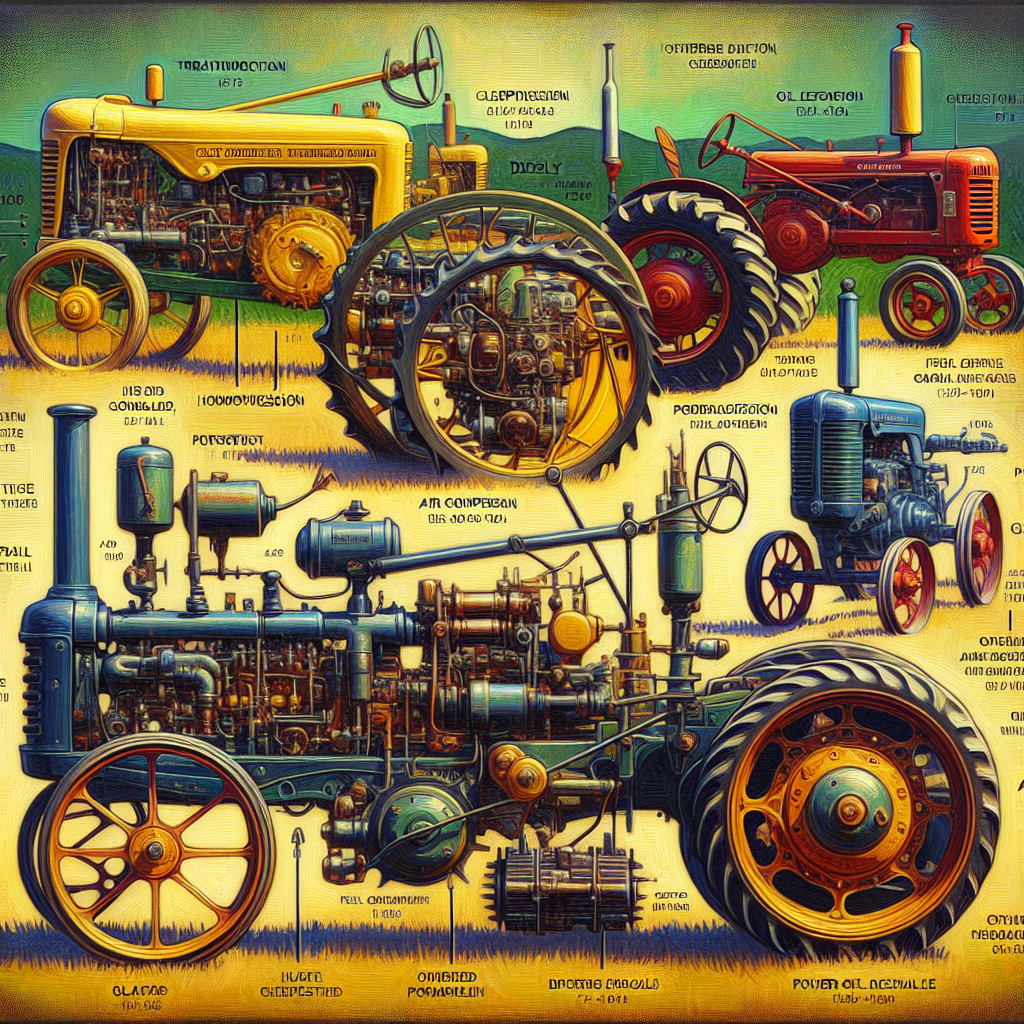
Glossary Of Terms
Other Questions
Are Classic Machines The Future Of Sustainable Agriculture – Other Questions
If you wish to explore and discover more, consider looking for answers to these questions:
- What specific features make classic machines more sustainable than modern machinery?
- How can farmers effectively restore and maintain classic tractors?
- What are the economic benefits of using classic machines in agriculture?
- How do classic tractors impact soil health and biodiversity on farms?
- Are there any case studies demonstrating the success of classic machines in sustainable agriculture?
- What modern technologies can be integrated with classic machines for improved performance?
- How does using vintage machinery affect the overall productivity of a farm?
- What role do community events, like tractor shows, play in promoting sustainable practices?
- How can local governments support farmers in adopting classic machines?
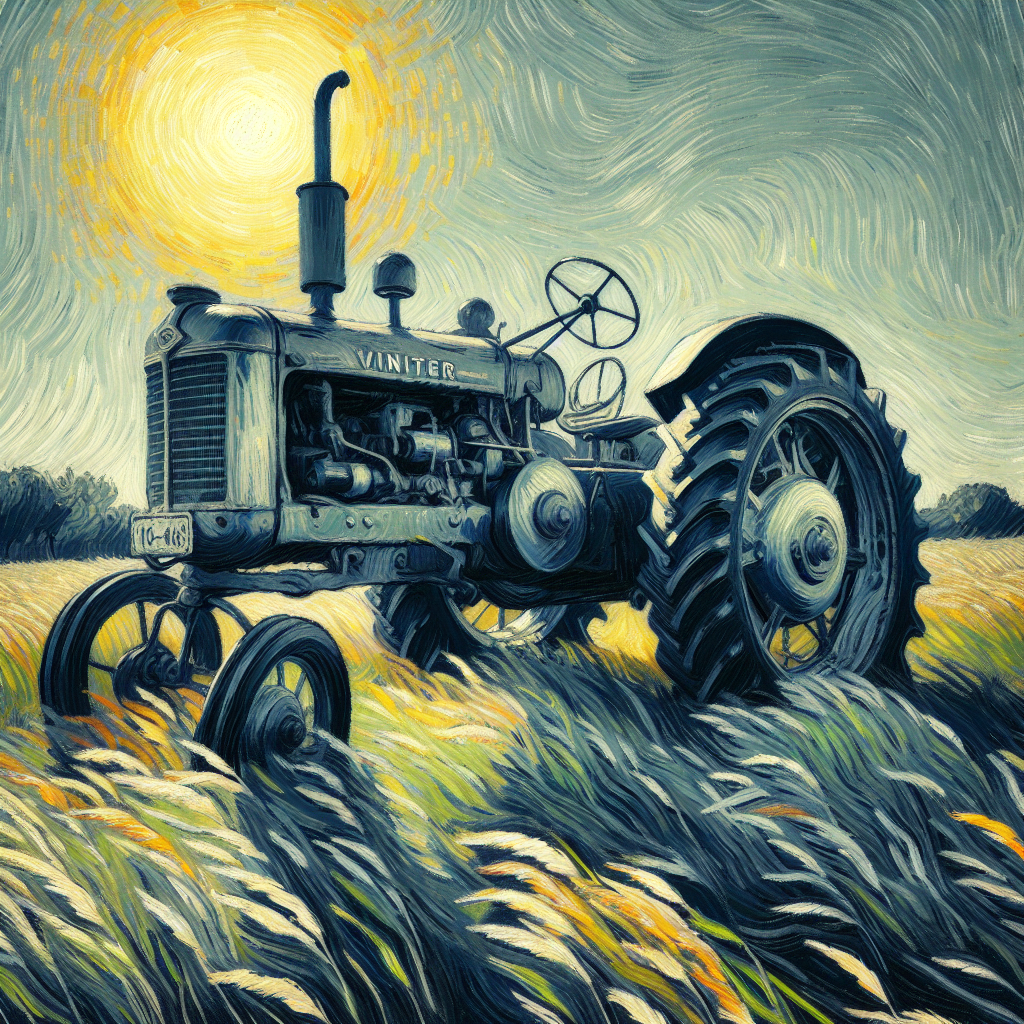
- What challenges do farmers face when transitioning from modern to classic machinery?
Other Questions
Haiku
Are Classic Machines The Future Of Sustainable Agriculture – A Haiku
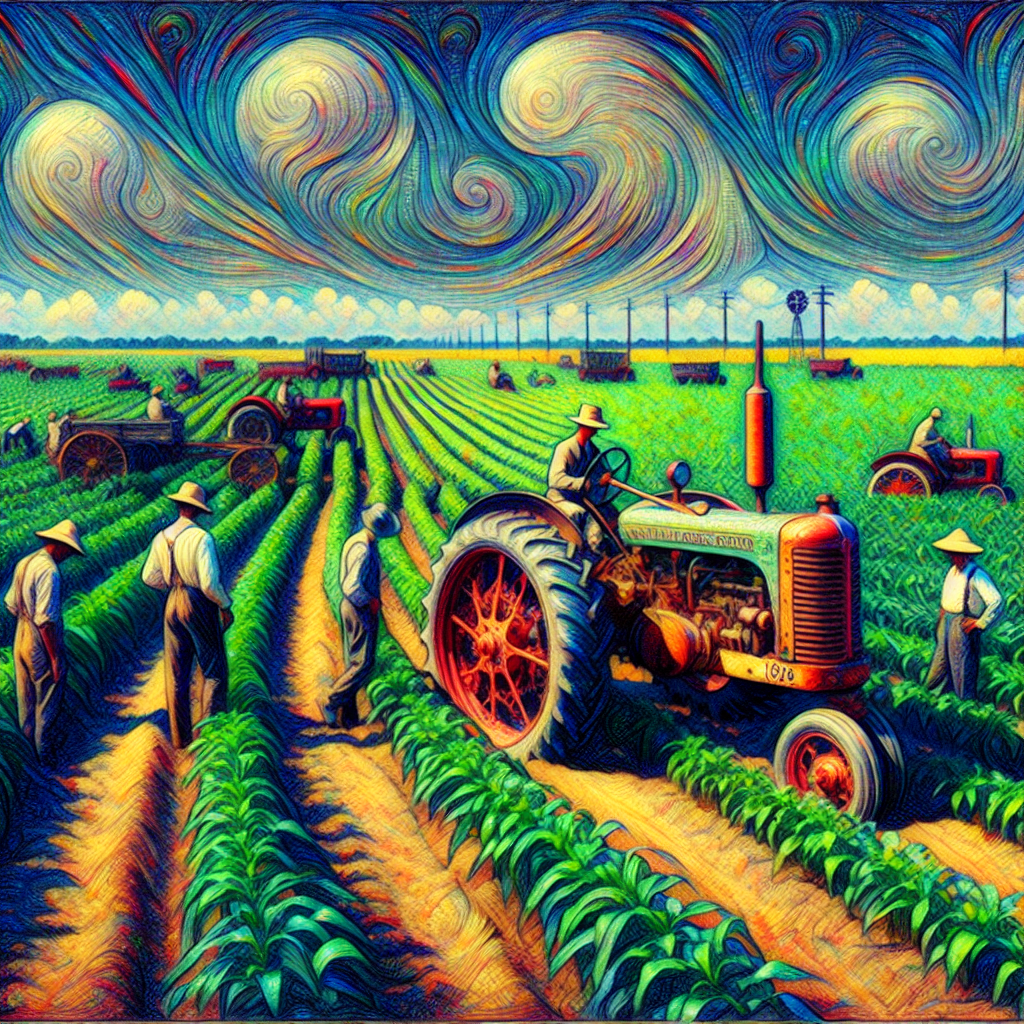
Rusty wheels hum old tales,
Bridging hearts and fields anew—
Roots hold firm, futures rise.
Haiku
Poem
Are Classic Machines The Future Of Sustainable Agriculture – A Poem
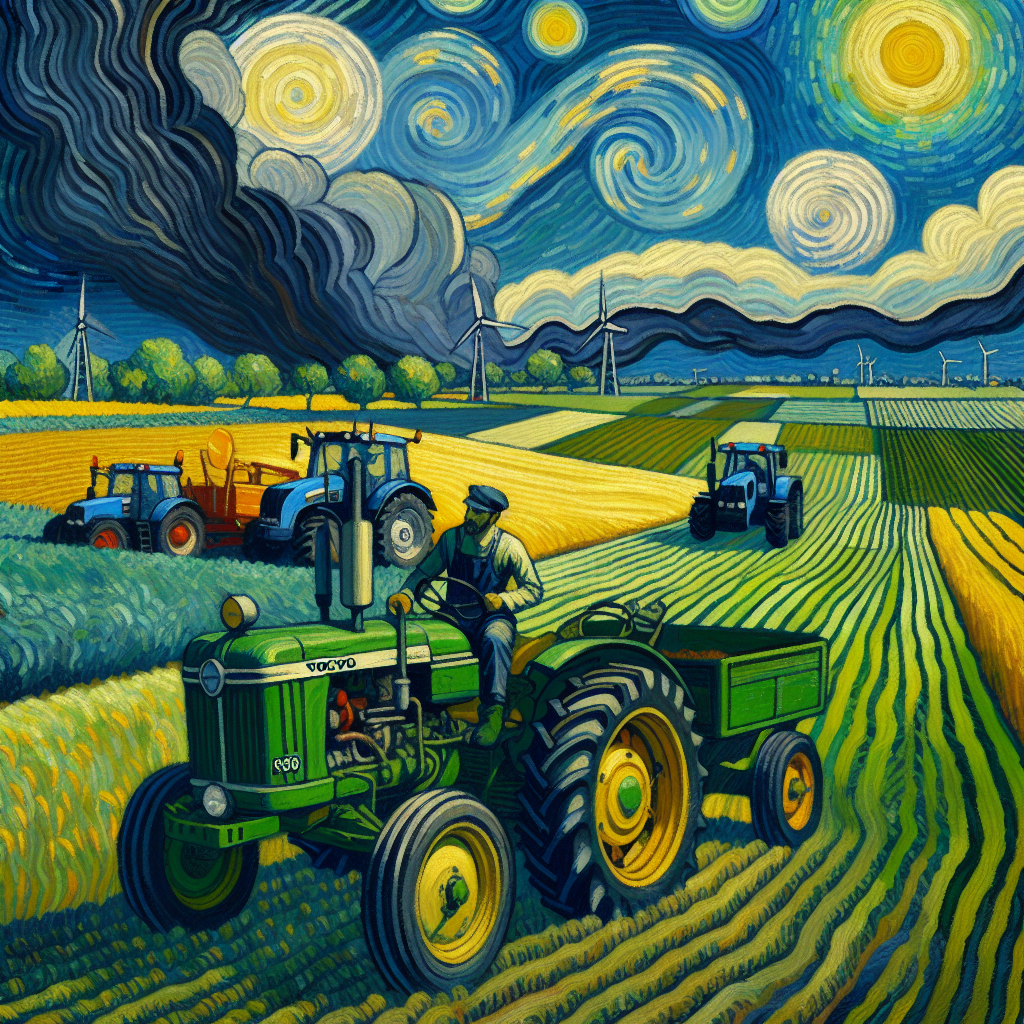
A Vintage Echo: The Heart of Farming
In sunlit fields where shadows play,
Classic machines hum their age-old lay.
With rusted frames and stories to tell,
They bind us to the earth where our ancestors fell.
Once upon a time, in a farming lore,
The tractor served as a friend, a core.
With every crank of its sturdy heart,
It plows through memories, where tradition imparts.
The head knows well the rational choice,
In simpler mechanics, we find our voice.
Efficiently rolling on paths of yesterday,
Restoring old machines leads waste away.
Yet the gut feels the burden of modern haste,
A throwaway culture, a reckless waste.
Each farmer who claims these machines of yore,
Defies the disposables, demanding more.
Ethics blossom in hands firm and rough,
Harvesting justice where the ground is tough.
A community rises, united, together,
In vintage steel, we find strength to weather.
The stories swell around the dinner table,
Of neighbors, of friends, and the turn of the fable.
In every restoration, a heritage blooms,
Rooted in earth instead of in fumes.
So let’s reimagine this ageless embrace,
Integrate wisdom, technology, and grace.
As climate shifts and shadows creep in,
Classic machines show where we’ve been.
They whisper of cycles, of balance, of care,
In each rusted corner, a legacy rare.
Join hands with the past to combat the new,
For sustainability speaks in the heart—it’s true.
A promise that echoes with every refrain,
That farming’s a dance with the sun, wind, and rain.
Together we’ll tread on this sacred ground,
In tractors and tales, our strength will be found.
Let’s cherish the old while we forge ahead,
For the health of our land, let us grow and be fed.
In unity, resilience, we all raise a cheer,
For classic machines, the future is clear.
Poem
Checklist
Are Classic Machines The Future Of Sustainable Agriculture – A Checklist
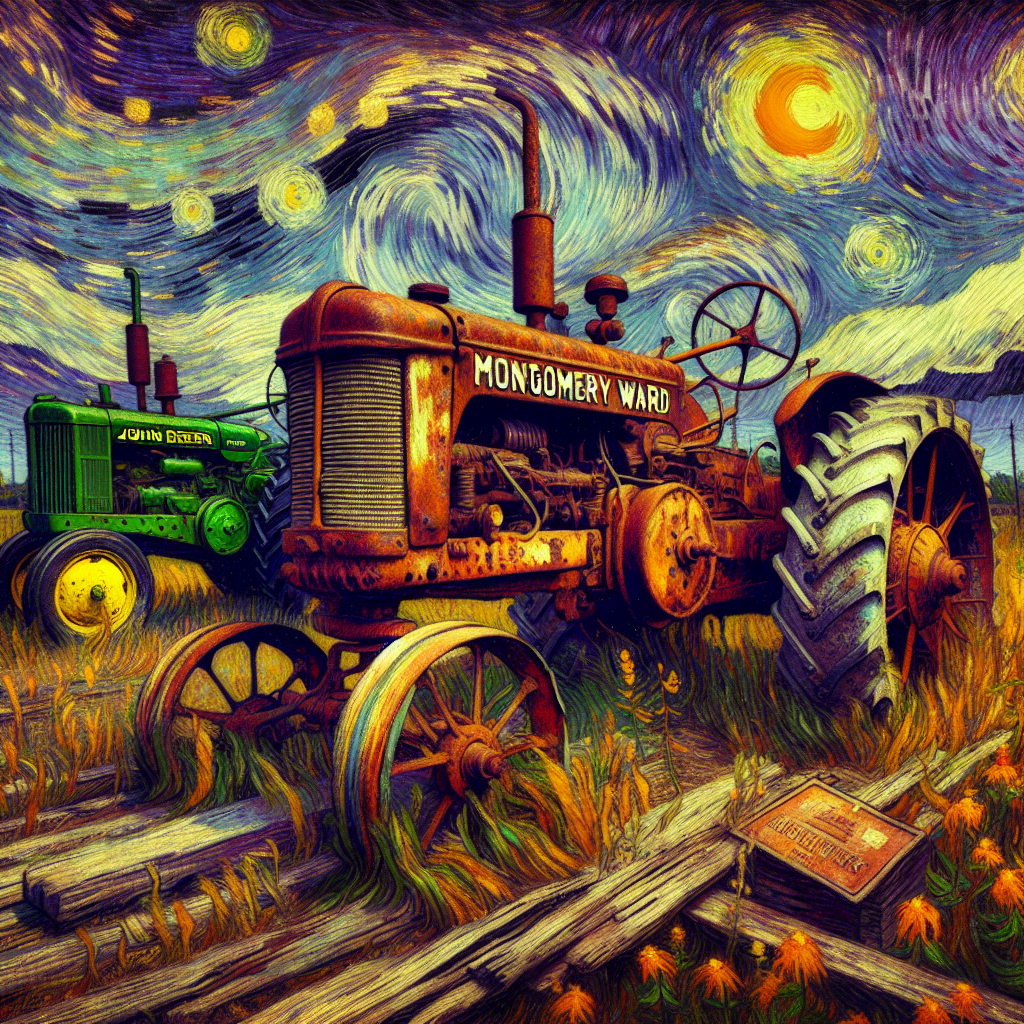
Checklist for Embracing Classic Machines in Sustainable Agriculture: A Holistic Approach
This checklist is designed to resonate with your heart, head, and gut by integrating emotional, rational, ethical, authority, narrative, and social appeals. Use it as a guide to inspire actions that honor tradition, build community, and promote sustainability.
Emotional Appeals (Heart)
_____ Reconnect with Heritage: Share stories of farmers in your family or community who used classic machines.
_____ Participate in Community Events: Join vintage tractor shows or local farming fairs to celebrate agricultural history.
_____ Host Restoration Gatherings: Organize hands-on workshops to restore or maintain classic tractors with friends or family.
_____ Create Memory Albums: Document and share experiences and stories gathered around classic farming practices.
Rational Appeals (Head)
_____ Research: Gather data on fuel consumption and maintenance costs for classic tractors vs. modern machines.
_____ Analyze Carbon Footprints: Create a personal or community project that assesses carbon savings by using classic machines.
_____ Evaluate Practical Benefits: Assess how classic machines can reduce waste and integrate into modern practices with advanced technologies.
_____ Develop a Cost-Benefit Analysis: Calculate long-term financial gains from using classic machines in your farming operations.
Ethical Appeals
_____ Choose Sustainability: Make a commitment to prioritize classic tractors for farming operations to minimize environmental impact.
_____ Advocate for Responsible Farming: Emphasize the importance of sustainable practices in discussions with local farmers and agricultural organizations.
_____ Educate About Disposable Culture: Initiate conversations about the impact of our throwaway culture on modern agriculture.
_____ Support Local Farmers: Purchase produce from local farms that utilize classic farming techniques.
Authority Appeals
_____ Follow Experts: Subscribe to blogs, podcasts, or newsletters dedicated to sustainable agriculture and classic farming machinery.
_____ Consult Agricultural History Resources: Access historical records or literature on the significance of vintage agricultural machinery.
_____ Engage with Agricultural Experts: Attend workshops or seminars that discuss the benefits and uses of classic machines in today’s agriculture.
_____ Seek Certifications: Explore programs for sustainable farming practices focusing on the use of traditional methods and equipment.
Narrative Appeals
_____ Share Personal Stories: Write or tell your own story of how classic machines have impacted your agricultural journey.
_____ Collect Community Narratives: Interview fellow farmers about their experiences with classic machinery and share these stories online.
_____ Create a Blog or Video Series: Document your journey restoring classic tractors and highlight their role in sustainable agriculture.
_____ Host Storytelling Nights: Bring together community members to share tales and lessons learned from classic farming machines.
Social Appeals
_____ Cultivate Community Relations: Organize or join local clubs focusing on vintage farming machinery and practices.
_____ Engage on Social Media: Use platforms to share images and stories about classic tractors and sustainable agriculture trends.
_____ Build Networks: Collaborate with local schools or organizations to encourage youth involvement in farming heritage.
_____ Promote Local Initiatives: Support or advocate for local initiatives focused on sustainable farming and the preservation of agricultural traditions.
This checklist encourages a comprehensive approach to engaging with classic machines in agriculture. Each point provides a tangible action that reinforces the importance of heritage, community, and sustainability in farming practices today.
Checklist
At ClassicTractorNews, we help tractor lovers keep up with the latest news for classic and vintage tractors.
Please share this post with your friends, family, or business associates who may like old classic or vintage tractors.