


Transforming Troubles Into Triumphs: Trust In Ai For Vintage Repairs
By Tom Seest
At ClassicTractorNews, we help tractor lovers keep up with the latest news for classic and vintage tractors.
Please share this post with your friends, family, or business associates who may like old classic or vintage tractors.
AI Diagnostics – the New Best Friend Of Classic Tractor Mechanics
AI Diagnostics – the New Best Friend of Classic Tractor Mechanics
In a world where technology often feels like an intruder in our traditional trades, classic tractor mechanics are discovering a surprising ally in AI diagnostics. Imagine a sun-soaked workshop, where the hum of engines and the scent of motor oil blend into a symphony of hard work and dedication. Here, trained hands once relied solely on intuition and experience, deeply attuned to the quirks of each tractor that rolls through the door. Now, with the help of cutting-edge technology, that connection is evolving, not disappearing.
Picture a mechanic named Joe, who runs a local repair shop for vintage tractors. For years, Joe’s skill and passion were enough to keep those old machines running. He prided himself on his knowledge, building relationships with farmers who depended on these aging workhorses. Yet, as the machinery became more complicated, diagnosing issues required more than Joe’s instinct. Enter AI diagnostics, the tool that melds classic know-how with modern precision.
This technology doesn’t replace Joe; it amplifies his abilities, turning the uncertainty of guesswork into the confidence of informed decisions. With AI diagnostics, Joe can quickly analyze the intricate systems of each tractor, pinpointing problems with an accuracy he never thought possible. It’s not just about repairs; it’s about preserving a legacy. The emotional weight of keeping a family’s farming heritage alive is heavy, but with AI at his side, Joe finds renewed purpose.
The ethical implications of this partnership are profound. By embracing AI, mechanics like Joe are ensuring that the craft of repairing classic tractors isn’t lost to the relentless march of progress. Instead, they’re merging tradition with innovation, offering reliability in an age of uncertainty. Farmers appreciate the transparency this technology brings, providing them with peace of mind—trust in the mechanic and the methods used.
As stories of success spread throughout the community, a new narrative emerges, one where nostalgia and future potential coexist. Joe becomes a beacon of hope, demonstrating that embracing change doesn’t mean losing touch with the past. It’s about fostering a connection that honors the old while welcoming the new.
AAI diagnostics doesn’t just serve a utilitarian purpose; it becomes a vital partner in the intricate dance of mechanics and machinery, breathing new life into classic tractors and the hearts of those who love them.

AI Diagnostics – the New Best Friend Of Classic Tractor Mechanics
AI Diagnostics – the New Best Friend Of Classic Tractor Mechanics
- Classic tractor mechanics are finding AI diagnostics to be a helpful ally.
- Mechanics like Joe combine traditional skills with modern technology for improved accuracy.
- AI diagnostics enhance decision-making, allowing for precise identification of tractor issues.
- The technology helps preserve the legacy of classic farming machinery.
- Embracing AI ensures the craft of tractor repair remains relevant amid advancing technology.
- Farmers appreciate the transparency and reliability that AI diagnostics provide.
- Success stories highlight the coexistence of nostalgia and innovation in the mechanic community.

AI Diagnostics – the New Best Friend Of Classic Tractor Mechanics
Table Of Contents
- AI Diagnostics – the New Best Friend Of Classic Tractor Mechanics
- What Emotions Do Our Classic Tractors Evoke In Us?
- How Can AI Enhance the Maintenance Of Vintage Machinery?
- What Ethical Implications Arise From Using AI In Mechanics?
- What Are the Most Common Issues Classic Tractors Face Today?
- How Can Understanding AI Improve Our Troubleshooting Skills?
- In What Ways Can AI Diagnostics Empower Traditional Mechanics?
- Conclusion
- Other Resources
- Glossary Of Terms
- Other Questions
- Haiku
- Poem
- Checklist
What Emotions Do Our Classic Tractors Evoke In Us?
Classic tractors are more than just machines; they are vessels of nostalgia, hard work, and the very essence of rural life. The moment you lay eyes on a lovingly restored tractor, you’re transported to a time when life moved at a slower pace, yet the days were filled with purpose. It’s as if each tractor harbors a story, whispered through the winds of time, echoing the laughter and toil of those who came before us.
Think about it. The humble tractor represents not just a means of productivity, but also a profound connection to the land. Each scratch on its paint tells a tale of resilience, each roar of its engine stirs the memory of fields laid bare and crops nurtured under a watchful sun. For many, these machines are a bridge to our ancestry. They evoke feelings of pride and nostalgia, reminding us of summers spent with grandfathers, learning the value of hard work and the importance of digging deep—both in the soil and within ourselves.
Rationally, we appreciate the craftsmanship that these tractors signify. They were built to endure, constructed with a thoughtfulness that mirrors the values of those who operated them. This is not mere machinery; it’s an embodiment of ingenuity and determination. These classic tractors have stood the test of time, serving as reminders that perseverance can yield bountiful rewards. This enduring quality fosters trust; when you hop on a vintage tractor, you engage with a piece of history that has been tested and trusted across generations.
Ethically, there’s a shared responsibility to respect and preserve this legacy. As stewards of our rural heritage, it’s our duty to ensure that future generations understand the hard-won lessons these tractors impart. They remind us of our connection to the land and the importance of sustainable practices, urging us to tread lightly on the earth while maximizing its potential.
Yet, what truly makes classic tractors resonate is their social aspect. They bring people together at county fairs, vintage shows, and harvest celebrations. Community is forged in the shared admiration for these mighty machines, along with the stories they inspire. From impromptu restoration projects to friendly discussions about the best models ever made, each encounter enriches our lives and deepens our bonds.
So, let’s not just see these tractors as relics of the past; let’s recognize them as symbols of community, resilience, and hard-won dreams. They live in our hearts, remind us of our roots, and propel us into the future with a sense of purpose, inviting us to continue the journey.

What Emotions Do Our Classic Tractors Evoke In Us?
What Emotions Do Our Classic Tractors Evoke In Us?
- Classic tractors symbolize nostalgia and the essence of rural life.
- Each tractor tells a story of resilience and connection to the land.
- They evoke pride and memories of hard work and family traditions.
- Craftsmanship reflects the values of endurance and ingenuity.
- Tractors serve as reminders of perseverance and historical significance.
- They foster community through shared appreciation and social events.
- Classic tractors encourage respect for heritage and sustainable practices.

What Emotions Do Our Classic Tractors Evoke In Us?
How Can AI Enhance the Maintenance Of Vintage Machinery?
In the world of vintage machinery, those weathered metal behemoths tell stories that resonate with the core of who we are—craftsmanship, hard work, and time-honored traditions. Picture an old tractor, its paint chipped but still gleaming under the sun. It’s not just a machine; it’s a testament to generations of labor and love. However, the challenge of maintaining such relics becomes increasingly daunting as time marches on. Enter artificial intelligence, a powerful ally in the quest to preserve these mechanical marvels.
AI can enhance vintage machinery maintenance by analyzing patterns that the untrained eye might miss. Imagine a scenario where an expert mechanic examines a tractor, meticulously checking every bolt and gear, but AI takes it a step further. It processes vast amounts of data, learning from countless similar machines, identifying wear before it becomes a problem. This proactive approach keeps those precious tractors running, bridging the gap between nostalgia and innovation.
Let’s say you have a family heirloom tractor, passed down from your grandfather. You’ve spent weekends tinkering with it, but despite your efforts, it’s becoming more finicky with age. Using AI, you can connect with a community of enthusiasts who share your passion. These digital platforms not only foster social connections but provide access to expert insights that empower you to keep your tractor in working condition without losing its character. It’s a partnership—old meets new, tradition meets technology.
But it’s not just about efficiency. It’s about respect. The ethics of maintenance demand that we honor these machines, ensuring that their stories continue. AI serves as a steward of that legacy, offering tools that validate our dedication to craftsmanship. By preserving these machines, we also preserve our history, our identity, and the values that come with hard work and perseverance.
In an era where everything seems disposable, choosing to maintain vintage machinery is a stand against obsolescence. With AI by your side, you’re not merely repairing a tractor; you’re safeguarding a piece of your story. It’s a commitment that resonates deeply with those who believe in the value of history and heritage. Embrace the technology that enhances your ability to respect the past while ensuring that the roar of that old tractor will echo for generations to come. Nurture not just a machine, but a legacy that unites us in our shared love for craftsmanship.

How Can AI Enhance the Maintenance Of Vintage Machinery?
How Can AI Enhance the Maintenance Of Vintage Machinery?
- Vintage machinery embodies craftsmanship, hard work, and tradition.
- Old tractors symbolize generations of labor and love despite increasing maintenance challenges.
- Artificial intelligence enhances maintenance by analyzing patterns and identifying wear early.
- AI connects enthusiasts, facilitating community support and expertise for vintage machinery preservation.
- Maintaining vintage machinery is an act of respect, honoring their stories and history.
- AI aids in preserving craftsmanship, history, identity, and values of hard work.
- Embracing technology in maintenance ensures the legacy of vintage machinery endures.

How Can AI Enhance the Maintenance Of Vintage Machinery?
What Ethical Implications Arise From Using AI In Mechanics?
Mechanics has always been a field grounded in hands-on experience and craftsmanship. Yet, as artificial intelligence creeps into this world, we face an ethical crossroads that raises questions about the very fabric of our work. Picture a mechanic, grease-stained and tired, fixing a tractor, pouring their heart into every adjustment. This image speaks to an age-old tradition, one built on trust, skill, and the human touch.
AI promises efficiency, speed, and precision, but at what cost? Imagine being in that workshop when an AI tool suggests changes to longstanding practices. It’s like a digital voice whispering in your ear, “You don’t need to sweat the small stuff.” For business owners, this might sound like heaven—fewer mistakes, lower labor costs, and happier customers. But think about the mechanic who has spent years honing their craft, their identity tied to their ability to fix a problem with intuition that a machine simply can’t replicate. The ethical dilemma surfaces: Are we sacrificing the human experience for streamlined production?
Many mechanics have shared stories of how they learned their trade: tales of trial and error, moments of failure that led to breakthroughs, and the satisfaction that comes from solving a tough problem with their hands. There’s a deep, emotional connection to the work that no AI can replicate. It raises a fundamental question: If we allow machines to take over this journey, will we still value the human element? The reality is, technology should enhance our skills, not replace them.
As we embrace AI in mechanics, a unique opportunity arises: we can redefine the role of the mechanic. Rather than being sidelined by machines, mechanics can become interpreters of AI. They can develop a new collaborative relationship with technology, guiding it to solve problems while retaining their essential skills. This partnership can yield innovative solutions, blending the best of human intuition with AI efficiency.
We stand at a pivotal moment, where ethics will shape the future of mechanics. Those who engage with this change thoughtfully—acknowledging both the benefits and the potential loss—will not only promote trust within the trade but will also help cultivate a future where technology supports rather than overshadows human craftsmanship. Engaging with AI doesn’t have to mean losing our roots; instead, it can lead us into a new realm of possibility, honoring tradition while welcoming the future.

What Ethical Implications Arise From Using AI In Mechanics?
What Ethical Implications Arise From Using AI In Mechanics?
- Mechanics is rooted in hands-on experience and craftsmanship, facing ethical questions with the rise of AI.
- AI offers efficiency and precision but may undermine the traditional skills and identity of mechanics.
- The narrative of mechanics involves extensive learning, emotional connections, and the value of human intuition.
- There’s a concern that machine reliance could reduce appreciation for the human element in the craft.
- Technology should enhance, not replace, mechanical skills, allowing for a redefined role for mechanics.
- Mechanics can evolve to be interpreters of AI, fostering a collaborative relationship with technology.
- A thoughtful engagement with AI can promote trust in the trade and maintain a balance between tradition and innovation.

What Ethical Implications Arise From Using AI In Mechanics?
What Are the Most Common Issues Classic Tractors Face Today?
There’s something about a classic tractor that brings to mind days gone by, a combination of hard work and simpler times. These sturdy machines, often regarded as the backbone of farming communities, face a unique set of challenges today that resonate deeply with many of us.
One of the most common issues is aging infrastructure. Just like our bodies, tractors wear out with time. From rusty bolts to worn-out engines, every part tells a story. A farmer recently shared how his grandfather’s old beauty would take hours to fix, a labor of love. He spent weekends tinkering, recalling lessons learned at his grandfather’s side. This isn’t just about fixing gears; it’s about preserving family legacies and cultural connections. When we invest time in restoring these machines, we’re honoring our roots.
Another significant hurdle is the availability of parts. Many classic tractors, built in an era of simplicity, now struggle against the tides of rapid technological advancement. Finding the right part can turn into a scavenger hunt, echoing the thrill of a treasure quest. Relying on online forums and community groups can bring a sense of belonging, fostering camaraderie among enthusiasts who share the same passion. This community-driven approach not only helps in practical matters but also reinforces human connections; suddenly, problems transform into opportunities for collaboration, reflection, and mutual support.
Then there’s the issue of modern regulations. Farmers who rely on classic tractors often find themselves in a grey area, balancing heritage with compliance. The ethics of preserving tradition against the needs of sustainability tug at the heartstrings. As environmental concerns grow, many are finding innovative ways to adapt these old machines, using renewable fuels or retrofits that align with contemporary standards. This transformation embodies a beautiful narrative—where the old meets the new, creating a bridge of trust for future generations.
What’s more, classic tractors serve as a reminder of resilience. They weathered storms, faced droughts, and continued to work when times were tough. Today, as farmers confront challenges like climate change and market fluctuations, these machines symbolize endurance. Every time we see a vintage model chugging along a field, we’re reminded that much like the farmers who operate them, they too face adversity with grit.
As we cherish these classic tractors, let’s not view them solely as relics but as vital links to our past and present. Caring for them isn’t just about machinery; it’s about preserving a way of life that connects us all. Whether you’re a farmer, a mechanic, or an admirer, within the heart of each classic tractor lies an enduring story waiting to be told.

What Are the Most Common Issues Classic Tractors Face Today?
What Are the Most Common Issues Classic Tractors Face Today?
- Classic tractors evoke nostalgia, symbolizing hard work and simpler times in farming communities.
- Aging infrastructure poses challenges; repairs represent preserving family legacies and cultural connections.
- Availability of parts is a significant hurdle, turning restoration into a community effort among enthusiasts.
- Modern regulations create tension between tradition and sustainability for farmers relying on classic tractors.
- Innovative adaptations, such as renewable fuels, bridge the gap between old machines and contemporary standards.
- Classic tractors symbolize resilience, enduring through tough conditions and challenges like climate change.
- Caring for classic tractors is about preserving a connected way of life, with each machine holding an enduring story.

What Are the Most Common Issues Classic Tractors Face Today?
How Can Understanding AI Improve Our Troubleshooting Skills?
Understanding AI can fundamentally enhance our troubleshooting skills, much like how a seasoned farmer knows each creak and groan of their trusty tractor. The tractor, a symbol of hard work and resilience, serves as an apt analogy for our relationship with technology. When things go wrong, whether in a field or in a system, it’s the intimate understanding of our tools that empowers us to act decisively.
Imagine a farmer, drenched in sweat, faced with a stubborn machine that refuses to start. The instinct to check the fuel is immediate, but so is the knowledge that sometimes it’s not about the obvious faults. Similarly, troubleshooting with AI requires this layer of discernment—we must look beyond the surface. When we understand AI, we develop an intuition akin to that farmer who senses something’s off even before diagnosing the problem. This is about cultivating a deeper relationship with technology, one that encourages us to ask the right questions, rather than just seeking quick fixes.
Emotionally, we connect with the idea of resilience. In a world increasingly reliant on AI, there’s a fear that we might lose our edge, our ability to solve problems. But understanding AI makes us co-pilots rather than passive passengers. It’s empowering to know that when our devices misfire, we’re not at the mercy of cold algorithms but can engage in a dialogue with them. This engagement builds confidence; it transforms frustration into curiosity, fueling a desire to learn rather than resigning to defeat.
Rationally, the more we know about AI, the more effective our troubleshooting efforts become. An ethical approach to technology emphasizes that being informed isn’t just a luxury; it’s our responsibility. As stewards of our digital tools, we owe it to ourselves to cultivate knowledge that allows us to navigate complexities. This is where authority comes into play—those who understand the “why” behind AI can lead others with integrity through the fog of confusion.
Engaging with AI is not solely an intellectual exercise; it’s a social one as well. Sharing missteps and resolutions fosters a community of problem solvers willing to lift each other up. By relating our experiences, much like sharing tales of a tractor that saved the day, we inspire others to harness their understanding of AI. The more we converse, share, and troubleshoot together, the stronger our collective capability becomes.
So, step into this journey with an open heart, a keen mind, and a gut instinct sharpened by experience. Embrace the lessons, connect with your tools, and let understanding AI pave the way to mastery in troubleshooting.

How Can Understanding AI Improve Our Troubleshooting Skills?
How Can Understanding AI Improve Our Troubleshooting Skills?
- Understanding AI enhances troubleshooting skills, akin to a farmer’s knowledge of their tractor.
- A deeper relationship with technology encourages looking beyond obvious faults in troubleshooting.
- Emotional resilience is vital; understanding AI transforms us into co-pilots rather than passive users.
- Knowledge of AI empowers individuals and fosters confidence in dealing with technological issues.
- Being informed about AI is an ethical responsibility, allowing us to navigate complexities effectively.
- Engaging with AI fosters a community where problem solvers share experiences and support each other.
- Embrace the journey of understanding AI to improve mastery in troubleshooting.
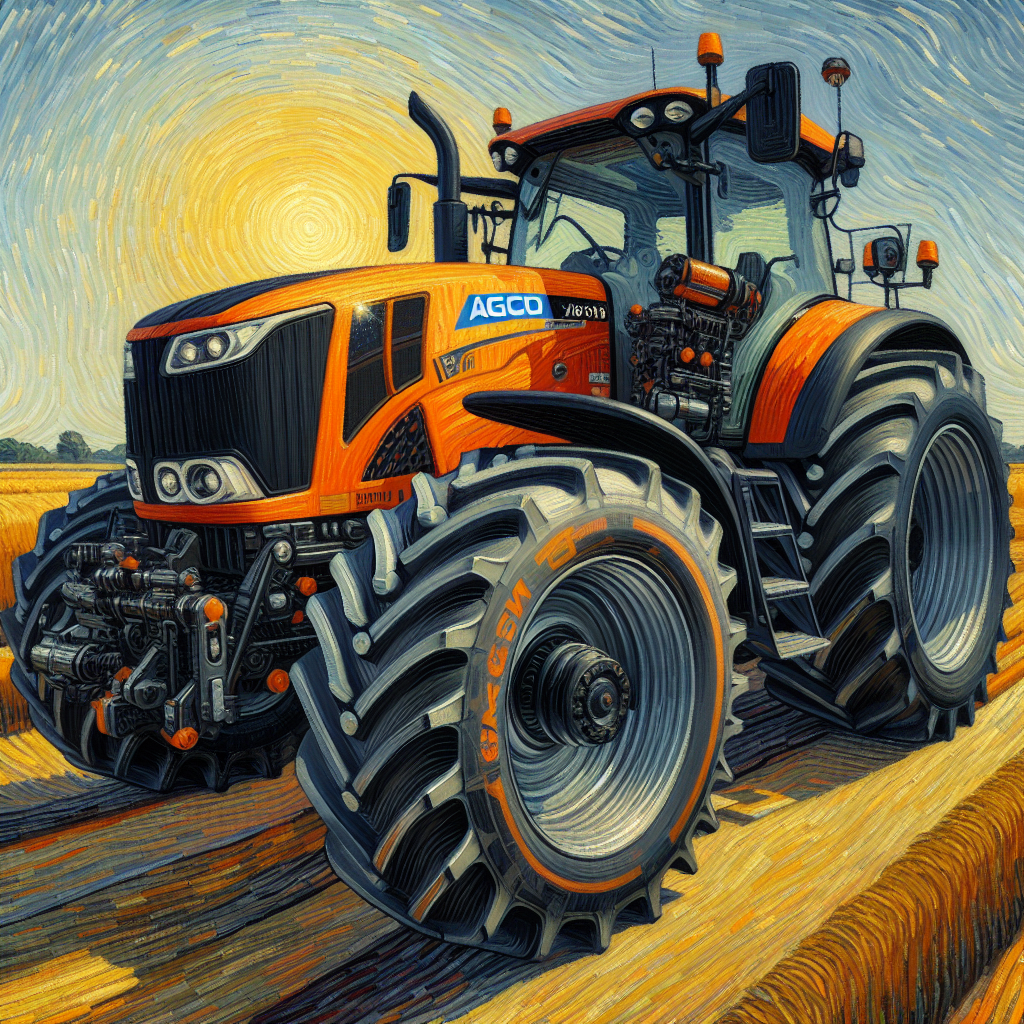
How Can Understanding AI Improve Our Troubleshooting Skills?
In What Ways Can AI Diagnostics Empower Traditional Mechanics?
There’s something deeply satisfying about the rumble of a tractor engine, a sound that evokes memories of long days spent in the fields, where grit and determination meet the elements. Yet, as we find ourselves on the cusp of a new era, it’s crucial to understand how AI diagnostics can transform the age-old craft of mechanics, marrying tradition with innovation in a way that resonates with the heart, head, and gut.
Picture a seasoned mechanic, grease-stained hands deftly maneuvering under a tractor’s hood. This is where the magic happens: diagnosing the purr or growl of the engine. Yet, there are moments when even the most experienced hands can be stumped. Enter AI diagnostics—a powerful tool that does not replace the mechanic but rather enhances their instinct and knowledge. It’s like having a co-pilot with unparalleled access to data, ready to sift through complex signals and share insights that might otherwise take hours, if not days, to decipher.
Imagine a weary farmer, standing in the heat of the midday sun, waiting for his trusted tractor to roar back to life. In that moment of uncertainty, the integration of AI diagnostics becomes not just a technical improvement, but a lifeline. It’s about trust—the faith that technology, in its cold, digital essence, can care for something as vital as his livelihood. When a mechanic leverages AI to pinpoint a hidden issue in the vehicle’s system, they are not merely problem-solvers; they become partners in resilience, turning potential despair into hope.
AI also invites a new narrative into the world of mechanics. It’s reminiscent of the artisan craftsman who prides themselves on their nuanced skills while embracing the efficiency of modern tools. This blend connects generations—older mechanics passing down their experience while aspiring to embrace new technologies. It’s about building a community where innovation and tradition coexist, fostering an environment rich in mentorship and continuous learning.
The ethical dimension cannot be overlooked. By empowering traditional mechanics with AI, we are investing in their future. Training mechanics to utilize AI diagnostics fosters a workforce that is not only technically adept but also ethically grounded in practical applications. This advancement ensures that expertise is not lost but enhanced, allowing for sustainable practices that respect both the craft and the planet.
In embracing AI, we add depth to the traditional mechanic’s role. It’s not just about fixing engines anymore; it’s about harnessing technology to build a better tomorrow. So, the next time you hear that familiar tractor sound, remember that behind it lies a blend of experience and innovation, a marriage of heart and machine that keeps our world turning.

In What Ways Can AI Diagnostics Empower Traditional Mechanics?
In What Ways Can AI Diagnostics Empower Traditional Mechanics?
- The rumble of a tractor engine evokes memories of hard work in the fields.
- AI diagnostics can transform mechanics by enhancing traditional skills with innovative technology.
- AI serves as a co-pilot for mechanics, providing critical data to diagnose engine issues efficiently.
- The integration of AI diagnostics builds trust for farmers, ensuring their livelihood is supported by technology.
- This evolution in mechanics promotes a blend of mentorship and learning across generations.
- Investing in AI training for mechanics creates a skilled workforce that respects traditional craft and ethical practices.
- Embracing AI adds depth to the mechanic’s role, moving beyond just repairs to fostering a sustainable future.

In What Ways Can AI Diagnostics Empower Traditional Mechanics?
Conclusion
AI diagnostics are emerging as unexpected allies for classic tractor mechanics, transforming troubleshooting into a blend of tradition and cutting-edge technology. Picture a mechanic, let’s call him Joe, surrounded by vintage machines, each one echoing memories of simpler days and hard-fought labor. His hands have always been guided by intuition, but as tractors evolve, so too must the methods of repair. Enter AI—not to replace Joe, but to augment his profound knowledge with the precision only technology can provide.
As Joe integrates AI diagnostics into his work, he gains confidence. No longer is he guessing the problem; instead, he relies on data-driven insights that pinpoint issues with remarkable accuracy. This technological partnership is not merely about efficiency. It’s a testament to preserving a legacy that transcends generations. For Joe, each repair isn’t just a function of machinery; it’s a bridge to his community, to the farmers who depend on these tractors, and to the artisanal craftsmanship that has defined his life.
Ethically, embracing AI is a declaration that the craft of repairing classic tractors will endure. It forms a bond of trust with farmers, who can see transparency in the diagnostic process—a dialogue between human and machine that reassures them their beloved tractors are in capable hands. As the narrative of mechanics evolves, it creates a culture where nostalgia intertwines with innovation, renewing hope for a future that respects the past.
The emotional resonance of classic tractors runs deep, evoking pride and nostalgia among enthusiasts and farmers alike. Each scratch on their surface tells a story, reminding us of the labor, care, and connections formed over decades. These machines are not just tools; they are vessels of history, inspiring a sense of duty not only to maintain them but to celebrate what they represent.
In a world where technology often feels foreign and isolating, AI offers a pathway to community rather than a barrier. It creates spaces for enthusiasts to share experiences, troubleshoot together, and build bonds over shared passions. By harnessing AI, classic tractor mechanics are ensuring not only the survival of their craft but enriching their identities in a modern age.
As we look towards the future, let’s recognize that AI diagnostics don’t overshadow tradition—they enhance it. In the heart of every tractor restored with the help of AI lies a promise: the stories of the past will continue to roll forward into the future, powered by innovation, fueled by love for the craft, and sustained by community.

Conclusion
Conclusion:
- AI diagnostics enhance the skills of classic tractor mechanics like Joe, integrating technology with traditional repair methods.
- Mechanics gain confidence and precision through data-driven insights, moving away from guesswork.
- This partnership preserves the legacy and craftsmanship of tractor repair, connecting to the community and farmers.
- Embracing AI fosters trust and transparency between mechanics and farmers, ensuring quality care for classic tractors.
- Classic tractors evoke pride and nostalgia, symbolizing the labor and history of past generations.
- AI fosters community connections among enthusiasts, promoting collaboration and shared experiences.
- The integration of AI in repairs preserves tradition while promising a future enriched by innovation and community values.

Conclusion
Other Resources

Other Resources
Here is a list of other resources you can review online to learn more:
- Ranch Hand
- Foton
- Century
- Idaho Farmand Ranch Museum
- Sky Valley Stock and Antique Tractor Club
- Branson Auto & Farm Museum
- Holder
- Massey Ferguson
- Yanmar
- Empire
- Wilke’s Classic Tractors
- Schwanke Car, Tractor and Truck Museum
- The Magicof Old Tractors
- International Harvestor
- Orange County Farmers Museum
- Bruce County Heritage Farm Show
- NEATTA
- Raba
- J.I.Case
- Parrett
Use This Prompt To Get More Resources With Your Favorite Online AI Tool: Please provide me with a list of online articles with their URLs in a bulleted list that I can read regarding AI Diagnostics – the New Best Friend Of Classic Tractor Mechanics

Other Resources
Glossary Terms
AI Diagnostics – the New Best Friend Of Classic Tractor Mechanics – Glossary Of Terms
1. AI diagnostics — Use of artificial intelligence to interpret sensor data, fault codes, and historical repairs to identify, predict, and prioritize tractor problems for mechanics.
2. Predictive maintenance — Algorithms that forecast component failures (engine, transmission, hydraulics) before breakdown, letting mechanics replace parts on schedule rather than reactively.
3. Condition monitoring — Continuous or periodic measurement of key signals (vibration, temperature, oil quality) to track a tractor’s health over time.
4. Anomaly detection — Automated detection of unusual patterns in sensor streams that indicate emerging faults such as bearing wear or fuel-system irregularities.
5. Root cause analysis — AI-assisted tracing from symptoms (smoke, noise, loss of power) to probable underlying causes and suggested diagnostic steps.
6. Telematics — Remote collection and transmission of tractor operational data (engine hours, RPM, GPS) used by AI models to assess performance and failures.
7. Edge computing — Local, on-tractor data processing that runs AI models near sensors to provide low-latency diagnostics without constant cloud connectivity.
8. Cloud analytics — Centralized processing and aggregation of fleet data that enables large-scale model training, trend analysis, and cross-machine comparisons.
9. Digital twin — Virtual replica of a specific tractor combining design specs and operational data so AI can simulate failures and test fixes before hands-on repair.
10. Engine Control Unit (ECU) — Onboard controller that provides fault codes and sensor outputs; AI interprets ECU data in older tractors retrofitted to communicate with modern systems.
11. CAN bus — Vehicle communication network used in modernized tractors; AI systems read CAN messages for integrated diagnostics across subsystems.
12. Retrofit sensor — Add-on sensors (vibration pads, BLE fuel monitors, thermocouples) installed on classic tractors to feed AI diagnostic systems.
13. Vibration analysis — AI analysis of vibration signatures to detect misalignment, bearing failure, imbalanced rotating parts, or driveline issues.
14. Acoustic diagnostics — Use of sound recordings and machine-learning models to identify problems by earprints like pump cavitation, diesel knock, or clutch chatter.
15. Thermal imaging — AI-enhanced interpretation of infrared images to find hotspots in bearings, electrical connections, or hydraulic lines indicating impending failure.
16. Sensor fusion — Combining multiple sensor types (vibration, temperature, pressure, sound) to improve accuracy and reduce false alarms.
17. Time-series analysis — AI techniques that model sequential sensor data to detect trends, cycles, and precursors to failures.
18. Feature engineering — Process of extracting meaningful signals (crest factor, RMS vibration, oil particle counts) from raw tractor data for model input.
19. Machine learning model — Trained algorithm (classification, regression, anomaly detector) that maps sensor patterns to diagnostic conclusions or remaining useful life estimates.
20. Transfer learning — Reusing models trained on one tractor or fleet to jump-start diagnostics on a different tractor type with limited data.
21. Training dataset — Curated collection of labeled tractor operational data and failure cases used to teach AI models to recognize faults.
22. Data labeling — Annotating events (e. g. , “clutch slip,” “hydraulic leak”) in historical logs and sensor traces so supervised models learn correct associations.
23. Model drift — Degradation of model accuracy over time as tractor behavior or sensors change; monitored and corrected through retraining.
24. Explainability — Techniques that show why an AI recommended a diagnosis (important for mechanics to trust model outputs and follow corrective steps).
25. Confidence score — Numeric indicator of how certain the AI is about a diagnosis or prediction, guiding mechanic prioritization.
26. False positive / False negative — False alarm where systems flag a non-issue, and missed detection where a real fault is overlooked; both metrics shape model tuning.
27. Human-in-the-loop — Workflow where mechanics validate, correct, or augment AI findings, improving system accuracy and preserving technician expertise.
28. Augmented reality diagnostics — AR overlays on tractor components that guide mechanics to fault locations and show live sensor readings or step-by-step fixes.
29. Maintenance workorder automation — AI-generated repair tickets with prioritized tasks, parts lists, and estimated labor time based on diagnosed faults.
30. Diagnostic workflow — Sequence of AI-suggested inspections, sensor checks, and manual tests optimized for classic tractor constraints (limited wiring, retrofit sensors, field repairs). Glossary Of Terms
Other Questions
AI Diagnostics – the New Best Friend Of Classic Tractor Mechanics – Other Questions
If you wish to explore and discover more, consider looking for answers to these questions:
- How do AI diagnostics systems actually work on classic tractors?
- What sensors or data inputs are required to run AI diagnostics on vintage machinery?
- Can AI diagnose tractors that lack modern electronics or built-in sensors?
- How accurate are AI diagnostic recommendations compared with experienced mechanics?
- What are common failure modes where AI is most and least effective?
- How much does AI diagnostic hardware and software cost for a small repair shop?
- What is the expected return on investment (ROI) for adopting AI diagnostics?
- How difficult is it to train mechanics to use AI diagnostic tools?
- Are there user-friendly interfaces tailored for mechanics rather than data scientists?
- Can AI systems be integrated with existing workshop tools and workflows?
- Do AI tools require constant internet connectivity, or can they work offline?
- How is data from diagnostics stored, who owns it, and how is privacy handled?
- What liability issues arise if an AI diagnostic suggestion leads to a repair failure?
- How do AI models handle rare or poorly documented tractor models with little training data?
- Are there standards or certifications for AI diagnostic tools in agricultural equipment?
- How do AI systems get updated, and how are updates validated for accuracy?
- Can AI help source or identify compatible replacement parts for discontinued models?
- What retrofit options exist to equip classic tractors with the data collection needed for AI?
- How do farmers and local communities respond to the use of AI in heritage machinery?
- What ethical concerns should mechanics consider when relying on AI for diagnostics?
- Will adopting AI change the apprenticeship and skill-development path for new mechanics?
- How can AI diagnostics support preservation of authenticity vs. making modern modifications?
- Are there case studies or success stories showing measurable benefits for vintage tractor repair?
- How do AI tools handle ambiguous symptoms that could point to multiple causes?
- What maintenance and calibration do AI diagnostic devices themselves require?
- How can rural shops with limited budgets or connectivity access affordable AI solutions?

Other Questions
Haiku
AI Diagnostics – the New Best Friend Of Classic Tractor Mechanics – A Haiku
Old tractors endure,
Tech joins hands with skilled craftsmen,
Legacy restored.

Haiku
Poem
AI Diagnostics – the New Best Friend Of Classic Tractor Mechanics – A Poem
In workshops where engines hum and oil scents linger,
Old tractors stand, their stories rich and deep,
A mechanic named Joe, with wisdom to deliver,
Finds in AI a partner, a bond theyll keep.
Tradition meets tech, an embrace of the new,
Each repair, a salute to the past’s sweet grace,
With data insights and skills intertwined,
Reviving legacies that time cannot erase.
Nostalgia ignites, as farmers recall,
The laughter and toil, the bonds of the land,
These machines, not mere metal, but echoes of love,
A heritage’s heartbeat, crafted by hand.
With AIs precision, Joe becomes more,
Turning guesswork to certainty, doubt fades away,
Ethically binding, he nurtures the craft,
Preserving connections as they drift into gray.
Community flourishes as stories unite,
At fairs and shows, where passions blend free,
Embracing the challenge of preserving the roots,
Each vintage machine, a link to history.
AI in the shop, a friend, not a thief,
Enhancing the craft, not replacing the heart,
Together they flourish, respecting the past,
A future of trust, where innovation can start.
So hear that old engine, it roars with pride,
A testament to labor, to effort, to care,
With hands and tech melded, tradition endures,
In every repair, a legacy to share.

Poem
Checklist
AI Diagnostics – the New Best Friend Of Classic Tractor Mechanics – A Checklist
Emotional Appeal
✅______ Reflect on the personal stories and memories associated with classic tractors.
✅______ Acknowledge the emotional connection to preserving family legacies and traditions.
✅______ Celebrate the pride in craftsmanship and the joy of restoration.
Rational Appeal
✅______ Assess the accuracy and efficiency of AI diagnostics compared to traditional methods.
✅______ Evaluate the long-term cost savings associated with preventive maintenance enabled by AI.
✅______ Understand AI’s capability to analyze data patterns for better decision-making.
Ethical Appeal
✅______ Consider the responsibility of preserving traditional skills while embracing new technology.
✅______ Promote sustainable practices that respect the heritage of classic tractors.
✅______ Advocate for transparency in how AI tools enhance rather than replace human expertise.
Authority Appeal
✅______ Seek training and resources to understand AI diagnostics in mechanics.
✅______ Identify credible sources or experts in AI applications within the automotive field.
✅______ Foster a network of skilled mechanics who can mentor others in integrating AI effectively.
Narrative Appeal
✅______ Share success stories of mechanics who have successfully integrated AI.
✅______ Discuss the evolving relationship between technology and traditional craftsmanship.
✅______ Illustrate how AI can help in maintaining the emotional essence of vintage machines.
Social Appeal
✅______ Engage with local communities or online forums focused on vintage machinery and AI.
✅______ Organize or participate in events that foster collaboration and learning among mechanics.
✅______ Encourage storytelling within the mechanics’ community to build shared experiences and support.

Checklist
At ClassicTractorNews, we help tractor lovers keep up with the latest news for classic and vintage tractors.
Please share this post with your friends, family, or business associates who may like old classic or vintage tractors.