


Embrace Tradition: Smart Solutions For Timeless Tractors
By Tom Seest
At ClassicTractorNews, we help tractor lovers keep up with the latest news for classic and vintage tractors.
Please share this post with your friends, family, or business associates who may like old classic or vintage tractors.
AI Diagnostics That Respect Classic Tractor Simplicity
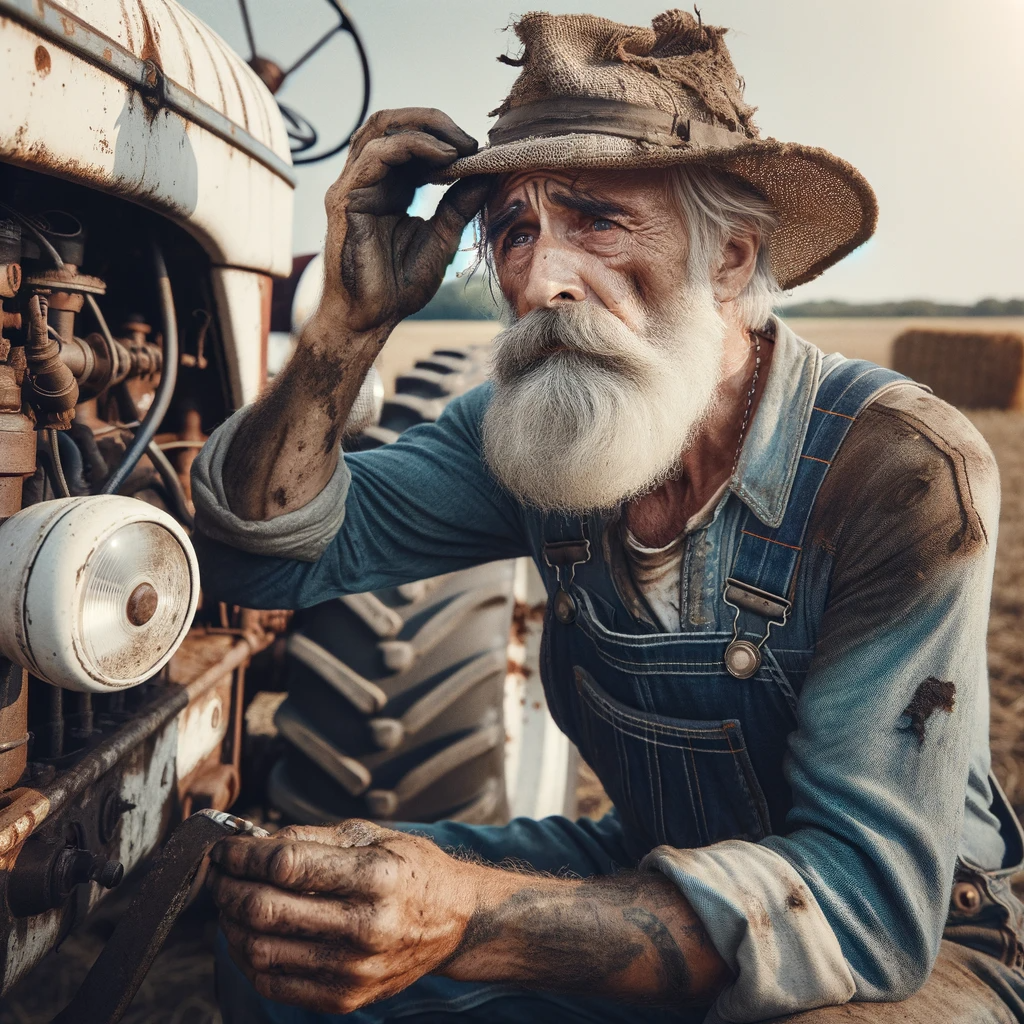
In a world buzzing with cutting-edge technology and sleek, digital innovations, the allure of classic tractors holds a unique charm, evoking a sense of nostalgia and simplicity. Picture this: an old tractor, its paint chipped but full of stories etched into its frame. Each scratch tells of long days in the field, where sweat and soil intertwined, creating a bond with the land that modern machines can only mimic. This tangible connection to the past invites us to explore AI diagnostics that, rather than complicating, enhance this simplicity.
AI can empower those who work the fields, turning what may seem like complex machinery into comprehensible partners in agricultural pursuits. Imagine a farmer, hands deeply familiar with their tractor, now equipped with an AI system that speaks their language. Instead of jargon-laden reports, AI diagnostics can provide easy-to-understand insights, offering guidance like an experienced neighbor who knows when to plant and when to pause. This level of understanding fosters trust, as farmers can rely on technology that respects their craft and tradition.
Let’s consider a story from a fourth-generation farmer, Jane, who always cherished her grandfather’s old tractor. One day, she noticed it was sputtering more than usual. Rather than dismissing it, she decided to integrate an AI diagnostic tool that communicated directly with her smartphone. The tool not only diagnosed the vehicle’s issues but showed her how to fix them—step by step, just like her grandfather would have. With every successful repair, Jane felt more empowered, as if she were carrying on a legacy while embracing the future. Each fix guided by AI deepened her understanding, transforming a once-confusing problem into an achievable solution.
Ethically, embracing AI within the world of classic tractors marries progress with preservation. It acknowledges the value of age-old wisdom while paving the way for innovation, ultimately supporting a community of farmers dedicated to sustainable practices. By enhancing the simplicity that classic tractors embody, we keep the spirit of hard work alive. It’s not merely about keeping the machine running; it’s about ensuring that generations can continue to connect—not just with their equipment, but with one another, sharing experiences, successes, and even failures along the way.
So, as we navigate the intersection of tradition and technology, let’s remember: true progress honors simplicity. The tractors that have tillered our fields for generations deserve AI that respects their legacy, ensuring that every farmer, young and old, feels at home in both their craft and their community.

AI Diagnostics That Respect Classic Tractor Simplicity
AI Diagnostics That Respect Classic Tractor Simplicity
- The charm of classic tractors evokes nostalgia and simplicity amid modern technology.
- Old tractors serve as a tangible connection to the agricultural past, enhancing the appreciation for farming traditions.
- AI diagnostics simplify complex machinery operation for farmers, providing understandable insights.
- A fourth-generation farmer named Jane uses AI tools to diagnose and repair her grandfather’s tractor.
- AI empowers users by transforming daunting problems into manageable solutions, fostering a sense of legacy.
- Integrating AI respects traditional farming while promoting sustainable practices within the agricultural community.
- True progress lies in honoring the simplicity of classic machinery, allowing farmers to connect with their heritage and each other.

AI Diagnostics That Respect Classic Tractor Simplicity
Table Of Contents
- AI Diagnostics That Respect Classic Tractor Simplicity
- How Can Technology Simplify Repairs Without Losing Tradition?
- What Emotions Do Classic Tractors Evoke In Our Memories?
- Can AI Diagnostics Preserve the History Of Tractor Innovation?
- How Can Smart Tools Enhance Our Understanding Of Classic Engineering?
- What Ethical Considerations Arise In Modernizing Classic Tractors?
- How Do We Balance Efficiency and Tradition In Tractor Maintenance?
- Conclusion
- Other Resources
- Glossary Of Terms
- Other Questions
- Haiku
- Poem
- Checklist
How Can Technology Simplify Repairs Without Losing Tradition?
Technology has a remarkable ability to bridge the gap between the past and the future, allowing us to simplify repairs without displacing the rich traditions that have defined our skills and workmanship. Picture this: a weathered tractor, its engine weary but its spirit intact, standing as a testament to bygone eras where every turn of the wrench was infused with care, respect, and sweat. We can’t deny the grit it takes to keep such machines alive, but what if technology could shoulder some of that burden while honoring the artistry of repair?
Imagine a farmer, who after a long day, comes home to find his beloved tractor sputtering. It’s not just a machine; it’s a partner in toil, a symbol of hard work and legacy. In the past, this moment would mean an arduous journey to the local mechanic, perhaps a week of downtime. Today, with the advent of diagnostic apps and sensors, the farmer can get instant feedback on the tractor’s health, pinpointing issues with surgical precision. This fusion of tradition and technology doesn’t just save time; it fosters connection. The farmer can remain involved, learning about the diagnostics while cherishing the wisdom passed down from his father and grandfather.
This is where the heart of the matter lies. Technology can enhance our craft rather than replace it. Older generations often lament the loss of hands-on skills, but this very innovation offers a new playground for mentorship. Picture a young apprentice sitting alongside a master mechanic, using tablet-based guides to harmonize the ancient art of repair with the latest advances. Together, they bridge history and innovation, creating a legacy that respects the past while looking to the future. This approach not only empowers the next generation but ensures that the intricate knowledge of repairing machinery—be it a tractor or a truck—is not lost.
Furthermore, incorporating technology into repair processes doesn’t just make our lives easier; it aligns with ethical stewardship. We are called to preserve our resources, and efficient repairs lead to less waste. By extending the life of our equipment through informed, tech-savvy practices, we take a stand against disposable culture. The story of that tractor isn’t merely about mechanics; it’s a narrative woven with the threads of environmental consciousness, community respect, and personal pride.
In a world often chasing the newest trend, we stand at a crossroads where technology can serve as our guide. So, as we turn the wrench or swipe a screen, let’s remember: we’re not just fixing a machine; we’re nurturing a living history, one repair at a time.

How Can Technology Simplify Repairs Without Losing Tradition?
How Can Technology Simplify Repairs Without Losing Tradition?
- Technology bridges the past and future in machinery repair.
- A weathered tractor symbolizes hard work and legacy, requiring care and skill for repairs.
- Diagnostic apps allow farmers to quickly identify tractor issues without long downtimes.
- This combination of tradition and technology fosters learning and connection across generations.
- Younger apprentices can learn repair techniques using modern tools alongside experienced mechanics.
- Incorporating technology supports ethical stewardship by reducing waste and extending equipment lifespan.
- Repairs serve as a means of nurturing history, combining mechanics with environmental consciousness.

How Can Technology Simplify Repairs Without Losing Tradition?
What Emotions Do Classic Tractors Evoke In Our Memories?
Classic tractors are more than just machines; they serve as vessels for nostalgia, anchoring us to simpler times and hard-earned lessons. Picture yourself as a child, standing wide-eyed at the edge of a farm, where the air is thick with the scent of fresh earth and the rumble of a trusty old tractor fills the space. That iconic sound doesn’t just echo; it reverberates through our memories, reminding us of a connection to the land and the people who worked it.
There’s an undeniable emotional weight tied to classic tractors. They symbolize the grind of daily labor; the sweat on a brow as hands grip the steering wheel worn smooth over decades of toil. In these metal behemoths, we find stories of perseverance and determination—each scratch and dent a testament to its history. Like the story of my neighbor, who would regale anyone who would listen about how his father taught him to drive that very tractor when he was just ten years old. The bond formed in those fleeting moments of childhood hang in the air, as lasting as the smell of exhaust mixed with freshly tilled soil.
These machines also offer a rational appeal, reminding us of the agricultural innovations that built our societies. Each tractor, from the diminutive Farmall Cub to the colossal John Deere Model D, represents a leap in efficiency that revolutionized farming. As we contemplate their design and function, we can’t help but marvel at the ingenuity that has kept families on their farms for generations.
Ethically, classic tractors reflect a commitment to sustainable farming and the values of hard work. They remind us of an age when the pace of life was slower, and relationships were cultivated alongside crops. Memories of gatherings around the barn, where neighbors would come together to share stories, echo the importance of community—an ever-relevant reminder that, in every furrow turned and seed sown, there is a collective spirit at play.
Socially, classic tractors forge connections. They ignite conversations at vintage shows, where enthusiasts swap tales and restore machines to their former glory. Each glimpse of a shiny hood or rusted chassis sparks memories that draw us together, unearthing shared experiences and reminding us of our roots.
Classic tractors are not just about agriculture; they encapsulate a philosophy of life, weaving a rich tapestry of emotions—lessons learned, friendships forged, and the beauty of community. Embracing these memories allows us to honor the past while inspiring the future, as we navigate the ever-changing landscape of our lives.

What Emotions Do Classic Tractors Evoke In Our Memories?
What Emotions Do Classic Tractors Evoke In Our Memories?
- Classic tractors evoke nostalgia and connect us to simpler, past times.
- They symbolize hard work, with each scratch and dent telling a story of perseverance.
- Tractors represent agricultural innovations that transformed farming efficiency.
- They reflect a commitment to sustainable farming and the value of community.
- Classic tractors spark social connections at vintage shows and restoration events.
- These machines embody a philosophy of life, highlighting lessons learned and friendships formed.
- Embracing the memories associated with classic tractors inspires future generations.

What Emotions Do Classic Tractors Evoke In Our Memories?
Can AI Diagnostics Preserve the History Of Tractor Innovation?
Can AI Diagnostics Preserve the History of Tractor Innovation?
Imagine a sun-kissed field, the sound of a diesel engine roaring to life, and the scent of freshly turned soil. Tractors have long been the backbone of agriculture, transforming landscapes and feeding generations. Yet, as we stand on the precipice of an AI-driven future, the question arises: can the technology that powers diagnostics also safeguard the legacy of these iron giants?
Each tractor tells a story. From the first wooden contraptions to today’s sophisticated machines equipped with sensors and AI, each model reflects innovation, determination, and the sweat of countless hardworking hands. As we usher in an age where AI diagnostics can predict mechanical failures and suggest optimal maintenance, we must consider how this technology can preserve the rich history of tractor innovation, not obliterate it.
Picture a farmer, perhaps your own grandfather, leaning against an old tractor, recounting tales of long days spent worked under the summer sun. He’s not just reminiscing; he’s passing down knowledge and experience that no software can replicate. By integrating AI diagnostics into the narrative of tractor innovation, we can enrich these stories rather than replace them. It’s about using technology to enhance our understanding of these machines and the people behind them, not to erase the very humanity that built them.
However, this journey isn’t just about preserving history; it’s about integrity. Ethically, we must ensure that as we embrace AI, we do not lose sight of the values that shaped the agricultural industry. The heart and soul of farming lie in community and resilience. Incorporating AI should foster connectivity among farmers, giving them tools that honor their past while propelling them forward—a digital handbook that respects the legacy of every tractor that’s plowed through fields and stood watch over generations.
The beauty of AI diagnostics lies not only in their utility but also in their potential to bridge generations. Imagine a new farmer, fresh out of college, getting tips from elders while simultaneously accessing data-driven insights from AI. This is the point where history and innovation coalesce—a harmonious blend of the past’s wisdom with the precision of the future.
As we consider the role of AI in preserving the history of tractor innovation, we must remain vigilant and intentional. Let technology be a sturdy plow, turning the soil not just of fields, but of stories, legacies, and communities. In honoring our past, we cultivate a future where every tractor’s roar, every story shared in a shaded barn, resonates with the promise of what has come before and what lies ahead.

Can AI Diagnostics Preserve the History Of Tractor Innovation?
Can AI Diagnostics Preserve the History Of Tractor Innovation?
- Tractors are fundamental to agriculture, evolving from wooden models to modern machines with AI and sensors.
- The integration of AI diagnostics can enhance the legacy of tractors by predicting mechanical failures and suggesting optimal maintenance.
- Stories and experiences passed down through generations are invaluable and cannot be replicated by technology.
- Emphasizing integrity, it is essential to maintain the values and community spirit inherent in the agricultural industry while adopting AI.
- AI should act as a tool that honors farming history, fostering connections among farmers and enhancing their knowledge.
- The combination of AI insights and traditional wisdom can create a harmonious balance between past experiences and future innovations.
- Technology must preserve stories and legacies, ensuring the future of farming resonates with its rich history.

Can AI Diagnostics Preserve the History Of Tractor Innovation?
How Can Smart Tools Enhance Our Understanding Of Classic Engineering?
In a world where technology evolves at lightning speed, we often overlook the profound connections between our mechanized past and our digital future. Imagine your grandfather’s trusty tractor—a symbol of hard work and ingenuity. This machine isn’t just a piece of equipment; it embodies the spirit of classic engineering. Smart tools today can bridge that gap, transforming our understanding of these traditional designs.
Consider the impact of modern diagnostics on that old tractor. With sensors that can track every movement and performance metric, we gain insights into its operations that previous generations could only dream of. This technology doesn’t just enhance efficiency; it tells a story of legacy. Each beep and blip reveals the soul of the machine, connecting us to the engineers who crafted it, and allowing us to appreciate their genius in a new light.
Imagine working late into the night, your hands stained with grease, trying to fix a stubborn component of that tractor. It’s here that smart tools can become your best friend. You connect a diagnostic tool to your machine, and suddenly you are not just a mechanic; you’re a part of an incredible lineage—engineer, farmer, and dreamer. The tool provides guidance, but it’s your hands that engage with the ancient iron, rekindling the passion for problem-solving that’s been around for centuries.
What makes this connection so compelling is that it taps into our shared humanity. We find ourselves in the stories of those who came before us, their struggles and triumphs echoing through time. As we embrace smart tools, we aren’t merely automating tasks; we’re participating in a continuous dialogue with history. The thrill of discovering how our classic engineering marvels function in conjunction with modern technology fosters a sense of responsibility. We’re not just caretakers of these machines; we’re stewards of knowledge, ensuring that the lessons from the past inform the innovations of tomorrow.
Ultimately, understanding classic engineering through smart tools is about more than efficiency; it’s about preserving our heritage while advancing our skills. It’s an invitation to all of us—to step into the workshop of the past with a modern toolkit in hand, to roll up our sleeves, and to continue the legacies started by those who believed in the power of creation. Grab that wrench, fire up the diagnostics, and let’s honor the past while powering towards the future, one tractor at a time.

How Can Smart Tools Enhance Our Understanding Of Classic Engineering?
How Can Smart Tools Enhance Our Understanding Of Classic Engineering?
- Technology evolution reveals connections between mechanized past and digital future.
- Classic tractors represent hard work and ingenuity, embodying traditional engineering.
- Modern diagnostics enhance understanding of older machines through performance metrics.
- Smart tools foster a dialogue with history, revealing the legacy of engineering.
- Engaging with classic machines rekindles problem-solving passion across generations.
- Users become stewards of knowledge, balancing heritage preservation with skill advancement.
- Embracing technology encourages honoring past legacies while innovating for the future.

How Can Smart Tools Enhance Our Understanding Of Classic Engineering?
What Ethical Considerations Arise In Modernizing Classic Tractors?
The rusted frames of classic tractors tell tales of labor, dedication, and history. These machines, once the lifeblood of rural communities, symbolize the hard work of generations. But today, as we modernize these cherished relics, ethical considerations loom large. One might wonder: what does it mean to breathe new life into these old steel giants without losing the essence of their story?
Firstly, modernization often means adding technology—new engines, GPS tracking, and other enhancements—that promise efficiency. While such upgrades can make farming more productive, they risk alienating the very people who rely on these tractors daily. Imagine a farmer whose father used a clunky old tractor, each dent and scratch a mark of years spent in the fields. This farmer now faces the choice of preserving that soul or embracing the shiny, efficient alternative. This pivotal moment isn’t just about machinery; it’s about honoring heritage while adapting to a rapidly changing agricultural landscape.
The heart of the matter lies in the balance between innovation and nostalgia. Sure, technology can streamline operations, but at what cost? By opting for modernity, are we losing the hands-on connection generations have had with these machines? Each turn of the wrench and each calloused hand’s grip on the wheel instills a sense of pride and tradition that modern gadgets often cannot replicate. Consider this: every classic tractor carries the spirit of the land it worked, a silent testament to the blood, sweat, and tears that built communities.
Ethically, we must ask ourselves who benefits from modernization. When only a select few can afford high-tech upgrades, we create a divide in farming communities, leaving behind those who aren’t tech-savvy or economically equipped to transition swiftly. Ensuring access to affordable, upgraded solutions fosters trust and inclusivity. Communities thrive when we support one another, not when we leave some in the dust—much like a tractor left rusting in a backfield.
Finally, we should embrace a narrative where the old and new coexist. Picture a scenario where modern technology enhances the classic without erasing its soul. Maybe it’s a hybrid tractor that retains the original frame but integrates modern efficiency. This fusion revitalizes the connection between man and machine, allowing farmers to embrace the heritage while forging ahead into the future.
Modernizing classic tractors isn’t just about improving efficiency; it’s about respecting the past while innovating for tomorrow. It’s a journey that demands our heart, challenges our ethics, and beckons our empathy.

What Ethical Considerations Arise In Modernizing Classic Tractors?
What Ethical Considerations Arise In Modernizing Classic Tractors?
- Classic tractors symbolize the labor and dedication of generations in rural communities.
- Modernization of these machines raises ethical considerations regarding the preservation of their history.
- Upgrades such as new engines and GPS tracking enhance efficiency but may alienate traditional users.
- Balancing innovation with nostalgia is essential to maintaining the connection to past agricultural practices.
- Access to affordable upgrades is crucial to ensure inclusivity and support within farming communities.
- A narrative where old and new coexist, such as hybrid tractors, can enhance tradition while modernizing practices.
- The journey of modernizing tractors demands a balance of respect for the past and innovation for the future.

What Ethical Considerations Arise In Modernizing Classic Tractors?
How Do We Balance Efficiency and Tradition In Tractor Maintenance?
Balancing efficiency and tradition in tractor maintenance invites a rich tapestry of emotion and pragmatism. Think of a time when you felt the weight of a family heirloom, perhaps an old tractor passed down through generations. It’s not just a machine; it represents hard work, dedication, and a lifestyle rooted in the land. As you step into the world of tractor maintenance, you face the delicate dance between time-honored practices and the relentless march of progress.
Tradition teaches us to honor every rusted bolt and timeworn engine. We remember our fathers and grandfathers, hands caked in dirt yet filled with knowledge that has been gathered over decades. They understood the importance of ritual—the careful checking of oil, the rhythmic sound of a bolt turning, an almost spiritual connection to their equipment. These practices grounded them, reminding them that maintenance wasn’t merely a task but an expression of respect for the land and the machinery that helps cultivate it.
Yet, in today’s fast-paced world, the pressure to embrace efficiency can be overwhelming. Modern technology offers shiny promises—a diagnostic tool here, a remote monitoring system there. The allure of speed often tempts us to abandon those cherished rituals. It’s like trading a handwritten letter for a quick text, losing the depth and personality in the process. However, just as a text can never truly capture a heartfelt sentiment, skipping tradition in tractor maintenance can lead to a disconnect between the operator and their machinery.
Here lies the crux: embracing technology doesn’t mean abandoning tradition. It’s about harmonizing these two powerful forces. Consider the story of a farmer who, feeling the pressure of a demanding season, began integrating modern maintenance strategies while weaving in his family’s time-honored techniques. He found that using data analytics to monitor his tractor’s performance allowed him to identify issues early, preserving the machine’s longevity. This dynamism transformed his approach—from reactive to proactive—ultimately leading to even greater respect for an age-old craft.
This balance fosters a community anchored in trust, where experiences and stories are exchanged, inspiring a new wave of operators who value both the efficiency of the latest technologies and the wisdom of tradition. When we can unite these approaches, we not only enhance our capabilities but also reinvigorate a sense of belonging and purpose. So as you turn the wrench or engage the transmission, remember: it’s about cultivating a lineage of care, connection, and reverence for both man and machine in this ever-evolving field of agriculture.

How Do We Balance Efficiency and Tradition In Tractor Maintenance?
How Do We Balance Efficiency and Tradition In Tractor Maintenance?
- Balancing efficiency and tradition in tractor maintenance evokes emotion and practicality.
- An old tractor symbolizes hard work and dedication passed down through generations.
- Tradition emphasizes honoring machinery through ritualistic practices and connections to the land.
- Modern technology presents efficiency but risks abandoning cherished maintenance rituals.
- Integrating technology with tradition can lead to proactive maintenance and longevity of machinery.
- This balance fosters community trust and inspires new operators to value both approaches.
- Uniting efficiency and tradition cultivates a sense of belonging and reverence in agriculture.

How Do We Balance Efficiency and Tradition In Tractor Maintenance?
Conclusion
In the heart of agriculture, classic tractors stand as symbols of dedication and history, whispering stories from the past that resonate deeply with those who have tended the land. As we move into an era dominated by artificial intelligence and cutting-edge technology, the challenge lies in integrating these advancements without diluting the rich traditions that define our farming communities. The bond between a farmer and their tractor is profound; it transcends mere functionality, embodying the sweat, toil, and pride imbued into each scratch and dent.
Envision a farmer using an AI diagnostic tool not just as a crutch but as a trusted companion—like a neighbor stopping by to offer wisdom just when it’s needed. This technology doesn’t replace the hands-on knowledge passed down through generations; rather, it enhances it, translating complex repairs into straightforward solutions. This synergy empowers farmers, ensuring that while their age-old practices remain intact, they also gain insights that keep their machinery and, by extension, their livelihoods, thriving.
Stories like that of a fourth-generation farmer illustrate this beautifully. When faced with a sputtering tractor, she turns to AI diagnostics, feeling an immediate connection to her grandfather’s lessons while learning to remedy mechanical issues with newfound confidence. Through each successful repair, she honors legacy and embraces innovation, bridging the divide between the past and future.
Moreover, ethical considerations must guide us as we navigate these technological waters. We must ensure that modernization is inclusive, honoring the skills of seasoned farmers while welcoming the new generation eager to learn. It’s crucial that we cultivate an environment where technology empowers everyone, avoiding a paradigm where only some can afford the latest features, thereby risking a divide in agricultural communities.
Ultimately, marrying innovation with tradition becomes a narrative worth sharing. Each tractor, each repair, and every farmer’s story contributes to a larger tapestry of resilience and connection. By respecting the roots of our agricultural history while embracing the smart tools offered by modern advancements, we ensure that the soul of farming endures. It’s a delicate dance—one that invites us to honor the past and cultivate a sustainable future, ensuring that every roar of an engine carries forward the lessons of days gone by, echoing the promise of tomorrow.

Conclusion
Conclusion:
- Classic tractors symbolize dedication and history in agriculture.
- Integrating AI and technology in farming must honor traditional practices.
- The relationship between farmers and their tractors embodies hard work and pride.
- AI diagnostic tools serve as companions, enhancing traditional knowledge.
- A fourth-generation farmer uses AI to connect with her grandfather’s teachings.
- Ethical considerations necessitate inclusive modernization in agriculture.
- Marrying innovation with tradition ensures the resilience and continuity of farming.

Conclusion
Other Resources
Other Resources
Here is a list of other resources you can review online to learn more:
- Best
- Toro
- Northern Neck Farm Museum
- Minot
- Leader
- Benefits of Classic Tractors
- Antique Engine & Tractor Association – Working Farm Show
- Ventrac
- Arma Trac Tractors
- C.O.D. Tractor Company
- McKee
- CBT
- Acremaster
- Legacy of the Plains Museum
- Racine County Fair Antique Tractors
- Branson Auto & Farm Museum
- Rhino
- Farm Pro
- Cockshutt
- Antique Tractor Supply
Use This Prompt To Get More Resources With Your Favorite Online AI Tool: Please provide me with a list of online articles with their URLs in a bulleted list that I can read regarding AI Diagnostics That Respect Classic Tractor Simplicity

Other Resources
Glossary Terms
AI Diagnostics That Respect Classic Tractor Simplicity – Glossary Of Terms
1. Analog-first diagnostics — diagnostic approach that prioritizes analogue measurements and simple instruments before complex algorithms.
2. Heuristic checklist — concise, rule-based troubleshooting steps that mirror a mechanic’s intuition.
3. Edge inference — running compact AI models locally on the tractor to avoid cloud reliance.
4. Explainable fault code — a fault identifier paired with a plain explanation of cause and implications.
5. Minimal UI — spare, high-contrast interface showing only essential diagnostic information.
6. Retrofit sensor — add-on sensor designed to attach to vintage tractor systems with minimal modification.
7. Rule-based fallback — deterministic logic that provides guidance when AI output is uncertain.
8. Confidence threshold — preset certainty level required before the system issues an automated recommendation.
9. Signal conditioning — preprocessing (filtering, scaling) to clean noisy mechanical sensor data.
10. Vibration signature — characteristic vibration pattern linked to a specific component fault.
11. Thermal mapping — basic temperature scans to locate hotspots or cooling issues.
12. Cause-and-effect rule — explicit mapping from observed symptom to likely mechanical cause.
13. Offline mode — full diagnostic and logging capability without network connectivity.
14. Low-bandwidth sync — compressed, incremental data updates for occasional connectivity.
15. Onboard logger — local storage of sensor readings and events for later review.
16. Human-in-loop — requirement that a technician confirm or override critical diagnostic decisions.
17. Maintenance ledger — simple chronological record of inspections, repairs, and findings.
18. Plug-and-play harness — standardized wiring adapter for easy sensor installation.
19. Fail-safe defaults — conservative operational settings that preserve basic function if diagnostics fail.
20. Stepwise guide — sequential, practical repair instructions generated from a diagnosis.
21. Plain-language alerts — non-technical notifications that tell the user what to do next.
22. Diagnostic-to-action mapping — direct linkage from detected fault to recommended physical action.
23. Predictive window — short-term forecast of likely component degradation or failure.
24. Slow-time sampling — lower-frequency data collection aligned with mechanical system dynamics.
25. Transient capture — high-resolution, short-duration recording triggered by anomalies.
26. Model compactness — lightweight AI models optimized for limited compute on legacy machines.
27. Calibration routine — simple procedures to align sensors and restore measurement accuracy.
28. Cross-check probe — manual verification measurement (multimeter, dial gauge) to confirm AI findings.
29. Service persona — selectable workflow profiles (farmer, mechanic, dealer) that tailor diagnostics and language.
30. Simplicity score — numeric indicator of how clear and actionable a diagnosis is for a classic-tractor operator. Glossary Of Terms
Other Questions
AI Diagnostics That Respect Classic Tractor Simplicity – Other Questions
If you wish to explore and discover more, consider looking for answers to these questions:
- How does AI diagnostics physically connect to a classic tractor (OBD, aftermarket sensors, Bluetooth, etc.)?
- Are non‑invasive installation options available that preserve the tractor’s original wiring and components?
- Which tractor makes, models, and years are supported out of the box?
- Can the system be customized for heavily modified or bespoke vintage tractors?
- What sensors are required and where are they typically installed?
- Does the AI work offline in remote fields or does it require a constant internet connection?
- Where is diagnostic data stored — locally on the device, on the farmer’s phone, or in the cloud?
- Who owns the diagnostic and usage data generated by the tractor?
- What measures protect that data from unauthorized access or sharing?
- How accurate are AI diagnoses and what is the rate of false positives/negatives?
- Can the AI provide step‑by‑step repair instructions tailored to the user’s skill level?
- Will following AI repair guidance affect warranty, insurance, or liability?
- How does the system indicate confidence in a diagnosis and when should a human mechanic be consulted?
- Are parts, tools, and detailed procedures linked to specific repairs suggested by the AI?
- Does the AI recommend OEM parts, compatible aftermarket options, or recycled/used parts?
- How is historical maintenance and repair knowledge preserved and integrated into the AI’s recommendations?
- Can the system document and archive restoration work for historical records or resale value?
- Will adding AI and modern sensors reduce the collector or historical value of a tractor?
- How do farmers without technical experience learn to use the system — are tutorials or in‑person trainings offered?
- Is multilingual support and localized guidance available for diverse farming communities?
- What are the upfront costs, ongoing subscription fees, and total cost of ownership?
- Are there financing, grants, or cooperative purchasing options to make upgrades affordable?
- Can the AI perform predictive maintenance and forecast component life expectancy?
- How are firmware or software updates handled, and do updates risk altering historical data or behavior?
- How does the AI adapt or learn from farmer feedback, corrections, and real‑world outcomes?
- Is there a community or knowledge‑sharing platform where users exchange tips and fixes?
- What liability protections exist if an AI recommendation causes damage or injury?
- Are there regulatory or legal constraints around retrofitting older tractors with modern electronics?
- How does the system manage safety features and warn about hazardous conditions?
- Can diagnostics integrate with existing farm management software, telematics, or fleet systems?
- What maintenance intervals does the AI recommend versus traditional schedules?
- How does the technology help reduce waste, extend equipment life, and improve sustainability?
- Can the AI detect previous repairs, hidden faults, or structural issues that are not obvious?
- What customer support and local mechanic networks are available for complex repairs?
- Are case studies or measurable performance improvements (downtime reduction, cost savings) available?

Other Questions
Haiku
AI Diagnostics That Respect Classic Tractor Simplicity – A Haiku
Old iron, stories spun,
Tech whispers to guide the hands,
Tradition lives on.

Haiku
Poem
AI Diagnostics That Respect Classic Tractor Simplicity – A Poem
In fields where history rusts in metal frame,
Classic tractors stand, whispering names,
The stories of labor etched in each dent,
A tale of tradition, of sweat that they spent.
Once a symbol of toil beneath the sun’s rays,
Now entwined with AI in new-fangled ways,
Smart tools that speak in a farmer’s own tongue,
Preserving the past while new futures are sung.
Imagine Jane, her grandfather’s pride,
With AI in hand, ancestral knowledge beside.
From sputters to solutions, her hands learn the craft,
Wielding tech like a torch, as memories draft.
Yet as gears mesh with data, what’s lost in the spark?
The heart of true farming—its essence not stark.
It’s community, kindness, the stories we share,
Not just engines rumbling but fibers of care.
We balance efficiency, the new and the old,
In each wrench and each turn, a legacy bold.
For every farmer knows, as they sow and reap,
To honor the past is a promise we keep.
So let tractors roar like they did in their prime,
With respect for their history, season, and time.
In fields wide and open, let technology bend,
To honor the land, the machines, and each friend.

Poem
Checklist
AI Diagnostics That Respect Classic Tractor Simplicity – A Checklist
Checklist for Embracing AI Diagnostics in Classic Tractors
✅______ Reflect on your childhood memories tied to classic tractors.
✅______ Share a personal story of your connection with a cherished tractor.
✅______ Acknowledge the emotions tied to maintaining family heritage in farming.
Rational Appeals
✅______ Identify the benefits of AI diagnostics in simplifying repairs.
✅______ Compare the efficiency of modern diagnostic tools versus traditional methods.
✅______ Highlight the cost-effectiveness of using technology for maintenance.
Ethical Appeals
✅______ Discuss the importance of preserving traditional farming techniques while adopting new technology.
✅______ Promote sustainable practices that minimize waste and respect the environment.
✅______ Consider the implications of innovation on community inclusivity and access.
Authority Appeals
✅______ Cite experiences from seasoned farmers who have successfully integrated AI into their practices.
✅______ Reference studies or expert opinions that support the use of technology in maintaining classic tractors.
✅______ Showcase testimonials from peers within the farming community who advocate for tech adoption.
Narrative Appeals
✅______ Share stories of successful restorations of classic tractors using modern technology.
✅______ Highlight tales of farmers who balance tradition with innovation in their day-to-day operations.
✅______ Illustrate the journey of passing down knowledge from one generation to the next, incorporating new tools.
Social Appeals
✅______ Encourage participation in local farming communities and vintage tractor shows.
✅______ Promote sharing experiences and tools among fellow farmers to foster a sense of unity.
✅______ Engage in discussions on social media or community spaces focused on preserving agricultural heritage.

Checklist
At ClassicTractorNews, we help tractor lovers keep up with the latest news for classic and vintage tractors.
Please share this post with your friends, family, or business associates who may like old classic or vintage tractors.