

Empowering Farmers: Smart Solutions For Every Tractor’s Future
By Tom Seest
At ClassicTractorNews, we help tractor lovers keep up with the latest news for classic and vintage tractors.
Please share this post with your friends, family, or business associates who may like old classic or vintage tractors.
Affordable Telemetry for Non-Computerized Tractors
In the heart of America’s farmland, the hum of a trusty tractor is the heartbeat of hard work and determination. It’s that sturdy machine, often worn from years of labor, that turns the soil and nurtures the crops feeding families and communities. But what if you could enhance that tractor with affordable telemetry? Imagine this: years of hard-earned knowledge and grit combined with the power of modern technology, all without breaking the bank.
Telemetry often sounds complicated and distant, like a tech-savvy friend talking about rocket science. Yet, it doesn’t need to be this way, especially for those of us who live life under the sky, working the soil with our hands. Picture a tractor equipped with simple, accessible telemetry that sends real-time data about fuel levels, engine performance, and even soil conditions to your smartphone. It’s not about replacing the sweat and effort; it’s about amplifying it.
Consider the story of Hank, a farmer who inherited his family’s tractor from his grandfather. Hank remembers his grandfather teaching him to listen to the tractor—the subtle sputter of the engine, the way the wheels sank into the earth. When Hank added affordable telemetry, he not only improved efficiency but also honored that legacy. The tractor evolved, but the heart of the operation remained intact. Hank could focus on growing his business, knowing his tractor was feeding him crucial insights.
Rationality also plays a vital role. With affordable telemetry, a tractor can become a partner in productivity. Why gamble on unpredictable harvests when data-driven decisions lead to better results? It’s about trusting the machinery to help make informed choices, ensuring that every seed sown and every hour spent on the tractor pays off in the end.
On an ethical note, investing in telemetry isn’t just beneficial for individual farmers; it can uplift entire communities. When farmers maximize their yield with smarter technology, they contribute to local economies and food security. By fostering this tech-savvy approach, we’re not just owners of tractors; we become stewards of the land and champions of sustainability.
Affordable telemetry transforms these workhorses into finely-tuned instruments of agriculture. It’s an invitation to modernize without losing sight of tradition, merging heart with head and gut. This is about reclaiming control, empowering farmers with knowledge, and reinforcing that every push of the pedal matters. In this evolving landscape, let’s ensure that our tractors remain symbols of hard work, resilience, and progress—one telemetry system at a time.
Affordable Telemetry for Non-Computerized Tractors
Affordable Telemetry for Non-Computerized Tractors
- Tractors are vital to American farmland, symbolizing hard work and determination.
- Affordable telemetry enhances tractors with real-time data on fuel, engine performance, and soil conditions.
- Telemetry simplifies technology for farmers, enabling them to remain in tune with traditional practices.
- Hank’s story illustrates how telemetry improves efficiency while honoring agricultural legacies.
- Data-driven decisions with telemetry increase productivity and yield, reducing harvest unpredictability.
- Investing in telemetry benefits entire communities by contributing to local economies and food security.
- Affordable telemetry empowers farmers, merging tradition with modern technology for sustainable agriculture.
Affordable Telemetry for Non-Computerized Tractors
Table Of Contents
- Affordable Telemetry for Non-Computerized Tractors
- What If Affordable Telemetry Could Transform Your Farming Practices?
- How Can Affordable Solutions Help Optimize Tractor Performance?
- How Does Affordable Telemetry Promote Sustainable Farming Methods?
- Can Most Farmers Integrate Telemetry Without Massive Costs?
- What Role Does Telemetry Play In Ensuring Crop Yield and Health?
- How Can This Technology Enhance the Safety Of Your Farm Operations?
- Conclusion
- Other Resources
- Glossary Of Terms
- Other Questions
- Haiku
- Poem
- Checklist
What If Affordable Telemetry Could Transform Your Farming Practices?
Imagine a crisp morning on the farm, where the horizon is kissed by the first light of day. The tractor hums steadily, a familiar companion ready to till the earth. Yet, in the backdrop of this idyllic setting, an invisible web of data begins to unfold. Affordable telemetry could be the game-changer we’ve all been waiting for, revolutionizing the way we approach farming and, ultimately, our connection to the soil.
Telemetry is more than just a fancy term; it’s the lifeblood of modern agriculture. Picture this: sensors embedded within your fields can relay real-time information about soil moisture, temperature, and nutrient levels straight to your smartphone. It’s akin to having a trusted advisor whispering critical insights into your ear while you navigate the hard work of sowing seeds and nurturing crops. With every notification, you gain knowledge that hones your instinct, transforming decisions into finely-tuned actions.
Embracing this technology doesn’t mean betraying tradition; rather, it’s like adding another tool to an already sturdy toolbox. Farmers, strong and resilient, have always navigated hard times with courage and innovation. Leveraging affordable telemetry means you’re not just keeping up; you’re leading the charge toward a more sustainable future. The evidence is clear—fields that utilize this technology see increased yields and decreased resource waste. You’re not only enhancing your bottom line but also caring for the land that has nurtured generations before you. It’s an ethical commitment, a responsibility to future farmers who will walk the same fields, their tractors humming the same tune.
Take the story of Jane, a third-generation farmer, who used telemetry to overcome a drought. By understanding her crop needs with precision, she conserved water, ensuring her fields flourished when others faltered. Her farm transformed from a struggle into a story of resilience, change, and sustainable abundance. Every farmer has a story; telemetry could help write the next chapter of yours, one that blends hard work with smart farming practices.
As you stand next to that trusty tractor, consider the possibilities. How would your farming be transformed if you had an unobtrusive coach guiding you, highlighting opportunities where you once felt overwhelmed? Your labor deserves to be supported by technology that champions your efforts. Affordable telemetry isn’t just a dream; it’s a pathway to innovation, connection, and growth. It brings the community of farmers closer, allowing shared experiences and collective wisdom to flourish. When you embrace this change, you’re not just farming; you’re fostering a legacy.

What If Affordable Telemetry Could Transform Your Farming Practices?
What If Affordable Telemetry Could Transform Your Farming Practices?
- The morning on the farm is tranquil, with a tractor ready to till the soil.
- Affordable telemetry is positioned as a transformative tool in modern agriculture.
- Sensors provide real-time data on soil conditions directly to farmers’ smartphones.
- Using this technology enhances decision-making without compromising traditional practices.
- Evidence shows increased yields and decreased resource waste from telemetry utilization.
- Case study of Jane, a farmer who successfully used telemetry to manage water during a drought.
- Telemetry fosters community and shared wisdom, supporting farmers in their efforts.
What If Affordable Telemetry Could Transform Your Farming Practices?
How Can Affordable Solutions Help Optimize Tractor Performance?
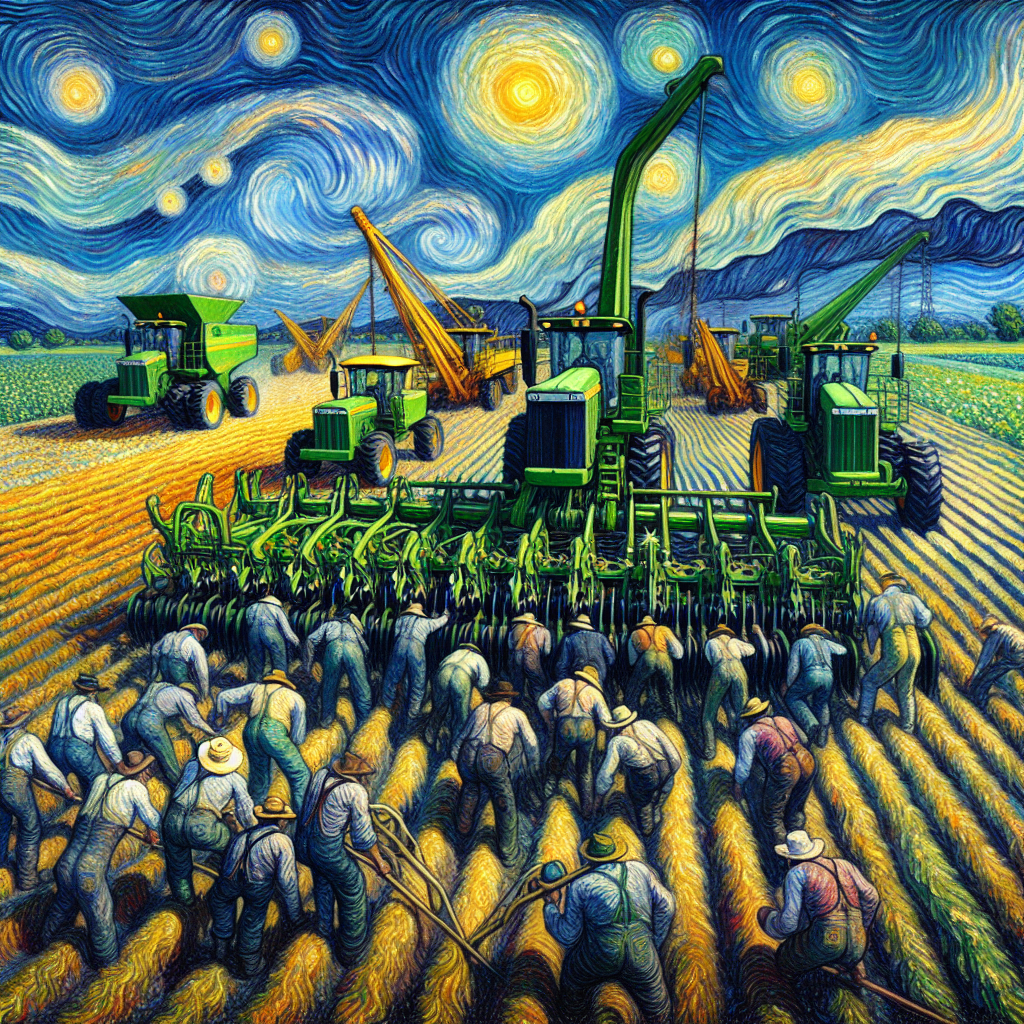
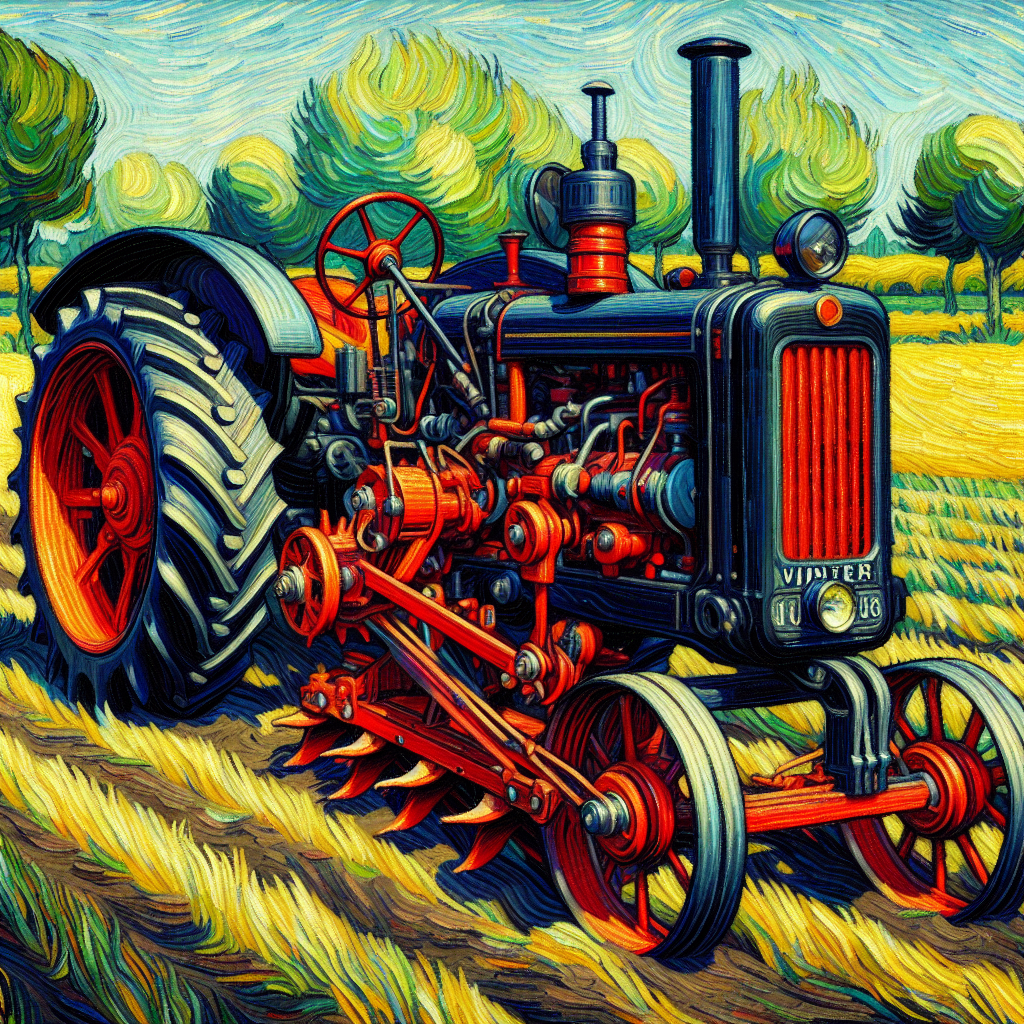
In the heart of rural America, nothing draws a more potent connection than the sight of a hardworking tractor cutting through golden fields. These machines are not just tools; they are lifelines to families, communities, and economies. However, the real challenge lies not in the tractor itself but in how we approach its performance—specifically, through affordable solutions that can breathe new life into these mechanical marvels.
Imagine the farmer in a sun-soaked field, hands calloused from years of toil, staring at his trusted tractor as it struggles to clear the land. It’s a familiar tale—a hard worker relying on affordable innovations to maximize performance without breaking the bank. When we talk about optimizing tractor performance, we must consider the emotional investment in every blade of grass these machines shear. These tractors symbolize sweat, dedication, and generations of tradition. The key is finding accessible solutions that maintain this pride without sacrificing quality.
Think about the power of preventative maintenance—easy tweaks and adjustments that save big dollars in the long run. Just like a good health regimen, taking care of equipment prolongs its life and efficiency. It’s not just a matter of fixing a problem when it arises; it’s about nurturing a relationship with your tractor. Utilizing affordable tools and training can empower farmers to take control of their machinery’s health, reinforcing an ethical approach to stewardship over mechanical assets. It’s about cultivating a culture where everyone can share best practices and successes, fostering pride in a communal effort toward sustainability.
Consider the community aspect as well. When farmers come together, sharing knowledge on affordable upgrades or innovative practices, they ignite a spirit of camaraderie and support. Sharing stories of before and after a simple substitution—perhaps a new fuel filter or updated software—spurs others into action. Every dollar spent wisely on minor upgrades echoes through the entire farming community, leading to collective improvement and increased yield.
The tale of a farmer converting an old tractor with affordable tech speaks volumes. It’s not just about boosting horsepower or speed; it’s a profound narrative about empowerment. With the right support, any farmer can transform a struggling tractor into a peak-performing partner in their agricultural journey, illustrating that sometimes, the simplest solutions yield the richest rewards. This isn’t just optimizing performance; it’s about honoring tradition while working hand-in-hand with innovation, just like those who’ve paved the way before us, ensuring their legacy of hard work continues.
How Can Affordable Solutions Help Optimize Tractor Performance?
How Can Affordable Solutions Help Optimize Tractor Performance?
- Tractors are vital tools for farmers, serving as lifelines to families and communities in rural America.
- The focus on tractor performance emphasizes affordable solutions to enhance their capabilities.
- Preventative maintenance is essential for prolonging equipment life and efficiency.
- Farmers are empowered to manage their machinery health through accessible tools and training.
- Community knowledge sharing fosters camaraderie and supports innovative farming practices.
- Minor upgrades can lead to significant improvements in farming yields and practices.
- Transforming older tractors with affordable technology can reflect both tradition and innovation.
How Can Affordable Solutions Help Optimize Tractor Performance?
How Does Affordable Telemetry Promote Sustainable Farming Methods?
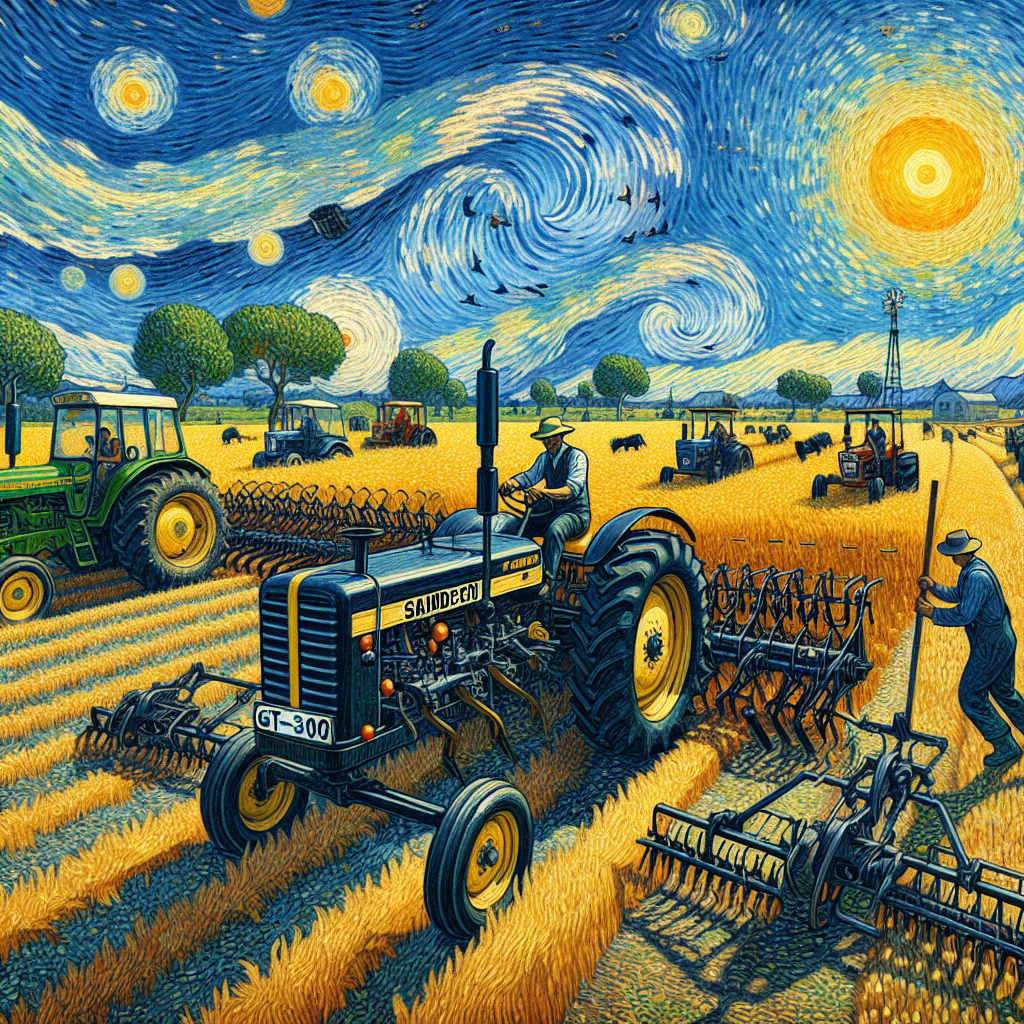
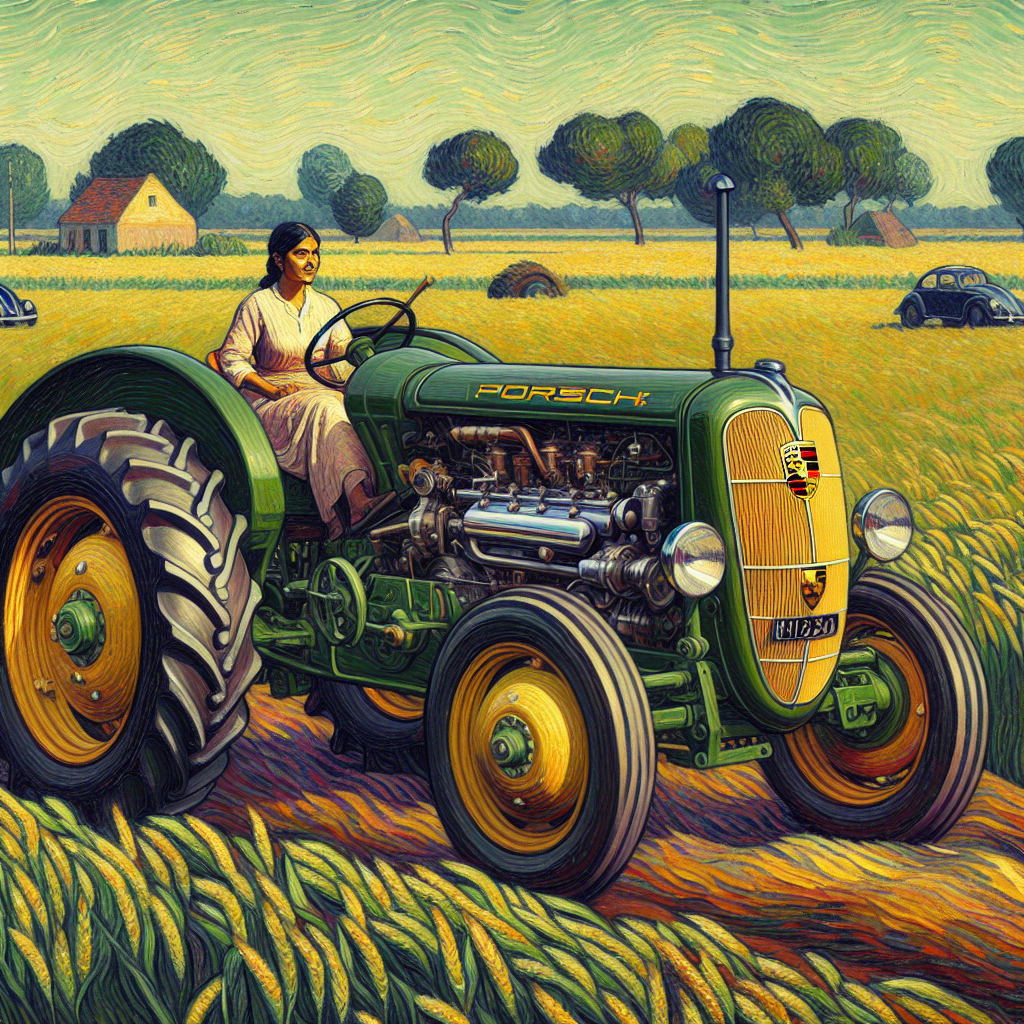
In a world where every drop of water counts and every inch of soil holds the potential for life, affordable telemetry offers farmers a lifeline. Picture a farmer standing beside their trusty tractor, eying their fields as the sun rises. The promise of a bountiful harvest dances in their mind, but the weight of uncertainty looms large—will they have enough resources to cultivate their land without depleting it? Enter affordable telemetry, transforming abstract hopes into tangible solutions.
Telemetry technology, once a luxury reserved for large corporations or tech-savvy agribusinesses, is now democratized. Farmers can equip their tractors with sensors that monitor soil moisture, weather patterns, and crop health in real time. This isn’t just about saving money; it’s about making informed decisions that benefit not only the bottom line but also the land itself. Imagine a farmer who, informed by data, decides to water only when the soil is truly thirsty, conserving precious resources and reducing runoff. This isn’t just smart—it’s ethical farming in action.
Consider the family farms, often the backbone of small communities, struggling to keep pace with larger operations. They understand their land intimately; however, they may lack access to modern technological tools. With affordable telemetry, farmers of all sizes can share in the benefits of efficiency. A farmer named Sarah offers a powerful story. Armed with telemetry data, she reduced her pesticide use by 30%, preserving the health of her crops while creating a healthier ecosystem. The result? Not only did her yield increase, but she fostered goodwill within her community, becoming a champion for sustainable practices.
Affordable telemetry also creates a sense of collective responsibility. Farmers become stewards of their land, bound not only by their commitment to better yields but also by a shared ethical duty to future generations. This movement draws on the idea that every farmer has the capacity to affect change, one tractor ride at a time. As they gather at local co-ops, they swap stories about minimizing their chemical inputs and maximizing their yields, building a supportive network that champions sustainability.
As we delve deeper into a future that demands respect for our planet, affordable telemetry signifies more than a technological advancement; it represents a movement toward a sustainable way of life. By embracing this technology, farmers aren’t just refining their craft; they’re laying down roots for a resilient agricultural future—an endeavor that is not just good for business, but good for the heart of farming itself. Through the lens of affordable telemetry, we see a path forward—one that connects us all to the land we cultivate, the community we nourish, and the world we hope to sustain.
How Does Affordable Telemetry Promote Sustainable Farming Methods?
How Does Affordable Telemetry Promote Sustainable Farming Methods?
- Affordable telemetry provides farmers with essential tools for sustainable agriculture.
- Once available only to large corporations, telemetry is now accessible to all farmers through affordable technology.
- Farmers can monitor soil moisture, weather patterns, and crop health in real time to make informed decisions.
- Utilizing telemetry data, farmers can conserve resources, such as watering only when necessary to reduce runoff.
- Sarah’s example illustrates how telemetry can lead to reduced pesticide use and increased yields while fostering community goodwill.
- Telemetry encourages a collective responsibility among farmers to be stewards of their land and future generations.
- This technology represents a shift towards a sustainable agricultural future, connecting farmers to their community and environment.
How Does Affordable Telemetry Promote Sustainable Farming Methods?
Can Most Farmers Integrate Telemetry Without Massive Costs?
Farming in today’s world often feels like a balancing act—where tradition meets technology on the tightrope of survival. Picture a seasoned farmer, standing proudly beside his well-worn tractor, a tool that has been as much a part of his family as the land itself. He knows every creak and groan of that machine, each tells its own story. Now, imagine him faced with the reality of integrating telemetry into his operation. It’s a daunting concept, laden with a price tag that can make the heart race and the stomach churn.
Many farmers look at the emerging technologies on the horizon with a mix of intrigue and skepticism. They see the potential for increased efficiency, better yields, and a more sustainable approach to farming. But the financial barrier often casts a long shadow. Can most farmers really integrate telemetry without sending their budgets spiraling out of control?
Let’s switch gears for a moment. Think of telemetry as a GPS for your farming practices. Just as a knowledgeable friend might guide you on a road trip—a voice providing real-time updates, warning of potholes ahead—telemetry does the same for crops and equipment. It provides insights into soil health, weather patterns, and equipment performance. Envision a farmer receiving alerts directly to his smartphone about when his tractor needs maintenance, not after the engine has sputtered but before that costly breakdown occurs.
It’s more than just gadgets and gizmos; it’s about survival—about preserving the family farm for the next generation. The thought of passing down not just land, but a legacy that embraces innovation can strike a chord within every farmer’s heart. Many rural communities have already begun to witness the rewards of embracing technology without incurring massive debts. By pooling resources—sharing equipment or knowledge—farmers find that integration becomes a community endeavor rather than a personal burden.
Moreover, financing options designed for small- to medium-sized farms are increasingly available. These initiatives aim to promote inclusivity, considering the ethical implications of widening the technology gap in agriculture.
Ultimately, it’s about fostering a connection—with the land, with neighbors, and with what’s possible when technology and tradition collide. The message is clear: it doesn’t have to break the bank. With a little creativity and a community-driven approach, integrating telemetry can be not only accessible but transformative. Embrace the change, and who knows? The next story told over dinner might just be about how embracing telemetry turned a struggling farm into a thriving beacon of sustainability.
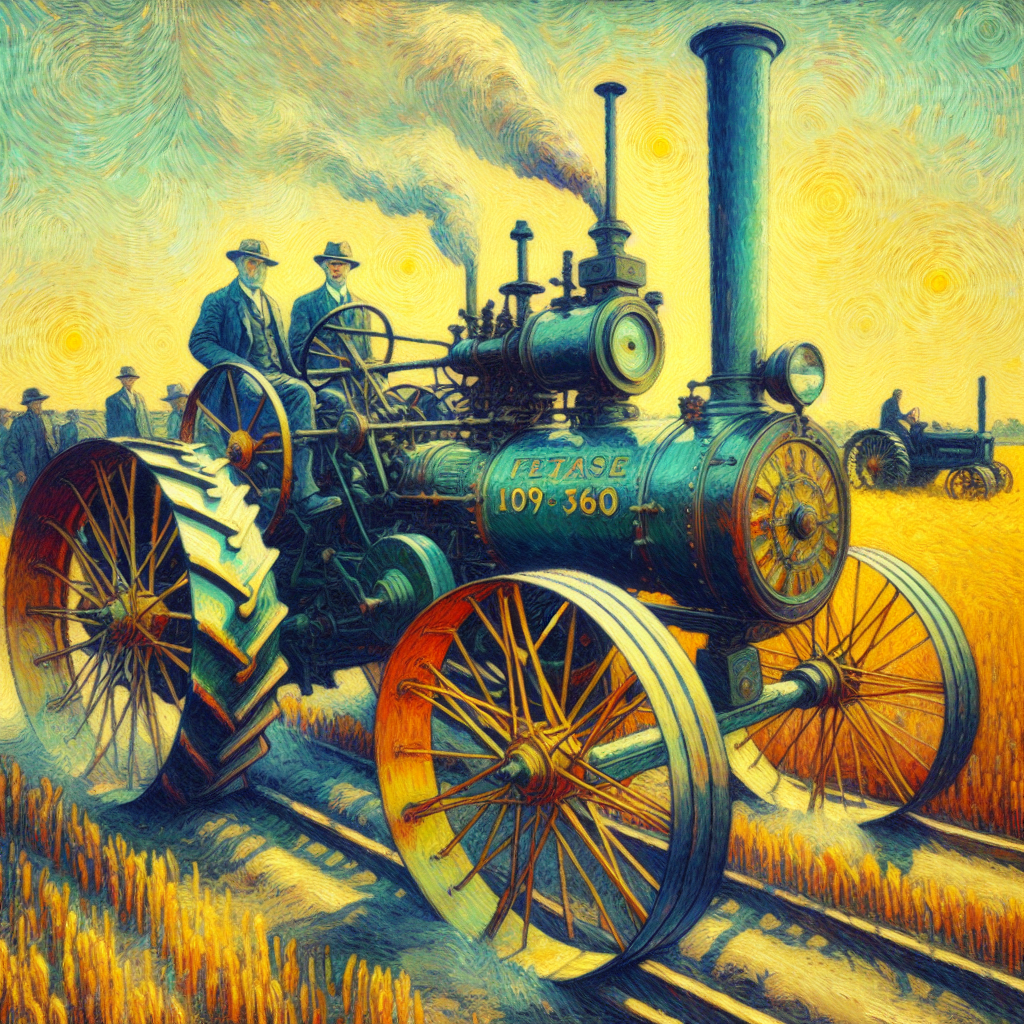
Can Most Farmers Integrate Telemetry Without Massive Costs?
Can Most Farmers Integrate Telemetry Without Massive Costs?
- Farming today blends tradition with technology in the survival landscape.
- Farmers show intrigue and skepticism towards emerging technologies like telemetry due to financial concerns.
- Telemetry acts as a GPS for farming, offering insights on soil health, weather patterns, and equipment performance.
- Integration of technology is seen as essential for preserving family farms for future generations.
- Community resource pooling helps farmers integrate technology with reduced personal financial burden.
- Financing options for small
- to medium-sized farms promote inclusivity in adopting agricultural technology.
- Technology and tradition can coexist, making telemetry integration accessible and transformative for farming.
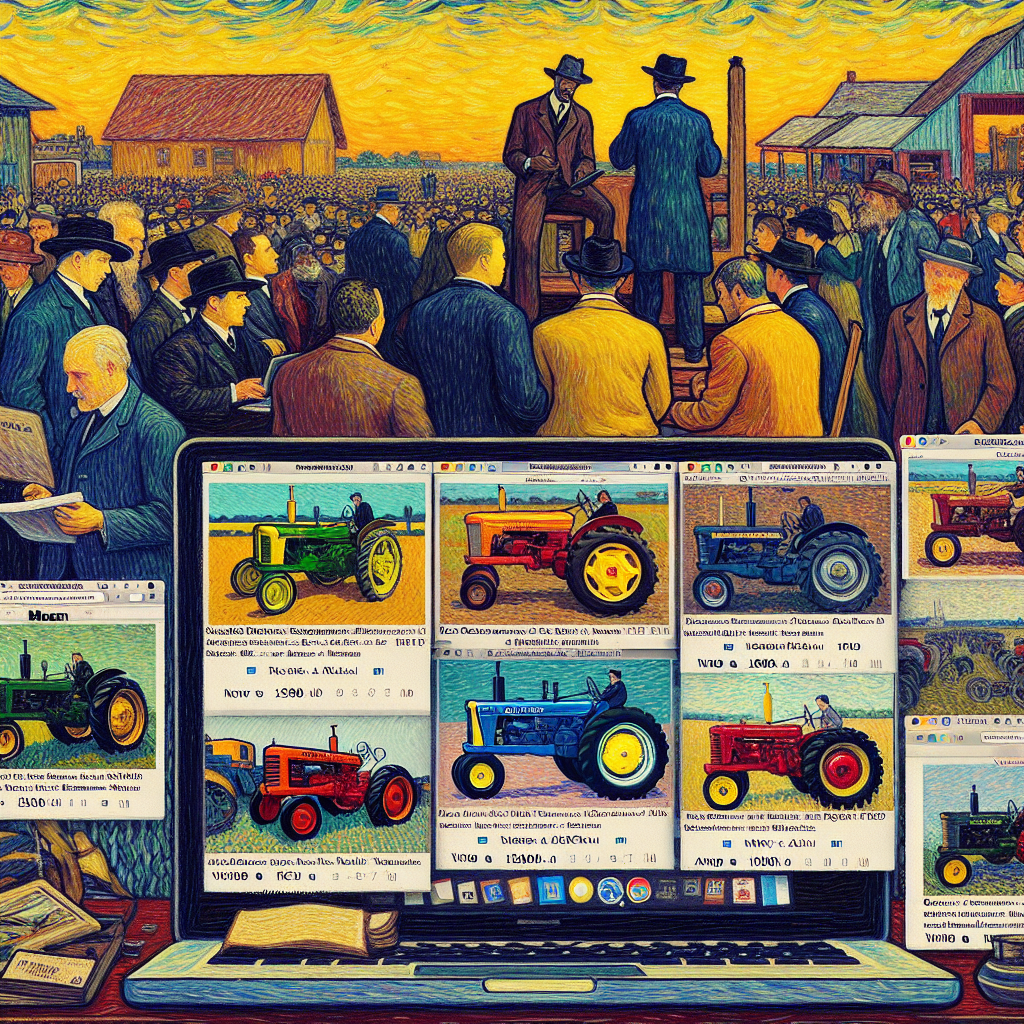
Can Most Farmers Integrate Telemetry Without Massive Costs?
What Role Does Telemetry Play In Ensuring Crop Yield and Health?
Telemetry has revolutionized agriculture, transforming the way farmers understand and nurture their crops. Imagine a farmer sitting in the cab of their tractor, not just steering through endless rows of corn, but engaging with a sophisticated network of sensors that communicate vital data in real-time. This is where telemetry steps in, bridging the gap between traditional farming practices and the tech-driven future, ensuring both crop yield and health are optimally managed.
At its core, telemetry provides farmers with a wealth of information that goes beyond mere observation. It offers insights into soil moisture levels, air temperature, and plant health, allowing for decisions that were once mere guesses. Consider a time when a sudden drought threatened a farmer’s entire crop. With telemetry, that farmer receives alerts straight from the field, enabling them to adjust irrigation plans promptly, saving not just their harvest, but also their livelihood. This vital connection can make the difference between thriving and merely surviving.
The emotional appeal here is undeniable. Farmers often feel a deep connection to the land they cultivate. Telemetry, much like a nurturing partner, fosters that bond by making it easier to care for crops. Every datum collected serves as a heartbeat of the farm, allowing farmers to respond genuinely and compassionately to their crops’ needs. It empowers them to make informed choices, ensuring not just a good harvest but vibrant, healthy plants that contribute to a sustainable environment.
Telemetry also serves an ethical purpose. As we face challenges like climate change and food insecurity, the responsibility on farmers grows heavier. By harnessing technology to analyze and respond to conditions in real-time, they promote sustainable practices that minimize waste and optimize resource use. This is more than just smart farming; it’s a commitment to the future of our planet and its people.
Socially, the push for modern farming technology builds a community of innovation and collaboration. Farmers share best practices, experiences, and triumphs stemming from telemetry, transforming individual success into collective progress. Every time a farmer shares a story about how telemetry saved a struggling crop, they inspire peers and newcomers alike to embrace technology.
In the grand narrative of agriculture, telemetry is not just a tool—it’s a lifeline. It beckons farmers to harness insights that empower them to grow their crops while caring for the earth, ultimately sowing the seeds for a resilient future. Embracing this technology feels less about machinery and more about humanity, making every tractor ride a journey toward better yields and healthier soils.

What Role Does Telemetry Play In Ensuring Crop Yield and Health?
What Role Does Telemetry Play In Ensuring Crop Yield and Health?
- Telemetry revolutionizes agriculture, enhancing farmers’ understanding of crops.
- Provides real-time data on soil moisture, air temperature, and plant health.
- Enables farmers to respond quickly to environmental challenges, such as droughts.
- Strengthens the emotional connection between farmers and their land.
- Promotes sustainable practices and resource optimization in farming.
- Encourages collaboration and knowledge sharing among farmers using telemetry.
- Positions telemetry as a vital tool for a resilient agricultural future.
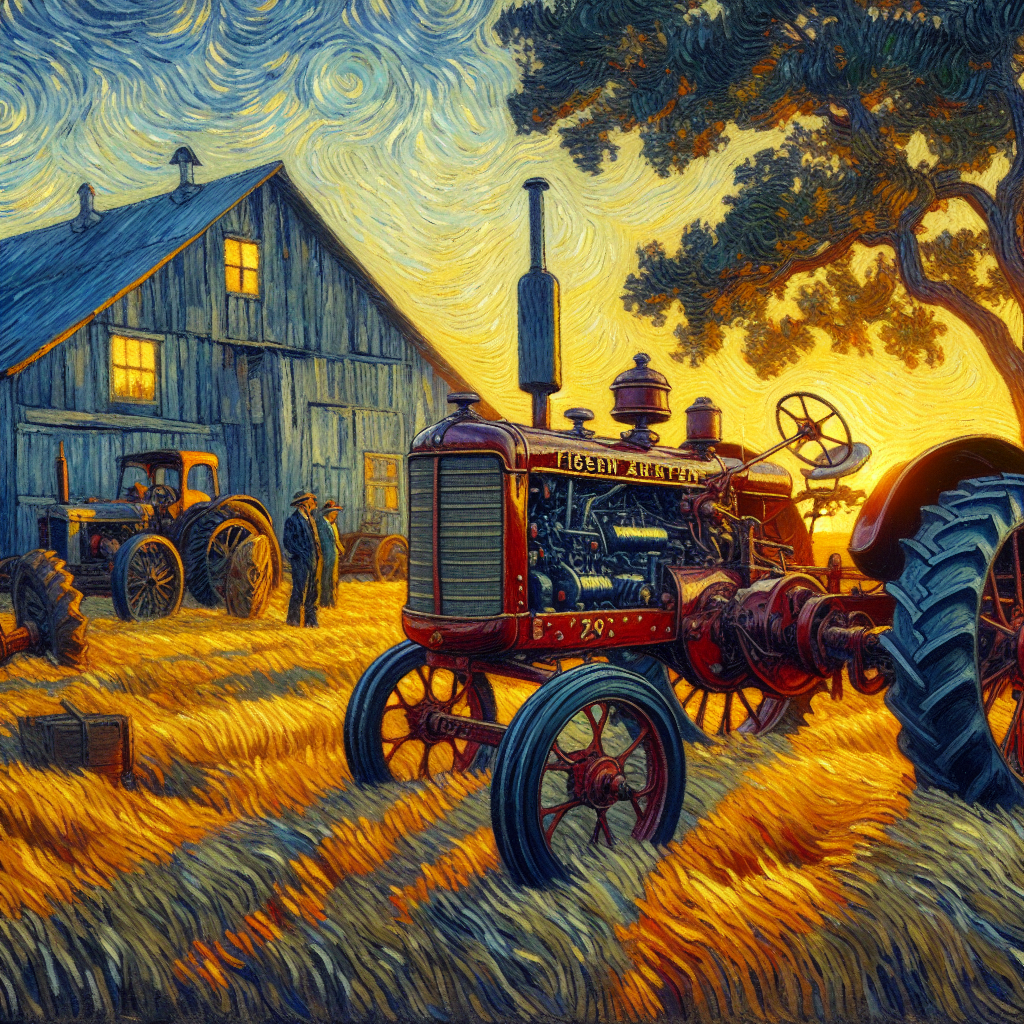
What Role Does Telemetry Play In Ensuring Crop Yield and Health?
How Can This Technology Enhance the Safety Of Your Farm Operations?
##
When you think about farming, what often comes to mind are the grand vistas, the sun-drenched fields, and a trusty old tractor chugging along. It’s a life steeped in tradition, yet, like a well-tilled field, it’s ripe for innovation. Introducing advanced technology into your operations isn’t just about efficiency; it’s about safety—your safety and the safety of those who depend on you.
Imagine a scenario where your tractor is equipped with real-time monitoring systems. Picture it sending alerts when you’re too fatigued, detecting obstacles in your path, or analyzing soil conditions to ensure optimal planting. This technology acts as a vigilant partner, standing sentry while you’re focused on the task at hand. It’s like having an extra set of watchful eyes that don’t blink, allowing you to concentrate on the hard work you love. The more you’re aware of your surroundings and equipment, the safer your operations become. This isn’t just good practice; it’s good leadership.
Now, let’s be candid: agriculture is not just about crops and profits; it’s about people. Your family, your crew, and the community around you. Each decision you make impacts their lives. Incorporating safety technology isn’t an expense; it’s an investment in the collective well-being of everyone involved. Think about that moment when your child climbs onto the tractor with you—how do you ensure they return safely to the house after a long day? Embracing new technologies is your vow to prioritize their safety alongside your productivity.
Furthermore, a community that adopts technological innovations fosters a culture of trust. When neighboring farms share insights about safety technologies, they strengthen their social fabric. Imagine a network of farmers who not only look out for one another’s livelihoods but also share stories of near misses that technology helped avert. It becomes a shared narrative, creating a legacy built on safety and continuity.
Let’s not forget the unique edge of real-time data; it transforms farming into a proactive, rather than reactive, endeavor. Knowing weather patterns or equipment health can prevent accidents before they arise. This blend of preventive measures not only protects lives but elevates the profession, showcasing agriculture as an industry that respects both tradition and progress.
Take the leap. Equip your tractor and your mind with the safety technologies of today. It’s about creating a safer tomorrow for everyone on the farm; it’s about making those long days worth it, not just for you but for the generations to come. Because in farming, as in life, safety isn’t just an option—it’s part of the fabric of who we are.
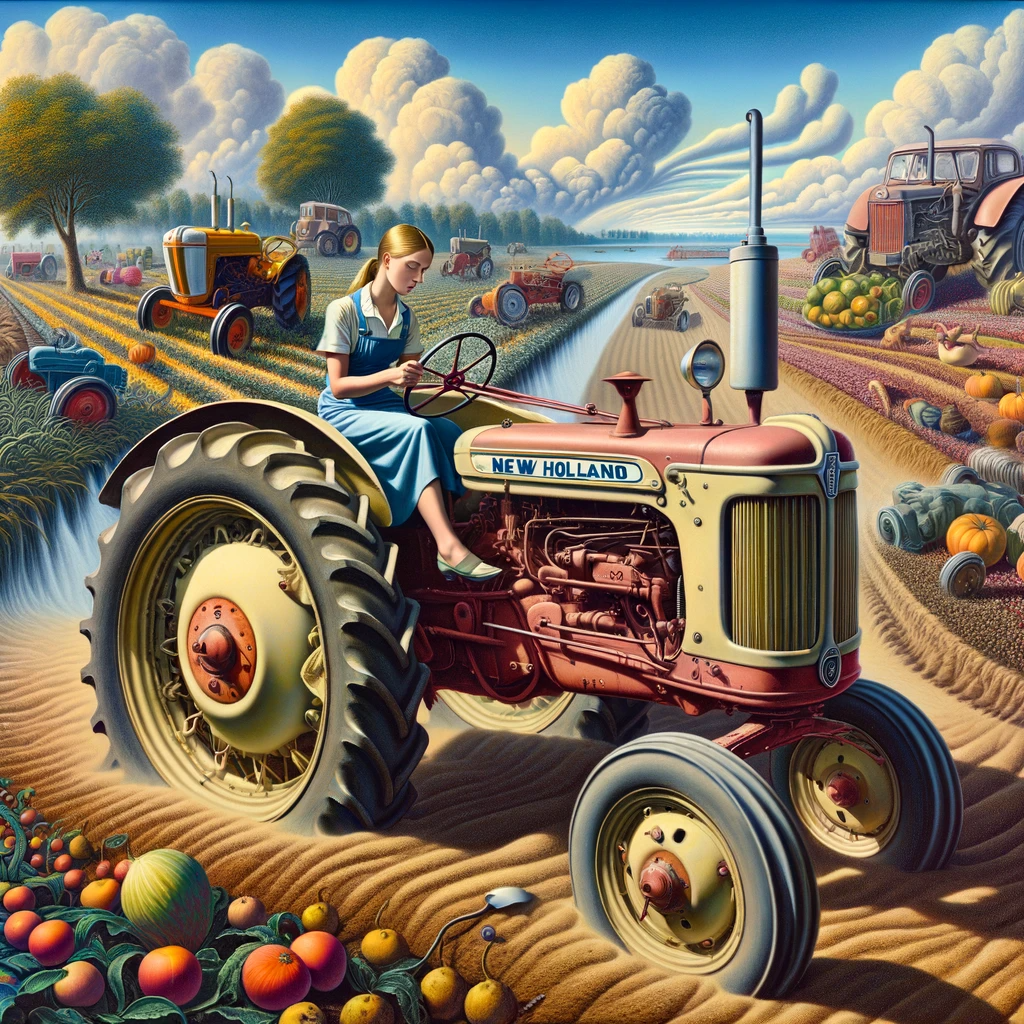
How Can This Technology Enhance the Safety Of Your Farm Operations?
How Can This Technology Enhance the Safety Of Your Farm Operations?
- Farming is a traditional sector that is ripe for innovation through advanced technology.
- Real-time monitoring systems enhance safety by providing alerts for fatigue, obstacles, and soil conditions.
- Awareness of surroundings and equipment improves safety and demonstrates good leadership in farming.
- Agriculture impacts not just crops and profits but also families and communities involved.
- Investing in safety technology ensures the well-being of all stakeholders in farming operations.
- Sharing safety insights among farmers builds a culture of trust and promotes community welfare.
- Utilizing real-time data allows for proactive farming, preventing accidents and showcasing progress.
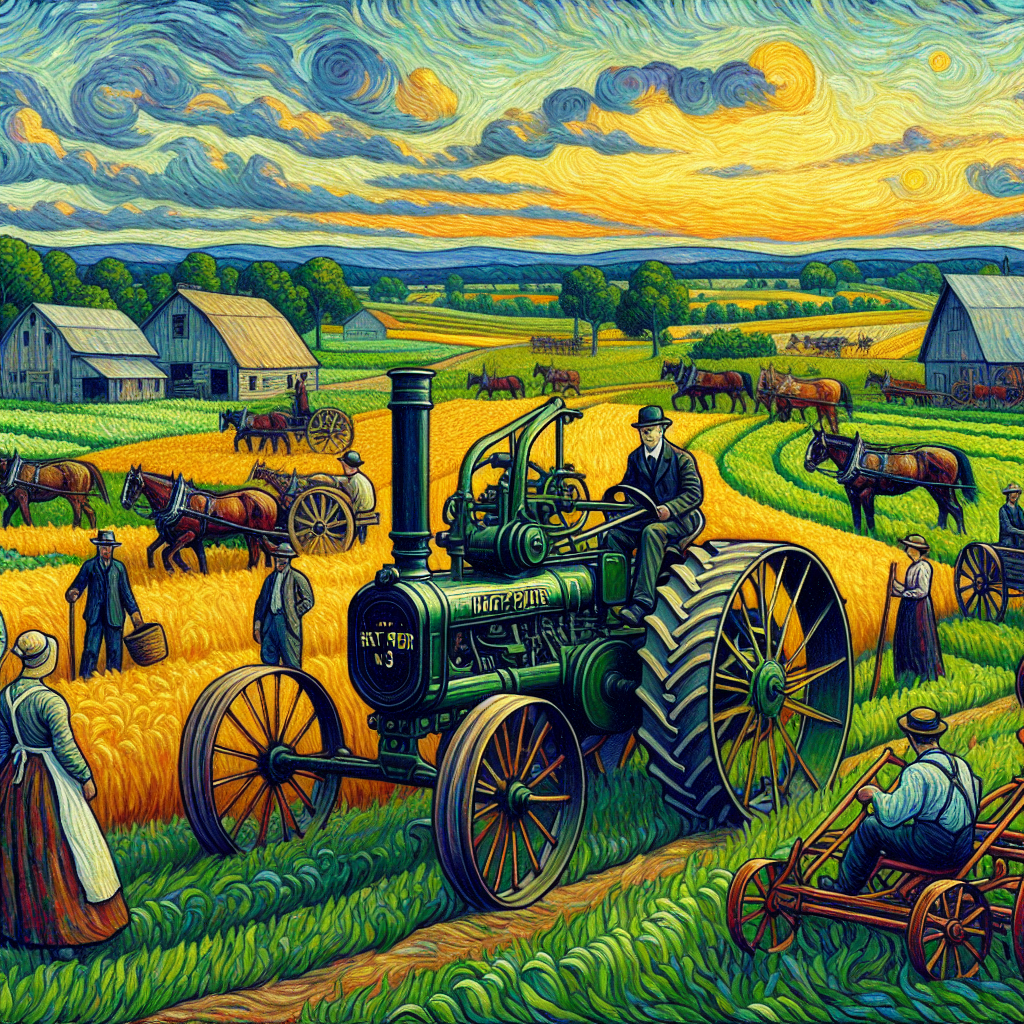
How Can This Technology Enhance the Safety Of Your Farm Operations?
Conclusion
In the ever-evolving landscape of agriculture, one truth stands out: every farmer wishes to optimize their work while honoring tradition. Imagine the crack of dawn on a farm, tractors rumbling, crops ready for nurturing, yet the air is thick with uncertainty. Affordable telemetry technology enters this scene as a game-changer, providing farmers with the insights they need to cultivate smarter, not harder.
This isn’t just about numbers and graphs; it’s about enhancing the age-old bond between farmers and their land. Take Hank, who infused high-tech telemetry into his grandfather’s trusty tractor. With this technology, he gained real-time data about fuel efficiency and soil conditions, allowing him to uphold his family’s legacy while making informed decisions that boost productivity. It’s an emotional connection that respects the past while embracing the future.
We all know farming isn’t just individual toil; it’s a communal endeavor. Telemetry encourages collaboration among farmers, creating a network where knowledge flows freely. When Jane utilized it to conserve water during a drought, she didn’t just save her harvest; she emerged as a leader in sustainable practices, inspiring her community to adopt smarter methods and seize resources more efficiently.
On a rational level, the benefits are clear: data-driven decisions lead to higher yields and minimized waste. Who wouldn’t want to ensure that every seed sown has the best chance of sprouting? It’s about reclaiming control over the unpredictability of nature, transforming every farmer’s efforts into tangible results—profits and sustainability coalesce to form a thriving agricultural future.
Ethically speaking, investing in this accessible tech isn’t just about enhancing individual farms; it’s about uplifting entire communities, fortifying local economies, and contributing to food security. The ripples of each farmer’s decision can uplift their neighbors, fostering a culture of stewardship over their land that transcends mere productivity.
With the economic barriers decreasing and financing options becoming available, the prospect of wielding advanced telemetry becomes feasible—not just a luxury for agribusiness giants, but a vital tool for family farms. By harnessing this simple yet powerful technology, farmers transform their operations without losing the core of what makes farming special—tradition, resilience, and a commitment to the land.
Affordable telemetry signifies more than a technological upgrade; it’s the heart of a movement toward a future where farming meets innovation, embodying the spirit of hard work and aspiration. Embrace this tool, step forward, and let your trusted tractor become a partner in your journey, ensuring that every field worked and every crop harvested tells a story of hope, resilience, and community. The path to a sustainable agricultural future is not just about precision; it’s about preserving the soul of farming while forging ahead into new horizons.

Conclusion
Conclusion:
- Farmers aim to optimize work while preserving tradition.
- Affordable telemetry technology provides insights for smarter cultivation.
- Real-time data enhances the connection between farmers and their land.
- Telemetry fosters collaboration among farmers and promotes sustainable practices.
- Data-driven decisions improve yields and reduce waste.
- Investing in technology uplifts communities and boosts food security.
- Advanced telemetry is becoming accessible for family farms, not just agribusinesses.

Conclusion
Other Resources

Other Resources
Here is a list of other resources you can review online to learn more:
- Classic Old Tractors
- Pioneer Tractor
- Solis
- Sears
- Farm Heritage Museum
- Cockshutt
- Bristol
- Massey Ferguson
- Friday
- Ferguson
- Deutz-Fahr
- Nuffield
- Ranch Hand
- MX
- Eicher Tractors
- Shibaura
- Agriculture Heritage Center & Museum
- Branson Auto & Farm Museum
- Arma Trac Tractors
- Heider
Use This Prompt To Get More Resources With Your Favorite Online AI Tool: Please provide me with a list of online articles with their URLs in a bulleted list that I can read regarding Affordable Telemetry for Non-Computerized Tractors

Other Resources
Glossary Terms
Affordable Telemetry for Non-Computerized Tractors – Glossary Of Terms
1. Telemetry — Remote measurement and transmission of tractor operating data (location, engine speed, fuel use, etc. ) for monitoring and analysis.
2. Retrofit — Adding sensors, communication, and electronics to existing non-computerized tractors to enable telemetry without replacing major systems.
3. Sensor node — A compact unit that reads one or more sensors, conditions signals, and transmits telemetry packets.
4. Gateway — A device that aggregates data from sensor nodes and forwards it to the cloud or a central server via cellular or IP networks.
5. Microcontroller — Low-cost embedded processor (e. g. , Arduino, ESP32) that reads sensors, handles communications, and manages power.
6. LPWAN (Low-Power Wide-Area Network) — Radio technologies optimized for long range and low energy use, ideal for sparse farm telemetry.
7. LoRaWAN — A popular LPWAN protocol providing long-range, low-power uplink for small telemetry payloads in rural areas.
8. NB‑IoT — Narrowband IoT, a cellular-based low-power wide-area option useful where carriers support it for reliable coverage.
9. GSM/2G/3G modem — Inexpensive cellular modules (voice/data or SMS-capable) commonly used to send telemetry where LPWAN is unavailable.
10. GPS module — Satellite receiver that provides position and speed for location-based telemetry and field mapping.
11. RTK (Real-Time Kinematic) — Technique to improve GPS accuracy to sub-meter or centimeter levels for precise work tracking.
12. Hall-effect sensor — Magnetic sensor used to detect shaft rotation (engine or PTO RPM) without mechanical contact.
13. Reed switch — Simple magnetic on/off sensor for counting revolutions, wheel rotations, or detecting implement position.
14. Flow meter — Device measuring liquid flow (fuel, hydraulic oil); pulse or analog types used in fuel-consumption telemetry.
15. Tachometer pickup — Mechanical or magnetic pickup that converts engine or PTO rotation to electrical pulses for RPM measurement.
16. Accelerometer — Inertial sensor used to detect motion, hitch shocks, tilt, and machine vibrations; useful for operation detection.
17. Vibration sensor — Sensor (piezo or accelerometer-based) used to monitor engine/implement health and detect anomalies.
18. Fuel level sensor — Resistive, ultrasonic, or capacitive sensor that provides fuel tank level readings for consumption monitoring.
19. CAN bus — Controller Area Network used on modern tractors for digital signals; retrofit systems may emulate or interface with CAN where present.
20. ISOBUS (ISO 11783) — Agricultural communication standard for implements and tractors; relevant when integrating with semi-modern equipment.
21. ADC (Analog-to-Digital Converter) — Converts analog sensor voltages (fuel level, flow, temperature) into digital values the microcontroller can read.
22. OTA (Over-the-Air) firmware update — Remote delivery of software updates to telemetry units to fix bugs or add features without physical access.
23. MQTT — Lightweight publish/subscribe messaging protocol commonly used to send telemetry to cloud servers with low overhead.
24. Data logger — Local storage (SD card or flash) that records raw telemetry for redundancy when connectivity is intermittent.
25. Edge processing — Local filtering, aggregation, or event detection on the device to reduce transmitted data and save cellular or airtime costs.
26. Payload — The compact packet of sensor readings and metadata transmitted by a node; minimizing payload size reduces transmission cost.
27. Sampling rate — Frequency at which sensors are read; optimized to balance useful resolution against power and data-cost constraints.
28. Power management — Techniques (sleep modes, duty cycling, solar charging) to maximize battery life in off-grid telemetry units.
29. IP rating — Ingress Protection rating describing enclosure resistance to dust and water; important for exposed farm electronics.
30. Geofencing — Virtual boundary feature using GPS that triggers alerts or logs events when a tractor enters or leaves defined field areas. Glossary Of Terms
Other Questions
Affordable Telemetry for Non-Computerized Tractors – Other Questions
If you wish to explore and discover more, consider looking for answers to these questions:
- How much does an affordable telemetry system actually cost to buy and install?
- What ongoing costs are associated with telemetry (data plans, subscriptions, maintenance)?
- Which telemetry features are essential versus optional for non-computerized tractors?
- How easy is it to retrofit telemetry onto older, non-computerized tractors?
- Do I need professional installation, or can I install the system myself?
- How does telemetry get power on tractors without electronic systems (battery, solar, tapping into ignition)?
- What connectivity options work best in rural areas (cellular, LoRa, mesh, satellite)?
- How reliable is data transmission in areas with poor cellular coverage?
- What types of sensors are available (fuel, engine diagnostics, soil moisture, temperature, GPS)?
- How accurate and reliable are soil and crop sensors compared to laboratory tests?
- How often does telemetry update data (real-time, hourly, daily) and can that frequency be adjusted?
- How long do sensors and telemetry hardware typically last under farm conditions?
- Are the devices weatherproof and resistant to dust, vibration, and chemicals?
- How are firmware and software updates handled for the hardware and apps?
- Which smartphones and operating systems are compatible with typical telemetry apps?
- What training or technical support is available for farmers new to telemetry?
- Can telemetry integrate with existing farm management software or equipment?
- Does telemetry work with common implements and attachments or only the tractor itself?
- How is data stored, who owns it, and how long is it retained?
- What data privacy and security measures are in place to protect farm data?
- Are there open-source or DIY telemetry options, and how do they compare to commercial systems?
- What ROI can a small or family farm expect, and how long before savings offset costs?
- Are there financing, leasing, or grant programs available to help purchase telemetry?
- Can multiple tractors and pieces of equipment be managed together (fleet management)?
- How does telemetry help with preventive maintenance and reduce unexpected breakdowns?
- Can telemetry detect safety incidents (rollovers, collisions, worker falls) and send alerts?
- How customizable are alerts, thresholds, and reporting dashboards?
- What are typical installation points for sensors on non-computerized tractors?
- How does telemetry help reduce water, fertilizer, and pesticide use in measurable terms?
- Are there crop- or region-specific telemetry setups or best practices?
- What case studies or real-world examples exist from farms similar to mine?
- How will telemetry affect the resale value of an older tractor?
- What warranties and service plans are offered for telemetry hardware?
- Are there interoperability standards to ensure devices from different vendors work together?
- How is sensor calibration performed and how often is it required?
- What happens to telemetry functionality during power loss or if a sensor fails?
- Can neighbors or co-ops share telemetry equipment or data securely?
- What environmental or disposal considerations exist for end-of-life telemetry equipment?

Other Questions
Haiku
Affordable Telemetry for Non-Computerized Tractors – A Haiku
Old tractors still hum,
With data’s gentle whispers—
Farms thrive, futures rise.
Haiku
Poem
Affordable Telemetry for Non-Computerized Tractors – A Poem
In fields of gold where tractors hum,
Labor’s heartbeats softly drum,
With hands worn but spirits bright,
Farmers toil from dawn till night.
Now imagine, in the morning’s glow,
A whisper of data begins to flow,
Telemetry, once a distant dream,
Is now a partner in the farmer’s scheme.
Picture Hank, his grandfather’s pride,
With sensors guiding by his side,
Fuel and soil, health and gain,
Harvests flourish, knowledge untamed.
A tale of Jane, in drought’s fierce clutch,
Telemetry helped her guide her touch,
Pesticides lowered, yields on the rise,
Sustainability seen through wise, caring eyes.
In this shared journey, communities entwine,
Secrets of yields exchanged like fine wine,
Old traditions blend with modern grace,
Farmers reclaiming their rightful place.
A vigilant friend in a tractor’s heart,
Safety and efficiency, never apart,
As dusk settles, with silence profound,
The legacy grows in this hallowed ground.
For in the hum and the dirt and the light,
Every farmer’s story sparks hope through the night,
With affordable tools they boldly embrace,
A future empowered, a sustainable space.
Poem
Checklist
Affordable Telemetry for Non-Computerized Tractors – A Checklist
Emotional Appeals
✅______ Reflect on your legacy: Consider how upgrading your tractor with telemetry honors the hard work and dedication of previous generations.
✅______ Visualize improved connections: Picture the bond with your land becoming stronger through real-time insights and data.
Rational Appeals
✅______ Analyze costs vs. benefits: Assess the potential increase in yield and efficiency compared to the investment in telemetry technology.
✅______ Evaluate data-driven decisions: Think about how accessing real-time data can lead to more informed farming practices.
Ethical Appeals
✅______ Commit to sustainability: Acknowledge the responsibility of using telemetry to promote sustainable farming and protect resources for future generations.
✅______ Support local economies: Recognize the impact of maximizing yields through smart technology on local food systems and community welfare.
Authority Appeals
✅______ Leverage expert knowledge: Seek out testimonials and case studies from farmers who successfully integrated telemetry and experienced positive outcomes.
✅______ Consult agritech specialists: Engage with technology providers and agricultural consultants for guidance on effective telemetry solutions.
Narrative Appeals
✅______ Share success stories: Encourage community members to share personal stories on how telemetry has transformed their farming practices and improved their yields.
✅______ Create a collective narrative: Foster a community of farmers who collaborate, sharing technology experiences and insights to inspire one another.
Social Appeals
✅______ Build a support network: Connect with other farmers who are considering or have adopted telemetry to share knowledge and resources.
✅______ Engage in community workshops: Attend local events focused on technology in agriculture to learn from others and contribute to communal growth.
Checklist
At ClassicTractorNews, we help tractor lovers keep up with the latest news for classic and vintage tractors.
Please share this post with your friends, family, or business associates who may like old classic or vintage tractors.