

Transform Your Tractor: Smart 3D Printing Tips For Every Budget
By Tom Seest
At ClassicTractorNews, we help tractor lovers keep up with the latest news for classic and vintage tractors.
Please share this post with your friends, family, or business associates who may like old classic or vintage tractors.
Affordable 3D Printing Tips for Tractor Owners
Affordable 3D Printing Tips for Tractor Owners
Owning a tractor isn’t just about having the right tools; it’s about embracing a way of life rooted in hard work, grit, and a little bit of ingenuity. The thrill of the open fields, the satisfaction of a job well done, and the community of fellow tractor enthusiasts create a bond that goes beyond just machinery. When it comes to maintaining and enhancing that bond, 3D printing emerges as a game changer for tractor owners looking to save both time and money.
Imagine a scenario where your tractor suffers a minor but crucial part failure—a small bracket needed to keep everything running smoothly. Traditionally, you’d find yourself at the mercy of expensive OEM parts or long waiting times. Enter 3D printing: the modern-day equivalent of having a blacksmith in your garage. With just a bit of creativity and access to a 3D printer, you can whip up those replacement pieces right at home, allowing you to turn that tractor back into a workhorse in no time. This approach marries practicality with savings—what could be a $100 part can be printed for just a few dollars in filament, making it feasible for any budget.
Beyond economical benefits, consider the environmental impact. Each time you print your own parts, you’re reducing waste and reliance on mass-produced components. Each tractor is a representation of personal labor and resourcefulness. By opting for 3D printing, you become part of a growing movement that champions sustainability and self-sufficiency in agriculture. It’s not just a technological shift; it’s an ethical stance that resonates deeply within the farming community.
Take the story of a small family farm that transformed its fortunes through this innovative technology. Faced with the high costs of repairs, they began to experiment with 3D printing out of necessity. Soon, they were not only repairing their own tractor but also helping neighbors save money and time on repairs. This shared journey turned into a communal effort, creating a network of support that’s quintessential to rural life. These experiences are common; they remind us that while tractors may be machines, the spirit of those who operate them is profoundly human.
By diving into the world of 3D printing, tractor owners are not merely embracing a trend; they’re harnessing a vital tool that empowers them in their daily lives. As you explore these possibilities for your own tractor, remember that every print is a step toward greater independence—an extension of your passion for the land and the work you love. Harness that spirit, take the leap into 3D printing, and watch how your connection to your tractor deepens.
Affordable 3D Printing Tips for Tractor Owners
Affordable 3D Printing Tips for Tractor Owners
- 3D printing enhances tractor ownership by saving time and money.
- It allows for the quick production of replacement parts at home.
- Printing parts can reduce costs significantly compared to OEM prices.
- 3D printing promotes sustainability by reducing waste and reliance on mass production.
- Community support and collaboration grow as tractor owners share 3D printing resources.
- Adoption of this technology empowers tractor owners and fosters a sense of independence.
- Each printed part reflects personal labor and resourcefulness, deepening the connection to farming.
Affordable 3D Printing Tips for Tractor Owners
Table Of Contents
- Affordable 3D Printing Tips for Tractor Owners
- How Can 3D Printing Save You Money on Tractor Repairs?
- In What Ways Does 3D Printing Contribute to Sustainable Farming?
- What Ethical Considerations Arise When Using 3D Printing In Farming?
- How Do You Ensure the Quality Of 3D Printed Tractor Parts?
- How Can 3D Printing Technology Bridge Gaps In Farming Communities?
- What Essential Tools Do You Need for Affordable 3D Printing?
- Conclusion
- Other Resources
- Glossary Of Terms
- Other Questions
- Haiku
- Poem
- Checklist
How Can 3D Printing Save You Money on Tractor Repairs?
In the world of agriculture, life revolves around your tractor. It’s more than just a machine; it’s the beating heart of your business, a trusty companion that plows through challenges day after day. But what happens when a vital part breaks down? Traditional repairs can quickly become a financial burden, draining your resources and leaving you stuck in the field for longer than you’d like. Enter 3D printing—a revolutionary approach that offers not just savings, but a lifeline for those devoted to their craft.
Picture this: a farmer stands in his barn, examining an old, broken part that an unexpected storm rendered useless. Instead of the stress of sourcing a pricey replacement or waiting weeks for delivery, he turns to a 3D printer. Within hours, he’s not just saved money; he’s also salvaged precious time. This isn’t just convenience; it’s empowerment. The ability to print parts on-site means more control over repairs, allowing you to get back to what truly matters—working the land and feeding families.
The beauty of 3D printing lies not only in its cost-effectiveness but also in its community aspect. Farmers connected through social media are sharing blueprints and designs, creating a collaborative network where knowledge is as valuable as cash. Imagine sitting around with neighboring farmers, swapping stories and designs, all while troubleshooting the kinds of problems that threaten your way of life. It’s not just about saving money; it’s about strengthening your community, reinforcing the bonds that tie us together in this rugged yet rewarding journey.
Moreover, there’s an ethical angle to this innovation. By utilizing locally-produced 3D-printed parts, you’re reducing dependency on distant manufacturers and lengthy supply chains. This fosters a sense of responsibility towards sustainable practices, helping you keep your tractor running without contributing to the carbon footprint associated with shipping.
Let’s not forget the sheer authority of mastering a new tool. 3D printing places the power in your hands, allowing you to dive into the mechanics of your work rather than relying solely on others. The moment you witness that printed part fit seamlessly into your tractor, a wave of confidence washes over you. It’s not just a job well done; it’s a testament to your ingenuity, your resourcefulness, and your commitment to the craft.
In a world where every penny counts, embracing 3D printing is not merely an option. It’s a bold step towards self-sufficiency, innovation, and resilience. The next time you face a tractor repair, consider this modern marvel—not just as a tool, but as a path to financial freedom and community connection.
How Can 3D Printing Save You Money on Tractor Repairs?
How Can 3D Printing Save You Money on Tractor Repairs?
- Tractors are essential to agricultural life, serving as the core of farming operations.
- Traditional repairs can be costly and time-consuming, presenting challenges for farmers.
- 3D printing offers a revolutionary and cost-effective solution for on-site part repair.
- Farmers can quickly create replacement parts, saving both time and money while enhancing control over repairs.
- Community collaboration through social media allows farmers to share designs and solutions, strengthening connections.
- Using locally-produced 3D-printed parts reduces reliance on distant manufacturers and encourages sustainable practices.
- Mastering 3D printing empowers farmers, fostering confidence and resourcefulness in managing repairs.
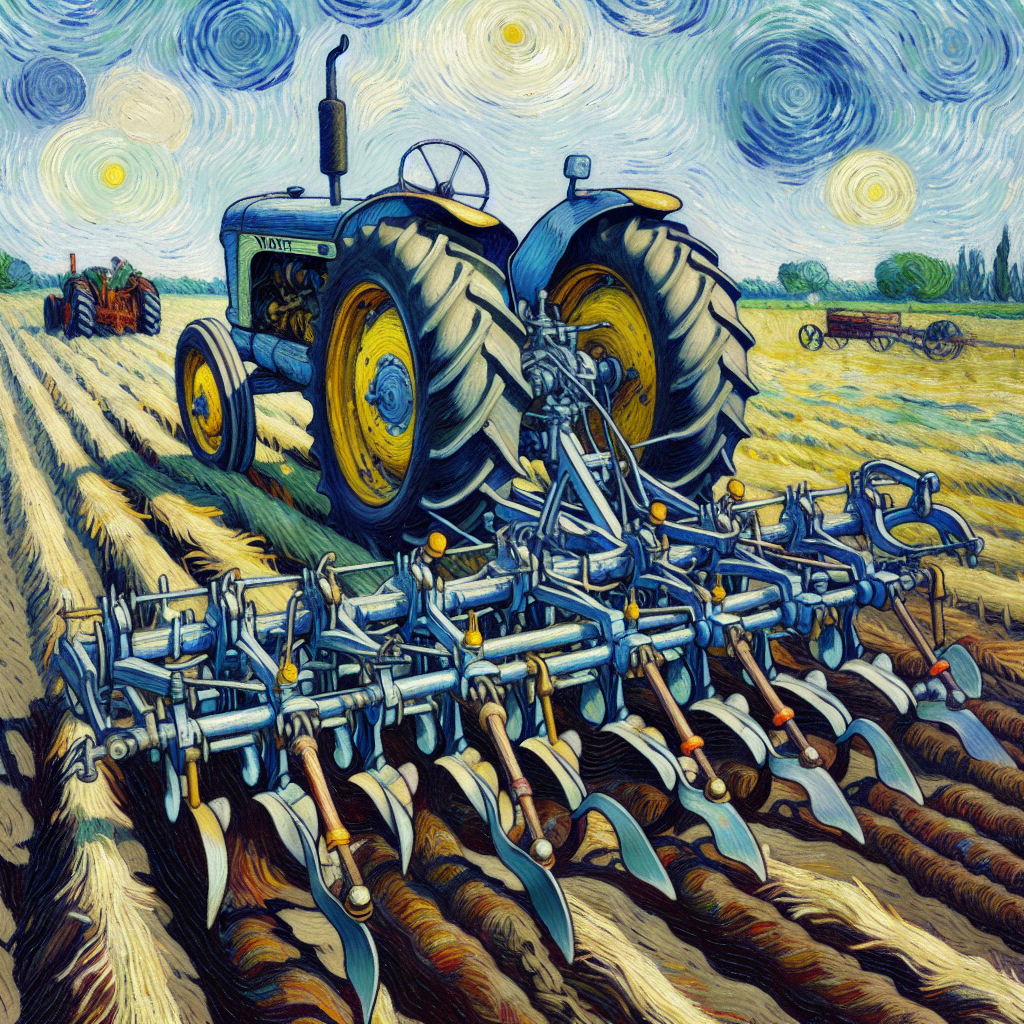
How Can 3D Printing Save You Money on Tractor Repairs?
In What Ways Does 3D Printing Contribute to Sustainable Farming?
Imagine standing in a field, the sun casting warm rays over rows of budding crops, while a tractor steadily rolls through, its rhythmic hum echoing the promise of progress. Yet, amidst this picturesque scene, the looming shadow of environmental degradation and resource depletion stirs concern. Here’s where 3D printing enters the narrative, weaving sustainability into the very fabric of farming.
3D printing is more than just a cutting-edge technology; it’s a modern miracle that empowers farmers to rethink their relationship with the land. By allowing the creation of custom tools, equipment, and even seeds, farmers can now reduce waste significantly. Think about the traditional farming equipment: bulky, often made from materials that contribute to pollution. Enter 3D printing, where parts can be created on-demand, tailored for specific needs, and produced from biodegradable materials. This innovation not only minimizes waste but also enhances efficiency, ultimately preserving our planet’s resources for future generations.
Let’s explore this idea through a personal story. Picture a family farm in rural America, struggling to keep its head above water. After investing in 3D printing technology, the farmer designed a specialized irrigation system that not only saved water but also cut operational costs by half. The savings weren’t just monetary; with a smaller ecological footprint, this farmer became a beacon of hope in the community, inspiring neighboring farms to adopt similar practices. It’s a tale of resilience and innovation, where technology meets tradition, proving that the two can coexist harmoniously.
This narrative taps into the heart, echoing the sentiment that farming is not merely a profession but a way of life. It’s about stewardship and connection—our roots are deeply embedded in the soil we cultivate. The ethical dimension shines bright here; every time a new tool is printed, it signifies a commitment to the land and a step toward a more sustainable future.
Moreover, the educational opportunities presented by 3D printing in farming resonate widely. Workshops can be held, sharing knowledge and fostering a collective understanding of sustainable practices. Farmers become not just producers but educators within their communities, stitching a fabric of shared values and resilience.
Ultimately, the integration of 3D printing into sustainable farming is a transformative journey. It calls upon the head to recognize the logic behind sustainability, the heart to cherish our natural resources, and the gut to act decisively. This convergence cultivates a robust farming community, turning challenges into opportunities, one printed layer at a time.
In What Ways Does 3D Printing Contribute to Sustainable Farming?
In What Ways Does 3D Printing Contribute to Sustainable Farming?
- 3D printing offers innovative solutions for sustainable farming, allowing for the creation of custom tools and equipment.
- This technology significantly reduces waste and enhances efficiency by enabling on-demand production of biodegradable materials.
- A personal story highlights a family farm that saved water and halved operational costs by utilizing 3D printing for a specialized irrigation system.
- The farmer’s success serves as inspiration for neighboring farms to adopt similar sustainable practices.
- 3D printing fosters a sense of stewardship and connection to the land, reflecting the ethical commitment to sustainability.
- Educational opportunities arise from 3D printing, as farmers share knowledge and values with their communities through workshops.
- The integration of 3D printing into farming represents a transformative journey, merging technology with traditional practices for a sustainable future.
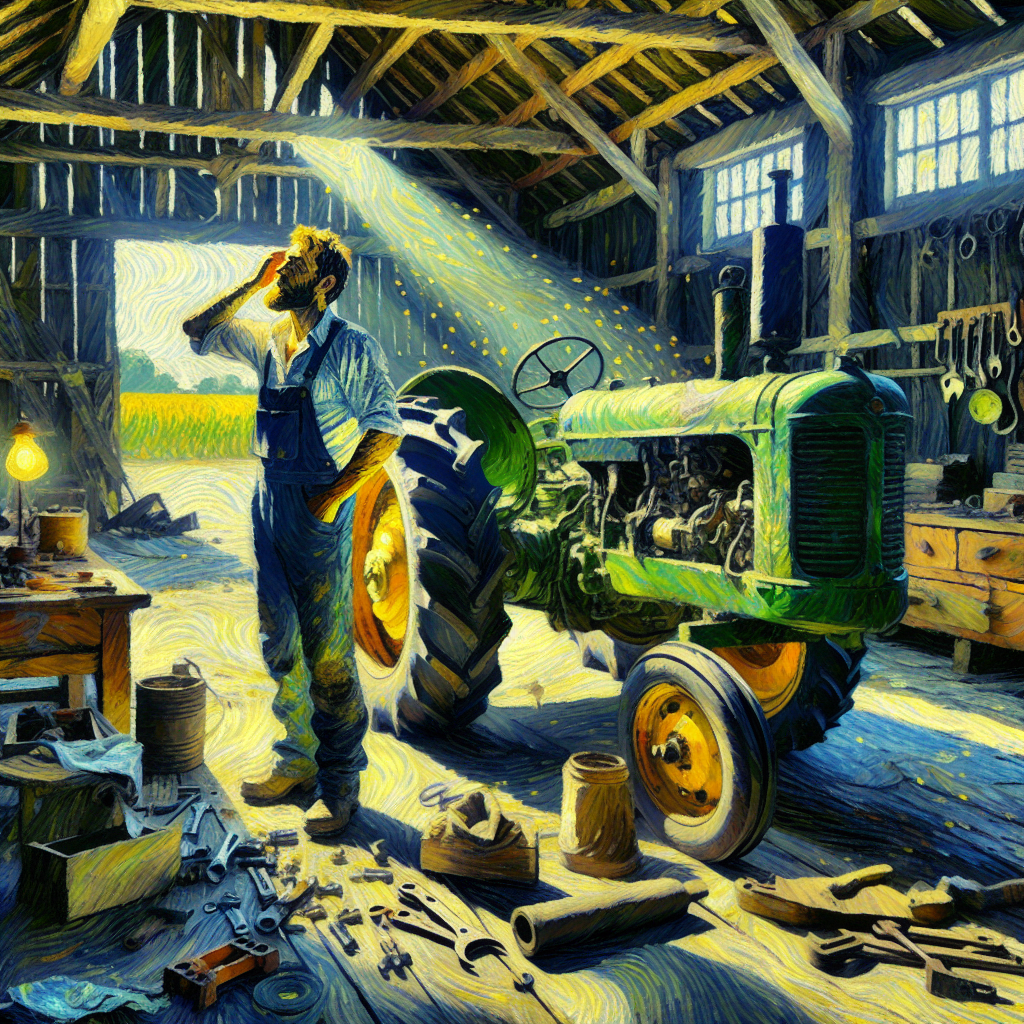
In What Ways Does 3D Printing Contribute to Sustainable Farming?
What Ethical Considerations Arise When Using 3D Printing In Farming?
In the heart of America’s farmlands, where the hum of tractors merges with the rustle of wheat, a revolution is quietly taking root—3D printing in farming. This isn’t merely about creating objects from layers of plastic or metal; it’s about reimagining the very essence of how we cultivate, sustain, and innovate our food systems. But as we step onto this new frontier, crucial ethical considerations emerge, asking us not just how we can do things differently, but whether we should.
Picture a farmer, hands calloused from years of labor, staring at a broken piece of machinery crucial to the harvest. Traditionally, such a setback could signify a costly wait for replacement parts or hours of labor to get machinery back on its feet. With 3D printing, the prospect of instantaneously creating that part appears transformative. But here lies the rub: is it right to replace time-honored methods with technology that, while convenient, threatens to alienate skilled craftsmanship? The machinery of farming isn’t just metal and gears; it’s a narrative woven into the fabric of our communities—a story that algorithms can’t replicate.
We must consider the broader implications of access to this technology. 3D printing has the potential to democratize farming, making advanced resources available to small-scale farmers. Yet, this same innovation can widen the gap for those without the capital to invest in the technology. Ethical farming isn’t just about what’s grown; it’s about who gets to grow it. If 3D printing becomes the province of only the most affluent agribusinesses, we risk sidelining small, local farmers who are often the backbone of food resilience and diversity in our communities.
Moreover, as we incorporate 3D printing into our farms, the question of environmental stewardship looms large. While 3D printing can minimize waste by using only the materials necessary for a part, it’s essential to examine the sustainability of the materials used. Will the filament be derived from environmentally friendly sources, or will it contribute to the plastic crisis? Responsible innovation beckons us to tread thoughtfully, seeking solutions that honor both the earth and the integrity of our food systems.
As we navigate these turbulent waters, we must also embrace the stories of those who have taken this leap. Farmers who have harnessed 3D printing not only to enhance efficiency but to foster community through shared knowledge and collaboration. They remind us that the heart of farming lies not just in the soil or technology; it’s in the stories we share, the lives we touch, and the ethical choices we make that will shape the future of agriculture for generations to come.
What Ethical Considerations Arise When Using 3D Printing In Farming?
What Ethical Considerations Arise When Using 3D Printing In Farming?
- 3D printing is revolutionizing farming by changing how food systems are cultivated and innovated.
- Instantly creating machinery parts through 3D printing raises ethical questions about replacing traditional craftsmanship.
- Access to 3D printing technology can democratize farming but may also widen the gap for underfunded small-scale farmers.
- Ethical farming considerations include who gets access to modern agricultural technologies.
- Sustainability concerns arise regarding the environmental impact of materials used in 3D printing.
- Successful 3D printing adoption reinforces community through shared knowledge and collaboration among farmers.
- The future of agriculture is shaped by ethical choices, personal stories, and community connections, not just technology.
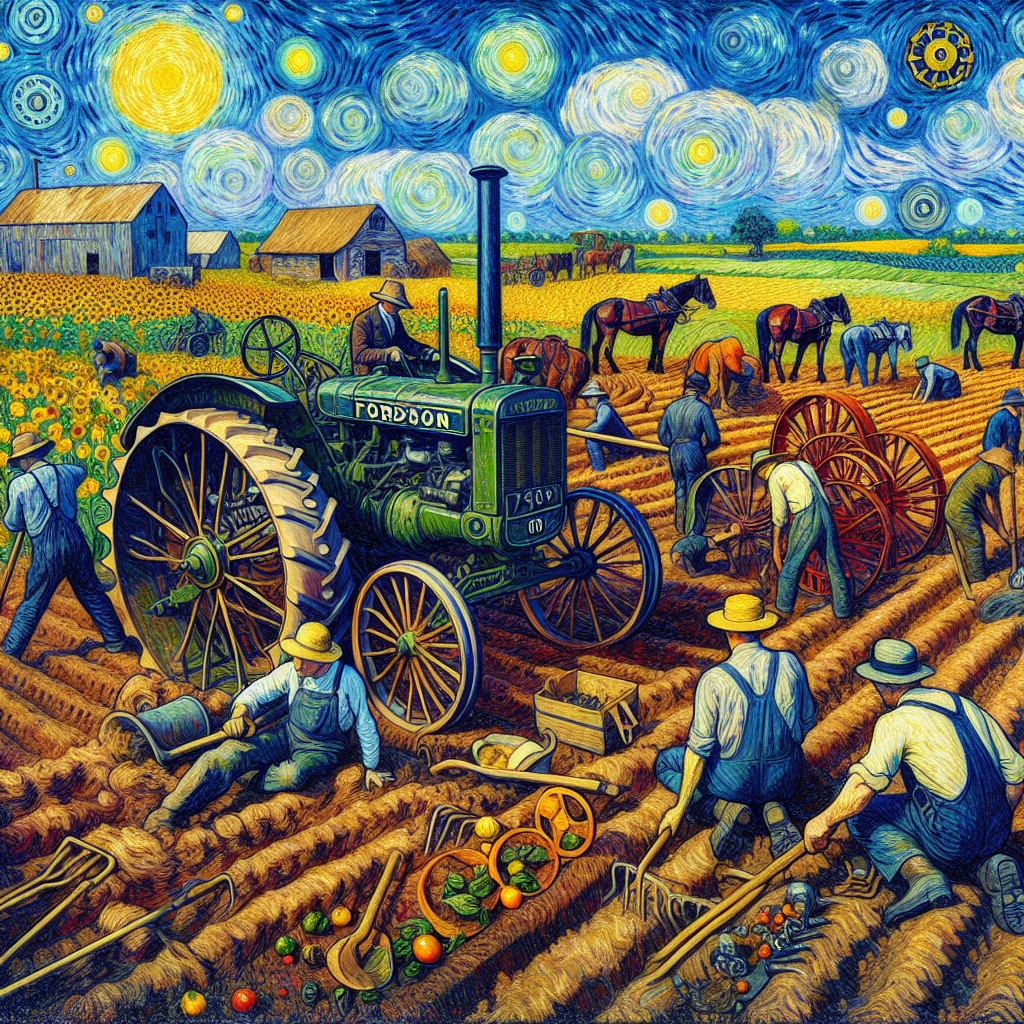
What Ethical Considerations Arise When Using 3D Printing In Farming?
How Do You Ensure the Quality Of 3D Printed Tractor Parts?
Ensuring the quality of 3D printed tractor parts isn’t just a mechanical challenge; it’s a matter of pride, tradition, and, let’s face it, necessity. When you’re out in the field, that tractor is not just machinery; it’s the lifeblood of your operation. It symbolizes hard work, perseverance, and the backbone of rural life. Every part must know its place, just like the hands that operate them—a misfit could mean the difference between a successful yield and a costly failure.
Quality begins with materials. When selecting the filament for your 3D prints, choose high-grade thermoplastics that are designed to withstand the rigors of farm life—think of it as choosing the right feed for your livestock. You want something that not only holds up under pressure but also withstands the elements. Trust comes from knowing that the parts you print are as dependable as the farmer who wields them.
Rationality plays its part too. It’s essential to invest in the right 3D printer and maintain it like you would your tractor—diligently and without compromise. This isn’t just about checking boxes; it’s about ensuring that your tools of trade operate under optimal conditions. A printer that’s well-maintained produces parts that are not only structurally sound but also precise, down to the last millimeter.
Beyond the technicalities, think about the ethics of your choices. When you choose to source your materials from responsible suppliers, you’re not just making a purchase; you’re supporting a community. This is about more than just making parts; it’s about contributing to a sustainable future for agriculture.
Let’s not forget the power of community. Rely on fellow farmers and makers who understand the nuances of 3D printing. Sharing your personal experiences and challenges creates an invaluable network of support. One farmer’s story of a successful print can teach another how to avoid costly mistakes.
This is where narrative emerges—each printed part tells a story. Let’s say you print a new hydraulic bracket. That sturdy little piece becomes a hero, holding the machinery together during the worst storm of the season. It withstands the muddy trenches and sweltering heat, enduring day in and day out.
So, when it comes to ensuring the quality of 3D printed tractor parts, think of what’s at stake. The stakes are high, but so is the potential for innovation. Trust, performance, and community intertwine, creating a tapestry of resilience that makes the heart of farming beat stronger. You’re not just part of a process; you’re part of a legacy. Embrace it.
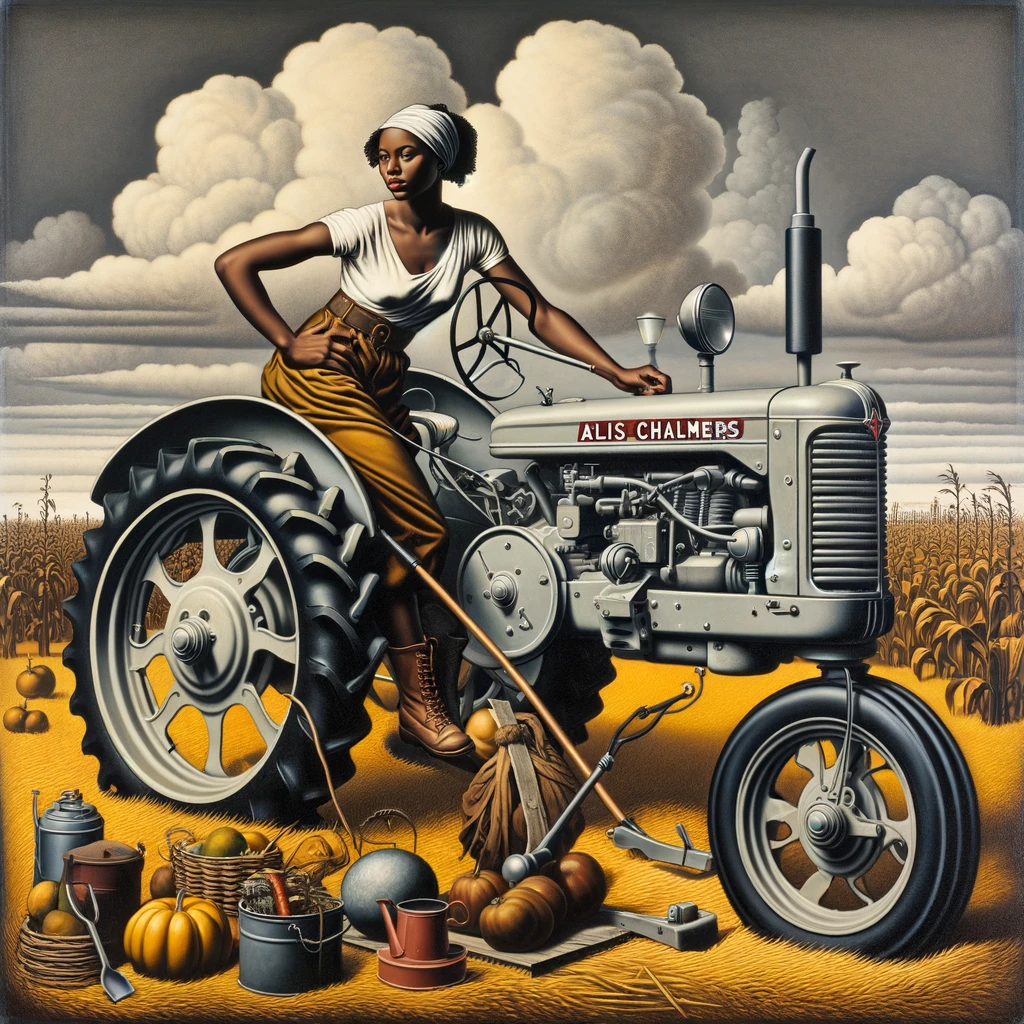
How Do You Ensure the Quality Of 3D Printed Tractor Parts?
How Do You Ensure the Quality Of 3D Printed Tractor Parts?
- Quality of 3D printed tractor parts is crucial for agricultural success, symbolizing tradition and hard work.
- Using high-grade thermoplastics is essential for durability in harsh farming conditions.
- Proper maintenance of 3D printers ensures precision and structural integrity of printed parts.
- Ethical sourcing of materials supports local communities and promotes sustainable agriculture.
- Community involvement among farmers fosters knowledge sharing and support in 3D printing practices.
- Each printed part represents a story and contributes to the overall resilience of farming operations.
- Emphasizing trust, performance, and community enhances the legacy of agricultural innovation.
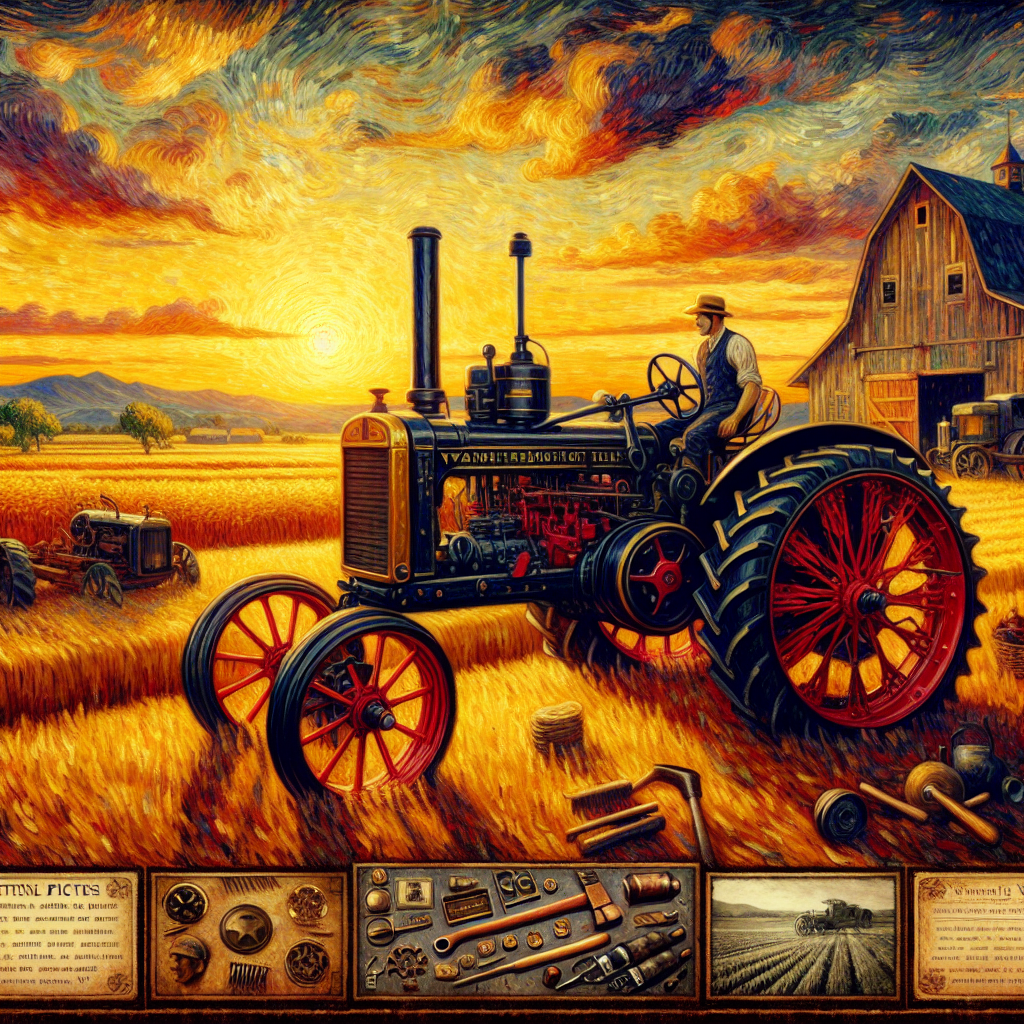
How Do You Ensure the Quality Of 3D Printed Tractor Parts?
How Can 3D Printing Technology Bridge Gaps In Farming Communities?
3D printing technology has the potential to revolutionize farming communities, bridging gaps that often separate rural producers from modern agricultural practices. Imagine a small farm in the heart of the Midwest, where a weathered tractor stands idle, testament to the hard work and hopes of generations. For many farmers, the investment in new technology can feel like a leap into the unknown – a risk that could either transform their operations or drain their savings. Herein lies the value of 3D printing: it democratizes access to tools, allowing farmers to innovate without breaking their budgets.
Take the story of a local farmer, Jake, who struggled for years with outdated equipment. When he discovered 3D printing, he took a bold step, designing and printing replacement parts for his tractor and other machinery. Instead of waiting weeks for costly repairs, Jake could now print what he needed, sparking a wave of creativity. This wasn’t just about solving a practical issue; it was about regaining control over his livelihood. 3D printing empowered him to restore the functionality of his equipment while nurturing a newfound confidence in his ability to adapt.
Moreover, the environmental impact of 3D printing cannot be overlooked. By producing parts on demand, farmers like Jake can reduce waste and minimize their carbon footprint. This approach resonates deeply with the ethical duty we hold to protect the land for future generations. It fosters a sense of community responsibility that transcends individual farms, uniting nearby growers in a shared commitment to sustainable practices. The narrative of innovation interwoven with tradition sparks a community-wide conversation about our agricultural future.
Social appeal plays a crucial role, too. As farmers begin to share their successes with 3D printing, they build a network of trust and collaboration. They gather in barns, discussing their latest designs and methods, transforming competition into camaraderie. This sense of belonging can revitalize rural communities, as neighbors come together not just as farmers but as pioneers of a new agricultural frontier.
The heart of this issue is simple yet profound: 3D printing is not merely a technological advancement; it’s a lifeline for farming communities. It nurtures creativity and resilience among those who feed the world. This innovation cultivates a rich soil for relationships, where traditional values meet the promise of modern science, reminding us that the future of farming is not just in the fields but also in the hearts and minds of those who tend them.
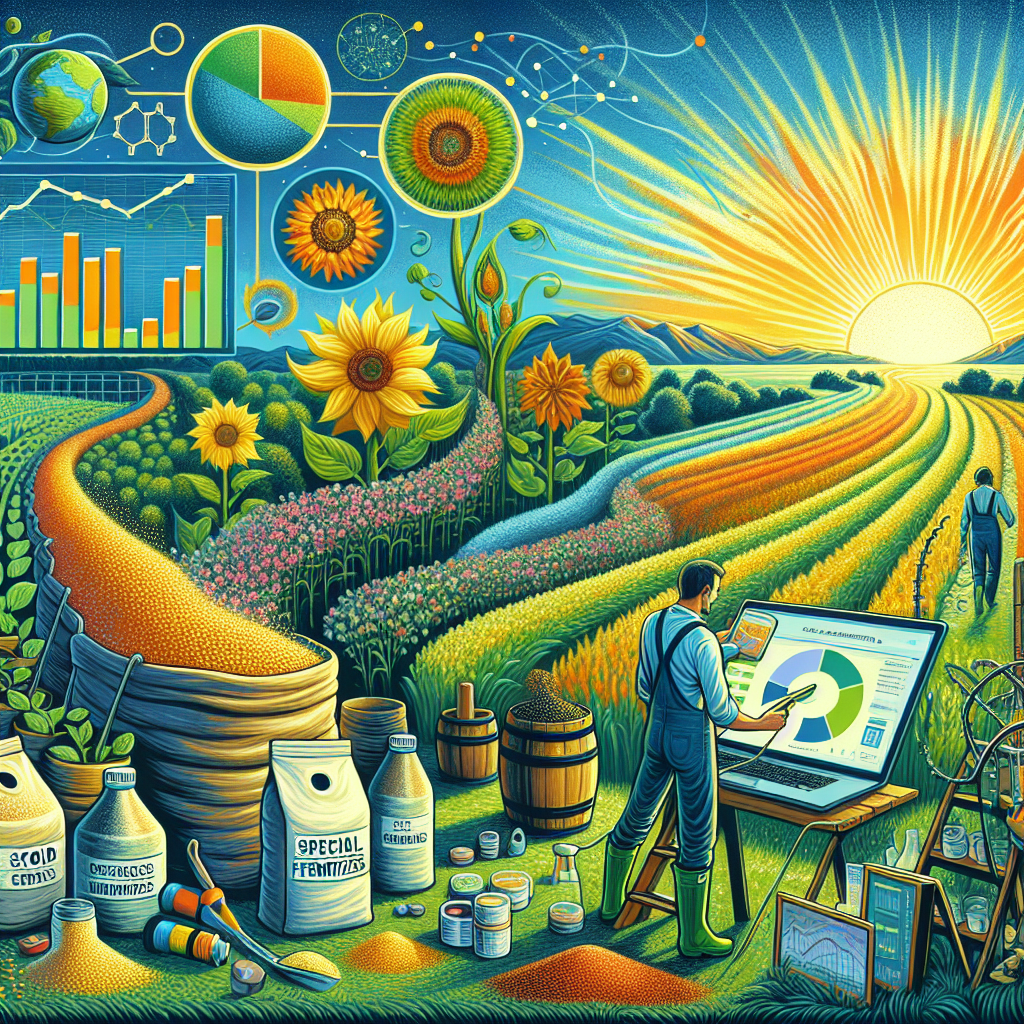
How Can 3D Printing Technology Bridge Gaps In Farming Communities?
How Can 3D Printing Technology Bridge Gaps In Farming Communities?
- 3D printing technology has the potential to revolutionize farming communities by connecting rural producers with modern agricultural practices.
- Farmers face challenges in investing in new technology due to financial risks, making 3D printing a valuable solution that democratizes access to tools.
- Local farmer Jake exemplifies the benefits of 3D printing by designing and printing replacement parts for his outdated equipment, regaining control over his operations.
- 3D printing allows for on-demand production, helping to reduce waste and minimize carbon footprints, contributing to environmental sustainability.
- The approach fosters community responsibility, prompting collaboration among farmers toward sustainable practices and agricultural innovation.
- Sharing successes in 3D printing builds trust and camaraderie among farmers, transforming competition into community support.
- Overall, 3D printing serves as a lifeline for farming communities, enhancing creativity and resilience while blending traditional values with modern science.
How Can 3D Printing Technology Bridge Gaps In Farming Communities?
What Essential Tools Do You Need for Affordable 3D Printing?
When you think about 3D printing, it might feel like staring at a beautiful tractor, gleaming under the sun, but hidden under the hood is a world of complexity. Just as a tractor needs the right tools to perform at its finest, so does your 3D printer. To embark on the rewarding journey of affordable 3D printing, consider equipping yourself with these essential tools that open doors to creativity and DIY innovation.
The first tool you’ll need is a reliable slicer. This software is like the mechanic who fine-tunes your tractor, transforming a digital model into tangible reality. A good slicer not only ensures that your prints adhere to the right specifications but also optimizes material usage. There are numerous free and user-friendly options available that can get you started without breaking the bank.
Next, invest in a good toolkit. A simple set with essential items like pliers, tweezers, and a spatula will take you far. Just as a farmer wouldn’t head into the field without the right gear, you shouldn’t begin your printing projects without the necessary tools for assembly and maintenance. When your print gets stuck or misaligned, having these tools handy makes all the difference. Remember, every successful print has a story, and that story often includes moments of patience and perseverance.
Another key element is a quality build surface. This may sound straightforward, but it’s akin to ensuring your tractor operates on solid ground. A good surface ensures that your prints stick well and come off cleanly, making your whole experience smoother. It’s that feeling of accomplishment when you lift your printed object, ready to serve a purpose in your life.
Now, let’s talk about filament. It’s the lifeblood of your 3D printer. While you may find yourself tempted to buy the cheapest option on the market, think of it like choosing low-grade fuel for your tractor. It may run for a while, but soon you’ll encounter inefficiencies, jams, or poor print quality. Seek out reputable brands that offer consistency at a reasonable price. They might be slightly more expensive, but that investment pays off in the end, saving you from endless trials and disappointments.
Lastly, engage with the community. Sharing experiences, solutions, and triumphs is what transforms this process from a solitary task into a fulfilling collective journey. Just like farmers sharing tips at a local gathering, tapping into forums and social media groups can provide support, inspiration, and a sense of belonging. It fosters an environment where everyone grows together, sparking creativity and innovation that can lead to incredible projects, from personalized tools to charming decorations.
Embracing the world of affordable 3D printing is about more than just the tools; it’s about the stories you create and the connections you build. Like a trusted tractor that helps you cultivate your land, these tools equip you to harvest ideas, imagination, and practicality into something uniquely yours.
What Essential Tools Do You Need for Affordable 3D Printing?
What Essential Tools Do You Need for Affordable 3D Printing?
- 3D printing is complex, requiring the right tools for optimal performance.
- A reliable slicer software is essential to convert digital models into physical prints, ensuring proper specifications and material efficiency.
- A good toolkit with basic tools like pliers and tweezers is necessary for assembly and handling issues during printing.
- A quality build surface is crucial for ensuring prints adhere well and can be removed easily, contributing to a smoother printing experience.
- Choosing high-quality filament is important as it influences print efficiency and quality; cheaper options can lead to problems.
- Engaging with the 3D printing community through forums and social media enhances the experience by providing support and inspiration.
- 3D printing is about creativity and connection, allowing individuals to transform ideas into unique projects.
What Essential Tools Do You Need for Affordable 3D Printing?
Conclusion
Owning a tractor embodies more than rugged machinery; it’s a symbol of dedication, industriousness, and resilience. For tractor owners, 3D printing revolutionizes maintenance and enhancement, offering a solution for quick, cost-effective repairs. When a critical part fails—think of a small, yet vital bracket—the traditional route often leads to steep costs and delays. With 3D printing, however, that farmer can simply create the replacement at home, turning potential setbacks into triumphs for just a fraction of the original cost. This shift not only amplifies practical savings but also promotes environmental consciousness. Every individual print signifies a commitment to self-sufficiency, reducing reliance on mass production and lowering waste.
Beyond the financial benefits, 3D printing nurtures communal ties. Farmers are sharing blueprints and success stories, constructing an invaluable support network that highlights values upheld across generations. The innovation leads to a collective enhancement in farming practices, as neighbors convene, trade ideas, and foster the kind of camaraderie that strengthens their resolve against the challenges of rural life. With each new part printed, the narrative unfolds—a tale of resourcefulness, empowerment, and brotherhood rooted in the grit of the land.
Ethically, 3D printing demonstrates a sense of responsibility. It empowers farmers to take charge of their operations, allowing them to leverage this technology for financial independence while maintaining integrity toward sustainable practices. However, it’s imperative to consider equitable access to this technology; bridging the gap between affluent agribusinesses and local farmers is vital in preserving community diversity and resilience.
By embracing 3D printing, tractor owners don’t merely adopt a trend—they seize a powerful tool that amplifies their connection to the land. The opportunity to design and print custom solutions empowers them to navigate the complexities of modern farming with ingenuity and creativity. This technology is not just about convenience; it’s about honoring the labor and love poured into every field.
As farmers venture deeper into this new landscape, they’re reminded that every printed piece reinforces their legacy, transforming struggles into stories of triumph. With the spirit of self-sufficiency guiding them, they redefine what it means to thrive in a rapidly changing world, ensuring their tractors—and their communities—continue to flourish well into the future.
Conclusion
Conclusion:
- Owning a tractor symbolizes dedication, industriousness, and resilience.
- 3D printing revolutionizes maintenance and enhancements, allowing for quick, cost-effective repairs.
- Replacement parts can be printed at home, significantly reducing costs and delays.
- This practice promotes environmental consciousness by reducing reliance on mass production and lowering waste.
- Farmers share blueprints and success stories, building a supportive community that enhances farming practices.
- 3D printing empowers farmers towards financial independence while emphasizing sustainable practices.
- Embracing 3D printing allows tractor owners to honor their connection to the land and redefine success in modern farming.
Conclusion
Other Resources
Other Resources
Here is a list of other resources you can review online to learn more:
- CO-OP
- Fendt International
- C.O.D. Tractor Company
- Jinma
- SAME
- SE Indiana F.A.R.M. Club’s Antique Machinery Show
- White
- Racine County Fair Antique Tractors
- Toy Farmer
- Zetor Zebra
- Skoda-LIAZ
- Leyland
- Minnesota Machinery Museum
- The American Tractor Museum
- Samson
- Nuffield
- Mmaine Antique Tractor Club
- Carraro
- Yanmar
- Aultman & Taylor
Use This Prompt To Get More Resources With Your Favorite Online AI Tool: Please provide me with a list of online articles with their URLs in a bulleted list that I can read regarding Affordable 3D Printing Tips for Tractor Owners
Other Resources
Glossary Terms
Affordable 3D Printing Tips for Tractor Owners – Glossary Of Terms
1. FDM (Fused Deposition Modeling) — Most affordable desktop 3D printing method that melts and extrudes plastic filament to build parts layer by layer; common for printing tractor fittings and replacement parts.
2. STL (StereoLithography) — Standard 3D model file format used by slicers; houses the mesh geometry for spare parts and brackets.
3. CAD (Computer-Aided Design) — Software used to design or modify parts (bolts, brackets, knobs) so they fit tractor mounting points and clearances.
4. Slicer — Software that converts a 3D model (STL) into G-code and print settings (layer height, infill) tailored for strength and speed.
5. G-code — Line-by-line instructions sent to the printer controlling motion, temperature, and extrusion; can be tuned for faster affordable prints.
6. Filament — Thermoplastic feedstock (PLA, PETG, ABS, TPU, etc. ) used by FDM printers; choice affects strength, weather resistance, and cost.
7. Filament diameter — Common sizes are 1. 75 mm and 2. 85 mm; matching diameter to the printer and buying consistent spools avoids extrusion issues.
8. PLA (Polylactic Acid) — Low-cost, easy-to-print filament good for non-structural tractor parts and prototypes; limited heat and UV resistance.
9. PETG — Tough, weather-resistant filament that balances ease of printing and outdoor durability; recommended for exposed tractor components.
10. ABS — Strong and heat-resistant filament suitable for load-bearing parts but prone to warping; needs a heated bed or enclosure.
11. ASA — UV- and weather-resistant alternative to ABS ideal for exterior tractor parts that face sun and chemicals.
12. Nylon — High-strength, abrasion-resistant filament for mechanical components; absorbs moisture and may require post-drying.
13. TPU — Flexible, rubberlike filament useful for gaskets, bushings, or vibration dampers on tractors.
14. Filament dryer — Device or oven used to remove moisture from hygroscopic materials (nylon, PETG) to prevent print defects.
15. Nozzle size — Commonly 0. 4 mm; larger nozzles print faster and stronger parts (useful for affordable functional tractor components), smaller nozzles give finer detail.
16. Layer height — Vertical resolution per layer; higher layer heights speed prints and often increase strength for functional parts, lower heights improve surface finish.
17. Infill — Internal pattern and percentage that determine weight, strength, and material use; higher infill or strong patterns (grid, gyroid) improve load-bearing capacity.
18. Shells / Wall thickness — Number of outer perimeters; thicker walls significantly increase part strength for brackets and mounts.
19. Bridging — Printing over gaps without support; optimizing cooling and speed helps produce clean bridges for simple overhangs.
20. Supports — Temporary structures printed to hold overhangs; orient parts to minimize supports and reduce post-processing time.
21. Raft / Brim — Adhesion helpers printed under parts to prevent warping and improve first-layer stability on tractor tooling.
22. Bed leveling — Manual or automatic calibration of the build plate; crucial for consistent first layers and successful prints.
23. Heated bed — Reduces warping and improves adhesion for higher-temperature filaments like ABS and PETG.
24. Retraction — Filament pullback during non-print moves to reduce stringing; important for clean prints of small tractor components.
25. Calibration cube — Simple test print used to verify dimensional accuracy, extrusion tuning, and that printed parts will fit tractor hardware.
26. Extrusion multiplier / Flow rate — Percentage that adjusts how much filament is extruded; tuning prevents under- or over-extrusion for accurate, strong parts.
27. Tolerances / Fit — Planned dimensional allowances for mating parts, press fits, and bolt holes; account for material shrinkage and printer accuracy.
28. Heat-set insert / Threaded insert — Brass or steel inserts installed into prints to create durable screw threads for repeated assembly on tractors.
29. Annealing — Controlled post-print heat treatment that can increase strength and heat resistance of some filaments (PLA, PETG); useful for parts exposed to engine heat.
30. Part consolidation — Combining multiple components into a single printed part to reduce assembly, fasteners, and overall cost while improving alignment and reliability. Glossary Of Terms
Other Questions
Affordable 3D Printing Tips for Tractor Owners – Other Questions
If you wish to explore and discover more, consider looking for answers to these questions:
- What types of 3D printers are best suited for printing tractor parts?
- How much does a decent starter 3D printer cost for tractor repairs?
- What materials (filaments/resins/metal powders) are appropriate for load-bearing tractor parts?
- How do printed parts compare in strength and durability to OEM metal parts?
- Which tractor components are safe and practical to print at home versus those that should remain OEM?
- How do you test a 3D-printed part before putting it into service on a tractor?
- What post-processing steps (annealing, sanding, coating) improve part performance?
- How do environmental factors (heat, UV, moisture, chemicals) affect printed parts?
- How long can a typical 3D-printed tractor part be expected to last under normal farm use?
- How do you ensure dimensional accuracy and proper tolerances for mechanical fits?
- What are the best practices for designing parts in CAD for strength and printability?
- How do you scan or reverse-engineer an existing broken part for printing?
- Where can farmers find reliable, tested CAD models or blueprints for tractor parts?
- What licensing or intellectual property issues arise when sharing or using part designs?
- Are there standards or certifications for 3D-printed agricultural parts?
- What safety risks should be considered when using 3D-printed parts on heavy machinery?
- How do printed repair parts affect warranties, insurance, or liability?
- What tools and accessories are essential for maintaining a 3D printer on a farm?
- How much filament will typical tractor repair projects consume and what is the cost per part?
- Which filaments offer the best balance of cost, durability, and weather resistance?
- How do you join printed parts to metal components (threads, inserts, adhesives, fasteners)?
- When is it better to print a mold and cast a part versus printing the final part directly?
- How can small farms pool resources for shared access to printers, materials, and expertise?
- What training or skill level is required to design, print, and fit replacement parts?
- How do you troubleshoot common print failures (warping, layer separation, poor adhesion)?
- How do you store filament properly to prevent moisture and degradation?
- What are the environmental benefits and drawbacks of using 3D printing on farms?
- Are biodegradable or recycled filaments viable for tractor repairs?
- How do you decide when to replace a printed part versus reprinting or repairing it?
- Can 3D printing be used to fabricate specialized farm implements or custom tools?
- How do larger farms scale 3D printing for fleet maintenance and parts inventory?
- What are common quick-win parts that farmers successfully print themselves?
- How do you document and version-control custom part designs for future reuse?
- What community platforms or forums are best for sharing designs, troubleshooting, and collaboration?
- How do local regulations or agricultural standards affect the use of printed parts?
Other Questions
Haiku
Affordable 3D Printing Tips for Tractor Owners – A Haiku
Craft your own green tools,
From grit, create with purpose—
Farmers rise as one.
Haiku
Poem
Affordable 3D Printing Tips for Tractor Owners – A Poem
In fields of green where tractors roam,
A bond with land that feels like home.
With toil and grit, each farmer strives,
Their spirits soar, their passion thrives.
Yet parts may break, a daunting plight,
Traditional repairs bring delays and fright.
But a hopeful leap into 3D realms,
Empowers hands, and strengthens helms.
Imagine filaments, spun with care,
Printing solutions, no longer despair.
A bracket here, a tool made right,
Innovation shines, transforming the night.
Sustainability whispers in every design,
Less waste, more earth, as we intertwine.
Communities gather, sharing their fate,
With stories of triumph that celebrate.
As farmers unite, they learn, they grow,
In every challenge, the seeds of trust sow.
Ethics in focus, choices we make,
Responsibility bound for the land’s sake.
With quality assured, each part finds place,
In the heart of a farm, it’s resilience they embrace.
So rise, dear farmers, in this printing dance,
Together transform, seize your chance.
For in every layer, a legacy grows,
A story of strength, as nature bestows.
Embrace the triumph of tools in your hand,
With heart, head, and gut, let your spirits stand.
Poem
Checklist
Affordable 3D Printing Tips for Tractor Owners – A Checklist
Emotional Appeals
✅______ Reconnect with your tractor – Reflect on the memories and the bond you share with your machinery.
✅______ Community engagement – Share your 3D printing experiences with fellow tractor enthusiasts to strengthen community ties.
Rational Appeals
✅______ Cost savings – Calculate potential savings on 3D printed parts compared to traditional replacements.
✅______ Quality control – Research and choose high-quality materials for durability and effectiveness.
Ethical Appeals
✅______ Environmental responsibility – Consider the ecological impact of reducing waste through 3D printing.
✅______ Support local suppliers – Prioritize sourcing materials from sustainable and responsible local businesses.
Authority Appeals
✅______ Educate yourself – Attend workshops or online courses about 3D printing in agriculture.
✅______ Leverage expert resources – Keep updated with articles and tutorials from trusted agricultural technology sources.
Narrative Appeals
✅______ Document your journey – Keep records of your 3D printing projects to share your personal story of innovation.
✅______ Learn from others – Seek out success stories from farmers who have integrated 3D printing into their operations.
Social Appeals
✅______ Join a maker community – Engage with local or online groups to exchange ideas and tips on 3D printing.
✅______ Participate in collaborative projects – Work on communal designs or repairs to foster a sense of shared purpose and support.
Checklist
At ClassicTractorNews, we help tractor lovers keep up with the latest news for classic and vintage tractors.
Please share this post with your friends, family, or business associates who may like old classic or vintage tractors.