

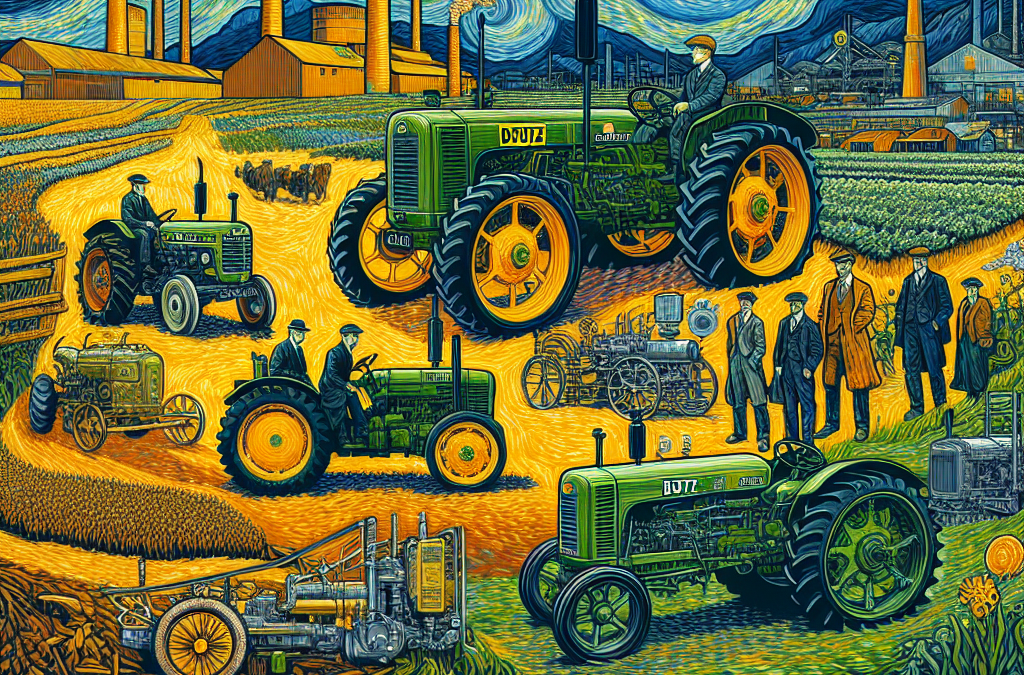
Reviving Heritage: Empowering Farmers Through Right-To-Repair Advocacy
By Tom Seest
At ClassicTractorNews, we help tractor lovers keep up with the latest news for classic and vintage tractors.
Please share this post with your friends, family, or business associates who may like old classic or vintage tractors.
5 Ways Right-To-Repair Battles Directly Benefit Pre-1990 Tractors
In the world of farming, tractors are more than machines; they’re the heartbeat of the land, each one telling a story of hard work, family legacy, and connection to a way of life that has nurtured generations. The right-to-repair movement touches this narrative by breathing new life into pre-1990 tractors, allowing their stories to continue instead of being silenced by modern monopolies.
First, the most striking benefit lies in preservation. These older tractors, often seen as outdated relics, possess a charm and character that modern machines lack. Farmers have bond with their tractors, each dent and scratch a testament to countless hours spent in the fields. The right-to-repair legislation empowers owners to maintain and renovate these machines without being shackled by limited part availability or exorbitant repair costs. Imagine a farmer restoring his grandfather’s tractor, keeping not just a piece of machinery alive, but a legacy intact.
Next, consider economic empowerment. For the small-scale farmer, repair costs for newer models can undermine profitability. By supporting the right-to-repair, advocates enable the use of older tractors as cost-effective alternatives. This economic freedom allows farmers to allocate resources where they matter most—on their fields, their families, and their futures. It’s the difference between solvency and struggle, and it resonates deeply with those who know the value of every dollar they earn.
There’s also an ethical dimension that can’t be ignored. Every time someone is forced to discard a functioning piece of equipment simply because they can’t procure the necessary parts, not only do we lose a vital tool, but we also lose sight of our responsibility to the environment. The right-to-repair movement champions sustainability, reducing waste, and honoring the commitment to protect our planet for future generations.
The narrative of community and collaboration flourishes here. The mechanics and farmers who band together to learn and share knowledge about repairing these tractors build bonds that foster trust. Workshops become gathering spaces, where people help each other learn, creating a collective memory bank that enriches the agricultural community.
Lastly, consider the impact on the next generation. Young people witnessing the revival of vintage tractors—and gaining hands-on repair skills—develop a sense of respect for machinery and the craftsmanship behind it. They’ll learn not only the mechanics but the immense satisfaction that comes from self-reliance. In a world that increasingly relies on automation, nurturing this connection can inspire a new passion for farming and sustainability.
Right-to-repair battles are about more than policy; they stir emotions and foster connections, ensuring that the stories of pre-1990 tractors continue, centering on resilience, resourcefulness, and the enduring spirit of agriculture.
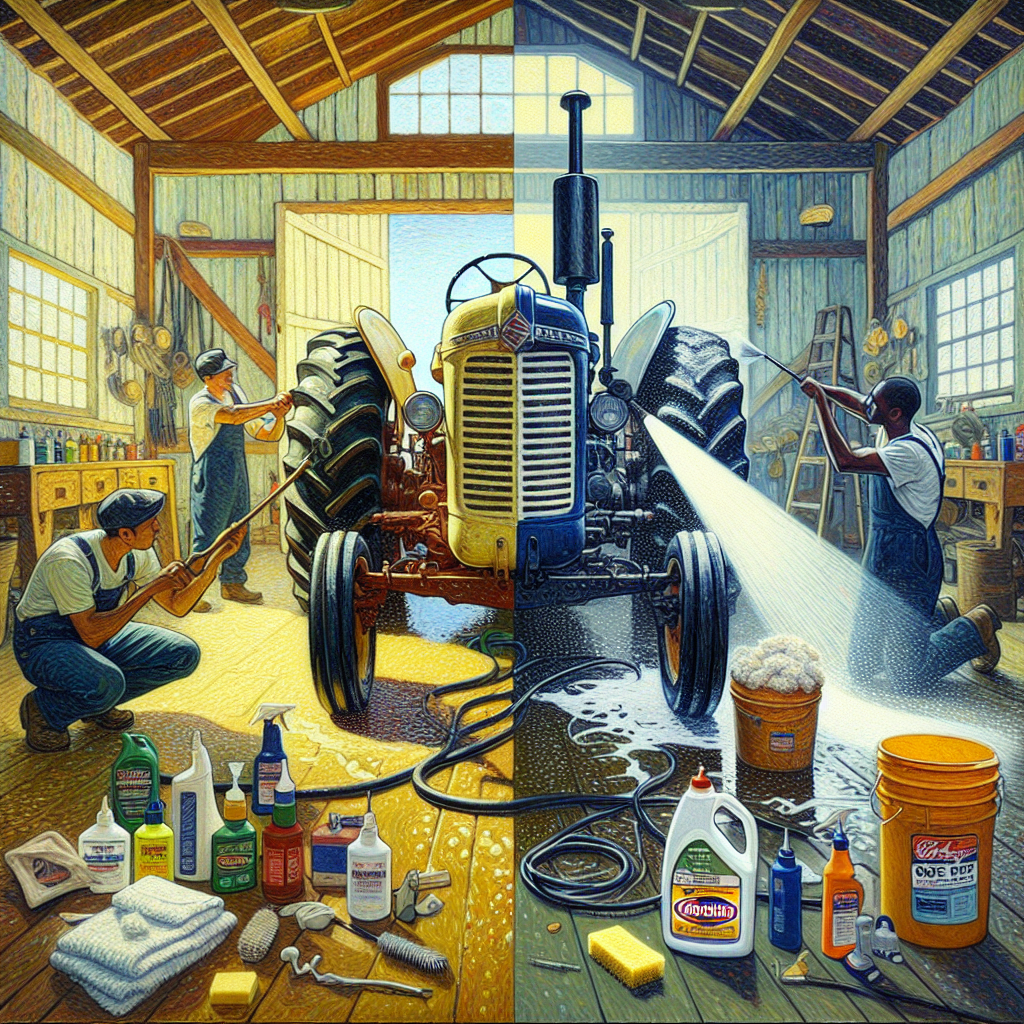
5 Ways Right-To-Repair Battles Directly Benefit Pre-1990 Tractors
5 Ways Right-To-Repair Battles Directly Benefit Pre-1990 Tractors
- Preservation of pre-1990 tractors, allowing farmers to maintain their legacy.
- Economic empowerment for small-scale farmers through cost-effective repairs.
- Promotion of sustainability by reducing waste and protecting the environment.
- Community and collaboration fostered through shared knowledge and skills.
- Engagement of the next generation in hands-on repair skills and respect for machinery.
- Revival of vintage tractors instills a passion for farming and sustainability.
- Right-to-repair battles connect emotional narratives in agriculture.

5 Ways Right-To-Repair Battles Directly Benefit Pre-1990 Tractors
Table Of Contents
- 5 Ways Right-To-Repair Battles Directly Benefit Pre-1990 Tractors
- What Impact Does the Right-To-Repair Have on Tractor Ownership?
- How Can Repairing Old Tractors Save Money for Farmers?
- Why Is It Vital to Protect the Right-To-Repair for Vintage Machinery?
- How Does the Right-To-Repair Empower Local Farming Communities?
- What Ethical Dilemmas Arise When Manufacturers Deny Repair Options?
- How Does Accessibility to Repairs Affect the Value Of Old Tractors?
- Conclusion
- Other Resources
- Glossary Of Terms
- Other Questions
- Haiku
- Poem
- Checklist
What Impact Does the Right-To-Repair Have on Tractor Ownership?
In the heart of the rural landscape, tractors stand as silent sentinels of hard work, dedication, and resilience. These machines are not merely tools; they’re the lifeblood of families and communities, often passed down through generations. The Right-To-Repair movement is not just a policy debate; it’s a conversation about ownership, independence, and the sweat of our brows. When farmers have the right to repair their tractors without the labyrinthine barriers set by manufacturers, it transforms ownership into something sacred.
Imagine a farmer, hands calloused and heart full of dreams, who suddenly finds his trusted tractor failing. Oftentimes, this machine represents years of toil and investment. But without the Right-To-Repair, the farmer is faced with two grim choices: a costly trip to the dealership or a long wait for a technician who may be more familiar with the glossy features of the latest model than with the worn gears of an old friend. This is not just about convenience; it’s about a farmer’s autonomy over their livelihood.
The emotional weight of this struggle cannot be overstated. When you’re faced with a broken tractor in the midst of planting season, it’s more than just a delayed harvest. It’s a looming shadow that threatens to eclipse months of preparation. The Right-To-Repair opens the door for farmers to take command over their machinery, fostering a sense of control that is empowering. Repair manuals and parts become gateways to independence, allowing farmers to preserve their heritage while adapting to modern challenges.
From an ethical standpoint, the Right-To-Repair supports sustainability and innovation. It fosters a culture where ingenuity thrives—consider the farmer who learns to mend their tractor, sharing knowledge with neighbors in the barn after a long day. It’s not just repairs; it’s a community rallying together, exemplifying the values of support and shared effort that have always defined rural life.
There’s an unrivaled sense of pride that comes from rolling up your sleeves and getting your hands dirty. Though the world fast-forwards into high-tech solutions, the essence of farming remains rooted in hard work, ingenuity, and connection to the land. The Right-To-Repair is more than just a legal fight; it’s a restoration of dignity for every individual who believes that their tractor—and, by extension, their future—should be in their hands.
Ultimately, achieving the Right-To-Repair empowers not only individual tractor owners but reinvigorates communities, establishes trust in our equipment, and inspires confidence in our ability to overcome obstacles—one repair at a time.
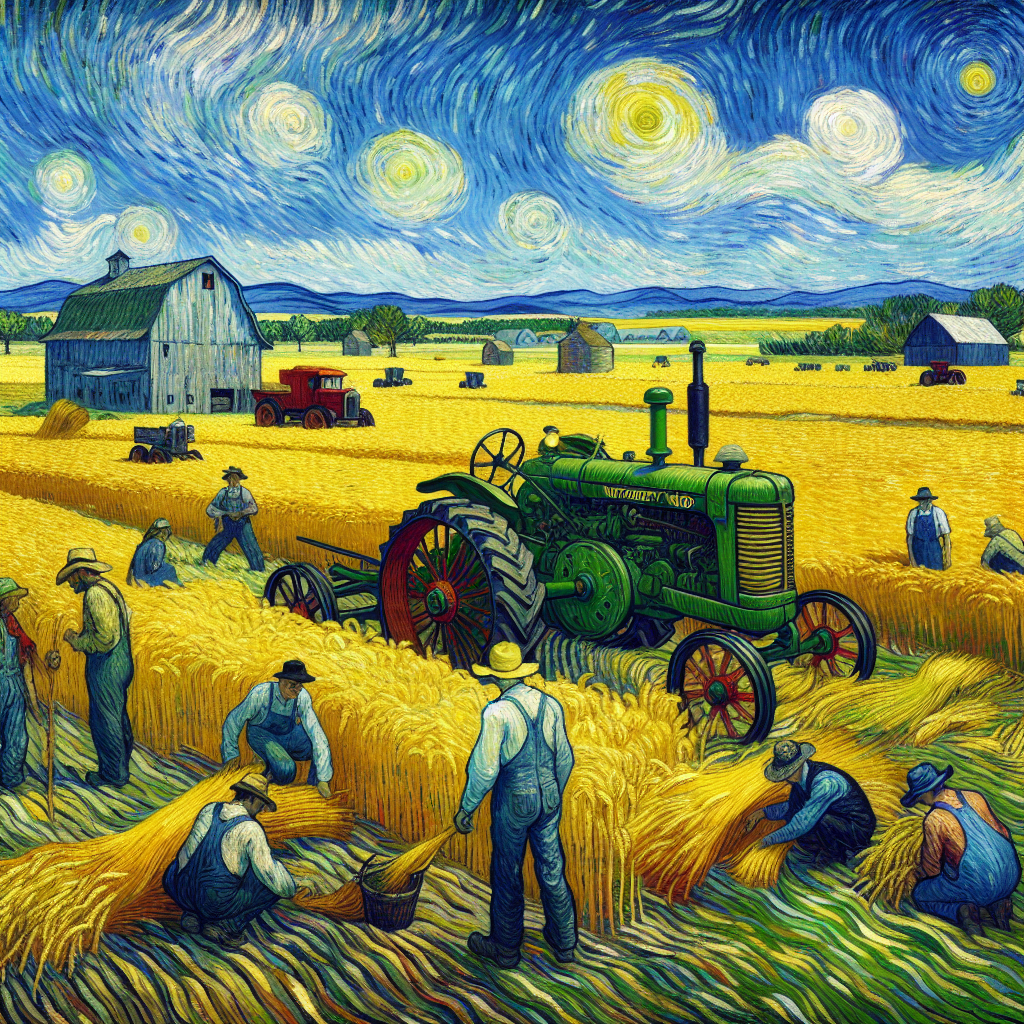
What Impact Does the Right-To-Repair Have on Tractor Ownership?
What Impact Does the Right-To-Repair Have on Tractor Ownership?
- Tractors symbolize hard work, dedication, and resilience in rural communities.
- The Right-To-Repair movement emphasizes ownership, independence, and the importance of farmers’ autonomy over their machinery.
- Farmers face challenges when their tractors fail during critical times, often leading to costly or lengthy repair processes.
- The Right-To-Repair fosters a sense of control and independence, allowing farmers to maintain their heritage and adapt to modern challenges.
- This movement promotes sustainability and innovation, encouraging community support and knowledge sharing among farmers.
- Repairing tractors instills pride in farmers, celebrating hard work and a connection to the land.
- The Right-To-Repair empowers individuals and strengthens communities, building trust in equipment and confidence to overcome obstacles.
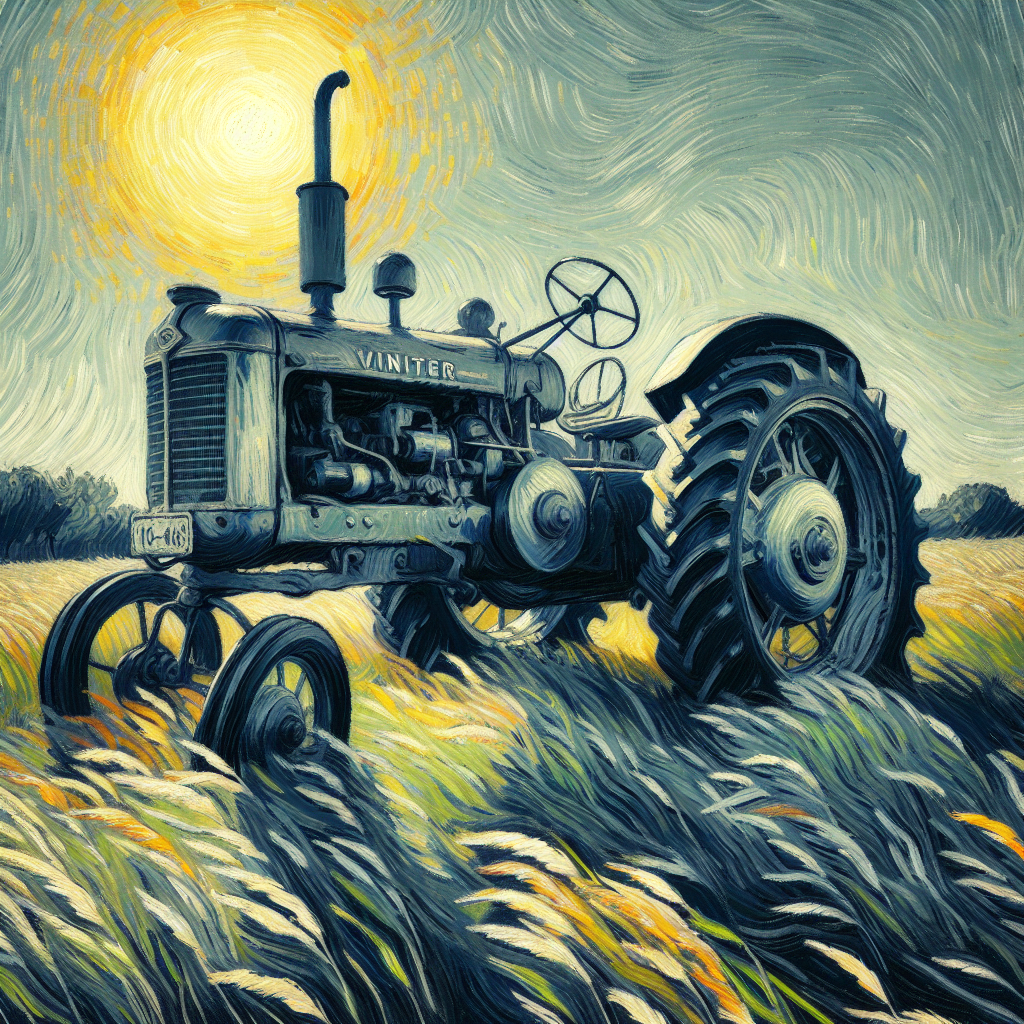
What Impact Does the Right-To-Repair Have on Tractor Ownership?
How Can Repairing Old Tractors Save Money for Farmers?
Repairing old tractors is more than just a cost-saving measure; it’s a lifeline for farmers navigating the unforgiving landscape of agricultural economics. Farms often run on tight margins, and when it comes to machinery, the thought of purchasing new equipment can be daunting. The reality is, an old tractor, with a little care and attention, can become the backbone of a small farm, bolstering both emotional and financial investment through stories of resilience and legacy.
Consider this: a farmer inherits a tractor from their grandfather, a sturdy piece of machinery depicting years of harvests, sweat, and hard work. Each dent and scratch tells a story. Repairing this tractor not only revives its functionality but also breathes life into those memories. The act of repairing becomes an emotional journey, a way to maintain a connection with the family’s agricultural heritage. This is not merely a mechanical task; it’s an opportunity to honor history and invest in the future.
From a rational standpoint, the math speaks for itself. The average cost of repairing an old tractor can often pale in comparison to the steep price of a new one. An investment in repairs means fewer financial strains while simultaneously extending the lifespan of a reliable workhorse. Farmers can redirect the money saved into essential areas such as seeds, equipment upgrades, or even personal time to recharge—a crucial element in maintaining passion for farming.
Ethically, repairing old tractors supports sustainability. In an age where we’re encouraged to consider our ecological footprint, refurbishing machinery advocates for reusing resources rather than contributing to waste. It embodies a commitment not just to self, but to the community and the planet, showcasing responsibility in a world often consumed by consumerism.
Imagine the pride as neighbors gather, witnessing that rusted old tractor transformed into a symbol of perseverance and ingenuity. Repairing these machines fosters a sense of community, where tales are shared over wrench turning and oil changes—creating bonds that go beyond just work.
The repair of old tractors is not just about saving a few bucks; it’s about investing in memories, supporting sustainability, and building community. It’s an ethos that pulls at the heartstrings while rationalizing the decision. When farmers see their repaired tractors in action, they aren’t just witnessing machinery; they are witnessing their legacy and future taking root.
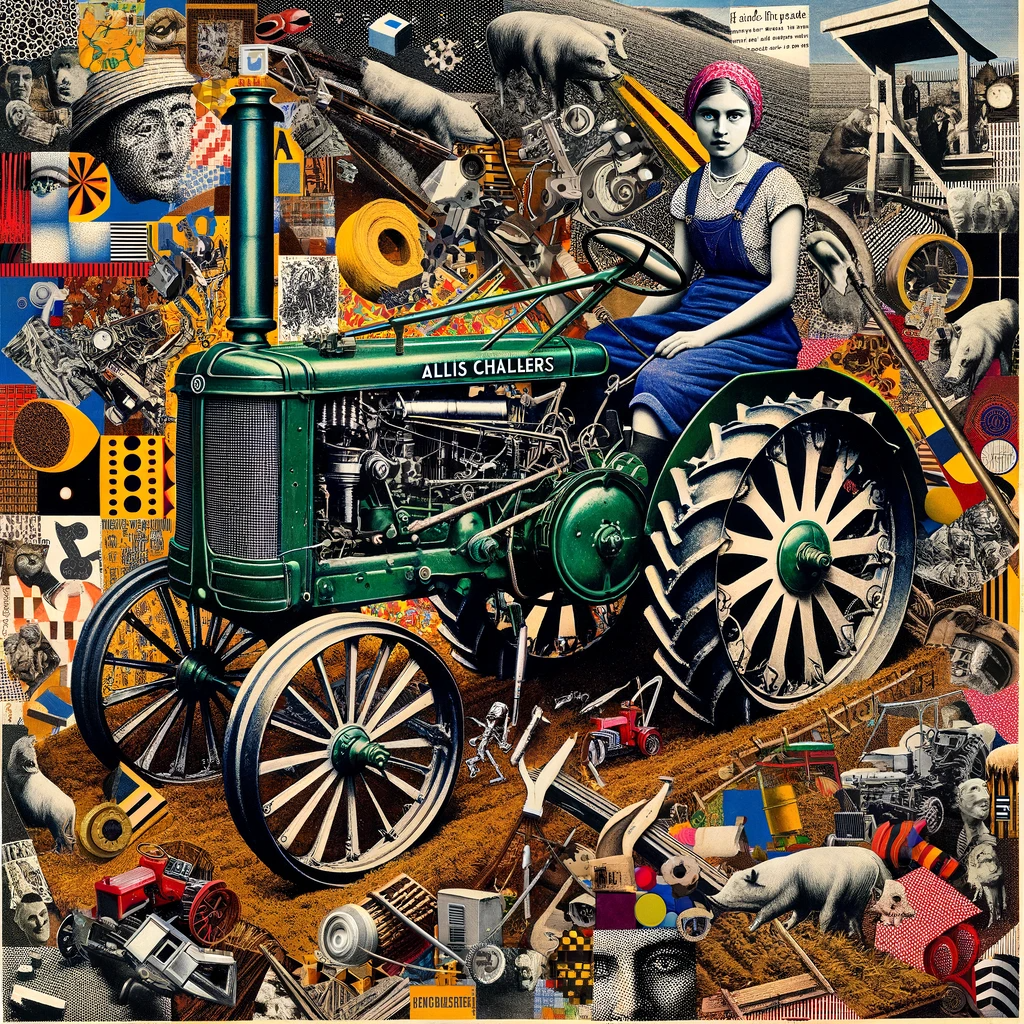
How Can Repairing Old Tractors Save Money for Farmers?
How Can Repairing Old Tractors Save Money for Farmers?
- Repairing old tractors serves as a vital support for farmers with tight budgets in agricultural economics.
- Older tractors can symbolize emotional and financial investments, representing resilience and legacy.
- The act of repairing connects farmers to their heritage and family history.
- Repair costs are often significantly lower than buying new equipment, allowing funds to be redirected to other farming needs.
- Repairing tractors promotes sustainability by encouraging the reuse of resources and reducing waste.
- Community bonds are strengthened through shared experiences in the repair process.
- The revival of old tractors not only saves money but also honors memories and reinforces a farmer’s legacy and future.
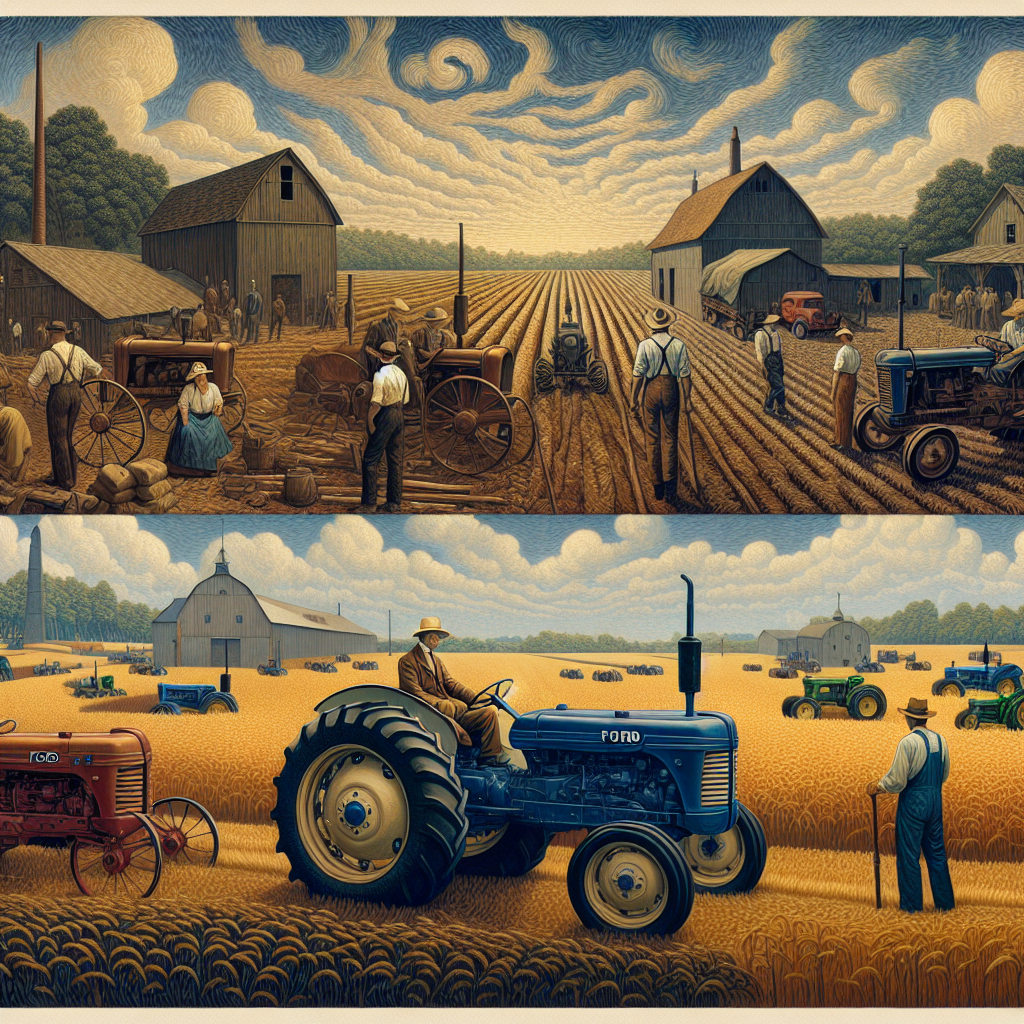
How Can Repairing Old Tractors Save Money for Farmers?
Why Is It Vital to Protect the Right-To-Repair for Vintage Machinery?
In a world chasing after the next big thing, there’s something timeless and undeniably human about vintage machinery, like that old tractor that once belonged to your grandfather. It represents not just a piece of equipment, but a legacy—maps of memories carved into metal and rust. The right to repair these machines is crucial, not just for the sake of nostalgia, but for our connection to craftsmanship and sustainability.
Imagine this: instead of heading to a repair shop that’s 200 miles away, you’re in your own garage, sunlight streaming in, surrounded by the scent of oil and gasoline. You’re armed with a manual and a few tools, and you can fix that tractor you’ve known since childhood. That feeling of independence, of solving problems with your own two hands, fosters a sense of pride that transcends the mechanical. It’s about autonomy, about standing up to the tide of disposable culture that tells us to throw things away instead of fixing them.
When we consider the environmental impact, vintage machinery often embodies a sustainable choice. These tractors were built to last, constructed with quality and care that many modern machines lack. When we protect the right to repair, we are committed to reducing waste, ensuring that these veteran machines continue to work the land and create value rather than ending up in a landfill. Every time we restore an old tractor, we’re not just reviving metal; we’re revitalizing our commitment to sustainable practices.
Ethically, the right to repair challenges monopolies that seek to profit at the expense of our freedoms. Corporations often argue that their repair processes are too complex for the average person. But it’s not complexity that should decide our right to fix what belongs to us; it should be our capability and desire. This is about ensuring that enthusiasts and tinkerers can share that knowledge with their communities, teaching others how to breathe life back into relics of the past.
Moreover, there’s a narrative thread that weaves through generations of farmers and mechanics. It’s the stories of innovation, of ideas born in garages and barns. Every repaired tractor is a testament to resilience and ingenuity. Preserving the right to repair ensures we pass down these stories, fostering community connections and inspiring the next generation to pick up a wrench.
By standing for the right to repair, we’re not just defending machinery; we’re safeguarding our history, our planet, and our autonomy. Each repaired tractor is a symbol of hope, a connection to our roots, and a challenge to the throwaway culture of today.
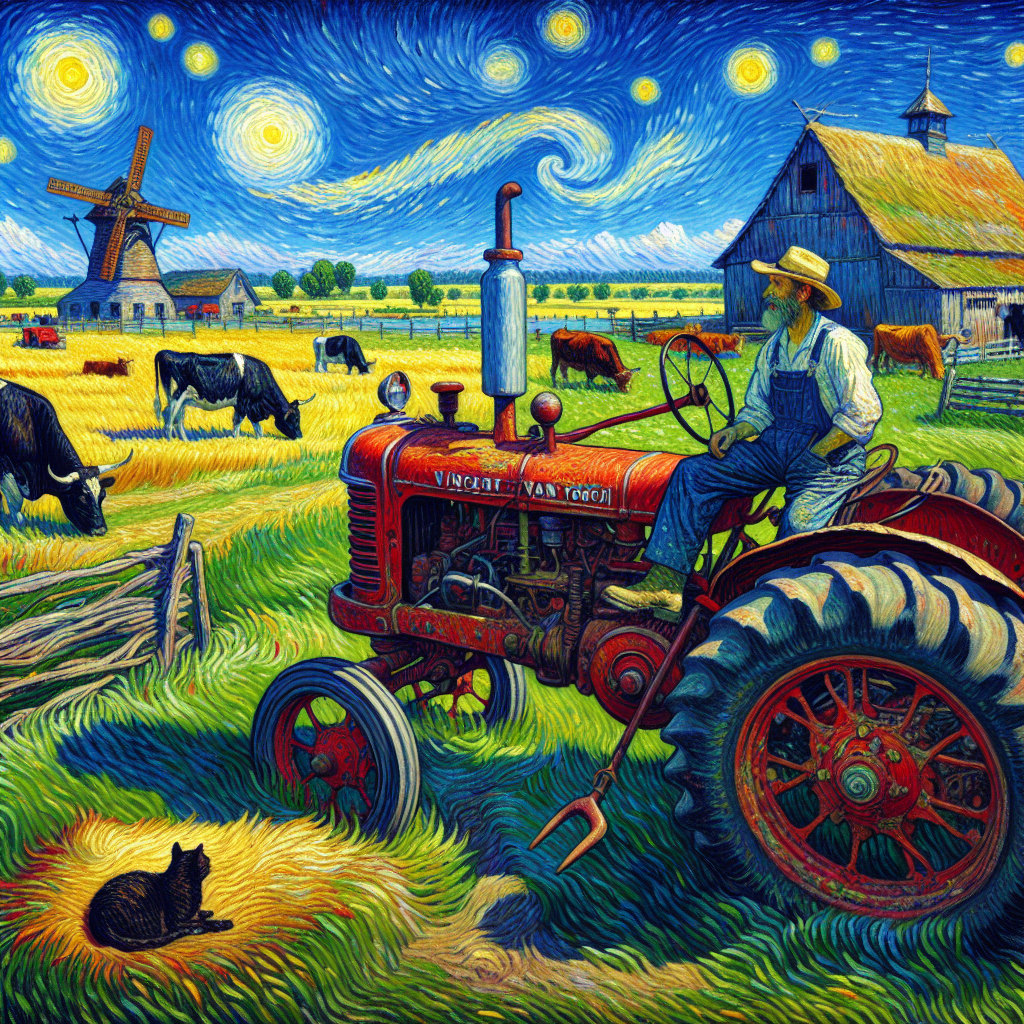
Why Is It Vital to Protect the Right-To-Repair for Vintage Machinery?
Why Is It Vital to Protect the Right-To-Repair for Vintage Machinery?
- Vintage machinery, like old tractors, represents a legacy and a connection to craftsmanship.
- The right to repair is essential for fostering independence and resisting disposable culture.
- Restoring vintage machines promotes sustainability and reduces waste.
- Repairing these machines challenges monopolistic practices and empowers individuals.
- Sharing repair knowledge within communities strengthens connections and preserves stories of innovation.
- Restoration efforts symbolize hope and a commitment to environmental responsibility.
- Defending the right to repair safeguards history and promotes autonomy against throwaway culture.
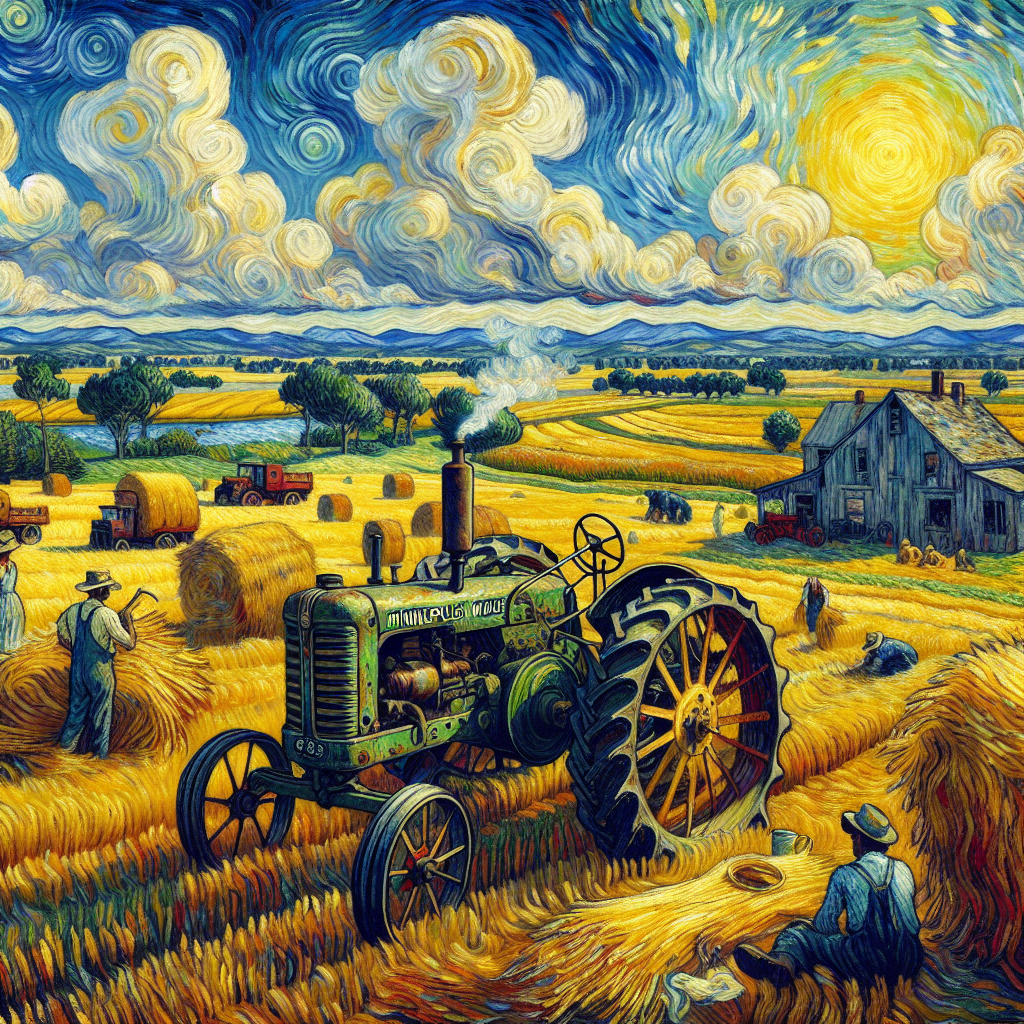
Why Is It Vital to Protect the Right-To-Repair for Vintage Machinery?
How Does the Right-To-Repair Empower Local Farming Communities?
In the heart of every farming community lies a deep connection to the land and its tools, particularly the tractor—a symbol of hard work and perseverance. Yet, this reliance on machinery can also lead to feelings of helplessness when repair options are limited. The Right-to-Repair movement directly challenges this notion, waving a banner of empowerment for local farmers who have long been at the mercy of manufacturers who dictate not only what equipment is available but also how it can be maintained.
Imagine a young farmer, Jake, at the break of dawn, ready to till his fields with an old tractor that has seen better days. When that trusty machine breaks down, his first instinct is to roll up his sleeves, dust off his manual, and fix it. But with many tractors, this instinct becomes a struggle against locked parts and proprietary software, leaving Jake feeling frustrated and powerless. The Right-to-Repair fundamentally changes that narrative, giving him access to the parts and information needed to breathe life back into his equipment, restoring his ability to work, grow, and thrive.
The value of this right extends beyond just the practical; it invokes a sense of pride. The ability to repair means farmers regain control over their equipment—not just ownership, but an emotional stake in the process of their labor. It resonates with the core of what farming is about: resilience and ingenuity. Farmers have always been resourceful, using every tool at their disposal to nurture the soil and their community. By being empowered to fix their own tractors, they reinforce their role as stewards of the land, ensuring sustainability and reducing dependency on corporate giants.
Moreover, the Right-to-Repair cultivates a collective identity among farmers. It fosters a culture of sharing knowledge; a community workshop where neighbors gather to teach each other how to fix their equipment embodies the spirit of cooperation. The shared stories of triumphs and failures around the repair table create a bond that transcends individual hardship. These experiences invite conversations about sustainability, ethics, and social responsibility, urging others to reflect on their roles in a system that often prioritizes profit over people.
Empowering local farming communities through the Right-to-Repair not only boosts individual resilience but strengthens the fabric of rural society as a whole. It fosters trust and confidence among neighbors, transforming mechanical breakdowns from moments of despair into opportunities for collaboration, reflection, and growth. In doing so, it ensures that those who feed the world do so with dignity, capability, and an unwavering sense of community spirit.

How Does the Right-To-Repair Empower Local Farming Communities?
How Does the Right-To-Repair Empower Local Farming Communities?
- Farming communities have a deep connection to their tools, particularly tractors, symbolizing hard work and perseverance.
- The Right-to-Repair movement empowers farmers by providing access to equipment parts and maintenance information.
- Farmers like Jake experience frustration when machinery repair options are restricted by manufacturers’ proprietary practices.
- The ability to repair fosters a sense of pride and emotional investment in farming equipment.
- Repairing machinery reinforces farmers’ roles as stewards of the land, promoting sustainability and reducing corporate dependency.
- The Right-to-Repair encourages a collaborative culture among farmers, sharing knowledge and experiences in community workshops.
- Empowerment through repair enhances individual resilience and strengthens rural society, promoting trust and cooperation among neighbors.

How Does the Right-To-Repair Empower Local Farming Communities?
What Ethical Dilemmas Arise When Manufacturers Deny Repair Options?
In a world where the cost of living keeps climbing and resources seem increasingly scarce, we find ourselves in a strange predicament. Picture a small-town farmer, who’s relied on the same old tractor for decades. It’s not just machinery; it’s a lifeline, a part of his family’s history. When that tractor breaks down, the stakes rise. But if the manufacturer decides to deny repair options or withhold crucial parts, the farmer is left not just stranded, but faced with an ethical quandary: should he invest in a new machine or let his livelihood wither?
Manufacturers wield immense power. They create the products we depend on and, often, the rules of the game. They design these machines—be it a tractor in a field or a smartphone in your pocket—and then, paradoxically, they maintain a stranglehold on repairs. This creates a vicious cycle. When denying access to repair options, manufacturers prioritize profit over people, leaving consumers vulnerable. It’s not just a business decision; it’s a moral one. The choice becomes stark: do we favor a model that fosters innovation and independence or one that seeks to restrict autonomy for profit?
Let’s consider the ethical implications. When repair options are restricted, we see the erosion of our right to mend, and that’s a slippery slope. After all, where does it end? Say your trusted tractor, which has plowed your land for years, suddenly encounters a minor fault. If a manufacturer decides it’s cheaper not to provide spare parts, what’s the message? It suggests that your relationship with the machinery isn’t as important as the bottom line. Your needs are secondary to their profits. This is about more than just fixing a tractor; it’s about the principle of ownership and the right to maintain what is ours.
As a community, we have the responsibility to demand better from those companies whose products we entrust with our lives and livelihoods. We must unite in advocating for the right to repair. By sharing our stories—stories of farmers, parents juggling school lives, or mechanics fighting for their crafts—we weave a tapestry of connection that challenges the status quo.
When we engage emotionally, rationally, and ethically around the right to repair, we build a bridge of trust from the manufacturers to the consumers. Together, we can inspire a movement that values not just profitability, but the rich, textured lives of everyone who relies on their machinery to thrive. It’s more than just a tractor or a gadget; it’s about nurturing a future where every part of our lives can be repaired, cherished, and kept alive.

What Ethical Dilemmas Arise When Manufacturers Deny Repair Options?
What Ethical Dilemmas Arise When Manufacturers Deny Repair Options?
- The rising cost of living makes repair options increasingly crucial for consumers, especially farmers.
- Manufacturers have significant power over the availability and pricing of repair parts, impacting livelihoods.
- Denying repair access prioritizes profits over consumer needs, creating an ethical dilemma.
- Restricted repair options erode the fundamental right to maintain and own possessions.
- Community advocacy for the right to repair is essential for challenging corporate practices.
- Sharing personal stories helps forge connections that promote a movement for repair rights.
- A collective push for repair access emphasizes the importance of nurturing sustainable futures.

What Ethical Dilemmas Arise When Manufacturers Deny Repair Options?
How Does Accessibility to Repairs Affect the Value Of Old Tractors?
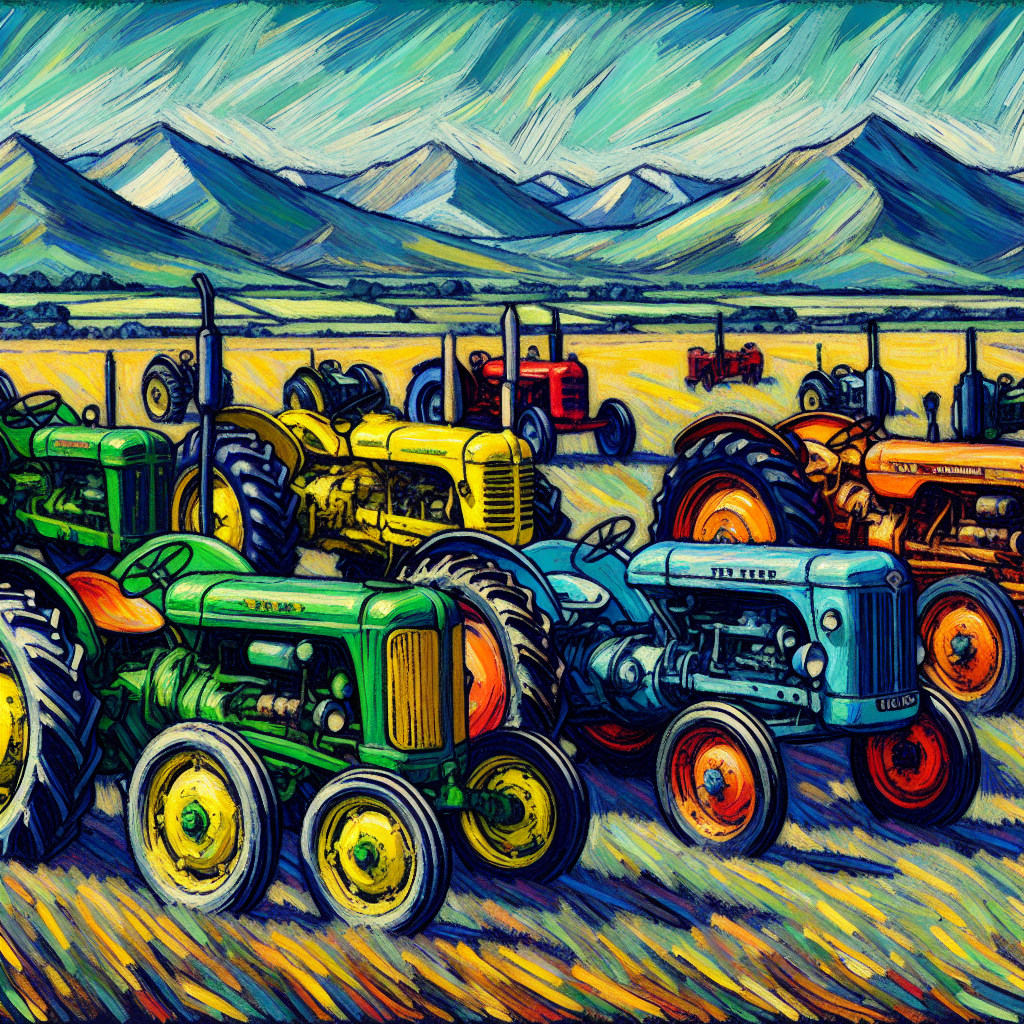
Imagine a dusty old tractor sitting in a weathered barn, still capable of tilling the fields it once knew. It has stories etched into its metal, tales of seasons past, late nights under the stars, and the labor of hands that shaped a land. The absence of easy access to repairs, however, can stifle these stories from being told, transforming potential legacy into rust and decay.
When we speak of the value of old tractors, we often consider their mechanical worth. Yet, the heart of this equation lies in accessibility to repairs. Imagine a farmer, eager to breathe life into a vintage machine, only to be met with a tangle of unavailability—parts lost to time, mechanics who shun the old ways. The emotional toll is palpable: dreams of reviving that piece of history dim when faced with the prospect of abandonment. It’s more than metal; it’s heritage, pride, and continuity.
From a practical standpoint, a tractor’s value is heavily influenced by the ease with which it can be repaired. Tractors that maintain a rich ecosystem of available parts and knowledgeable technicians soar in worth. It’s a confidence boost, knowing that with a little investment, you can keep that engine purring for generations. Think about it—a mechanic confident in their ability to fix an old Ford 8N doesn’t only contribute to the machinery’s operating life but also nurtures a community’s faith in preserving history, fostering a culture where old does not equate to obsolete.
Ethically, it comes down to a commitment to sustainability. By valuing the accessibility of repairs for old tractors, we advocate for a culture of preservation rather than disposal. A society that honors its roots understands that these machines are not mere tools; they are vessels carrying knowledge and tradition. Each repaired tractor symbolizes an action against the throwaway culture, promoting resourcefulness and responsibility.
Just as stories bridge connections, the old tractors that still share the earth with us bind generations. Think of your grandfather tending to his fields, the old tractor a constant companion. This connection weaves through time, creating a fabric of memories that a lack of repair accessibility threatens to tear. It’s about more than simple mechanics; it’s a commitment to value—both emotional and economic.
So, the next time you ponder the worth of an old tractor, remember not just the machine, but also the legacy it embodies. Support the efforts to keep these symbols of our agricultural heritage alive, one repair at a time.
How Does Accessibility to Repairs Affect the Value Of Old Tractors?
How Does Accessibility to Repairs Affect the Value Of Old Tractors?
- Old tractors have rich histories and stories etched into their metal.
- Accessibility to repairs is crucial for preserving these machines’ legacies.
- Farmers face challenges finding parts and mechanics for vintage tractors, which can lead to emotional distress.
- The practical value of tractors increases with available repair parts and skilled technicians.
- Repairing old tractors promotes sustainability and a culture of preservation rather than disposal.
- Old tractors connect generations, embodying heritage and continuity.
- Supporting repairs helps preserve agricultural heritage and fosters community commitment.
How Does Accessibility to Repairs Affect the Value Of Old Tractors?
Conclusion
The battle for the Right-to-Repair isn’t just about legislation; it’s a lifeline for farmers, a rallying cry for preservation, and a movement that honors the past. In the heart of rural America, tractors are not merely machines; they embody stories of dedication, carried through generations, representing the sweat and triumph of countless farmers. The Right-to-Repair allows us to keep these stories alive by enabling farmers to mend and maintain their pre-1990 tractors, breathing new life into these cherished relics before they slip into oblivion.
First and foremost, we are talking about preservation—a way to safeguard not just equipment, but the legacies tied to them. Each dent and scratch on an old tractor tells a tale, a narrative of labor that deserves respect. The connection to these machines runs deep, providing the emotional stakes that are often overlooked. Imagine a farmer, clutching a manual, determined to restore their grandfather’s tractor. This endeavor is more than mechanical; it’s a profound act of honoring tradition, keeping the family’s heritage intact.
Economically, the stakes rise even higher. New tractors can bankrupt small farmers, but the Right-to-Repair opens up viable alternatives. Maintaining old tractors keeps dollars in the farmer’s pocket, funding their real needs—seeds, equipment, and ultimately, a sustainable future. For many, this isn’t just about cost savings; it’s about survival, making the difference between thriving and simply scraping by.
Then there’s the ethical angle, which cannot be overstated. The Right-to-Repair movement pushes back against wastefulness and environmental degradation. We face an age where machines are discarded instead of fixed, contributing to a throwaway culture. This movement stands for sustainability and encourages a shift back to appreciating longevity, understanding that repairing old tractors reduces waste and supports our planet.
Moreover, community ties are strengthened through repair efforts. Farmers share knowledge and skills, transforming workshops into hubs of collaboration and camaraderie. These shared experiences not only cultivate trust among neighbors but also foster resilience, creating a social fabric enriched by mutual support and storytelling.
Importantly, by engaging the next generation, we cultivate a sense of responsibility and craftsmanship. Young people exposed to vintage tractors learn valuable skills while appreciating the connection to a farming legacy that is increasingly rare in an age dominated by instant solutions and automation.
The Right-to-Repair movement embodies the spirit of autonomy and deep-rooted connections to our past. It’s more than a policy win; it’s an affirmation of dignity and respect for the hands that tend the land, ensuring that a piece of our heritage continues to thrive, one repair at a time.
Conclusion
Conclusion:
- The Right-to-Repair is crucial for farmers, preserving their stories and legacies.
- Old tractors symbolize hard work and tradition, deserving respect and preservation.
- Maintaining pre-1990 tractors can provide economic relief for small farmers.
- The movement promotes sustainability by reducing waste and opposing a throwaway culture.
- Repair efforts strengthen community bonds and foster collaboration among farmers.
- Engaging the next generation cultivates responsibility and appreciation for farming heritage.
- The Right-to-Repair is a movement of autonomy, dignity, and respect for farmers’ craftsmanship.
Conclusion
Other Resources
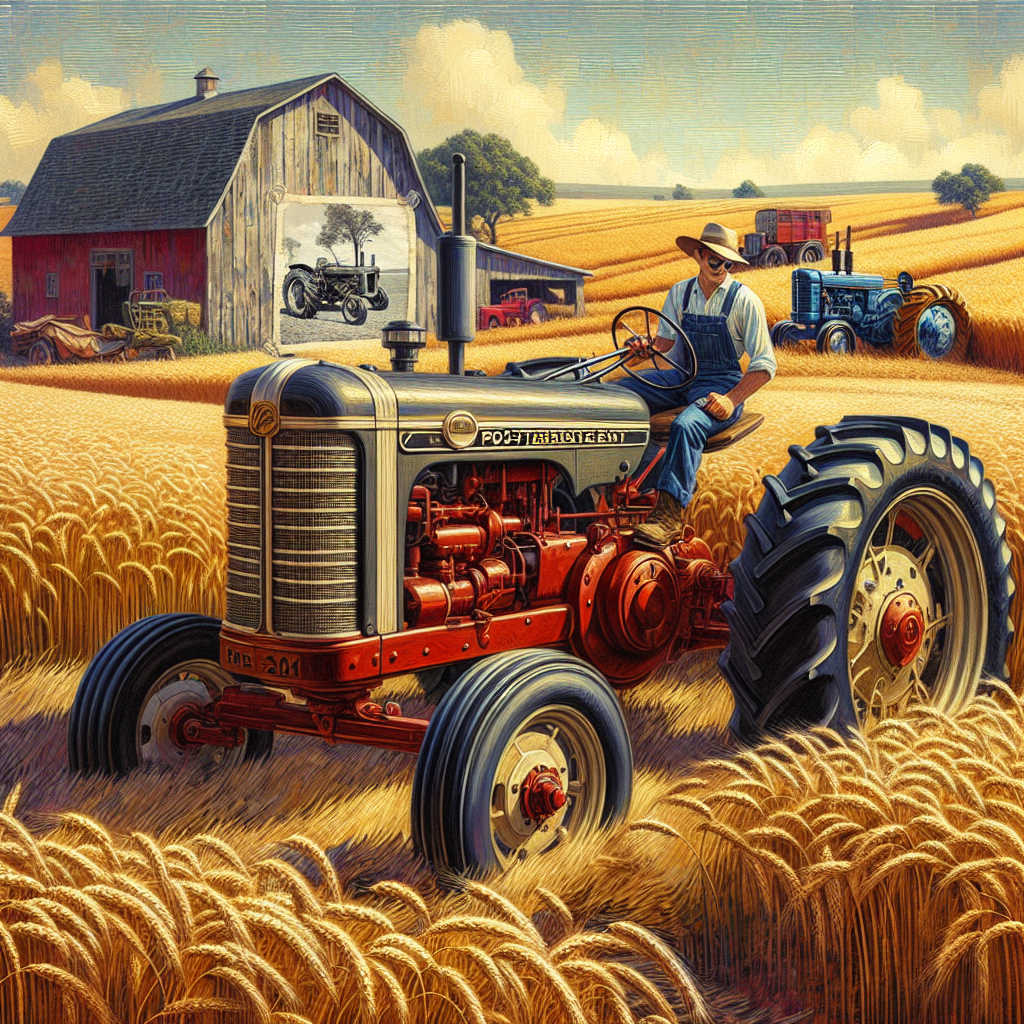
Other Resources
Here is a list of other resources you can review online to learn more:
- Wallis
- Case
- Wilke’s Classic Tractors
- First State Antique Tractor Club
- Farm Collector Show Directory
- Northeast Nebraska Farm & Equipment Show
- Classic Farm Tractors
- Rough and Tumble Engineers Historical Association
- Eagle Manufacturing
- Empire
- McCormick Intl
- TYM
- Challenger
- Sears
- Muir-Hill
- Keystone Tractor Museum
- Knudson
- Argo Tractors
- Minnesota Machinery Museum
Use This Prompt To Get More Resources With Your Favorite Online AI Tool: Please provide me with a list of online articles with their URLs in a bulleted list that I can read regarding 5 Ways Right-To-Repair Battles Directly Benefit Pre-1990 Tractors
Other Resources
Glossary Terms
5 Ways Right-To-Repair Battles Directly Benefit Pre-1990 Tractors – Glossary Of Terms
1. Right-to-Repair (R2R) — Legal and policy framework that secures owners’ and independent shops’ access to parts, tools, manuals, and diagnostic information; enables direct, affordable repair of pre-1990 tractors.
2. Pre-1990 Tractor — Tractors built before 1990, typically mechanically oriented with simpler electronics; R2R helps preserve and maintain these legacy machines.
3. OEM (Original Equipment Manufacturer) — The factory maker; R2R limits OEM control over repair information and parts that can block independent servicing of older tractors.
4. Aftermarket Parts — Non‑OEM replacement components; R2R supports their availability and lawful use for keeping vintage tractors running.
5. Parts Interchangeability — Compatibility of components across models and years; open documentation from R2R makes identifying interchangeable parts easier for pre‑1990 machines.
6. Service Manual — Official repair and maintenance guide; R2R ensures access to original or reproduced manuals critical for correct restoration and repairs.
7. Schematics — Wiring, hydraulic, and mechanical diagrams; R2R provides these diagrams so older tractors can be diagnosed and repaired accurately.
8. Technical Service Bulletin (TSB) — Manufacturer-issued fixes and updates; accessing TSBs under R2R saves time and prevents repeated failures on legacy tractors.
9. Diagnostics — Procedures and tools to find faults; R2R prevents proprietary lockouts and allows independent troubleshooting of late‑vintage electronics and systems.
10. Electronic Control Unit (ECU) — Onboard control modules (present on some late‑80s tractors); R2R enables firmware access, replacement, or bypass when needed.
11. Firmware — Embedded software in controllers; R2R allows owners to recover, update, or replicate firmware for legacy electronic components.
12. Reverse Engineering — Recreating parts or procedures from analysis; used under R2R to reproduce obsolete components for pre‑1990 tractors.
13. Salvage/Donor Parts — Used parts reclaimed from other machines; R2R clarifies legality and identification of donor parts for affordable repairs.
14. Restoration — Returning a tractor to original condition; R2R supplies the documentation and parts channels needed for faithful restorations.
15. Field Repairability — Ability to repair on‑farm with limited tools; R2R increases access to instructions and parts that make on‑site fixes feasible.
16. Mechanical Simplicity — The largely mechanical design of older tractors; R2R preserves the ability to maintain and adapt these simpler systems.
17. Spare Parts Availability — Ongoing supply of replacement items; R2R encourages production and distribution of spares for out‑of‑production tractor components.
18. Parts Catalog — Indexed listing of part numbers and compatibilities; R2R unlocks catalogs that speed correct part selection for vintage tractors.
19. Warranty Void Clauses — Manufacturer clauses that penalize independent repair; R2R restricts such clauses so owners can repair older tractors without punitive measures.
20. Tool Interoperability — Use of third‑party diagnostic and repair tools; R2R promotes open standards so independent tools work on legacy systems.
21. Intellectual Property (IP) — Legal rights over designs and software; R2R balances IP with practical access to repair information for older tractors.
22. Obsolescence — The end of production for parts or components; R2R mitigates obsolescence by enabling reproduction, remanufacture, and documentation sharing.
23. Local Supply Chain — Regional suppliers and repair shops; R2R strengthens local businesses that service and supply parts for pre‑1990 tractors.
24. Remanufacturing — Rebuilding parts to original specifications; R2R encourages remanufacturers to make high‑quality replacements for obsolete items.
25. Community Knowledge Base — Shared repair knowledge in clubs, forums, and archives; R2R complements and legitimizes community‑sourced fixes for vintage tractors.
26. Parts Harvesting — Intentional reclamation of usable components from other machines; R2R clarifies legal use and documentation to make harvesting effective.
27. Hydraulic System — Pumps, valves, and cylinders common on tractors; R2R ensures access to repair procedures and replacement seals/components.
28. PTO (Power Take‑Off) — Rotational drive interface; R2R provides access to specs, alignment procedures, and replacement parts crucial for safe PTO repairs.
29. Emissions Retrofits — Aftermarket or modified controls added later; R2R helps owners maintain or adapt emissions equipment on older tractors where applicable.
30. Farm Resilience — Ability of a farm to continue operations despite disruptions; R2R directly boosts resilience by lowering repair costs, shortening downtime, and keeping pre‑1990 tractors serviceable.
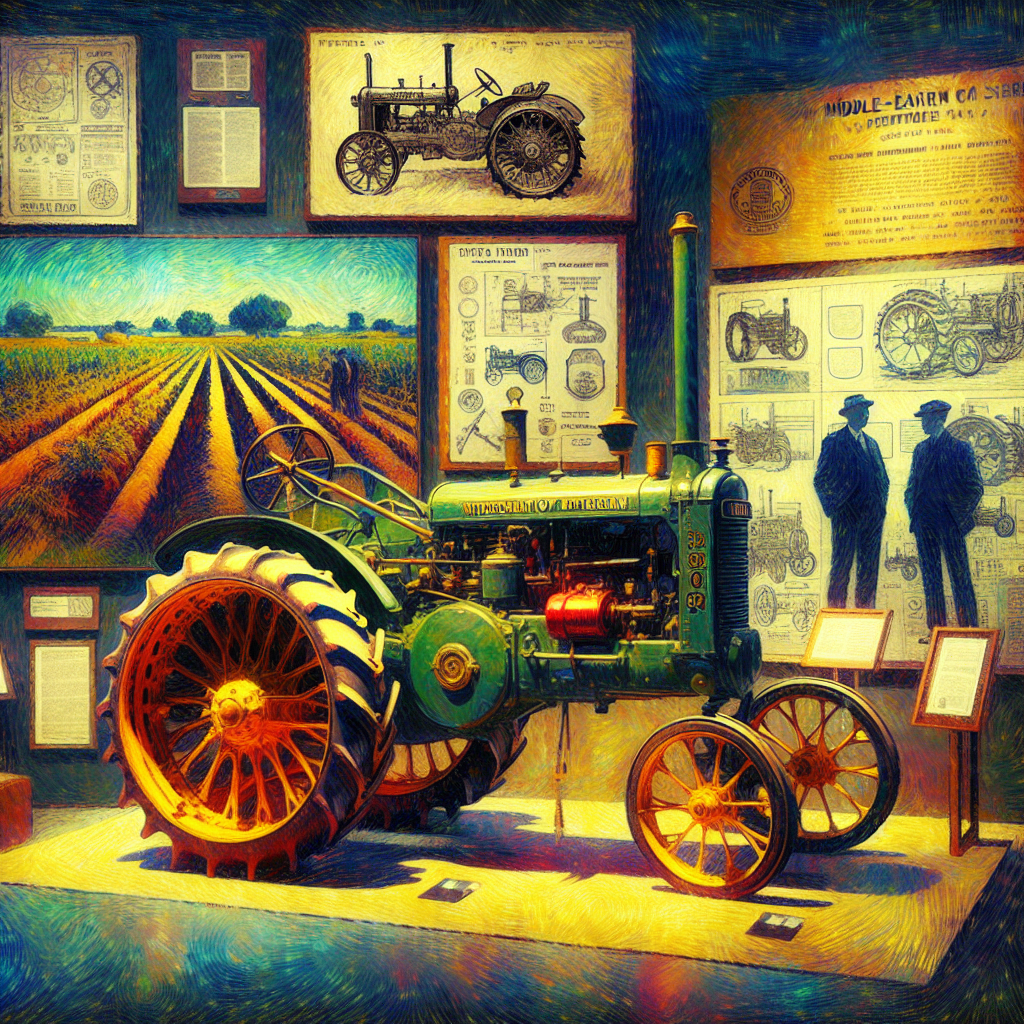
Glossary Of Terms
Other Questions
5 Ways Right-To-Repair Battles Directly Benefit Pre-1990 Tractors – Other Questions
If you wish to explore and discover more, consider looking for answers to these questions:
- What specific laws or policies currently govern right-to-repair for tractors in my country or state?
- Which manufacturers actively block repairs on pre-1990 tractors and how do they do it?
- How can I legally obtain OEM parts, schematics, and service manuals for vintage tractors?
- Where can I find reliable replacement parts for pre-1990 models (salvage yards, aftermarket suppliers, remanufacturers)?
- Are there searchable online databases for vintage tractor manuals, wiring diagrams, and parts diagrams?
- How much does a typical restoration or major repair cost compared with buying a newer tractor?
- What safety risks should I consider when repairing older tractors and how can they be mitigated?
- Do warranties or insurance policies change if I perform my own repairs or use third‑party parts?
- How does repairing a vintage tractor affect its resale value and how should I document work done?
- Can I legally retrofit modern electronics (ECUs, GPS, emissions controls) into a pre‑1990 tractor?
- Are there legal or regulatory barriers to modifying fuel systems, emissions equipment, or safety features on vintage tractors?
- How do software locks, DRM, or proprietary diagnostics impact the repairability of slightly newer tractors?
- What diagnostic tools are needed to troubleshoot and repair older tractors, and what are their costs?
- How can I learn repair skills—local workshops, community college courses, apprenticeships, online tutorials?
- What are the best practices for sourcing and verifying the authenticity and quality of used or aftermarket parts?
- Can 3D printing or CNC machining be used reliably to reproduce obsolete tractor parts?
- Are there grants, tax incentives, or subsidies for restoring vintage agricultural equipment or supporting right‑to‑repair efforts?
- How do right‑to‑repair victories or laws practically change access to parts, manuals, and diagnostic tools?
- What liability concerns arise if a privately repaired tractor causes an accident or fails in commercial use?
- How do salvage and scrap values for old tractors fluctuate based on repairability and parts availability?
- Which community organizations, clubs, or online forums specialize in vintage tractor restoration and parts sharing?
- How long can a properly maintained pre‑1990 tractor remain economically viable for farm work?
- What environmental benefits or measurable waste reductions result from keeping vintage tractors in service?
- Are there reliable methods for testing and certifying restored tractors for safety and roadworthiness?
- How compatible are older tractors with modern implements, hydraulics, and PTO-driven attachments?
- What common repairs or failure points should owners of specific vintage models expect?
- How do manufacturers typically respond to right‑to‑repair legislation and community pressure?
- What are examples of successful right‑to‑repair campaigns that benefited agricultural equipment owners?
- How can farmers organize locally to pool parts, tools, and expertise for vintage tractor maintenance?
- What documentation should I keep when restoring a tractor to preserve provenance and support future sale?
- How do export/import restrictions or tariffs affect access to parts for foreign-made vintage tractors?
- Are there seasonal or operational best practices for storing and preserving tractors to minimize future repair needs?
- How do changing fuel formulations (e.g., ethanol blends) affect older engines and what adaptations are needed?
- What role can small machine shops or independent remanufacturers play in sustaining vintage tractor fleets?
- How do counterfeit or substandard aftermarket parts impact safety and longevity of repaired tractors?
- What steps can I take to advocate for right‑to‑repair policies that benefit local farmers and vintage equipment owners?
- How do copyright and intellectual property laws intersect with accessing manuals, firmware, or diagnostic software?
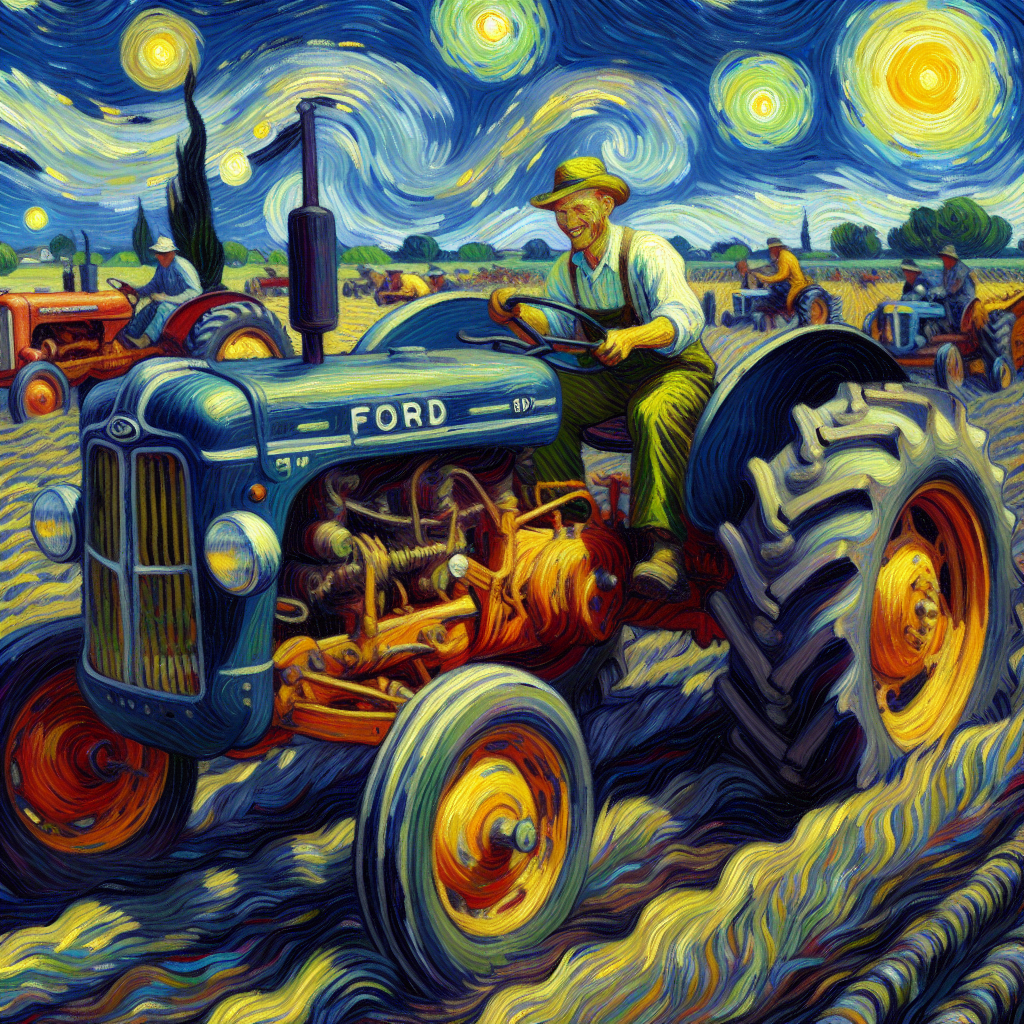
Other Questions
Haiku
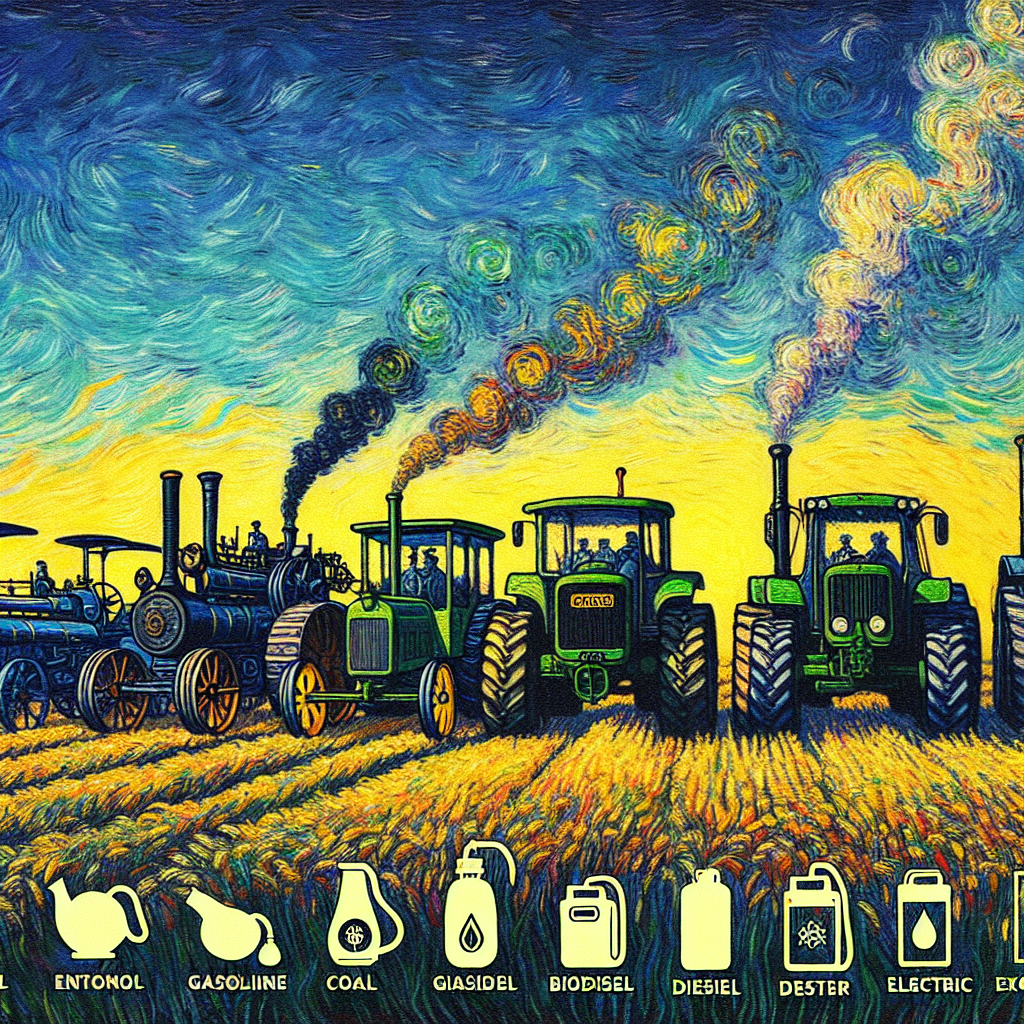
5 Ways Right-To-Repair Battles Directly Benefit Pre-1990 Tractors – A Haiku
Old tractors stand proud,
Stories of field toil and pride,
Repair breathes new life.
Haiku
Poem
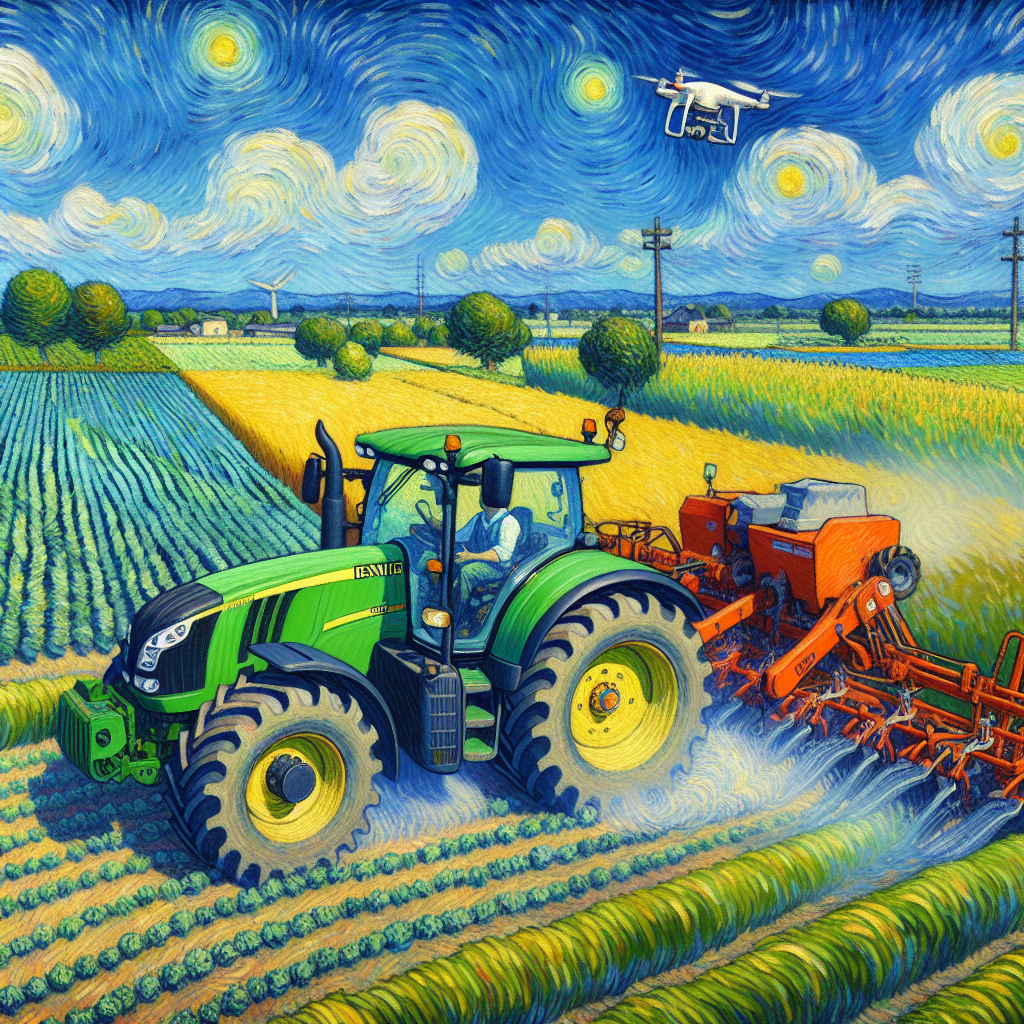
5 Ways Right-To-Repair Battles Directly Benefit Pre-1990 Tractors – A Poem
In fields where tractors stand, a legacy thrives,
Old iron beasts, where memory survives.
Each dent whispers stories of labor and pride,
Binding farmers’ hearts with the land as their guide.
With rights to repair, autonomy blooms,
Restoring the old, as sustainability looms.
No longer mere tools, but symbols of grit,
They echo the hands that shaped every bit.
Communities rally, mechanics lend hands,
Sharing their knowledge, in trust that expands.
From barn to workshop, the laughter rings true,
Reviving the past through the love they imbue.
Ethics rise high, as waste takes its toll,
Choice not just profit, but self-sourced control.
With every restored engine, dreams fuel the land,
Craftsmanship cherished, in unity we stand.
So here’s to the tractors that age but endure,
Their stories of resilience, steadfast and pure.
Empower the farmers, let their voices resound,
For in every repair, our roots can be found.
Poem
Checklist
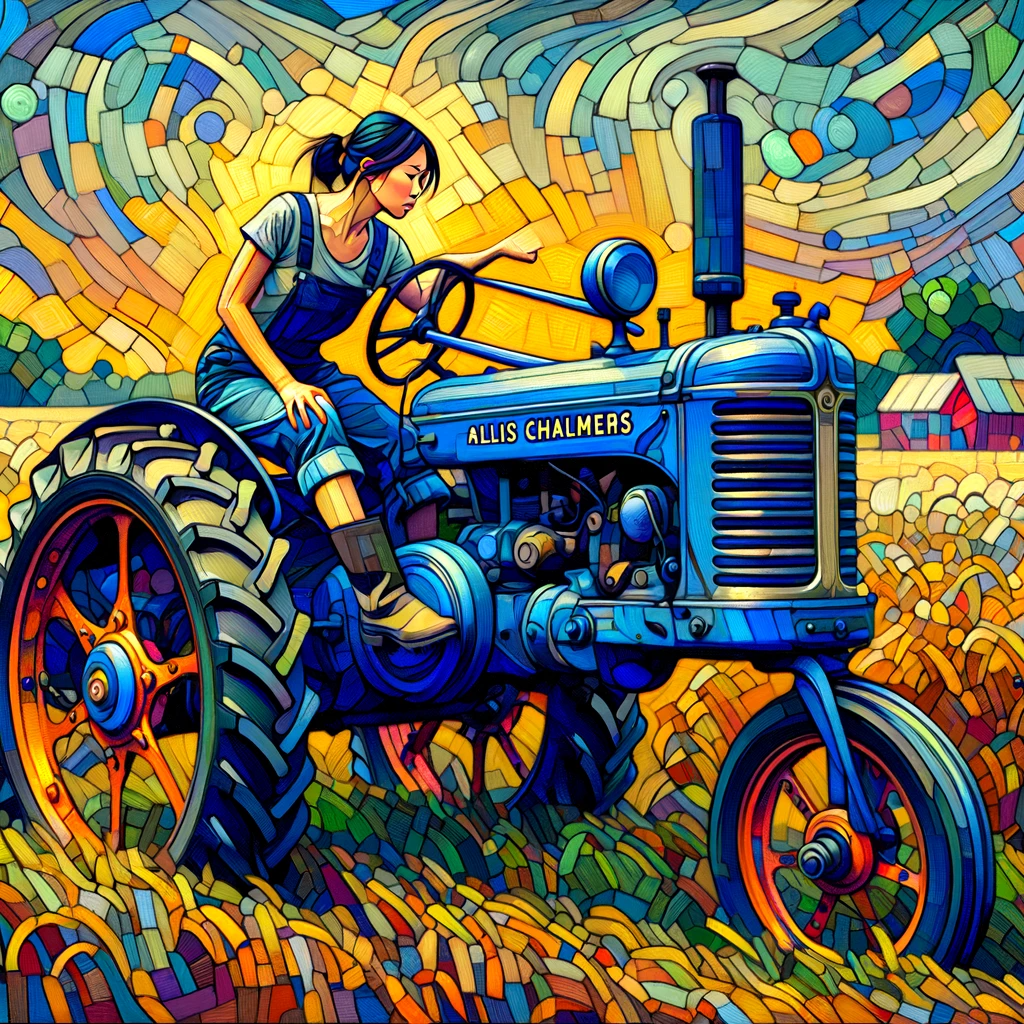
5 Ways Right-To-Repair Battles Directly Benefit Pre-1990 Tractors – A Checklist
Heart
✅______ Preserve family legacy: Share a story of a family member who repaired or cherished an old tractor to emphasize emotional connections.
✅______ Community gatherings: Organize or participate in local workshops focused on shared repairs and knowledge exchange.
Head
✅______ Economic analysis: Calculate potential savings from repairing an old tractor versus purchasing a new model, emphasizing financial empowerment.
✅______ Sustainability practices: Research the environmental benefits of repairing versus discarding machinery, highlighting reduced waste.
Gut
✅______ Empowerment through knowledge: Gain hands-on experience with tractor repairs, fostering a sense of independence and self-reliance.
✅______ Ethical responsibility: Reflect on the importance of advocating for the right to repair as a stand against corporate monopolies.
Emotional Appeal
✅______ Legacy restoration: Consider the emotional satisfaction of restoring a family heirloom tractor, enhancing family pride.
✅______ Connection to community: Build relationships through collaborative repair efforts, strengthening community ties.
Rational Appeal
✅______ Cost-benefit evaluation: Analyze repair costs versus new equipment costs, reinforcing the practicality of maintaining older models.
✅______ Resource allocation: Investigate how savings from repairs can be redirected to other vital farming needs, such as seeds or livestock care.
Ethical Appeal
✅______ Advocacy for rights: Understand and champion the ethical dimension of owning the right to repair one’s own machinery.
✅______ Environmental stewardship: Promote sustainable farming practices by valuing the repair of vintage tractors over wasteful consumption.
Authority Appeal
✅______ Learn from experts: Attend workshops led by knowledgeable mechanics to gain insights into the repair process and best practices.
✅______ Engage with local legislators: Advocate for policies supporting the right to repair by consulting or collaborating with agricultural leaders.
Narrative Appeal
✅______ Share success stories: Document and share narratives from farmers who have successfully repaired old tractors, inspiring others to do the same.
✅______ Historical connection: Create a timeline of tractor models to illustrate their impact on farming communities and the importance of preserving these machines.
Checklist
At ClassicTractorNews, we help tractor lovers keep up with the latest news for classic and vintage tractors.
Please share this post with your friends, family, or business associates who may like old classic or vintage tractors.