


Transforming Delays: How 48 Hours Became Two Weeks And Cost Us Dearly
By Tom Seest
At ClassicTractorNews, we help tractor lovers keep up with the latest news for classic and vintage tractors.
Please share this post with your friends, family, or business associates who may like old classic or vintage tractors.
48-Hour Dealer Wait Turns Into Two Weeks Of Lost Revenue
The world of dealerships can pivot on a dime, becoming a high-stakes game where every minute counts. Picture this: a small-town dealer eagerly awaits a shipment of tractors, their lifeline to remaining competitive. It was supposed to be a quick wait—just 48 hours—but what unfolded was something far more devastating.
We often underestimate the power of time in business. In this case, those 48 hours morphed into two weeks of lost revenue, a chasm filled with missed opportunities and fading customer loyalty. Each day stretched painfully, a ticking clock echoing the anxiety of frustrated customers, some turning on their heels in search of solutions elsewhere. The rational brain knows that delays happen, but the emotional impact reverberates like a failed promise, creating ripples through relationships built on trust.
Consider the family farmer who counts on that new tractor to prepare for planting season. His livelihood hinges on that wait time—every day lost is a day where crops can’t be tilled, where livelihoods hang in the balance. That tractor isn’t just machinery; it represents hope, hard work, and the dreams for a bumper harvest. For a dealer, that lost sale translates into a rent check that might bounce or payroll that might falter. It’s not merely about profit margins; it’s about the ethical obligation to serve those who depend on your business.
When a deal goes south, we must remember the power of narrative. Stories connect us, grounding us in shared experiences. This story isn’t just about inventory delays; it’s about real people navigating an unpredictable market while juggling dreams and deadlines. For every tractor that didn’t roll out of the dealership, there are countless individuals left to face the harsh realities of their own deferred aspirations.
What’s the new take? It’s time we shift our focus from merely managing logistics to fostering relationships. If we prioritize communication—updating customers on delays, offering alternatives, or simply acknowledging their frustration—we can transform a dissatisfied customer into a loyal advocate.
As dealers, let’s embrace the heavy weight of responsibility we carry. Instead of treating customers as numbers in a ledger, let’s see them as partners in our shared journey. Building trust in a time when patience is wearing thin isn’t just good business; it’s the heart of a thriving community. Let’s strive to ensure that when a farmer walks through the door, they don’t just find a tractor—they find a steadfast ally in their journey.

48-Hour Dealer Wait Turns Into Two Weeks Of Lost Revenue
48-Hour Dealer Wait Turns Into Two Weeks Of Lost Revenue
- Dealerships are high-stakes environments where time is crucial for competitiveness.
- A 48-hour wait for tractor shipments turned into two weeks of lost revenue and customer trust.
- Delays cause emotional impacts and frustrations among customers who may seek alternatives.
- The family farmer’s reliance on timely deliveries highlights the stakes involved in equipment delays.
- Lost sales can directly affect a dealer’s financial obligations and ethical responsibilities.
- Shifting focus from logistics to relationship-building and communication is essential for customer loyalty.
- Understanding customers as partners fosters trust and strengthens community ties within the dealership context.

48-Hour Dealer Wait Turns Into Two Weeks Of Lost Revenue
Table Of Contents
- 48-Hour Dealer Wait Turns Into Two Weeks Of Lost Revenue
- What Emotions Arise From a Two-Week Delay In Revenue?
- How Does Prolonged Waiting Affect Dealer Relationships?
- Is the Financial Impact Of Lost Revenue Truly Understood?
- What Ethical Considerations Should Dealers Weigh In This Situation?
- How Can Storytelling Illustrate the Consequences Of Delays?
- What Industry Benchmarks Exist for Timely Revenue Processing?
- Conclusion
- Other Resources
- Glossary Of Terms
- Other Questions
- Haiku
- Poem
- Checklist
What Emotions Arise From a Two-Week Delay In Revenue?
Delay. It’s a word that carries weight, especially in the world of business where every second can feel like a year. When revenue is slow to arrive, emotions spring forth like weeds in a garden: anxiety, frustration, and sometimes even shame. Picture a farmer anxiously awaiting the turn of the seasons, watching the sky darken with clouds but praying for rain while the sun continues to shine. That sense of helplessness is akin to what businesses experience during a two-week revenue delay.
On the one hand, there’s the rational aspect—numbers on a spreadsheet, forecasts and budgets. But everyone knows history doesn’t always follow the script we write; that “tractor” may be sputtering, and yet you’re still responsible for the harvest. When the revenue doesn’t materialize as expected, the mind races with worst-case scenarios. What if there’s an ongoing issue? What if clients are unhappy? In this calculating dance between profit and loss, doubt can creep in and take root. It’s not merely about dollars and cents; it’s about people—those who depend on businesses for their livelihoods, their families.
Yet, let’s not forget the ethical dimension of this struggle. Delays can take a toll on not just the business itself but the human stories behind it. Employees, customers, and partners—each has their unique narrative in this tapestry of revenue generation. A two-week delay can feel like pushing a child on a swing, only to walk away and let them fall. It shakes trust, challenges loyalty, and reopens old wounds of past disappointments.
Personal anecdotes reveal the universal thread of human experience. I remember once feeling a knot in my stomach as a contract I was counting on got delayed. Weeks of preparation and hope were put on hold, leaving me standing in a field of uncertainty. Friends rallied around me, sharing their own stories of delays, reminding me that while this was a harsh reality, it wasn’t a solitary struggle. We all know the discomfort of waiting, the impulse to overthink, to wonder whether the barn door will swing shut just as we’re ready to ride out into the sunset.
That two-week delay is more than just a financial hiccup; it’s a lesson in resilience. It invites us to connect, to find strength in shared adversity, and ultimately inspires action. Whether it’s picking up the phone to reconnect with clients or brainstorming new approaches, this challenge can sharpen our focus and galvanize our efforts. Embrace the discomfort; it may just be the catalyst for growth that we didn’t know we needed.
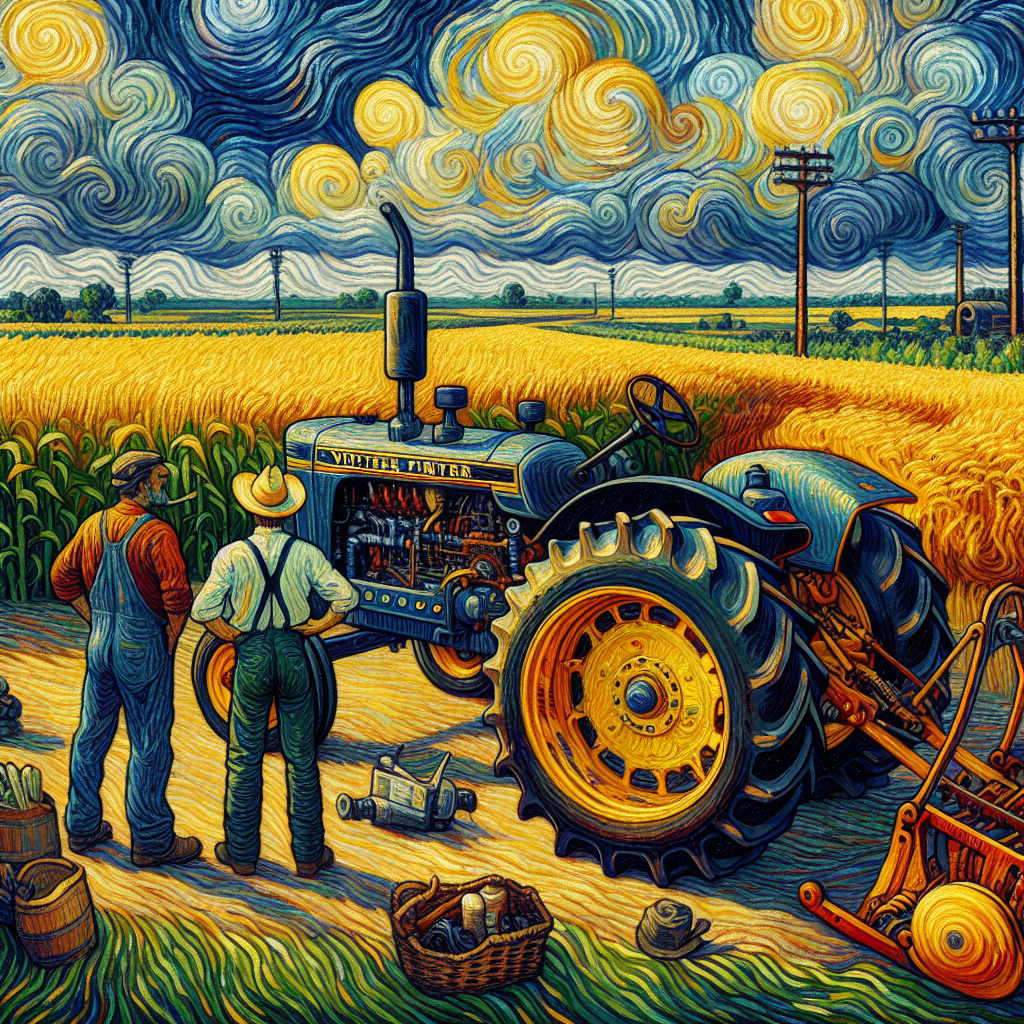
What Emotions Arise From a Two-Week Delay In Revenue?
What Emotions Arise From a Two-Week Delay In Revenue?
- Delay in business revenue triggers strong emotions like anxiety and frustration.
- A two-week revenue delay resembles a farmer hoping for rain despite sunny weather.
- Businesses face rational concerns about forecasts while dealing with emotional impacts.
- Delays can harm relationships with employees, customers, and partners, affecting trust and loyalty.
- Personal experiences illustrate the universal anxiety of awaiting delayed outcomes.
- A two-week delay serves as a lesson in resilience and shared adversity.
- Embracing discomfort can lead to renewed focus and innovative solutions.
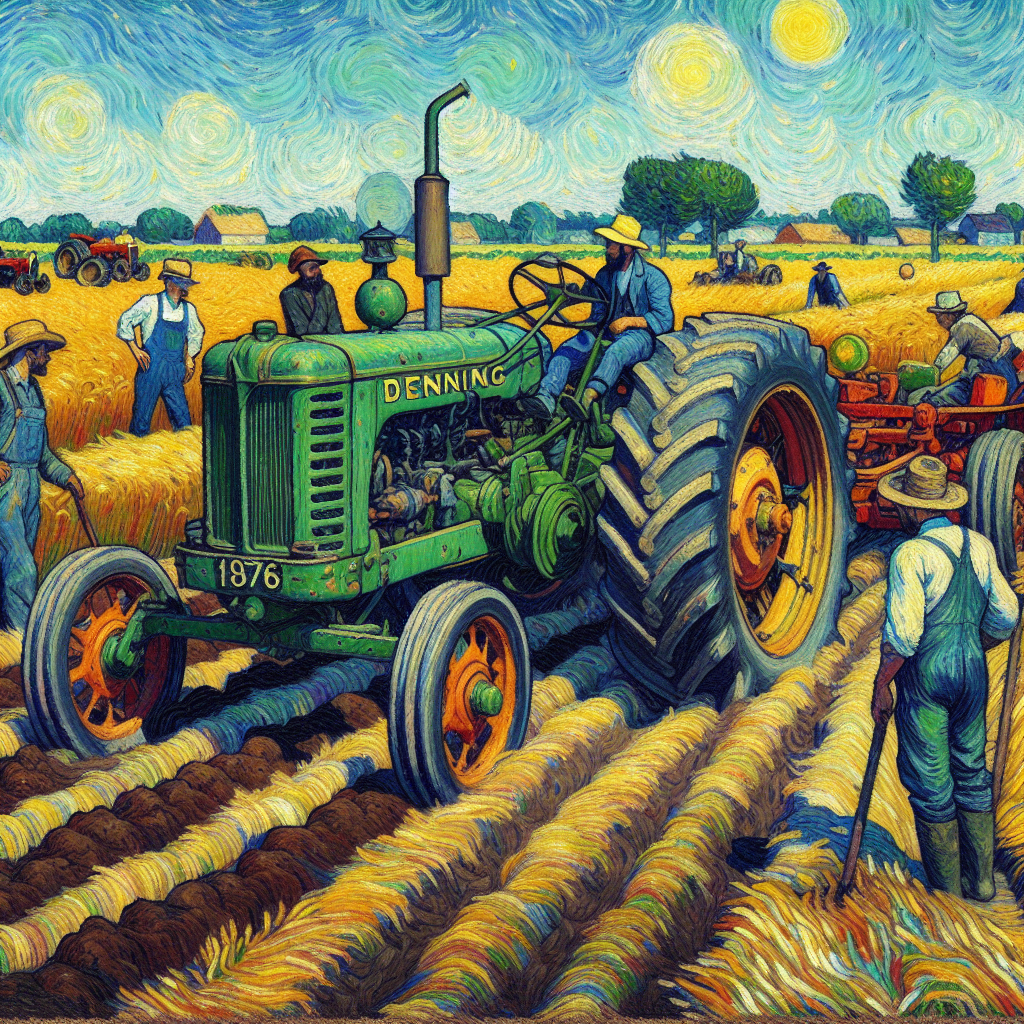
What Emotions Arise From a Two-Week Delay In Revenue?
How Does Prolonged Waiting Affect Dealer Relationships?
In the world of business, waiting can feel like an eternity, especially for those who rely on each other’s timely support. Imagine a farmer with a trusty tractor, its engine humming like a promise of productivity, sitting idle in the sun because a critical part is on backorder. That time spent waiting isn’t just a countdown; it’s a slow burn on relationships between dealers and their customers. Each passing day not only drags on the farmer’s workload but strains the bond of trust between them and the dealer, who may be feeling the pressure themselves.
Let’s consider the emotional side of this waiting game. A dealer wants nothing more than to be the lifeline for their customers. When a situation arises that requires waiting—be it for machinery parts, service, or approvals—it’s easy for doubts and frustrations to creep in. Customers may start to question commitment. Is the dealer as invested in their success as they claim? It’s a reality that can gnaw at the gut, making relationships fragile when they should be strong.
From a rational perspective, prolonged waiting often leads to economic repercussions. Farmers and contractors depend on their equipment to meet deadlines and forecasted profits. Delays create a ripple effect; every day someone waits translates to lost revenue and potential opportunity. When a dealer can communicate effectively during these waiting periods—whether that means providing updates or alternative solutions—it fosters a rational trust that can fortify the relationship against the inevitability of things going awry.
Now, let’s weave in the ethical dimension. In any business, especially where tangible tools like tractors are in play, there’s a moral obligation to uphold reliability and transparency. A dealer that prioritizes communication and sets realistic expectations is not just a vendor; they become a partner in the customer’s journey. Customers will feel more valued and respected when they know their dealer is working tirelessly behind the scenes—even if that means admitting to delays.
Recognizing that relationships take work is crucial. Like the many seasons a farmer sees, every dealer-customer interaction is a testament to their shared journey. Let’s advocate for a culture where waiting is not just accepted but becomes an opportunity for connection and growth. If both sides are willing to engage authentically, the waiting period can transform into a chapter of understanding rather than a barrier. Trust can blossom, and relationships forged in the crucible of patience become stronger than those that were easy. After all, it’s in the shared struggles where a true partnership is built, one that can weather any storm—and keep those tractors running smoothly.

How Does Prolonged Waiting Affect Dealer Relationships?
How Does Prolonged Waiting Affect Dealer Relationships?
- Waiting in business impacts relationships, particularly between dealers and customers.
- Delays can create doubts and frustrations, making customers question their dealer’s commitment.
- Prolonged waiting leads to lost revenue and opportunities for farmers and contractors.
- Effective communication during waiting periods fosters trust and strengthens relationships.
- Dealers have a moral obligation to maintain reliability and transparency with customers.
- Every interaction between dealer and customer represents a shared journey that requires work.
- Engaging authentically during waiting times can turn delays into opportunities for growth.

How Does Prolonged Waiting Affect Dealer Relationships?
Is the Financial Impact Of Lost Revenue Truly Understood?
Picture a farmer, rising with the sun, his trusty tractor humming like a soothing lullaby in the fields. Day in and day out, the rhythm of planting and harvest shapes his life. But imagine if that tractor suddenly breaks down, sitting useless in the barn, and the crops—those precious plants—are left unattended. The fiscal fallout of lost revenue goes beyond mere numbers; it echoes through the very fabric of communities, lives, and families.
When we think of lost revenue, it’s often reduced to a balance sheet entry, a line that denotes financial loss. Yet, if we peel back the layers, we discover that every dollar not earned is more than a missed opportunity. It’s a ripple effect, sending waves through the economy and touching lives in ways we may not immediately see. A missed sale can mean less money available for employee wages, impacting families. It can lead to fewer resources for local charities, leaving community projects unfunded. The lost revenue isn’t just theoretical; it’s the heart of small businesses, the lifeblood that fuels dreams and aspirations.
Consider the stories behind the numbers. Take Maria’s coffee shop, nestled in a small town, where she serves more than just coffee; she serves warmth and connection. When COVID-19 disrupted her business, the numbers told a grim story—lost revenue that threatened to shutter the doors. But the emotional toll went beyond finances; it meant the loss of community gatherings, conversations over steaming mugs, and the heartfelt smiles exchanged. Her struggle wasn’t just about economics; it was personal, felt deeply across the neighborhood.
Looking at lost revenue through a broader lens exposes an ethical imperative. We owe it to ourselves and each other to understand what these losses really mean. It’s our duty to support local businesses, to acknowledge that our choices resonate further than our immediate needs. The authority to advocate for change lies with us, reminding our neighbors that every dollar spent is a vote for the kind of community we want to build.
Lost revenue isn’t an abstract concept confined to boardrooms. It’s an embodiment of hope, a measurement of potential, and ultimately a call to action. As we grasp this reality, we find the courage to foster support, to rally together like that farmer, ready to repair the tractor and cultivate both soil and soil. Understanding the true impact of lost revenue, we cultivate resilience, ensuring that every setback heals and that every dream still has a chance to grow.

Is the Financial Impact Of Lost Revenue Truly Understood?
Is the Financial Impact Of Lost Revenue Truly Understood?
- A farmer relies on his tractor for planting and harvesting, highlighting the importance of equipment in agriculture.
- Lost revenue extends beyond financial loss, affecting communities, families, and local economies.
- Every missed sale impacts employee wages and reduces funding for local charities.
- Personal stories, like Maria’s coffee shop, illustrate the emotional and social consequences of lost revenue.
- There is an ethical responsibility to support local businesses and understand the broader implications of our spending choices.
- Lost revenue symbolizes hope and potential, emphasizing the need for collective action and community support.
- Recognizing the true impact of lost revenue can foster resilience and encourage efforts to repair and grow local economies.
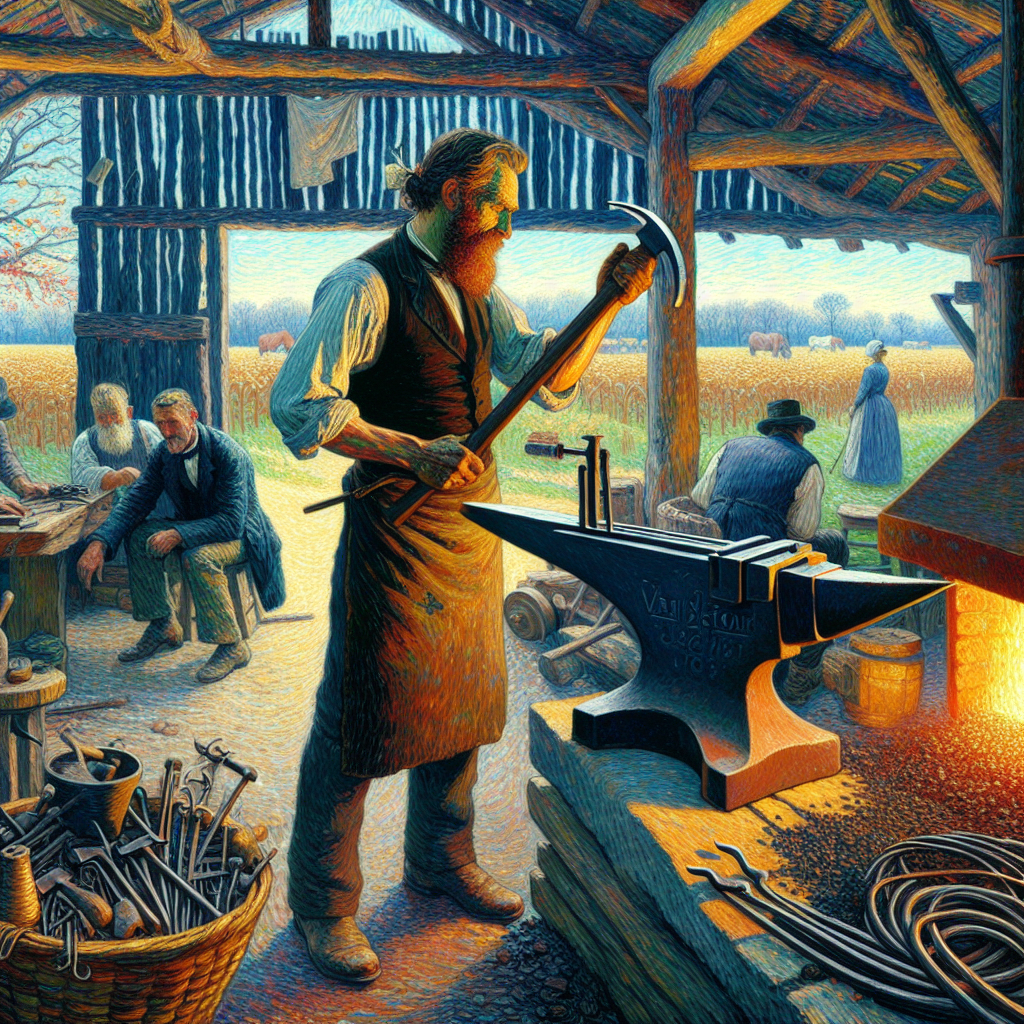
Is the Financial Impact Of Lost Revenue Truly Understood?
What Ethical Considerations Should Dealers Weigh In This Situation?
When you think about the world of deals, cars, and tractors, the immediate impression might be all about numbers and negotiations. But underneath it all lies a realm of ethical decision-making that’s not just black and white; it’s the colorful tapestry of human interaction. Think about the farmer struggling to make ends meet. That tractor isn’t just machinery; it’s a lifeline. Dealers need to recognize the profound responsibility they hold not just to sell, but to serve.
Imagine a farmer stepping into a dealership, eyes alight with hope but shadowed by uncertainty. The decision to purchase a new tractor isn’t just a financial transaction; it’s an investment in a future. Dealers must ponder: What does it mean to put profits over people? What long-term relationships can they cultivate by prioritizing their clients’ needs over their own bottom line? A tractor that runs efficiently can mean the difference between thriving and merely surviving for a family. The emotional weight of this cannot be overstated.
Rationally, dealers should consider their role in the community. A local business is a pillar of support, not just for farmers but for the entire region. Building trust means establishing a reputation for integrity and reliability. Dealers have the power to influence not just individual lives, but the economy of whole communities. It’s more than just selling equipment; it’s about creating partnerships that endure farm after farm, season after season.
Ethically, there’s a bigger picture. When dealers prioritize transparency, they not only differentiate themselves in a competitive market but also establish a sense of authority. People want to do business with those who treat them with respect and honesty. A story comes to mind: a dealer who once offered a farmer training on how to best utilize his new tractor. This gesture transformed a simple sale into a collaborative success story, earning lifelong loyalty and fostering community spirit.
Socially, dealers play into a narrative that influences corporate responsibility and self-regulation. In a world where corporate ethics are sometimes questioned, choosing a path of empathy invites customers into a relationship grounded in trust. By sharing stories of how their tractors positively impacted local farms, dealers can resonate with customers on an emotional level, making their decisions more meaningful.
Ultimately, the most compelling takeaway is this: ethical dealings are not just a moral choice; they’re a strategic advantage. A thriving community of farmers backed by ethical dealers leads to a landscape of prosperity that benefits all. When the tractor rolls off the lot, it carries with it not just horsepower, but the weight of shared responsibility and collective dreams.

What Ethical Considerations Should Dealers Weigh In This Situation?
What Ethical Considerations Should Dealers Weigh In This Situation?
- The world of deals in farming involves ethical decision-making beyond mere numbers and negotiations.
- A tractor represents not just machinery but a lifeline for struggling farmers.
- Dealers must prioritize long-term relationships and client needs over immediate profits.
- Local businesses, like dealerships, serve as community pillars, influencing regional economies.
- Transparency and integrity in dealings enhance a dealer’s reputation and customer loyalty.
- Dealers can foster trust by sharing impactful stories that resonate on an emotional level.
- Ethical dealings offer strategic advantages, leading to a prosperous community for farmers and dealers alike.
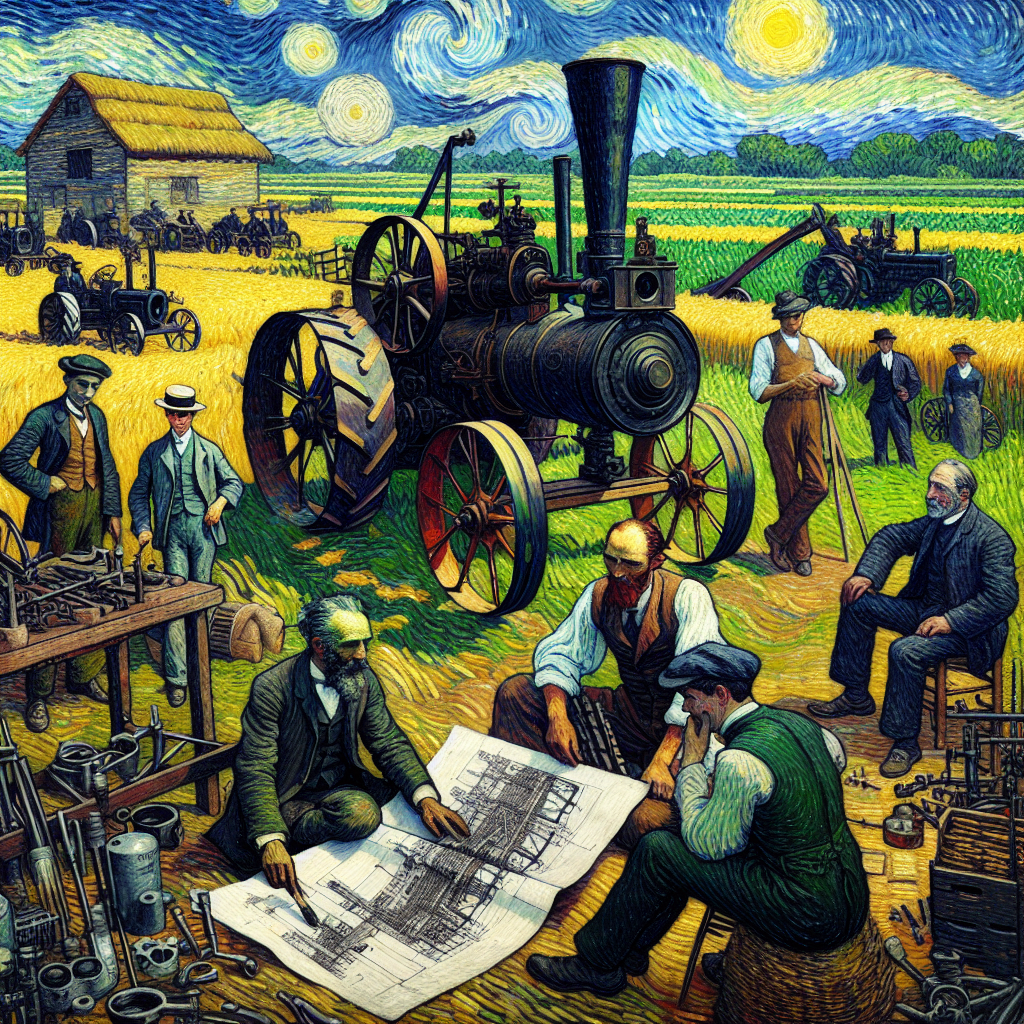
What Ethical Considerations Should Dealers Weigh In This Situation?
How Can Storytelling Illustrate the Consequences Of Delays?
How Can Storytelling Illustrate the Consequences of Delays?
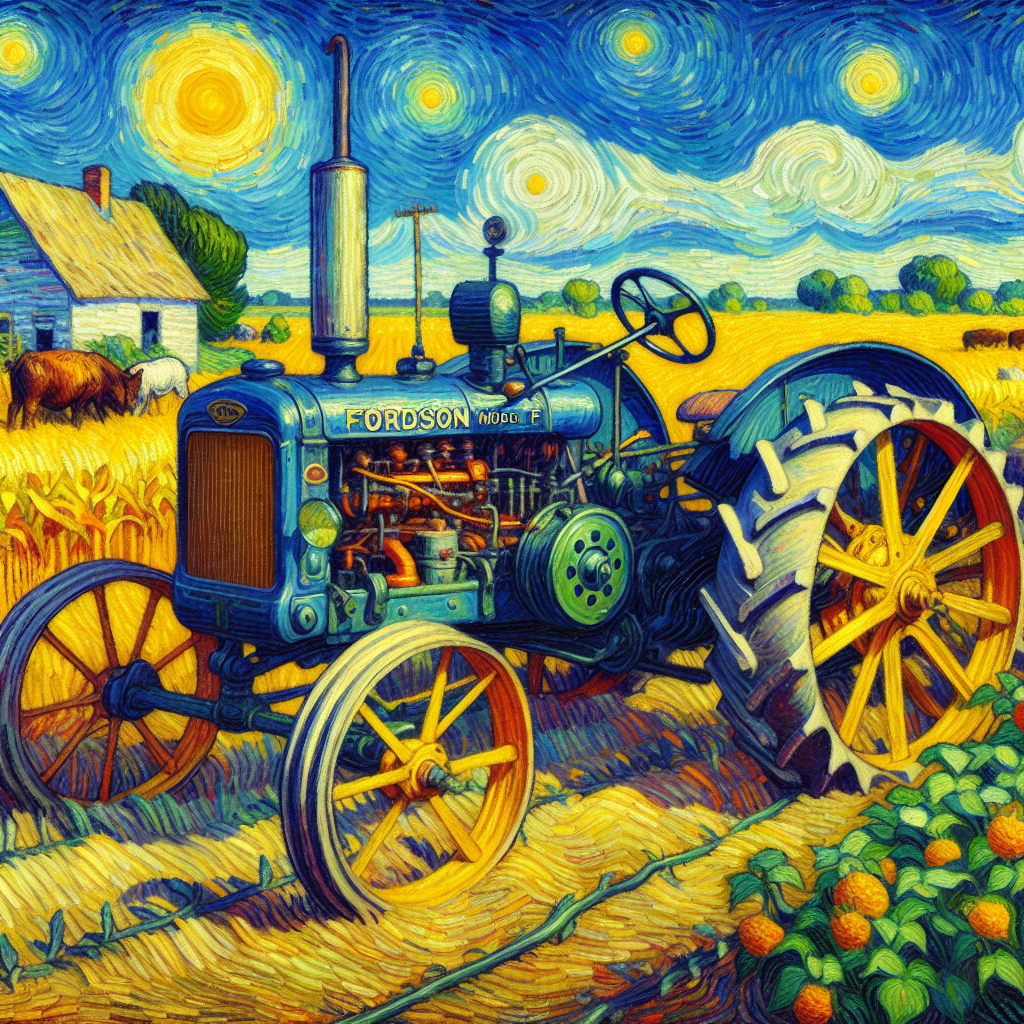
In a world that moves at breakneck speed, delays can feel like a slap to the face—or worse, a reckoning in slow motion. Picture this: a farmer, steady and resolute, working his land with a trusty tractor. One day, that tractor breaks down, and what was once a seamless routine becomes a race against time. The planting season waits for no one, and every day lost means a harvest that could slip through their fingers.
This story symbolizes the broader consequences of delays in our lives. When we allow time to slip away, we’re not just postponing tasks; we’re risking our dreams and aspirations. Delays can erode our credibility, straining not just our personal relationships but our professional standing as well. It’s not uncommon to hear someone tell a story about a crucial project that faltered because of missed deadlines—perhaps a family struggling to make ends meet after a late renovation left them in limbo or a community suffering when a promised facility wasn’t built on time.
Emotions play a pivotal role here. The anguish of a missed opportunity, the frustration of waiting, and the sheer helplessness that can seep in when time slips away can resonate with us all. Rationally, we know that time, once lost, is not easily regained. In the age of instant gratification, the consequences of a delay can be amplified; the stakes only rise when people’s livelihoods are at risk. Ethics come into play when we consider the promise of reliability—whether it’s to a family member, a friend, or a client. Honor and loyalty are often tied to our ability to deliver on time.
Moreover, authority figures often share tales of urgency and productivity, pushing the narrative that time is an invaluable resource. Every second counts, and the metaphorical ticking clock serves as a reminder that delays have real impacts, not just on our to-do lists but on our lives and the lives of those around us.
Think about a time when you felt the grip of a delay—a missed flight, a stalled project, or even a postponed gathering. In those moments, accountability and trust hang in the balance. By embracing the lessons from our stories, we can learn to act decisively. We can strive for a culture that values timeliness, understanding that the consequences of delays aren’t just personal inconveniences; they can ripple outwards, affecting communities and families. Let’s harness storytelling to reflect on our responsibility—to act, to engage, and ultimately, to keep moving forward.
How Can Storytelling Illustrate the Consequences Of Delays?
How Can Storytelling Illustrate the Consequences Of Delays?
- Delays in life can have significant consequences, likened to a farmer’s broken tractor during planting season.
- Time lost can jeopardize dreams and aspirations, impacting both personal and professional credibility.
- Delays contribute to missed opportunities, financial struggles, and unmet community needs.
- Emotional responses to delays include anguish, frustration, and helplessness.
- The urgency of time underscores the importance of reliability and accountability in relationships.
- Authority figures often emphasize productivity, highlighting that every second counts and delays impact lives.
- Storytelling can promote accountability and cultural values that prioritize timeliness and responsibility.

How Can Storytelling Illustrate the Consequences Of Delays?
What Industry Benchmarks Exist for Timely Revenue Processing?
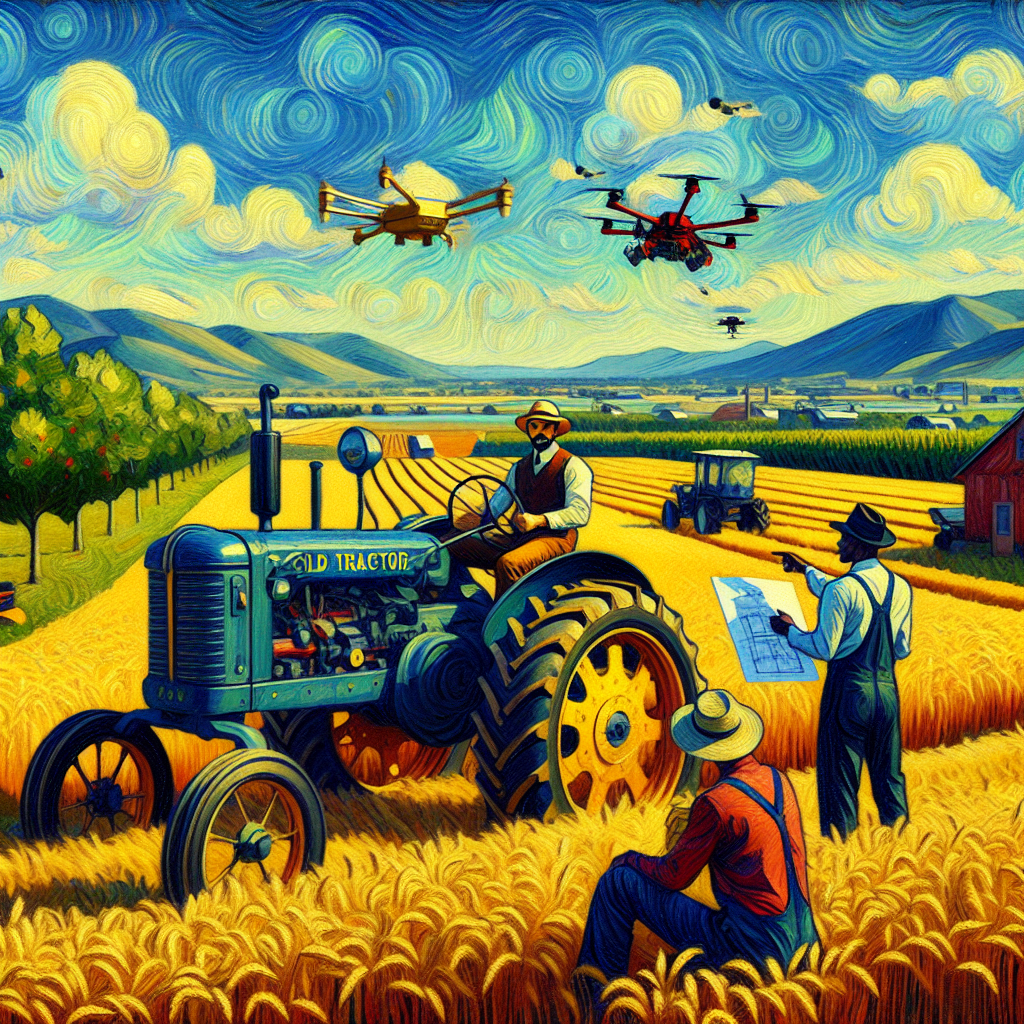
In the vast landscape of business, timely revenue processing isn’t just a cog in the machine; it’s the lifeblood that keeps the whole operation humming. Picture a farmer in the field, that trusty tractor churning through the earth. Without that vital machinery, the crops—much like revenue—remain untapped and unprocessed. Just as a tractor makes the heavy lifting possible, efficient revenue processing allows businesses to grow and thrive, turning potential into profit.
Industry benchmarks for timely revenue processing are not mere numbers on a spreadsheet; they tell a story. Organizations often aim to process incoming payments within a week, tracking metrics like Days Sales Outstanding (DSO) to improve cash flow. But what does this really mean? It means understanding the heartbeat of your organization. For some businesses, processing revenue in less than five days is a badge of honor, showcasing not just efficiency, but a commitment to honoring the relationships with customers.
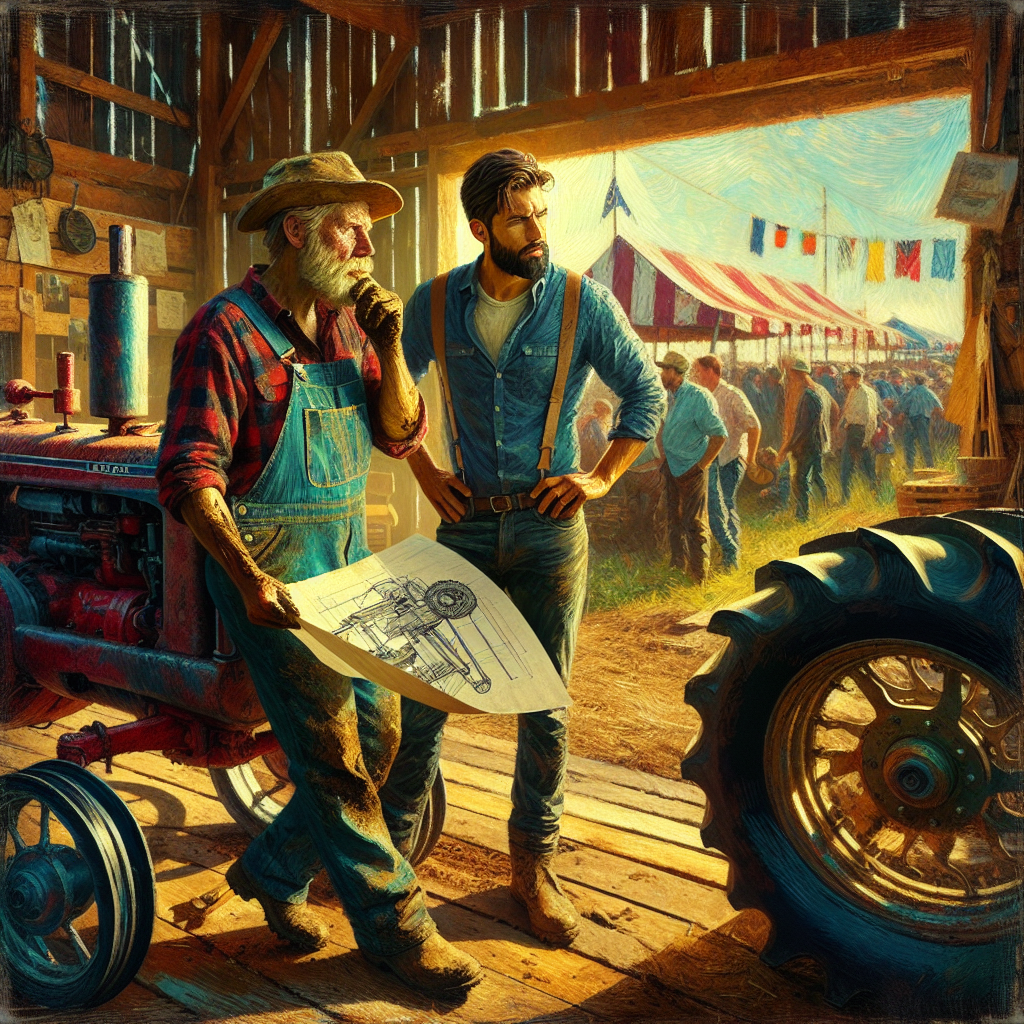
Consider this: a friend of mine runs a small landscaping business. He went from getting paid within 30 days to a target of just five. The difference? He realized that timely processing fosters trust and a sense of reliability among clients. When receipts appear promptly, clients feel respected and valued. Like that reliable tractor, his newfound efficiency chiseled out a lasting impression, elevating his business reputation in the community.
But there’s more at stake than just the bottom line. The ethical dimension of revenue processing cannot be overlooked. Fast, transparent transactions demonstrate an organization’s integrity—a virtue that resonates deeply with consumers today. Companies that embrace timely processing not only enhance cash flow but also build a culture of trust, creating an unshakeable foundation for long-term relationships.
The authority on timely revenue reveals another layer when we examine the correlation between speed and customer loyalty. When organizations prioritize rapid revenue processing, they harness a social power that draws communities together. Clients are more likely to advocate for a business that respects their timelines.
As we dive deeper into these benchmarks, it’s essential to remember that while speed is important, it should never compromise accuracy. A balanced approach—where precision meets agility—ensures a sustainable revenue stream. So, think of the tractor again: it’s not just about power; it’s about how well it navigates the terrain.
The journey toward effective revenue processing is a road best traveled with insight, heart, and a commitment to community. Embracing these principles not only transforms your operations but can foster a culture where businesses flourish and relationships thrive.
What Industry Benchmarks Exist for Timely Revenue Processing?
What Industry Benchmarks Exist for Timely Revenue Processing?
- Timely revenue processing is essential for business operations and growth.
- Industry benchmarks typically aim for payment processing within a week, with metrics like Days Sales Outstanding (DSO) to enhance cash flow.
- Efficient revenue processing fosters trust and reliability among clients, improving business reputation.
- Fast and transparent transactions reflect an organization’s integrity and build long-term customer relationships.
- Organizations prioritizing rapid revenue processing can enhance customer loyalty and community advocacy.
- Balancing speed with accuracy is crucial for sustainable revenue streams.
- Embracing effective revenue processing principles can transform operations and foster a thriving business culture.
What Industry Benchmarks Exist for Timely Revenue Processing?
Conclusion
In the fast-paced world of dealerships, the stakes are high, and every delay can have significant consequences. This article highlights a gripping story—a small-town dealer faced with a seemingly simple two-day wait for tractor shipments that spiraled into two weeks of lost revenue. It’s a stark reminder that time is not just a ticking clock; it’s a lifeline connecting people’s dreams and livelihoods.
Lost revenue isn’t just lost profit; it’s the ripple effect that stretches beyond balance sheets into the very fabric of our communities. Farmers depend on their equipment to sustain their work, and delays can shatter their hopes for a successful planting season. Each day that passes without a solution means more than financial loss. It often erodes trust, forcing loyal customers to seek alternatives, which can be a devastating blow to relationships built over years.
The emotional weight of such delays feels heavy. Picture a farmer at the mercy of a broken tractor, powerless against the ticking clock. That fear, anxiety, and mounting frustration resonate deeply. This isn’t merely about machinery; it’s about aspirations dashed and families strained under uncertainty. Meanwhile, dealers shoulder the burden of this responsibility, realizing that their commitment to customers goes beyond transactions—it’s about fostering trust and creating partnerships.
As we navigate these challenges, the call is clear: dealers must shift their focus from mere logistics to cultivating genuine relationships. Open communication during delays can transform frustrated customers into loyal advocates. When dealers acknowledge setbacks, offer solutions, and reassure customers they are valued partners, they build a community anchored in mutual respect.
Moreover, ethical considerations play a crucial role. The responsibility to treat every client with respect and integrity shapes not just individual experiences but entire communities. Dealers should embrace their positions as pillars of support, recognizing that their actions can uplift or undermine local economies.
In this landscape, storytelling becomes a vital tool. Sharing experiences of delays and the emotional toll they take creates a collective narrative that unites us. It’s a reminder that we are not alone in our struggles and that through vulnerability, we can strengthen our resolve to achieve better outcomes.
Ultimately, this article emphasizes that the effects of lost revenue stretch far beyond immediate financial losses. They shape the human experience. By committing to ethical practices, fostering relationships, and weaving our stories together, we can navigate these rocky paths and nurture vibrant communities where trust prevails, dreams flourish, and the wheels of industry keep turning.

Conclusion
Conclusion:
- Dealership delays can lead to significant revenue loss, impacting livelihoods.
- Farmers rely on timely equipment to ensure successful planting seasons.
- Delays can erode customer trust and push loyal clients towards competitors.
- The emotional impact of delays weighs heavily on both farmers and dealers.
- Dealers should prioritize building genuine relationships over logistics.
- Ethics and integrity in client interactions strengthen community support.
- Storytelling about delays fosters a collective understanding and resilience.

Conclusion
Other Resources

Other Resources
Here is a list of other resources you can review online to learn more:
- Pioneer Farm Days
- Earthmaster
- Brockway
- CLAAS of America
- Farmtrac
- Agriculture Heritage Center & Museum
- NH Farm Museum
- First State Antique Tractor Club
- Racine County Fair Antique Tractors
- Unimog
- FTMTA
- Buhler Industries
- Hurlimann
- Sonalika
- Idaho Farmand Ranch Museum
- Satoh
- Centaur
- Antique Tractor Blog
- Cameco
- Marshall
Use This Prompt To Get More Resources With Your Favorite Online AI Tool: Please provide me with a list of online articles with their URLs in a bulleted list that I can read regarding 48-Hour Dealer Wait Turns Into Two Weeks Of Lost Revenue
Other Resources
Glossary Terms
48-Hour Dealer Wait Turns Into Two Weeks Of Lost Revenue – Glossary Of Terms
1. Lead Response Time — The elapsed time between a customer inquiry and the dealer’s first contact; longer times reduce conversion probability.
2. Appointment Wait Time — The interval between a scheduled service/sales appointment request and the actual appointment date; extended waits increase cancellations and lost sales.
3. Time-to-Contact (TTC) — Metric measuring how quickly sales or service teams reach a prospect after an inquiry.
4. Conversion Rate — Percentage of leads that result in a sale or booked service; sensitive to delays in response and scheduling.
5. No-Show Rate — Proportion of customers who fail to appear for scheduled appointments, often rising with longer lead or wait times.
6. Opportunity Cost — Potential revenue lost when a lead is not acted upon promptly or a customer defects to competitors.
7. Revenue Leakage — Cumulative lost income caused by process inefficiencies, missed follow-ups, and scheduling delays.
8. Lead Decay — The decline in a lead’s interest and purchasing intent over time without engagement.
9. First Contact Resolution (FCR) — The ability to address a customer’s need in the initial interaction, reducing follow-up cycles and abandonment.
10. Customer Churn — Rate at which customers stop doing business with the dealer, often accelerated by poor responsiveness or long waits.
11. Backlog — Accumulation of unaddressed leads, appointments, or service jobs resulting in extended wait times.
12. Bottleneck — Process step that limits throughput (e. g. , limited service bays or staff), causing cascading delays.
13. Throughput — Number of customers or transactions processed in a given time period; delays reduce throughput and revenue.
14. Cycle Time — Total time from lead generation to deal close or service completion; longer cycles tie up capacity and cash flow.
15. Queue Management — Methods for organizing and prioritizing incoming customers or leads to reduce wait and abandonment.
16. Service Level Agreement (SLA) — Defined response or turnaround targets (e. g. , contact within 2 hours); missing SLAs harms conversion.
17. CRM (Customer Relationship Management) — System used to track leads, communications, and follow-ups; critical for preventing lead decay.
18. Lead Scoring — Prioritization method assigning value to leads based on likelihood to convert, enabling faster handling of high-value prospects.
19. Follow-Up Cadence — Scheduled sequence and timing of outreach attempts; poor cadence leads to missed conversions.
20. Hand-Off Delay — Time lost during transitions between departments (e. g. , sales to finance), creating friction and lost sales.
21. Missed Opportunity — A specific lead or sale lost due to delayed response, unavailability, or failure to book.
22. Abandonment Rate — Percentage of customers who quit the buying or booking process before completion, often tied to wait times.
23. Capacity Utilization — Degree to which dealership resources (staff, bays) are used; under- or overutilization both harm responsiveness.
24. Peak Demand — Periods with high customer requests that, if unmanaged, extend wait times and cause revenue loss.
25. Inventory Availability — Having the right vehicles/parts on hand; shortages force longer waits or lost sales.
26. No-Reply Loss — Revenue lost when outbound messages fail to elicit a response due to poor timing or frequency.
27. Rebooking Rate — Proportion of canceled or missed appointments that are successfully rescheduled; low rates magnify revenue loss.
28. Escalation Protocol — Defined steps to handle stalled or high-value leads quickly to prevent extended delay.
29. Root Cause Analysis — Process for identifying underlying reasons for extended wait times (staffing, processes, systems) to enact fixes.
30. Revenue Recovery Plan — Targeted actions to reclaim lost sales from delayed leads, such as rapid outreach campaigns, incentives, or priority scheduling.

Glossary Of Terms
Other Questions
48-Hour Dealer Wait Turns Into Two Weeks Of Lost Revenue – Other Questions
If you wish to explore and discover more, consider looking for answers to these questions:
- What specifically caused the 48-hour wait to stretch into two weeks?
- Could the delay have been predicted or avoided?
- Who is ultimately responsible for the delay—the manufacturer, shipper, or dealer?
- What immediate steps could the dealer have taken once the delay was apparent?
- How much revenue was lost per day or per week because of the delay?
- How should dealers quantify indirect economic impacts on employees and the community?
- What contractual protections do customers and dealers have in these situations?
- Are there industry standards or SLAs for delivery and processing times in this sector?
- What benchmarks (e.g., DSO) should dealers track to prevent cash-flow surprises?
- What insurance or financing options exist to cover short-term revenue gaps?
- How can dealers communicate delays to customers transparently without damaging trust?
- What compensation or remediation is reasonable to offer affected customers?
- Which alternatives can dealers provide immediately (rentals, loaners, referrals)?
- How can storytelling be used responsibly to illustrate consequences without sensationalizing?
- What best practices exist for maintaining customer loyalty after a service failure?
- How should dealers prioritize orders when inventory is constrained?
- What inventory-management or forecasting tools can reduce the risk of such delays?
- How can dealers build contingency plans for peak seasons like planting time?
- What legal recourse do customers have if delays cause significant business losses?
- How can dealers measure and repair reputational damage in the community?
- What ethical guidelines should dealers adopt when profit and customer need conflict?
- How can dealers balance speed with accuracy to avoid errors while processing revenue quickly?
- What role do suppliers and logistics partners play in collaborative problem-solving?
- Are there successful case studies of dealers turning delays into long-term loyalty?
- What KPIs should be reported internally during and after a major delay?
- How can dealers use digital channels to provide real-time updates to customers?
- What training should staff receive to handle frustrated or anxious customers?
- How do such delays affect pricing strategies and inventory turns over time?
- What community-level responses (co-ops, shared equipment) can mitigate individual losses?
- How should dealers reassess supply-chain relationships after a significant service failure?
Other Questions
Haiku
48-Hour Dealer Wait Turns Into Two Weeks Of Lost Revenue – A Haiku
Tractors wait in vain,
Two weeks stretch, dreams slip away—
Trust fades in the field.

Haiku
Poem
48-Hour Dealer Wait Turns Into Two Weeks Of Lost Revenue – A Poem
In the realm of business where trust is sought,
A 48-hour wait turned into battles fought.
A dealer’s heart beats for farmers in need,
But delays stretch time, like a choking weed.
The tractor, a lifeline, rests idle in place,
As dreams hover near, just a whisper of grace.
With every tick-tock, anxiety breeds,
A market once bustling now echoes with needs.
Lost revenue flows like a river in drought,
Families’ futures bound in the crops they can’t route.
What’s fastened on ledgers transcends mere sums,
It’s hope, it’s survival; a community hums.
Sharing stories of struggle, we bridge the divide,
For in every delay, human hearts must confide.
A promise unkept is a trust worn so thin,
Yet communication’s spark can rekindle what’s been.
Dealers, be allies, not numbers in books,
Transform delays into each other’s hooks.
Foster relationships built on respect,
For the human connection is what we protect.
When tractors roll out, let them carry the weight,
Of shared dreams and journeys, let’s foster our fate.
In understanding we thrive, in patience we grow,
Together we weather each storm with a glow.

Poem
Checklist
48-Hour Dealer Wait Turns Into Two Weeks Of Lost Revenue – A Checklist
Emotional Appeals
✅______ Acknowledge customer frustrations: Create a system to regularly check in with customers experiencing delays.
✅______ Share personal stories: Use anecdotes from real customers to illustrate the emotional weight of waiting and its impact on livelihoods.
Rational Appeals
✅______ Establish clear timeframes: Set realistic expectations for delivery and keep customers informed about updates.
✅______ Track delays: Analyze data on delays to understand their financial impact and identify patterns.
Ethical Appeals
✅______ Prioritize customer needs: Develop policies that balance profit with the ethical responsibility to serve customers effectively.
✅______ Enhance transparency: Communicate openly about potential delays and challenges impacting service.
Authority Appeals
✅______ Set industry benchmarks: Use established best practices for timely revenue processing and delivery as guideposts.
✅______ Leverage expert advice: Consult industry leaders on strategies for managing inventory, logistics, and customer relationships.
Narrative Appeals
✅______ Create engaging content: Share stories that highlight the consequences of delays and how overcoming them can strengthen relationships.
✅______ Foster community connection: Emphasize stories that resonate with local experiences and challenges faced by customers.
Social Appeals
✅______ Encourage customer feedback: Create channels for customers to voice their concerns and share their experiences about delays.
✅______ Build a supportive network: Partner with local businesses to create a community-oriented approach to addressing delays and building resilience.

Checklist
At ClassicTractorNews, we help tractor lovers keep up with the latest news for classic and vintage tractors.
Please share this post with your friends, family, or business associates who may like old classic or vintage tractors.