

Transform Memories Into Lasting Legacies: Preserve The Unseen
By Tom Seest
At ClassicTractorNews, we help tractor lovers keep up with the latest news for classic and vintage tractors.
Please share this post with your friends, family, or business associates who may like old classic or vintage tractors.
3D Scanning + Printing – Preserve Rare Parts Forever
3D Scanning + Printing – Preserve Rare Parts Forever
In a world where innovation is racing ahead at breakneck speed, it’s easy to forget the stories hidden in our past, waiting to be told. Imagine a rusted tractor parked at the edge of a field, its once vibrant paint faded by time. This tractor isn’t just a machine; it’s a testament to hard work, a silent witness to generations of sweat and determination. Every scratch and dent tells a story, a personal history woven into the fabric of our lives. But as time marches on, many of those stories risk fading away completely.
Enter the marvel of 3D scanning and printing. This technology isn’t just about creating replacements; it’s about capturing the essence of what makes these rare parts invaluable. Think about it: each component holds the intricate craftsmanship and ingenuity of its maker. When we harness the power of 3D scanning, we can immortalize these components, preserving their unique characteristics for years to come. It’s like giving a voice to the silent and a second chance to the forgotten. Instead of allowing those precious tractors—or any rare machinery— to succumb to the ravages of time, we can breathe new life into them, ensuring they remain part of our legacy.
Rationally speaking, this approach marries tradition with cutting-edge technology. It’s not just about nostalgia; it’s about sustainability. By creating accurate replicas of rare parts, we reduce the need for new manufacturing, which often comes with heavy environmental costs. We can support the repair culture, valuing restoration over replacement, all while fostering a sense of responsibility towards our planet.
On a deeper ethical level, preserving these parts connects us to our roots. It cultivates a sense of community, reminding us that we’re part of something greater than ourselves. When we gather to restore a vintage tractor, we’re not just saving a machine; we’re sharing techniques, stories, and wisdom—handing down a legacy that fuels the passion for craftsmanship. This shared experience fosters bonds that can define generations.
This is not just a call to action; it’s an invitation to rediscover our history. Imagine standing beside that old tractor, feeling the weight of its past, and knowing that with 3D scanning and printing, you’re not just saving a piece of machinery; you’re ensuring that its stories continue to resonate. You’re not merely preserving rarity but celebrating the everyday heroism of those who came before us, one part at a time. Embrace this technology and become a steward of history; the reward is a connection to our roots that few things can replicate.
3D Scanning + Printing – Preserve Rare Parts Forever
3D Scanning + Printing – Preserve Rare Parts Forever
- 3D scanning and printing preserve rare parts, capturing their historical significance.
- Each component reflects craftsmanship and ingenuity, offering a second chance for forgotten machinery.
- This approach combines tradition with modern technology, emphasizing sustainability.
- Creating replicas reduces the need for new manufacturing, minimizing environmental impact.
- Preserving parts fosters community connections and shared experiences in craftsmanship.
- The process encourages restoration over replacement, promoting responsibility towards heritage.
- Embracing this technology links us to our past, celebrating everyday heroism in craftsmanship.
3D Scanning + Printing – Preserve Rare Parts Forever
Table Of Contents
- 3D Scanning + Printing – Preserve Rare Parts Forever
- What Memories Do Your Rare Parts Hold for You?
- How Can 3D Scanning Save Treasures?
- What Stories Could Your Parts Tell Us?
- Why Should We Protect Industrial Heritage?
- Can 3D Printing Replace Lost Components Ethically?
- How Does Preserving Parts Impact Your Community?
- Conclusion
- Other Resources
- Glossary Of Terms
- Other Questions
- Haiku
- Poem
- Checklist
What Memories Do Your Rare Parts Hold for You?
When we think about the rare parts that define our lives, we often overlook the emotional and historical significance they hold. Take a tractor, for instance. To an outsider, it might just seem like a rusty machine, but to someone who grew up on a family farm, it represents years of sweat, laughter, and stubborn determination. It’s easy to dismiss such items as mere objects, but that’s like calling a treasure chest a simple box.
Picture the day a young boy grips the wheel of a battered old tractor for the first time. The engine roars to life, and suddenly, the world transforms. It’s not just a machine; it’s a rite of passage, a connection to generations past. Every dent and scratch tells a story of hard work and resilience. For the boy, it creates a bridge between the present and his ancestors, who toiled under the same sun, navigating the same fields. That tractor is a keeper of family lore, an emblem of ethical grounding and industrious pride.
This isn’t just a nostalgic narrative; it’s a reminder that memories attached to rare parts are crucial to who we are. In a society that often glorifies the new, we must acknowledge the value of these reminders of where we come from. They ground us in our roots and remind us of the trials and triumphs that have shaped our identity. The stories behind these objects create a sense of belonging, fostering a communal thread that connects us to others who share similar experiences.
When we allow ourselves to appreciate the emotional weight of rare parts, we cultivate empathy. We recognize that they are not just our memories but collective remembrances. These objects can inspire action, sparking in us a desire to preserve family tales and traditions. They compel us to share stories with our children, teaching them the importance of history and heritage, ensuring that the memories live on.
As you reflect on your own rare parts, consider how they do more than occupy space; they hold the essence of our lives. They embody the lessons learned, the love shared, and the promise that we can weather storms, just like that trusty tractor still capable of plowing through new challenges. These mementos are not simply relics; they are catalysts for connection, trust, and the enduring spirit of our shared humanity.
What Memories Do Your Rare Parts Hold for You?
What Memories Do Your Rare Parts Hold for You?
- Rare parts hold significant emotional and historical value in our lives.
- A tractor symbolizes years of hard work, laughter, and family history for those who grew up on a farm.
- A personal connection forms between the present and past through memories attached to objects.
- These items create a sense of belonging and foster community connections among those who share similar experiences.
- Appreciating the emotional weight of objects cultivates empathy and recognizes collective memories.
- Such objects inspire action to preserve family tales and traditions, ensuring they are passed down to future generations.
- Rare parts embody our lives’ essence, representing lessons learned and the enduring spirit of humanity.
What Memories Do Your Rare Parts Hold for You?
How Can 3D Scanning Save Treasures?
Imagine a dusty attic, filled with the debris of time—a rusty old tractor, a family heirloom lost to the ravages of weather and neglect. It’s easy to overlook these remnants, but what if I told you that they hold stories worth preserving? 3D scanning offers a lifeline to these treasures, breathing new life into the artifacts that tell our stories and connect us to our past.
Think of 3D scanning as a digital time capsule. It captures not just the physical details of these items, but also the emotions they evoke. When we scan that old tractor, we don’t just see metal and paint; we see the family who farmed with it, the sunsets that washed over the fields, and the laughter that filled the air during harvest. This process transforms static objects into dynamic digital representations, allowing us to share these narratives with future generations. It’s about more than preservation; it’s about connection—the kind that builds bridges between our past, present, and future.
From a rational standpoint, the benefits of 3D scanning are staggering. When disasters strike, like floods or fires, physical treasures can be lost forever. However, digitally preserving these items can serve as a blueprint for restoration or reconstruction. It’s not just about saving artifacts; it’s about safeguarding history itself. Scanning allows museums, historical societies, and families alike to keep a record that’s as close to the real thing as possible. Imagine a world where we could recreate lost treasures with nothing more than a 3D printer.
Ethically, we have a responsibility to preserve our cultural heritage. 3D technology empowers communities to take ownership of their history, allowing for inclusive narratives where previously marginalized voices can be heard. When we collectively embrace these technologies, we affirm the value of every story, every artifact, and every experience.
On a social level, fostering engagement through 3D scanning sparks curiosity and collaboration. Schools can use 3D models for interactive learning experiences, bringing history to life in a way textbooks simply cannot. It creates a community of storytellers, each uniquely connected to the artifacts that shape their identities.
In this age of rapid technological advancement, we have the tools to transform what might be forgotten into a heritage that thrives. Embrace 3D scanning; let it not just preserve treasures, but ignite conversations and forge connections that’ll echo through time. After all, those old tractors don’t just belong to the past; they belong to all of us, waiting to be rediscovered and cherished once more.

How Can 3D Scanning Save Treasures?
How Can 3D Scanning Save Treasures?
- Dusty attics can contain valuable artifacts that tell important stories.
- 3D scanning acts as a digital time capsule, preserving both physical and emotional details.
- The process allows for the sharing of narratives across generations, creating connections between past, present, and future.
- Digitally preserving items serves as a blueprint for restoration after disasters like floods or fires.
- 3D technology empowers communities to preserve their cultural heritage and include marginalized voices in the narrative.
- Engagement through 3D scanning fosters curiosity and collaboration in educational settings.
- Embracing 3D scanning helps to transform forgotten treasures into thriving heritage and community connections.
How Can 3D Scanning Save Treasures?
What Stories Could Your Parts Tell Us?
Imagine, for a moment, a tractor. Rusty, sun-bleached, and scarred from years of toil in the fields. It’s easy to overlook something like that, just an old piece of machinery gathering dust. But what if I told you that every dent and scratch on that tractor is a testament to a story—a chapter in someone’s life, a moment of triumph or struggle?
When you think about your own parts—your limbs, your bones—what stories could they tell? Your hands have lifted, built, and shaped the world. Each one of those calluses tells a tale of hard labor, resilience, and the grit of putting in the work. Those knees that creak with age? They’ve absorbed the impact of countless adventures. A toddler’s first steps, a long jump on the soccer field, or a slow climb up a rugged hill—all those moments are woven into the fabric of your existence.
We each carry these stories within us, and they connect us in ways we often overlook. In a world obsessed with shiny new things, it’s easy to forget the beauty of wear and tear. Your scars, like a seasoned tractor, embody experience rather than failure. They tell of resilience, of falling down and getting back up, time and time again.
Consider the trust it takes to rely on your body, especially when pursuing a passion. Think of the young athlete, dreaming of Olympic glory, or the artist, pouring their heart into each stroke. Every jump, sprint, or brush of the canvas is backed by a body that has been tested, honed, and occasionally, broken. The parts of us that feel most fragile often hold the greatest potential for strength.
Let’s not overlook the ethical dimension of these stories. The tractor that plowed through hard seasons helped feed families and sustain communities. Similarly, your body serves not just you but also those around you. Whether it’s supporting friends during tough times or being a pillar for your children, your parts hold significant weight in the tapestry of the human experience.
So the next time you look at an old tractor, think of the tales it carries. And then look within—what stories do your parts hold? Recognizing their value is a step towards embracing not just who you are, but who you can become. Each scratch and ache tells of horizons you’ve yet to conquer and valleys you’ve yet to explore. Embrace them, share them, and let those stories resonate with others.
What Stories Could Your Parts Tell Us?
What Stories Could Your Parts Tell Us?
- A rusty tractor symbolizes years of hard work, each dent representing a personal story.
- Our bodies, like the tractor, carry stories of resilience, hard labor, and life experiences.
- Physical attributes, such as calloused hands or creaky knees, reflect our adventures and challenges.
- Every scar and ache embodies strength and the ability to overcome difficulties.
- Trusting our bodies is essential, especially for those pursuing passions like sports or art.
- Our bodies support not only ourselves but also the community, adding to the human experience.
- Recognizing the value of our stories fosters self-acceptance and potential for growth.
What Stories Could Your Parts Tell Us?
Why Should We Protect Industrial Heritage?
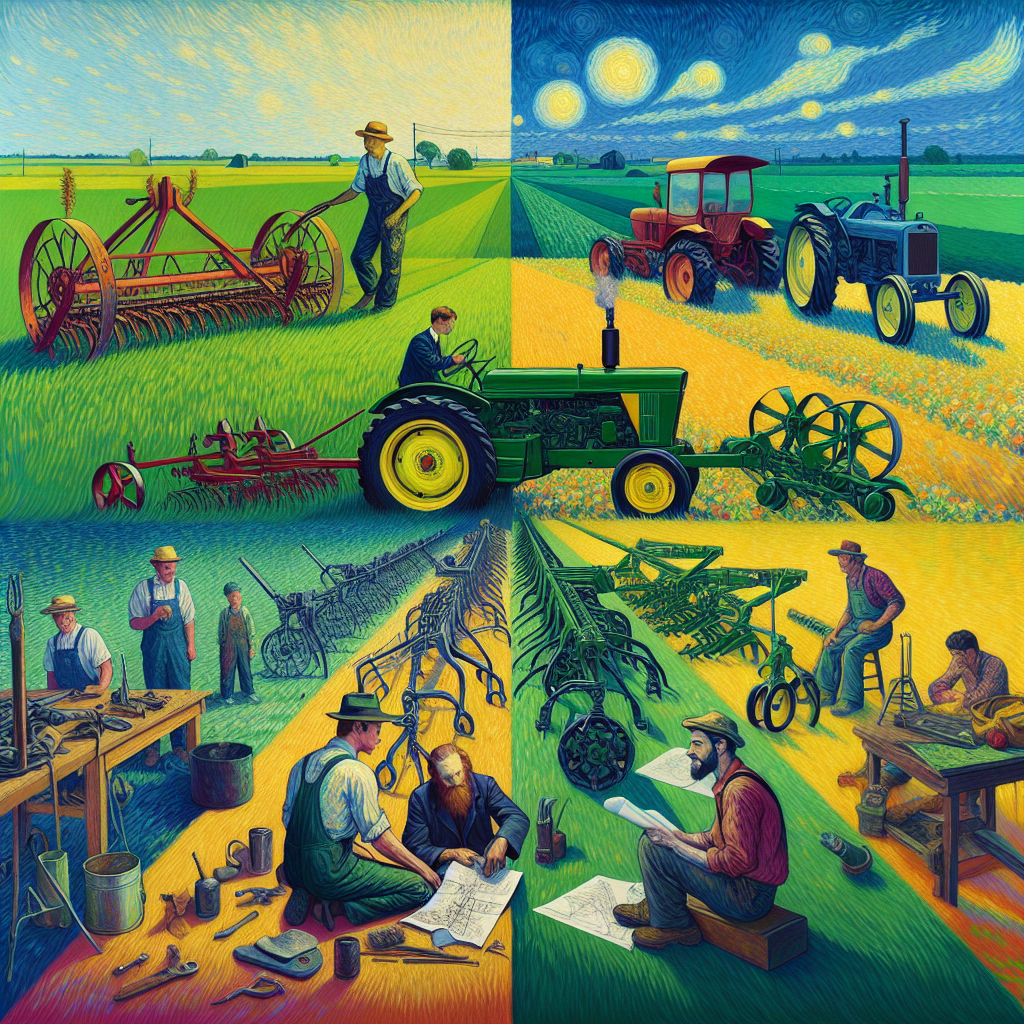
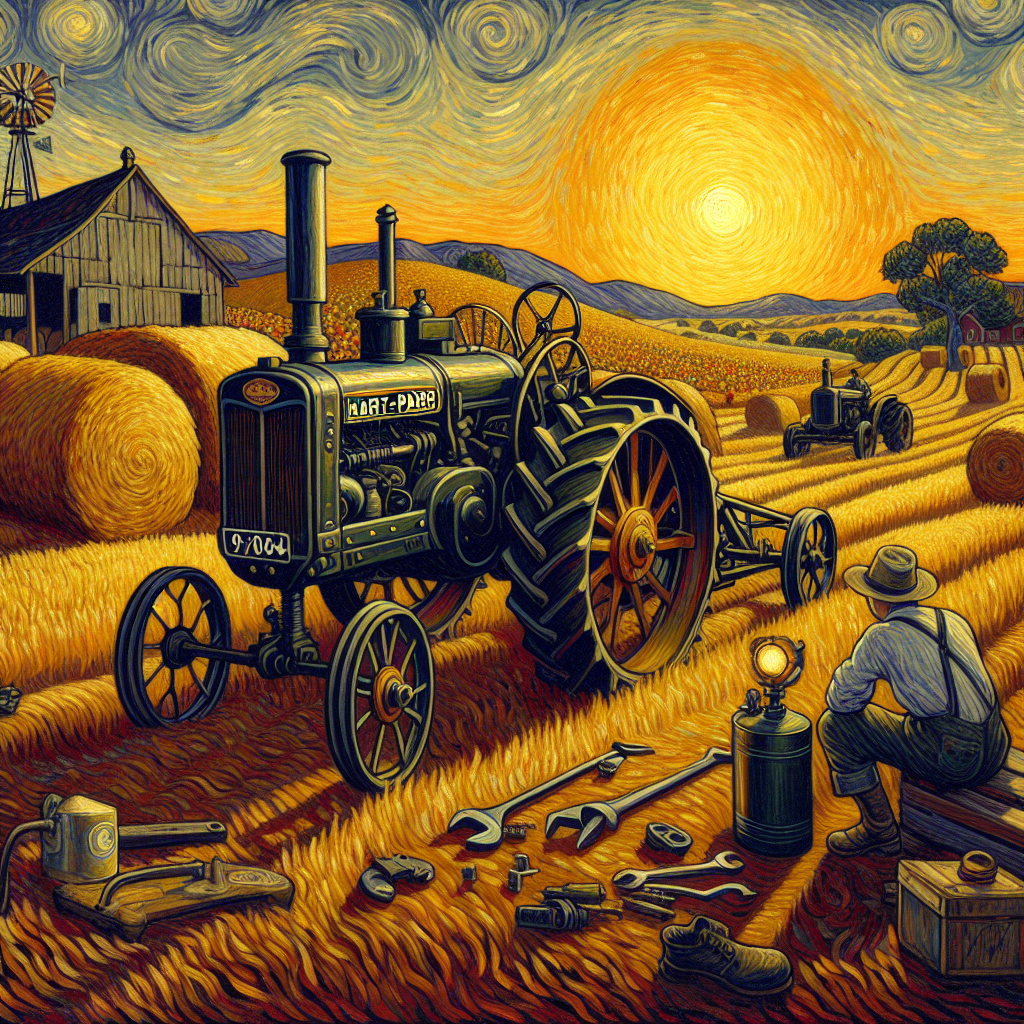
Industrial heritage isn’t just about old buildings and rusty machinery; it’s the pulse of our history, weaving the fabric of our communities. Picture that well-worn tractor in a farmer’s field, a relic from a time when agrarian innovation transformed the landscape. It’s more than just metal and wheels; it signifies perseverance. When you see it, you’re reminded of the hardworking hands that once relied on it to feed families and nurture dreams. In every cog and wheel, there’s a story that connects us to our roots.
Over the years, we’ve seen a shift toward the new—gleaming skyscrapers and cutting-edge technology dominate our skylines. Yet, as we race forward, we often overlook the lessons and values encapsulated in our industrial past. This heritage is vital; it teaches us about innovation, resilience, and the undeniable spirit of human endeavor. The factories that once buzzed with life now stand silent but hold echoes of the laughter, struggle, and aspirations of generations. Preserving these sites means honoring those who came before us, acknowledging their contributions, and ensuring their stories endure.
Here’s where the gut comes in: Imagine walking through an abandoned mill, its walls weathered and story-rich, and feeling a connection to those who toiled within. We’re not just protecting bricks and mortar; we’re safeguarding memories and identities. When we preserve industrial heritage, we create spaces where current and future generations can gather, learn, and reflect. It fosters a sense of belonging and community pride.
The ethical appeal is equally compelling. Just as we respect our elders, we should respect our industrial heritage. These sites are a testament to the ingenuity that built our nation. To let them decay is a disservice not only to the labor that went into their creation but also to the future. They inspire budding innovators and creators who can draw from the lessons embedded in those dusty corners.
In the heart of every town, an old factory or a rusting tractor can become a focal point, a place where history meets modern life. When we engage with our industrial heritage, we build bridges—between past and present, between tradition and innovation. We become stewards of a collective memory, ensuring that the grit, determination, and spirit of those who came before us continue to inspire us today. So, let’s roll up our sleeves, cherish these remnants, and give them the love and attention they truly deserve.
Why Should We Protect Industrial Heritage?
Why Should We Protect Industrial Heritage?
- Industrial heritage represents the pulse of our history and the fabric of our communities.
- Objects like old tractors symbolize perseverance and connect us to our agrarian roots.
- There is a risk of overlooking the lessons of innovation and resilience from our industrial past.
- Preserving industrial sites honors those who contributed to their creation and ensures their stories endure.
- These sites foster community pride and a sense of belonging for current and future generations.
- Respecting industrial heritage is essential, as it showcases the ingenuity that shaped our nation.
- Engaging with industrial heritage connects the past to the present and inspires future creators.
Why Should We Protect Industrial Heritage?
Can 3D Printing Replace Lost Components Ethically?
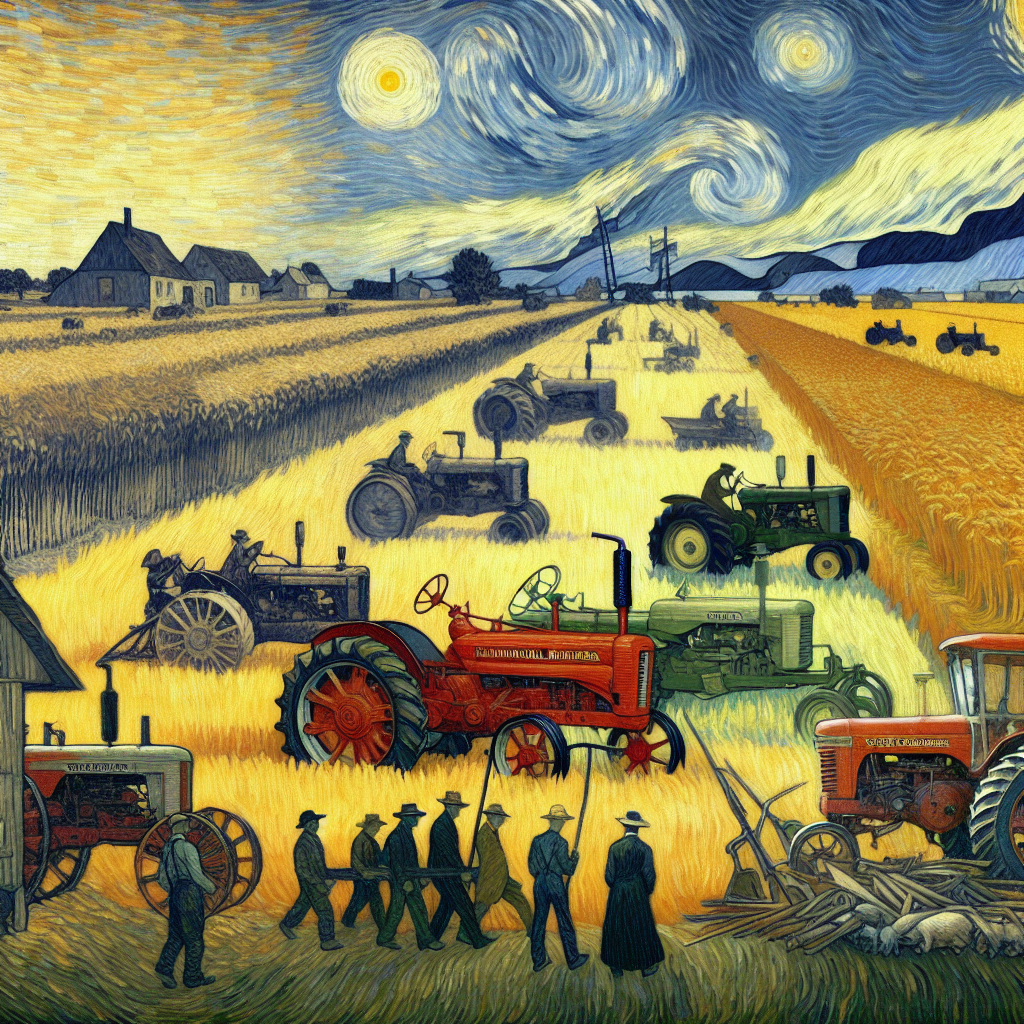
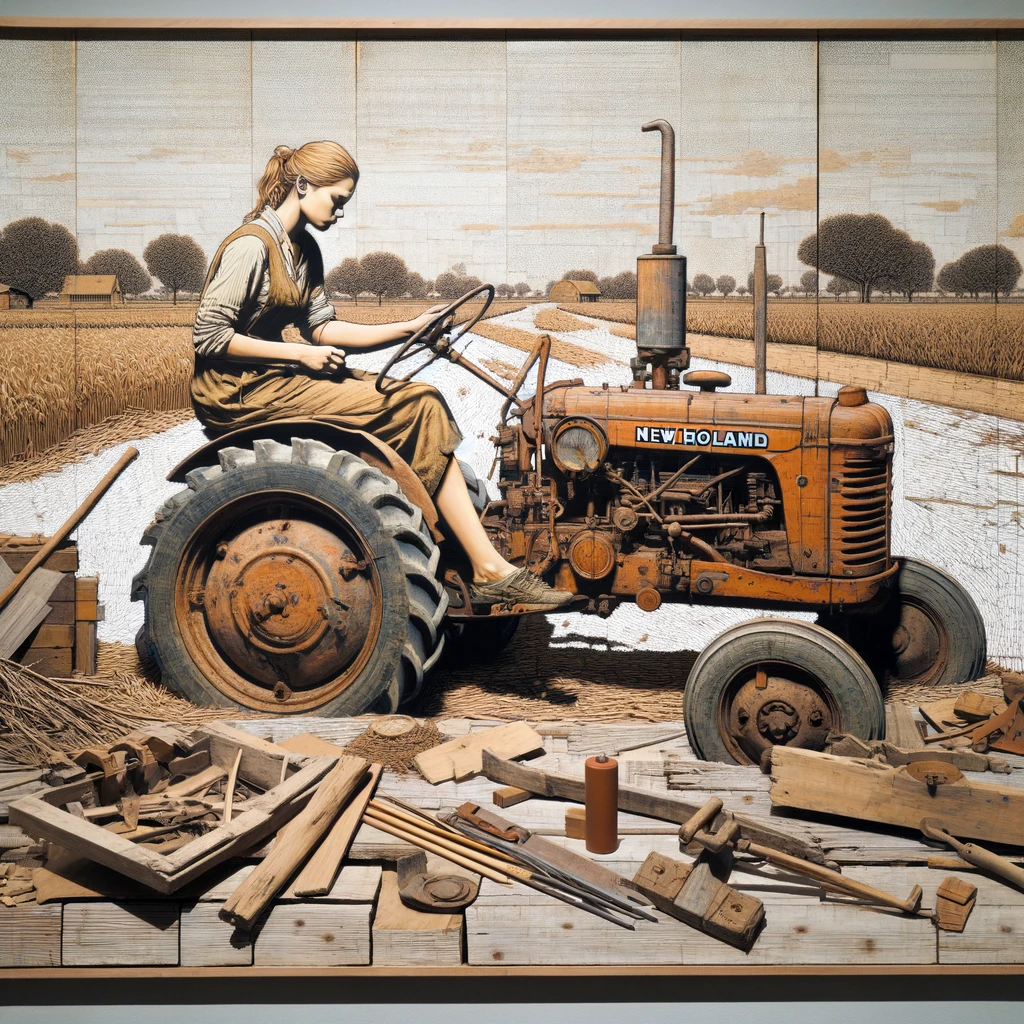
In a world where we often face the loss of cherished items—whether it’s a beloved tractor from grandpa or a family heirloom—3D printing emerges as a beacon of hope. This technology, capable of recreating lost components, invites us to reconsider what loss really means. Imagine a farmer standing on the field, his trusted tractor sitting idle, a symbol of hard work now rendered useless because of a missing part. With 3D printing, that part can be reimagined and recreated, allowing not just the machine to work again but enabling the continuation of family traditions, stories, and livelihoods.
The head, trained to analyze the ethics of replication, wonders: Is it right to duplicate what was once tangible? Here, the blank canvas of a 3D printer becomes a tool of restoration. Each layer printed represents not only the revival of a component but also the revival of a legacy. Ethically, it’s crucial to ask if this new version is as valuable as the original. While it may not bear the same history, it can perpetuate the purpose that the original served, allowing us to honor our past while embracing innovation.
From a gut perspective, it’s about connection. Think about it: you’re in a tough situation, staring at a broken piece of machinery or nostalgia while recalling summers spent with loved ones on that very tractor. The emotional weight of these memories can’t be replaced, but the ability to re-engage with the past through modern technology adds an inspiring layer to our journey. It allows us not just to recover lost function, but to relive and recreate the emotions tied to those memories.
But there’s more. 3D printing can also democratize access to essential components. In rural areas, where supply chains can seem like an endless struggle, the ability to print parts at home can empower communities, making those who relied on others self-sufficient. This fosters a sense of community and shared responsibility, reminding us that while technology advances, the human element remains at its core.
As we navigate the complexities surrounding the ethics of 3D printing, let’s embrace the potential it holds for connection, revival, and empowerment. Whether that tractor symbolizes work or family legacy, we must harness the ability to recreate and restore—not just components but the stories they tell. After all, it’s not merely about what we’ve lost; it’s about what can still be built with creative innovation and shared purpose.
Can 3D Printing Replace Lost Components Ethically?
Can 3D Printing Replace Lost Components Ethically?
- 3D printing offers a solution for recreating lost cherished items, such as family heirlooms and equipment.
- This technology encourages a redefinition of the concept of loss, enabling the revival of family traditions and legacies.
- The ethical implications of replication raise questions about the value of new versions compared to originals.
- 3D printing creates emotional connections by allowing individuals to recover not just functionality but also cherished memories.
- This technology can democratize access to critical components, especially in rural areas with limited supply chains.
- Empowering communities through 3D printing fosters self-sufficiency and a sense of shared responsibility.
- Ultimately, the potential of 3D printing lies in its ability to restore both physical items and the stories associated with them.
Can 3D Printing Replace Lost Components Ethically?
How Does Preserving Parts Impact Your Community?
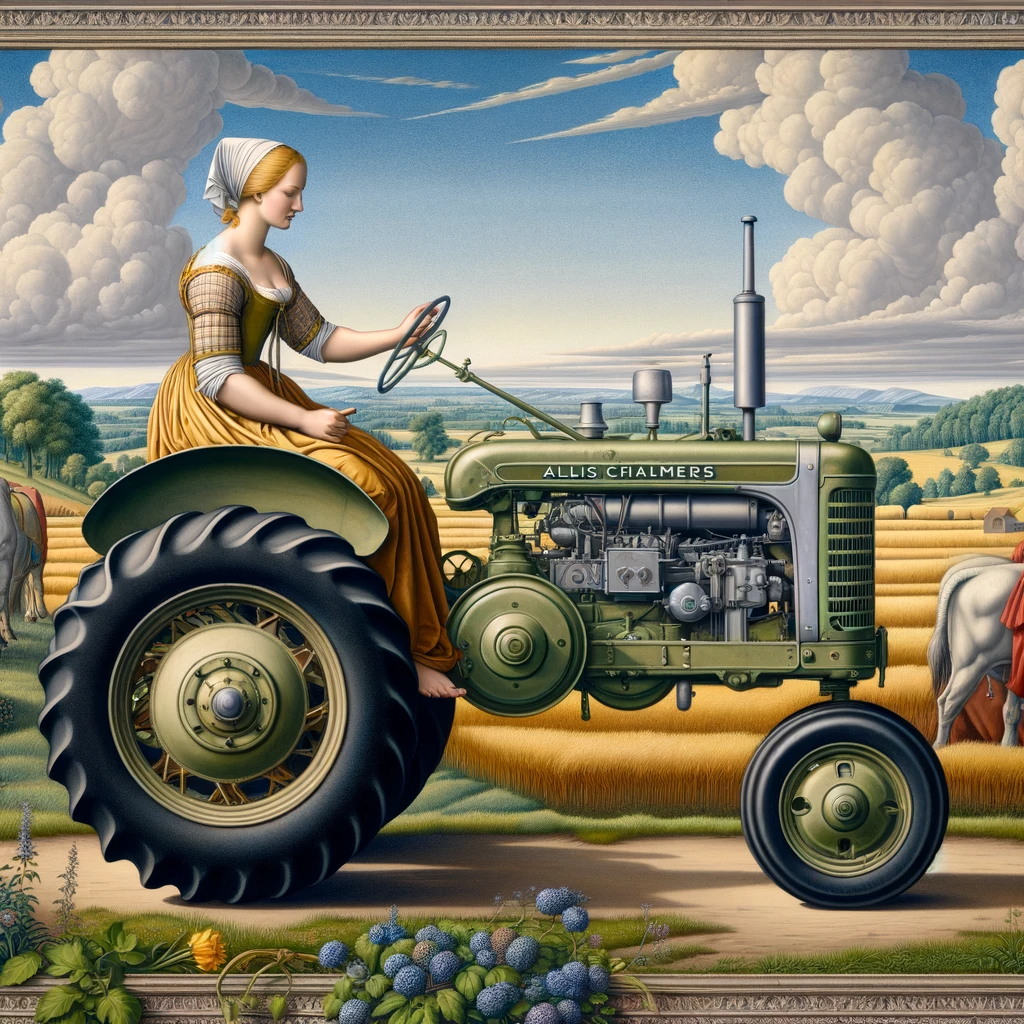
In a world increasingly dominated by the new and shiny, there’s an undeniable charm and power in holding onto the old. Preserving parts—be it from a classic tractor that used to plow the fields or the quaint antiques handed down through generations—does more than keep memories alive. It stitches the fabric of our communities together, reminding us of who we are and where we came from.
Consider the story of a small town that thrived on agriculture. Every spring, the community would gather to watch the parade of vintage tractors rolling down Main Street. Each tractor had a story—each dent and scratch a testament to hard work and determination. Older generations would share tales of their fathers and grandfathers, talking about the struggles of tilling the land, wrestling with a stubborn engine, or the pride of a well-plowed field. The tractors represented more than machinery; they embodied the spirit of resilience and collaboration, teaching younger generations the value of craftsmanship and care.
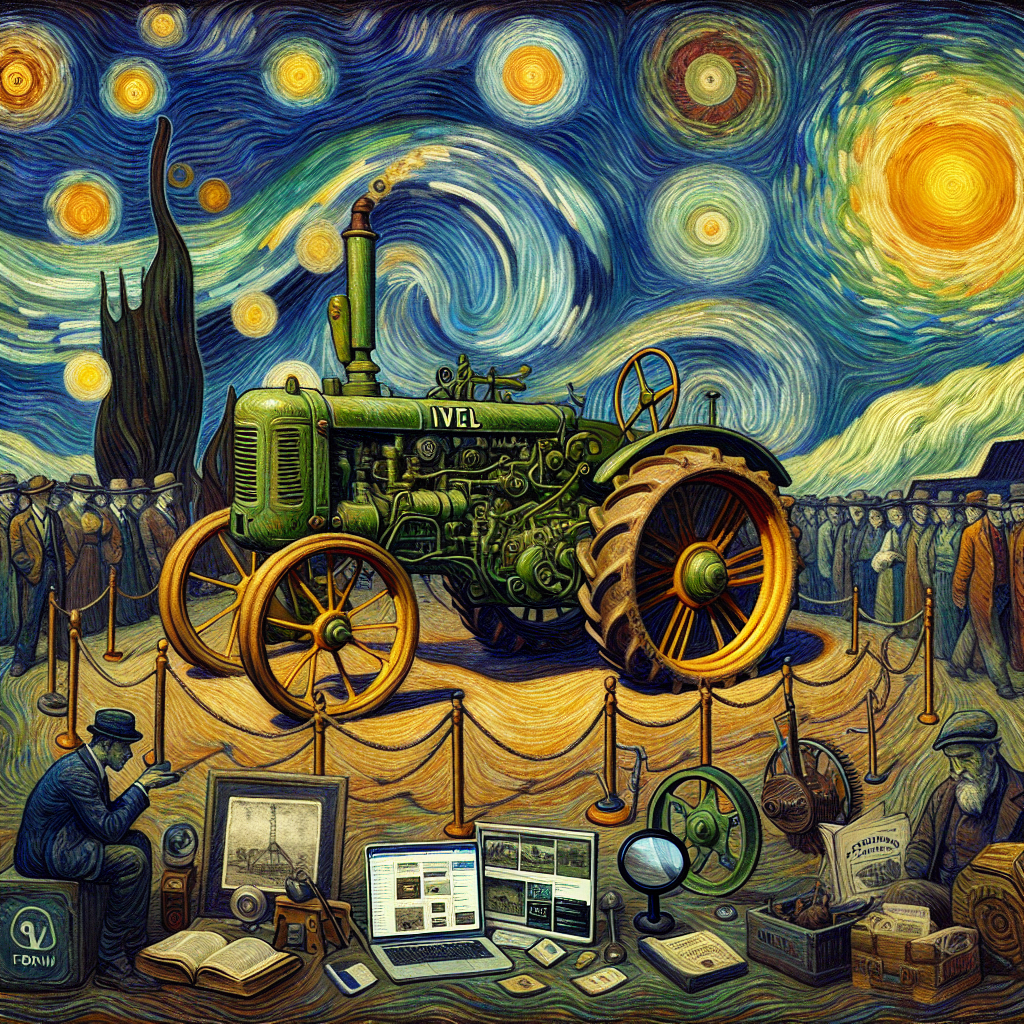
When parts are preserved, they connect us, offering a bridge between past and present. It’s about more than nostalgia; it’s about identity. Each piece is a reminder of how far we’ve come and a model of the work ethic we wish to pass down. Think of the ethical duty we have to honor the craftsmanship of those who came before us. When we choose to repair instead of replace, we not only reduce waste but also respect the artistry inherent in every screw and bolt. This kind of stewardship fosters a sense of pride that resonates throughout the community, inspiring others to recognize the value in what is often overlooked.
Moreover, by engaging local craftsmen to repair these parts, we invest directly back into our communities. Supporting local businesses and artisans creates jobs, fosters a sense of ownership, and encourages collaboration—a collective effort that strengthens local bonds. It’s as if each preserved part becomes a conversation starter, sparking connections not just between individuals, but across generations.
Ultimately, preserving parts is akin to tending a garden. It requires patience, an eye for detail, and a commitment to nurturing what matters. Whether it’s a weathered tractor or cherished family heirlooms, the act of preservation enriches our community’s narrative, ensuring that every story is told and never forgotten, creating a tapestry of shared history that continues to inspire trust and action in the hearts of all who partake.
How Does Preserving Parts Impact Your Community?
How Does Preserving Parts Impact Your Community?
- Preservation of old parts connects communities and keeps memories alive.
- Vintage tractors symbolize resilience and the spirit of collaboration.
- Older generations share stories that teach younger ones about craftsmanship and care.
- Repairing instead of replacing reduces waste and honors past craftsmanship.
- Engaging local craftsmen supports the community and fosters collaboration.
- Each preserved item serves as a conversation starter, linking generations.
- Preservation enriches community narratives, ensuring shared history and values are sustained.
How Does Preserving Parts Impact Your Community?
Conclusion
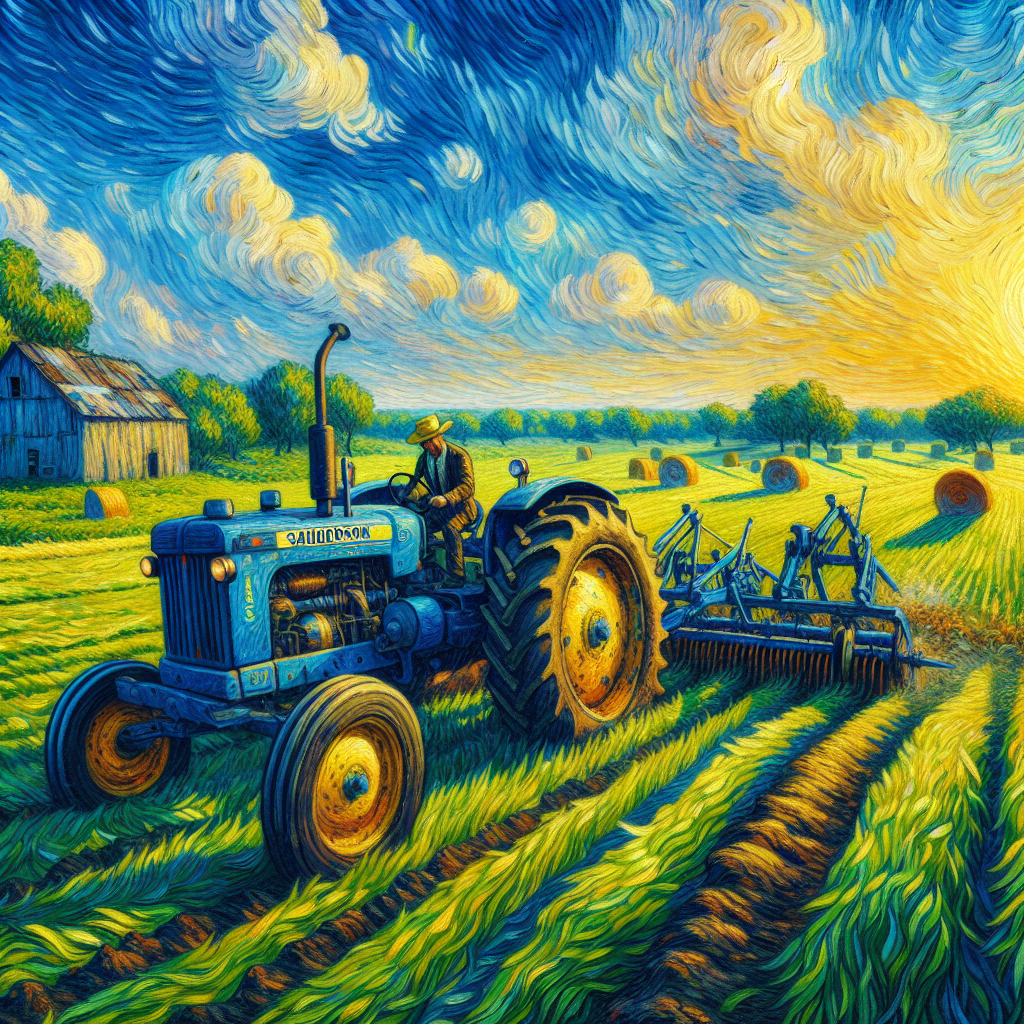
3D scanning and printing offer a remarkable opportunity to traverse the chasm between our past and present, transforming memories into enduring legacies. Consider the humble tractor, a seemingly ordinary machine that embodies the grit and determination of generations. Each rusted scratch tells a tale of toil and triumph, a silent witness to the labor and love embedded in its steel. As we advance into an era defined by rapid technological change, there’s an urgent need to connect these artifacts of our history with future generations. 3D printing isn’t just a sophisticated tool—it’s a bridge that enables us to celebrate craftsmanship while preserving our roots.
This process is not merely about nostalgia; it merges the wisdom of tradition with modern innovation, emphasizing sustainability. By creating replicas of rare components, we drastically reduce the environmental burden of new manufacturing. It’s a call to cherish the old, a push towards a repair culture that values history over disposability. Ethically, each restoration becomes a communal experience, reminding us that we are part of something greater than ourselves. When communities gather to fix a beloved tractor, they share skills, stories, and histories that foster deeper connections, intertwining our lives in ways that enrich our collective identity.
Envision using a 3D scanner as a digital time capsule, capturing not only the physical traits of an artifact but also the emotions they evoke. This isn’t just about saving a piece of machinery; it’s about safeguarding memories that speak volumes about who we are. From family gatherings around harvest time to laughter and perseverance, each scan breathes new life into the stories behind the machinery, creating a dynamic representation that links ancestors with descendants.
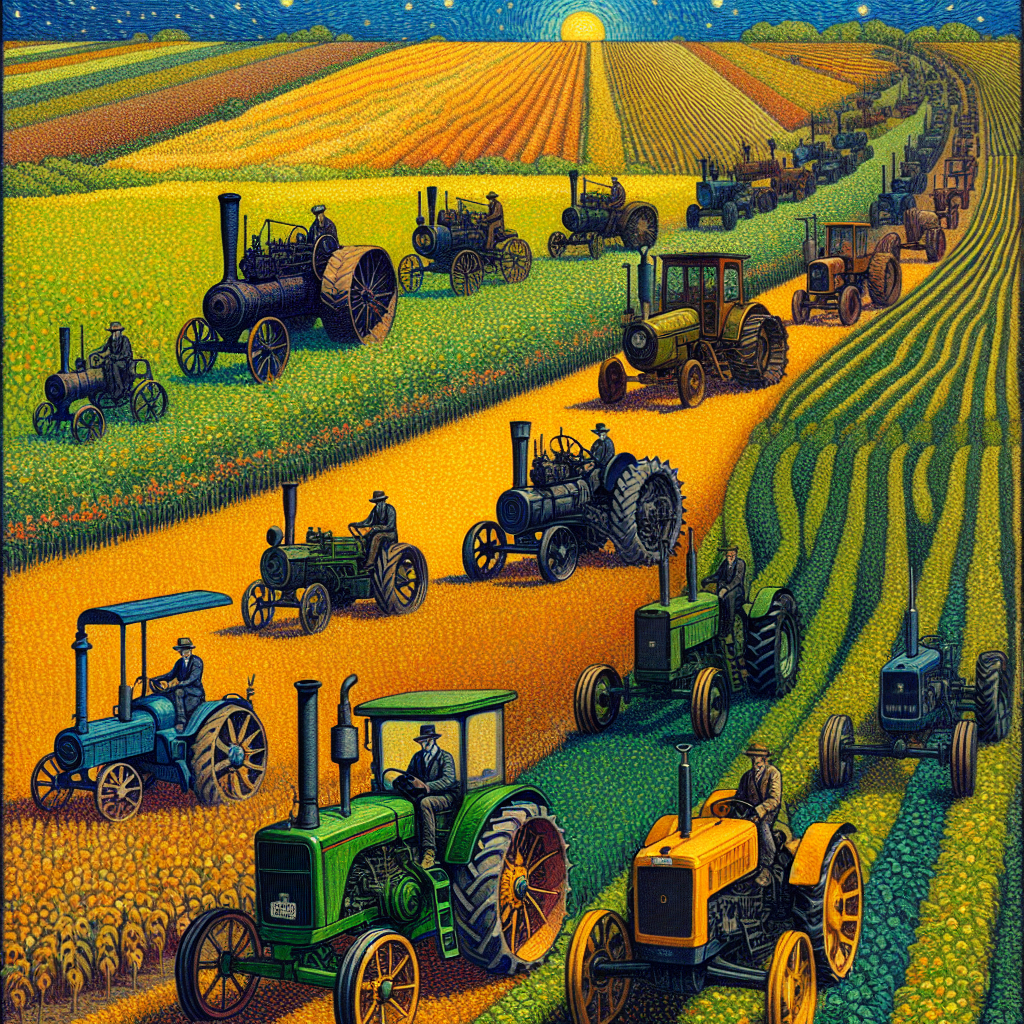
The implications extend beyond individual nostalgia. Collectively preserving our industrial heritage creates a narrative that draws everyone in, encouraging dialogue and collaboration across generations. By engaging with these practices, we cultivate empathy and awareness, reminding ourselves that these artifacts hold shared significance that transcends time. Through the lens of 3D printing and community involvement, we become stewards of history, ensuring these narratives persist and thrive, resonating through our collective memory.
Let’s embrace this technology, roll up our sleeves, and partake in revitalizing our legacy, one rare component at a time. The reward? A richer connection to our heritage and the resilient spirit of those who came before us, waiting to inspire future generations.
Conclusion
Conclusion:
- 3D scanning and printing bridge the past and present, transforming memories into legacies.
- Ordinary artifacts, like tractors, tell powerful stories of toil and triumph.
- The technology connects history with future generations, emphasizing sustainability.
- Creating replicas reduces the environmental impact of new manufacturing, promoting a repair culture.
- Community restoration fosters deeper connections and shares skills, stories, and histories.
- 3D scanners serve as digital time capsules, capturing physical traits and emotional significance.
- Preserving industrial heritage encourages dialogue and empathy across generations, enriching collective memory.
Conclusion
Other Resources
Other Resources
Here is a list of other resources you can review online to learn more:
- Galloway
- Antique Engine & Tractor Association – Working Farm Show
- First State Antique Tractor Club
- Agrinar
- Classic Old Tractors
- Escorts
- IMT
- Arma Trac Tractors
- GMS Tractor Museum
- Agra Cat
- Mahindra Gujarat
- Iseki
- John Deere Tractor & Engine Museum
- McCormick
- Muskoka Pioneer Power
- Monarch Tractor
- SOMECA
- Bima
- Holt
Use This Prompt To Get More Resources With Your Favorite Online AI Tool: Please provide me with a list of online articles with their URLs in a bulleted list that I can read regarding 3D Scanning + Printing – Preserve Rare Parts Forever
Other Resources
Glossary Terms
3D Scanning + Printing – Preserve Rare Parts Forever – Glossary Of Terms
1. 3D scanning — Capturing the geometric and sometimes color/texture data of a physical object to produce a digital 3D representation.
2. Photogrammetry — Generating 3D models from multiple overlapping 2D photographs using feature matching and triangulation.
3. Structured light scanning — Projecting known light patterns onto a surface and measuring deformations to capture high-resolution geometry.
4. Laser scanning (LiDAR) — Using a laser beam to measure distances and create dense point clouds of an object’s surface.
5. CT scanning (X‑ray computed tomography) — Non‑destructive volumetric imaging that captures internal and external structures as stacked slices or voxels.
6. Point cloud — Unordered set of 3D points representing the sampled surface of an object, often produced by scanners.
7. Mesh — Network of vertices, edges, and faces (usually triangles) that approximates an object’s surface for visualization and fabrication.
8. Registration — Aligning multiple scans or point clouds into a common coordinate frame to form a complete model.
9. Alignment — Adjusting orientation, position, and scale so scanned data matches reference geometry or a target coordinate system.
10. ICP (Iterative Closest Point) — Common algorithm for fine registration that minimizes distance between corresponding points of two datasets.
11. Noise and artifacts — Random errors, outliers, holes, and distortions introduced during scanning that must be corrected for faithful reproduction.
12. Resolution — The smallest detail a scanning or printing process can discern or reproduce, typically expressed in mm or microns.
13. Accuracy and precision — Accuracy: closeness to true dimensions; precision: repeatability of measurements or prints.
14. Calibration — Procedures and reference artifacts used to adjust scanner or printer settings to maintain measurement and fabrication accuracy.
15. Voxelization — Converting geometry into a 3D grid of volumetric pixels (voxels), useful for CT data, simulation, and certain printing processes.
16. Watertight model — A mesh with no holes or non-manifold edges, required for most slicing and successful 3D printing.
17. Mesh repair — Processes (filling holes, fixing normals, removing non‑manifold edges) to make scanned meshes printable and analyzable.
18. Decimation — Reducing polygon count while preserving visual and dimensional fidelity to optimize storage and processing.
19. Retopology — Rebuilding mesh topology for better geometry flow, structural integrity, or downstream simulation and printing.
20. File formats (STL/OBJ/PLY/3MF/AMF) — Standard digital containers for geometry, color, and metadata; choice affects fidelity, features, and interoperability.
21. Metadata and provenance — Descriptive data (scan date, device, operator, settings, ownership history) that documents source, authenticity, and chain of custody.
22. Checksum and version control — Cryptographic hashes and systematic versioning used to verify integrity and track changes to digital assets.
23. Digital twin — High-fidelity digital replica of a physical part used for preservation, analysis, testing, and reproduction.
24. Reverse engineering — Deriving CAD, parametric models, or manufacturing data from scanned geometry to enable reproducible fabrication.
25. Slicing — Converting 3D geometry into layered toolpaths for additive manufacture, specifying layer thickness, supports, and print parameters.
26. Support structures — Temporary printed scaffolds that stabilize overhangs during printing and are removed in post‑processing.
27. Infill — Internal lattice or pattern used in printed parts to balance material use, weight, and mechanical strength.
28. 3D printing technologies (FDM/SLA/SLS/DMLS/EBM) — Common additive manufacturing processes: fused deposition, vat photopolymerization, powder sintering/binding, and metal powder melting techniques, each with distinct material and fidelity tradeoffs.
29. Material properties and anisotropy — Mechanical, thermal, and chemical characteristics of print materials and direction‑dependent strengths caused by layerwise fabrication.
30. Archival preservation and redundancy — Long‑term strategies for keeping digital and physical copies (multiple formats, offsite backups, controlled materials, documentation) to ensure rare parts remain accessible and reproducible forever. Glossary Of Terms
Other Questions
3D Scanning + Printing – Preserve Rare Parts Forever – Other Questions
If you wish to explore and discover more, consider looking for answers to these questions:
- What exactly is 3D scanning and how does the technology work?
- What types of 3D scanners are available and which is best for different parts?
- How much does 3D scanning and printing cost for a single part?
- What accuracy and resolution can be achieved with common scanning methods?
- Which materials can be used for 3D-printed replacement parts and how do they compare to original materials?
- Can 3D-printed parts match the structural strength and durability of original components?
- How do you determine whether to restore, repair, or fully reproduce a rare part?
- What post-processing (finishing, coating, painting) is required to make printed parts look and perform like originals?
- How long do 3D-printed parts typically last under real-world use?
- Are there standards or best practices for scanning and digitally archiving heritage parts?
- How should digital files be stored to ensure long-term preservation and accessibility?
- What file formats are used for 3D scans and printing, and which are most compatible across platforms?
- How do you capture fine surface details, patina, and wear marks that carry historical value?
- Can 3D scanning capture internal features or only external geometry?
- What are the legal and copyright implications of scanning and reproducing historic or proprietary parts?
- How do intellectual property, provenance, and ownership issues get handled when reproducing parts?
- Are there ethical concerns around reproducing culturally significant or sacred objects?
- How do museums and heritage organizations view and use 3D reproductions?
- Can 3D printing enable the restoration of items lost to disaster, and how reliable is that process?
- What safety and liability concerns exist when replacing worn or load-bearing components with printed parts?
- How can communities and local craftsmen be involved in scanning, printing, and restoration projects?
- What training, skills, or equipment do hobbyists and small workshops need to get started?
- Where can one find professional scanning and printing services or community labs?
- Are there open-source repositories of scanned parts or printable designs for common vintage components?
- What environmental impacts result from 3D printing compared with manufacturing new parts?
- How does reproducing parts affect the market value and authenticity of original artifacts?
- How should metadata and contextual information (stories, provenance) be attached to digital scans?
- What are realistic timeframes from scanning to a finished printed and finished part?
- How do you adapt a 3D scan for manufacturing constraints or to improve functionality?
- What are common failure modes for printed replacement parts and how can they be mitigated?
- How can schools and educational programs use 3D scans to teach history and craftsmanship?
- What funding, grants, or community programs support preservation via 3D scanning and printing?
- How do you prioritize which parts or artifacts to scan and preserve first?
- Can 3D scanning be used for condition monitoring and conservation planning over time?
- How do you balance preserving originality versus creating accessible replicas for display or use?
Other Questions
Haiku
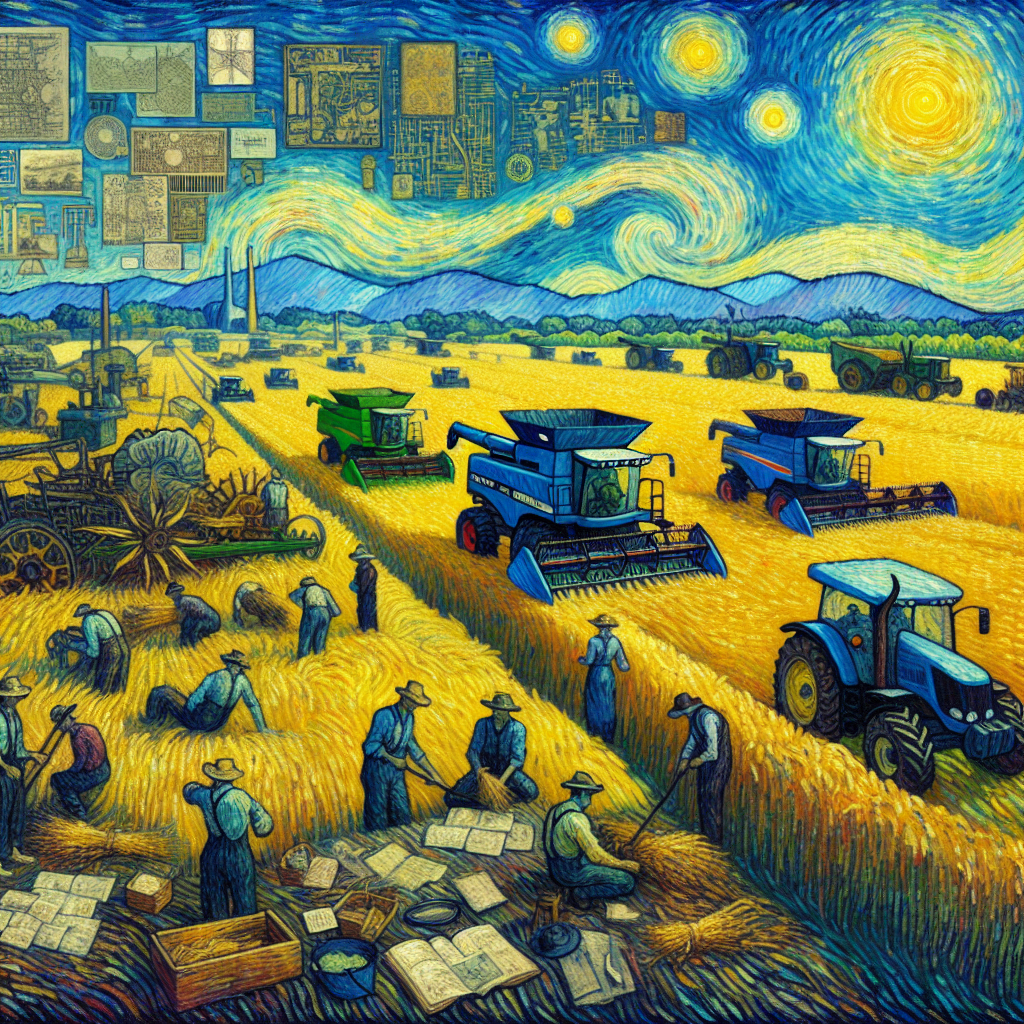
3D Scanning + Printing – Preserve Rare Parts Forever – A Haiku
Old machines whisper tales,
Rust and memories entwined—
Time’s legacy saved.
Haiku
Poem
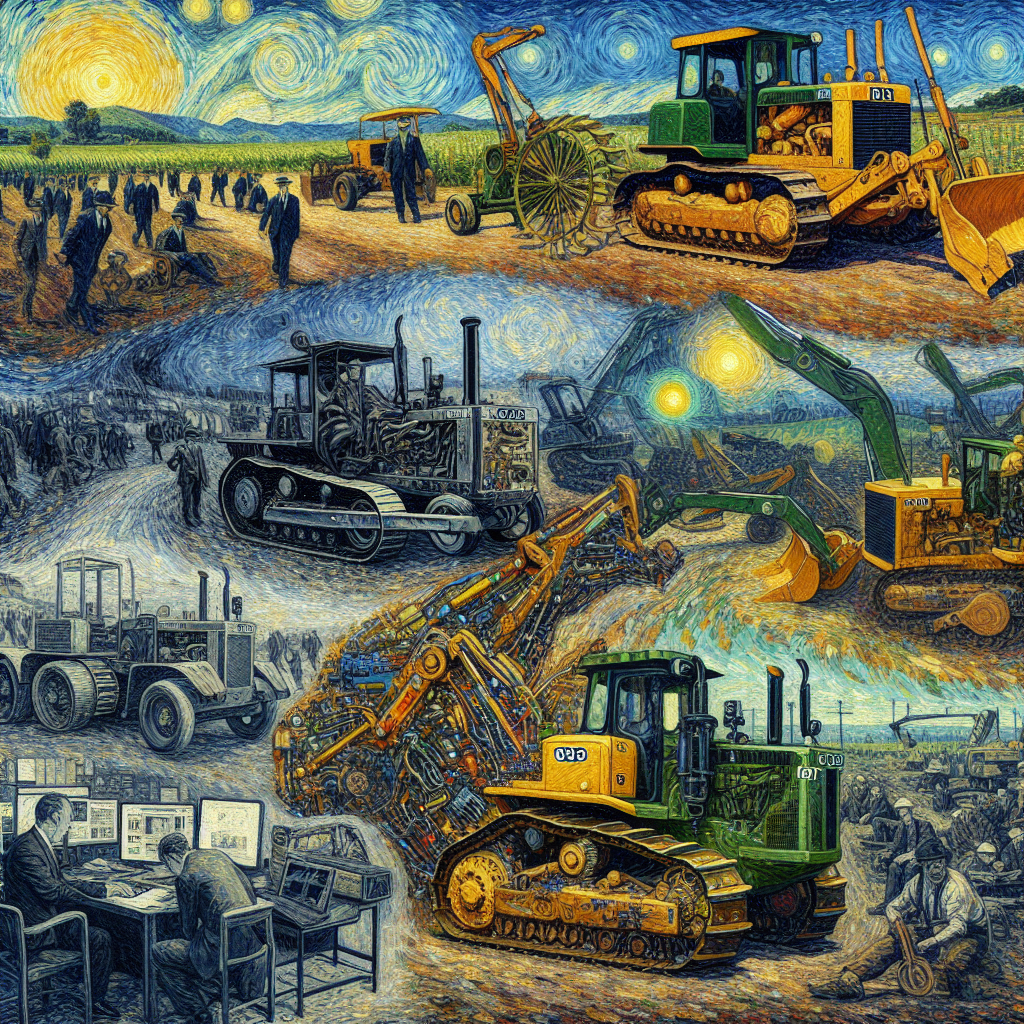
3D Scanning + Printing – Preserve Rare Parts Forever – A Poem
In fields where rust and memories intertwine,
Old tractors stand, their tales fade yet shine.
Each dent a testament, each scratch a song,
Echoes of labor where proud hearts belong.
3D scanning whispers secrets of the past,
Preserving histories, making legacies last.
Not mere machines, but a bridge through our days,
Connecting generations in labor’s embrace.
A child grips the wheel, the engine’s roar alive,
Inheritances clash where timeless spirits thrive.
From sweat-soaked hands to scars that remain,
Every piece of machinery a saga of pain.
As we forge with technology, let’s tread with care,
An ethical duty, our past we must share.
Repair culture rises amidst fleeting trends,
In stories of old, our community bends.
In dusty attics, memories call,
With 3D printing, we rise not to fall.
Lost treasures revived, not just shards of the past,
The heart of our history, vibrant and vast.
So gather the stories, embrace what remains,
In each grizzled part, a legacy gains.
For preserving the old, we cultivate trust,
Building bridges of memory, from dust we thrust.
Poem
Checklist
3D Scanning + Printing – Preserve Rare Parts Forever – A Checklist
Emotional Appeals
✅______ Reflect on the personal stories associated with your rare parts.
✅______ Consider how preserving these items connects you to your family heritage.
✅______ Share the memories that define the significance of these parts in your life.
Rational Appeals
✅______ Assess the benefits of 3D scanning and printing in creating accurate replicas.
✅______ Evaluate the environmental impact of reducing the demand for new manufacturing.
✅______ Analyze the cost-effectiveness of restoration vs. replacement.
Ethical Appeals
✅______ Acknowledge the importance of preserving cultural and industrial heritage for future generations.
✅______ Consider the responsibility of honoring the craftsmanship and histories of older items.
✅______ Commit to sharing and teaching the skills involved in restoration within your community.
Authority Appeals
✅______ Research successful case studies of 3D scanning and printing in preservation efforts.
✅______ Consult experts or local artisans to gain insight and support for your preservation projects.
✅______ Attend workshops or seminars on the latest technologies in preservation.
Narrative Appeals
✅______ Write or share a narrative that intertwines the story of a rare part with your personal experiences.
✅______ Create a visual timeline showcasing the history of the parts you aim to preserve.
✅______ Document the journey of restoration to create a compelling story for future generations.
Social Appeals
✅______ Engage your community in discussions about the significance of preserving industrial heritage.
✅______ Organize events where stories about rare parts can be shared and celebrated.
✅______ Collaborate with local schools or organizations to foster a collective appreciation for history.
Checklist
At ClassicTractorNews, we help tractor lovers keep up with the latest news for classic and vintage tractors.
Please share this post with your friends, family, or business associates who may like old classic or vintage tractors.