


Reviving Heritage: The Heartfelt Triumph Of 3D Printing In Farming
By Tom Seest
At ClassicTractorNews, we help tractor lovers keep up with the latest news for classic and vintage tractors.
Please share this post with your friends, family, or business associates who may like old classic or vintage tractors.
3D Printing Revolution – Keeping Vintage Tractors Alive
In the quiet fields where the hum of engines once echoed, vintage tractors stand as monuments to hard work and tenacity. These machines symbolize not just farming but a way of life—each scratch and dent tells a story, a slice of history that deserves preservation. With the advent of 3D printing, we’re witnessing a revolution that breathes new life into these beloved giants, allowing us to keep their legacy alive.
Imagine an old tractor, the kind that saw generations rise and fall, its engine now silent, but its spirit remains unbroken. Farmers, mechanics, and enthusiasts alike find themselves faced with the challenge of sourcing parts that no longer exist, the lifeblood of these machines slowly fading away. This is where 3D printing comes in, making it possible to recreate those elusive components. It’s not just technology; it’s a lifeline, a way to honor the past while embracing the future.
Think about it: you’ve got a neighbor who cherishes his grandfather’s tractor, its faded paint a testament to countless seasons of hard work. He’s tried to restore it, but certain parts are simply unavailable. Thanks to 3D printing, he can now bring those parts back to life with precision and nostalgia. It’s a chance to pass down not just a machine, but a heritage—a connection that runs deeper than steel and mechanics.
Moreover, there’s an ethical dimension here. In a world where disposable culture reigns, preserving these vintage tractors challenges us to rethink our relationship with equipment and resources. We’re reminded that sustainability isn’t just about reducing waste; it’s about honoring what we have and restoring it to its former glory. By choosing 3D printing, we’re not just saving a tractor; we’re saving the stories and the lives intertwined with it.
Consider the community aspect as well. A group of enthusiasts gathers to share techniques and stories, united by their passion for vintage machinery. When one person successfully prints a replacement part, it sparks a chain reaction—others are inspired, and suddenly, a network thrives. What starts as a solitary effort blossoms into a movement. It’s about people coming together, sharing knowledge, and invoking a sense of belonging in a world that often feels divided.
In this way, 3D printing acts as more than a tool; it is the bridge connecting generations, turning nostalgia into action and ensuring that the legacy of vintage tractors is not just remembered but cherished and lived. Together, we can keep these icons rolling, fostering a profound connection to our agricultural roots while steering into the innovative future.

3D Printing Revolution – Keeping Vintage Tractors Alive
3D Printing Revolution – Keeping Vintage Tractors Alive
- Vintage tractors symbolize hard work and a historical way of life, with each scratch representing stories worth preserving.
- 3D printing offers a revolutionary way to recreate hard-to-find parts, breathing new life into these machines.
- Farmers and enthusiasts face challenges in sourcing parts for old tractors, with 3D printing acting as a vital solution.
- Using 3D printing enables individuals to honor their heritage by restoring beloved tractors to their former glory.
- Preserving vintage tractors encourages a sustainable mindset, challenging disposable culture and valuing what we have.
- A community of enthusiasts shares techniques and stories, fostering collaboration and a sense of belonging.
- 3D printing connects generations, transforming nostalgia into action and ensuring the legacy of vintage tractors endures.

3D Printing Revolution – Keeping Vintage Tractors Alive
Table Of Contents
- 3D Printing Revolution – Keeping Vintage Tractors Alive
- What Emotional Connection Do You Have with Vintage Tractors?
- How Can 3D Printing Help Preserve Farming History?
- Are You Aware Of the Cost Savings From 3D Printing Parts?
- Can You Trust 3D-Printed Parts for Your Vintage Tractor?
- How Has 3D Printing Changed the Restoration Process for Tractors?
- What Stories Do Vintage Tractors Tell About Our Agricultural Heritage?
- Conclusion
- Other Resources
- Glossary Of Terms
- Other Questions
- Haiku
- Poem
- Checklist
What Emotional Connection Do You Have with Vintage Tractors?
There’s something undeniably magnetic about vintage tractors. They’re not just machines; they’re storytellers, embodying decades of hard work, perseverance, and a profound connection to the land. As I stand beside one, the vibrant paint chipped and weathered, I can’t help but feel a sense of nostalgia—a visceral reminder of a simpler time when life was measured by the rhythm of the seasons and the grit of the soil.
Imagine a small farm from years past, where every sunrise called to farmers rising before dawn. Those rusty gears and roaring engines didn’t merely till the fields; they were partners in a dance of survival, each vibration echoing the heartbeat of families who lived off the land. The connection to these tractors isn’t just sentimental; it’s woven into the fabric of our agricultural heritage, a tribute to the labor that built our country and fed generations. Owning or restoring one isn’t merely a hobby; it’s a badge of honor, a way to honor the labor of our forebears.
Take a moment to picture the family gatherings around that old tractor—an aging relic in the barn, yet a constant symbol of continuity. Sharing stories about Grandpa’s first harvest, or the summer days spent repairing it together, those moments foster a community bond that runs deeper than soil can hold. When you dig into the history of these machines, you realize that they hold more than fuel and metal; they carry dreams, sweat, and an enduring spirit.
Yet, our emotional connection doesn’t stop there. In today’s fast-paced world, where technology often distances us from our roots, these vintage tractors remind us of our values—hard work, integrity, and responsibility. They symbolize a time when craftsmanship mattered, when people took pride in what they owned. Restoring one can be a grounding experience, teaching patience and resilience, reflecting the importance of nurturing something over time, both literally and metaphorically.
What if we could channel the ethos of these machines into our lives? That commitment to perseverance and reliability can inspire trust and confidence in everything we do. Aligning ourselves with these vintage giants invites us to reflect on our choices and the legacies we wish to leave behind. Each rusted bolt and sun-kissed panel stands as a testament to the triumphs and trials of those who came before us, urging us to honor that connection and keep the stories alive, one field at a time. The heart, head, and gut all resonate with the essence of vintage tractors, challenging us to reconnect with our roots—both in farming and in the stories we tell ourselves.

What Emotional Connection Do You Have with Vintage Tractors?
What Emotional Connection Do You Have with Vintage Tractors?
- Vintage tractors are more than machines; they embody stories of hard work and connection to the land.
- They evoke nostalgia for simpler times when life revolved around the seasons and farming.
- These tractors symbolize agricultural heritage and the labor that shaped communities and fed generations.
- Family gatherings around old tractors foster community bonds and preserve shared histories.
- In a fast-paced world, vintage tractors remind us of core values like hard work, integrity, and craftsmanship.
- Restoring vintage tractors teaches patience and resilience, emphasizing the importance of nurturing over time.
- The ethos of these machines encourages reflection on our choices and the legacies we wish to create.

What Emotional Connection Do You Have with Vintage Tractors?
How Can 3D Printing Help Preserve Farming History?
3D printing has emerged as a revolutionary tool, particularly in the realm of agriculture, where it plays a pivotal role in preserving the rich tapestry of farming history. Imagine standing in a sunlit field, surrounded by rows of tractors—each one a testament to years of hard work, innovation, and community. These machines are not just metal and machinery; they’re the heart and soul of generations of farmers who have tilled the land, nurtured crops, and provided for families. By leveraging the power of 3D printing, we can immortalize these invaluable pieces of our agricultural heritage.
Picture this: a family farm’s beloved old tractor, now rusting away in a barn, symbolizes countless memories. Each dent and scratch tells a story; it’s not just a vehicle, but a partner through seasons of tumult and triumph. With 3D printing, we can recreate exact replicas of these iconic tractors, allowing families to share their history with younger generations. Each print becomes a tangible reminder of the grit and perseverance that shaped their community. This isn’t mere nostalgia; it’s a chance to engage children in conversations about where their food comes from and the challenges that farmers have faced—and continue to face—every day.
Rationally, the impact of preserving farming history with 3D printing goes beyond nostalgia—it’s about education. Schools can incorporate these models into their curricula, using them as engaging teaching tools. Imagine a classroom where students don’t just learn about agriculture from textbooks but can hold a piece of their local history in their hands. This hands-on experience fosters a deeper understanding and appreciation, helping them grasp the significance of sustainable farming practices in an increasingly industrial world.
Ethically, we owe it to the future to keep these stories alive. In our fast-paced society, we often forget the importance of our agricultural roots. 3D printing offers a way to connect generations, encouraging community discussions about agricultural practices, sustainability, and heritage. It bridges gaps, enhancing social bonds as families and neighbors come together to share and celebrate their shared histories.
The result of this initiative not only honors the past but inspires action in the present. By embracing this technology, we foster a culture of appreciation for farming—encouraging new generations to respect the land and its history. In a world chasing the next big thing, let’s remember: sometimes, the most powerful innovations are those that help us connect with our roots. 3D printing isn’t just about replicating; it’s about reinforcing the legacy of those who have driven the wheels of agriculture—one tractor, one story at a time.

How Can 3D Printing Help Preserve Farming History?
How Can 3D Printing Help Preserve Farming History?
- 3D printing serves as a revolutionary tool in agriculture, preserving farming history.
- Tractors symbolize generations of farmers’ hard work, innovation, and community.
- The technology allows for the recreation of iconic tractors, sharing family histories.
- Encourages conversations with children about agriculture and the challenges faced by farmers.
- 3D printed models can be used as educational tools in classrooms for a hands-on learning experience.
- Promotes discussions about agricultural practices, sustainability, and heritage within communities.
- Inspires respect for agricultural history while connecting generations through shared stories.

How Can 3D Printing Help Preserve Farming History?
Are You Aware Of the Cost Savings From 3D Printing Parts?
Imagine this: you’ve got a sturdy old tractor, a workhorse that’s seen countless seasons of toil under the sun. It’s not just a machine; it’s a testament to years of hard work and resilience. But like all good things, even that tractor needs some TLC. The problem? Parts are getting scarce, and the prices? Sky-high. Enter 3D printing—an innovation that’s not just changing how we think about manufacturing, but revolutionizing our approach to cost savings.
Picture a farmer who’s spent the better part of a month waiting for a simple replacement part to arrive. The delay means lost days in the field, reduced yield, and dwindling profits. Now, imagine if that part could be printed right on-site, tailored to fit perfectly. 3D printing empowers you to bypass supply chain delays and markups. With the click of a button, you have the power to resurrect that old tractor and keep it running smoothly without breaking the bank.
Economically speaking, the value of 3D printing extends beyond just immediate savings. The technology reduces waste, allowing manufacturers to produce only what they need when they need it. This takes a significant bite out of overhead costs typically associated with excess inventory. Those savings can trickle down to the family farm, ensuring that every penny saved can be reinvested into the business. It’s not just about cutting costs; it’s about fueling sustainability in agriculture—an ethical choice that more farmers are embracing.
On a grander scale, consider this: as communities harness the power of 3D printing, they foster connections. Local businesses can collaborate and innovate, creating parts for each other, reinforcing a sense of camaraderie that’s often lost in the hustle of modern life. Think of it as neighbors rallying together to keep each other’s tractors running, sharing knowledge and resources—this is the fabric of resilient communities.
Moreover, there’s a certain pride in being part of the maker movement. Each printed part tells a story—a testament to ingenuity and resourcefulness. When you choose to invest in 3D printed parts, you’re participating in a narrative that values craftsmanship. You’re part of a legacy that champions progress, proving that innovation doesn’t have to come at the cost of tradition.
In today’s world, the ability to save money and time while also fostering community ties is invaluable. So the next time you gaze at that trusty tractor, think beyond the metal and oil. Embrace the future of 3D printing and wield it as a tool not just for repair, but as a roadmap to a more sustainable, connected, and economically sound future.

Are You Aware Of the Cost Savings From 3D Printing Parts?
Are You Aware Of the Cost Savings From 3D Printing Parts?
- Old tractors symbolize resilience but require maintenance, often facing parts scarcity and high costs.
- 3D printing allows for on-site production of replacement parts, minimizing delays and costs.
- This technology reduces waste by enabling just-in-time manufacturing, translating to savings for farmers.
- 3D printing fosters sustainability in agriculture, promoting ethical choices and reinvestment in the business.
- Communities can collaborate through 3D printing, reinforcing connections and supporting local businesses.
- Participation in the maker movement promotes pride and values innovation alongside tradition.
- Embracing 3D printing can enhance efficiency while building stronger community ties and economic stability.

Are You Aware Of the Cost Savings From 3D Printing Parts?
Can You Trust 3D-Printed Parts for Your Vintage Tractor?
When you own a vintage tractor, it’s not just a machine; it’s a piece of history, a testament to craftsmanship that’s been passed down through generations. The allure of these mechanical marvels lies not only in their functionality but also in the stories they carry. So, when faced with the dilemma of repairing or replacing worn-out parts, the question arises: can you trust 3D-printed components?
Imagine pulling that beloved tractor out of the barn after a long winter, its weathered frame gleaming in the sunlight. You remember the first time you drove it, feeling its power and connection to the earth. Now, imagine a crucial part breaking down, leaving you stranded. In today’s world, where technology advances at breakneck speed, 3D printing emerges as a viable option for repairs. This is not just about embracing modernity; it’s about marrying the old with the new in a way that honors your vehicle’s legacy.
Rationally speaking, 3D printing technology has come a long way. The materials used today are often more durable than some original components, crafted with precision that you might not find in standard manufacturing. This invites a question of trust: can these parts withstand the rigors of working on a farm? Yes, they can—if they’re sourced from reputable providers who understand the nuances of vintage machinery. Compared to the mass-produced parts that can be inaccurate or inferior, a well-printed original part, tailored to your tractor’s specifications, offers an advantage.
Ethically, choosing 3D-printed parts supports innovation and sustainability. It reduces waste by using only the necessary amount of material, and it often allows for quicker repairs without the environmental footprint of traditional manufacturing. This aligns perfectly with the values of many vintage tractor enthusiasts who appreciate the blend of nostalgia and modern environmental consciousness.
Then there’s the social aspect. Communities of tractor lovers are sharing their experiences, their successes, and their trials when it comes to 3D printing. Imagine a group gathering where stories flow as freely as the homemade lemonade, all centered around a shared love of tractors. It’s within these circles that you’ll find confidence in the technology. Peer reviews and personal anecdotes serve as the backbone of trust in these innovative solutions.
Trusting 3D-printed parts for your vintage tractor becomes a celebration of ingenuity. By embracing this evolution, you’re not just repairing a machine; you’re continuing a legacy, fostering community, and ensuring that the heart of farming remains vibrant for future generations.

Can You Trust 3D-Printed Parts for Your Vintage Tractor?
Can You Trust 3D-Printed Parts for Your Vintage Tractor?
- Owning a vintage tractor symbolizes a connection to history and craftsmanship.
- 3D printing offers a modern solution for repairing worn-out parts while respecting the tractor’s legacy.
- Modern 3D printing materials can be more durable and precisely crafted than some original components.
- Trust in 3D-printed parts depends on sourcing from reputable providers familiar with vintage machinery.
- Using 3D-printed components supports sustainability by reducing waste and environmental impact.
- Communities of tractor enthusiasts share experiences and build confidence in 3D printing technology.
- Embracing 3D printing in vintage tractor repair fosters community and continues agricultural legacy.

Can You Trust 3D-Printed Parts for Your Vintage Tractor?
How Has 3D Printing Changed the Restoration Process for Tractors?
There’s something uniquely satisfying about the growl of a vintage tractor firing up after years of silence. For many, it’s a powerful connection to the past—an embodiment of hard work and the sweat of our ancestors. But what happens when the very heart of these robust machines crumbles under the weight of time? Enter the world of 3D printing, a revolutionary force reshaping how we restore these engineering marvels.
Restoring a classic tractor used to be a daunting task, striking fear even into the steadiest of hands. Finding the right parts was a scavenger hunt that could take months—or years. But now, 3D printing offers a beacon of hope. It allows enthusiasts and restorers to create hard-to-find components right from their garages. Imagine pulling up to a rusty relic, maybe your grandfather’s old machine, the kind that your family rallied around during harvest season. Now, picture scanning a broken part, uploading its design, and seeing it take shape layer by layer. That feeling? It’s akin to witnessing resurrection.
But this isn’t just about mechanics; it’s about heritage. Restoring with 3D printing breathes new life into faded memories and fosters community. Consider a local restoration group that meets on weekends, each member armed with a printer and a story. Collaborating to fabricate parts not only preserves machinery but strengthens bonds forged through shared passions. As each unique tractor comes back to life, so does the network of stories surrounding them—moments of laughter, rivalry, and achievement.
On the surface, 3D printing might seem cold and technical, but it actually brings a warmth back to the restoration process—perhaps more than traditional methods ever could. There’s an ethic behind this technology; it empowers the small-scale operator, the hobbyist, the farmer with a dream. By democratizing the means of production, it dismantles barriers and gives rise to a new type of craftsman—one who can connect emotionally to both the part they’re creating and the people they’re helping.
The narrative of restoration through 3D printing is one of reclaiming history, fostering connection, and igniting a sense of purpose. It transforms the arduous task of restoration into an inspired journey. Each restored tractor isn’t merely a testament to engineering prowess; it’s a story of resilience, innovation, and community spirit. So, the next time you hear that familiar engine roar, remember—the change that brought it back to life was mapped in pixels, crafted with care, and driven by the human heart.

How Has 3D Printing Changed the Restoration Process for Tractors?
How Has 3D Printing Changed the Restoration Process for Tractors?
- Vintage tractors embody hard work and heritage, connecting people to their past.
- 3D printing revolutionizes tractor restoration, simplifying the process of finding and creating parts.
- Restorers can scan broken components and produce new ones right from their homes.
- The restoration process fosters community, with local groups collaborating to fabricate parts.
- 3D printing brings warmth to restoration, empowering hobbyists and small-scale operators.
- This technology promotes a new type of craftsman who connects emotionally with their work.
- Each restored tractor represents resilience, innovation, and a shared community spirit.

How Has 3D Printing Changed the Restoration Process for Tractors?
What Stories Do Vintage Tractors Tell About Our Agricultural Heritage?
In a quiet corner of America, where the horizon stretches endlessly, vintage tractors stand like sentinels of our agricultural past. These machines are more than just metal and grease; they are repositories of stories, echoing the hands that guided them through the seasons of toil. Each scratch on their paint tells a tale of sweat-soaked summers and harvests that could make or break a family.
Consider the farmer, with dirt under his nails and dreams in his heart, climbing onto a tractor that has seen better days. It’s not just a vehicle; it’s a bridge to a legacy, a connection to ancestors who toiled with equal resolve. These tractors symbolize resilience—their design evolving over the years yet rooted in a time when hard work meant survival. The rumble of an engine can transport us to fields where family gathered, planting seeds not just in soil but in community and kinship.
Walking through a rural town, you might encounter a vintage tractor in a parade, lovingly restored and polished, drawing admiration from all ages. The older generations nod knowingly, their hearts swelling with nostalgia as they remember the rhythm of life dictated by these mighty machines. For the younger crowd, the sight fosters curiosity, sparking questions about where our food comes from and what it means to cultivate the land. Vintage tractors invite dialogue, a meeting point where the past illuminates the present.
Take the case of a beloved community event centered around tractor restoration. Local farmers, hobbyists, and families come together, sharing laughs and stories, all while passing down traditions and techniques. Each restored part of a tractor is infused with a piece of someone’s history, hinting at how their contribution continues to nourish both the land and the community. This is more than a hobby; it is an ethical commitment to preserving agricultural integrity and honoring the efforts of those who paved the way.
As we look toward the future, these vintage tractors teach us vital lessons. They remind us not only of where we’ve been but of what we must protect—a way of life that nurtures both the earth and each other. In realizing the depth of these narratives, we feel a call to action: to engage, to learn, and to cherish the agricultural roots that continue to feed our bodies and souls. When we appreciate these stories, we’re not just honoring history; we’re cultivating a shared identity that is undeniably rich and deeply connected.

What Stories Do Vintage Tractors Tell About Our Agricultural Heritage?
What Stories Do Vintage Tractors Tell About Our Agricultural Heritage?
- Vintage tractors represent the agricultural past and hold stories of toil and resilience.
- Farmers connect to their legacy through these machines, which symbolize the hard work of ancestors.
- Tractors evoke nostalgia for older generations and curiosity in younger ones about food and farming.
- Community events focused on tractor restoration foster sharing of traditions and techniques.
- Each restoration piece reflects personal histories and culinary contributions to the community.
- Vintage tractors serve as a reminder of the importance of preserving agricultural practices.
- Engaging with these stories cultivates a rich, shared identity rooted in agriculture.

What Stories Do Vintage Tractors Tell About Our Agricultural Heritage?
Conclusion
In the heart of America’s agricultural landscape, vintage tractors stand resilient, embodying a rich legacy that transcends time. These machines are not merely equipment; they are vessels of history, each scar and scratch narrating tales of toil, perseverance, and kinship. As the hum of modern machinery drowns out the past, 3D printing emerges as a catalyst for revival, breathing new life into these iconic symbols of hard work. The promise of replicating rare parts offers farmers and enthusiasts a means to restore not just machinery but also the deep connections that bind generations.
Imagine a community gathering, where neighbors swap stories and techniques, each one fueled by a shared devotion to preserving these nostalgic giants. 3D printing facilitates this communal spirit, empowering individuals to create components that were once lost to time. This innovation not only honors the craftsmanship of yesteryears but also challenges us to rethink our values in an age that often prioritizes the disposable. By embracing this technology, we are not just salvaging tractors; we are cultivating stories and memories that deserve to be passed down.
The emotional resonance of vintage tractors taps into our collective psyche. They remind us of the virtues we hold dear—hard work, integrity, and the importance of nurturing. Restoration is an act of love that connects us to our roots, reinforcing the notion that sustainability goes hand-in-hand with heritage. Through 3D printing, families can engage younger generations, sharing the significance of agricultural history in an interactive way, ensuring that these lessons live on.
Moreover, there’s an economic angle that cannot be ignored. 3D printing significantly reduces costs and waste, offering a practical solution to the challenges faced by farmers today. It encourages a culture of collaboration and innovation, where local communities can support each other, creating a network that thrives on collective knowledge and shared resources. This transition represents not just a shift in technology but an evolution in how we perceive our roles as stewards of the land.
In fostering connections and celebrating agricultural heritage, we empower ourselves and future generations to honor the past while innovating for the future. The roar of a vintage tractor is more than just noise; it’s a call to remember, reconnect, and revive. Let’s ensure these mechanical titans continue to grace our fields, not just as relics, but as living embodiments of our commitment to heritage, sustainability, and community. Together, we can keep these stories alive, turning nostalgia into meaningful action and ensuring the legacy of farming endures for generations to come.
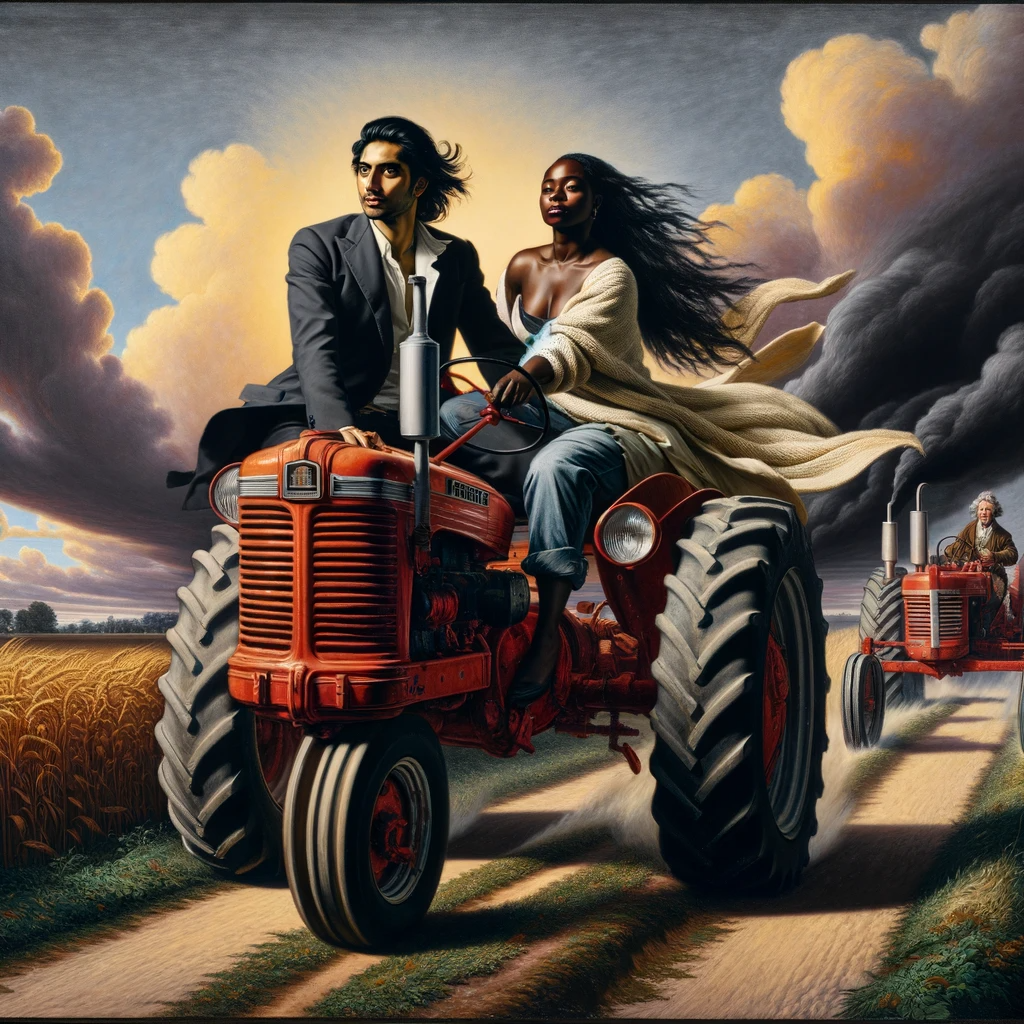
Conclusion
Conclusion:
- Vintage tractors symbolize a rich agricultural legacy and history.
- 3D printing revitalizes these machines by enabling the replication of rare parts.
- Community gatherings foster sharing of stories and techniques related to tractor restoration.
- This innovation promotes sustainability and challenges disposable culture.
- Restoration connects generations, reinforcing the importance of agricultural heritage.
- 3D printing reduces costs and waste, encouraging collaboration among local farmers.
- Empowering communities helps ensure the legacy of farming continues through meaningful action.

Conclusion
Other Resources

Other Resources
Here is a list of other resources you can review online to learn more:
- Force Motors
- Ursus
- Mercedes-Benz
- AgTrac
- Big Bud
- Custom
- Corbitt
- Wuzheng
- Sky Valley Stock and Antique Tractor Club
- Waterloo Farm Museum
- Thieman Harvester
- Fiat
- CLAAS
- GBT
- Ford
- Avery
- Suzue
- Limb
- Steiger
- Muskoka Pioneer Power
Use This Prompt To Get More Resources With Your Favorite Online AI Tool: Please provide me with a list of online articles with their URLs in a bulleted list that I can read regarding 3D Printing Revolution – Keeping Vintage Tractors Alive

Other Resources
Glossary Terms
3D Printing Revolution – Keeping Vintage Tractors Alive – Glossary Of Terms
1. Additive Manufacturing (3D Printing) — Process of building parts layer by layer from digital models, enabling on-demand replacement components for vintage tractors.
2. Fused Deposition Modeling (FDM) — Common filament-based 3D printing method where thermoplastic is extruded through a heated nozzle to form layers.
3. Stereolithography (SLA) — Resin-based 3D printing that cures liquid photopolymer with a light source for high-detail parts and fine surface finish.
4. Selective Laser Sintering (SLS) — Powder-bed process that fuses polymer or metal powder with a laser, producing durable, complex geometries without support structures.
5. Metal Additive Manufacturing — Techniques (e. g. , DMLS, SLM) that produce load-bearing metal parts, useful for restored engine or drivetrain components.
6. Filament — Thermoplastic material in spooled form (PLA, ABS, PETG, etc. ) used by FDM printers to create parts.
7. Photopolymer Resin — Liquid polymer cured by light in SLA printers; selected for detail, surface finish, or specific mechanical properties.
8. Powder (metal/polymer) — Granular feedstock used in powder-bed processes; particle size and composition affect part strength and finish.
9. Computer-Aided Design (CAD) — Software used to create or modify 3D digital models of parts for printing or reverse engineering.
10. STL (stereolithography) — Widely used file format that describes a part’s surface geometry as a mesh of triangles for 3D printing.
11. Slicer Software — Converts a 3D model into toolpaths (G-code), determining layer height, infill, supports, and print time.
12. G-code — Machine instructions generated by slicers that control printer movements, temperatures, and extrusion.
13. Support Structures — Temporary scaffolding printed to stabilize overhangs and complex geometries during manufacturing.
14. Infill — Internal fill pattern and density inside printed parts that balance strength, weight, and material use.
15. Layer Height — Thickness of each printed layer; smaller heights increase resolution and surface detail but lengthen print time.
16. Print Orientation — Positioning of a part on the build plate, which affects strength, surface quality, and need for supports.
17. Warping — Dimensional distortion caused by uneven cooling or shrinkage, especially in large or flat thermoplastic parts.
18. Layer Adhesion — Bonding between successive printed layers; critical for mechanical strength and fatigue resistance.
19. Dimensional Accuracy — Degree to which printed part dimensions match the CAD model; important for fitment of tractor components.
20. Tolerance — Permissible deviation in dimensions to ensure parts fit and function reliably with original hardware.
21. Reverse Engineering — Process of measuring and modeling an existing part (often obsolete) to create a printable digital replica.
22. 3D Scanning — Use of lasers, structured light, or contact probes to capture precise geometry of legacy parts for reproduction.
23. Photogrammetry — Technique using multiple photographs to reconstruct a 3D model, useful when scanning equipment is unavailable.
24. Metrology — Measurement science and tools (calipers, CMMs) used to verify printed parts meet required specifications.
25. Spare Part — Replacement component for a tractor; 3D printing enables local, low-volume production of rare or discontinued parts.
26. Digital Parts Repository — Online storage of CAD files and print settings for sharing, archiving, and reproducing tractor components.
27. Retrofit — Modification or upgrade of vintage tractors using new 3D-printed parts or adapters to restore functionality.
28. Materials Selection — Choosing polymers, metals, or composites based on required strength, wear resistance, heat tolerance, and cost.
29. Post-processing — Finishing steps after printing (support removal, sanding, coating, heat treatment) to achieve functional surfaces and tolerances.
30. Intellectual Property (IP) — Legal considerations (copyrights, patents, design rights) affecting reproduction and distribution of digitized tractor parts. Glossary Of Terms
Other Questions
3D Printing Revolution – Keeping Vintage Tractors Alive – Other Questions
If you wish to explore and discover more, consider looking for answers to these questions:
- What specific vintage tractor parts are most commonly reproduced with 3D printing?
- Which 3D printing technologies (FDM, SLA, SLS, DMLS) are best suited for different tractor components?
- What materials (PLA, PETG, ABS, nylon, carbon-fiber blends, metal) are appropriate for load-bearing or heat-exposed parts?
- Can 3D-printed parts safely replace critical components such as steering, brakes, or load-bearing axles?
- How do you test and validate a 3D-printed part before putting it into service on a tractor?
- How do you scan, reverse-engineer, or model an original part to create an accurate 3D-printable design?
- What CAD software and file formats are commonly used for tractor part designs?
- How much time does it typically take to design, print, and post-process a replacement part?
- What are the typical costs for printing a part in-house versus using a commercial 3D-printing service?
- How durable are 3D-printed parts compared with original OEM parts?
- Can metal parts be 3D printed economically, or is machining/casting still preferable for certain components?
- How do you ensure proper tolerances, thread fits, and mating surfaces when printing replacement parts?
- What methods exist for reinforcing printed parts (metal inserts, fiber reinforcement, heat treatments)?
- How resistant are printed materials to oil, fuel, solvents, UV exposure, and extreme temperatures?
- Are there legal or intellectual property issues when reproducing discontinued OEM parts?
- Will installing 3D-printed parts affect the historical authenticity or value of a restored tractor?
- Do museums, registries, or vintage tractor clubs accept or recommend 3D-reproduced components?
- Where can hobbyists and restorers find or share trusted CAD files and part libraries?
- What quality standards, certifications, or best practices should restorers follow for safety-critical parts?
- How do insurance, warranties, and liability change when using 3D-printed replacement parts?
- What community resources, forums, maker spaces, or local businesses can help with printing and fitting parts?
- Can 3D printing be used to improve or modernize original part designs for better performance or longevity?
- How do you finish, paint, and patina 3D-printed parts so they match vintage aesthetics?
- What are the most common failure modes for printed tractor parts and how can they be mitigated?
- How should digital designs and scan files be archived for future restorations and generational transfer?
- What training, tutorials, or courses are recommended for farmers and hobbyists new to 3D printing?
- How does using 3D printing for parts affect local supply chains and the economics of small farms?
- What environmental impacts result from 3D printing parts versus manufacturing or buying new replacements?
- How do you handle regulatory or safety inspections when a tractor has non-original 3D-printed components?

Other Questions
Haiku
3D Printing Revolution – Keeping Vintage Tractors Alive – A Haiku
Old tractors stand proud,
Stories of toil and grit told;
Future meets the past.

Haiku
Poem
3D Printing Revolution – Keeping Vintage Tractors Alive – A Poem
In quiet fields where engines hum no more,
Vintage tractors rest, their tales galore.
Monuments to labor, sweat, and care,
Each scratch a story, memories laid bare.
With 3D printing’s magic, hope is reborn,
Reviving parts lost, traditions are worn.
A grandfather’s tractor, once silent in rust,
Now breathes with life, its spirit a must.
In a world of waste, we save with intent,
Restoring the stories, our hearts represent.
Communities gather, knowledge is shared,
In a bond of passion, history declared.
From mechanics to makers, we forge with pride,
A narrative woven, where dreams coincide.
Each printed piece whispers of resilience,
A legacy thriving, our shared existence.
Trust in the echoes of engineers past,
As 3D realms bridge the future and past.
Together we cultivate roots strong and vast,
Honoring heritage, ensuring it lasts.
In the dance of gears, our hearts align,
With every revival, our histories shine.
Embrace the revolution, let farming thrive,
In the spirit of tractors, our stories survive.

Poem
Checklist
3D Printing Revolution – Keeping Vintage Tractors Alive – A Checklist
Emotional Appeals
✅______ Reflect on personal connections to vintage tractors and their historical significance.
✅______ Share stories capturing the sentimental value of these machines within family or community.
Rational Appeals
✅______ Evaluate the cost-effectiveness of 3D printing compared to sourcing rare parts.
✅______ Consider the efficiency of on-site 3D printing for immediate repairs, reducing downtime.
Ethical Appeals
✅______ Acknowledge the sustainability of using 3D printing to reduce waste in manufacturing.
✅______ Promote the importance of preserving agricultural heritage through restoration efforts.
Authority Appeals
✅______ Research reputable providers of 3D-printed tractor parts to ensure reliability and quality.
✅______ Stay informed about advancements in 3D printing technology and its applicability to vintage machinery.
Narrative Appeals
✅______ Engage with local restoration stories to foster a sense of community and shared heritage.
✅______ Create a personal or collective scrapbook documenting restoration journeys of vintage tractors.
Social Appeals
✅______ Join or form groups of enthusiasts to exchange knowledge and techniques related to 3D printing and restoration.
✅______ Attend community events celebrating vintage tractors to promote awareness and connection among enthusiasts.
Action Steps
✅______ Create a profile of your vintage tractor’s history to understand its restoration needs.
✅______ Explore 3D printing options for specific parts required for your restoration project.
✅______ Plan community gatherings focused on sharing restoration tips and 3D printing experiences.

Checklist
At ClassicTractorNews, we help tractor lovers keep up with the latest news for classic and vintage tractors.
Please share this post with your friends, family, or business associates who may like old classic or vintage tractors.