

Revolutionize Your Projects With Reliable 3D Printed Precision Parts
By Tom Seest
At ClassicTractorNews, we help tractor lovers keep up with the latest news for classic and vintage tractors.
Please share this post with your friends, family, or business associates who may like old classic or vintage tractors.
3D Printed Bushings, Gears, and Knobs That Actually Work
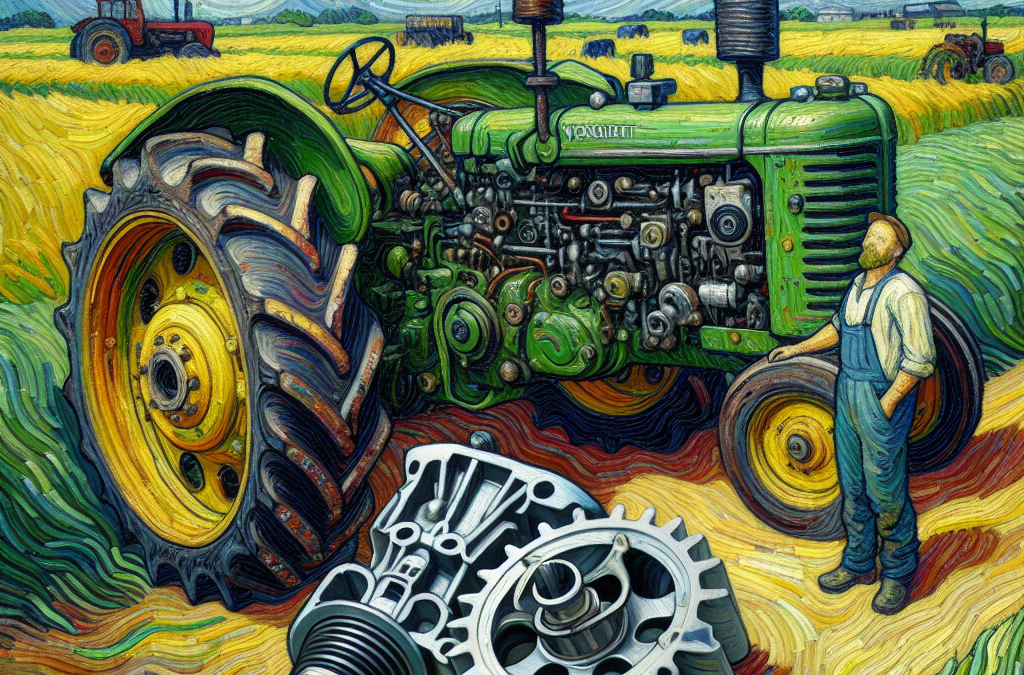
3D printed bushings, gears, and knobs represent not just a technological advancement but a profound connection to our collective ingenuity. Imagine a farmer, weary from the daily grind on his tractor, staring at an outdated machine that could use a bit of love. He knows it inside and out, just like life on the land he tends. When a critical part breaks—a bushing or a gear, perhaps—every minute spent searching for a replacement can feel like an eternity. But with 3D printing, that farmer can take the reins of his own destiny.
Picture this: He downloads a file online, tweaks it for the specific requirements of his machine, and watches as a 3D printer whirs to life. That moment is an affirmation of modern craftsmanship, reflecting his resolve not to abandon the tractor he’s poured sweat into for years. This isn’t just about fixing a piece of equipment; it’s about restoring hope, control, and a sense of belonging to something greater than himself. It’s about understanding that innovation can align with tradition.
The process of creating these 3D printed parts is not just the act of fabrication; it’s a rich narrative woven from necessity, creativity, and resilience. Take a moment to reflect on where we started, back when a broken gear meant a trip to the store, or worse, waiting weeks for a replacement that may not even fit. The shift to 3D printing represents a societal transformation, where individuals are empowered to take action and customize solutions tailored to their precise needs. It captures the very essence of self-sufficiency—an ethic we all can respect.
This technology is the embodiment of resourcefulness, an echo of our forebears who fashioned what they needed from whatever materials they had at hand. It is an invitation to stand up and take action, to reclaim our ability to fix things ourselves rather than relying solely on the market. The community is evolving into a network of creators, each sharing designs and modifications, fostering a culture of collaboration where expertise is valued, and wisdom is passed down.
In a world where everything feels disposable, the ability to produce reliable, functional parts that can breathe new life into old machines doesn’t just inspire trust—it builds a community of innovators connected by shared experiences and common goals. Whether it’s a knob that fits just right or a gear that gears back into action, 3D printing helps us reclaim our craftsmanship, nurturing the notion that with a little determination, we can fix what’s broken and keep our stories alive.
3D Printed Bushings, Gears, and Knobs That Actually Work
3D Printed Bushings, Gears, and Knobs That Actually Work
- 3D printed parts like bushings, gears, and knobs symbolize a technological leap and human ingenuity.
- A farmer can now take control of machinery repairs by using 3D printing instead of relying on time-consuming replacements.
- 3D printing allows customization of parts, restoring hope and ownership over one’s equipment.
- The shift to 3D printing enhances self-sufficiency, enabling tailored solutions to specific needs.
- This technology promotes resourcefulness, echoing traditional practices of crafting needed items from available materials.
- A growing community of creators shares designs, fostering collaboration and knowledge sharing.
- The ability to produce functional parts helps revive old machines, inspiring trust and a sense of shared purpose among innovators.
3D Printed Bushings, Gears, and Knobs That Actually Work
Table Of Contents
- 3D Printed Bushings, Gears, and Knobs That Actually Work
- What Do You Feel When Your Project Fails Due to Unreliable Parts?
- How Can Reliable 3D Printed Components Enhance Your Creativity?
- What Ethical Considerations Arise When Using 3D Printed Materials?
- How Do Successful Projects Impact Your Confidence In Your Skills?
- Can the Right Bushing Or Gear Revolutionize Your Workflow?
- How Does the Durability Of 3D Printed Gears Affect Long-Term Projects?
- Conclusion
- Other Resources
- Glossary Of Terms
- Other Questions
- Haiku
- Poem
- Checklist
What Do You Feel When Your Project Fails Due to Unreliable Parts?
There’s a moment in every project, perhaps after months of planning and sweat, when you look at your creation—maybe it’s a rugged tractor, designed to plow through the toughest fields, or a sleek piece of machinery that should have revolutionized your workday. You’re filled with pride, but it’s a pride that quickly crumbles. You flip the switch, the engine sputters, then nothing. In that instant, it’s not just a machine that’s failed; it’s the heart of your effort, the dedication to doing the job right, that feels the sting of disappointment.
When unreliable parts shatter your dreams, you feel it in your gut. It’s a kind of betrayal, one that strikes at the very core of your commitment. The unshakable truth is that every piece matters—each bolt and gear tells a story of dedication and hope. This isn’t just about a tractor that won’t start; it’s about the hours spent wrestling with blueprints, the late nights fueled by coffee and countless cups of ambition. It’s personal.
Rationally, you might tell yourself it’s just a setback. But emotionally, it feels like a loss. The cost of these failures isn’t merely financial; it’s measured in time, effort, and the belief you had in your work. As you sit there, confronting the mechanics of your disappointment, you realize that these unreliable parts have become symbols of larger struggles—trust in the suppliers, faith in the brands that promised quality. Each failure is a reminder of the vulnerabilities we face when we strive for excellence.
And ethically, it raises questions. Shouldn’t companies be accountable for the products they produce? Why should we, the craftsmen and laborers, bear the brunt of their shortcomings? We deserve to work with the best, and it’s only fair that we receive support when things go awry.
In sharing these struggles, we connect. Each of us has felt that pang of frustration when faced with unreliability, whether in a tractor or in life’s intricate cogs. What if we forged a community where we share not just our triumphs, but the lessons learned from failure? Let’s be the ones who lift each other up, who refuse to let less-than-reliable parts dictate our value or our success.
This journey, riddled with setbacks, is a tapestry of resilience. When your project fails, remind yourself—the heart of the machine beats on; it’s up to us to keep it running strong.
What Do You Feel When Your Project Fails Due to Unreliable Parts?
What Do You Feel When Your Project Fails Due to Unreliable Parts?
- Moment of pride quickly turns into disappointment when a project fails to function.
- Unreliable parts symbolize betrayal and impact emotional investment in the project.
- Every component reflects dedication, effort, and personal stakes in the creation.
- Failures encompass more than financial loss; they represent time, effort, and trust issues.
- Ethical concerns arise regarding accountability of companies for product quality.
- Sharing struggles fosters community and support among craftsmen facing similar issues.
- The journey is characterized by resilience, encouraging persistence despite setbacks.
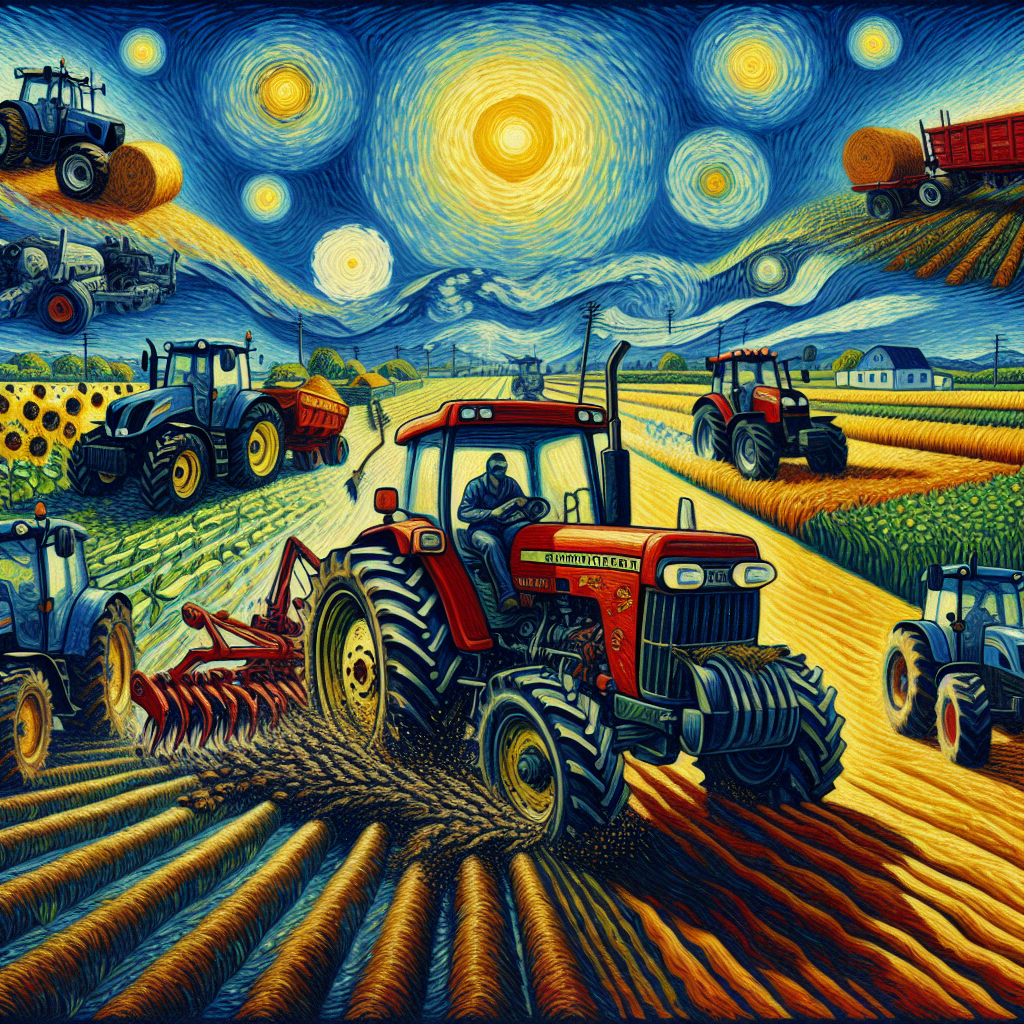
What Do You Feel When Your Project Fails Due to Unreliable Parts?
How Can Reliable 3D Printed Components Enhance Your Creativity?
Reliable 3D printed components can be the unsung heroes of creativity, transforming abstract ideas into tangible realities. Imagine standing in your workshop, surrounded by materials, tools, and that undeniable itch to create. There’s something about that moment when an idea strikes – a notion to build, innovate, or reinvent. You want to take a leap, but without reliable components, that leap can feel more like a trip. Here’s where the magic of 3D printing plays its role.
Think of a tractor—an embodiment of labor and creativity rolled into one. It’s not just a machine; it’s a catalyst for innovation in farming, construction, and more. Now, picture a 3D printed component designed to enhance that tractor’s efficiency or customize it for a specific task. What was once a laborious retrofit can now be achieved with a simple print. This capability frees your mind from the shackles of traditional manufacturing limitations, allowing you to explore possibilities in your projects without the fear of failure or the uncertainty associated with unreliable materials.
From an emotional standpoint, there’s something profoundly empowering about knowing you can create parts that fit your vision perfectly. When you craft something that reflects your unique ideas, you forge a deeper connection with your work. Trust blooms in this process; you begin to believe that your creative vision isn’t just possible—it’s achievable. You’re not waiting for the right piece to come from some distant supplier; you’re creating it yourself, welding technology to imagination.
Rationally speaking, relying on 3D printed components means you can iterate quickly. You design, print, test, and refine without the long waits or high costs traditionally associated with prototyping. Each iteration enhances not just the product but also your skills and confidence, growing your capabilities as a creator.
Ethically, this democratization of production adds a layer of transparency to creativity. You can source materials responsibly and inspire others to embrace this innovative approach. There’s a camaraderie that builds among those who understand the value of crafting their components, fostering a community based on creativity and collaboration.
So next time you’re eyeing that tractor for a project, consider not just what you can build but how reliable 3D printed components can reshape your creative landscape. With every layer you print, you’re not just creating; you’re participating in a new narrative of creativity—one where your imagination knows no bounds. Embrace it; the only limits are the ones you place on yourself.
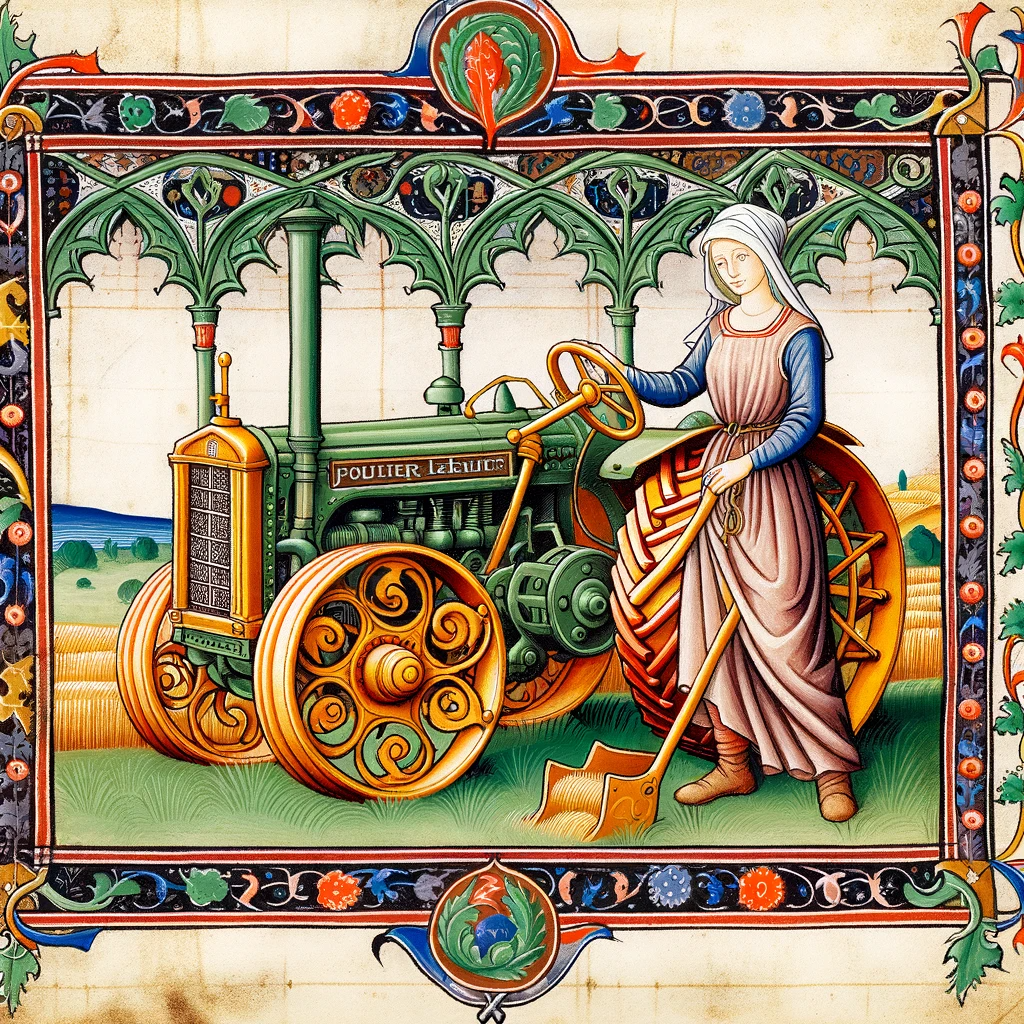
How Can Reliable 3D Printed Components Enhance Your Creativity?
How Can Reliable 3D Printed Components Enhance Your Creativity?
- Reliable 3D printed components transform abstract ideas into tangible realities.
- 3D printing eliminates traditional manufacturing limitations, enabling innovative customizations.
- Creating parts that fit personal visions enhances emotional connection and trust in the creative process.
- Fast iteration through design, print, test, and refine cycles increases skills and confidence.
- The democratization of production fosters transparency and responsible material sourcing.
- Community collaboration emerges among creators valuing self-made components.
- Engaging with 3D printing reshapes the creative landscape, emphasizing limitless imagination.
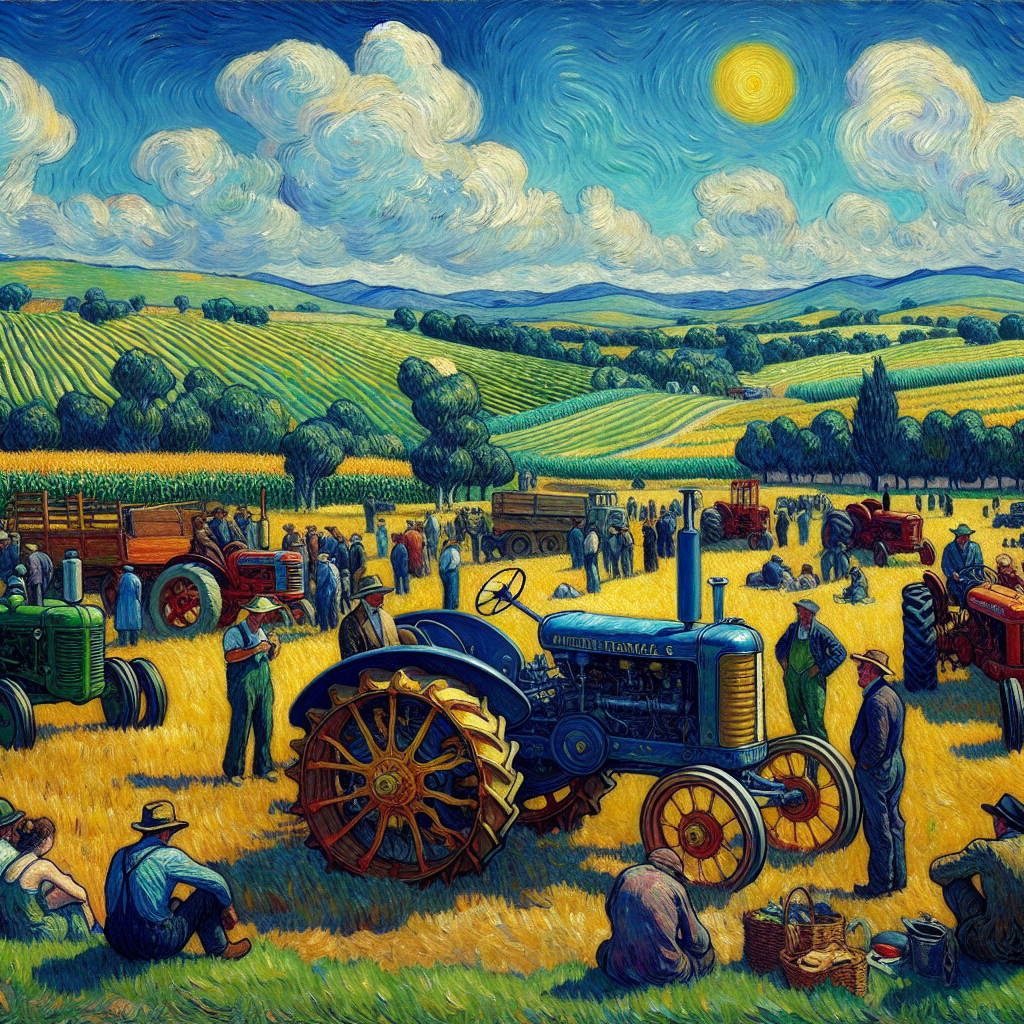
How Can Reliable 3D Printed Components Enhance Your Creativity?
What Ethical Considerations Arise When Using 3D Printed Materials?
3D printing is revolutionizing everything from medical devices to everyday household items. But with great technological advancements come great ethical responsibilities. Consider the humble tractor, a quintessential symbol of hard work and innovation in agriculture. This vehicle was once a marvel of engineering—constructed with care, precision, and respect for the materials involved. Now, imagine if a farmer decided to 3D print key parts of that tractor, using a blend of recycled plastics. On one hand, it looks like a stroke of genius; on the other, it opens up a floodgate of ethical dilemmas.
At the heart of this technology lies a critical question: who owns the rights to these 3D printed materials? The allure of creating something from scratch can be quite seductive, but we must remember that many designs rooted in tradition and craftsmanship carry the weight of cultural heritage. If anyone can simply replicate a vintage tractor part, what happens to the small businesses that rely on skilled craftsmanship? Life isn’t just about efficiency; it’s about connection to our history, to our roots, and yes, to the local economies that sustain us.
Moreover, consider the environmental impact. The idea of reducing waste through 3D printing is attractive, but it’s essential to evaluate the lifecycle of 3D printed materials. Are we just trading one form of waste for another? The factory that produces the filament employs resources, generates emissions, and often neglects local ecosystems in the process. While 3D printing has the potential to reduce some waste, it is crucial to weigh those benefits against the environmental costs of production.
The ethical dilemma extends further when discussing safety. Can we trust that a 3D printed part will withstand the demands of daily use like the rigorously tested components created by established manufacturers? We’ve all heard stories of DIY projects gone awry, and the last thing we want is for a poorly engineered part—be it a tractor component or a medical device—to fail spectacularly when lives are on the line.
In navigating these ethical waters, the call to action is clear: engage, educate, and empower. Communities must discuss and strategize, leveraging expert voices and integrating consumer advocacy. When it comes to 3D printing, let’s not just chase innovation for its own sake; let’s embrace it responsibly, ensuring that while we build the future, we don’t trample on the values that ground us.
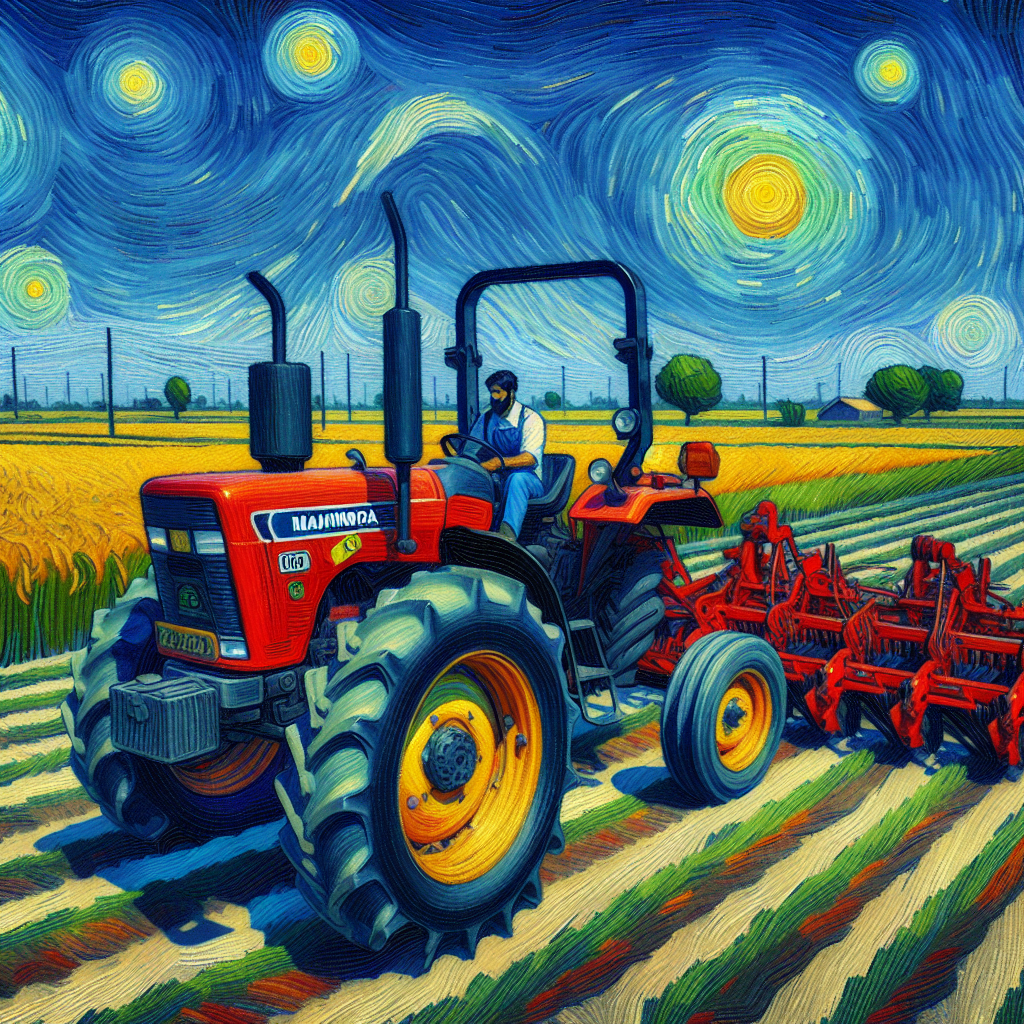
What Ethical Considerations Arise When Using 3D Printed Materials?
What Ethical Considerations Arise When Using 3D Printed Materials?
- 3D printing is transforming various industries, including medical devices and household items, but raises ethical concerns.
- The potential use of recycled plastics in 3D printing tractor parts poses questions about ownership of designs and cultural heritage.
- Small businesses relying on skilled craftsmanship may be threatened by the ability to easily replicate vintage components.
- While 3D printing can reduce waste, the environmental impact of filament production and its lifecycle needs careful evaluation.
- Safety concerns arise regarding the reliability of 3D printed parts compared to tested components from established manufacturers.
- Engagement, education, and empowerment of communities are crucial for addressing ethical dilemmas associated with 3D printing.
- The pursuit of innovation in 3D printing should be balanced with respect for historical values and local economies.

What Ethical Considerations Arise When Using 3D Printed Materials?
How Do Successful Projects Impact Your Confidence In Your Skills?
Successful projects can be transformative, especially when it comes to bolstering our confidence in our skills. Think of it like driving a tractor across a vast field. At first, it might feel intimidating, surrounded by endless possibilities while navigating unchartered terrain. You’re behind the wheel, your hands gripping the controls, uncertain of what lies ahead. But with each row you till, you witness progress—the thrill of turning potential into reality.
Just like that tractor methodically creating lines in the earth, successful projects lay down a foundation of trust in your capabilities. Each completed task, whether big or small, serves as a testament to your diligence and creativity. The initial fear of failure dissolves as you begin to see results. You realize that there’s an inherent rhythm to problem-solving, much like the steady hum of the engine beneath you. It’s about embracing the bumps in the road and understanding that they’re part of the journey.
Rationally, this surge in confidence can be attributed to the tangible proof of your abilities. When you witness the fruits of your labor—be it a completed construction, a well-executed event, or a successful business idea—it reinforces the idea that you can indeed see projects through to fruition. Emotionally, these victories resonate deeply. They nurture a sense of pride that fuels your motivation for future endeavors. Just as a farmer nurtures the land, your dedication and effort cultivate skills that yield personal growth.
Ethically, there’s a profound responsibility in recognizing that your work doesn’t just impact you; it affects those around you. When you complete a project, you inspire others. That’s the crux of community—one person’s success can empower many. Your achievements become a shared narrative, a reminder that progress is rarely a solo journey. Each time you push your limits and come out stronger, you create ripples that encourage peers to step out of their comfort zones.
Finally, the authority you gain from your successful projects reshapes how you perceive future challenges. You become that dependable neighbor with the sturdy tractor, ready to lend a hand when someone needs to break new ground. Your story intertwines with those around you, and before long, you aren’t just driving your own tractor; you’re part of a collective effort that transforms fields into thriving landscapes of opportunity. Confidence isn’t just about believing in your skills; it’s about sharing that belief and cultivating a community grounded in success.
How Do Successful Projects Impact Your Confidence In Your Skills?
How Do Successful Projects Impact Your Confidence In Your Skills?
- Successful projects enhance confidence in skills, likened to driving a tractor through uncharted terrain.
- Progress is achieved through each completed task, building a foundation of trust in one’s capabilities.
- Initial fear of failure diminishes as tangible results are witnessed, establishing a rhythm in problem-solving.
- Victories nurture pride and motivate future endeavors, contributing to personal growth and skill cultivation.
- Completion of projects inspires others, highlighting the communal aspect of success and shared narratives.
- Authority gained from successful projects reshapes perceptions of future challenges, fostering a sense of reliability.
- Confidence is tied to both personal belief in skills and the encouragement of a supportive community.
How Do Successful Projects Impact Your Confidence In Your Skills?
Can the Right Bushing Or Gear Revolutionize Your Workflow?
Can the Right Bushing or Gear Revolutionize Your Workflow?
Imagine your day-to-day tasks as a tractor plowing through a field, tackling the furrows of your workload. Each piece of machinery has its purpose, but at the heart of it all, there lies one often-overlooked component—the bushing. It may seem small and inconspicuous, but just like the humble bushing, the right gear can be a game changer.
Many of us develop a certain comfort with the tools we’ve used for years. We’re all about tradition, and there’s a certain loyalty that grows as we repeatedly push our limits with familiar gear. However, the true power of revolutionizing a workflow often lies in being open to change. Picture an old, rusty tractor trying to compete with a sleek new model. The former will keep plodding along, but the latter, equipped with the latest technology and design improvements, can cover more ground in less time.
In my own experience, I once struggled with a piece of equipment that had a wheel worn down by use. As mundane as it sounds, replacing that wheel with a high-quality gear made an astonishing difference. It wasn’t just about efficiency; it was about re-igniting my passion for the work. Suddenly, a task that felt burdensome transformed into something exhilarating. Find that one piece, that right bushing or gear, and you uncover the potential to rekindle your drive, minimize frustration, and enhance productivity.
Yet, it’s not just a mechanical upgrade. It’s about the ethics of investing in quality. Choosing superior tools displays a commitment to your craft, a respect for the work you put into each project. When your equipment performs seamlessly, it allows you to focus on what truly matters—creating, innovating, and delivering excellence.
Let’s talk social appeal. Ever notice how conversations spark over a shared struggle? When folks gather to commiserate about worn-down gear, there’s a connection that builds camaraderie. The moment you invest in the right tool, you’re not just investing in your efficiency; you’re joining a tribe—one that values quality and takes pride in their work.
In this fast-paced world, ask yourself: what’s holding you back? Sometimes it’s as simple as a small part. The right bushing or gear doesn’t just reform your workflow; it reinvigorates your passion, solidifies your commitment, and builds bonds within your community. So take that leap, make the change, and transform your daily grind into a journey worth celebrating.

Can the Right Bushing Or Gear Revolutionize Your Workflow?
Can the Right Bushing Or Gear Revolutionize Your Workflow?
- The bushing, often overlooked, is crucial for enhancing workflow.
- Comfort with traditional tools can hinder innovation and efficiency.
- Upgrading to modern equipment can significantly improve productivity.
- Investing in quality tools reignites passion for work and minimizes frustration.
- Choosing superior equipment reflects commitment to craftsmanship and excellence.
- Shared experiences with equipment struggles foster community and camaraderie.
- The right tools can transform mundane tasks into rewarding journeys.
Can the Right Bushing Or Gear Revolutionize Your Workflow?
How Does the Durability Of 3D Printed Gears Affect Long-Term Projects?
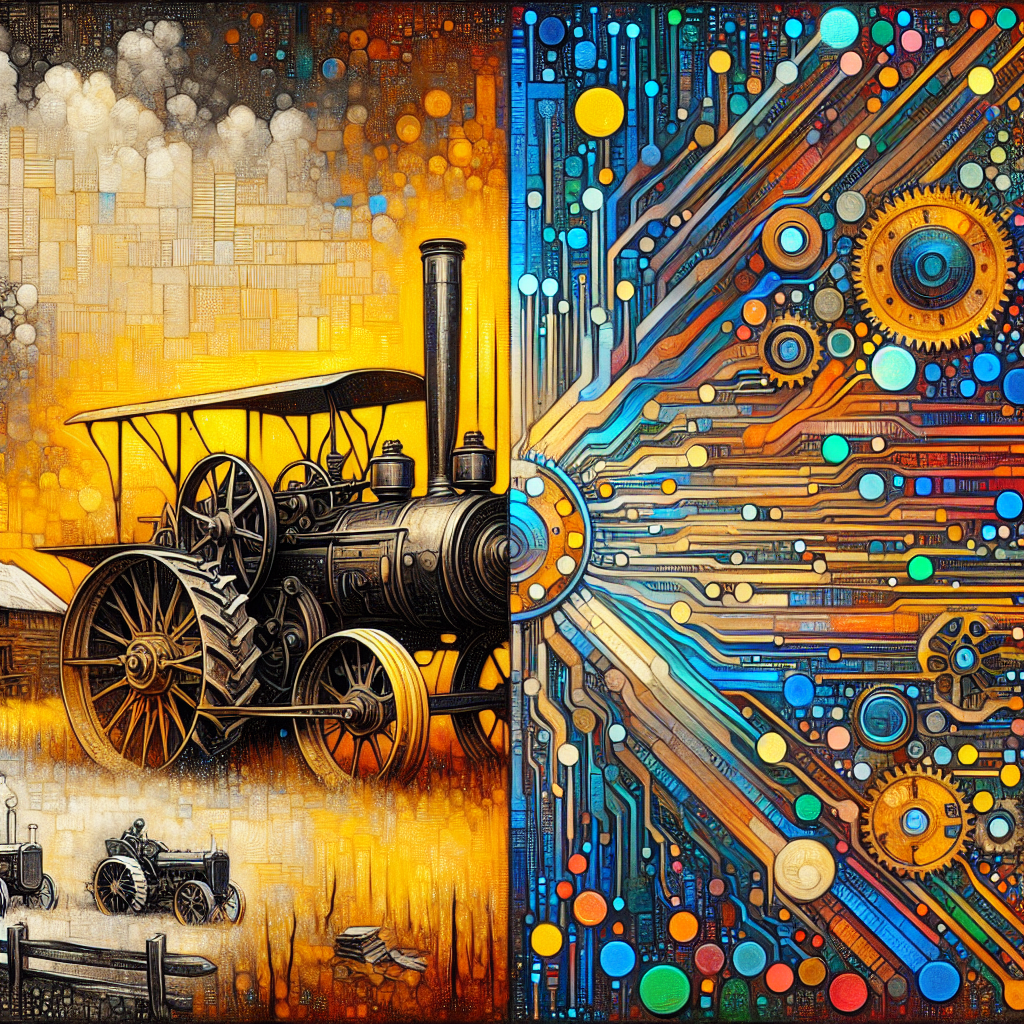
In the world of long-term projects, the durability of 3D printed gears is not just a technical specification; it’s a lifeline, a promise kept between man and machine. Imagine standing in a dusty workshop, the whir of machines competes with the creaking floorboards beneath you. You glance at a trusty tractor, the embodiment of hard work and grit, its gears a testament to countless hours in the field. Now, picture those gears crafted from 3D printing. They represent a leap forward, yet they also carry the weight of responsibility—for every farmer, engineer, and DIY enthusiast relying on them.
The emotional connection we have with our tools runs deep. When you invest time and resources into a long-term project—be it a farm operation, a small business, or a hobby—you’re not just putting together components; you’re building a future. The gears, printed from materials that might bend under pressure or deteriorate over time, can be the difference between success and failure. It’s about trust. You want equipment that stands up to the rigors of daily use, especially when the sun rises over the fields, and every moment counts.
Rationally, we must ask: how do these gears hold up under stress? Anecdotes from the field highlight both successes and failures. A small-scale farmer in the Midwest shared how he switched to 3D printed gears for his tractor, initially skeptical about their longevity. Yet, those gears lasted through a grueling planting season, surprising him with their resilience. This isn’t just a story of innovation; it’s proof that embracing new technology can yield results that traditional methods might overlook.
Ethically, there’s a broader conversation at play about sustainability. In an age where manufacturers churn out disposable parts like it’s a race, 3D printing offers a more thoughtful approach. It encourages us to create components tailored to our specific needs rather than settling for generic substitutes. Every time we choose quality over quantity, we contribute to a culture of ingenuity and responsibility.
Ultimately, the impact of using durable 3D printed gears transcends individual projects; it strengthens communities. Every successful tractor out there, efficiently operating thanks to these innovations, inspires neighbors to think differently about how they equip their own endeavors. It’s not just about gears; it’s about the ethos of craftsmanship, the shared belief that with the right tools, we can tackle any challenge head-on. The message is clear: durable 3D printed gears don’t merely support machinery; they propel dreams forward, one revolution at a time.
How Does the Durability Of 3D Printed Gears Affect Long-Term Projects?
How Does the Durability Of 3D Printed Gears Affect Long-Term Projects?
- Durability of 3D printed gears is crucial for long-term projects, bridging man and machine.
- Emotional connections with tools influence investment in projects like farming, businesses, and hobbies.
- Trust in equipment is essential; gears must endure daily use and pressure.
- Anecdotal evidence from farmers shows 3D printed gears can outperform traditional counterparts.
- 3D printing fosters sustainability by producing tailored components instead of generic parts.
- Durable gears positively impact communities, encouraging innovative approaches to equipment.
- 3D printed gears symbolize craftsmanship and the belief in overcoming challenges with the right tools.
How Does the Durability Of 3D Printed Gears Affect Long-Term Projects?
Conclusion
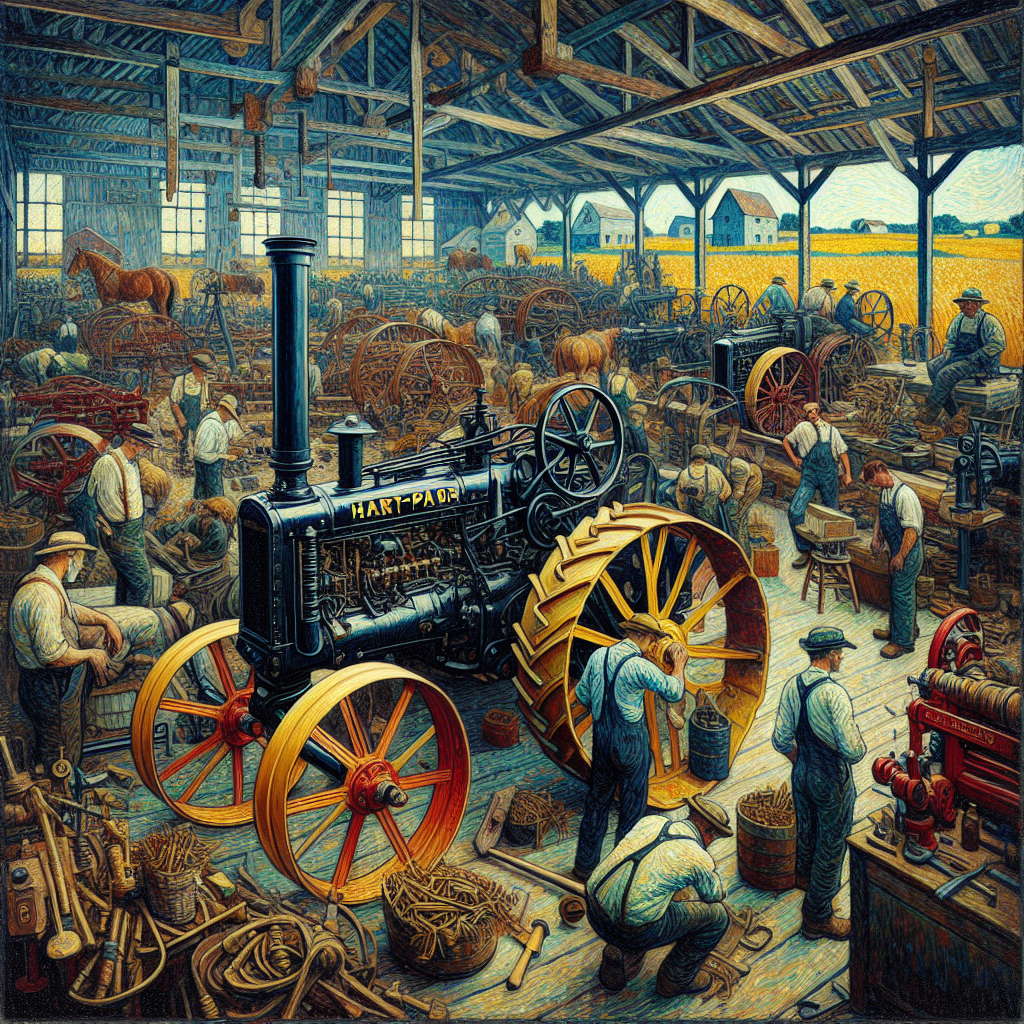
3D printed bushings, gears, and knobs are more than just components; they embody the spirit of innovation and the collective resilience of those who toil with their hands. Picture the farmer, battling wear and tear on an old tractor, heart heavy with the burden of machinery that no longer serves him. In moments of breakdown, every second spent searching for replacements can feel like a lifetime. Yet, with 3D printing at his fingertips, he becomes the architect of his own restoration. Downloading a design, customizing it for his needs, and watching as the printer creates what was once a source of frustration is not just a practical solution—it’s an act of reclaiming autonomy and faith in his work.
The shift to 3D printing transcends mere repair; it fosters a narrative of creation steeped in necessity, creativity, and community. Gone are the days of waiting for ill-fitting parts from distant suppliers. Now, individuals can take the initiative, crafting components that are tailored to their precise requirements. This shift signals a cultural renaissance of self-sufficiency, echoing the resourcefulness of those before us who made do with what they had. In this evolving landscape, a culture of collaboration flourishes, where shared designs and knowledge build a network of creators, united by challenges and successes.
Failures, too, play a role in shaping this journey. When unreliability punctures dreams, it brings forth not only frustration but also a call to unity among creators. Every failed project serves as a reminder of the vulnerabilities we face, and the need for quality and accountability from suppliers. As we gather to share not only our triumphs but also our learning from adversity, we build a resilient community that lifts one another up.
3D printing offers more than simple fixes; it’s a conduit for unleashing creativity. Each reliable part crafted empowers the creator, turning abstract ideas into tangible realities. This journey is not only about individual achievement; it’s about fostering a shared experience that elevates us all. When talking about ethics in 3D printing, we must ponder the responsibilities tied to the materials and designs we employ, ensuring that we don’t sacrifice quality for convenience.
In the end, the story of 3D printed components is woven through the hearts of those who refuse to let obstacles deter their passion. They embody a spirit of craftsmanship that inspires a future built on innovation, collaboration, and community. Trust in these innovations fosters confidence, propelling dreams forward—one 3D printed layer at a time.
Conclusion
Conclusion:
- 3D printed components symbolize innovation and the resilience of hands-on workers.
- Farmers can now create custom replacements for broken machinery, reclaiming autonomy.
- The shift to 3D printing encourages self-sufficiency and creativity, moving away from reliance on distant suppliers.
- A culture of collaboration emerges, with shared designs and knowledge uniting creators.
- Failures in projects highlight the need for quality and accountability among suppliers.
- 3D printing enables creativity, turning ideas into tangible solutions, fostering community experiences.
- The journey of 3D printing is rooted in craftsmanship, inspiring future innovation and trust in the process.

Conclusion
Other Resources
Other Resources
Here is a list of other resources you can review online to learn more:
- Acremaster
- SAME Tractors
- Sky Valley Stock and Antique Tractor Club
- Parrett
- Rock Island
- Legacy of the Plains Museum
- Interstate Tractor
- JCB
- McKee
- M-R-S
- FARMSHOW Magazine
- Antique Tractor Club
- ATC
- Mahindra Gujarat
- Skoda-LIAZ
- Cecil County Farm Museum
- TAFE
Use This Prompt To Get More Resources With Your Favorite Online AI Tool: Please provide me with a list of online articles with their URLs in a bulleted list that I can read regarding 3D Printed Bushings, Gears, and Knobs That Actually Work

Other Resources
Glossary Terms
3D Printed Bushings, Gears, and Knobs That Actually Work – Glossary Of Terms
1. Bushing — A cylindrical sleeve that supports and aligns a rotating shaft while providing a sliding contact surface to reduce wear and vibration.
2. Flanged bushing — A bushing with an integrated flange that provides axial positioning and a larger bearing surface to prevent axial movement.
3. Sleeve bearing — A plain bearing made from a continuous sleeve of material that permits rotation by sliding contact rather than rolling elements.
4. Thrust bushing — A bearing designed to take axial loads, often a flat or flanged surface that resists endwise movement.
5. Spur gear — A gear with straight teeth parallel to the shaft; simple to design and print for low-speed, inline drives.
6. Helical gear — A gear with angled teeth that engage gradually for smoother, quieter operation and higher load capacity.
7. Worm gear — A screw-like gear that meshes with a wheel; provides high reduction ratios and self-locking in some configurations.
8. Module (gear module) — The standard metric measure of tooth size (pitch diameter divided by number of teeth) used to specify gear proportions and compatibility.
9. Pitch diameter — The diameter of the imaginary pitch circle where mating gears effectively engage; central to calculating gear ratios.
10. Pressure angle — The angle that defines the tooth profile’s force direction during engagement; common values are 20° and 14. 5°.
11. Backlash — The clearance between mating gear teeth or between a shaft and bore; necessary for free movement but must be minimized for precision.
12. Gear ratio — The ratio of input to output rotational speeds determined by the relative tooth counts or diameters of mating gears.
13. Helix angle — The angle of helical gear teeth relative to the gear axis; influences axial thrust and load distribution.
14. Interference fit — A tight fit where the shaft is slightly larger than the bore, creating a press fit that prevents relative motion without adhesives.
15. Clearance fit (slip fit) — A fit that leaves intentional space between parts to allow free movement or easy assembly.
16. Tolerance — The allowable dimensional variation from nominal, critical for achieving reliable fits between printed parts.
17. Print orientation — The part’s alignment on the print bed, which affects strength, surface finish, dimensional accuracy, and required supports.
18. Layer height — Vertical thickness of each printed layer; finer heights increase detail and surface smoothness but lengthen print time.
19. Infill density — The internal fill percentage that balances strength, weight, and material usage for mechanical parts like gears and bushings.
20. Perimeters (walls/shells) — Outer printed walls that define part surfaces and contribute significantly to strength and wear resistance.
21. PLA — A common, easy-to-print thermoplastic with good dimensional stability but limited heat and wear resistance for bearing surfaces.
22. PETG — A tougher, more temperature- and impact-resistant filament than PLA, offering improved durability and layer adhesion.
23. Nylon (PA) — A strong, abrasion-resistant, and somewhat flexible engineering filament that performs well for functional bushings and gears but absorbs moisture.
24. Composite filaments — Filaments reinforced with carbon, glass, or aramid fibers that raise stiffness, wear resistance, and dimensional stability for load-bearing parts.
25. TPU — A flexible, elastomeric filament used for compliant knobs, seals, or vibration-damping bushings where elasticity is required.
26. Annealing — Post-print heat treatment that can relieve internal stresses and crystallize certain polymers, improving strength and thermal resistance.
27. Heat-set insert — A metal threaded insert installed into a warm or melted plastic hole to provide durable, machined threads for knobs and assemblies.
28. Reaming/boring — Post-print machining or scraping of printed bores to achieve accurate diameters and smoother sliding surfaces.
29. Surface finish — The external texture achieved through print settings and post-processing (sanding, solvent smoothing, coatings) that affects friction and wear.
30. Coefficient of friction — A material pair property that quantifies sliding resistance; low coefficients are desired for long-lived bushings and gear contacts. Glossary Of Terms
Other Questions
3D Printed Bushings, Gears, and Knobs That Actually Work – Other Questions
If you wish to explore and discover more, consider looking for answers to these questions:
- What materials are best for 3D printed bushings, gears, and knobs intended for heavy use?
- How do different filaments (PLA, PETG, Nylon, ABS, PC, composites) compare in strength and wear resistance?
- Which 3D printing technology (FDM, SLA, SLS) is most suitable for functional mechanical parts?
- How do print orientation and layer height affect the mechanical properties of gears and bushings?
- What infill percentage and pattern should I use for load-bearing components?
- How do I design tolerances and interference fits for bushings and knobs to ensure proper fit?
- How accurate are 3D printed gears in maintaining correct tooth profiles and backlash?
- When should I use metal inserts, threaded inserts, or heat-set inserts in printed parts?
- How can I test the load capacity and fatigue life of a 3D printed gear or bushing?
- What post-processing steps (annealing, smoothing, sealing) improve durability and performance?
- How does environmental exposure (UV, heat, moisture, chemicals) affect printed components over time?
- Can recycled or blended filaments be used safely for critical parts, and what are the trade-offs?
- What are best practices for lubricating 3D printed gears and bushings?
- How do I reverse-engineer or scan a broken part for accurate 3D printing replacement?
- Where can I find reliable CAD models and open-source designs for common bushings and gears?
- How do intellectual property and licensing considerations affect sharing and using designs?
- What standards or certifications (if any) exist for 3D printed mechanical parts?
- How do production costs and lead times for 3D printed parts compare with OEM replacements?
- What safety and liability concerns should be considered when replacing OEM parts with printed ones?
- How long can I reasonably expect a 3D printed gear or bushing to last under typical operating conditions?
- What design strategies increase wear resistance and reduce risk of catastrophic failure?
- How should I choose print settings for heat-resistant or high-load applications?
- Which filament suppliers and material certifications are most trustworthy for critical projects?
- How do I troubleshoot common print failures that compromise part strength (delamination, poor layer adhesion)?
- Can composite filaments (carbon-fiber, glass-filled) significantly improve part performance, and what are the printer requirements?
- How do I validate a printed part before installing it in a machine or vehicle?
- What maintenance schedule is recommended for machines using printed replacement parts?
- How can communities and makers collaborate on testing and improving printed mechanical designs?
- What are the environmental impacts of 3D printing parts compared to buying new OEM components?
- How scalable is 3D printing for producing multiple replacements—at what volume does traditional manufacturing become preferable?
- Which measurements and tools are required to ensure a printed part matches the original specifications?
- How to design for ease of assembly and disassembly when printing replacement parts?
- What are common failure modes for printed gears and bushings, and how can they be mitigated in design?
- Are there recommended open-source testing protocols or community benchmarks for functional printed parts?
Other Questions
Haiku
3D Printed Bushings, Gears, and Knobs That Actually Work – A Haiku
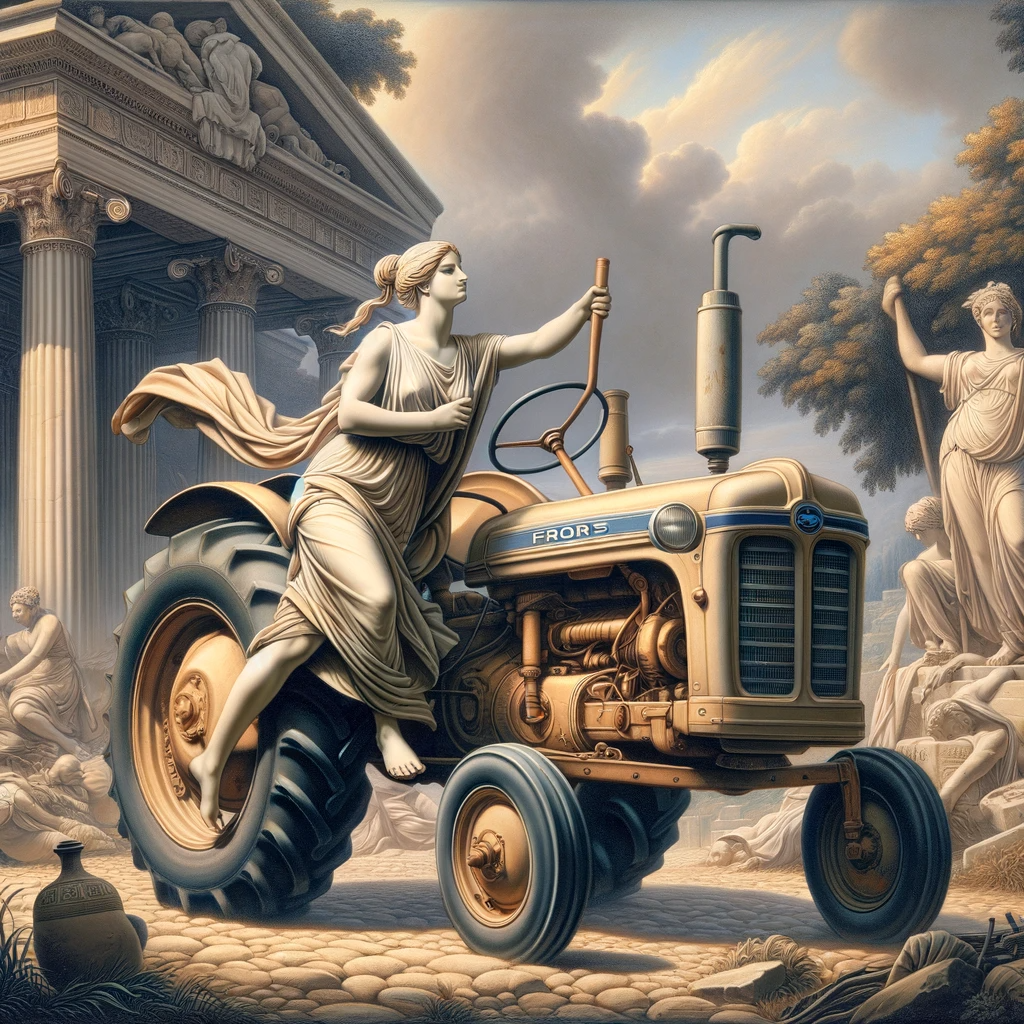
Gears, knobs, they unite,
Crafting futures from our hands;
Hope thrives in each print.
Haiku
Poem
3D Printed Bushings, Gears, and Knobs That Actually Work – A Poem
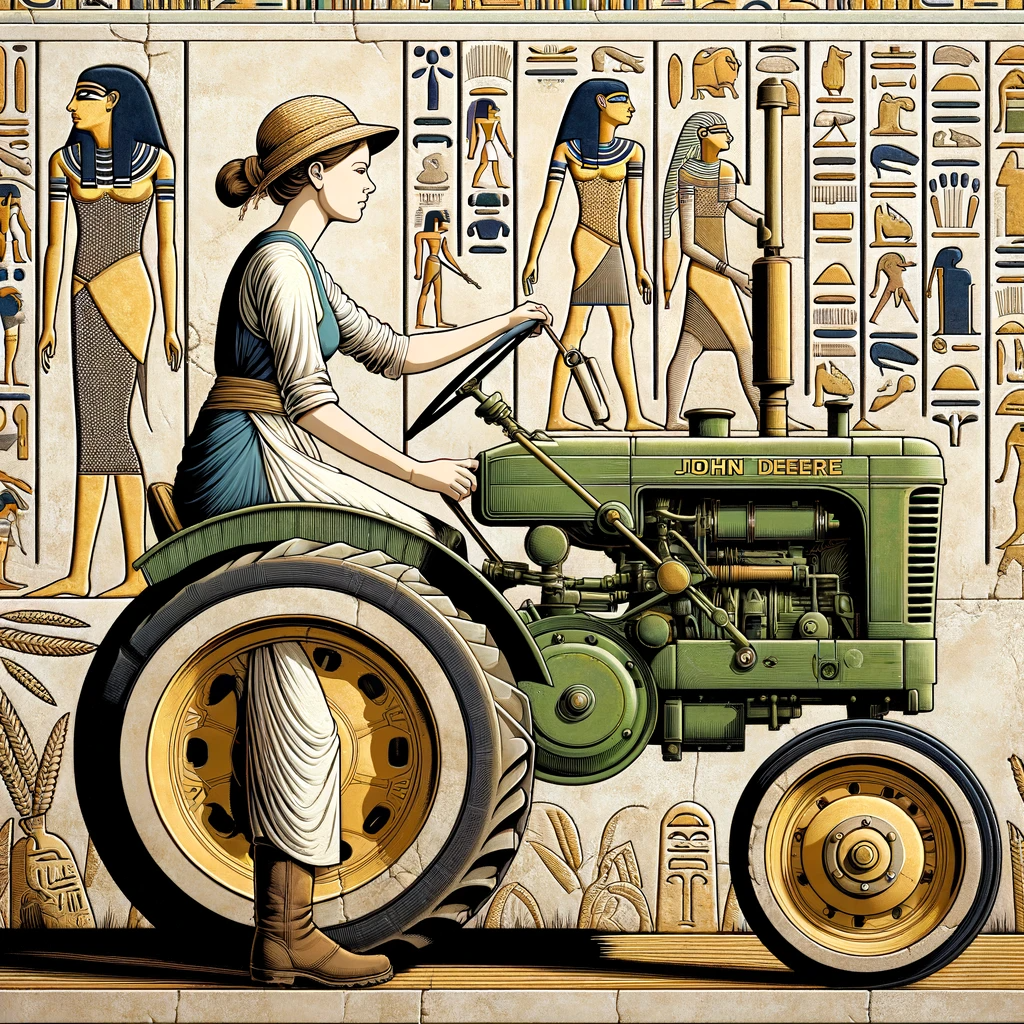
In fields where farmers toil and strive,
A tractor stands, a dream alive.
With gears that whir and knobs that turn,
In 3D prints, their hope we learn.
A bushing breaks, time’s cruel tease,
Yet innovation grants reprieve and ease.
Files downloaded, printers hum,
Restoring faith, where hope has come.
For every setback, a story shared,
In communitys bond, our spirits dared.
Craftsmanship reborn, tradition aligned,
With each printed part, new purpose defined.
Yet ethics whisper, as we create,
How do we balance progress and fate?
Sustainability beckons, designs to uphold,
In shaping our future, let wisdom unfold.
Each failure faced, fuels confidence’s spark,
In the workshop’s heart, ignitions embark.
With every success, we inspire anew,
A tapestry woven, for me and for you.
So, let’s embrace this revolution profound,
With durable prints, let our passions resound.
For in every gear, every crafted piece,
Lies a journey of hope, a promise of peace.
Poem
Checklist
3D Printed Bushings, Gears, and Knobs That Actually Work – A Checklist
Emotional Appeal
✅______ Reflect on your connection to machinery and innovation.
✅______ Consider the joy of being self-sufficient in repairs.
✅______ Recognize the importance of restoring hope and pride in your projects.
Rational Appeal
✅______ Assess the efficiency gains from using custom 3D printed components.
✅______ Evaluate the cost-effectiveness of producing parts on-demand.
✅______ Test the durability of 3D printed components in real-world scenarios.
Ethical Appeal
✅______ Investigate the sustainability of materials used in 3D printing.
✅______ Discuss ownership rights concerning 3D printed designs.
✅______ Advocate for community engagement and shared resources in 3D printing.
Authority Appeal
✅______ Seek testimonials from experienced users of 3D printed parts.
✅______ Research advancements and reliability in 3D printing technology.
✅______ Connect with experts who can guide your projects using 3D printed components.
Narrative Appeal
✅______ Share personal stories of successful projects using 3D printed components.
✅______ Create case studies highlighting transformative successes in various fields.
✅______ Encourage community sharing of failures and lessons learned for collective growth.
Social Appeal
✅______ Join or form a network of creators who utilize 3D printing.
✅______ Engage in forums or groups focused on sharing designs and troubleshooting.
✅______ Celebrate community achievements tied to the use of reliable 3D printed parts.
Checklist
At ClassicTractorNews, we help tractor lovers keep up with the latest news for classic and vintage tractors.
Please share this post with your friends, family, or business associates who may like old classic or vintage tractors.