

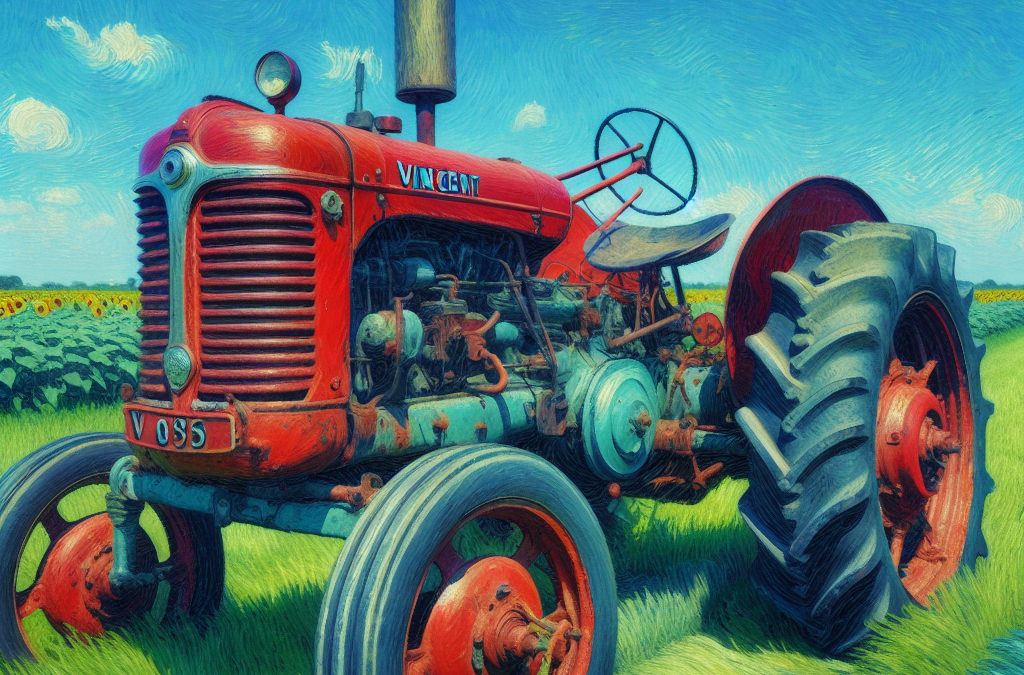
Revive Your Classic Tractor: 3D Printing Parts That Matter Most
By Tom Seest
At ClassicTractorNews, we help tractor lovers keep up with the latest news for classic and vintage tractors.
Please share this post with your friends, family, or business associates who may like old classic or vintage tractors.
3D Print That Rare Part and Save Your Classic Tractor
In a world buzzing with fleeting trends and disposable goods, imagine the satisfaction of saving something timeless—a classic tractor that has seen countless sunrises and helped generations cultivate their land. The love for these machines runs deeper than metal and rust; it’s about history, hard work, and a bond that connects families through the seasons. With 3D printing technology, that beloved piece of heritage—a rare part that keeps it running—can be restored, allowing us to honor our past while stepping into the future.
Picture this: you’re standing in the barn, the smell of hay mingling with engine oil, as you look at the old tractor that your grandfather used. Its worn edges tell a story; every dent and scratch is a badge of honor. But without that elusive replacement part, it might become just another relic. Enter 3D printing. This modern marvel doesn’t just serve up convenience; it bridges the gap between nostalgia and innovation. By creating meticulous replicas of those hard-to-find components, you gain the chance to breathe new life into your machinery and, in turn, your memories.
The emotional pull of keeping a family heirloom in motion is powerful. Think of it this way: every time you fire up that tractor, you’re not just plowing a field; you’re weaving together the threads of your family’s legacy, honoring those who came before you. This isn’t just about machinery; it’s about maintaining traditions, cultivating the soil, and connecting with the land.
Rationally speaking, 3D printing offers an economical solution. Instead of hunting down expensive, rare parts or settling for generic replacements that might not match the original’s integrity, investing in a 3D model can save you money while preserving authenticity. It’s a smart move for the savvy owner who values not only functionality but the heritage behind their machine.
From an ethical standpoint, supporting local 3D printing services fosters community ties and encourages sustainable practices. Instead of contributing to a throwaway culture, you’re opting to preserve something meaningful.
Let’s not forget, this isn’t simply about machinery or engineering; it’s about people. Each part you create could spark conversations at family gatherings, telling stories of how you traced the design lines on the computer and watched your tractor come back to life. When you roll out that classic in the spring sun, every neighbor will nod in approval, recognizing a shared appreciation for hard work and craftsmanship. Embrace this journey; after all, with a little technology and a lot of heart, you can keep your tractor’s story alive for generations to come.

3D Print That Rare Part and Save Your Classic Tractor
3D Print That Rare Part and Save Your Classic Tractor
- Classic tractors symbolize history, hard work, and family bonds.
- 3D printing enables the restoration of rare parts, preserving a connection to the past.
- Every scratch and dent on a tractor tells a story, representing heritage.
- 3D printing provides economical solutions, avoiding expensive or generic replacements.
- Supporting local 3D printing promotes community ties and sustainable practices.
- Restoring tractors sparks conversations and celebrates craftsmanship at family gatherings.
- The journey of preservation blends technology with deep emotional ties to legacy.
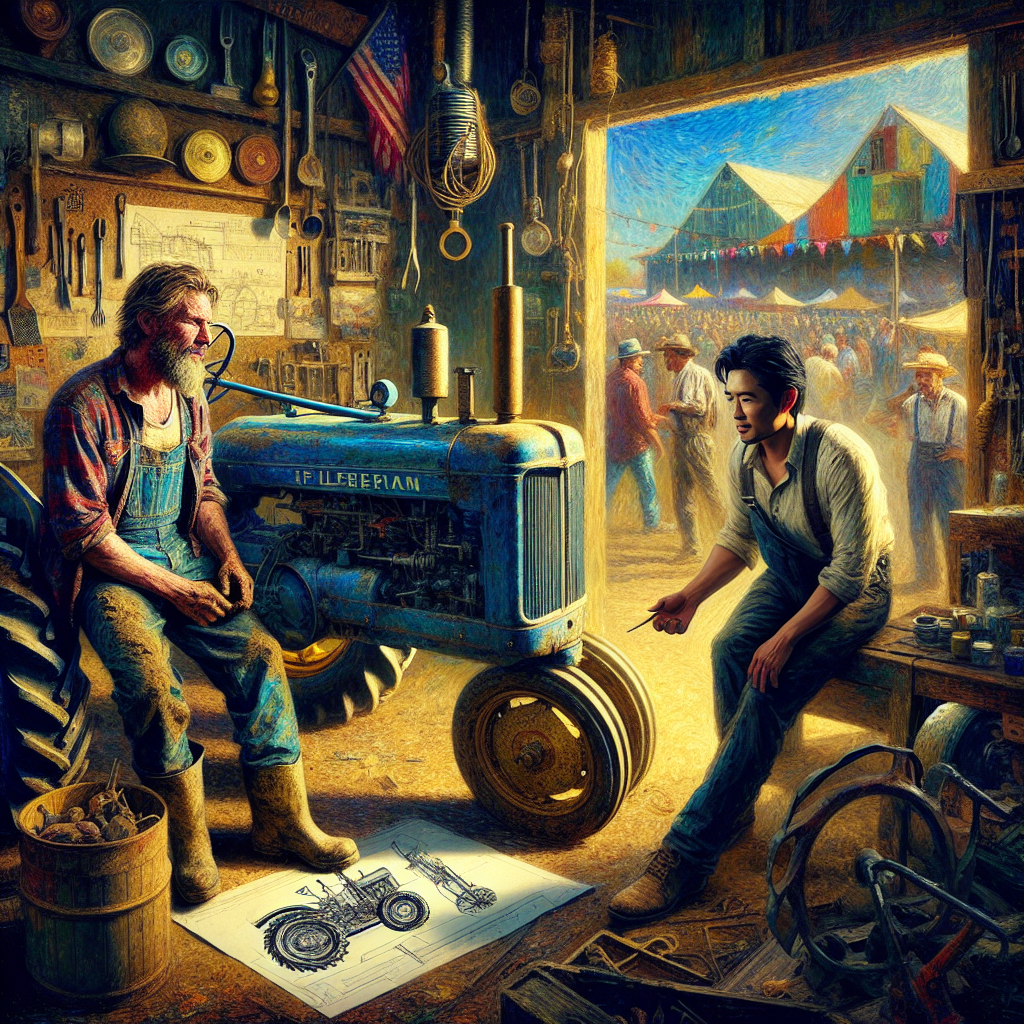
3D Print That Rare Part and Save Your Classic Tractor
Table Of Contents
- 3D Print That Rare Part and Save Your Classic Tractor
- What Memories Can You Preserve By Saving Your Classic Tractor?
- How Does 3D Printing Offer a Sustainable Solution for Repairs?
- What Impact Does Preserving Classic Tractors Have on Heritage?
- How Can You Connect with Others Who Love Restoring Classic Tractors?
- What Ethical Considerations Arise When Choosing to 3D Print Parts?
- How Can 3D Printing Enhance the Longevity Of Classic Tractors?
- Conclusion
- Other Resources
- Glossary Of Terms
- Other Questions
- Haiku
- Poem
- Checklist
What Memories Can You Preserve By Saving Your Classic Tractor?
When you look at a classic tractor parked in a weathered barn or sunlit field, you’re not just seeing metal and machinery; you’re witnessing a bridge to the past. This machine has been a silent witness to countless seasons, friendships, and family traditions. What memories can you preserve by saving your classic tractor? More than you might think.
Consider the rolling fields where generations have toiled, each pass of that powerful steering wheel leaving behind more than just tracks in the soil. It tells stories of long days under the sun, children perched on the fender, laughing as their parents shared wisdom over the roar of an engine. Each scrape, dent, and patch of faded paint carries the echoes of those moments, the laughter, and perhaps, even the tears. When these tractors are kept alive, so too are the tales they carry, allowing families to reconnect with their roots and relive cherished experiences.
Rationally, preserving that classic tractor is an investment, not just in machinery but in legacy. Vintage tractors often appreciate in value, transforming a dusty relic into a source of financial security for future generations. Yet the true worth lies not only in dollars but in the life lessons they symbolize—hard work, persistence, and community. These machines embody the ethical commitment to sustain what has come before, teaching younger generations about the value of craftsmanship and respect for history.
Think of the authority these machines embody. Many an expert will tell you that working on a classic tractor fosters important mechanical skills and a sense of accomplishment, empowering individuals to embrace their heritage while building something truly their own. It’s about understanding where you came from, and who you are, rooted deeply in the soil of your family’s land.
Moreover, the act of saving a classic tractor fosters social connection. Communities of enthusiasts gather to swap stories, share restoration tips, and celebrate local fairs that center around these beloved machines. Each encounter builds a network of camaraderie, where common interests transcend age, background, and geography.
Ultimately, saving a classic tractor isn’t just about holding onto an object; it’s about preserving a way of life, rooted in resilience, united by stories of yesteryear. Your classic tractor can become the heart of your family, the catalyst for new memories, ensuring that its legacy rolls on for generations to come. So, take action. Embrace that rusted metal; it’s more than a vehicle; it’s the embodiment of shared experiences waiting to be uncovered.
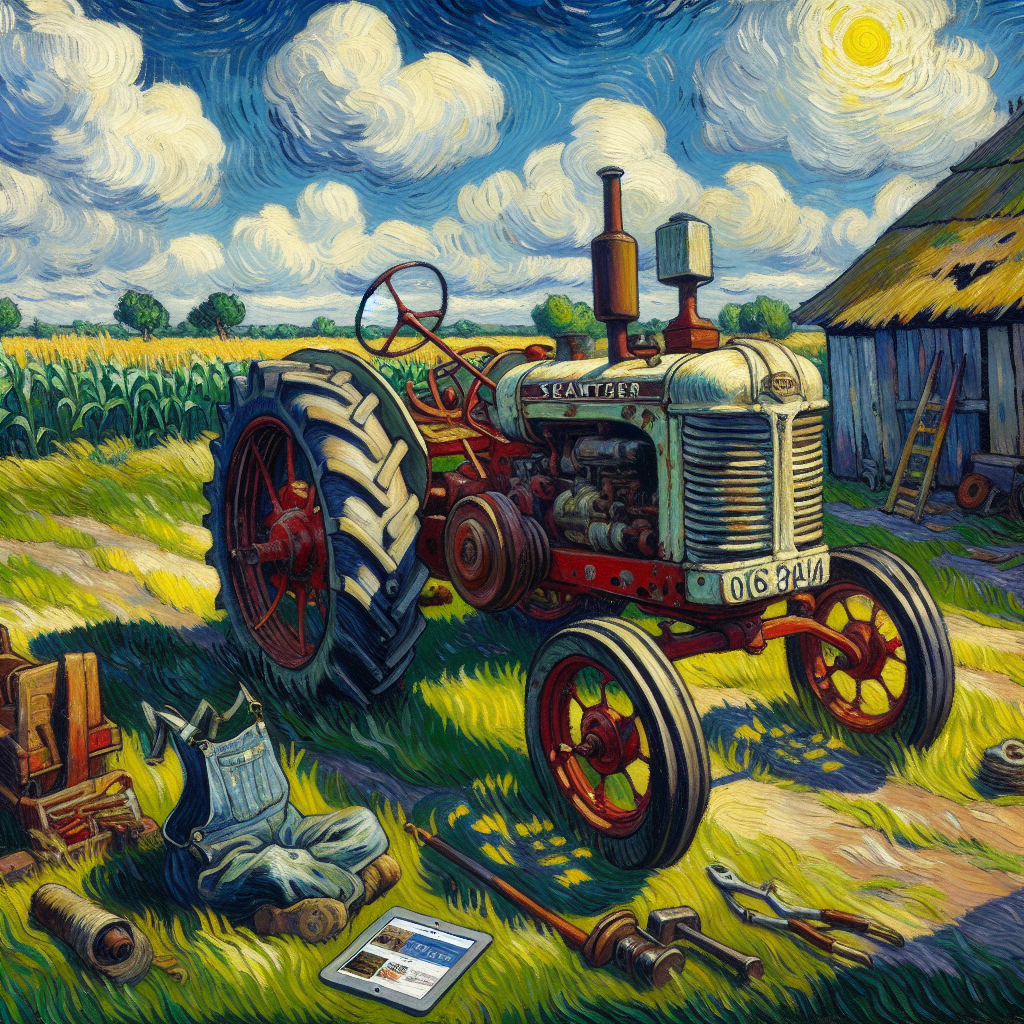
What Memories Can You Preserve By Saving Your Classic Tractor?
What Memories Can You Preserve By Saving Your Classic Tractor?
- A classic tractor symbolizes a connection to the past, reflecting seasons, friendships, and family traditions.
- Each tractor tells stories through its wear, fostering memories of labor, family bonds, and cherished moments.
- Preserving vintage tractors is an investment in both legacy and finances, as they often appreciate in value.
- These machines represent life lessons in hard work, persistence, and community, teaching respect for craftsmanship and history.
- Working on classic tractors develops mechanical skills and a sense of accomplishment, deepening personal heritage.
- Saving a classic tractor encourages social connections among enthusiasts through shared stories and restoration experiences.
- Ultimately, classic tractors preserve a way of life, becoming the heart of family memories for future generations.
What Memories Can You Preserve By Saving Your Classic Tractor?
How Does 3D Printing Offer a Sustainable Solution for Repairs?
In a world increasingly fixated on the latest and greatest, it’s easy for us to forget about the old and broken. Consider a tractor. Without it, the farmer faces tough days, struggling to till the earth and bring forth a harvest. Yet, what happens when that trusty machine breaks down? For years, the answer often involved costly repairs or, worse, a trip to the junkyard. But now, we’re on the brink of a revolution, thanks to 3D printing.
Picture this: a farmer with a broken part, perhaps a vital gear essential for the tractor’s operation. In the past, he’d spend days waiting for a replacement to arrive, a journey that often felt endless. Now, imagine if he could simply design or download a part online and have it printed right there on the farm. This isn’t just about convenience; it’s about empowerment. 3D printing transforms the approach to repairs, shifting from a model of waste to one of sustainability.
With the ability to print parts on demand, we’re reducing waste in a manner that resonates deeply with our collective conscience. Think about the carbon footprint of manufacturing and shipping: the processes that leave a lasting scar on our environment. Now, consider the beauty of printing a part locally, using less energy, less time, and fewer resources. This isn’t merely a technical innovation; it’s a call to stewardship, an ethical responsibility to cherish our planet.
The narrative of 3D printing extends beyond mere practicality. It speaks to our human nature—our innate desire to fix what’s broken. The story of each part printed becomes a story of resilience. A farmer can tell of his late nights designing replacement parts, of the satisfaction in repairing his machinery and keeping his livelihood intact. Each successful repair adds a layer of trust and confidence in the ability to overcome obstacles.
And it’s not just farmers; think of communities, where schools and local businesses can print needed supplies instead of relying on distant manufacturers. This fosters connections, camaraderie, and a sense of shared responsibility, forging relationships built on mutual aid.
In essence, 3D printing isn’t just about solving problems; it’s a movement toward a more sustainable, self-sufficient future where we unite our creativity with technology. It empowers us to honor what we own, cultivating a culture of repair rather than disposal. It’s a step forward, a leap toward a future where, even when faced with the daunting task of fixing that old tractor, we have the tools to not just repair but also restore and rejuvenate.
How Does 3D Printing Offer a Sustainable Solution for Repairs?
How Does 3D Printing Offer a Sustainable Solution for Repairs?
- 3D printing revolutionizes the repair process for farmers with broken machinery.
- It allows quick design and printing of parts on-site, reducing the need for costly replacements.
- This technology promotes sustainability by minimizing waste and energy consumption.
- It encourages a culture of repair instead of disposal, fostering a more responsible relationship with resources.
- 3D printing embodies the human desire to fix what’s broken, enhancing resilience and confidence.
- Communities benefit by being able to produce needed supplies locally, strengthening mutual aid and connection.
- Overall, 3D printing supports a self-sufficient future, blending creativity with technology for environmental stewardship.
How Does 3D Printing Offer a Sustainable Solution for Repairs?
What Impact Does Preserving Classic Tractors Have on Heritage?
Preserving classic tractors is more than just a hobby; it’s an act of stewardship that connects us to our past while paving the way for future generations. These machines symbolize a way of life that shaped communities and defined relationships with the land. When you see an old tractor sitting in a field, weathered yet proud, it tells a story of hard work, resilience, and innovation—all intertwined.
Picture a farmer in the 1950s, hands calloused from years of toil, the hum of the tractor echoing through the valleys as crops sway in the breeze. Each turn of the wheel wasn’t just about plowing fields; it was about feeding families, providing for neighbors, and cultivating a sense of community. Preserving these tractors is crucial because they serve as tangible links to the values and struggles of those who came before us. They remind us of the grit it took to build our agricultural economy and how the fruit of that labor feeds us today.
On a rational level, keeping classic tractors alive is a matter of education. Museums, restoration projects, and community gatherings centered on these machines become classrooms where knowledge is passed down. Mechanics share secrets of old engines, preserving craftsmanship that might otherwise be lost in a world dominated by technology. This knowledge is invaluable, cultivating a respect for the hard-earned skills of the past while challenging a new generation to appreciate the simplicity and efficiency of earlier innovations.
The ethical dimension of preservation cannot be overlooked. By valuing these tractors, we honor the farmers, manufacturers, and families who invested their lives into creating something lasting. It’s a commitment to sustainability and an acknowledgment that our roots are as important as our branches. Choosing to preserve these machines is an act of respect for history that urges us to consider our own impact on society and the environment.
Finally, the social aspect of preserving classic tractors builds connection. Tractor shows and restoration clubs ignite conversations, fostering friendships that transcend age, background, and occupation. They cultivate a sense of belonging, a shared appreciation for the stories embedded in each scratched paint job and rusted bolt. It’s in the laughter over a stubborn engine or the pride of seeing a restored machine shine anew that we find community.
In essence, preserving classic tractors isn’t just about nostalgia; it’s a profound act of honoring our heritage, embracing our history, and empowering our future. It’s a testament to the enduring spirit of those who dared to dream big, one stubborn tractor at a time.
What Impact Does Preserving Classic Tractors Have on Heritage?
What Impact Does Preserving Classic Tractors Have on Heritage?
- Preserving classic tractors connects us to our past and benefits future generations.
- These machines symbolize a way of life that shaped communities and relationships with the land.
- Old tractors represent hard work, resilience, and innovation, telling the story of agricultural history.
- Preserving tractors serves as an educational tool, passing down knowledge and skills to new generations.
- The ethical dimension of preservation honors the contributions of farmers and manufacturers to our agricultural legacy.
- Tractor shows and restoration clubs foster social connections and a sense of community among enthusiasts.
- Preservation is a testament to our heritage and the spirit of those who contributed to agricultural advancements.
What Impact Does Preserving Classic Tractors Have on Heritage?
How Can You Connect with Others Who Love Restoring Classic Tractors?
Connecting with others who share a passion for restoring classic tractors is more than just finding like-minded enthusiasts; it’s about building a community that understands the love for these machines and the stories they carry. The act of restoring a tractor is rarely just about the metal and paint; it’s about breathing new life into history and honoring the craftsmanship that has aged like fine wine. This journey often leads to friendships forged in grease and nostalgia, a community where each member respects the intricate dance between man and machine.
Start by visiting local tractor shows or fairs. These gatherings are more than displays; they are celebrations of hard work and heritage. You’ll meet individuals who can recount tales of their first restoration, the smell of old oil, and the satisfaction that comes with making a piece of history functional once again. These personal stories foster an emotional connection that transcends mere hobbyist chatter. One encounter can spark a friendship that extends beyond the rusted frames of tractors, touching on the shared values of hard work, perseverance, and dedication.
Engage with online forums and social media groups dedicated to classic tractor restoration. These platforms break geographical barriers and create a space for people from all walks of life to share their projects, struggles, and triumphs. Sharing a photo of that newly polished grill or the moment the engine finally roars back to life can elicit a chorus of encouragement and ideas from enthusiasts across the globe. This virtual support system acknowledges the immense effort that goes into restoring these machines and can serve as a catalyst for new projects or techniques you might not have considered.
Consider starting a local club or meetup dedicated to this passion. There’s something powerful about gathering in person to share tips and techniques, swap parts, or even just share a meal and tell stories. It’s in these gatherings that you’ll witness the collective knowledge and experience of the community, empowering each other to tackle projects that seemed daunting alone.
Each classic tractor tells a story, and so do the individuals who restore them. Engage heart and gut by listening to those stories and sharing your own. You’ll find that, in this world of engines and steel, the real connections come from the genuine love for the craft, a commitment to preserving history, and the profound satisfaction that comes from not just restoring a tractor, but also the camaraderie it fosters along the way.
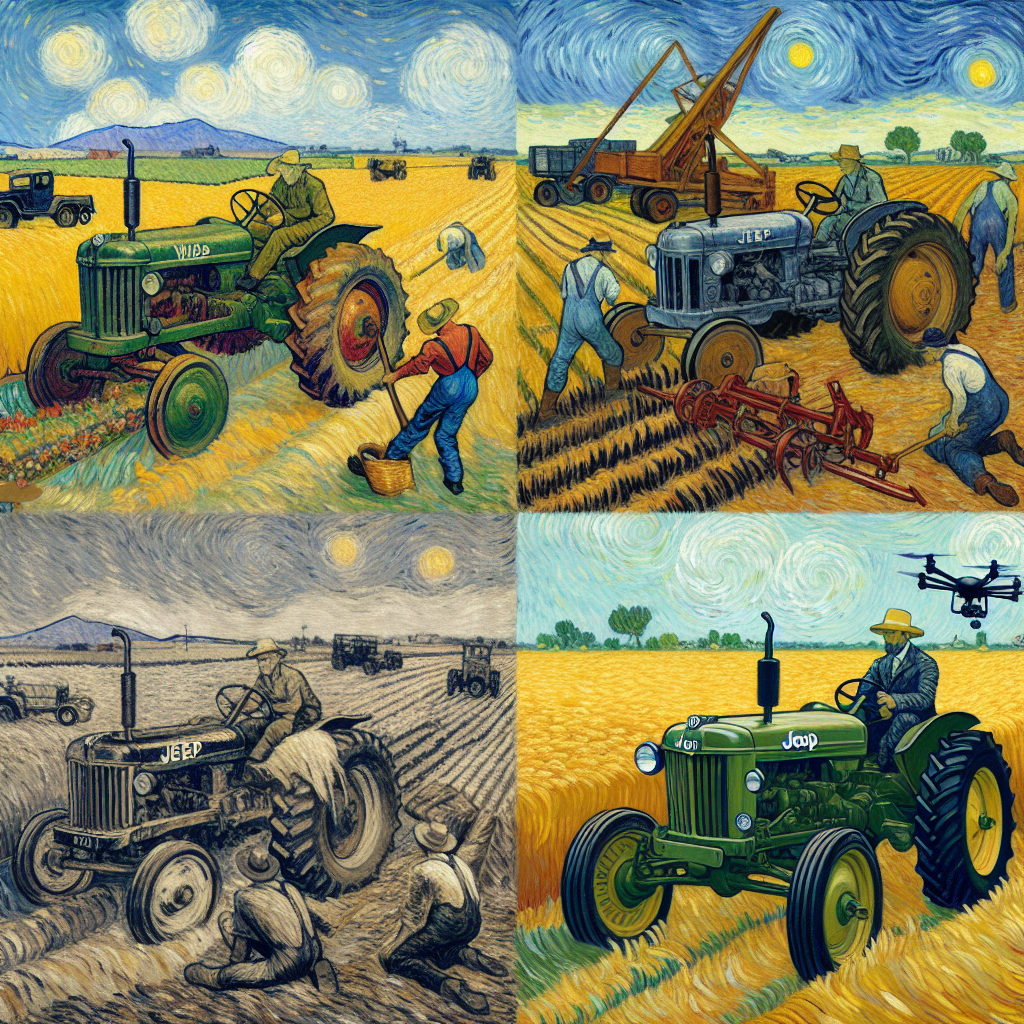
How Can You Connect with Others Who Love Restoring Classic Tractors?
How Can You Connect with Others Who Love Restoring Classic Tractors?
- Building a community of classic tractor restoration enthusiasts fosters connections and shared passion.
- Restoring a tractor involves honoring history and craftsmanship, beyond just physical repairs.
- Local tractor shows and fairs serve as gatherings to share stories and experiences, reinforcing community ties.
- Personal anecdotes from restorers create emotional connections that deepen friendships.
- Online forums and social media provide an inclusive platform for sharing projects and receiving support.
- Starting local clubs or meetups enhances collective knowledge and empowers members in their restoration efforts.
- The genuine love for restoring tractors cultivates camaraderie and a commitment to preserving history.
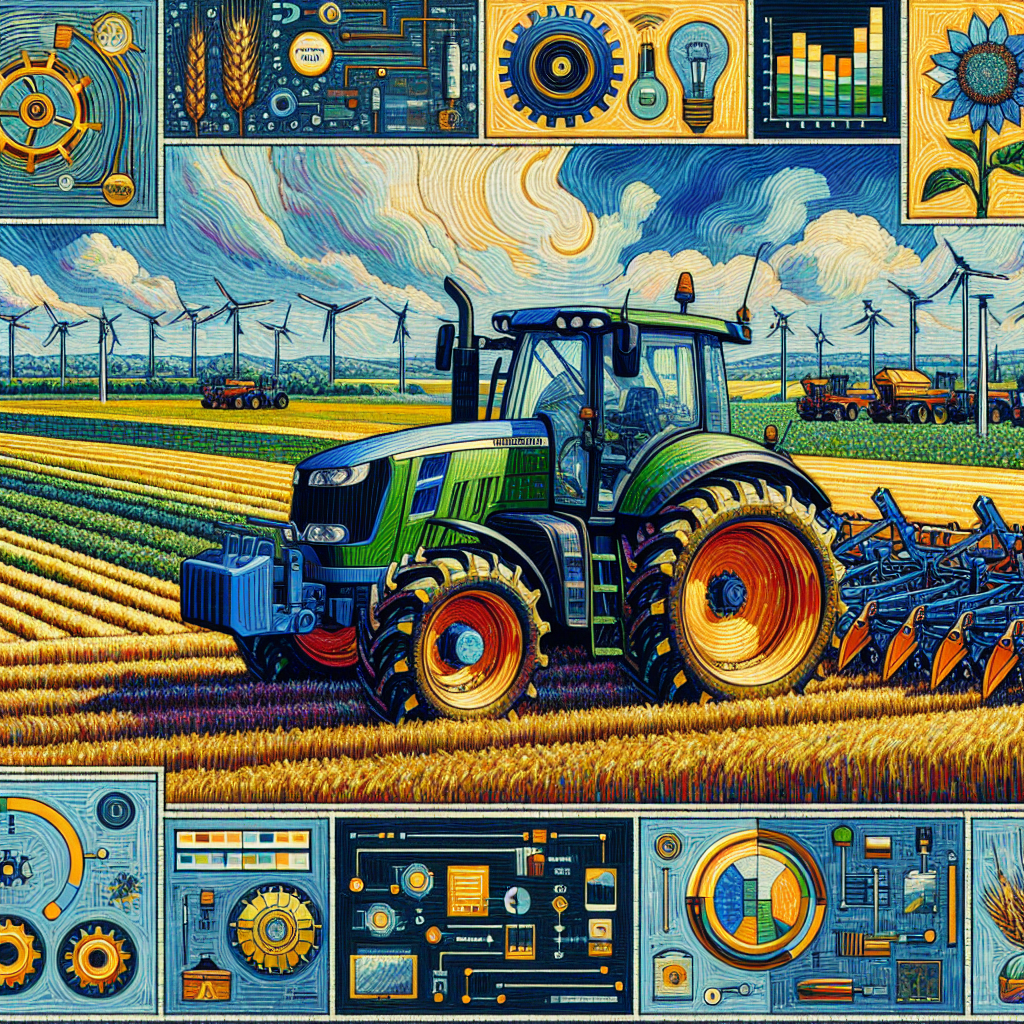
How Can You Connect with Others Who Love Restoring Classic Tractors?
What Ethical Considerations Arise When Choosing to 3D Print Parts?
In the world of 3D printing, the choices we make about creating parts aren’t just about materials and specifications; they’re deeply intertwined with our values, responsibilities, and the impact we have on each other and our environment. Just like a farmer watching over a tractor in the fields, tending to every detail, we must cultivate a conscientious approach to the technology at our fingertips.
Imagine the story of a father who, instead of buying an expensive replacement part for his son’s broken toy, decides to print it instead. This seemingly simple act raises profound ethical questions. Is it right to utilize technology to circumvent traditional manufacturing processes? While it saves money and encourages innovation, it also opens the floodgates to a potential disregard for quality standards and labor ethics. This father may be improving a child’s day, but he’s also navigating a moral landscape where the repercussions ripple far beyond his immediate environment.
There’s another layer to consider: the environmental impact. As we marvel at the capabilities of 3D printers, let’s not forget their ecological footprint. One could argue that creating a part is more sustainable than mass production, reducing waste and conserving resources. Yet, if every Tom, Dick, and Harry were to print indiscriminately without thought to eco-friendly materials or energy consumption, we might find ourselves choking on the very inventions that promised a better world. The gut-check here is whether we’re promoting a culture of responsibility or carelessness.
We stand at a crossroads, much like the farmers faced with tractors tearing through fertile land. The technology is powerful, but with power comes accountability. We’re all part of a larger narrative around innovation, and if we choose to embrace this transformative tool, it’s our duty to advocate for ethical practices. Supporting open-source designs can foster community engagement, encourage collaboration, and promote transparency, echoing the essence of collective progress.
So, as you ponder the decision to 3D print a part, remember the young boy who delighted in a fixed toy and the farmer nurturing the soil. Each print is a step toward innovation, but it must be rooted in ethics and community awareness. By choosing wisely, we can ensure our technological advancements resonate with our shared humanity, inviting us to inspire future generations to build a world where innovation and morality go hand in hand.
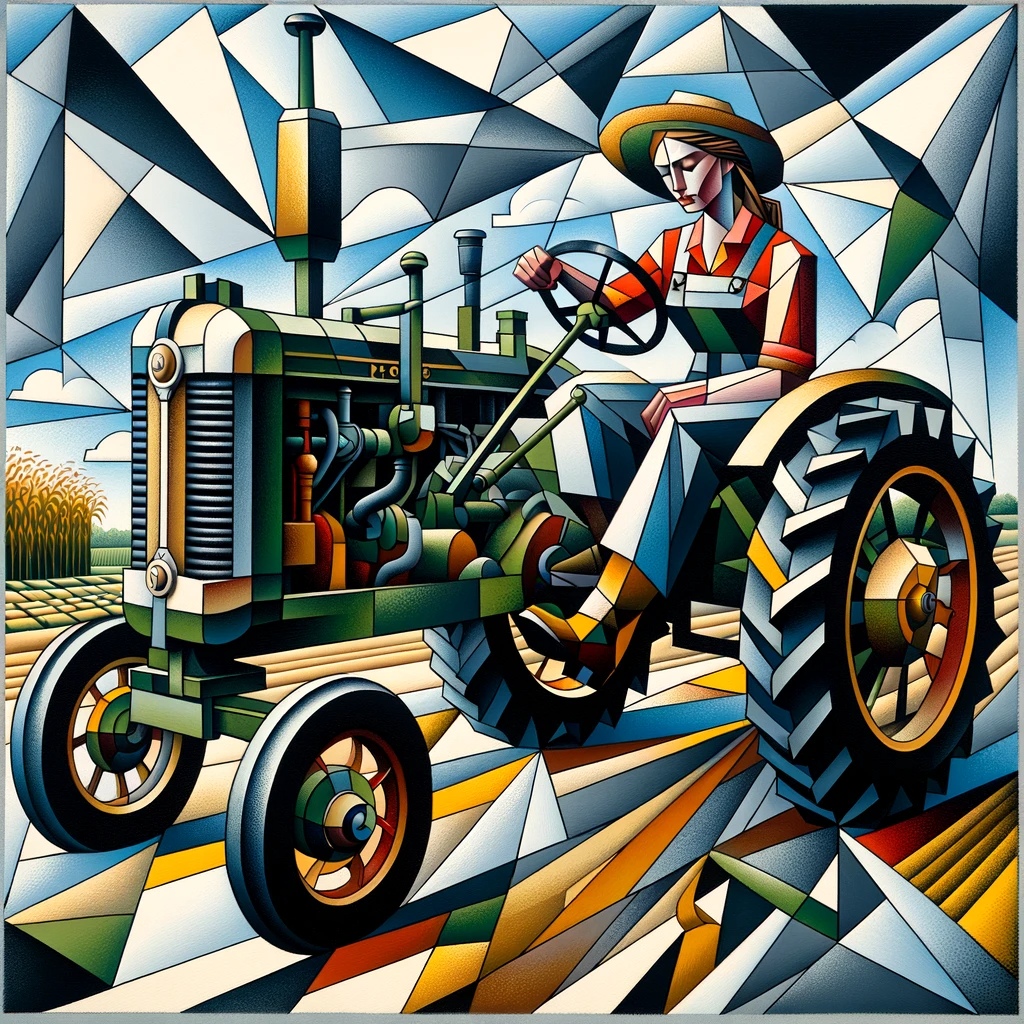
What Ethical Considerations Arise When Choosing to 3D Print Parts?
What Ethical Considerations Arise When Choosing to 3D Print Parts?
- The choices in 3D printing are linked to values, responsibilities, and environmental impact.
- Using technology to replace traditional manufacturing raises ethical questions, balancing cost-saving with quality and labor ethics.
- 3D printing has an ecological footprint; it can be more sustainable but risks being careless if not done thoughtfully.
- Powerful technology requires accountability, emphasizing the need for ethical practices in innovation.
- Supporting open-source designs fosters community engagement, collaboration, and transparency.
- Each 3D print should be a conscious decision, combining innovation with ethics and community awareness.
- Responsible choices in technology can inspire future generations to align innovation with morality.
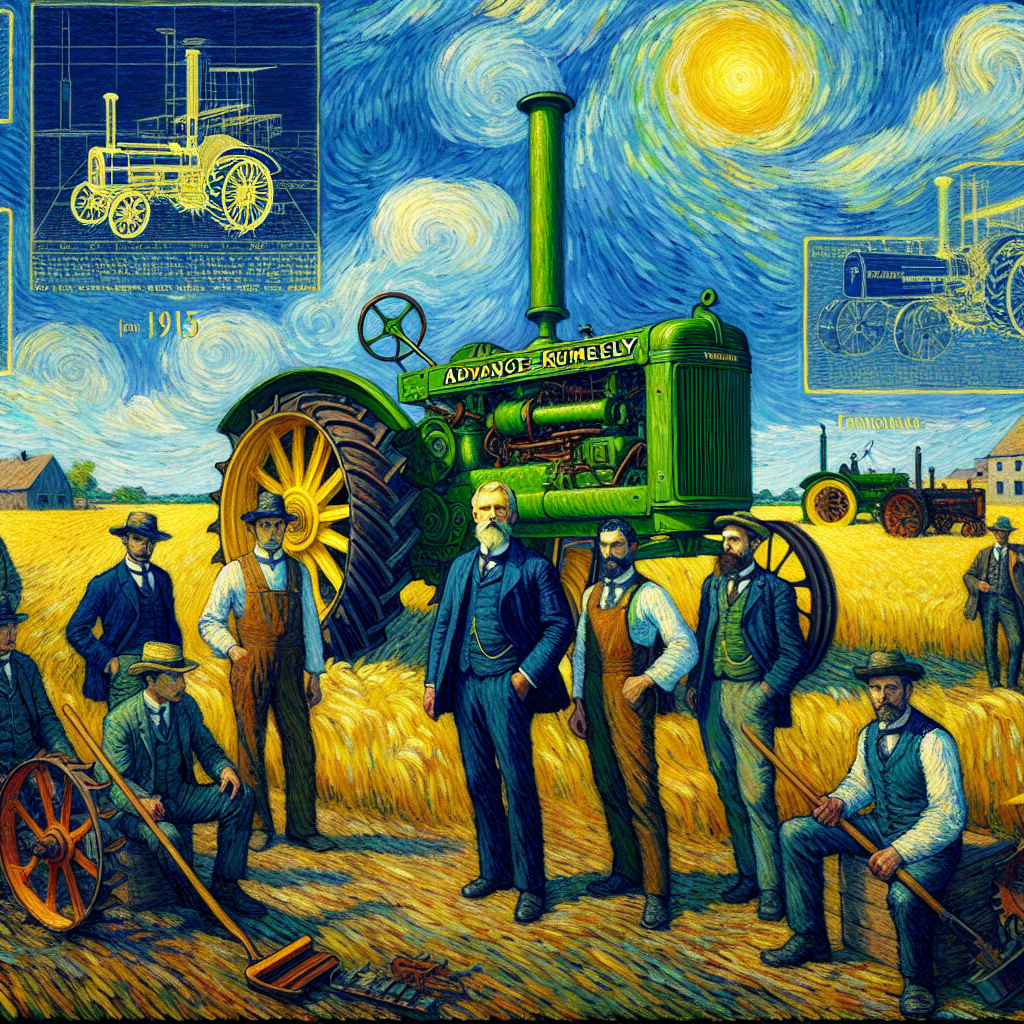
What Ethical Considerations Arise When Choosing to 3D Print Parts?
How Can 3D Printing Enhance the Longevity Of Classic Tractors?
3D printing isn’t just a trend; it’s a lifeline for classic tractors, breathing new life into machines that have been around for generations. Picture a dusty barn filled with vintage tractors, each telling a story of hard work, resilience, and tradition. These machines carry not just the weight of their metal but also the legacy of those who relied on them. Yet, over time, wear and tear take their toll, transforming reliable workhorses into relics of the past. Here’s where 3D printing steps in, offering solutions that preserve these treasured agricultural icons.
Imagine the heart of a farmer, filled with pride as they restore a beloved tractor. Traditional restoration methods often mean sourcing rare parts or spending hours trying to patch up what’s been broken. With 3D printing, the process becomes a celebration of innovation and nostalgia. Spare parts can be recreated with precision, capturing every curve and cog of the original design. This is not just repair; it’s a revival. It speaks to the desire to keep these machines operating as they were intended, honoring the craftsmanship of their original makers while harnessing modern technology.
Rationally, 3D printing addresses the practical challenges that come with maintaining classic tractors. Many parts are no longer manufactured, leaving enthusiasts and mechanics at a standstill. By embracing this technology, we’re not just making repairs; we’re enhancing the longevity of these machines. It’s a sustainable approach to preservation that minimizes waste while maximizing the functional lifespan of equipment that embodies years of hard work.
Ethically, there’s an argument to be made for the responsibility that comes with maintaining these machines. Each vintage tractor is a testament to agricultural history and innovation. Conserving these treasures connects us to our past, enriching our understanding of how far we’ve come. By turning to 3D printing, we uphold a commitment to sustainability, ensuring that our farming heritage remains intact for future generations.
In personal tales of tractor afficionados, we often hear of families who pass down their beloved machines. This isn’t just about machinery; it’s about family, history, and legacy. The ability to repair and restore using 3D printing technology fosters a connection between generations, allowing stories to live on. As we move forward into an era where technology meets tradition, embracing 3D printing for classic tractors isn’t just practical; it’s an emotional journey that honors the past while ensuring a future.
Engaging with this technology means more than just fixing a part; it’s about preserving the spirit of effort, commitment, and connection that these tractors represent. The hum of a well-maintained engine is not just sound; it reverberates with the echo of history and the promise of tomorrow.
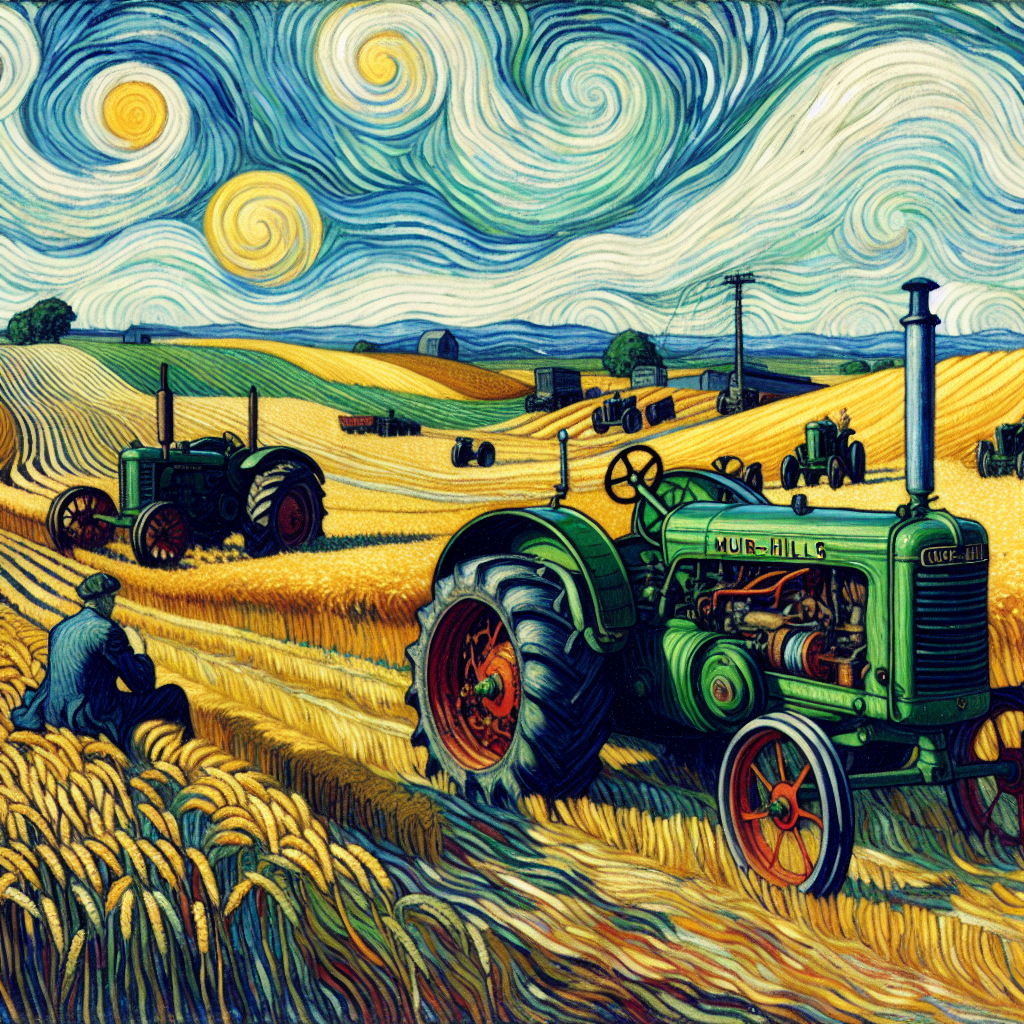
How Can 3D Printing Enhance the Longevity Of Classic Tractors?
How Can 3D Printing Enhance the Longevity Of Classic Tractors?
- 3D printing revitalizes classic tractors, preserving their legacy and utility.
- Traditional restoration methods often involve sourcing rare parts or extensive repairs.
- 3D printing allows for precise replication of spare parts, celebrating innovation and nostalgia.
- This technology enhances the longevity of vintage tractors, combating waste and promoting sustainability.
- Maintaining these machines connects us to agricultural history, enriching our understanding of the past.
- Repairing tractors with 3D printing fosters intergenerational connections and family legacies.
- Engaging with 3D printing preserves the spirit of hard work while honoring farming traditions.
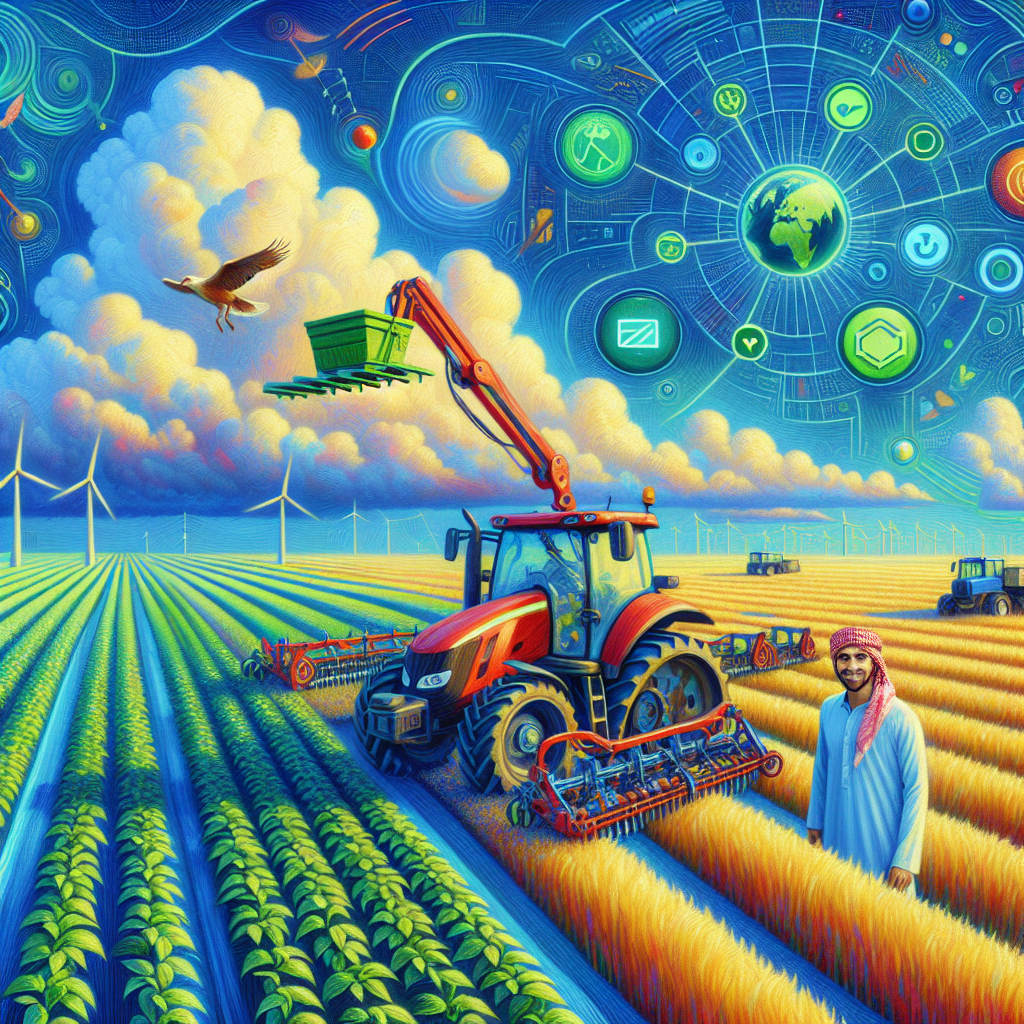
How Can 3D Printing Enhance the Longevity Of Classic Tractors?
Conclusion
In the age of rapid innovation, where the old often gets discarded in favor of the new, 3D printing emerges as a beacon of hope for classic tractor enthusiasts. These machines are not merely relics of the past; they are living links to our history, bearing witness to the toil and triumph of generations before us. Imagine walking into a barn, where the air is thick with nostalgia, and there sits your grandfather’s trusted tractor, its stained paint and worn metal a testament to countless hours of hard work. Restoring and maintaining these beloved machines transcends mere mechanics; it’s a heartfelt endeavor steeped in tradition, connection, and identity.
3D printing transforms the daunting task of sourcing rare parts into a doable, innovative solution. No longer must owners scour the earth for those elusive components. Instead, they can replicate hard-to-find parts with remarkable accuracy right at their fingertips. This not only saves money but also ensures that each piece maintains the authenticity and integrity of the original. The emotional fulfillment derived from restoring such a treasured legacy is unparalleled. Each time the engine roars to life, it revives not just a machine but echoes the laughter, the lessons, and the love of those who toiled before us.
From a broader perspective, the decision to restore classic tractors through 3D printing encourages sustainable practices, reducing waste while promoting ethical consumption. Supporting local 3D printing services fosters a sense of community and shared responsibility, ensuring that we invest in our local economies. Each tractor restored has the potential to spark lively conversations, build relationships, and create bonds that extend beyond mere machinery.
Preserving these machines allows us to connect profoundly with our heritage, teaching younger generations the value of craftsmanship and perseverance. When classic tractors are maintained, they serve as educational tools, offering insight into the raw resilience of those who came before us. Moreover, tractor shows and local clubs create vibrant communities, uniting enthusiasts in a shared passion for history and craftsmanship.
Embracing 3D printing for classic tractors isn’t just about keeping an engine purring; it’s about sustaining a legacy. It helps us bridge gaps between the past and present, ensuring that the spirit of hard work, ingenuity, and familial connection continues to thrive. As we step into this modern frontier, we carry forward the stories, the struggles, and the triumphs embedded in these machines, keeping their spirit alive for future generations.

Conclusion
Conclusion:
- 3D printing revives classic tractors as essential connections to our history.
- Emotionally fulfilling restoration transcends mechanics, fostering tradition and identity.
- Innovative 3D printing enables owners to replicate rare parts with high accuracy.
- Sustainable practices are promoted by reducing waste and encouraging ethical consumption.
- Local 3D printing support cultivates community and strengthens local economies.
- Preserving classic tractors educates younger generations on craftsmanship and resilience.
- 3D printing helps maintain the legacy of hard work, ensuring the spirit of these machines thrives.
Conclusion
Other Resources
Other Resources
Here is a list of other resources you can review online to learn more:
- Dillon Farm Museum
- CAAntique Farm Equipment Show
- Steyr
- Woods Equipment
- Agra Cat
- Fordson
- Satoh
- SAME Tractors
- Challenger
- Atlantic Farm Mechanization Show
- Waterloo Boy
- GBT
- Ford-New Holland
- Farm Equipment Manufacturers Association
- Thieman Harvester
- Lanz
- CLAAS of America
Use This Prompt To Get More Resources With Your Favorite Online AI Tool: Please provide me with a list of online articles with their URLs in a bulleted list that I can read regarding 3D Print That Rare Part and Save Your Classic Tractor
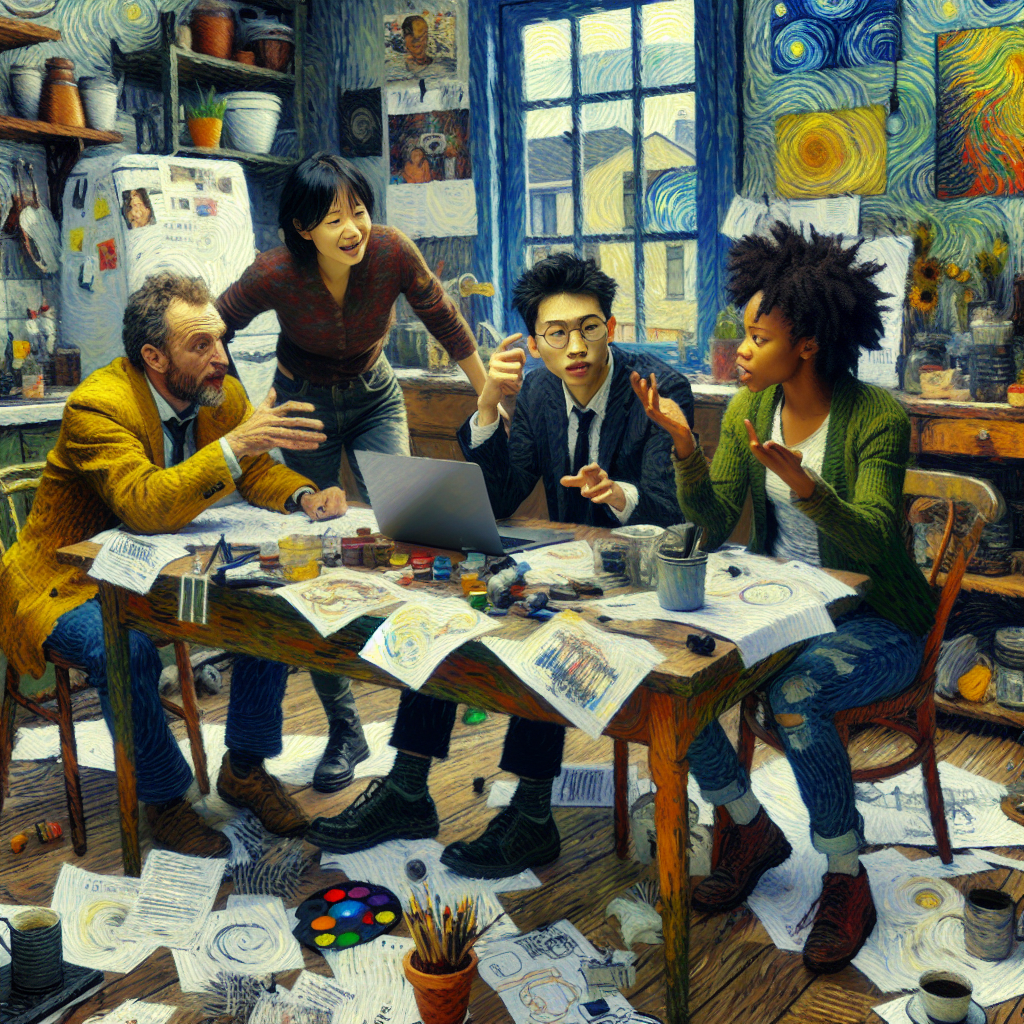
Other Resources
Glossary Terms
3D Print That Rare Part and Save Your Classic Tractor – Glossary Of Terms
1. CAD (Computer-Aided Design) — software-based creation of precise 3D models and engineering drawings for the replacement part.
2. 3D scanning — capturing an existing part’s geometry with laser, structured light, or handheld scanners to create a digital mesh.
3. Photogrammetry — generating a 3D model from multiple photographs to recreate complex surfaces when scanners aren’t available.
4. Reverse engineering — measuring or scanning an original component to reproduce its shape, features, and functional interfaces.
5. Digital caliper — precision hand tool for measuring external, internal, and depth dimensions used to verify critical sizes.
6. STL (StereoLithography) — mesh file format commonly used to export models to slicers for 3D printing.
7. STEP / IGES — parametric CAD exchange formats that preserve exact geometry for machining or detailed edits.
8. Slicer — software that converts a 3D model into layered toolpaths and G-code tailored to a specific printer and material.
9. G-code — machine instruction language that controls printer movement, temperatures, and extrusion during printing.
10. FDM (Fused Deposition Modeling) — filament-based 3D printing process common for durable, functional tractor parts.
11. SLA (Stereolithography) — resin-based printing method offering high detail for small fittings, housings, or masters.
12. Filament — thermoplastic feedstock (e. g. , PETG, ABS, Nylon, PLA) available in different strengths and temperature ratings.
13. Resin — liquid photopolymer cured by light in SLA/DLP printers, used for fine features and smooth surface finishes.
14. Material properties — mechanical and thermal characteristics (tensile strength, impact resistance, Tg) that determine suitability for tractor use.
15. Annealing — controlled heat treatment applied after printing to relieve internal stresses and improve strength or thermal performance.
16. Infill — internal pattern and percentage that balance strength, weight, print time, and material use in a printed part.
17. Layer height — vertical resolution of a print that affects surface finish, dimensional accuracy, and strength directionality.
18. Print orientation — the position a part is printed in, influencing anisotropy, surface quality, support needs, and tolerances.
19. Supports — temporary structures printed to hold overhangs and bridges; removed and finished after printing.
20. Brim / Raft — base adhesion features that improve first-layer bonding and reduce warping on large or small-footprint parts.
21. Warping — dimensional distortion from uneven cooling, common with high-temperature filaments and large flat surfaces.
22. Shrinkage — predictable dimensional reduction as thermoplastics cool; compensated for during modeling or calibration.
23. Tolerances — allowable dimensional variations specified to ensure assembled fit, sealing, or mechanical function with mating parts.
24. Fitment / Clearance — designed gaps and interfaces (press-fit, slip-fit) that determine assembly methods and operational movement.
25. Post-processing — finishing operations such as sanding, filing, drilling, solvent smoothing, or painting to achieve final fit and appearance.
26. Metallization / Plating — applying metal coatings or conductive layers to improve wear resistance, appearance, or conductivity.
27. Composite & reinforced filaments — fiber- or particulate-filled materials (carbon, glass, bronze) used to boost stiffness and wear resistance.
28. Inserts & fastener integration — using heat-set nuts, helicoils, threaded inserts, or captive hardware to combine printed parts with standard fasteners.
29. FEA (Finite Element Analysis) — simulation of loads and stresses on a digital model to predict performance and optimize geometry.
30. Testing & validation — bench load tests, fit checks, lifecycle cycling, and dimensional verification to confirm the printed part meets functional requirements.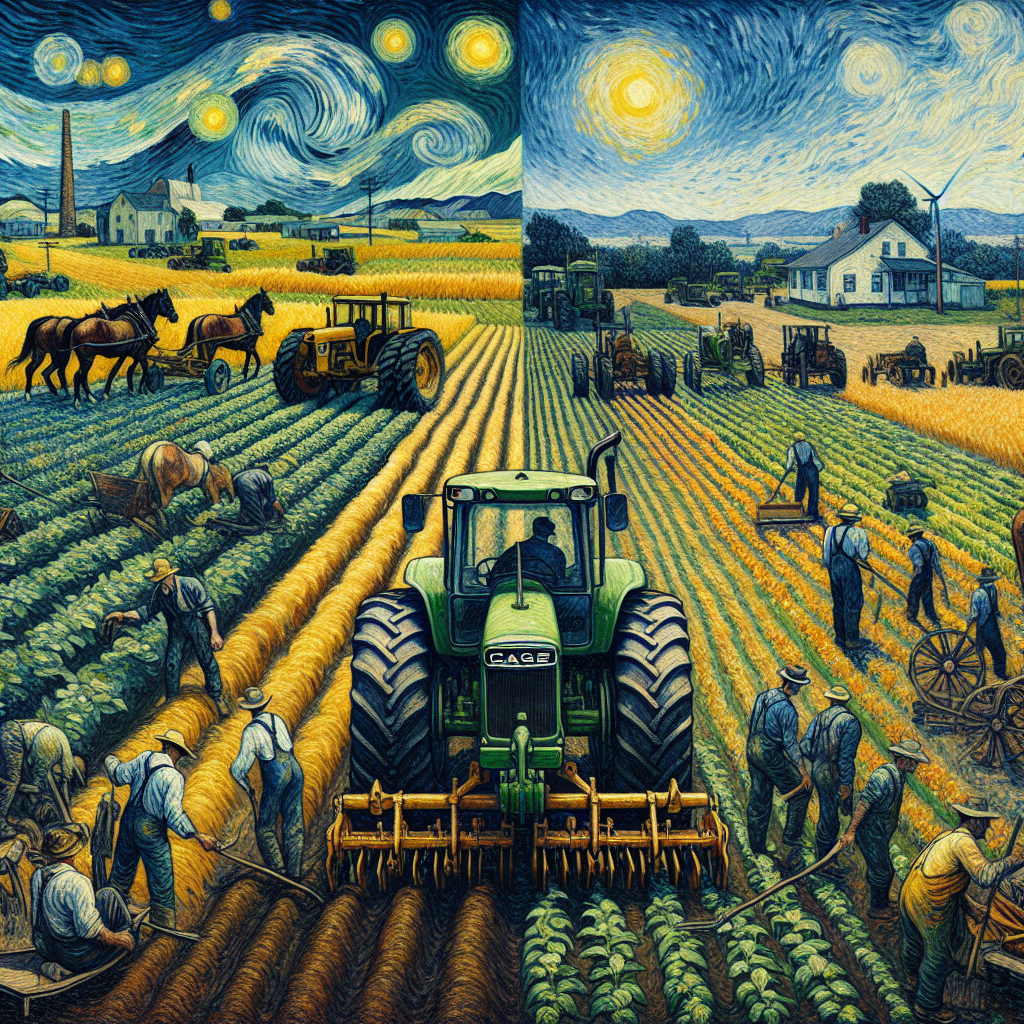 Glossary Of Terms
Other Questions
3D Print That Rare Part and Save Your Classic Tractor – Other Questions
If you wish to explore and discover more, consider looking for answers to these questions:
- What specific tractor parts are most suitable for 3D printing and which should remain original metal?
- How do I determine the exact dimensions and tolerances needed to recreate a rare part?
- What tools and techniques are best for reverse-engineering a worn or broken component?
- Which 3D printing technologies (FDM, SLA, SLS, metal printing) are appropriate for different tractor parts?
- What materials (PLA, PETG, ABS, nylon, carbon-fiber composites, metal) offer the strength and heat/oil resistance required?
- How do printed parts withstand mechanical stress, vibration, and environmental exposure over time?
- How can I reinforce printed parts (metal inserts, bushings, fasteners) to match original durability?
- How do layer orientation, infill, and print settings affect a part’s strength and fatigue life?
- What post-processing steps (annealing, sanding, chemical smoothing, coating) are needed to finish functional parts?
- How do I test and validate a 3D-printed part for safe use in load-bearing or safety-critical applications?
- Are there legal issues—patents, copyrights, trademarks—when reproducing OEM parts with 3D printing?
- Could installing 3D-printed parts affect insurance coverage, warranties, or liability?
- How does the cost of 3D printing a part compare to sourcing NOS (new old stock) or used replacements?
- Where can I find existing CAD models or part files for classic tractor components?
- How do I choose between designing my own model and commissioning a professional CAD designer?
- What file formats (STL, STEP, OBJ) and tolerancing standards should I use for parts intended for machining or printing?
- How long does it typically take to print and finish common tractor replacement parts?
- What local resources—makerspaces, 3D print services, restoration clubs—can help with printing and finishing?
- How can I ensure color and texture match when restoring visible exterior parts or trim?
- What are the environmental impacts of 3D printing parts versus buying new or remanufactured components?
- Are there recyclable or bio-based filaments suitable for durable tractor parts?
- How does 3D printing affect the long-term historical authenticity and resale value of a restored tractor?
- When is it more appropriate to preserve an original part for display and print a replica for use?
- How can I document and archive digital part files for future generations or community sharing?
- What safety considerations should I keep in mind when printing and installing parts that impact operation?
- How do I incorporate metal components (gears, shafts, bearings) with printed housings or supports?
- What adhesives, fasteners, or thread repair techniques work best with printed plastics?
- How do I handle tolerances and fit for moving parts like gears, linkages, and bearings?
- Can 3D-printed parts be heat-treated, plated, or otherwise surface-modified to improve performance?
- How can schools, museums, or community projects use 3D printing to support tractor preservation and education?
- What online communities, forums, or marketplaces specialize in classic tractor parts and 3D models?
- How do I evaluate a printed part’s lifecycle—maintenance needs, repairability, and eventual replacement?
- What documentation (materials data sheets, load ratings, print settings) should accompany a printed replacement part?
- How do I balance authenticity, safety, and practicality when deciding to 3D print a historically significant component?
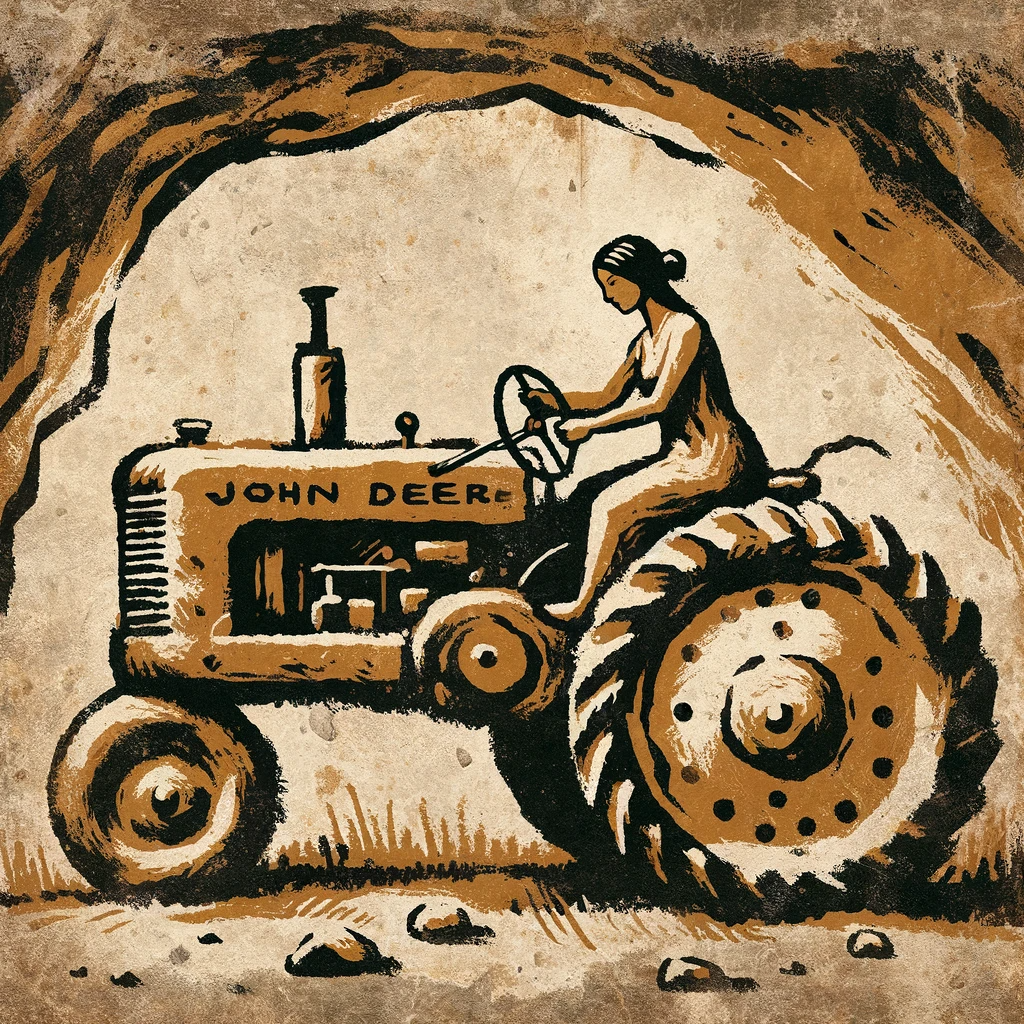
Other Questions
Haiku
3D Print That Rare Part and Save Your Classic Tractor – A Haiku
Classic tractors stand,
Heritage forged in hard soil,
3D prints renew.
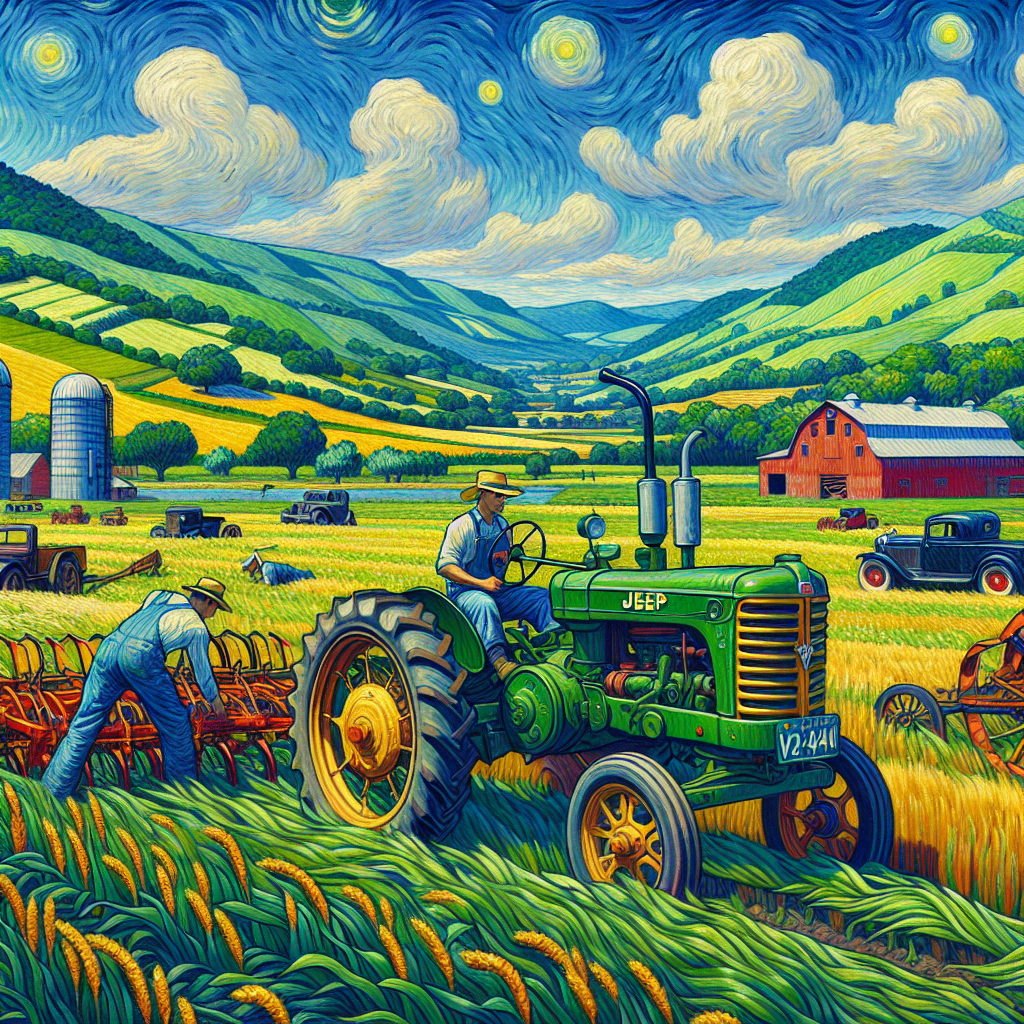
Haiku
Poem
3D Print That Rare Part and Save Your Classic Tractor – A Poem
In fields where memories stand tall,
Old tractors whisper tales of yore,
Rusty edges, scars that enthrall,
Legacies woven in dirt and more.
Beneath sunlit skies, hands worn and wise,
Generations toil, hearts bound to the land,
Each turn of the wheel, a silent reprise,
Traditions upheld, like grains in the sand.
But time can bite, parts fade away,
Yet hope hums loud with a modern embrace,
3D printing brings promise—let’s not dismay,
A chance to revive, to honor with grace.
Craftsmen and dreamers, gather and share,
In barns and online, where laughter resounds,
Restorations spark friendships, creating a flare,
Community blooms, in the rust and the sounds.
With each new part, stories unfold,
Of hard work and love, where family thrived,
Preserving our heritage, both precious and bold,
In metal and memories, our spirits revived.
So gather your tools, and raise up your heart,
To save those old tractors, let’s cherish and save,
For in every repair, we play our part,
With technology and passion, we’re free and we’re brave.
Poem
Checklist
3D Print That Rare Part and Save Your Classic Tractor – A Checklist
Emotional Appeals
✅______ Reflect on the memories tied to your tractor; consider what stories it carries for your family.
✅______ Visualize the satisfaction of restoring a beloved family heirloom.
✅______ Create a scrapbook or journal chronicling your tractor restoration journey and the memories it evokes.
Rational Appeals
✅______ Calculate potential savings from using 3D printing versus sourcing rare parts.
✅______ Research the costs and benefits of local 3D printing services.
✅______ Evaluate the durability and functionality of 3D printed parts compared to originals.
Ethical Appeals
✅______ Support local businesses that offer 3D printing services.
✅______ Opt for eco-friendly materials when 3D printing parts.
✅______ Consider the environmental impact of traditional manufacturing versus local 3D printing.
Authority Appeals
✅______ Consult with experts or join forums on classic tractor restoration for advice.
✅______ Attend workshops or tractor shows to learn best practices from seasoned restorers.
✅______ Follow reputable online resources for guides on 3D printing specific tractor parts.
Narrative Appeals
✅______ Share your journey of restoration with others; tell the story of your tractor’s history and significance.
✅______ Document and share milestones, such as first starts or significant repairs, with your community.
✅______ Create a narrative around each part you print, reflecting its importance in preserving your tractor.
Social Appeals
✅______ Join local or online communities of classic tractor enthusiasts.
✅______ Participate in tractor shows or restoration clubs to connect with like-minded individuals.
✅______ Host a gathering or workshop where fellow enthusiasts can share tips and experiences related to tractor restoration.
Checklist
At ClassicTractorNews, we help tractor lovers keep up with the latest news for classic and vintage tractors.
Please share this post with your friends, family, or business associates who may like old classic or vintage tractors.