


Rediscovering Tradition: How Old Iron Revived A Farmer’s Future
By Tom Seest
At ClassicTractorNews, we help tractor lovers keep up with the latest news for classic and vintage tractors.
Please share this post with your friends, family, or business associates who may like old classic or vintage tractors.
$2,400 Annual Savings – Why This Farmer Switched Back to Old Iron
In a world buzzing with technology, where shiny new tractors promise efficiency and speed, one farmer decided to embrace the past. This journey led to $2,400 in annual savings, but it’s about more than just numbers; it’s about rediscovery and reconnection. Picture a dusty old tractor, rusted but steadfast, a relic of a simpler time. There’s a certain beauty in those worn seats and faded paint—a history etched into every dent and scratch. This farmer found that in the dance between man and machine, reliability often trumps the allure of novelty.
When he traded his high-tech equipment for that old iron, he wasn’t just saving money; he was revitalizing a bond with the land. Each turn of the wheel and every tug on the throttle resonated with memories from his childhood. There’s a reason those old tractors have stood the test of time—because they’re more than machines; they’re companions that understand the rhythm of farming life. They rumbled through storms, plowed countless fields, and helped create a legacy that new models have yet to match.
Economically, it made sense. The shiny new tractor came with a hefty price tag and an intimidating stack of repairs, while the old iron required little more than routine maintenance. It’s a lesson in humility—don’t overlook the simple things. In an age when we’re often seduced by the latest innovations, this farmer’s choice reminds us that sometimes, wisdom lies in the past. It’s an ethical stand as well, an act of sustainable farming that emphasizes longevity over fleeting trends.
Moreover, this decision resonated throughout the community. Neighbors began to admire his choice, inspired to rethink what it means to farm efficiently. Conversations shifted from envy over newer models to admiration for the farmer who bucked the trend. It’s a story that encourages others to reflect on their own connections—to their tractors, their land, and their heritage.
So, next time you’re tempted by the latest gadget, think about what you might gain by looking back. There’s more than one way to cultivate success. You might just discover, like this farmer, that the true treasures are often found in the dirt of tradition, pride, and age-old machinery. Save money, save the past, and foster a connection to the land—sometimes the best lessons are the ones grounded in history.

$2,400 Annual Savings – Why This Farmer Switched Back to Old Iron
$2,400 Annual Savings – Why This Farmer Switched Back to Old Iron
- A farmer saves $2,400 annually by choosing an old tractor over new, high-tech equipment.
- The decision symbolizes rediscovery and a reconnection with the land and farming roots.
- Old tractors, viewed as companions, embody the reliability and history of farming life.
- Economically, the old tractor requires less maintenance and avoids high repair costs.
- This choice promotes sustainable farming practices and emphasizes the value of longevity.
- The farmer’s actions inspire the community to reconsider the definition of efficient farming.
- The narrative encourages reflection on heritage and the benefits of tradition over modern trends.

$2,400 Annual Savings – Why This Farmer Switched Back to Old Iron
Table Of Contents
- $2,400 Annual Savings – Why This Farmer Switched Back to Old Iron
- What Does Switching to Old Iron Mean for Sustainability?
- How Can Traditional Farming Methods Save Money?
- What Emotional Connections Do We Have to Vintage Machinery?
- Are the Financial Benefits Of Old Iron Compelling Enough to Switch?
- How Does This Change Impact Local Farming Communities?
- What Ethical Implications Arise From Modern Versus Old Farming Tools?
- Conclusion
- Other Resources
- Glossary Of Terms
- Other Questions
- Haiku
- Poem
- Checklist
What Does Switching to Old Iron Mean for Sustainability?
Switching to old iron, whether that’s a trusty tractor or a classic car, offers a unique lens through which we can view sustainability. This isn’t just about saving the planet; it’s about reconnecting with the values that bind us to our past, emphasizing practicality, authenticity, and longevity. When we drive that vintage tractor, we’re not just using machinery; we’re honoring craftsmanship, history, and the stories embedded in those well-worn hinges.
Imagine a time when things were built to last, where every scratch on the paint and dent in the metal told a chapter of its life. In a world driven by speed and disposability, old iron reminds us of the power of durability. It’s a robust alternative to the latest gadgets that promise efficiency but lack substance. The old tractor, with its creaky engine and rumbling charm, doesn’t just plow fields; it plows away the illusion of progress based solely on consumption, showcasing a slower, more thoughtful approach to living.
Each time we choose old iron over new, we’re not just making a financial decision; we’re taking a stand. This is a narrative about resilience, where every battle-scarred piece of equipment symbolizes a fight against the throwaway culture. We have to ask ourselves: what do we truly value? Do we find fulfillment in the new or in the narratives forged through time-tested surfaces? Embracing old iron is a quiet rebellion—a refusal to succumb to the pressures of modernity that often leads us down a path of environmental degradation.
There’s a sense of community that arises with this choice, too. Imagine attending a local fair where vintage tractors line the fields, each one a testament to hard work and dedication. Engaging in this culture fosters connections with others who share a passion for longevity and sustainability. We become part of a collective story, banding together in our shared appreciation for things that endure. It’s not just about individual ownership; it’s about a communal ethos grounded in responsible stewardship.
The old iron symbolizes more than nostalgia; it embodies a commitment to sustainable practices that honor our resources. In embracing this philosophy, we champion a lifestyle that recognizes the value of what has come before us while igniting a robust dialogue about the future we want to build together. So, let’s steer our moral compass toward the enduring, the reliable, and the stories that old iron can tell, paving a path toward a truly sustainable way of living.

What Does Switching to Old Iron Mean for Sustainability?
What Does Switching to Old Iron Mean for Sustainability?
- Switching to old iron, like vintage tractors or classic cars, highlights a unique perspective on sustainability.
- This transition reconnects us with values of practicality, authenticity, and longevity.
- Old iron represents durability in contrast to modern disposable culture.
- Choosing old iron is a stand against throwaway culture and environmental degradation.
- Joining a community around vintage machinery fosters connections and shared appreciation for sustainability.
- Old iron signifies more than nostalgia; it reflects a commitment to honoring our resources.
- This philosophy encourages a lifestyle that values history while contemplating a sustainable future.

What Does Switching to Old Iron Mean for Sustainability?
How Can Traditional Farming Methods Save Money?
Traditional farming methods have long stood the test of time, not just for their practicality but also for their potential to save money while nurturing our connection to the land. Imagine a lush green field, a trusty tractor parked under a big oak tree, and a farmer tending to his crops in the early morning light. This scene encompasses more than nostalgia; it embodies a way of life that challenges us to reconsider our agricultural practices.
At first glance, the techniques of yesteryear may seem outdated in the face of modern technology and fast-paced farming practices. However, traditional methods promote sustainability—a principle more vital now than ever. Utilizing crop rotation, for example, empowers the soil’s productivity without the need for chemical fertilizers. This not only reduces input costs but also fosters healthier crops, creating an environment where nature does the heavy lifting. Farmers who embrace this wisdom can often see significant savings on their bottom line.
Beyond the numbers, there’s an ethical dimension to these practices. By choosing to use local seeds and planting organically, farmers aren’t just preserving their livelihood; they’re safeguarding the environment for future generations. They often share their knowledge in community workshops, empowering others and fostering a collective resilience that brings neighborhoods closer together. It’s not just farming; it’s rebuilding a social fabric torn by fast-paced consumerism.
Take the story of a farmer who inherited his family’s land. Instead of relying solely on modern machinery, he opted for a hybrid approach: traditional techniques combined with selective technological enhancements. By using natural pest control methods and focusing on polyculture instead of monoculture, he significantly minimized inputs while maximizing the health of his fields. He discovered financial relief, transforming what once was a struggle into a thriving enterprise that birthed community-supported agriculture programs. The pride in witnessing this transformation extended beyond economics; it came with a renewed sense of purpose.
Engaging in traditional farming is more than a fiscal decision; it’s about taking a stand—seizing the reins away from overwhelming corporate farming practices. As consumers, we have the power to support these farmers by choosing local, nourishing options over mass-produced alternatives. Reflect on that moment you savor a homegrown tomato or crunch into a fresh carrot, knowing that your choice influences livelihoods.
In a world racing toward automation and convenience, the simple yet effective approaches of traditional farming invite us to pause and consider: what if we could cultivate a richer, more meaningful connection with our food and our community? Every tractor that rolls onto a field is not just machinery; it’s a bridge to a sustainable future, promising both savings and a deeper connection to our shared resources.

How Can Traditional Farming Methods Save Money?
How Can Traditional Farming Methods Save Money?
- Traditional farming methods are practical and economically beneficial, fostering a strong connection to the land.
- These techniques promote sustainability, utilizing practices like crop rotation to enhance soil productivity without chemicals.
- Employing local seeds and organic practices helps safeguard the environment and preserves livelihoods for future generations.
- Farmers share knowledge through community workshops, rebuilding social connections disrupted by consumerism.
- A hybrid approach combining traditional methods with selective technology can lead to healthier crops and minimized inputs.
- Consumer choices can support traditional farmers, emphasizing local and nourishing options over mass-produced products.
- Traditional farming encourages a meaningful relationship with food, fostering sustainability and community ties.

How Can Traditional Farming Methods Save Money?
What Emotional Connections Do We Have to Vintage Machinery?
There’s something about a vintage tractor that tugs at the heartstrings in a way that few things can. It’s not merely the rusted metal or aging paint that captivates; it’s the stories that accompany each dimple and dent. Every scratch tells a tale of labor and love, a testament to the countless hours spent cultivating fields and nurturing generations. When we stand beside one of these machines, we don’t just see machinery; we glimpse the ethos of the hardworking individuals who relied on them.
Let’s take a moment to reflect on the sheer elegance of a classic tractor. Picture it on a sun-drenched farm, its engine humming softly as it plows through rich, dark earth. It’s an anchor of tradition, connecting us to a simpler time when life was more tactile, and machines were often a farmer’s greatest ally. These vintage behemoths embody a philosophy: that craftsmanship and utility can coexist beautifully. They remind us of the values embedded in our society—hard work, perseverance, and the intimate relationship between man and machine.
There’s a certain nostalgia in vintage machinery that resonates with our sense of identity. Growing up, I watched my grandfather restore an old Ford tractor tucked away in a barn. The moments spent with him were more than just mechanical lessons; they were life lessons. He passed down wisdom through grease-stained hands, teaching me that each nut and bolt mattered. That tractor wasn’t just a tool; it became a vessel of connection, transforming mundane chores into cherished memories.
But what about the emotional weight? These machines encapsulate whispers of the past, urging us to remember the sacrifices made by those who came before us. They serve as a reminder of our roots, creating a sense of continuity in an ever-changing world. In a society racing toward modernization, vintage machinery offers a rallying cry to slow down, to appreciate the hard work that underpins our comforts today.
Vintage tractors unite communities, drawing enthusiasts together, igniting conversations that bridge generational gaps. Local fairs and rallies turn into platforms for storytelling, where young and old share their experiences. The experience is rich; strangers become friends, bound by a shared appreciation for the stories etched in metal.
So next time you pass a vintage tractor, take a moment to pause. Consider the lives it’s touched, the history it carries, and the timeless values it represents. Our connection to vintage machinery is more than nostalgia; it’s an enduring bond that honors the past while guiding us toward a more mindful future.
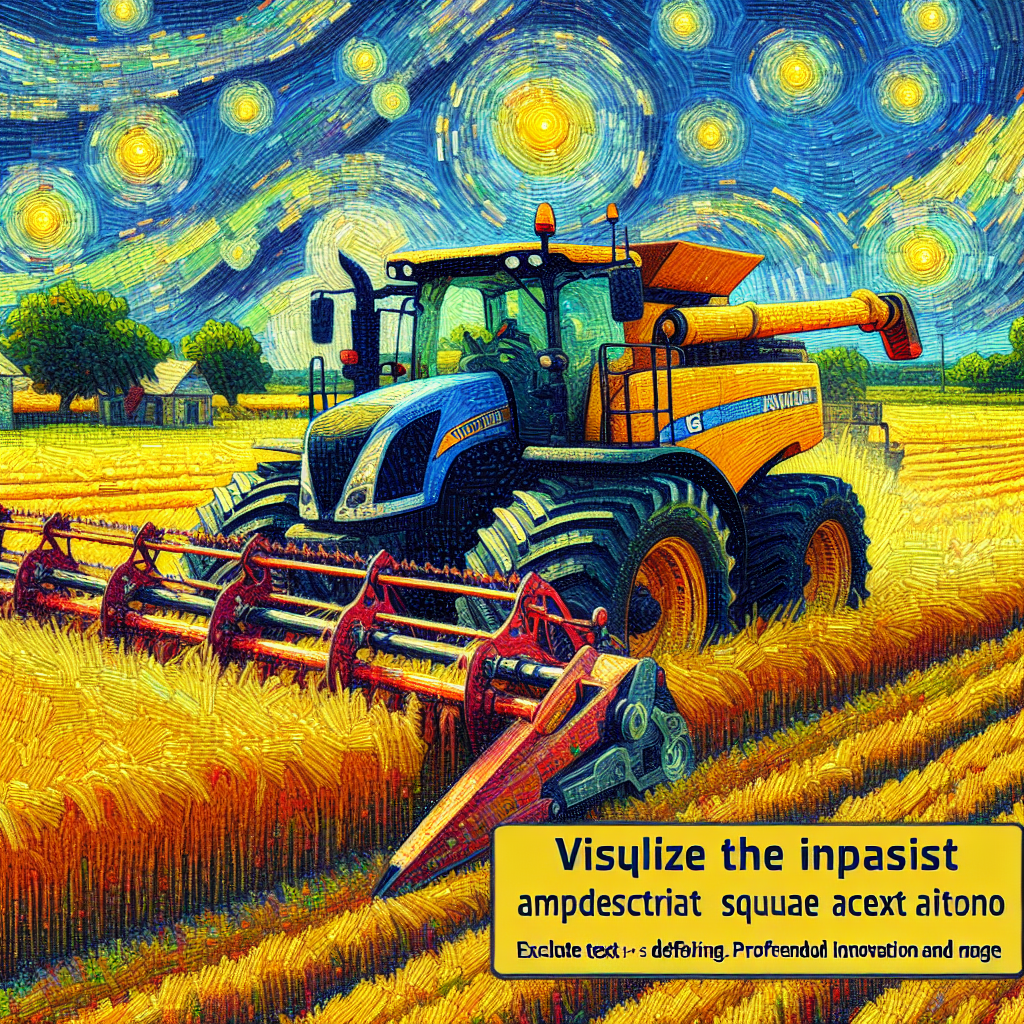
What Emotional Connections Do We Have to Vintage Machinery?
What Emotional Connections Do We Have to Vintage Machinery?
- Vintage tractors evoke nostalgia and emotion, highlighting their stories told through wear and tear.
- They serve as symbols of hard work and the bond between humans and machines.
- Classic tractors represent a simpler time, blending craftsmanship with utility.
- Personal connections to vintage machinery can lead to valuable life lessons.
- These machines encourage reflection on past sacrifices and our roots in an evolving world.
- Vintage tractors foster community, bridging generational gaps through shared stories at events.
- Appreciating vintage tractors promotes mindfulness and honors history in a fast-paced society.

What Emotional Connections Do We Have to Vintage Machinery?
Are the Financial Benefits Of Old Iron Compelling Enough to Switch?
Are the Financial Benefits of Old Iron Compelling Enough to Switch?
When you think of switching to old iron—rusty, reliable machines that weather every storm—you might be tempted to dismiss the idea as romantic nostalgia. But let’s pause and consider for a moment how these aging tractors, those steadfast workhorses of past eras, offer more than just a hard-earned sense of history. They represent a kind of authenticity in a world increasingly dominated by slick, soulless alternatives.
Imagine a farmer standing in his field, towering tractor beside him. This isn’t just a farming tool; it’s a legacy, a connection to his forebears, each scratch and dent telling a story of seasons past. Switching to old iron isn’t merely an economic decision; it’s a profound choice that speaks to our roots, our values. The value of these machines goes beyond their price tag; they evoke a connection to the land and the effort it takes to cultivate it.
Consider the financial implications: old tractors are often more affordable to buy and maintain than their shiny, technologically advanced counterparts. A decade’s worth of depreciation is stacked against cutting-edge machines whose costs keep climbing, often inflated by features that may draw your attention but won’t necessarily provide equal return on investment. For those who perform their own repairs—a skill fostered over years of necessity—the simpler mechanics of older models can mean significant savings. You don’t need a computer to diagnose issues when you can hear the problem with your own ears.
Think about the ethics of sustainability as well. Opting for an old tractor means you’re giving new life to what’s already there, reducing waste and embracing a practice that values conservation over constant consumption. It’s a choice that’s not just financially sound but morally fulfilling as well.
Then, there’s the story itself—the narrative of resilience and ingenuity. Each old iron machine carries with it a legacy of hard work, reminding us that success is often built on the shoulders of those who trudged before us. By investing in these machines, you’re not just making a purchase; you’re joining a community that appreciates the grit it takes to keep the wheels turning, the crops growing, and the stories alive.
In a society that races towards the new, consider taking a step back and embracing the time-tested reliability of old iron. Whether it’s for the heart, the head, or your gut, these tractors offer a compelling case for switching—a blend of personal philosophy, financial pragmatism, and a commitment to sustainability that just makes sense.

Are the Financial Benefits Of Old Iron Compelling Enough to Switch?
Are the Financial Benefits Of Old Iron Compelling Enough to Switch?
- Old tractors symbolize authenticity and connection to farming heritage.
- They can be more affordable to purchase and maintain compared to modern machines.
- Aging machines generally have lower depreciation rates than new, high-tech models.
- Simpler mechanics of old tractors facilitate easier, cost-effective repairs.
- Choosing old iron supports sustainability by reducing waste and embracing conservation.
- Investing in these machines connects buyers to a legacy of hard work and resilience.
- Opting for old tractors combines emotional, financial, and ethical considerations.

Are the Financial Benefits Of Old Iron Compelling Enough to Switch?
How Does This Change Impact Local Farming Communities?
In the heart of America’s rural landscapes, it’s not just the fields that grow; it’s the fabric of local communities, woven together by hard work, tradition, and the roar of a trusty tractor. The recent changes in agricultural policies may feel like a distant thunderstorm, but their impact is acutely felt in every barn and family dinner table. These changes aren’t just numbers in a legislative printout; they ripple through the lives of farmers and their families, altering the rhythm of their daily lives.
Every farmer knows that a tractor is more than machinery—it’s a lifeline. It’s the tool that brings life to the soil and food to the table. When policy shifts occur, they can force farmers to rethink their strategies, leading to a cycle of uncertainty. Think about it: a farmer wakes up before dawn, the air crisp, the promise of a new day hanging like dew on the crops. They depend on the land to provide, fueled by the belief that what they do matters. Yet, when policies shift, that promise can become clouded by doubt and financial strain.
Consider the story of Mary, a fourth-generation farmer. She remembers her father navigating the fields on his tractor, teaching her the value of perseverance. Now, as she faces new regulations that seem designed without her in mind, there’s a heaviness that lingers. It’s not just about compliance; it’s about her family legacy, the community gathering at harvest time, and the neighbors who rely on her produce. Every decision she makes echoes in the lives of her friends and fellow farmers, fostering a sense of responsibility that weighs heavily on her shoulders.
But there’s hope. From the ashes of uncertainty, communities often rise with resilience. Farmers like Mary find solace in one another, sharing stories, resources, and strategies. The local co-op can become a meeting ground for collaboration, sparking innovative ideas that challenge traditional thinking. Embracing technology and sustainable practices can help pave a new path, where equipment like tractors are part of an integrated system that benefits both the environment and the farmer’s bottom line.
This is about more than just agriculture; it’s a call to action. Local farming communities possess the collective power to advocate for changes that reflect their values. When farmers unite and share their stories—when they invite their neighbors and local leaders into the conversation—real change occurs. They’re not just tending the land; they’re nurturing their future, connecting deeply with the roots of not just their families but their entire communities. The impact of change can be significant, but it’s the strength of the people behind those tractors that truly defines the future of local farming.

How Does This Change Impact Local Farming Communities?
How Does This Change Impact Local Farming Communities?
- America’s rural landscapes feature tightly-knit communities shaped by tradition and agriculture.
- Changes in agricultural policies impact farmers’ lives, creating uncertainty and financial strain.
- Tractors serve as vital tools for farmers, integral for both production and sustenance.
- The story of Mary, a fourth-generation farmer, highlights the legacy and responsibility felt by farmers.
- Resilience emerges in communities through collaboration, sharing resources, and innovative ideas.
- Adopting sustainable practices and technology can lead to beneficial outcomes for both farmers and the environment.
- Local farming communities can advocate for their needs, fostering real changes and nurturing their future.

How Does This Change Impact Local Farming Communities?
What Ethical Implications Arise From Modern Versus Old Farming Tools?
When considering the ethical landscape of farming, a stark contrast emerges between the old tools once relied upon and the sleek machinery of today. Picture a weathered farmer, cradling a hand plow, laboring alongside his family under the sun’s warm embrace. This image encapsulates a time when the bond between man and land was nearly sacred. Now, visualize a modern tractor, powerful but impersonal, cutting through fields at a speed that seems to race against the very seasons themselves. This juxtaposition begs the question: has the pursuit of efficiency overshadowed the ethical responsibilities that come with nurturing our earth?
The heart of agriculture has always been the farmer’s relationship with nature. Old farming tools demanded intimacy—a tactile connection where each furrow turned in the soil echoed the care and attention given to the land. When farmers used their hands and simple implements, they understood their impact on the ecosystem. They witnessed the rhythms of the earth and responded with a deeper sense of duty. Modern tractors, while efficient, can create a rift between the farmer and the soil. This shift raises ethical concerns about the sustainability of farming practices that prioritize output over stewardship.
Rationally, utilizing advanced technology offers undeniable benefits. Higher yields can help feed a growing population, but what are we sacrificing? The allure of productivity often comes with a hefty price tag—a disconnection from the heritage and traditions that defined generations of farming. The loss of biodiversity, soil degradation, and reliance on chemical inputs for maximum yield echo like warning bells in the distance.
An engaging narrative can bring this issue home. Imagine a young farmer inheriting the family farm, equipped with state-of-the-art tractors and drones. Eager to implement modern techniques, he quickly realizes that his soil—the very foundation of his livelihood—is showing signs of distress. Emotional stories of communities affected by industrial farming practices serve as a reminder that the broader social implications of these choices can lead to food deserts, loss of local economies, and erosion of community ties.
Ultimately, embracing the wisdom of old farming tools while integrating modern technology presents a unique opportunity. It invites farmers to be custodians of the land rather than mere producers. Combining the heart, head, and gut of agricultural practice fosters a culture of respect for the environment. By recognizing the ethical implications of our tools, we can forge a new path that honors tradition while fostering innovation. In doing so, we uphold an ethical responsibility not only to our farms but to future generations, ensuring that the tractor’s roar is harmonized with the rustle of leaves and the whispers of the earth beneath our feet.

What Ethical Implications Arise From Modern Versus Old Farming Tools?
What Ethical Implications Arise From Modern Versus Old Farming Tools?
- Contrasts exist between traditional farming tools and modern machinery, highlighting evolving ethical responsibilities.
- Old farming techniques fostered a close relationship between farmers and the land, emphasizing care and attention.
- Modern tractors improve efficiency but may create a disconnect from the soil and its rhythms.
- Advanced technology leads to higher yields, but raises concerns about sustainability and ecological impact.
- The narrative of a young farmer illustrates the consequences of modern practices on soil health and community stability.
- Integrating traditional farming wisdom with modern methods presents an opportunity for environmental stewardship.
- A balanced approach respects agricultural heritage while promoting innovation for future generations.

What Ethical Implications Arise From Modern Versus Old Farming Tools?
Conclusion
In an era where modernity often overshadows the past, the story of one farmer who turned back to old iron serves as a powerful reminder of the values rooted deep in tradition. This journey isn’t simply about a dusty tractor; it’s a tale of emotional connection, financial responsibility, sustainability, and community spirit. By opting for an antiquated yet reliable machine, this farmer pocketed annual savings of $2,400, but the impact transcends mere economics. Each scratch on that old tractor represents a history filled with lessons and memories, resonating with the very essence of farming life.
Decades of innovation have tempted farmers with high-tech machinery, but our protagonist discovered that the true essence of farming lies in the relationship between man and the machine, something that new models struggle to replicate. Embracing the old made sense financially, reducing costs associated with repairs and excessive expenditures required by modern equipment. This seemingly humble choice stands as a testament to humility in a world enamored with shiny alternatives—sometimes wisdom truly lies in the past.
Beyond economics, the switch to old iron captures an ethical intention, highlighting sustainable practices that promote the longevity of the environment over fleeting trends. This decision fosters a community ethos as others witness the value of reconnecting with tradition. Conversations shift from envy of modernity to admiration for grounded practices, as neighbors find inspiration in a farmer who dares to redefine efficiency.
This narrative invites us all to reflect on our connections—whether to our tools, our land, or our heritage. It provokes a powerful, collective question: What do we value in our lives? In a world leaning heavily on rapid consumption, turning to old iron becomes an act of quiet rebellion against the throwaway culture. By embracing the resilience of vintage machines, we not only secure a financially sound future but also weave a narrative of sustainability, emphasizing practicality and authenticity.
As we consider these choices, let’s remember that engaging with old machinery can reignite our bonds with the land and each other. Each vintage tractor serves not just as a tool but as a bridge connecting generations, nurturing a spirit of community where every farm is a tapestry woven together by shared stories and mutual respect. So next time you’re drawn to the latest gadget, pause and ponder what you may uncover by looking back—sometimes, the treasures buried in tradition can pave the way for a richer, more meaningful future.

Conclusion
Conclusion:
- A farmer’s choice to use an old tractor highlights the importance of tradition in modern farming.
- This decision leads to annual savings of $2,400, showcasing financial responsibility.
- The old tractor symbolizes a history rich in lessons and memories tied to farming life.
- The relationship between farmer and machine in vintage formats is valued over high-tech alternatives.
- Switching to old machinery promotes sustainability and ethical practices in agriculture.
- This choice inspires community admiration and fosters a spirit of tradition among neighbors.
- Engaging with vintage equipment strengthens connections to the land and shared heritage.
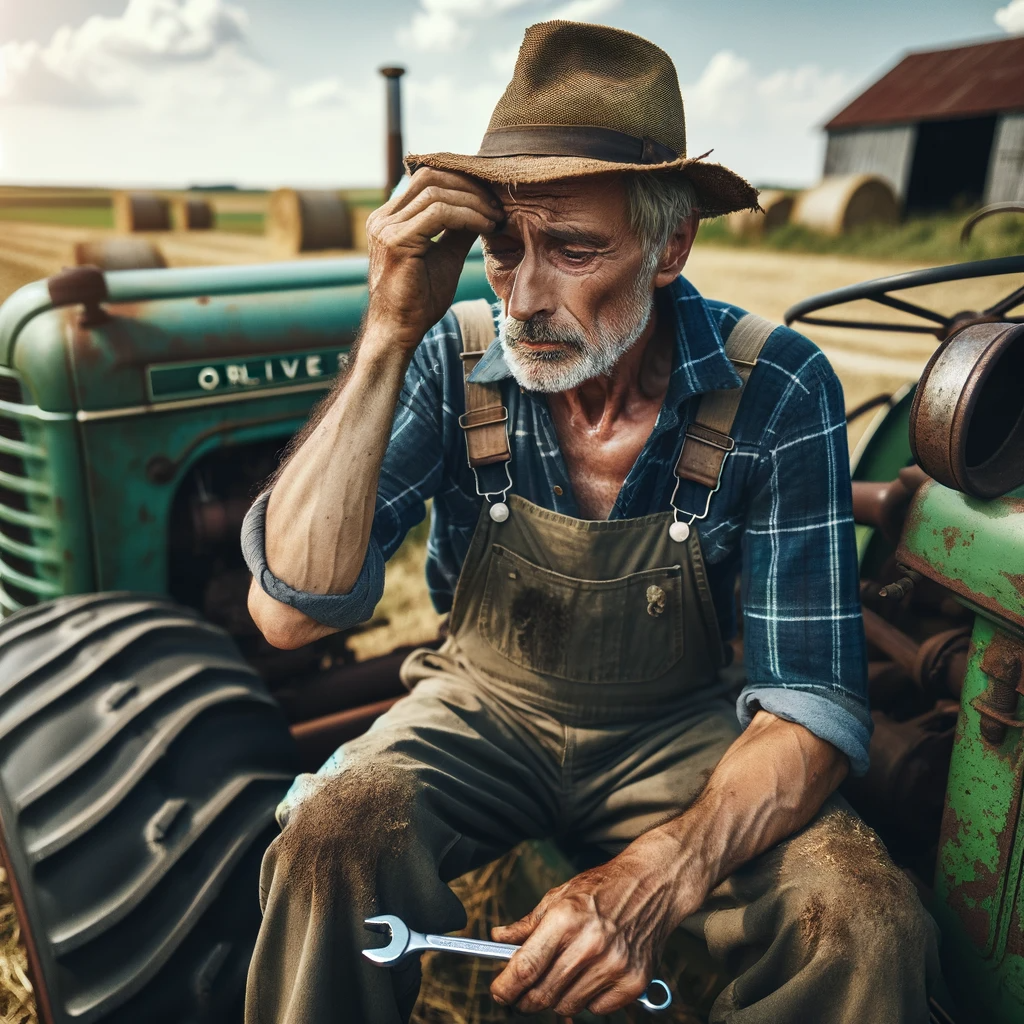
Conclusion
Other Resources

Other Resources
Here is a list of other resources you can review online to learn more:
- Zetor Zebra
- Benye
- Sheppard Diesel
- The AgriCultural Museum & Arts Center
- Pioneer Tractor
- Tractor Data
- Solis
- Minnesota’s Machinery Museum
- Landini
- Fordson
- Ford-New Holland
- Arma Trac
- Bristol
- Muller
- CLAAS of America
- Rumely
- Schilter
- Vintage Tractor And Farm Festival
- Legacy of the Plains Museum
Use This Prompt To Get More Resources With Your Favorite Online AI Tool: Please provide me with a list of online articles with their URLs in a bulleted list that I can read regarding $2,400 Annual Savings – Why This Farmer Switched Back to Old Iron

Other Resources
Glossary Terms
$2,400 Annual Savings – Why This Farmer Switched Back to Old Iron – Glossary Of Terms
1. Old iron — Older, mechanically simple tractors and implements valued for durability and low-tech maintenance requirements.
2. Modern equipment — Newer machines with electronic controls, telematics, and precision-ag technologies that add upfront cost and complexity.
3. Total cost of ownership (TCO) — All costs over an asset’s life: purchase, fuel, maintenance, repairs, downtime, and disposal.
4. Capital expenditure (CapEx) — Upfront purchase cost of machinery or major upgrades.
5. Operating expense (OpEx) — Ongoing costs to run equipment: fuel, oil, parts, labor, and routine service.
6. Depreciation — Loss of an asset’s value over time, affecting resale and tax calculations.
7. Resale value — Expected market price when equipment is sold used.
8. Salvage value — Estimated worth of a machine at the end of its usable life for parts or scrap.
9. Return on investment (ROI) — Financial gain from an equipment purchase relative to its cost.
10. Payback period — Time required for savings or income to cover the purchase cost.
11. Lifecycle cost — Cumulative expenses from acquisition through disposal, crucial for comparing old vs. new machines.
12. Maintenance cost — Expenses for routine service, tune-ups, and preventative care.
13. Repair frequency — How often breakdowns occur; higher frequency raises annual costs and downtime.
14. Parts availability — Ease of sourcing replacement components for older or newer equipment.
15. Aftermarket parts — Non-OEM components that can lower repair costs for older machines.
16. Remanufactured parts — Rebuilt components offering lower cost than new OEM parts with improved reliability.
17. Parts cannibalization — Using parts from one machine to repair another as a cost-saving tactic.
18. Downtime — Time equipment is unusable due to repairs or maintenance; lost productivity cost.
19. Reliability — Likelihood equipment will perform without failure under normal conditions.
20. Mechanical simplicity — Fewer electronic systems and simpler designs that make troubleshooting and repairs easier.
21. Operator familiarity — How comfortable and efficient a user is with a given machine, impacting labor speed and mistakes.
22. Fuel efficiency — Fuel consumed per hour or per unit of work; a major factor in operating cost.
23. Fuel type — Diesel, gasoline, propane, or biodiesel choices that affect cost, maintenance, and compatibility.
24. Hourly operating cost — Aggregate cost to run equipment per hour, including fuel, oil, and wear.
25. Work rate — Area or volume of work completed per hour (e. g. , acres/hour), affecting productivity calculations.
26. Horsepower — Engine power rating that determines capability for pulling, PTO tasks, and implements.
27. PTO (Power Take-Off) — Shaft-driven power interface used to run implements; compatibility matters with older gear.
28. Hydraulic system — Fluid-driven system powering lifts and implements; repair complexity differs by age and design.
29. Electronic controls (ECU/telemetry) — Onboard computers and remote monitoring that add functionality and diagnostic capability but increase repair costs.
30. Precision agriculture — GPS-guided and sensor-based practices that can raise equipment cost but improve input efficiency and yields.

Glossary Of Terms
Other Questions
$2,400 Annual Savings – Why This Farmer Switched Back to Old Iron – Other Questions
If you wish to explore and discover more, consider looking for answers to these questions:
- How was the $2,400 annual savings calculated and what costs were included?
- What are the typical purchase prices for comparable old tractors versus new models?
- What are the ongoing maintenance and repair costs for old iron compared with modern tractors?
- How does fuel efficiency compare between vintage tractors and newer machines?
- What types of repairs or parts are most commonly needed for old tractors, and how easy are those parts to find?
- How long can an old tractor be expected to remain serviceable with routine maintenance?
- Does using old machinery affect crop yields or operational productivity?
- Are there safety concerns with older tractors and how can they be mitigated?
- How do emissions from old tractors compare to modern, emissions-compliant equipment?
- Are there local, state, or federal regulations that restrict the use of older equipment?
- How does insurance and liability differ for vintage vs. new farm equipment?
- What skills or training are needed to maintain and operate old machinery effectively?
- Is it practical to use old tractors on large-scale commercial farms?
- What attachments and implements are compatible with older tractors?
- How does depreciation and resale value of old iron compare to new tractors?
- What are the environmental trade-offs between extending the life of old equipment and adopting newer, cleaner technologies?
- How do financing options and loan availability differ for purchasing vintage machinery?
- What are the time costs (labor hours) associated with maintaining old equipment versus time saved using modern automation?
- Can old tractors be retrofitted with modern features (e.g., GPS, safety systems) and at what cost?
- Are there warranty or service-network differences that affect total cost of ownership?
- How does community perception and market demand influence the decision to use old iron?
- Are there tax incentives, grants, or subsidies available for restoring or reusing older equipment?
- What are the common failure modes of vintage tractors and warning signs to watch for?
- How can a buyer assess the condition and remaining life of an old tractor before purchase?
- Where are reliable sources for purchasing, restoring, or getting parts for old tractors?
- What is the role of traditional farming methods in integrated systems alongside modern technology?
- How have other farmers quantified the economic and non-economic benefits of switching back to old iron?
- What are the ethical considerations for choosing old equipment when labor demands or safety are affected?
- How scalable is the “old iron” approach for farmers seeking to expand operations?
- What community programs, clubs, or resources exist to support vintage tractor owners?
- How does using old equipment affect farm succession planning and intergenerational transfer of skills?
- What emergency or backup plans should farmers have if an old tractor fails during critical periods?

Other Questions
Haiku
$2,400 Annual Savings – Why This Farmer Switched Back to Old Iron – A Haiku
Old iron in our fields,
Tradition plows deep and true,
Saves both earth and heart.

Haiku
Poem
$2,400 Annual Savings – Why This Farmer Switched Back to Old Iron – A Poem
In fields where old iron stands,
A steadfast bond between man and land,
Rusty tractors tell tales of yore,
Whispers of labor, of dreams, and more.
Efficiency’s new gleam may ensnare,
Yet wisdom lies in history’s care,
With faded paint and memories worn,
They echo the joys of labor reborn.
A farmer’s choice, not just for the cost,
$2,400 saved, yet what’s not lost?
Connection to roots, to earth’s gentle plea,
A dance with tradition, a nod to the free.
Old machines hum with stories profound,
Each dent, each scratch, in the soil is found,
A testament to dedication and toil,
Where heart and heritage richly uncoil.
Sustainability whispers in each creaky wheel,
An embrace of the past, a truth we can feel,
For every turn nurtures the fabric of fate,
In communities forged, where resilience waits.
So pause in this rush for the latest and fast,
For treasures await in the shadows of the past.
In vintage machinery, let your heart glean,
The power of legacy, of what might have been.

Poem
Checklist
$2,400 Annual Savings – Why This Farmer Switched Back to Old Iron – A Checklist
Emotional Appeal
✅______ Reflect on personal connections to farming history \
✅______ Identify memories associated with vintage machinery \
✅______ Consider the legacy and stories embedded in older equipment \
Rational Appeal
✅______ Compare costs of old tractors versus new models (purchase, maintenance, repairs) \
✅______ Assess the potential savings over time ($2,400 annual saving example) \
✅______ Evaluate the practicality and efficiency of traditional farming methods \
Ethical Appeal
✅______ Identify how using old machinery supports sustainability and reduces waste \
✅______ Reflect on the moral implications of consumerism versus preservation \
✅______ Consider contributions to local economies and community resilience \
Authority Appeal
✅______ Research testimonials from farmers who have successfully switched back to old iron \
✅______ Gather data on the efficiency and reliability of traditional farming tools \
✅______ Seek insights from agricultural experts on the benefits of vintage equipment \
Narrative Appeal
✅______ Share stories of farmers who embraced old iron and their reasons for the transition \
✅______ Highlight community gatherings or fairs celebrating vintage machinery \
✅______ Use anecdotes that illustrate the deep connection between farmers and their land \
Social Appeal
✅______ Encourage participation in local farming collectives or co-ops focused on sustainable practices \
✅______ Create opportunities for discussions on the importance of traditional farming methods \
✅______ Promote the idea of community responsibility to support local, vintage practices \
Practical Steps
✅______ Assess existing equipment and determine what can be replaced with older models \
✅______ Create a maintenance plan for any old machinery acquired \
✅______ Engage in learning about traditional farming techniques through workshops or mentorships

Checklist
At ClassicTractorNews, we help tractor lovers keep up with the latest news for classic and vintage tractors.
Please share this post with your friends, family, or business associates who may like old classic or vintage tractors.