


Discover How Tractor Care Has Evolved: Costs, Insights, And Impact
By Tom Seest
At ClassicTractorNews, we help tractor lovers keep up with the latest news for classic and vintage tractors.
Please share this post with your friends, family, or business associates who may like old classic or vintage tractors.
1978 Tractor Maintenance Costs Vs. 2025 Model – Eye-Opening Data
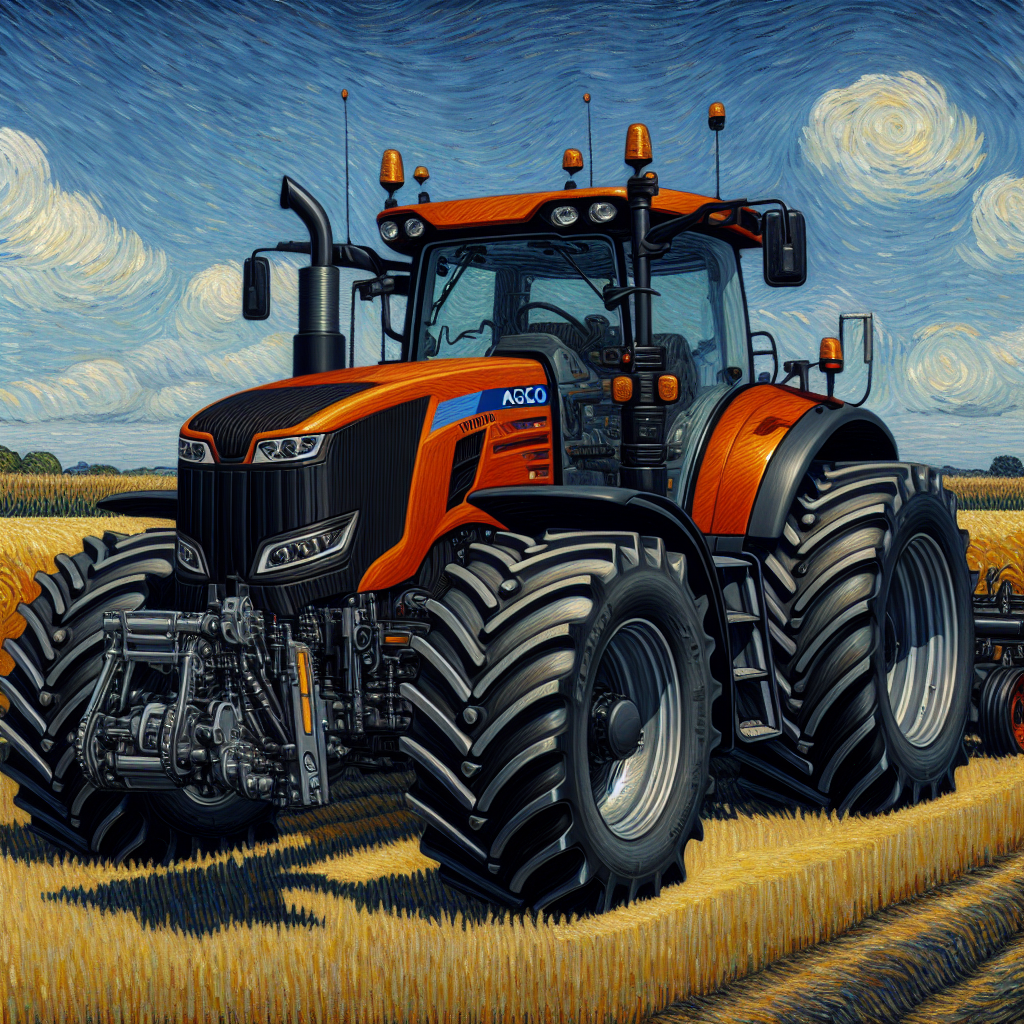
In the world of farming, the beating heart of our landscape, a tractor is more than just a machine; it’s a stalwart companion through the seasons. The 1978 tractor, a hulking piece of iron and grit, symbolize a different era—one where maintenance meant getting your hands dirty and knowing the subtle mechanics of your trusty workhorse. Today, in 2025, tractors have evolved into sophisticated marvels of engineering, boasting technology that would dazzle even the most ardent gearhead. Yet, even as we embrace innovation, it’s critical to reflect on what this evolution means for farmers’ wallets.
Consider the story of a farmer in Kansas who inherited a 1978 model from his father. This tractor, with its rusted body and old-school charm, required regular upkeep: a bit of grease here, an oil change there. The costs of maintenance were relatively manageable—mostly labor and basic supplies, all of which could be handled with a few tools and a can-do attitude. Fast forward to 2025. The same farmer, eager to embrace technology, invests in a newer model packed with features like GPS, automated controls, and Bluetooth connectivity. While these advancements promise greater efficiency, they come at a price—one that can turn the once simple act of maintenance into a labyrinth of diagnostic codes and software updates.
At first glance, the numbers may seem daunting, but digging deeper, we’re confronted with a complex reality. The initial maintenance costs of the 1978 tractor might seem lower, but what about the hidden costs of downtime, inefficiencies, and fuel consumption? The newer models may demand a higher investment upfront, but they offer reliability and precision that could lead to increased yields and profitability in the long run. It’s a balancing act, a dance on the wires of tradition and progress.
Embracing modern technology shouldn’t mean losing touch with the roots that ground us. Farmers face choices daily; each decision shapes the future of their land and livelihoods. The drive to adopt these new tractors should come from an understanding that progress means not just investing in machines but also the ethos of partnership with the land. Like the farmer who finds joy in the roar of an engine or the thrill of a bountiful harvest, what truly matters is that tender connection between human endeavor and the earth we cultivate. Understanding these maintenance costs isn’t just about dollars and cents; it’s about honoring tradition while embracing a bright future.

1978 Tractor Maintenance Costs Vs. 2025 Model – Eye-Opening Data
1978 Tractor Maintenance Costs Vs. 2025 Model – Eye-Opening Data
- Tractors serve as essential companions in farming, representing both tradition and progress.
- The 1978 tractor symbolizes a time when maintenance was hands-on and straightforward.
- Modern tractors (2025) feature advanced technology like GPS and automated controls, enhancing efficiency.
- Maintenance costs have shifted, with newer models presenting complexities such as diagnostic codes and software updates.
- While initial costs of older tractors may appear lower, hidden costs like downtime and inefficiencies must be considered.
- Investing in newer tractors may yield long-term benefits through increased reliability and profitability.
- The relationship between farmers and their land is vital, blending tradition with technological advancements.

1978 Tractor Maintenance Costs Vs. 2025 Model – Eye-Opening Data
Table Of Contents
- 1978 Tractor Maintenance Costs Vs. 2025 Model – Eye-Opening Data
- How Does a 2025 Model Compare In Reliability?
- What Hidden Costs Should You Expect with Older Tractors?
- Can Modern Tech Reduce Maintenance Headaches for Your Tractor?
- What Ethical Considerations Arise In Choosing Tractor Models?
- How Can You Extend the Life Of a Vintage Tractor?
- What Do Experts Say About Maintaining Older Vs. Newer Models?
- Conclusion
- Other Resources
- Glossary Of Terms
- Other Questions
- Haiku
- Poem
- Checklist
How Does a 2025 Model Compare In Reliability?
When we talk about reliability, it’s easy to get bogged down in the numbers—statistics on failure rates, warranty claims, and the like. But let’s step back for a moment. Think about the old tractor sitting in your neighbor’s field, rusting quietly under an oak tree. That machine, with its faded paint and cracked tires, has a story. It’s been a part of the community for decades, hauling heavy loads, cultivating vast fields, and enduring the harshest weather. There’s something deeply reassuring about that kind of dependability, isn’t there?
Now, let’s shift gears to the 2025 model that’s making waves. Designed with the latest technology, this machine promises better performance and advanced features. But here’s the kicker: reliability isn’t just about new gadgets and parts. It’s about forging a connection, much like that old tractor. Picture it; you hop into the cab of the 2025 model, and it feels less like a machine and more like a partner. The makers have listened to farmers, mechanics, and everyday users, weaving their feedback into the design and functionality. This isn’t just engineering; it’s a collaborative journey, enriching the heart of every user.
Reliability is also about trust. When that new model rolls off the assembly line, it embodies not just technology, but the collective wisdom of a community. Manufacturers face questions that go beyond specs: Can this machine withstand the early morning dew? Will it keep running when the fields are muddy? The answer resonates with ethical considerations; the company behind it has a responsibility to produce something that stands the test of time and supports livelihoods.
Let’s get real: if you’ve ever found yourself stranded in the middle of a field because your machine let you down, you know the gut-wrenching feeling that stirs inside. It’s one thing to lose time; it’s another to lose trust in your equipment. The 2025 model aims to rewrite that narrative by equipping users with anxiety-free reliability, letting them focus on what truly matters—growing crops, supporting families, and being part of a larger community.
Ultimately, when you consider reliability in the 2025 model, it’s not just about what’s under the hood; it’s about how it integrates into your life, how it strengthens bonds with the land and with one another. Much like that old tractor, this new machine aspires to become a dependable ally, ready to face whatever challenges the field throws its way. Choose wisely, and invest in machinery that embodies reliability—because at the end of the day, it’s not just about performance; it’s about partnership.

How Does a 2025 Model Compare In Reliability?
How Does a 2025 Model Compare In Reliability?
- Reliability often gets lost in statistics like failure rates and warranty claims.
- The old tractor symbolizes dependable machinery with a rich history and community connection.
- The 2025 model introduces advanced technology while emphasizing user connection and partnership.
- Manufacturers incorporate feedback from users to enhance design and functionality.
- Trust is central to reliability, requiring machinery to withstand various environmental conditions.
- The 2025 model aims to eliminate anxiety over reliability, allowing users to focus on their agricultural work.
- Investing in reliable machinery fosters partnerships that support livelihoods and strengthen community ties.

How Does a 2025 Model Compare In Reliability?
What Hidden Costs Should You Expect with Older Tractors?
Owning an older tractor can feel like uncovering a forgotten artifact, rich with history and stories as it chugs along, reminding you of simpler times. You might envision tranquil mornings spent tilling the earth, a trusted companion through seasons of planting and harvest. But as eager as you are to embrace this piece of machinery, it’s crucial to understand the hidden costs that may lurk beneath the surface.
First, let’s talk maintenance. Older tractors often come with the charm of character, but they also require a hands-on approach that’s more akin to nurturing a living thing than a mere machine. Just as a classic car needs more than a quick wash and wax, so does your tractor. You could find yourself investing time, energy, and cold hard cash into repairs and parts. Picture this: you’ve finally got everything ready for spring planting, and then that stubborn engine refuses to start. It’s not just the repair bills; it’s the frustration of being held back at the very moment you’ve planned for.
Next, consider the fuel efficiency—or lack thereof. Older models weren’t built with modern efficiency in mind, resembling more of a gas guzzler than a powerhouse. You might feel your stomach twist at the thought of rising fuel costs, especially when you’re trying to keep your operation afloat. A little more wear on those tires, a little more maintenance on that engine, and suddenly you’re pouring out dollars faster than the fuel itself.
The ethics of purchasing an older tractor also come into play. While saving money up front seems appealing, think about the environmental footprint. Older machines burn more fuel and emit more pollutants. Are you contributing to a greener future, or are you clinging to nostalgia while ignoring the planet’s urgent needs?
Finally, there’s the value of support and community. When you invest in an older model, you’re often stepping into a network of enthusiasts and collectors. You grow not just in skills and knowledge, but in camaraderie. This community can be your lifeline, sharing stories, resources, and tips that could save you time and money.
An older tractor is more than just a piece of machinery; it’s a story waiting to be written. As you navigate the hidden costs, remember, it’s not merely about preserving the past. It’s about forging a future that respects both tradition and progress.

What Hidden Costs Should You Expect with Older Tractors?
What Hidden Costs Should You Expect with Older Tractors?
- Owning an older tractor is like uncovering a historical artifact, evoking nostalgia and simpler times.
- Maintenance is essential and can be time-consuming and costly, requiring a hands-on approach.
- Older models tend to have poor fuel efficiency, leading to higher operational costs.
- Buying an older tractor can have negative environmental impacts due to increased fuel consumption and emissions.
- Joining the community of older tractor enthusiasts offers support, skills, and shared resources.
- Investing in an older tractor is about more than machinery; it’s about preserving history while respecting future needs.
- Navigating hidden costs is crucial when balancing tradition with modern sustainability efforts.

What Hidden Costs Should You Expect with Older Tractors?
Can Modern Tech Reduce Maintenance Headaches for Your Tractor?
Picture this: the early morning sun spilling across your fields, the promise of a productive day waiting ahead. As you walk past your trusty tractor, there’s an undeniable connection—the hum of its engine is like the steady heartbeat of your farm. But maintaining that heartbeat can feel like an endless chore, each oil change and repair a reminder that modern farming, while rewarding, brings its own set of headaches.
Enter technology. Gone are the days when you had to rely solely on intuition and experience to troubleshoot your tractor’s ailments. Today’s advancements have transformed how we approach maintenance. Think of it like upgrading from a typewriter to a sleek computer. There’s a level of efficiency that allows you to focus not just on fixing problems but on driving innovation and growth in your operations.
Many farmers often share stories of the sleepless nights spent worrying about equipment breakdowns. It’s heart-wrenching to think about the lost hours and resources because of a simple mechanical failure. But with smart sensors and diagnostic tools built into modern tractors, you’re not just guessing anymore. You have access to real-time data that predicts issues before they become catastrophes. It’s like having a trusted advisor alongside you, one who knows when something’s not quite right, so you can address it before it disrupts your day.
And let’s talk about the ethical aspect. We all share a commitment to sustainability, and modern tech isn’t just about efficiency; it’s about responsibility. By minimizing maintenance headaches, you’re reducing downtime, fuel waste, and unnecessary wear and tear on equipment. It’s a responsible choice for the land that has nurtured generations.
Imagine this: you’re part of a community where every farmer harnesses technology to improve practices and share knowledge. The collective wisdom of those who embrace this change becomes a force for good, one that elevates everyone’s operation. It’s about more than just individual gain; it’s a movement toward better farming for all.
Embracing these advancements doesn’t mean losing the essence of what it means to be a farmer. Rather, it’s about leveraging the partnerships technology offers. You get to feel the satisfaction that comes from a well-oiled machine while knowing that it’s supporting your livelihood and helping you care for the land. Let’s lift each other up with technology that turns those maintenance headaches into a thing of the past, allowing you to do what you truly love: farming.

Can Modern Tech Reduce Maintenance Headaches for Your Tractor?
Can Modern Tech Reduce Maintenance Headaches for Your Tractor?
- Early mornings signify the promise of a productive day on the farm.
- Modern farming maintenance involves challenges, with equipment upkeep often seen as a chore.
- Technological advancements enhance maintenance efficiency, allowing farmers to focus on innovation.
- Smart sensors and diagnostic tools provide real-time data to predict equipment issues before they escalate.
- Emphasizing sustainability, modern tech helps reduce downtime, fuel waste, and equipment wear.
- Community-driven knowledge sharing among farmers fosters collective improvement in practices.
- Embracing technology enhances the farming experience without compromising traditional values.

Can Modern Tech Reduce Maintenance Headaches for Your Tractor?
What Ethical Considerations Arise In Choosing Tractor Models?
Choosing the right tractor isn’t just an equation of horsepower and price; it’s a decision steeped in ethical considerations that affect not just the buyer, but the community at large. When you stand in the dealership, imagining the fields you’ll plow and the crops you’ll sow, it’s crucial to ask yourself: What are the values and impacts behind those shiny machines?
First, let’s talk about sustainability. Tractors can burn a lot of fuel, and if we’re serious about leaving a better world for future generations, we need to consider models that prioritize fuel efficiency or even alternative energy sources. Picture that small family farm, one that has been passed down for generations. Decisions made today about which tractor to purchase can directly affect that family’s ability to thrive in an eco-conscious world. Choosing a tractor model that aligns with progressive environmental practices is like planting a seed for a healthier planet.
Then there’s the matter of labor. When assessing a tractor, think about the people who will be operating it. A model that emphasizes safety features can make a world of difference in protecting workers from accidents. Imagine a father returning home instead of spending time in a hospital due to a preventable accident. This isn’t just about machinery; it’s about lives. Choosing a tractor equipped with advanced safety technologies isn’t just a rational choice—it’s an ethical stance on valuing human life over mere productivity.
On a broader scale, we must recognize the social impact of our selections. Supporting companies that prioritize ethical labor practices in their production lines matters. That means looking deeper into where and how tractors are manufactured. Do the workers receive fair wages? Are their rights protected? Every time you choose a tractor, you’re casting a vote—one that can support fair trade and responsible manufacturing practices.
Lastly, consider the broader agricultural community. The choices you make ripple out. When you invest in a local dealership that understands your needs and backs it with community engagement, you foster a network of trust and shared values. This relational aspect can empower not only your farm but also encourage collaboration and resilience among neighboring farms.
In choosing tractor models, we balance the head, heart, and gut. It’s about the horsepower on the ground and the love for the land and people we’re serving. So, as you stand in that dealership, remember: your choice doesn’t just affect your field; it can shape a community’s future. Make it count.

What Ethical Considerations Arise In Choosing Tractor Models?
What Ethical Considerations Arise In Choosing Tractor Models?
- Choosing a tractor involves ethical considerations beyond horsepower and price.
- Sustainability is key; prioritize fuel-efficient or alternative energy models for environmental impact.
- Safety features in tractors are essential for protecting operators and reducing workplace accidents.
- Support companies with ethical labor practices to ensure fair wages and worker rights.
- Your tractor choice influences the broader agricultural community and promotes collaboration.
- Investing in a local dealership fosters trust and community engagement.
- Decisions about tractors balance practicality with values that shape the future of the community.

What Ethical Considerations Arise In Choosing Tractor Models?
How Can You Extend the Life Of a Vintage Tractor?
Owning a vintage tractor isn’t just about having a piece of machinery; it’s about having a piece of history. Each scratch and dent tells a story, much like the wrinkles on an old man’s face. When you look at that well-worn steering wheel, you’re not just seeing metal and paint; you’re witnessing countless hours of labor, the hum of the engine embracing the land, and the echo of family gatherings on the farm. To ensure these tractors endure through generations, it requires more than just basic maintenance—it demands heart, respect, and a deep understanding of the craftsmanship behind the beast.
Let’s start with the obvious: routine maintenance. Just as we need regular check-ups to stay healthy, so does your vintage tractor. Change the oil, inspect the belts, and replace worn-out parts. It’s not merely about keeping the machine running; it’s about honoring the work that went into its creation. Think back to the first time you fired it up; that rumble felt like a handshake from the past, a connection to those who toiled before you. Routine work brings you closer to understanding the intricacies of the machine, allowing for a relationship to blossom.
Now, consider environment. Vintage tractors need space, especially when they’re not in use. Storing them in a place shielded from the elements is akin to wrapping a cherished heirloom in velvet cloth. Think of it as creating a sanctuary for a beloved companion. A tractor left out in the rain is a story of neglect, while one tucked away in a barn speaks of care.
But perhaps the most original take lies in community. Embrace the connections formed through shared passions. Join local vintage tractor clubs or forums. When you swap stories and advice with fellow enthusiasts, your tractor story becomes part of a much larger tapestry. Picture yourself at a local fair, standing alongside others who’ve resurrected their rusty relics. There’s a unique camaraderie in sharing knowledge over a repainted grill or a newly restored engine. It’s about more than maintenance; it’s about community, respect, and pride—a realization that this tractor isn’t just yours; it belongs to a legacy.
Extending the life of a vintage tractor is less about the mechanics and more about the love and respect that fuel its continued existence. It’s about becoming the caretaker of a legacy, ensuring that the story of your tractor and the stories of those who came before you continue to thrive, echoing through the fields for years to come.

How Can You Extend the Life Of a Vintage Tractor?
How Can You Extend the Life Of a Vintage Tractor?
- Owning a vintage tractor symbolizes connection to history, with each imperfection telling a unique story.
- Routine maintenance is essential, reinforcing the bond between the owner and the machine while honoring its craftsmanship.
- Proper storage protects vintage tractors from environmental damage, emphasizing care and respect.
- Community engagement through clubs and forums enhances the experience of ownership and fosters camaraderie among enthusiasts.
- Sharing stories and experiences enriches the legacy of vintage tractors, making them part of a broader narrative.
- Maintaining a vintage tractor goes beyond mechanics; it’s about love, respect, and the caretaker’s role in preserving a legacy.
- The stories of vintage tractors echo through generations, keeping the memories of those who used them alive.

How Can You Extend the Life Of a Vintage Tractor?
What Do Experts Say About Maintaining Older Vs. Newer Models?
When it comes to the discussion about maintaining older versus newer models—whether they be tractors or any other machinery—experts often draw parallels between the care we give our machines and the care we offer our relationships. Imagine an old tractor, weathered yet sturdy, its paint chipped but its soul intact. There’s a story behind every scratch, a testament to the work it has done over the years. These machines, like our elders, carry wisdom accumulated from countless seasons of service.
When you think about it, maintaining an older model involves more than just oil changes and tune-ups; it’s about honoring a legacy. Experts embrace the notion that older machines can often teach us about resilience and the importance of routine care. They say that investing in that antique tractor is akin to nurturing a deep-rooted friendship—it requires time, attention, and a touch of love. Those who cherish these older machines know that while the latest models might boast shiny features and improved efficiency, they lack the character and history that come only with age.
On the practical side, studies reveal that older models often require less advanced technology to keep them functional, translating into manageable maintenance. Newer models, while they bring innovation, often demand higher costs for repairs and specialized knowledge. This creates a barrier not just financially, but emotionally as well, as many feel disconnected from the sleek digital interfaces that characterize modern machinery. Here, the heart of the matter lies; maintaining an older model often fosters a bond that transcends mere functionality.
Ethically speaking, there’s something fulfilling about keeping an older tractor running. It’s a reminder of sustainability in a world that craves the latest and greatest. Embracing these older models contributes to a cycle of appreciation for craftsmanship, reducing waste and highlighting the importance of preservation.
A personal story encapsulates this sentiment well. A farmer, rooted in tradition, decided to revive his grandfather’s tractor. After weekends spent coaxing the engine back to life, he discovered not just the mechanics of the machine, but also the stories woven into every gear—all while finding a sense of community among fellow enthusiasts.
Experts will tell you that whether you’re caring for an old tractor or considering the newest model, the choice reflects your values, relationships, and allegiance to both history and innovation. Engage with the machines you choose—old or new—and let them teach you what they know, because every model, like every person, has a story worth telling.

What Do Experts Say About Maintaining Older Vs. Newer Models?
What Do Experts Say About Maintaining Older Vs. Newer Models?
- Experts compare maintaining machines to nurturing relationships, emphasizing the legacy of older models.
- Older machines embody wisdom and resilience, teaching valuable lessons about care and attention.
- Investing in vintage tractors mirrors the commitment required for deep-rooted friendships.
- Older models often need less advanced technology, making maintenance simpler and more accessible.
- Newer machinery may have modern features but often entails higher repair costs and emotional disconnect.
- Keeping older tractors operational promotes sustainability and appreciation for craftsmanship.
- Personal stories illustrate the community and heritage found in caring for older machinery.

What Do Experts Say About Maintaining Older Vs. Newer Models?
Conclusion
In the ever-evolving landscape of agriculture, the humble tractor stands as a testament to the enduring relationship between farmers and their machines. The journey from the rugged, hands-on maintenance of a 1978 tractor to the sleek, tech-savvy models of 2025 illustrates not only advancements in engineering but also the profound shifts in how we approach farming. The stark contrasts in maintenance costs and efficiencies reveal deeper narratives—a farmer’s emotional connection to their machinery, the ethical responsibility towards sustainable farming, and the social fabric woven through shared experiences.
Take a moment to consider that older tractor—a steadfast companion reflecting the grit of a farmer’s hands and the history of the land. Maintenance was an intimate affair, grounded in practicality and familiarity. Fast forward to 2025, and the allure of modern technology beckons. While the new models promise to optimize productivity, they usher in a chilling complexity of digital diagnostics and expensive upkeep. Initial maintenance costs may appear higher, yet the state-of-the-art options can lead to enhanced yields and long-term profitability.
However, embracing these innovations shouldn’t come at the cost of neglecting the roots of farming. Every choice made in the dealership carries weight—not just in dollars and cents, but in values that resonate through communities. The commitment to sustainable practices, the demand for safety features, and the ethical questions surrounding labor practices and environmental impact reflect a deeper understanding of agriculture’s responsibility to the earth and its people.
Owning a vintage tractor isn’t simply about possessing a piece of equipment; it’s about cherishing a legacy. These machines tell stories of resilience, and they connect generations whose sweat has shaped the very soil we till. Yet, maintaining these cherished relics demands more than routine care; it requires respect, community engagement, and a vision for what the future could hold. Joining clubs, sharing knowledge, and participating in local fairs transforms the act of caring for machinery into a collective journey, binding farmers through shared purpose and passion.
Ultimately, the critical choice between maintaining older models or investing in the latest technology goes beyond machinery—it’s a reflection of our values as stewards of the land. This isn’t merely a financial decision; it’s a complex interplay of tradition and progress, resonating with the heart and soul of farming. As we stand poised between nostalgia and innovation, let’s honor the past while embracing the opportunities ahead, ensuring that what lies beneath our tractors isn’t just metal and mechanics, but a vibrant narrative of connection, responsibility, and hope for future generations.

Conclusion
Conclusion:
- The tractor symbolizes the evolving relationship between farmers and machinery.
- The transition from older to modern tractors highlights advancements in engineering and farming approaches.
- Maintaining older tractors fosters an emotional connection and reflects the history of the land.
- Modern tractors offer increased productivity but come with higher maintenance costs and complexity.
- Choosing equipment involves ethical considerations, including sustainability and labor practices.
- Owning vintage tractors connects generations, emphasizing community engagement and shared knowledge.
- The decision to maintain older models or adopt new technology reflects values and responsibilities towards agriculture’s future.

Conclusion
Other Resources

Other Resources
Here is a list of other resources you can review online to learn more:
- Zanello
- Leyland
- Mastodon
- East Wind
- The American Tractor Museum
- Somerset Vintage & Classic Tractor Show
- Just Farm Kids Tractor Show
- GMS Tractor Museum
- Georgia National Antique Agriculture Show
- AGCOAllis
- Thieman Harvester
- KUHN
- Cub Cadet
- Fendt
- Taishan-America
- John Deere
- Johnson Manufacturing
- Franklin County Antique Machinery Club
- Bombardier
- Cameco
Use This Prompt To Get More Resources With Your Favorite Online AI Tool: Please provide me with a list of online articles with their URLs in a bulleted list that I can read regarding 1978 Tractor Maintenance Costs Vs. 2025 Model – Eye-Opening Data
Other Resources
Glossary Terms
1978 Tractor Maintenance Costs Vs. 2025 Model – Eye-Opening Data – Glossary Of Terms
1. Total Cost of Ownership (TCO) — All costs associated with owning a tractor (purchase, maintenance, fuel, insurance, resale). Used to compare lifetime expense of a 1978 unit versus a 2025 model after inflation adjustment.
2. Operating Costs — Recurring day-to-day expenses (fuel, oil, tires, consumables). Highlights how routine spending patterns changed between 1978 and 2025.
3. Maintenance Costs — Money spent on repairs, parts, and service labor. Central metric for comparing older mechanical tractors to modern, electronics-rich machines.
4. Depreciation — Reduction in asset value over time. Different rates for 1978 vs. 2025 due to technology obsolescence and market demand.
5. Inflation Adjustment — Converting historical prices into current dollars (CPI or other indices). Necessary to make 1978 and 2025 costs comparable.
6. Parts Availability — Ease of sourcing replacement components. Older tractors may face scarcity and higher scarcity-driven costs compared to newer models.
7. Aftermarket Parts — Non-OEM replacements or upgrades. Often cheaper for older tractors but variable in quality and fit.
8. OEM (Original Equipment Manufacturer) — Manufacturer-supplied parts and specifications. May be costlier but ensure compatibility, more common in 2025 supply chains.
9. Remanufactured Parts — Rebuilt components sold at lower cost. Common cost-saving option for aging 1978 tractors and for expensive 2025 modules.
10. Labor Rate — Hourly technician cost. Increased substantially since 1978 and a major driver of maintenance inflation.
11. Mean Time Between Failures (MTBF) — Average operating time before failure. Metric for reliability differences between vintage mechanical systems and modern designs.
12. Mean Time To Repair (MTTR) — Average time required to restore a tractor. Affected by diagnostics, parts lead times, and technician skill differences across eras.
13. Preventive Maintenance — Scheduled servicing to avoid breakdowns. Adoption and complexity evolved from basic 1978 schedules to more detailed 2025 programs.
14. Predictive Maintenance — Condition-based servicing using sensors/data analytics. More prevalent in 2025, reduces unexpected repairs and long-term costs.
15. Telematics — Remote monitoring and data systems for fleet health. Absent in 1978; in 2025 reduces downtime and optimizes maintenance scheduling.
16. Emissions Standards — Regulatory limits affecting engine design and aftertreatment systems. Introduced added maintenance complexity and costs in modern tractors.
17. Fuel Efficiency — Work output per unit of fuel. Improvements since 1978 can lower operating costs despite higher fuel prices.
18. Fuel Type — Diesel formulations, biodiesel blends and quality standards. Changes influence maintenance intervals, filter frequency, and injector wear.
19. Hydraulic System — Pumps, hoses, and valves that power implements. Modern higher-pressure systems can be more efficient but more costly to repair.
20. Power Take-Off (PTO) — Shaft system transferring engine power to implements. Wear patterns and safety standards changed maintenance practices over time.
21. Electronic Control Unit (ECU) — Computer controlling engine and systems in modern tractors. Adds diagnostic capabilities but increases replacement cost and technical repair needs.
22. Diagnostic Codes — Error codes generated by onboard systems. Streamline troubleshooting in 2025 but require compatible tools and training.
23. Retrofit — Upgrading older tractors with newer components (electrics, hydraulics, emissions). Cost-benefit option to extend 1978 equipment life with some modern features.
24. Standardization — Degree to which parts fit multiple models. Greater standardization reduces inventory cost; varied across manufacturers and eras.
25. Lifecycle Cost — Sum of acquisition, operation, maintenance, and disposal costs over usable life. Key for comparing long-term economics of 1978 vs 2025 tractors.
26. Salvage Value — Residual value at end of service life. Influenced by demand for vintage equipment versus modern recyclability.
27. Downtime Cost — Financial loss due to tractor being out of service (idle labor, delayed tasks). Higher-capacity modern tractors can magnify downtime impact.
28. Spare Parts Inventory — On-hand stock of replacement parts and carrying cost. Balancing inventory for older rare parts versus standardized modern parts affects cash flow.
29. Warranty Coverage — Manufacturer or dealer promise to repair defects for a period. More comprehensive in 2025 models, shifting some maintenance costs away from owners.
30. Regulatory Compliance Cost — Expenses to meet safety, emissions, and documentation rules. Increased since 1978 and a material component of modern maintenance and retrofit decisions.

Glossary Of Terms
Other Questions
1978 Tractor Maintenance Costs Vs. 2025 Model – Eye-Opening Data – Other Questions
If you wish to explore and discover more, consider looking for answers to these questions:
- How do total cost of ownership (TCO) figures compare between a 1978 tractor and a 2025 model?
- What are typical annual maintenance costs (parts and labor) for 1978 vs. 2025 tractors?
- How do repair frequencies and common failure modes differ by model year?
- What is the expected useful life (hours or years) of a well-maintained 1978 tractor versus a 2025 tractor?
- How does fuel efficiency compare between vintage and modern tractors under typical field loads?
- How much do downtime and lost productivity cost for older tractors compared with newer models?
- What is parts availability and lead time for replacement components on a 1978 tractor?
- How much do specialized diagnostic tools, software licenses, or subscription services cost for 2025 models?
- Are modern tractors more expensive to insure than older models, and why?
- What warranties, service contracts, or extended maintenance plans are typically available for new tractors?
- How easy is it to repair a 2025 tractor without dealer-level support or manufacturer software access?
- What training and skill upgrades are required for operators and technicians to maintain modern tractors?
- How resilient are modern electronic systems to harsh field conditions like mud, dust, and moisture?
- Can vintage tractors be retrofitted with modern safety or emissions equipment, and at what cost?
- What are the environmental impacts (emissions, carbon footprint) of keeping older tractors versus replacing them?
- Are there government incentives, tax credits, or grants available for upgrading to cleaner or precision tractors?
- How does adoption of GPS/automation affect labor needs, productivity, and skill requirements on the farm?
- What cybersecurity and data-privacy risks come with connected tractor systems, and who owns the collected data?
- How do resale values and depreciation rates compare between 1978 and 2025 models?
- What is the cost and feasibility of converting an older tractor to alternative fuels or electric power?
- How compatible are older implements and attachments with modern tractors and their hydraulics/electronics?
- What are typical software update policies, compatibility windows, and end-of-life timelines for embedded systems?
- How do preventive maintenance schedules and recommended service intervals differ between older and newer models?
- Which option—repairing a vintage tractor or buying a new model—offers better ROI for small family farms versus large operations?
- How do safety feature sets (ROPS, automatic shutoffs, operator aids) compare between eras?
- What are the most common unexpected repair bills for each era (engine rebuilds, hydraulics, electronics replacement)?
- How does dealer and service network density in rural areas affect maintenance costs and downtime for modern tractors?
- What aftermarket support and third‑party parts ecosystems exist for vintage tractors?
- Are there documented case studies comparing long-term costs, yield impacts, and profitability for farms that upgraded?
- How should a farmer calculate break‑even years when deciding to replace an older tractor?
- What finance and leasing options are commonly available for purchasing modern tractors, and how do they affect total cost?
- How do emissions and safety regulations affect the legality and use of older tractors in different regions?
- What diagnostic tools and consumer-grade devices are recommended for DIY maintenance on both vintage and modern tractors?
- How do tire wear, hydraulic service needs, and transmission maintenance compare across model years?
- What are best practices for storing and preserving a vintage tractor to minimize corrosion and hidden costs?

Other Questions
Haiku
1978 Tractor Maintenance Costs Vs. 2025 Model – Eye-Opening Data – A Haiku
Old boots in the field,
Rust whispers of the past’s strength,
New gears hum with hope.

Haiku
Poem
1978 Tractor Maintenance Costs Vs. 2025 Model – Eye-Opening Data – A Poem
In fields where steel meets earth beneath the sky,
A tractor stands, a faithful friend gone by.
From ’78’s sturdy frame, hands grasped the tools,
To modern marvels where technology rules.
Once, maintenance was grit—just oil and a tune,
Now screens flicker bright under the sun and moon.
Old engines roared with a simple power,
While new models shine, promising every hour.
Yet hidden costs linger like whispers in the dawn,
Fuel guzzlers of yesteryear, wearisome to carry on.
But do the numbers dance in this age of tech?
With sensors and codes, a farmers safety net.
Whispers of sustainability and choice intertwine,
As farmers ponder legacy, their fields to align.
For every tractor choice is a thread in the weave,
Of community, honor—theres more than to achieve.
Choosing these machines means more than what they yield,
It’s about lives preserved on this fertile field.
A promise of partnership with land and air,
The heart of farming beats deeper than machinery’s glare.
So whether old or new, let care be your guide,
Embrace the journey—together, side by side.
For in the dance of tractors through all seasons of toil,
Rests the soul of the land, its heart in the soil.

Poem
Checklist
1978 Tractor Maintenance Costs Vs. 2025 Model – Eye-Opening Data – A Checklist
Emotional Appeals (Heart)
✅______ Reflect on the legacy of your tractor and the stories it tells.
✅______ Consider how maintenance connects you to the land and your family’s farming history.
✅______ Imagine the joy of a successful harvest with a well-cared-for tractor.
Rational Appeals (Head)
✅______ Assess initial and long-term maintenance costs of older vs. newer models.
✅______ Compare fuel efficiency and reliability data for both age categories.
✅______ Make decisions based on warranty coverage and expected future repairs.
Ethical Appeals
✅______ Investigate the sustainability of tractor models, fuel efficiency, and alternative energy options.
✅______ Evaluate company practices regarding labor rights and production ethics.
✅______ Consider the environmental impact of your tractor choice and your commitment to preserving the planet.
Authority Appeals
✅______ Consult trusted sources, mechanics, farmers, and agricultural experts for insights on maintenance practices.
✅______ Review user feedback on tractor models to better understand reliability and performance.
✅______ Seek recommendations from local agricultural extension services on best practices for upkeep.
Narrative Appeals
✅______ Share your own experiences or family stories related to tractor ownership and maintenance.
✅______ Connect with community members who have similar histories with their tractors.
✅______ Document your tractor’s journey through photos and personal anecdotes.
Social Appeals
✅______ Join local tractor clubs or online forums to exchange tips and support with fellow owners.
✅______ Participate in community events that celebrate tractor history and maintenance.
✅______ Advocate for ethical purchasing practices within your agricultural community.

Checklist
At ClassicTractorNews, we help tractor lovers keep up with the latest news for classic and vintage tractors.
Please share this post with your friends, family, or business associates who may like old classic or vintage tractors.