


Choose Wisely: The Heart And Wallet Of Classic Car Repair Costs
By Tom Seest
At ClassicTractorNews, we help tractor lovers keep up with the latest news for classic and vintage tractors.
Please share this post with your friends, family, or business associates who may like old classic or vintage tractors.
$18,000 Repair Bill Vs. $800 on a Classic – the Shocking Truth
In the world of classic cars, the allure often lies not just in the shine of a pristine paint job or the roar of a powerful engine, but in the stories they carry. Picture this: a well-loved tractor, weathered by time yet glistening with the nostalgia of fields tilled and sunsets watched. Its value isn’t merely monetary; it’s embedded in the memories of the hands that have turned its wheel and the seasons it has weathered. Now, let’s juxtapose that with the shocking reality of an $18,000 repair bill — a cost that can make even the most seasoned enthusiast pause and question.
The emotional weight of maintaining a classic like that trusty tractor speaks to our hearts. It’s not just about restoring a machine; it’s about preserving a legacy, a bond between generations — the lacquered finish might catch the eye, but the true treasure is the connection to the family history it represents. We don’t just fix machines; we restore pieces of our past, fueling a sense of identity that transcends the price tag.
On the flip side, an $800 repair bill seems almost trivial, yet it carries its own narrative. It invites us to consider the simple choices in life. What if the lower cost represents not a shortcut, but a deeper understanding of value? It’s easy to throw money at a problem; it’s much harder to engage with it, to get your hands dirty, to truly know what it is you’re dealing with. There’s a certain wisdom that comes from approaching the classic with respect for its flaws and a recognition that every dent tells a story.
Rationally, the decision-making process around repairs can teach us broader life lessons about what we value. It’s not just about how much we spend, but how wisely we engage with our possessions. The authority we gain from understanding each part — from the engine block to the last screw — builds confidence that is transferable; it’s not just about tractors, but how we tackle challenges in our everyday lives.
Every repaired scratch on that tractor is not just a mark; it’s a testament to perseverance, an embrace of imperfections. The truth is that the most enduring investments we make aren’t just financial; they’re emotional and ethical commitments. In a world enamored with shiny new things, the true worth lies in the stories we foster, the memories we create, and the connections we build. Whether facing an $18,000 bill or an $800 repair, how we choose to respond reveals our values and shapes our legacy.
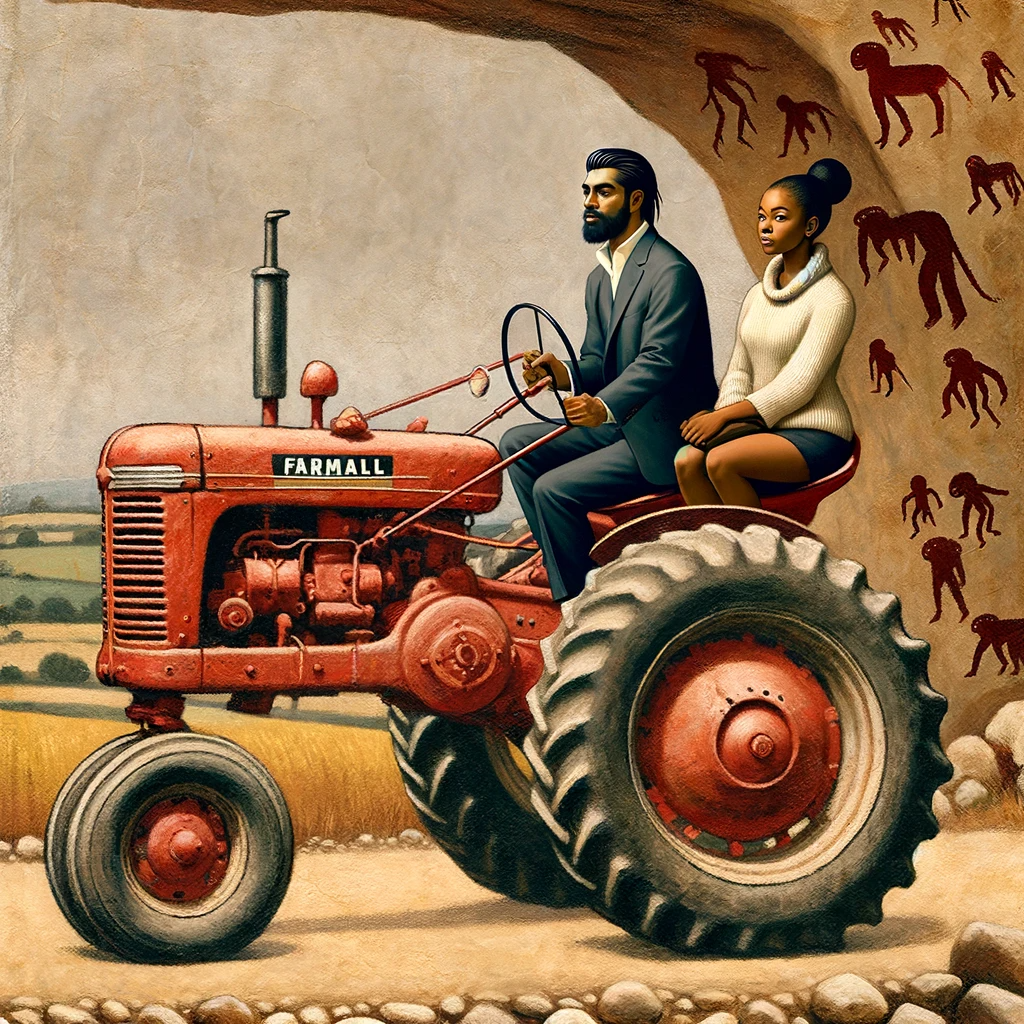
$18,000 Repair Bill Vs. $800 on a Classic – the Shocking Truth
$18,000 Repair Bill Vs. $800 on a Classic – the Shocking Truth
- The allure of classic cars lies in their stories, not just appearance or power.
- Well-loved tractors hold sentimental value beyond monetary worth, reflecting memories and history.
- An $18,000 repair bill can challenge the commitment of even the most devoted enthusiasts.
- Maintaining classic vehicles is about preserving legacies and family connections.
- An $800 repair, while seemingly minor, emphasizes the importance of valuing simplicity and understanding.
- Repair decisions convey broader life lessons about value and engaging with our possessions wisely.
- Investments in classics are emotional commitments, shaped by our responses to challenges and imperfections.

$18,000 Repair Bill Vs. $800 on a Classic – the Shocking Truth
Table Of Contents
- $18,000 Repair Bill Vs. $800 on a Classic – the Shocking Truth
- What Drives Our Fear Of Costly Repairs?
- How Do We Measure the Value Of a Classic?
- Is It Worth Spending More for Guaranteed Quality?
- What Stories Do Classic Cars Tell About Us?
- How Do Emotions Influence Our Repair Choices?
- Are We Prioritizing Nostalgia Over Practicality?
- Conclusion
- Other Resources
- Glossary Of Terms
- Other Questions
- Haiku
- Poem
- Checklist
What Drives Our Fear Of Costly Repairs?
When that ominous sound echoes from your vehicle or tractor—an unsettling clunk or a high-pitched whine—it stirs an all-too-familiar cocktail of emotions. You feel it in your gut, a knot tightening, and suddenly you’re spiraling down a rabbit hole of anxiety and dread. What if this is serious? What if the repair bill hits me like a freight train? It’s not just the financial strain; it’s the fear of being sidelined when life demands your engine running smoothly.
Consider this: a friend of mine once faced a dilemma with his trusty old tractor, essential for his small farm. It wasn’t just a machine; it was part of his daily routine, a lifeline to his livelihood. One day, it wheezed to a stop mid-field, and the fear of a costly repair became palpable. He could almost feel the weight of missed deadlines and financial shortfalls bearing down on his shoulders. Rationally, he understood that repairs were part of owning machinery, yet the emotional weight of uncertainty can cloud even the most pragmatic minds.
Repair fears are intertwined with our sense of control. We live in an era where instant gratification reigns supreme; a simple click can summon help, but when it comes to repairs, the situation flips. We wrestle with existential questions: What if the parts aren’t available? What if the mechanic is dishonest, bending the truth to inflate the bill? These thoughts gnaw at our peace of mind. It’s not just about the cost; it’s about trusting the people we depend on and feeling vulnerable when we hand over our hard-earned cash.
Sharing the burden of these fears is crucial. Talking to friends or neighbors who’ve weathered similar storms can transform anxiety into action. They might share stories of a costly but necessary repair, turning trepidation into a badge of honor. Knowing you’re not alone in this experience fosters community and connection.
In the grand tapestry of our lives, knowledge can be a soothing salve. Understanding that repairs, while daunting, are often necessary steps in maintaining the machines we depend on gives us power. Tackle the unknown with confidence, seek out trustworthy professionals, and remember: every costly repair is also an opportunity to learn, grow, and fortify the very foundation of our daily lives. With every tip, every dollar spent wisely, we don’t just maintain our vehicles; we reaffirm our resilience, empowering ourselves to face whatever comes next.

What Drives Our Fear Of Costly Repairs?
What Drives Our Fear Of Costly Repairs?
- Unsettling sounds from vehicles stir feelings of anxiety and dread about potential repairs.
- Fear of costly repairs and disruption to daily life can be overwhelming.
- A personal story highlights the emotional toll of machine failures on livelihoods.
- Repair fears reflect a loss of control in a fast-paced world of instant solutions.
- Concerns about dishonest mechanics and part availability can exacerbate stress.
- Sharing experiences with others helps alleviate anxiety and fosters community support.
- Knowledge about necessary repairs can empower and strengthen resilience in daily life.

What Drives Our Fear Of Costly Repairs?
How Do We Measure the Value Of a Classic?
How Do We Measure the Value of a Classic?
When we gaze upon a classic—a vintage tractor, perhaps—we’re not just looking at machinery; we’re witnessing the embodiment of history, hard work, and craftsmanship that shaped our lives. Think of the first time you saw that rusted red beauty, sitting proud among the fields, its paint faded but its spirit undiminished. It’s more than a vehicle; it’s a vessel of stories, a connection to the generations that toiled before us.
Measuring the value of a classic means diving into this emotional reservoir. It’s about how that tractor helped a farmer bring in the harvest in times of drought or how it sparked joy in a child’s heart as they watched their grandparent refine its engine and bring it back to life. The classic doesn’t just occupy space; it occupies a place in our memories and traditions, holding a narrative that speaks to who we are.
Rationally, value can be measured in terms of utility, market demand, and the rarity of such relics. But the true worth transcends numbers. A classic’s value is found in the way it carries the weight of its legacy, much like how veterans carry their own stories of sacrifice and resilience. Each scratch on the tractor isn’t a flaw; it’s a testament to the trials faced and the triumphs achieved. In this sense, the measure of value isn’t merely in dollars and cents but in the weight of shared experience.
Ethically, valuing a classic prompts us to reflect on our own legacies. It’s an invitation to preserve the craftsmanship, not just for ourselves but for future generations, turning to the heart of what makes us human: the desire to connect and share stories. Each classic embodies the essence of its creator, from the hardworking farmers to the enthusiastic restorers, and it deserves recognition.
Socially, owning a classic cultivates community. Gathering around a vintage tractor at a local show or sharing restoration tips at a nearby workshop fosters connections between strangers who become friends, all united by a shared passion. When we pass on the knowledge of maintenance or participate in discussions about its history, we are not just celebrating a machine; we’re preserving a heritage.
So, as we ponder the value of a classic, let’s not forget the soul behind the steel. Let’s cherish not just the age and aesthetics but also the stories they carry, their role in shaping our identities, and their power to connect us to one another—because that is the true measure of value.

How Do We Measure the Value Of a Classic?
How Do We Measure the Value Of a Classic?
- A classic, such as a vintage tractor, embodies history, craftsmanship, and connection to past generations.
- Value is measured not only in utility and rarity but also in emotional significance and shared experiences.
- Each imperfection on a classic represents its legacy and the triumphs of its users.
- Valuing a classic encourages reflection on personal legacies and the desire to preserve craftsmanship for future generations.
- Owning a classic fosters community through shared passions and knowledge exchange.
- Participation in events and discussions about classics helps preserve cultural heritage.
- The true measure of value lies in the stories and connections that classics inspire.

How Do We Measure the Value Of a Classic?
Is It Worth Spending More for Guaranteed Quality?
When you invest in quality, it’s a bit like buying a trusty tractor instead of a flimsy lawnmower. Sure, the lawnmower gets the job done, but it’s the tractor that can plow through tough terrain, day after day, with unmatched reliability. Think about it: a quality purchase is more than just a trendy brand or the latest gadget; it’s an investment in your own peace of mind.
Imagine standing in front of a display of shoes. One pair, stylish yet flimsy, catches your eye, while another, more robust and a bit pricier, offers a promise of durability. You know deep down that the costlier option will likely outlast the bargain buy. This isn’t just about spending money; it’s about making choices that resonate with our values and our pockets too. A pair of shoes, like that dependable tractor, isn’t just for today; it’s about the countless walks, the adventures, and the memories that will unfold.
The allure of guaranteed quality strikes a chord not just with our wallets but with our hearts. Each time we choose wisely, we affirm our commitment to sustainability, shifting our focus from fleeting gratification to long-term satisfaction. Unlike a single-use item that ends up in a landfill, a quality purchase often represents a story—one of careful consideration, a nod to craftsmanship, and respect for the artisans who poured their soul into making it. Each scratch and dent tells a tale of resilience, much like the tractor that has weathered storms and trudged through mud yet keeps on going.
Let’s not forget the ripple effect of our choices. When we opt for higher quality, we support businesses that prioritize ethical practices, investing in fair wages and sustainable materials. It becomes a community affair, where every purchase echoes a collective decision to back integrity and craftsmanship, creating a fulfilling cycle of trust. This acts as a beacon, guiding others in our social circles toward a more thoughtful approach to consumption.
Ultimately, spending more for guaranteed quality is about recognizing the worth of things that endure. It’s about connection—to the products we choose, to the communities we support, and to ourselves. So next time you’re faced with a choice, remember the tractor: a symbol of strength, reliability, and the promise that sometimes, quality does indeed cost a little more—but in the end, it’s worth every penny.

Is It Worth Spending More for Guaranteed Quality?
Is It Worth Spending More for Guaranteed Quality?
- Investing in quality is comparable to choosing a reliable tractor over a flimsy lawnmower.
- A quality purchase brings peace of mind beyond trendy brands or gadgets.
- Durable items, like robust shoes, often outlast cheaper alternatives and represent lasting value.
- Choosing quality reflects commitment to sustainability and long-term satisfaction.
- Quality products tell stories of craftsmanship and resilience, unlike single-use items.
- Supporting higher quality products aids ethical practices and fair wages in businesses.
- Recognizing the value of quality fosters connections to products, communities, and personal values.

Is It Worth Spending More for Guaranteed Quality?
What Stories Do Classic Cars Tell About Us?
Classic cars are more than just metal, paint, and rubber; they are vessels of nostalgia that resonate with our memories, our aspirations, and our identities. Each model, from the gleaming chrome of a ‘57 Chevy to the rugged charm of a vintage Ford, embodies a story that connects us to our past, our community, and even our values. They serve as reminders of simpler times when the roar of a well-tuned engine could drown out the incessant hum of modern life.
Think of the open road, an invitation to freedom. The thrill of driving a classic car evokes a sense of adventure that resonates deeply. It’s akin to the tactile joy of gripping a tractor’s wheel on a sunlit day, feeling the soil beneath one’s feet while steering into the unknown. Like the farmers who have worked the land tirelessly, classic cars reflect hard work, persistence, and the pursuit of dreams. They invite us to reflect on our own journeys—both the struggles and triumphs that shape who we are.
Rationally, classic cars represent a blend of craftsmanship and engineering that rarely exists today. They symbolize a time when vehicles were built with integrity, each curve and component a labor of love. This emphasis on quality resonates with our modern desire for authenticity in a world increasingly dominated by mass production. Our attraction to these cars speaks to a yearning for something substantial, a quest for products that tell us they were made to last—much like the values we hold dear.
On a deeper level, these cars remind us of the ethical responsibility to preserve our heritage while embracing innovation. Every well-maintained classic is a testament to stewardship and respect for history. When we choose to restore and cherish these vehicles, we forge a connection across generations, bridging the gap between our forebears and future values.
Socially, classic car enthusiasts create vibrant communities that nurture connection and camaraderie. They gather at shows and rallies, sharing stories and forging friendships, all sparked by a shared passion. There’s something profoundly engaging about coming together—even if it’s just to admire a finely tuned engine or debate the best paint job of a ’69 Mustang. These interactions cultivate an environment of trust and belonging.
Ultimately, classic cars tell us about our collective journey, weaving a narrative that transcends time. They remind us of the value of craftsmanship, the beauty of stories shared, and the spirit of exploration. In a world increasingly focused on speed and efficiency, the legacy of classic cars invites us to slow down and appreciate the ride—profoundly a reflection of who we are.

What Stories Do Classic Cars Tell About Us?
What Stories Do Classic Cars Tell About Us?
- Classic cars embody nostalgia, connecting us to our past, community, and values.
- They evoke a sense of adventure and reflect the persistence and dreams of those who cherish them.
- Classic cars symbolize craftsmanship and engineering integrity, appealing to a modern desire for authenticity.
- They remind us of our ethical responsibility to preserve heritage while embracing innovation.
- Enthusiasts foster vibrant communities through shared passion at shows and rallies, building connections and camaraderie.
- Classic cars narrate our collective journey, highlighting craftsmanship, shared stories, and the spirit of exploration.
- The legacy of classic cars invites appreciation for deeper values in an age of speed and efficiency.

What Stories Do Classic Cars Tell About Us?
How Do Emotions Influence Our Repair Choices?
Emotions play a pivotal role in shaping our repair choices, often in ways we might not fully realize. When faced with a broken item—a trusty tractor, for instance—we aren’t just weighing the cost of repairs against a shiny new replacement; we’re navigating a blend of feelings, memories, and values. That old tractor isn’t merely machinery; it’s a symbol of hard work, family history, and countless sunrises spent tilling the land.
Think about the stories that surround it—how it helped harvest the first crop, the laughter shared over engine troubles, or the lessons passed down through generations. These narratives create an emotional bond that makes the thought of discarding it seem almost sacrilegious. It’s not just about metal and mechanics; it’s about connection, nostalgia, and identity.
On a rational level, repairing the tractor might make sense financially. The decision to keep it running can often be viewed through the lens of economic practicality—savings to be made, time invested. But emotions can complicate this calculus. Our gut tells us that replacing it might mean losing a piece of who we are. Every repair is a vote of confidence in our abilities and a testament to our commitment to preserving what matters.
From an ethical standpoint, consider the broader implications of consumerism. Repairing instead of replacing not only fosters a sense of stewardship over our resources, but it also stands in defiance against a throwaway culture. Choosing to fix what we have is, in essence, a moral stand for sustainability, a way to honor both the environment and our own histories.
Personal stories further illustrate this emotional landscape. Take, for example, a neighbor who spent countless weekends and late nights carefully mending his father’s old tractor, meticulously inscribing each rusted bolt with memories of mentorship and love. The practical aspects of repair—costs, labor, and parts—were secondary to the deeper connection formed through the act itself. Each moment spent bent over that engine became a thread in the fabric of their relationship.
In a world that pushes us to embrace the new, the act of repairing can feel like an act of rebellion, a way to reclaim our narratives and foster a sense of community. When we choose to repair, we’re not just fixing an object; we’re knitting ourselves back into the stories that shape our lives, asserting our values, and ensuring that the legacy of our choices resonates far beyond the workshop.

How Do Emotions Influence Our Repair Choices?
How Do Emotions Influence Our Repair Choices?
- Emotions significantly influence repair decisions beyond mere financial calculations.
- Items like a tractor symbolize hard work, family history, and personal memories.
- Stories surrounding objects create emotional bonds, making disposal feel sacrilegious.
- Repairing is often a vote of confidence in personal abilities and a commitment to preservation.
- Choosing to repair fosters sustainability and counters a throwaway culture.
- Personal anecdotes highlight the deeper connections formed through the act of mending.
- The act of repairing can be seen as a rebellion against societal norms, reasserting individual narratives.

How Do Emotions Influence Our Repair Choices?
Are We Prioritizing Nostalgia Over Practicality?
As I sit on the porch, the distant hum of a tractor echoes through the fields, a symphony of hard work and resilience. This familiar sound stirs memories of simpler times—days when life was straightforward, the sun kissed our skin, and the biggest worry was whether to ride bikes down the hill or help dad in the garden. We often find ourselves yearning for those past moments, idealizing them as a balm for our current complexities. But are we letting that nostalgia cloud our judgment and distract us from the practicalities we face today?
Nostalgia is a powerful force, deeply embedded in our collective consciousness. It brings warmth, connection, and a sense of belonging. Yet, this longing can also lead us astray, steering us away from pragmatic decisions. Take the burgeoning trend of restoring vintage tractors. Sure, they symbolize a cherished, resourceful past, but when the fields are in need of efficient equipment, one must ask: Are we prioritizing the romance of nostalgia over the demands of practicality?
Rationally speaking, the world has changed. The challenges we confront today—climate change, economic pressures, and rapid technological advancement—require that we adopt modern solutions. While an old piece of machinery might represent enduring craftsmanship, its efficiency, reliability, and cost-effectiveness pale in comparison to what contemporary innovations can offer. The decision to cling to the old because it feels good can hinder progress, leaving our potential untapped.
Ethically, we must consider the community we foster. In a society that values progress and adaptability, promoting nostalgia can create a divide, where some cling to the past while others look to the future. This rift can fracture connections and hinder our ability to work together toward common solutions. Acknowledging the lessons of yesterday while embracing the possibilities of tomorrow is key to sustainable growth.
While the tractor turns the earth with reliability, it’s crucial to recognize that a blend of the past’s wisdom and the present’s innovation can yield the best results. Let’s celebrate and learn from our history, but don’t let it anchor us to the dock. Instead, let’s engage with both heart and head, weaving our fond memories into a fabric that supports practical action. Sometimes, the truest form of nostalgia is not what we cling to, but how we honor our past by cultivating a robust, dynamic future.

Are We Prioritizing Nostalgia Over Practicality?
Are We Prioritizing Nostalgia Over Practicality?
- The distant hum of a tractor evokes memories of simpler times.
- Nostalgia creates warmth and connection but can distract from practical decisions.
- Restoring vintage tractors symbolizes a resourceful past but may conflict with modern efficiency needs.
- Contemporary challenges require adopting modern solutions over clinging to outdated methods.
- Promoting nostalgia can create divides in communities focused on progress.
- A balance of past wisdom and present innovation is essential for sustainable growth.
- Honoring the past should support a dynamic future rather than hinder progress.

Are We Prioritizing Nostalgia Over Practicality?
Conclusion
Classic cars are more than just machines; they are storytellers, embodying history, labor, and connection. The emotional pull of a vintage tractor or car is palpable, rooted in memories of hard work and joyous milestones. When faced with hefty repair costs, the choice isn’t solely financial; it taps into a deep well of nostalgia and legacy. An $18,000 bill may induce anxiety, yet it frames a larger conversation about the value of preserving those irreplaceable links to our past. Conversely, an $800 repair invites reflection on practical decision-making, emphasizing that value isn’t always about the initial cost, but the depth of engagement with our possessions.
Repairing a classic is a testament to resilience and character. Each dent and scratch tells a story, encouraging us to confront our own imperfections. This isn’t just about fixing machinery; it’s an ethical decision to honor craftsmanship over consumerism. In doing so, we reject an era of disposability and embrace sustainability, recognizing our role as stewards of our resources. Emphasizing that narrative turns repair or restoration into an act of love for our history—each interaction reinforcing a sense of identity.
Emotions loom large when making repair choices. They shape our understanding of value far beyond financial considerations. A well-loved tractor, passed down through generations, isn’t merely metal; it’s tied to family legacies and community bonds. Each moment spent repairing it doesn’t just bring the machine back to life; it binds us to people and times we hold dear.
As we navigate the balance between nostalgia and practicality, we face profound questions about our priorities. Are we allowing fond memories to dictate our choices, possibly overlooking the benefits of modern machinery that brings efficiency to today’s challenges? Embracing both our past and present is essential; it’s about weaving our cherished memories into a future centered around innovation while fostering community connections.
Ultimately, the story of classic car repair transcends mere mechanics. It’s a heartfelt testament to our values, the choices we make under pressure, and the legacies we aim to uphold. Whether casting an eye towards an $18,000 repair or a mere $800 fix, each decision speaks volumes about who we are and the stories we wish to carry forward. In this intricate dance of heart, head, and gut, we find that true value lies not just in what we restore, but in the unbreakable bonds we forge along the way.

Conclusion
Conclusion:
- Classic cars serve as storytellers, representing history, labor, and connection.
- The emotional connection to vintage vehicles is linked to memories of work and milestones.
- High repair costs evoke nostalgia and legacy considerations beyond mere financial implications.
- Repairing classic cars reflects resilience, character, and the importance of craftsmanship over consumerism.
- Each repair fosters a sense of identity and strengthens community bonds tied to family legacies.
- Balancing nostalgia with practicality raises questions about our priorities in repairing or replacing machinery.
- The journey of classic car repair emphasizes values, choices, and the connections we seek to maintain.

Conclusion
Other Resources

Other Resources
Here is a list of other resources you can review online to learn more:
- FTMTA
- Antique Tractor Club
- Rutherford County Farm Museum
- Bruce County Heritage Farm Show
- GBT
- Barn Finds
- Mastodon
- South Dakota Tractor Museum
- Argo Tractors
- Valtra
- Antique Farm Equipment Museum
- Komatsu
- AGCO
- Foton
- Titan Machinery
- Fendt International
- White
- Fordson
- Mahindra
Use This Prompt To Get More Resources With Your Favorite Online AI Tool: Please provide me with a list of online articles with their URLs in a bulleted list that I can read regarding $18,000 Repair Bill Vs. $800 on a Classic – the Shocking Truth

Other Resources
Glossary Terms
$18,000 Repair Bill Vs. $800 on a Classic – the Shocking Truth – Glossary Of Terms
– Classic car — A vehicle typically older than 20–25 years valued for age, rarity, design, or historical significance.
– Repair bill — Itemized invoice showing parts, labor, and fees charged to fix a vehicle.
– Restoration — Comprehensive process to return a vehicle to original or improved condition, covering mechanical and cosmetic systems.
– Cosmetic restoration — Work focused on appearance (paint, trim, chrome, upholstery) rather than mechanical systems.
– Mechanical repair — Service to restore propulsion, steering, braking, suspension, and drivetrain components.
– Labor rate — Hourly charge a shop or technician applies for hands-on work.
– Parts cost — Price of replacement components, excluding labor, taxes, and shipping.
– OEM (Original Equipment Manufacturer) — Parts made by the car’s original manufacturer or its licensed supplier.
– NOS (New Old Stock) — Unused original parts manufactured in the vehicle’s era but kept in inventory until needed.
– Aftermarket parts — Replacement parts produced by third-party manufacturers, varying in quality and fit.
– Reproduction parts — Newly manufactured parts designed to replicate the original appearance and function.
– Rare-parts premium — Additional markup applied because a part is scarce or highly sought after.
– Core charge — Refundable fee charged when buying a rebuilt part that’s refunded when the old core is returned.
– Rebuild — Refurbishing an existing component (engine, transmission) to restore function rather than replacing it.
– Replace — Installing a new or used component in place of a damaged or worn one.
– Fabrication — Custom manufacturing or modification of parts when originals aren’t available.
– Welding/bodywork — Metal repair and panel fitting needed to fix structural or cosmetic damage.
– Rust repair/corrosion control — Removing, treating, and replacing corroded metal to restore integrity.
– Matching-numbers — Vehicle whose major components (engine, transmission) carry original factory serial numbers.
– Appraisal — Expert assessment of a vehicle’s condition and fair market value.
– Agreed-value insurance — Policy that sets a fixed payout amount for a classic rather than paying current market value.
– Market value — Price a car would reasonably fetch in the current marketplace.
– Appreciation — Increase in a vehicle’s value over time due to rarity, desirability, or condition.
– Depreciation — Loss of value over time from use, damage, or market shifts.
– ROI (Return on Investment) — Financial gain relative to money spent on purchase, repair, or restoration.
– Opportunity cost — Value of the next-best use of funds spent on repairs or restoration.
– DIY (Do It Yourself) — Owner-performed repair or maintenance to reduce labor costs.
– Specialist mechanic — Technician experienced with vintage systems, specific marques, or restoration techniques.
– Parts sourcing — Process of locating required components (salvage yards, specialty suppliers, online marketplaces).
– Concours vs. driver condition — Spectrum from show-quality, concours-restored cars to mechanically sound, regularly driven examples.

Glossary Of Terms
Other Questions
$18,000 Repair Bill Vs. $800 on a Classic – the Shocking Truth – Other Questions
If you wish to explore and discover more, consider looking for answers to these questions:
- Why did one repair cost $18,000 while a similar issue was fixed for $800?
- What specific parts or labor made the $18,000 bill so expensive?
- How can I get an accurate estimate before authorizing major repairs?
- Which repairs are safe and cost-effective to do myself versus hiring a professional?
- How do I find and verify a trustworthy mechanic or restoration shop?
- Are original (OEM) parts worth the extra cost compared with aftermarket or refurbished parts?
- Where can I source rare or discontinued parts for classics and vintage tractors?
- How does the vehicle’s rarity, provenance, or historical significance affect repair decisions?
- How will extensive repairs or restorations affect resale value?
- When is it better to replace a classic with a modern equivalent rather than repair it?
- What are the typical cost ranges for common restoration projects (engine, bodywork, electrical)?
- How long do major restorations usually take from assessment to completion?
- What financing or payment options exist for large repair bills?
- Does insurance cover restoration or classic-car-specific repairs, and how do I file a claim?
- How can I estimate the long-term maintenance costs after a major repair?
- What preventive maintenance reduces the risk of catastrophic, high-cost failures?
- How do I assess whether a restoration will preserve originality or detract from authenticity?
- What documentation should I keep during repairs to protect value and provenance?
- How do I evaluate conflicting quotes from different shops?
- What certifications or specialties should I look for in a classic-car/restoration mechanic?
- Are there local or online communities, clubs, or resources that can help reduce costs or find parts?
- How do emotions and family legacy influence rational repair decisions?
- What ethical considerations arise when restoring vs. modernizing a classic?
- How can I strike the best balance between nostalgia and practical functionality?
- What are common hidden costs in restorations (paint matching, rust repair, upholstery)?
- How do geographic location and labor rates affect repair pricing?
- How will modern upgrades (brakes, safety, emissions) impact value and usability?
- What precautions ensure safety after a major repair or restoration?
- How should I document the vehicle’s condition and work performed for future buyers or heirs?
- What are realistic expectations for reliability and performance after an $800 fix versus an $18,000 overhaul?
- How do I decide when to stop investing in a classic and sell or part it out instead?

Other Questions
Haiku
$18,000 Repair Bill Vs. $800 on a Classic – the Shocking Truth – A Haiku
Classic tales abide,
Old tractors whisper of roots,
Value lies in love.

Haiku
Poem
$18,000 Repair Bill Vs. $800 on a Classic – the Shocking Truth – A Poem
In fields where tractors used to roam,
A tale of choices, heart, and home;
$18,000 whispers of burden,
While $800 reflects a lesson discerned.
A classic shines, a story told,
In rust and paint, memories unfold.
Each dent a chapter of toil and grace,
Binding us closer to time and place.
Repair or replace—a heartfelt debate,
It’s not just metal, but love we navigate.
Fear grips the gut when the engine moans,
Yet in community, we find our bones.
Tractors signal strength, history’s weight,
With echoes of laughter, we contemplate.
A balance of nostalgia and practical need,
Celebrating roots whilst planting new seed.
Investing in quality speaks to the soul,
Durability and trust, making us whole.
With each repair, a bond we renew,
Craftsmanship treasured, respect in view.
Classic cars hum the songs of our past,
They connect generations, their shadows cast.
As we ponder these choices, one truth remains,
In weighing our values, connection sustains.
So heed the lessons that these machines impart,
For in each restoration lies a soulful art.
With both head and heart, let guides be our dreams,
As we navigate life’s winding, ever-turning streams.

Poem
Checklist
$18,000 Repair Bill Vs. $800 on a Classic – the Shocking Truth – A Checklist
Heart Appeals
✅______ Reflect on the memories associated with your classic vehicle. What stories and emotions does it evoke?
✅______ Consider the legacy you are preserving through repairs. How do these choices connect you to family or ancestors?
✅______ Embrace the emotional bond formed through the process of restoring your vehicle.
Head Appeals
✅______ Evaluate the truth behind repair costs. Compare the values of an $800 repair vs. an $18,000 repair.
✅______ Analyze the practicality of repairs versus replacements. What are the long-term benefits?
✅______ Research trustworthy mechanics and their reputations. Gather facts about the repair process.
Gut Appeals
✅______ Acknowledge your instinctual fears surrounding costly repairs. What are your emotional triggers?
✅______ Trust your gut. When engaging with repair decisions, how does your intuition guide you?
✅______ Reflect on past experiences with repairs. How did those situations shape your current feelings towards maintenance?
Emotional Appeals
✅______ Identify your feelings towards nostalgia. Are they clouding your judgment on practicality?
✅______ Share and compare your stories with others in your community to foster connection and support.
Rational Appeals
✅______ Understand the financial implications of repair choices. What factors contribute to the decision-making process?
✅______ Measure the utility and market demand of classic vehicles. What makes yours valuable?
Ethical Appeals
✅______ Recognize the environmental impact of your repair vs. replace decisions. How does your choice reflect your values?
✅______ Consider implications of consumerism in machinery ownership. How can you practice sustainability?
Authority and Expertise Appeals
✅______ Seek expert advice on classic vehicle maintenance and repair to gain confidence in your decisions.
✅______ Educate yourself on the history and craftsmanship of your vehicle. What does it signify in the larger context of automotive history?
Social Appeals
✅______ Engage with classic car communities. How can shared experiences enrich your understanding of vehicle ownership?
✅______ Participate in local restoration workshops or tractor shows to build connections with others who share your passion.

Checklist
At ClassicTractorNews, we help tractor lovers keep up with the latest news for classic and vintage tractors.
Please share this post with your friends, family, or business associates who may like old classic or vintage tractors.